About Pha Hi Village
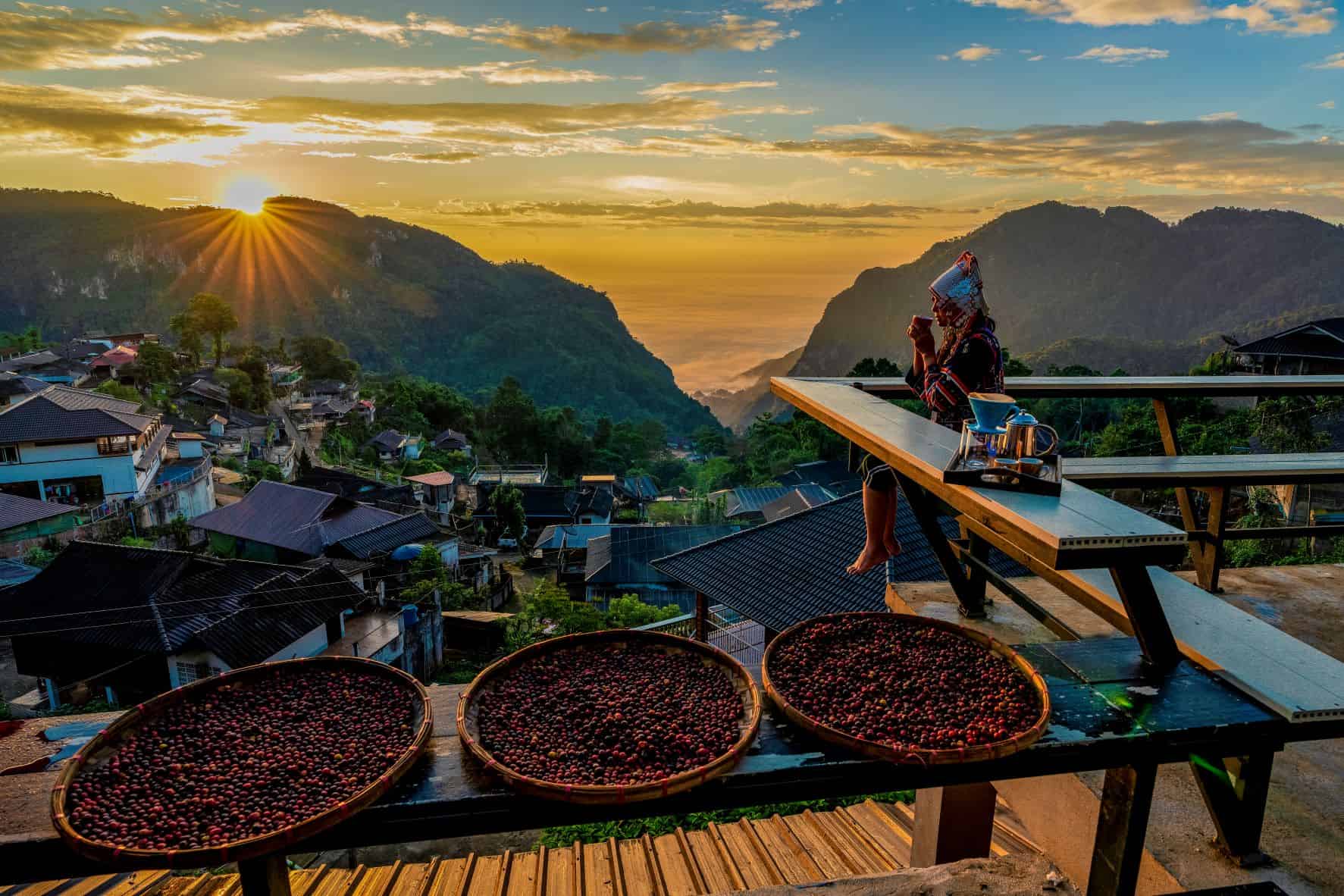
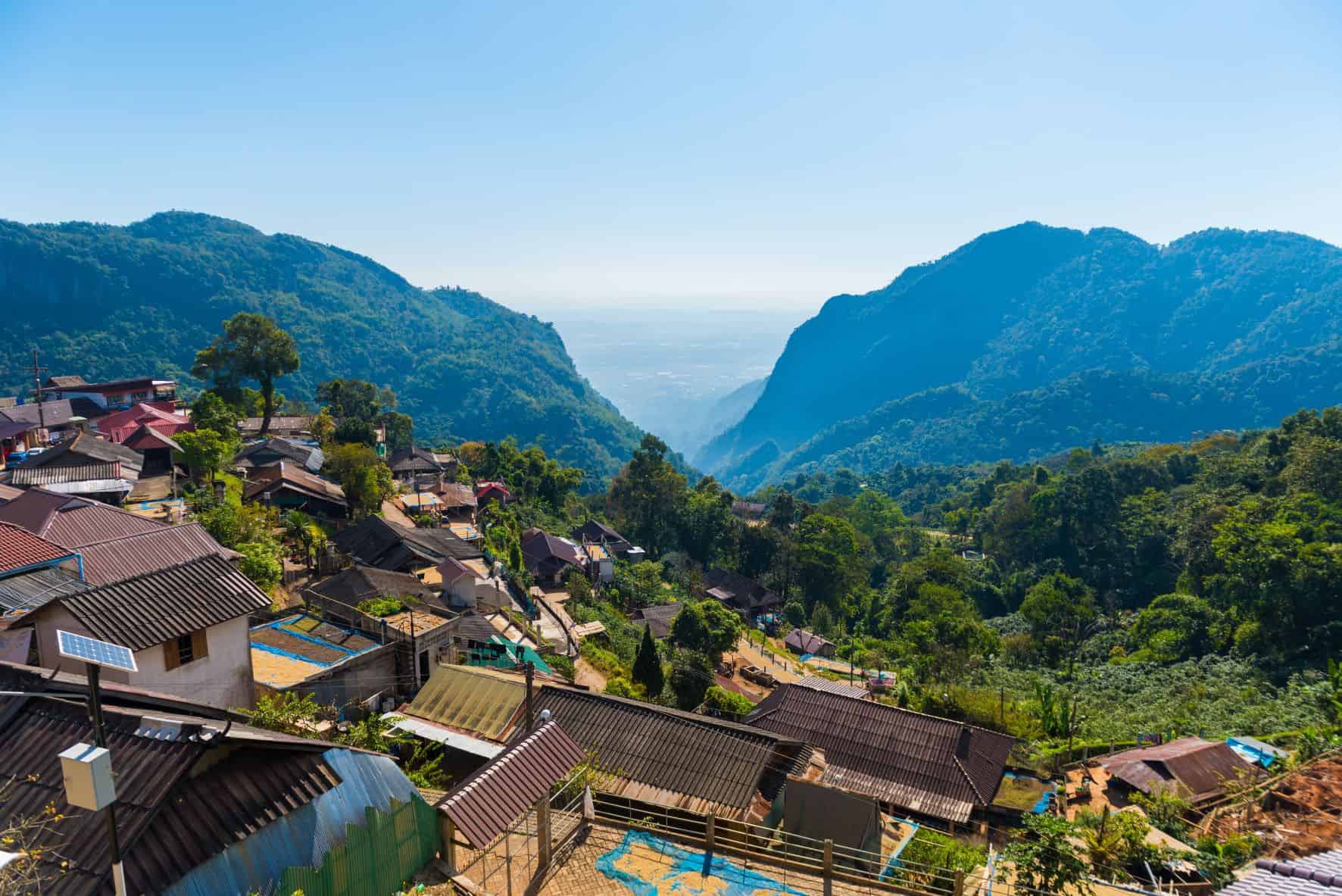
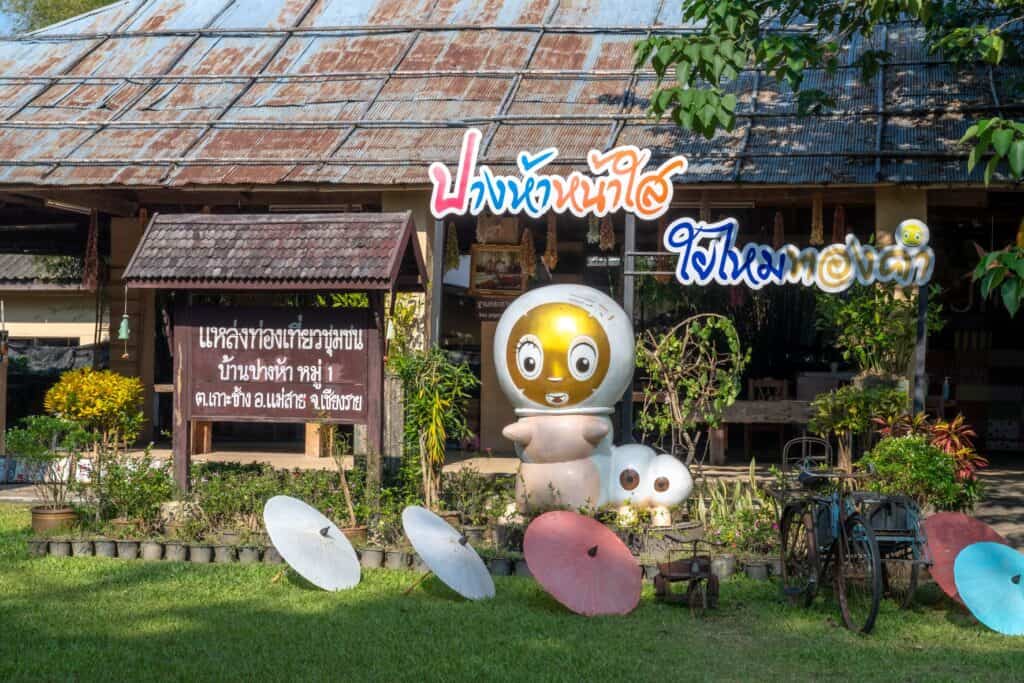
Pha Hi Village (also spelled Pha Hee, Phahee, or Pa Hee; Thai: ผาฮี้, also known as Ban Pha Hi or Ban Pha Hee) is a small Akha hill tribe community perched on a mountainside in the Mae Sai district of Chiang Rai province, in Thailand’s far north. At roughly 1,200 metres above sea level, the village offers sweeping views over the surrounding mountains and valleys — including the famous “sea of mist” (ทะเลหมอก) on cool mornings.
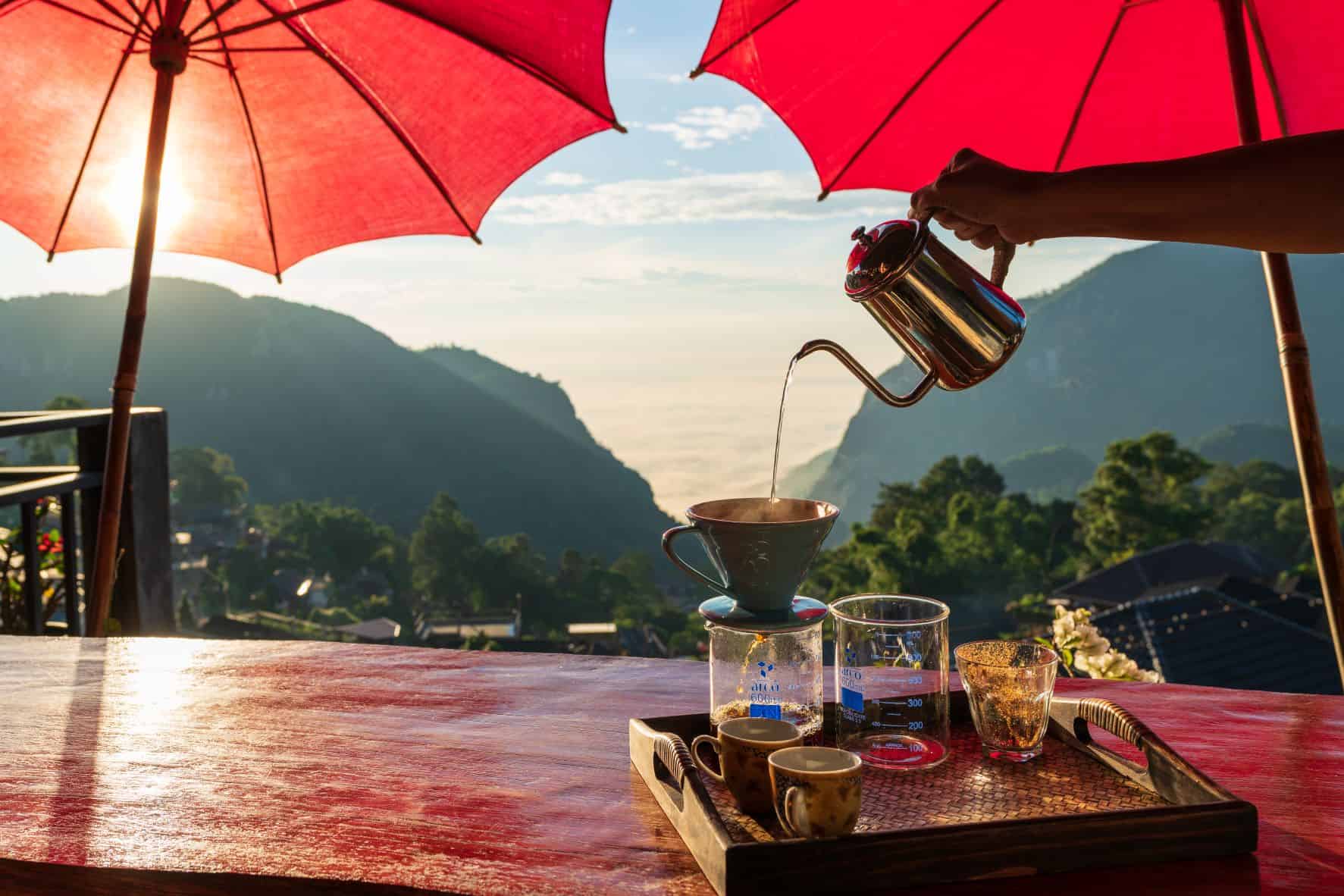
The village is best known for its Arabica coffee, grown on the slopes of Doi Pha Hee. What was once an opium-growing region has been transformed through royal development projects into one of northern Thailand’s emerging coffee origins. Today, Pha Hi coffee is served in specialty cafes across Chiang Rai and Bangkok.
Doi Pha Hee Viewpoint & Sea of Mist
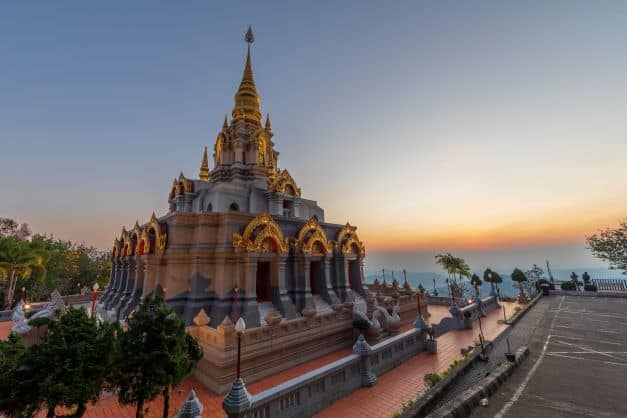
The hilltop viewpoint above the village — known as Doi Pha Hee (ดอยผาฮี้) — is the main draw for most visitors. On clear mornings from November to February, a blanket of mist fills the valley below, creating a stunning “sea of clouds” effect as the sun rises over the Myanmar border mountains.
The viewpoint is a short walk uphill from the village parking area. Arrive before 6:30am for the best conditions. The mist typically burns off by 8:00-9:00am. Even outside mist season, the panoramic views over the forested hills are worth the visit.
Akha Coffee Culture
The Akha people of Pha Hi have been growing Arabica coffee since the 1970s, when the Thai royal family’s crop substitution programme helped transition highland communities away from opium cultivation. The village’s altitude, cool climate, and fertile soil create ideal growing conditions.
Several small cafes in the village serve locally grown and roasted coffee. A cup costs 40-60 baht. You can also buy whole beans or ground coffee as souvenirs — prices are significantly lower than in city cafes, and you’re buying directly from the growers. The coffee has a mild, slightly fruity character typical of Thai highland Arabica.
Akha Hill Tribe Heritage
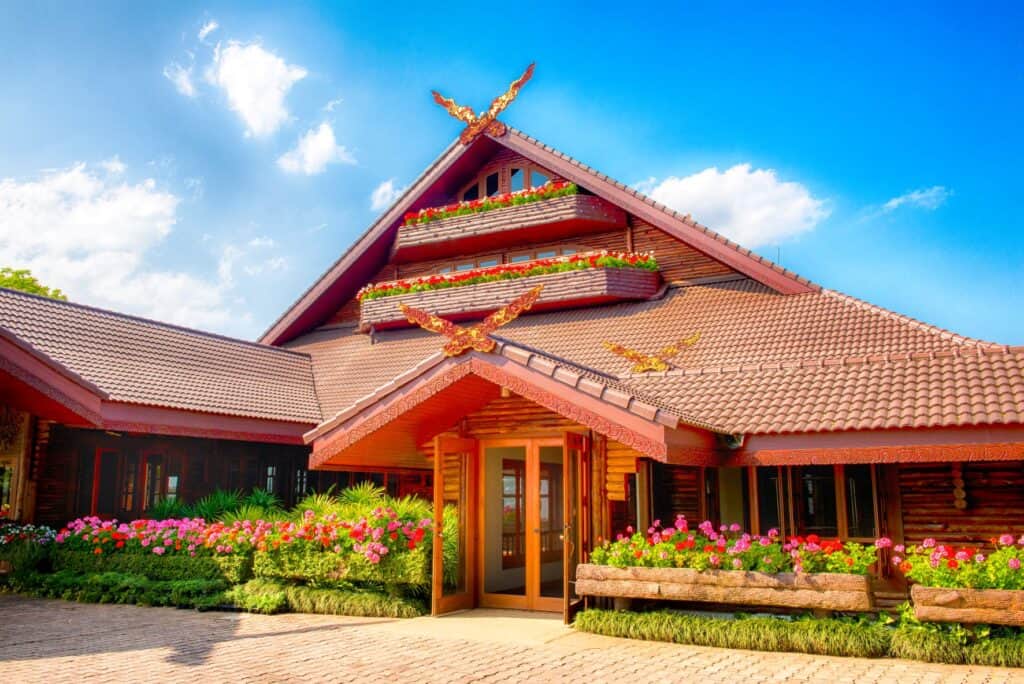
The Akha are one of Thailand’s recognized hill tribe groups, originally from the Tibetan plateau with communities across southern China, Myanmar, Laos, and northern Thailand. Pha Hi village retains much of its traditional Akha character — you’ll see traditional wooden houses, the distinctive Akha gateway (spirit gate) at the village entrance, and residents wearing colourful traditional dress, especially during festivals.
The village is home to around 50-60 families. Residents are welcoming to visitors but this is a living community, not a tourist attraction. Show respect by asking before photographing people, buying something from local vendors, and dressing modestly.
Best Time to Visit
The cool season (November to February) is ideal. Temperatures drop to 5-15°C at night at this elevation, and mornings bring the famous sea of mist. The coffee harvest also peaks in December-January. During the hot season (March-May), the views are often hazy from agricultural burning. The rainy season (June-October) brings lush green scenery but the road can be slippery.
How to Get to Pha Hi Village
Pha Hi is located about 30km northwest of Mae Sai town, near the Myanmar border. The last stretch is a steep, winding mountain road.
- From Chiang Rai: Drive north on Route 1 to Mae Sai (65km, ~1 hour), then take Route 1149 west toward Doi Tung, turning off toward Ban Pha Hi. Total drive time from Chiang Rai is about 1.5-2 hours.
- From Mae Sai: 30-40 minutes via Route 1149. The turnoff to Pha Hi is signposted (look for ผาฮี้).
- Vehicle: A car or motorbike is essential — there’s no public transport to the village. The road is paved but steep in sections. 4WD is recommended during the rainy season.
There is no entry fee for the village. Parking is available near the viewpoint.
Nearby Attractions
Pha Hi combines well with other northern Chiang Rai attractions:
- Doi Tung Royal Villa & Mae Fah Luang Garden — 20km south, the former residence of the Princess Mother
- Mae Sai border market — Thailand’s northernmost point, with cross-border shopping
- Tham Luang Cave — the famous cave rescue site, 15km east
- Golden Triangle (Sop Ruak) — 40km east, where Thailand, Laos, and Myanmar meet
Frequently Asked Questions
Is there an entry fee for Pha Hi Village?
No, there is no entry fee to visit Pha Hi Village or the Doi Pha Hee viewpoint. The village is a public community. Parking is free.
When is the best time to see the sea of mist at Doi Pha Hee?
The sea of mist is most common from November to February during the cool season. Arrive before 6:30am for the best views — the mist usually burns off by 8:00-9:00am. December and January typically have the most consistent conditions.
Can you buy coffee at Pha Hi Village?
Yes, several small cafes in the village serve locally grown Arabica coffee for 40-60 baht per cup. You can also buy whole beans or ground coffee to take home. The coffee is grown on the slopes of Doi Pha Hee by Akha villagers.
How do you get to Pha Hi Village from Chiang Rai?
Drive north on Route 1 to Mae Sai (65km, ~1 hour), then take Route 1149 west toward Doi Tung and follow signs to Ban Pha Hi. Total drive from Chiang Rai is 1.5-2 hours. A car or motorbike is essential — no public transport reaches the village.
What is the Akha hill tribe?
The Akha are one of Thailand’s recognized indigenous hill tribe groups, originally from the Tibetan plateau. They have communities across southern China, Myanmar, Laos, and northern Thailand. The Akha of Pha Hi are known for their traditional dress, animist-Buddhist customs, and more recently, their specialty coffee cultivation.