


Christophe95 · Wikimedia Commons · resized and converted to WebP · CC BY-SA 4.0
Phuket
ภูเก็ต
Thailand's largest island with some of the most popular beaches
Recommended by us

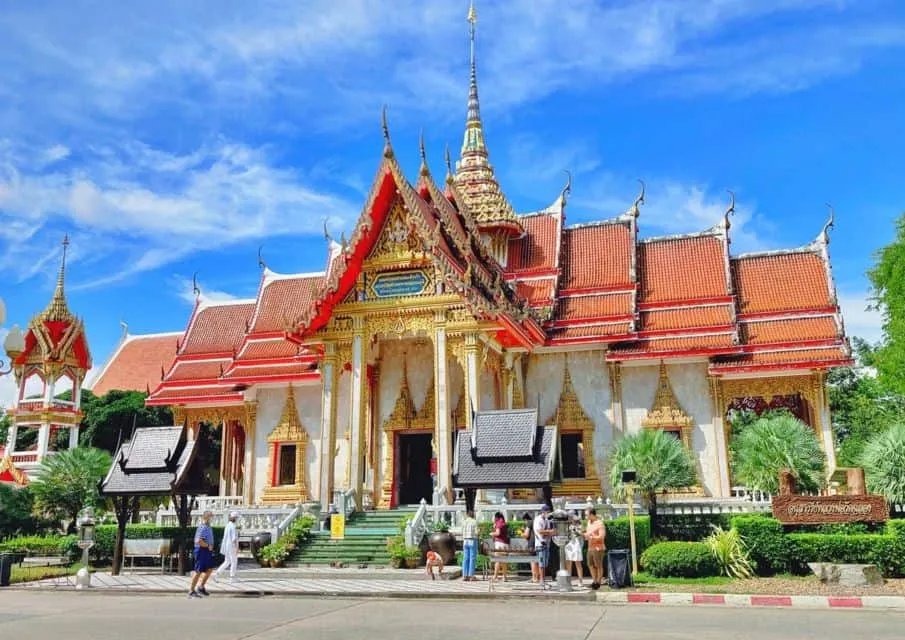
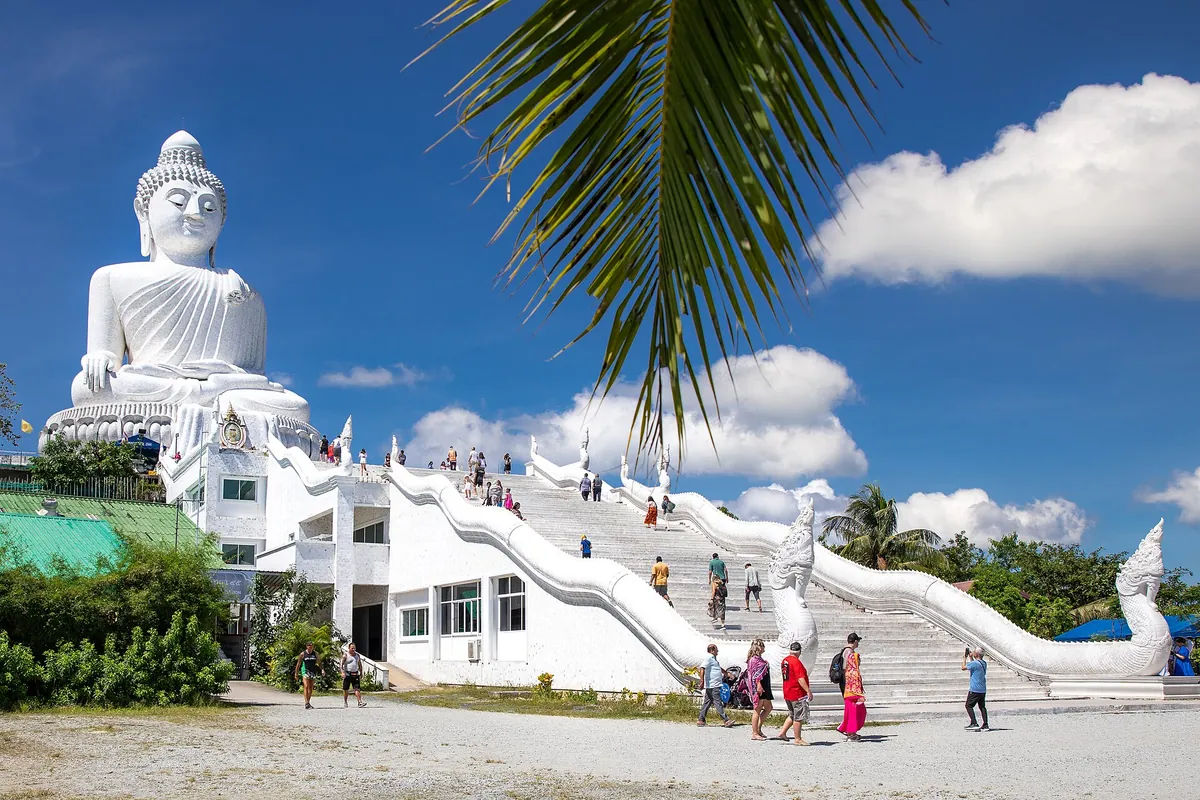
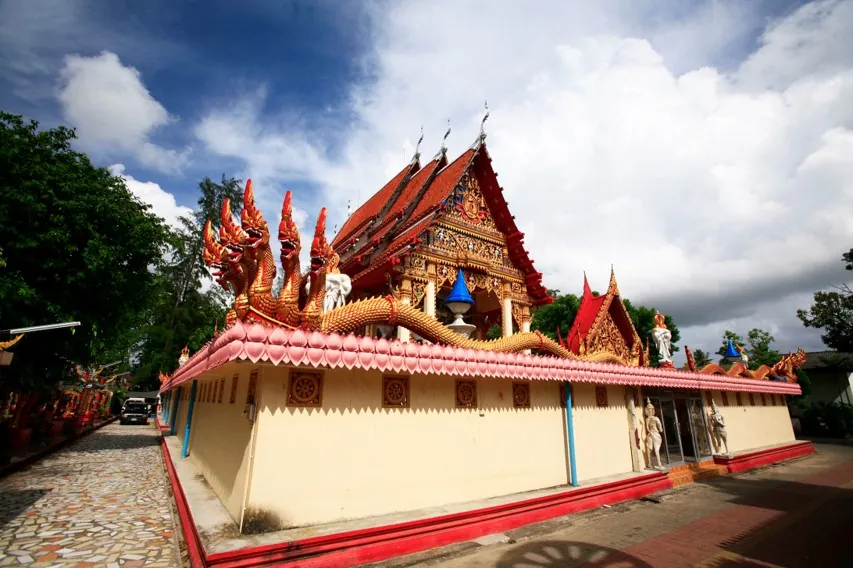
Wat Chalong
Phuket's grandest temple, with a 60m chedi you can climb for the breeze and the view. Dress modestly — shoulders and knees covered.

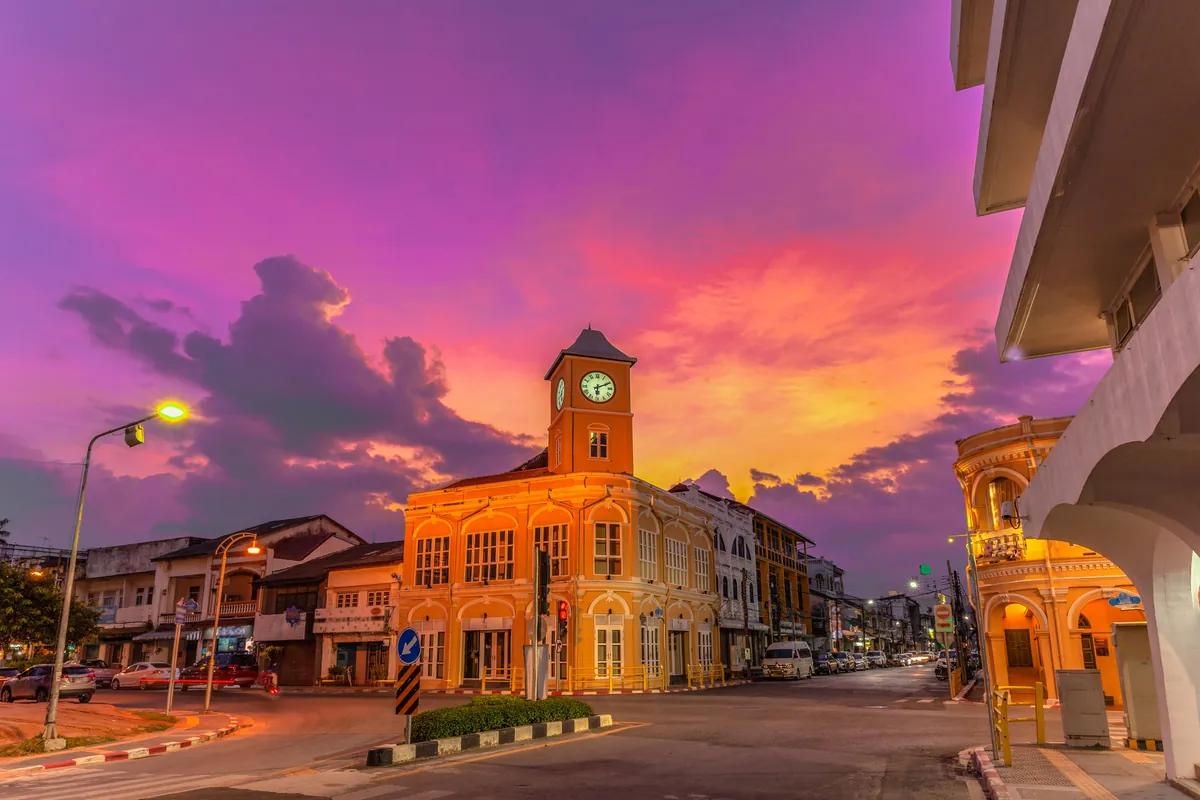
Phuket Old Town
Sino-Portuguese shophouses in sherbet colours, best wandered late afternoon. Sunday's Walking Street turns Thalang Road into a food market.

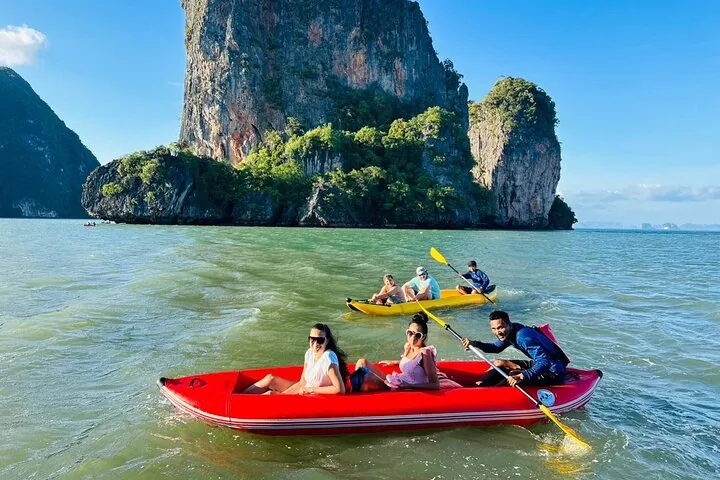
James Bond Island
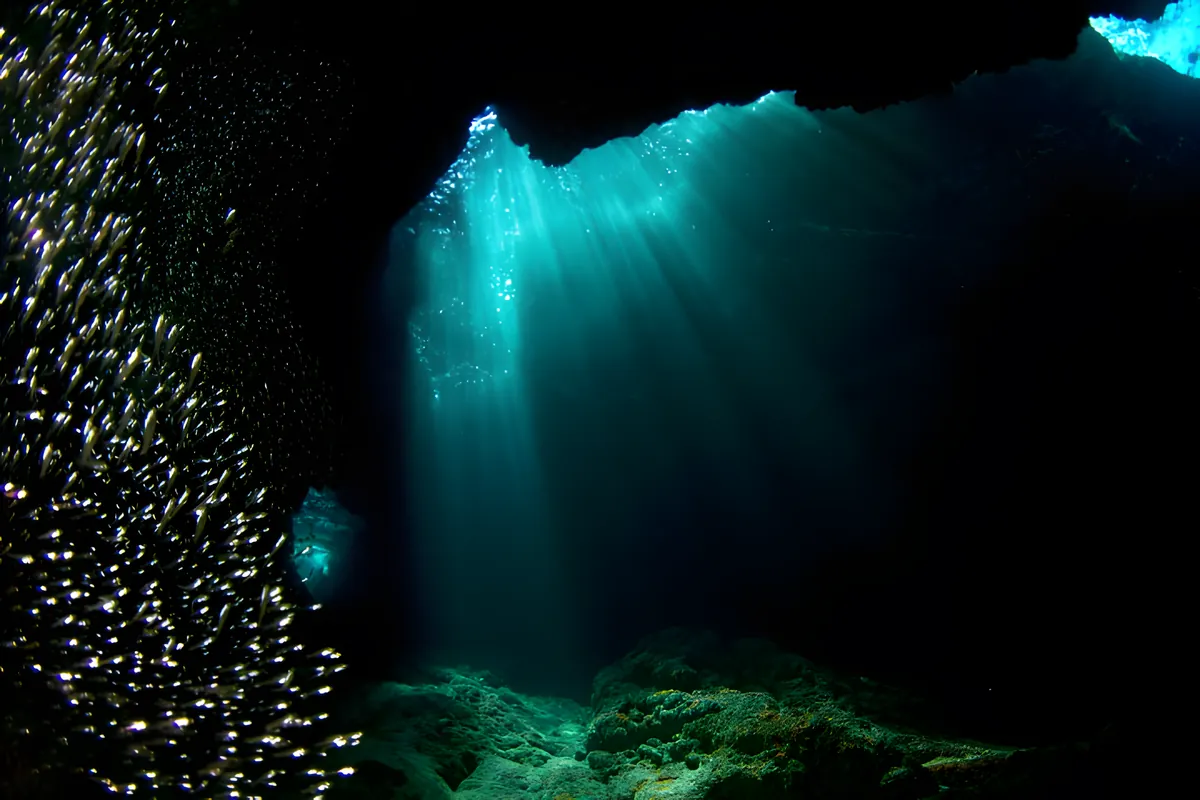
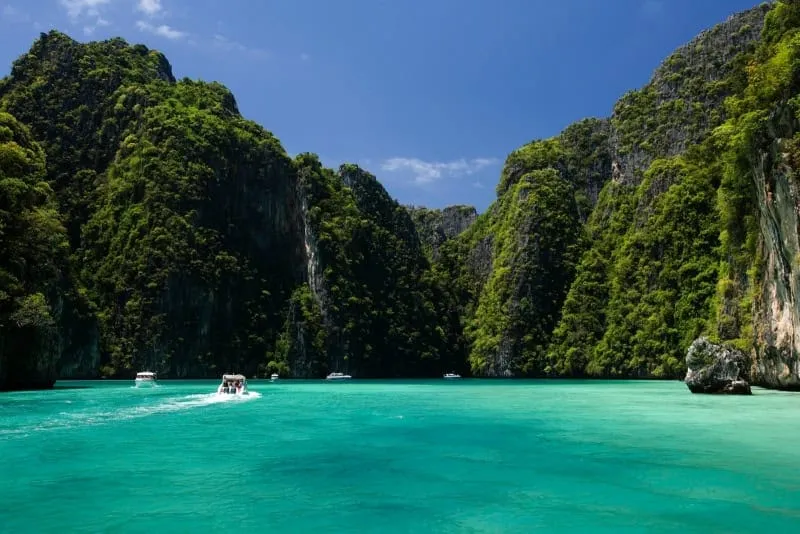
The classic Phang Nga Bay run — limestone karsts, sea caves and the famous leaning rock. Long-tail beats the big speedboats for atmosphere.

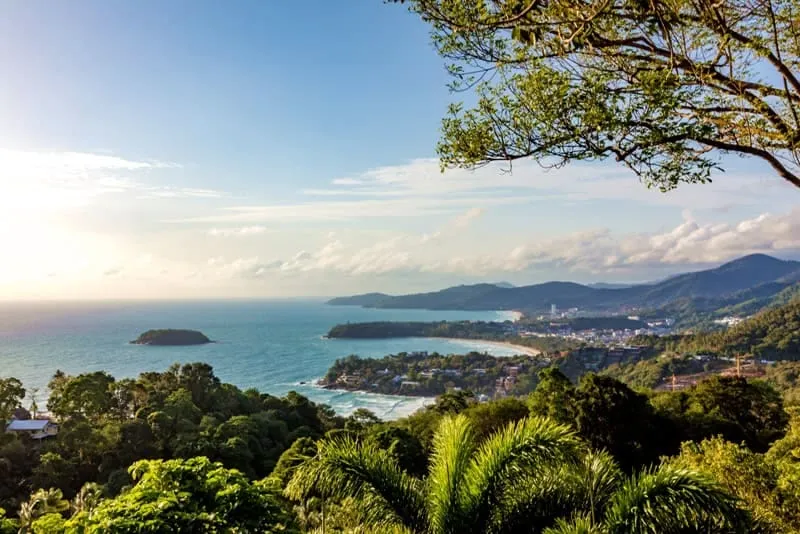
Kata Karon Viewpoint
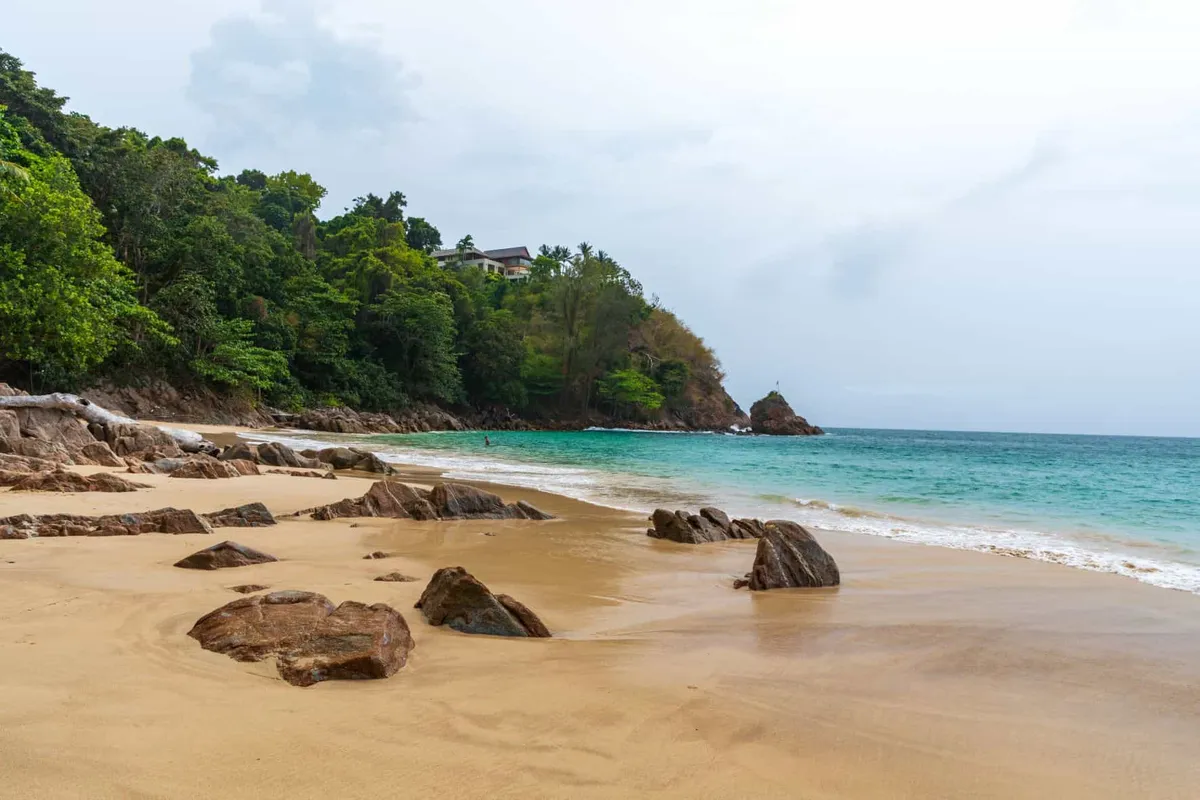
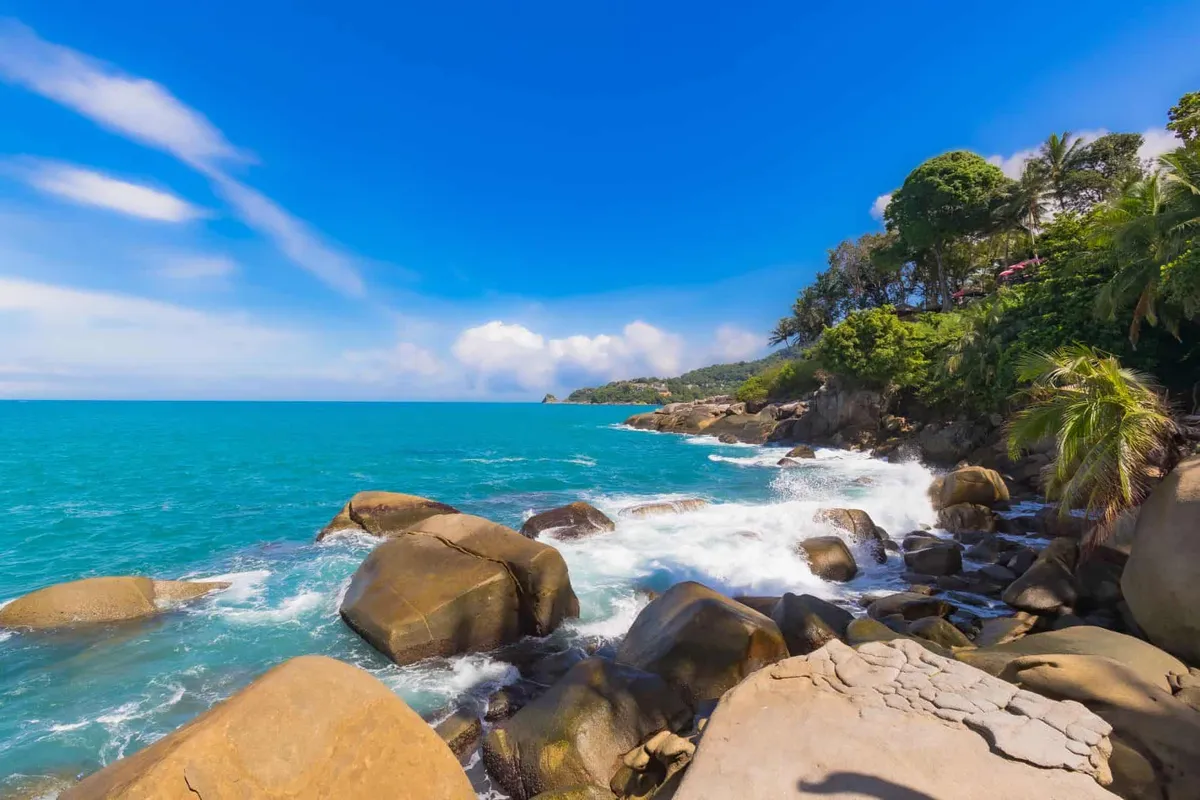
The three-bay sweep south of Kata — pull in for sunset, not midday when the tour coaches stack up. Five minutes is all you need.

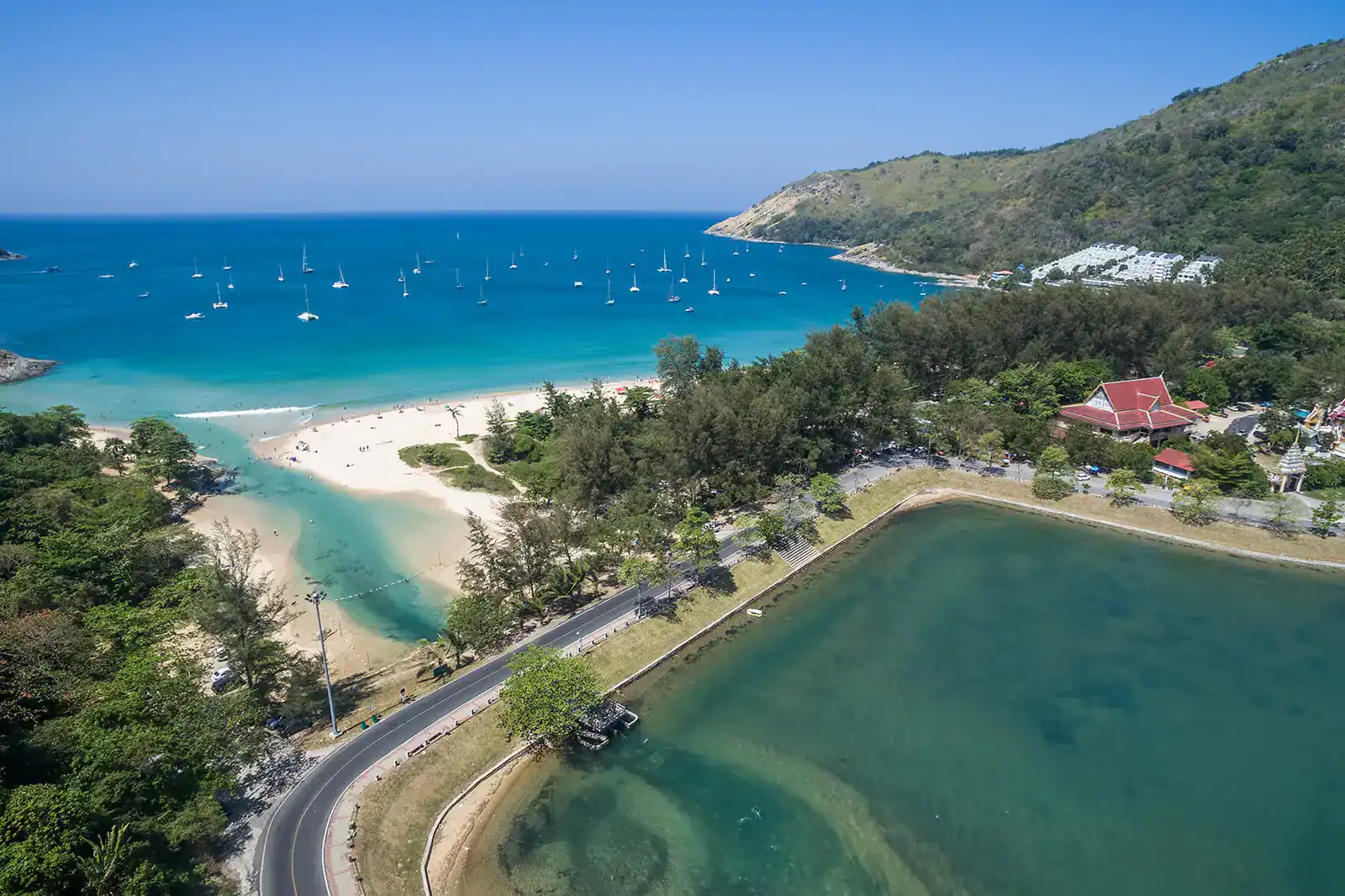
Get to Phuket
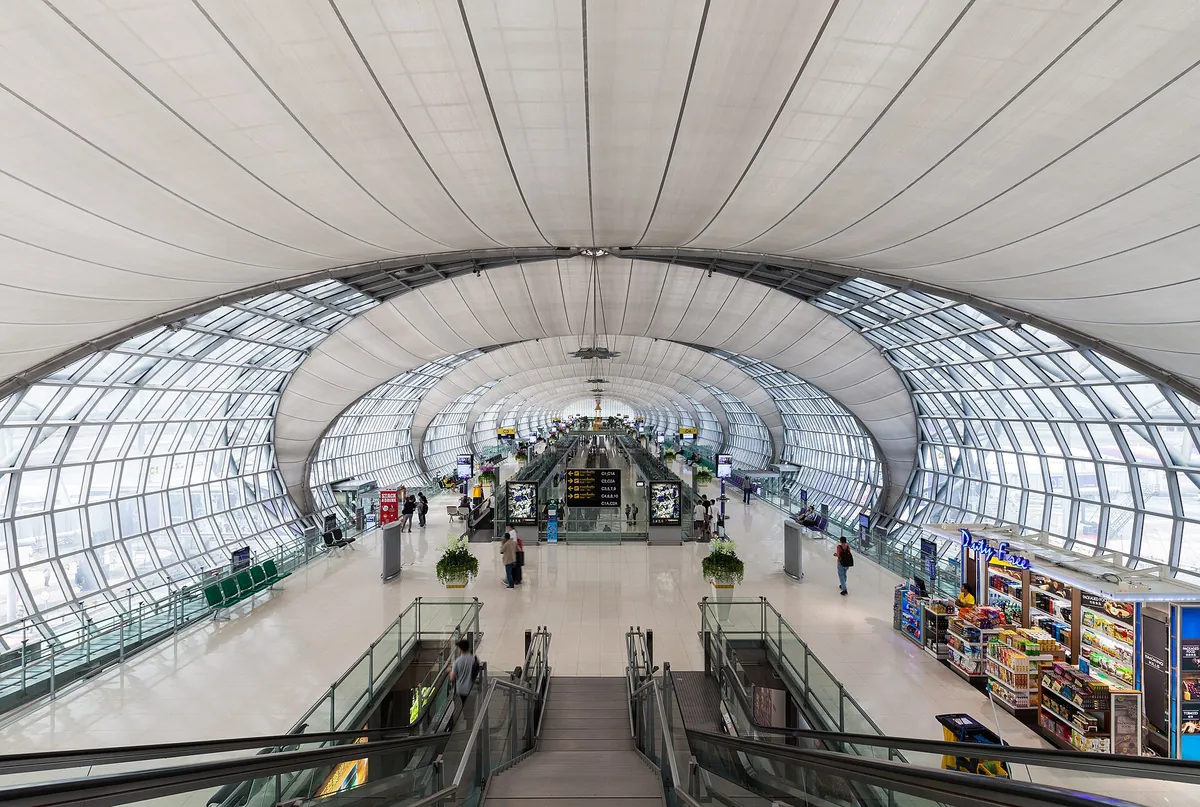
Flying is quickest from Bangkok (1h20). The bus-and-ferry combos are for the budget-minded with time to spare — compare both here.

eSIM for Thailand
Land with data already working and skip the airport SIM queue. We tested six plans — code THAIHOLIDAY saves 10%.

Travel insurance
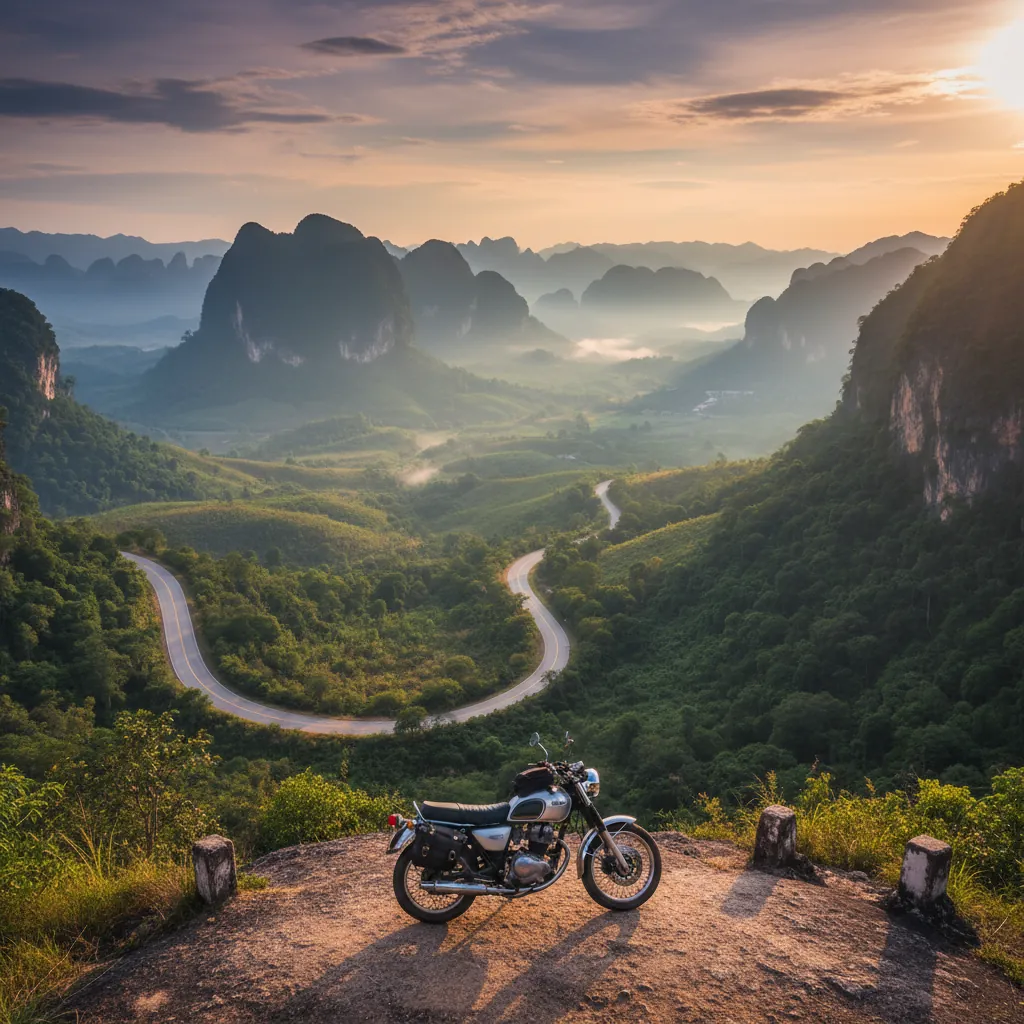
Scooters, speedboats and snorkelling trips — sort cover before you go. Check the motorbike clause; most cheap policies exclude it.
Getting to Phuket
Compare buses, trains, ferries, and flights to Phuket.
Travel services
Arriving via Phuket Airport?






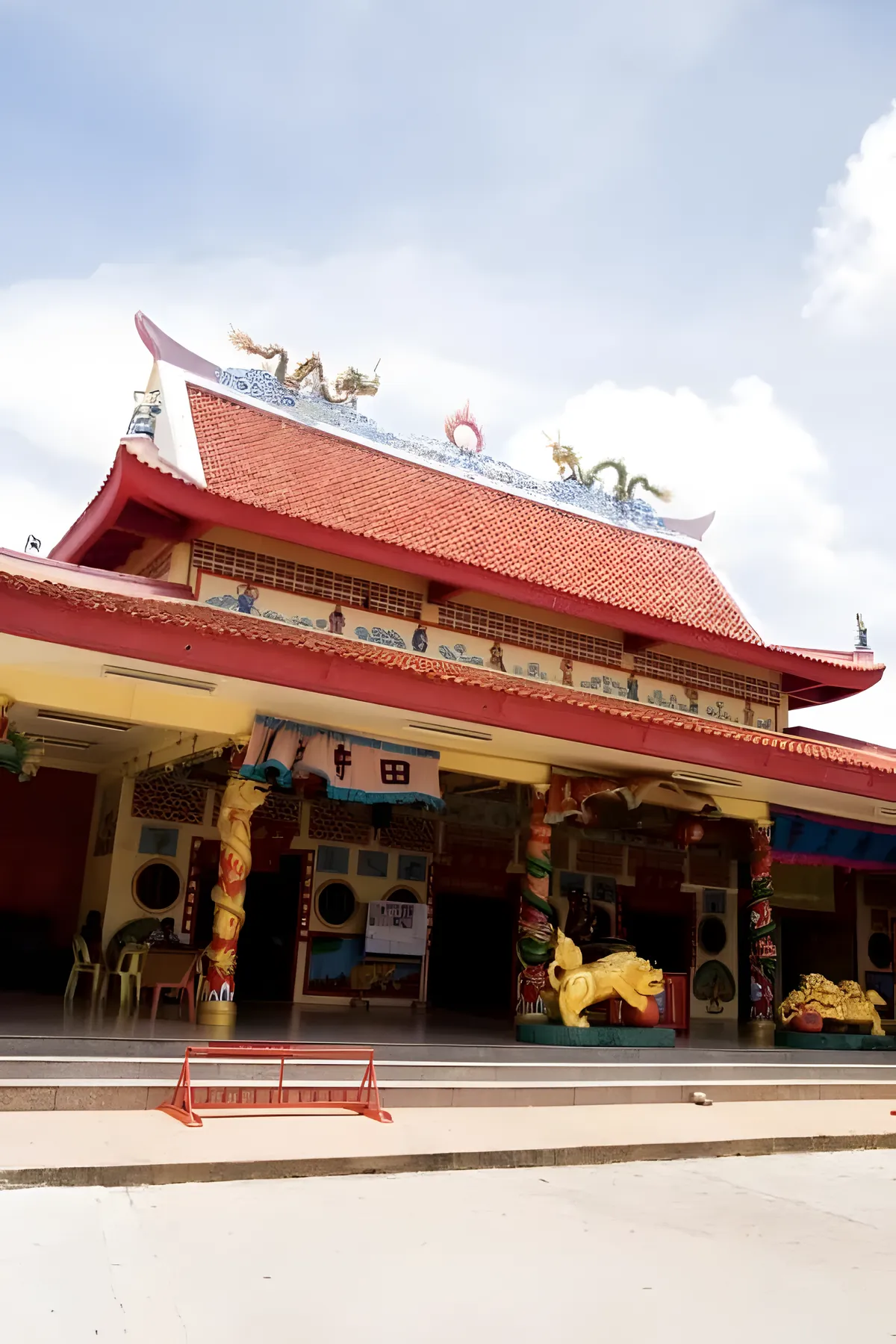
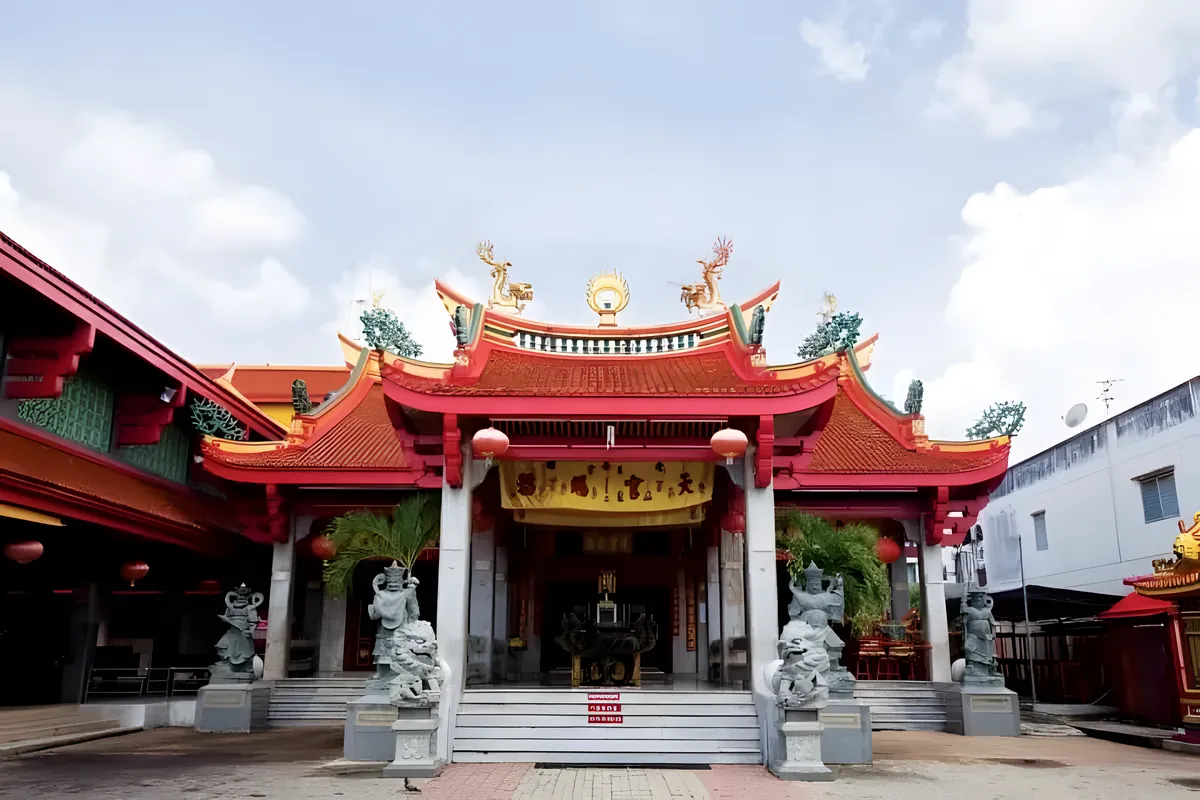
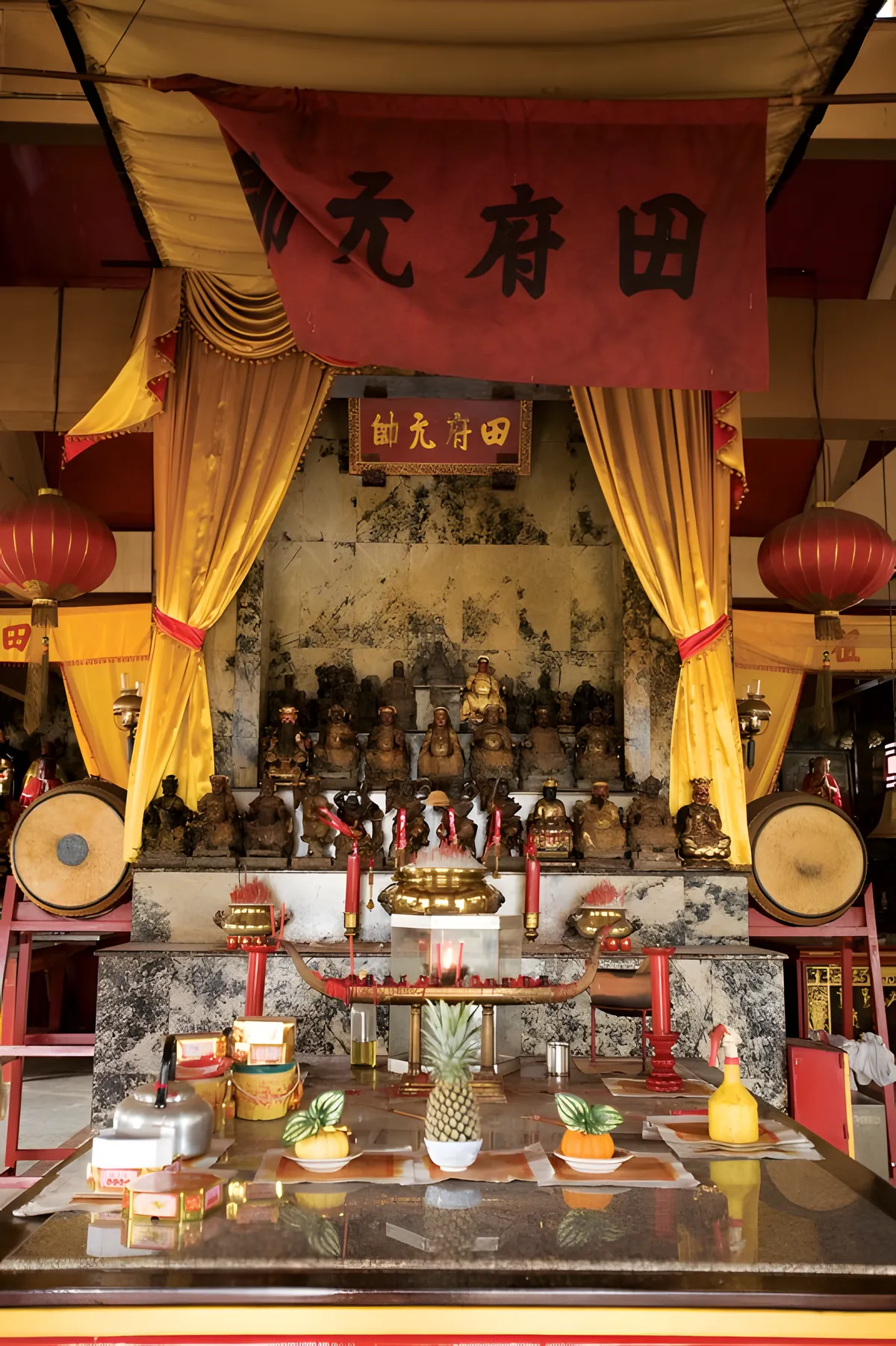
Wats, shrines & spiritual sites
Temples in Phuket









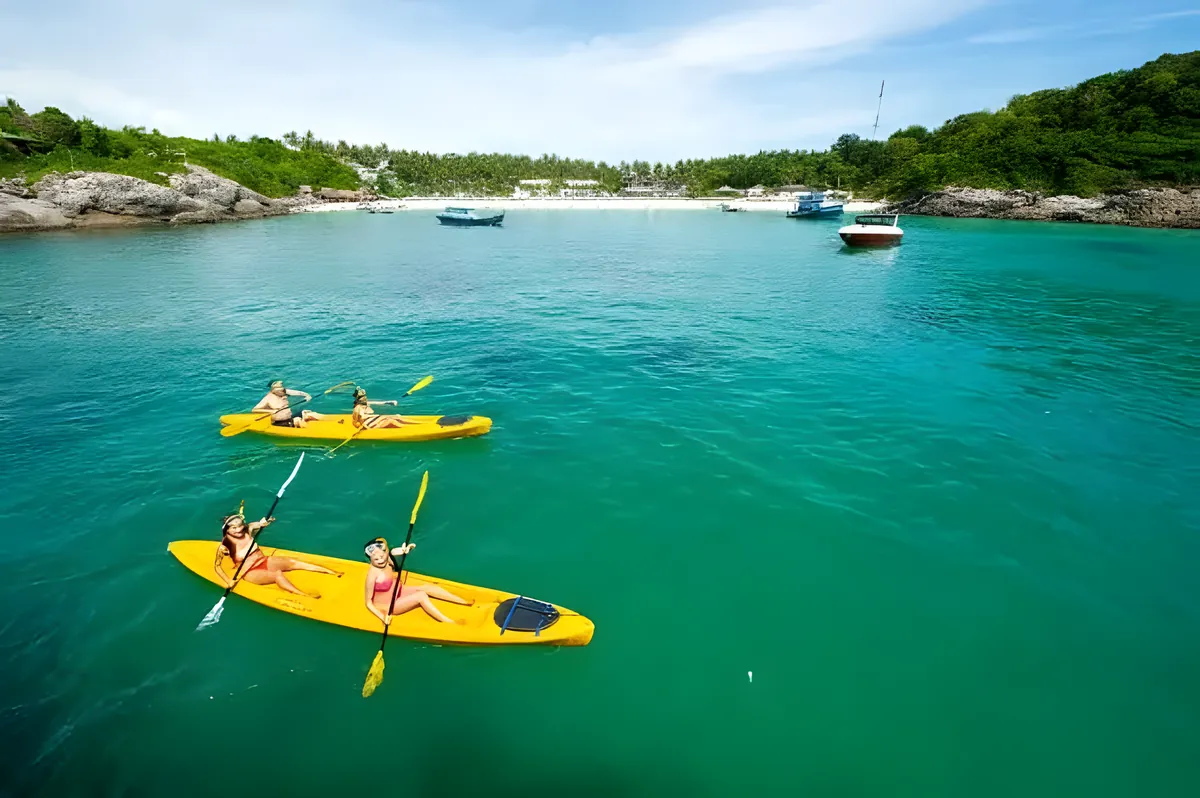
Sand, snorkelling & island-hopping
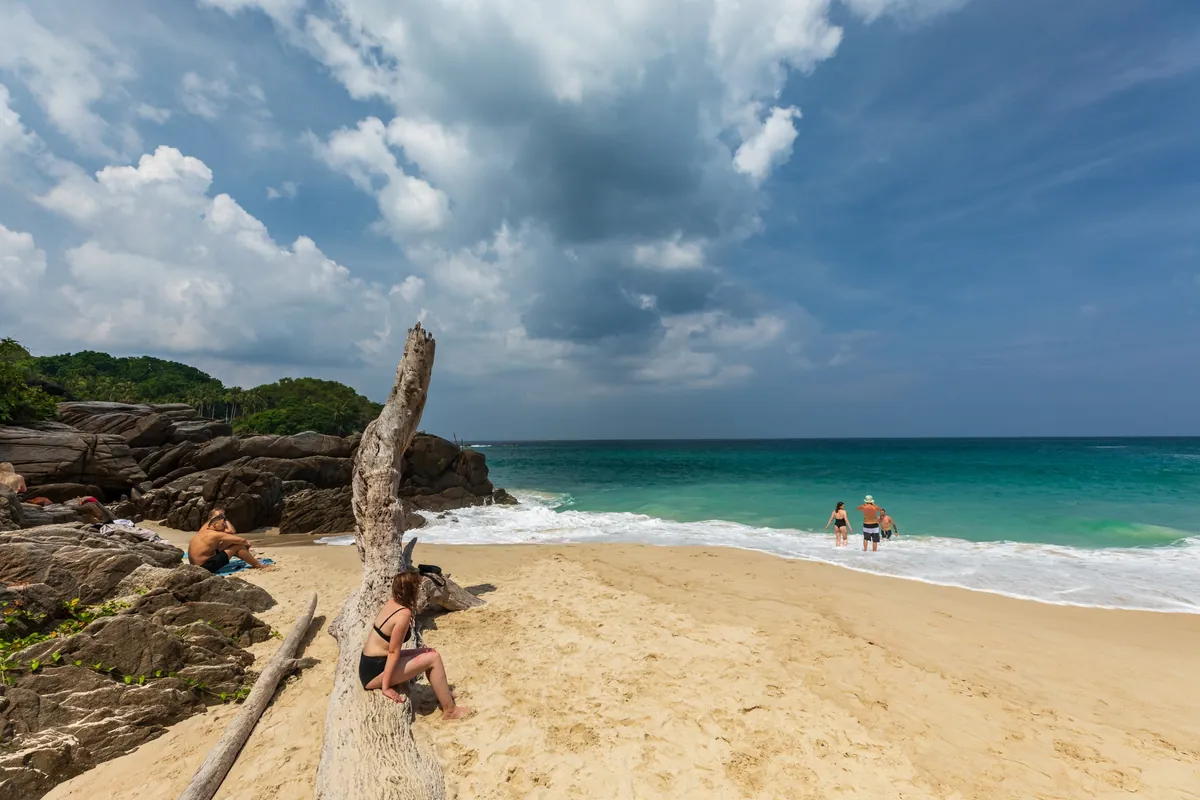
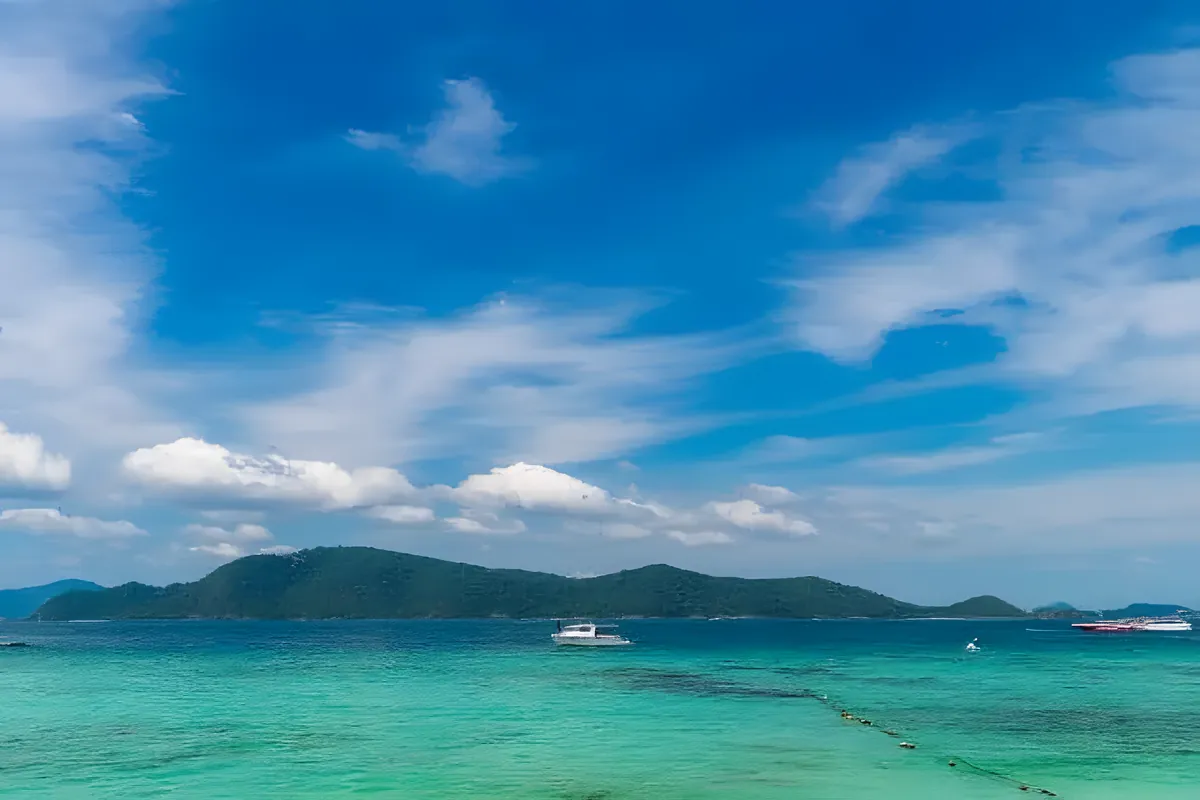
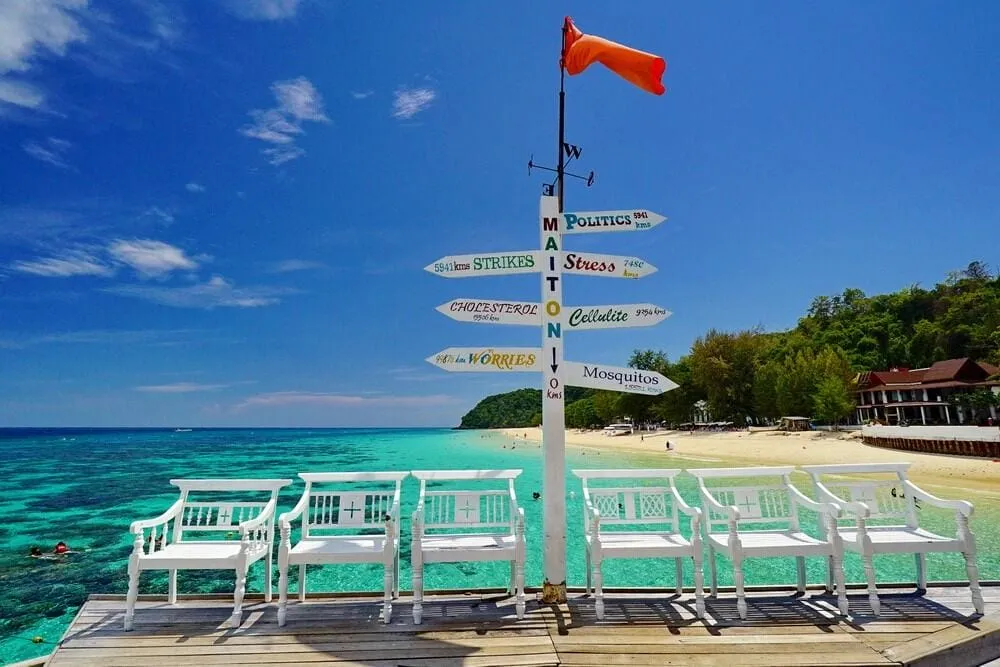
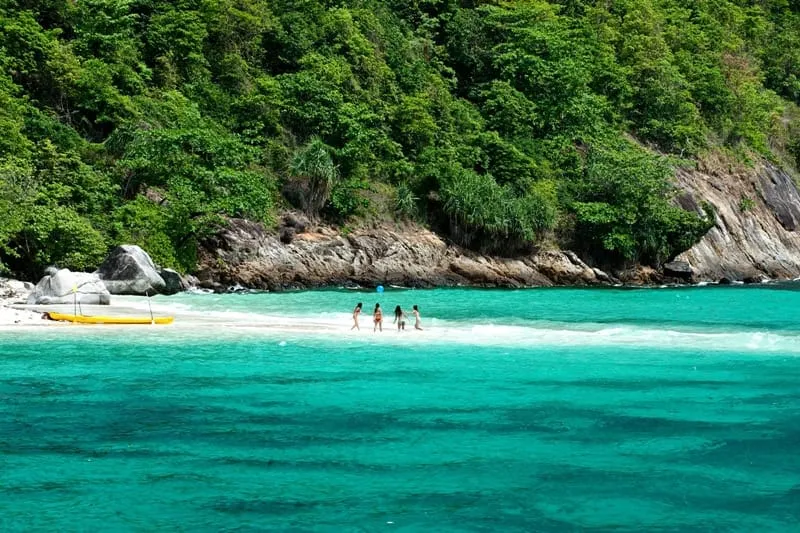
Beaches & islands in Phuket












Waterfalls, peaks, caves & parks
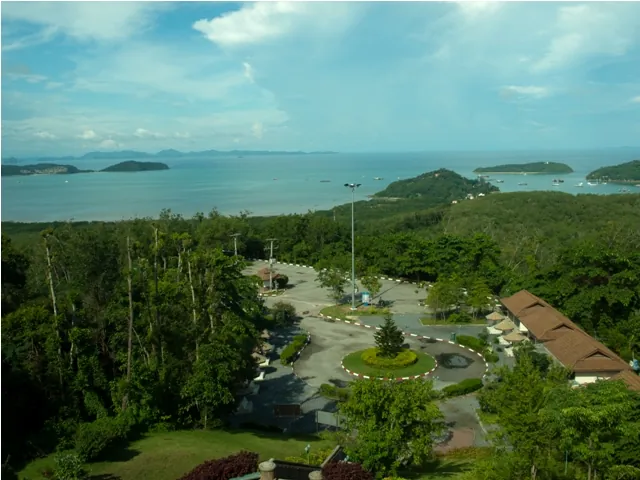
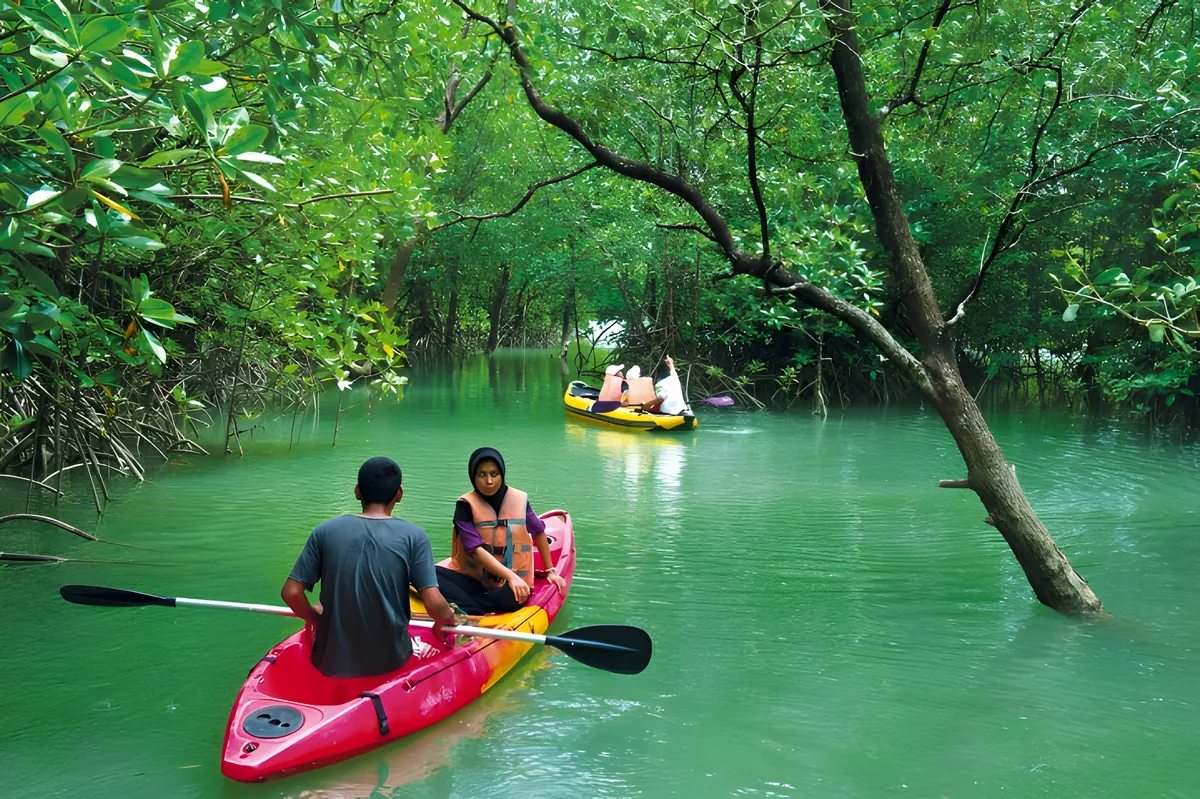
Nature & outdoors around Phuket





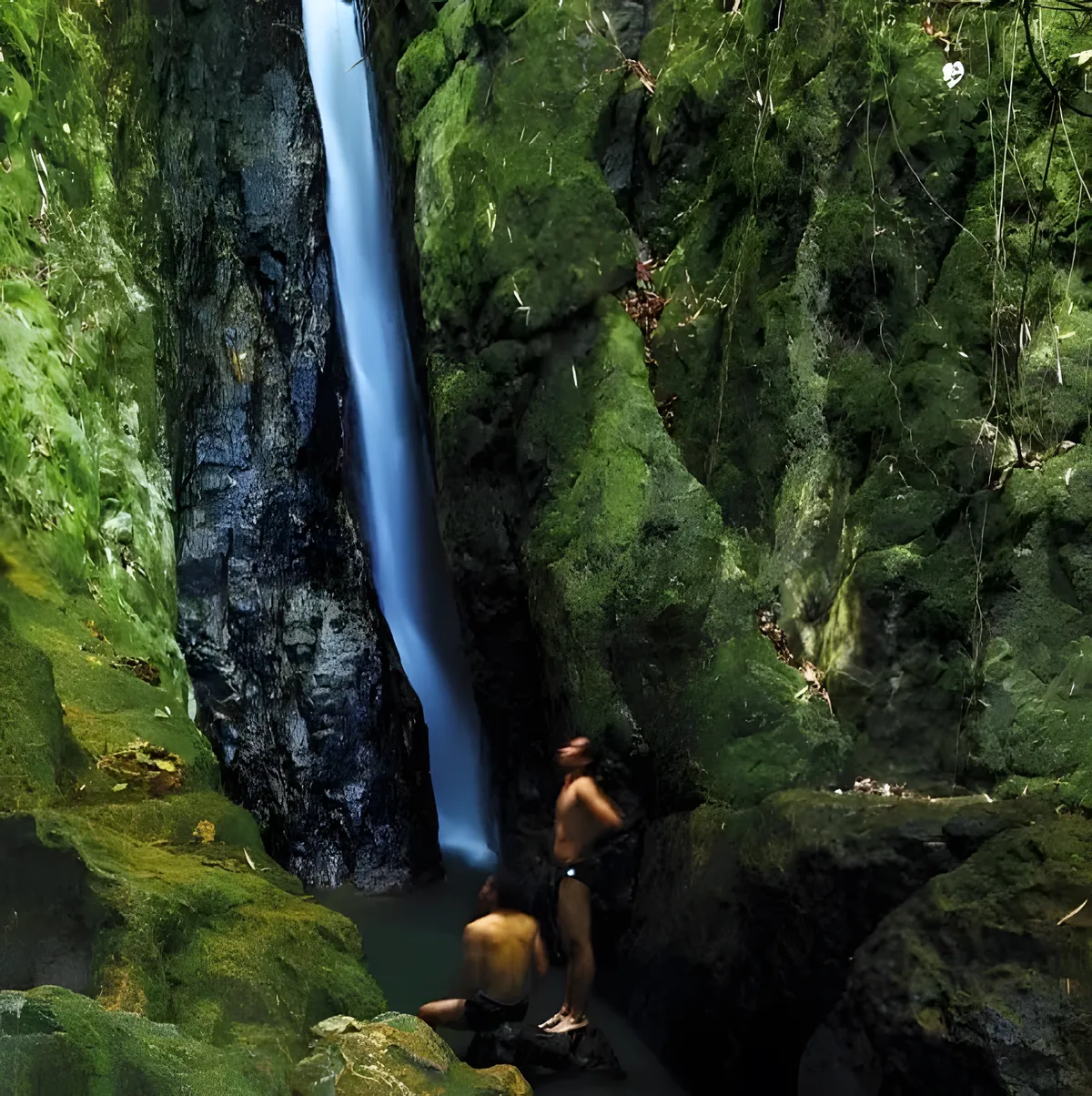
Museums, history & heritage
Museums & culture in Phuket

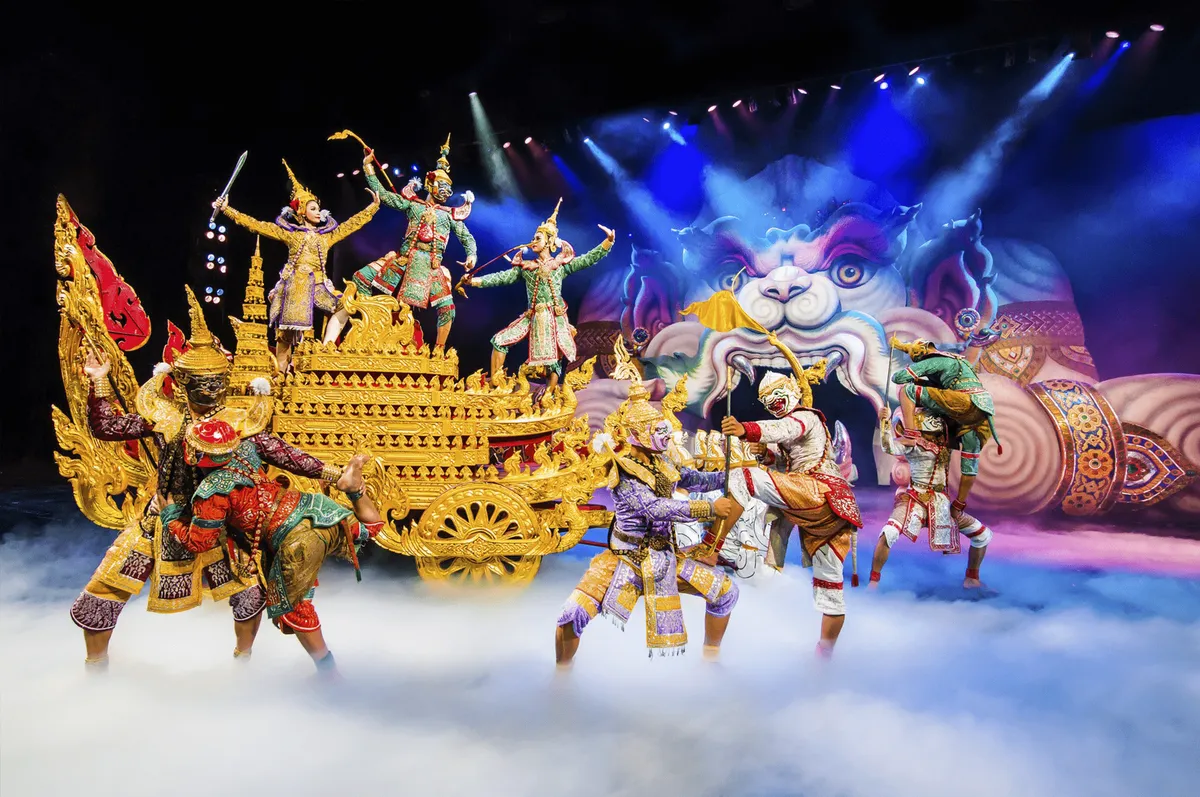
Phuket Fantasea


Andamanda Phuket

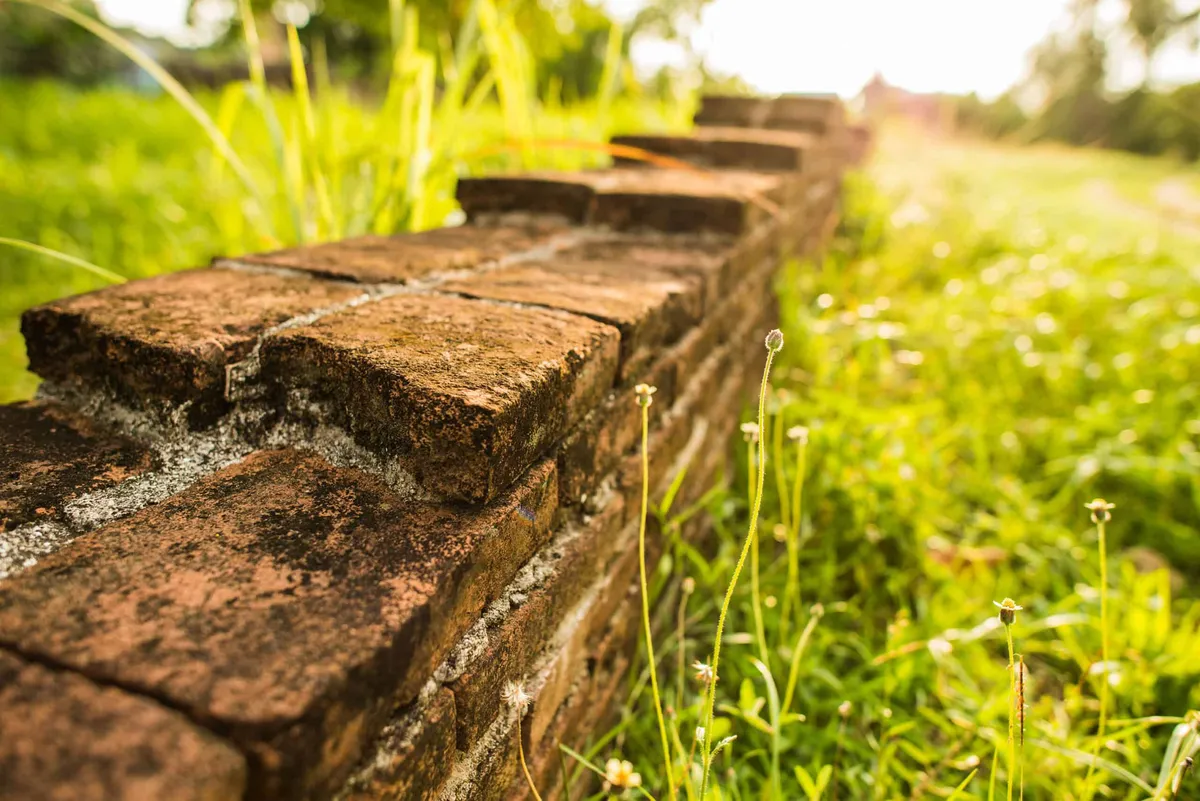
Ban Phraya Wichit Songkram (A Wrecked Wall)

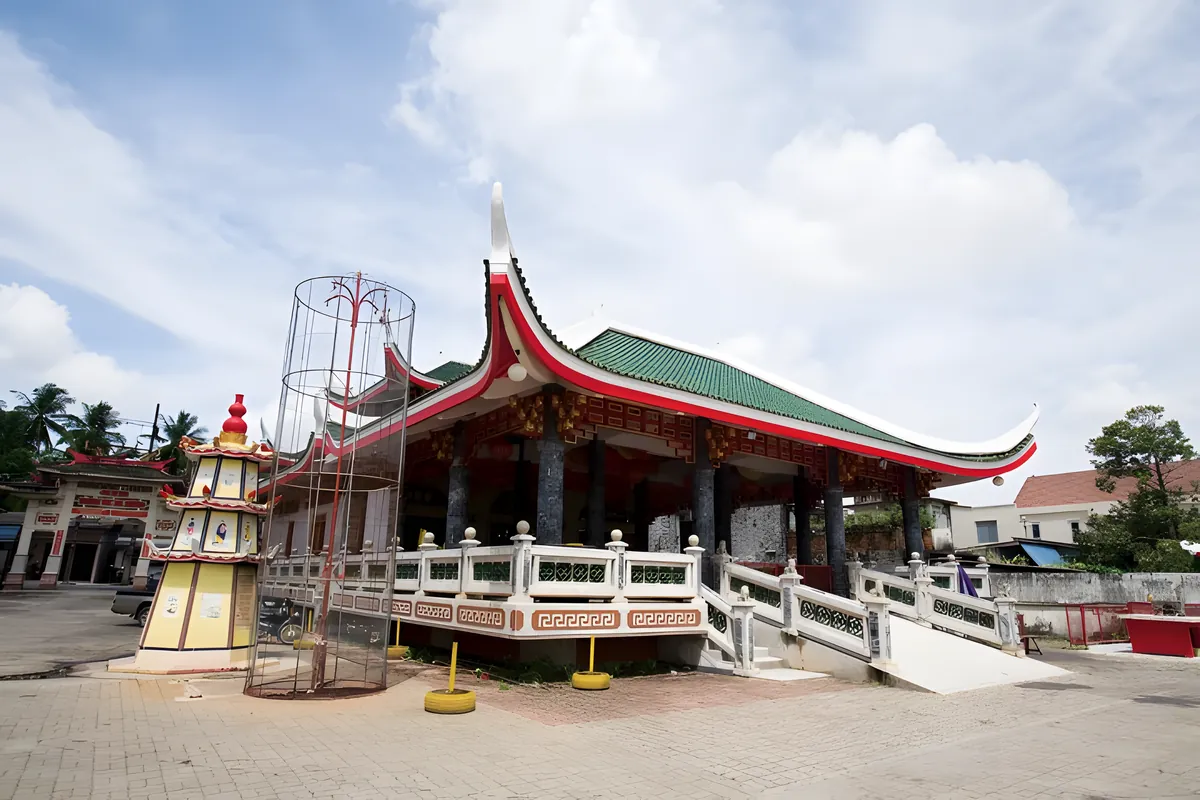
Kathu Heritage Conservation Center

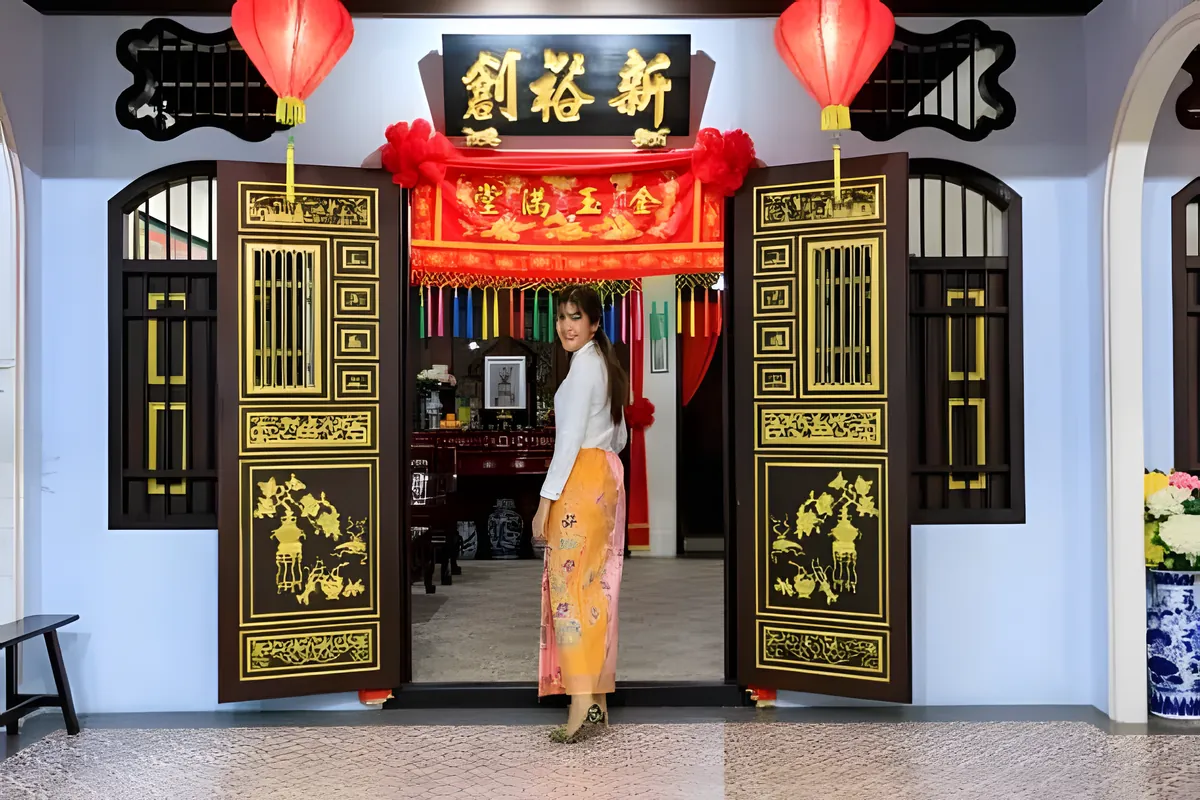
Peranakan Museum

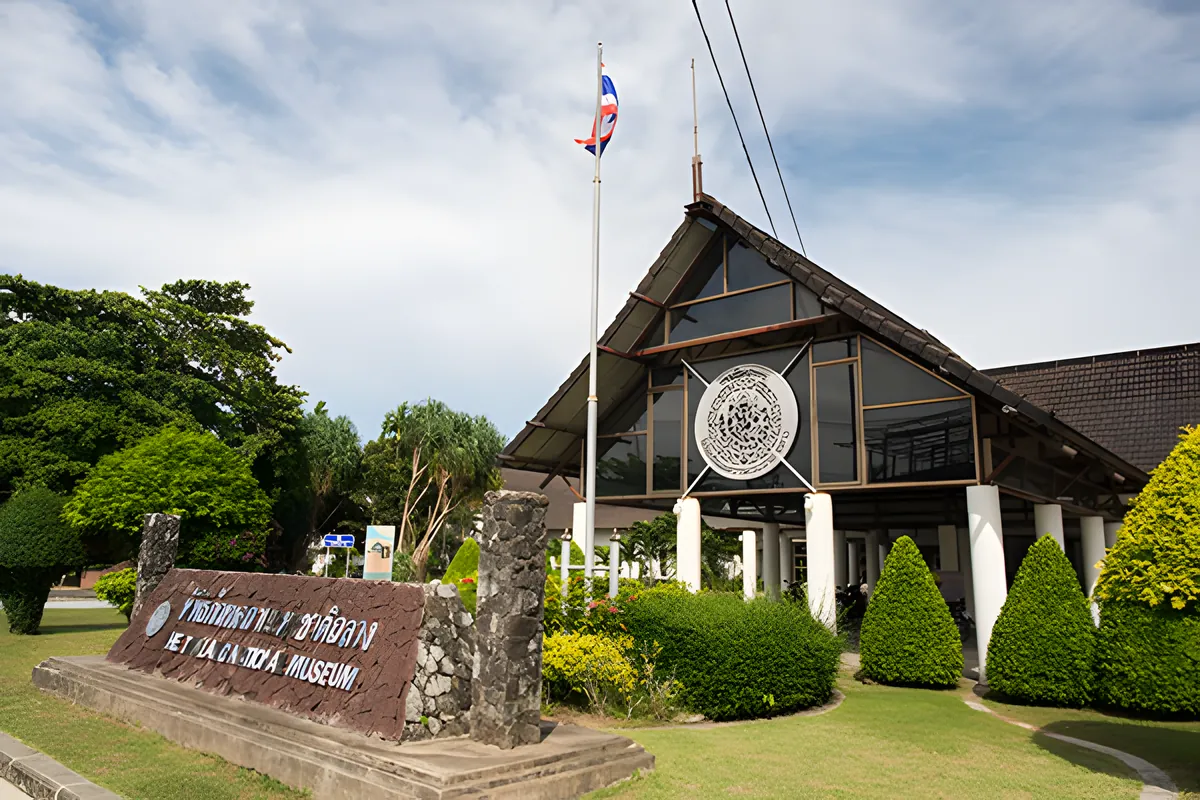
Thalang National Museum

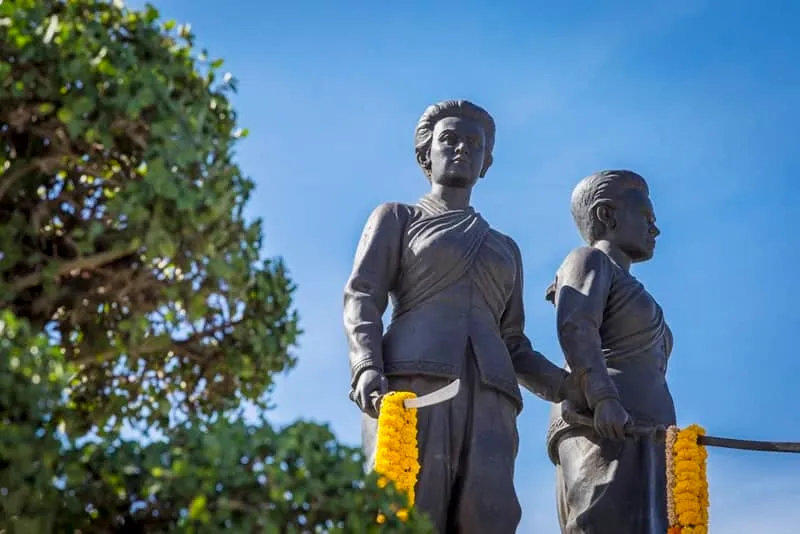
Two Heroines Monument

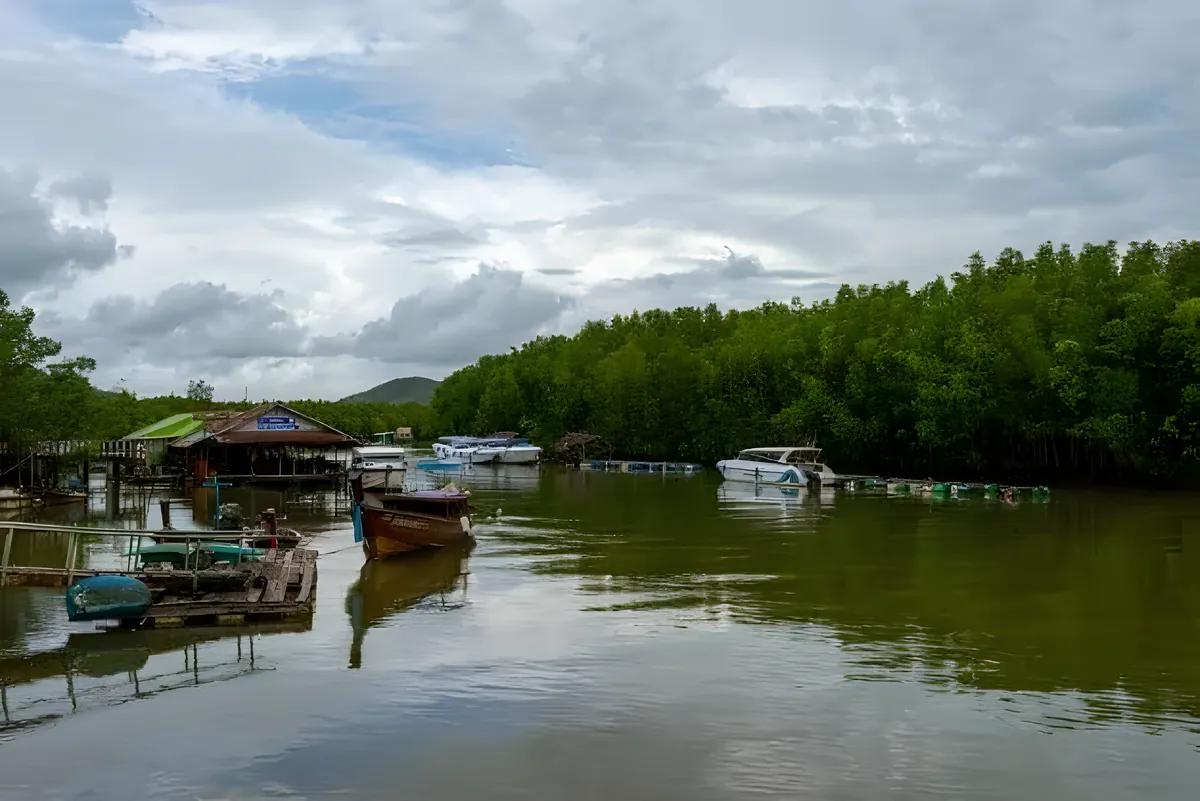
Ban Bang Rong Agricultural Conservation Tourism

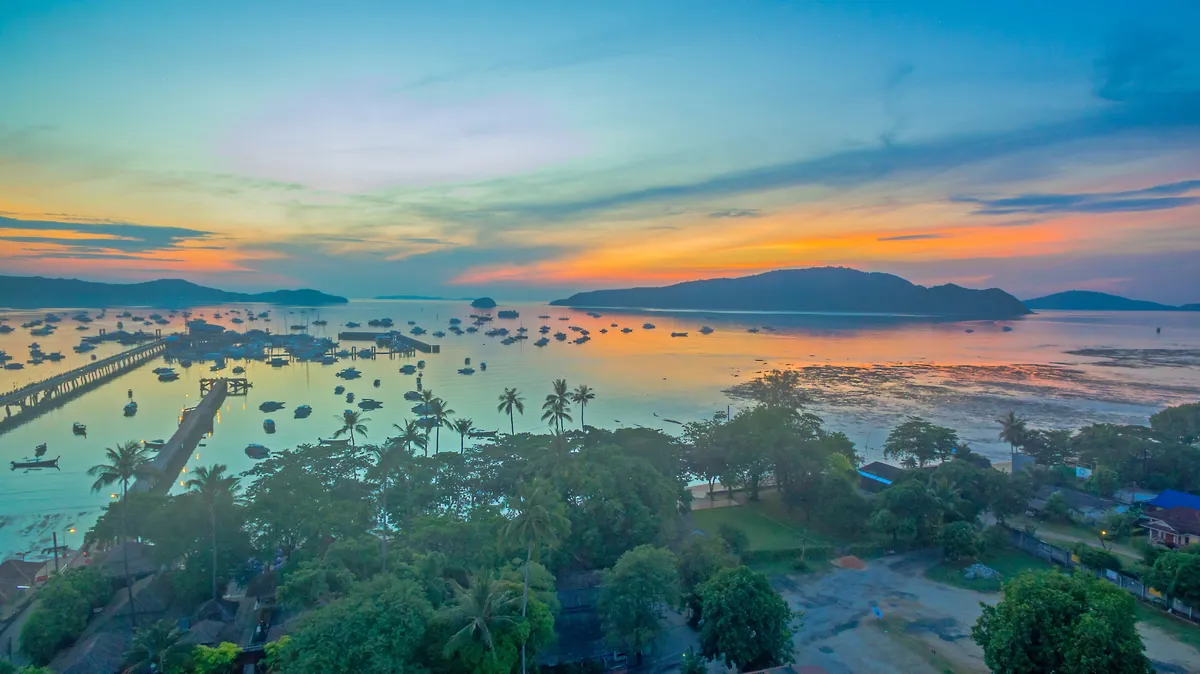
Chalong Bay (Ao Chalong)

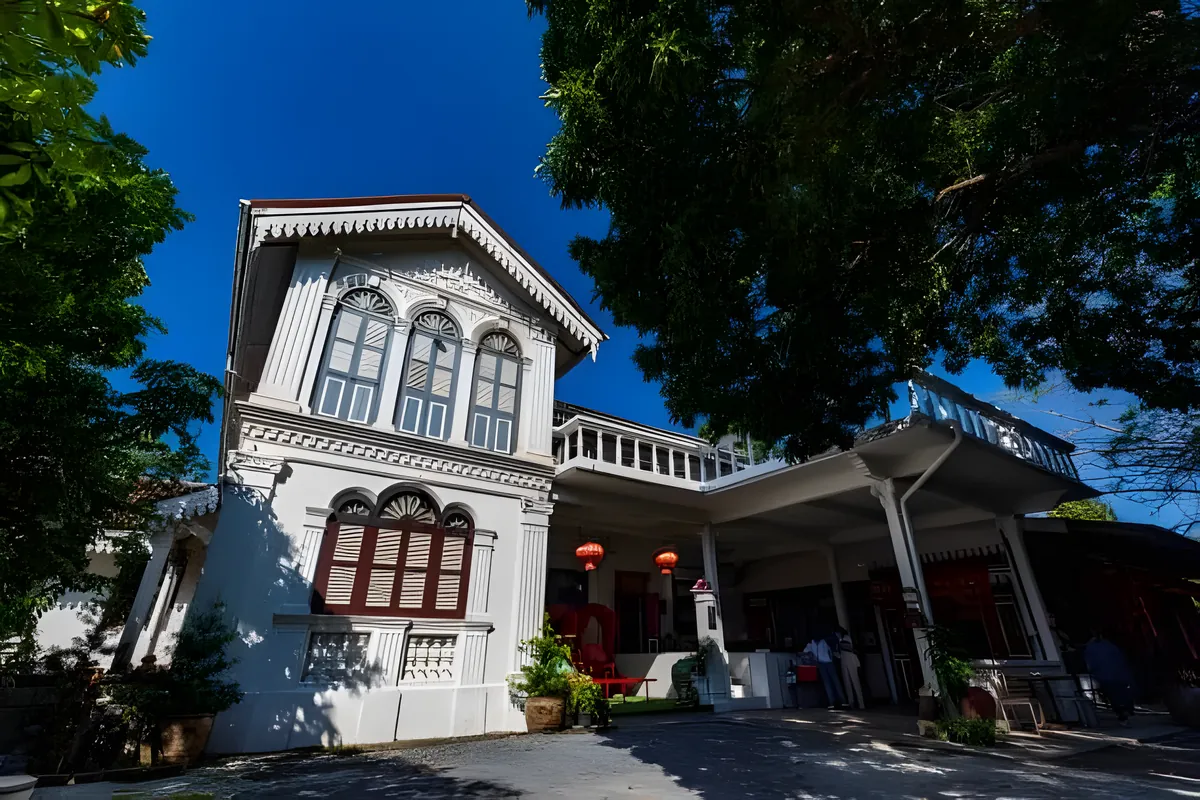
Chinpracha House Museum (Ban Chinpracha)

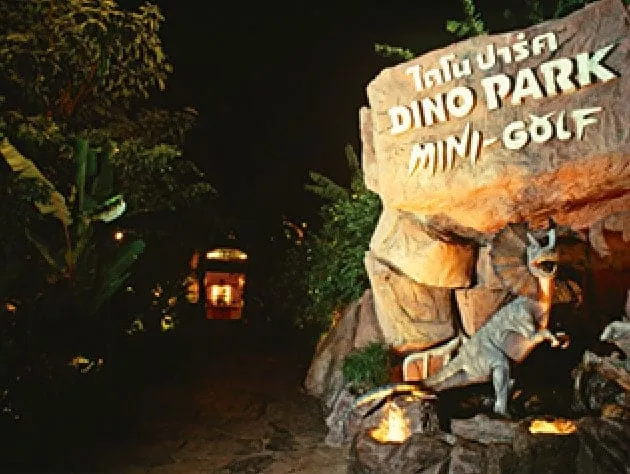
Dino Park Mini Golf


Kathu Mining Museum
Parks, shows, wildlife & more
More to explore in Phuket


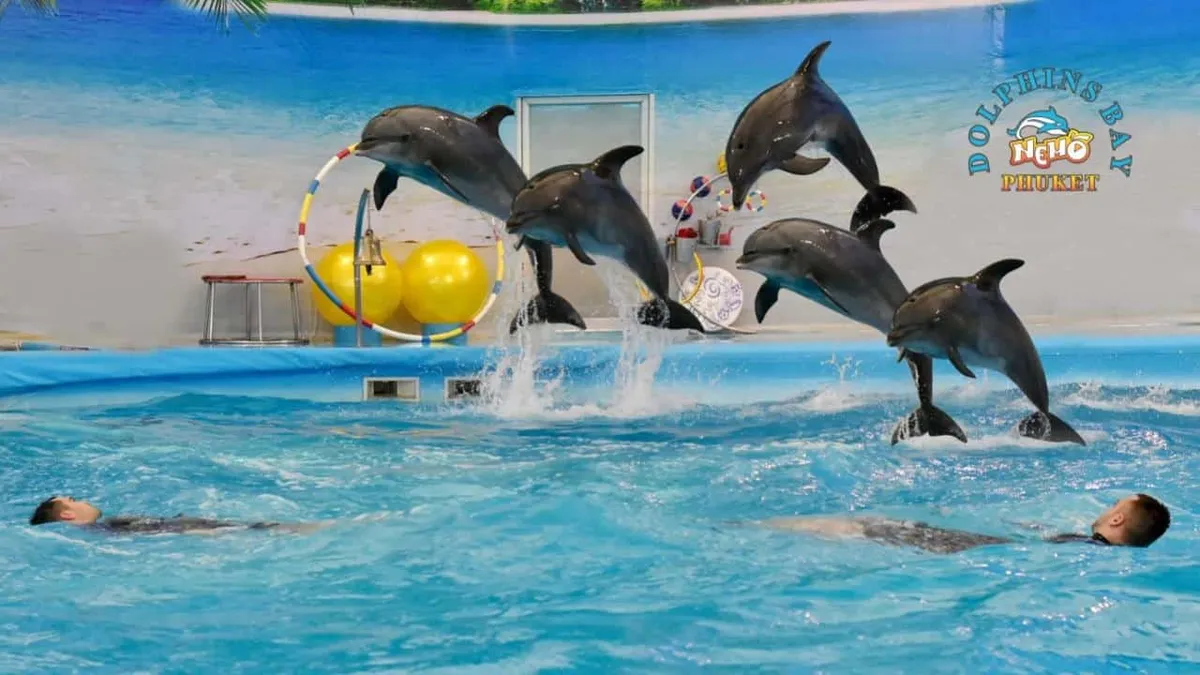


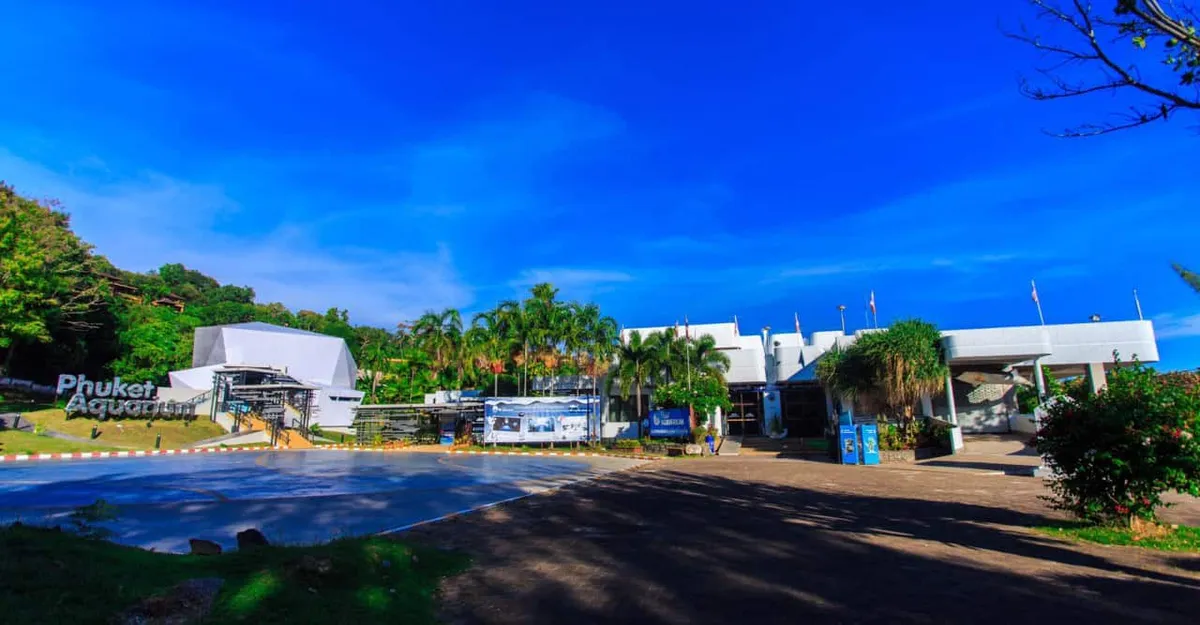


Things to do on the map
Tap a pin for details — 40 places in Phuket plotted.
Which area to stay in
Patong
The loudest, most commercial beach on the island. Good transport links and the widest range of restaurants and bars. Best for first-timers who want everything in walking distance.
Kata & Karon
Quieter than Patong with proper sandy beaches and a relaxed pace. Kata suits families; Karon has a long stretch of sand and lighter crowds. Good mid-range hotel choice.
Surin & Bang Tao
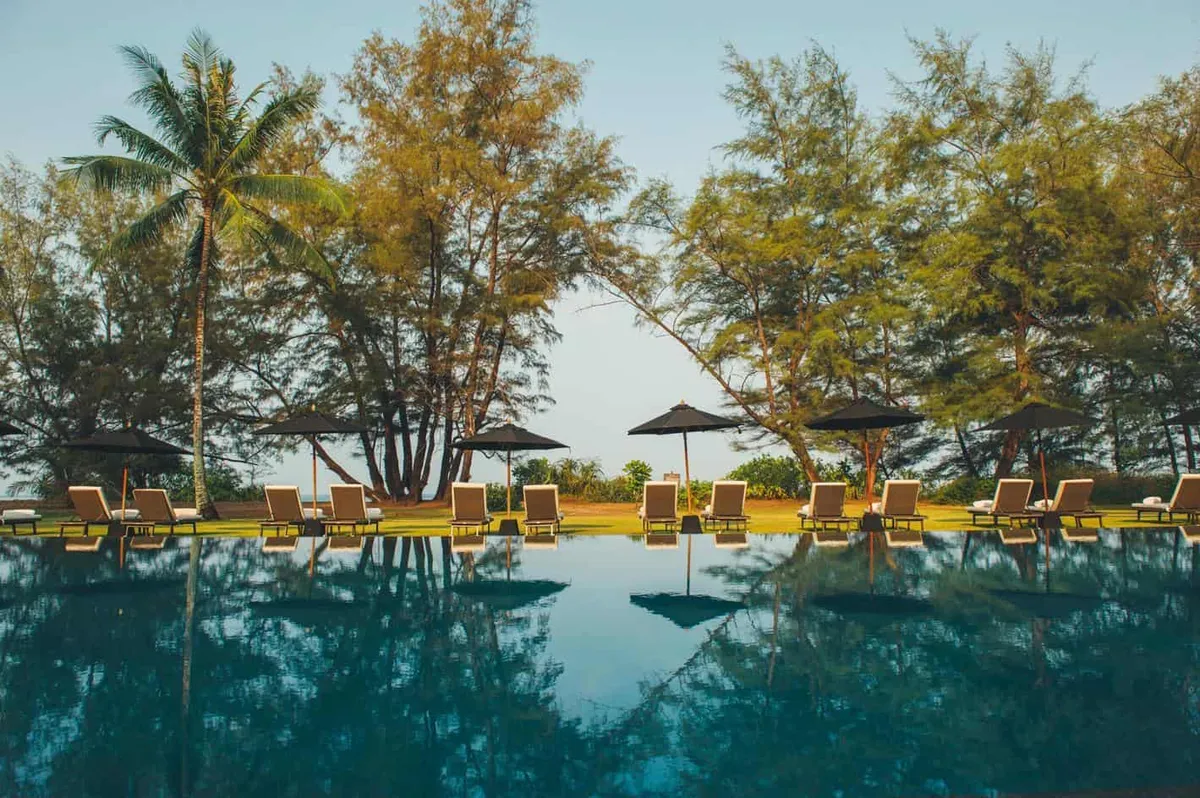
The upscale stretch on the northwest coast. Beach clubs, five-star resorts and a noticeably calmer atmosphere. Expect higher prices and fewer party options.
Phuket Town
The island's historic core — Sino-Portuguese shophouses, street art and local food markets. No beach, but far cheaper rates and a more authentic feel. Works well as a base combined with day trips.
Rawai & Nai Harn
The quieter south end. Fishing boats, local seafood restaurants and easy access to Chalong for dive boats and Muay Thai gyms at Soi Taied. Popular with long-stay visitors and fighters.
Mai Khao & Nai Yang
Near the airport in the north. Long, near-empty beaches and upmarket resorts. Practical if you have an early flight; otherwise slightly isolated from the rest of the island.
Browse stays by area
Editor shortlist
Where to stay in Phuket


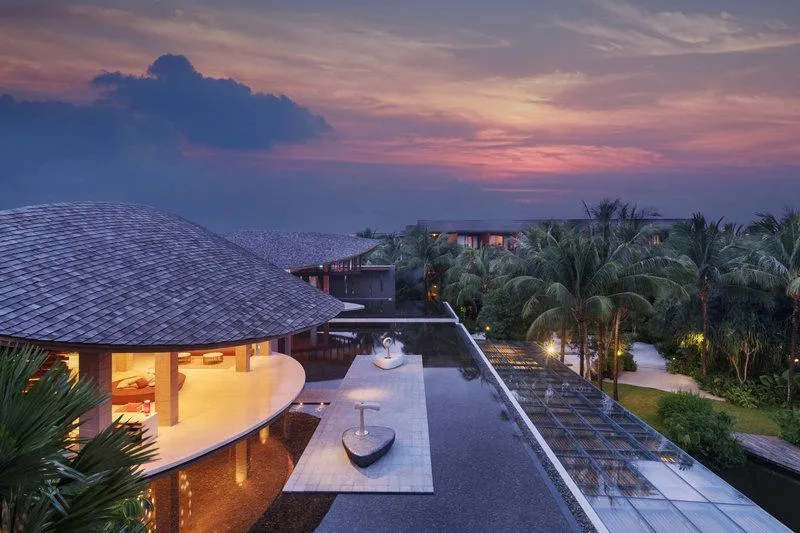

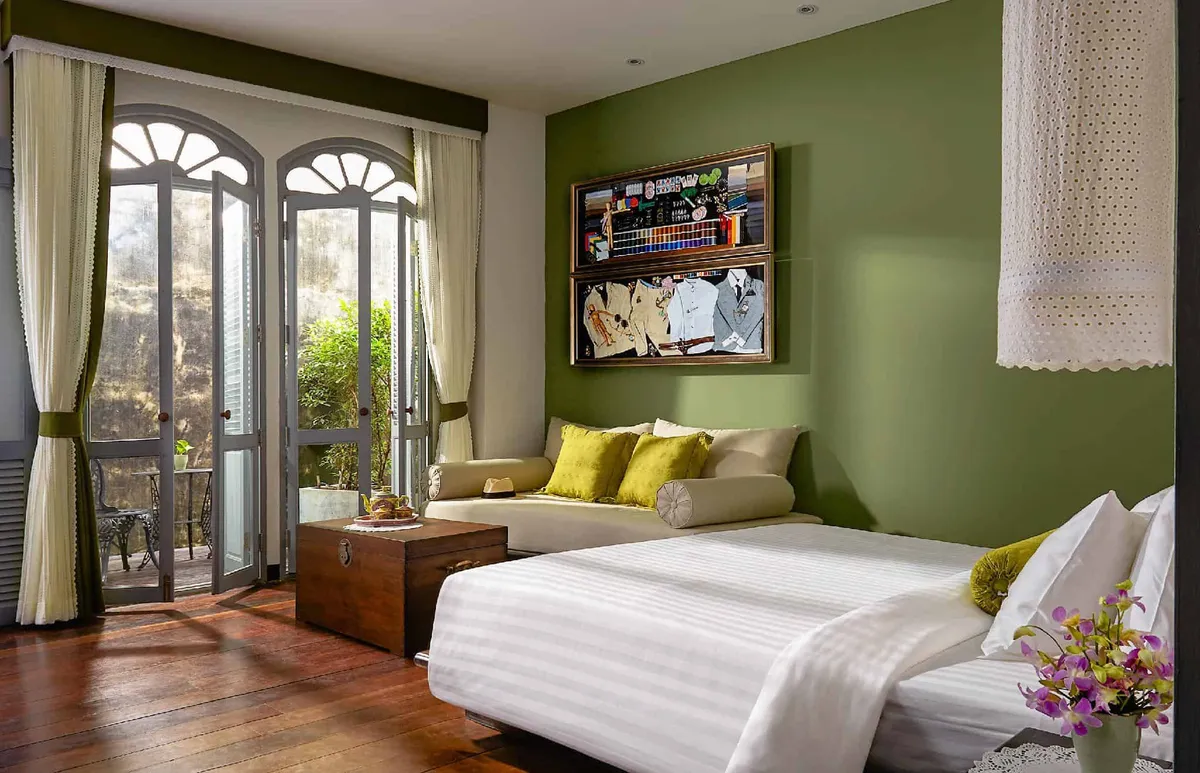

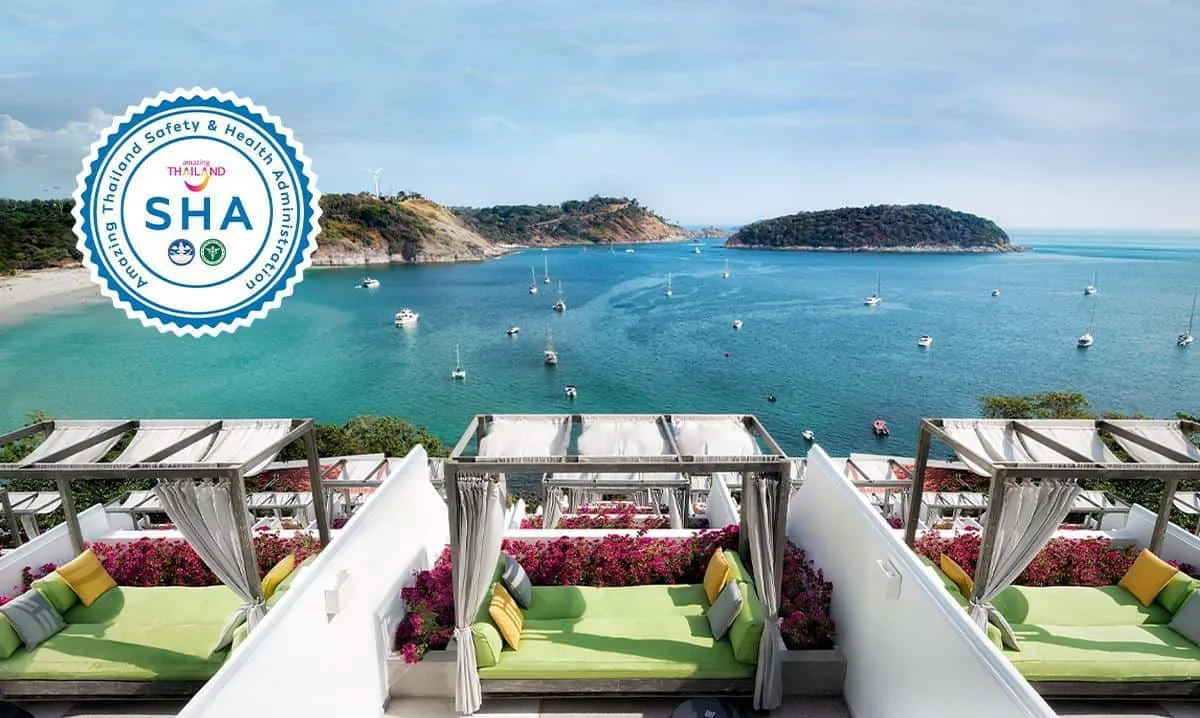

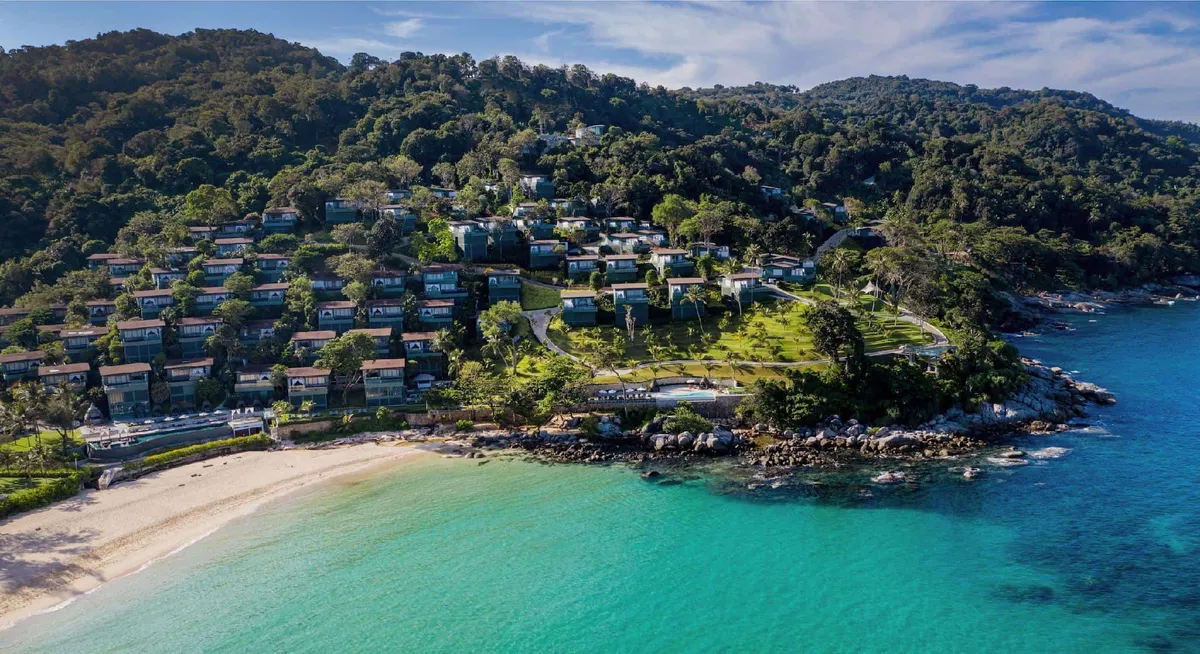

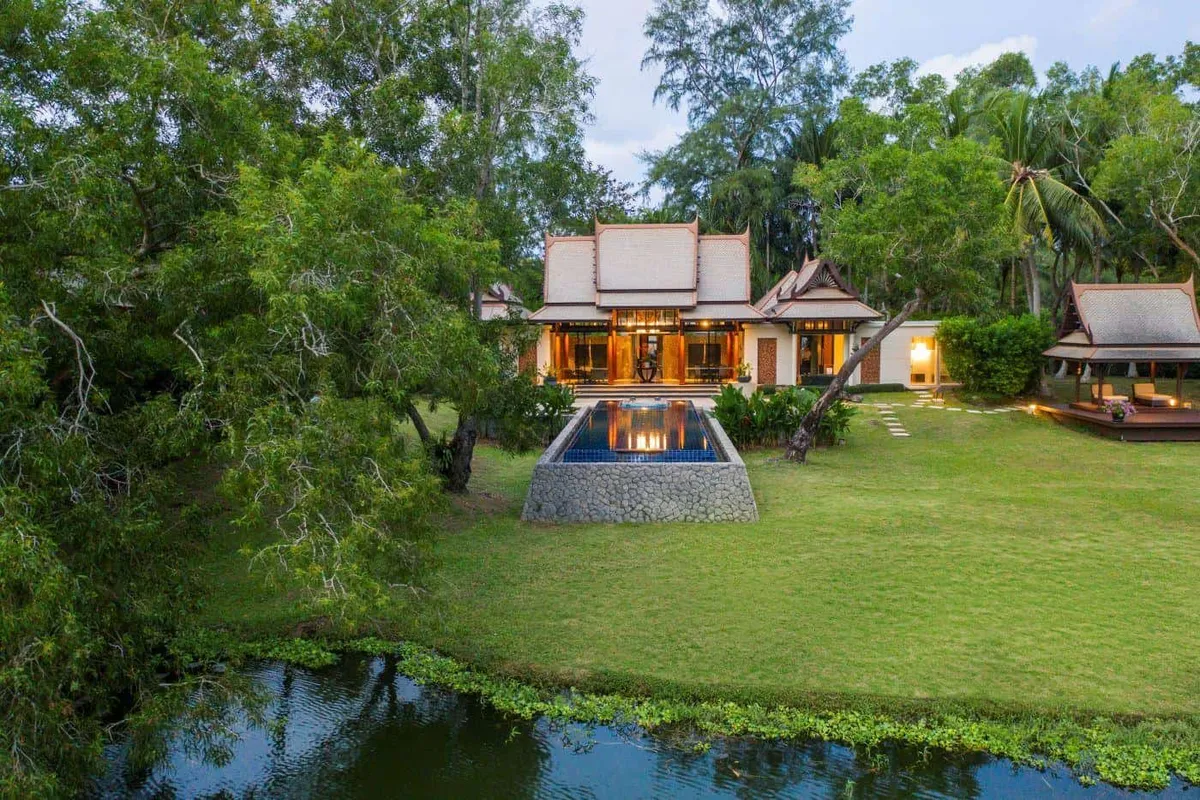

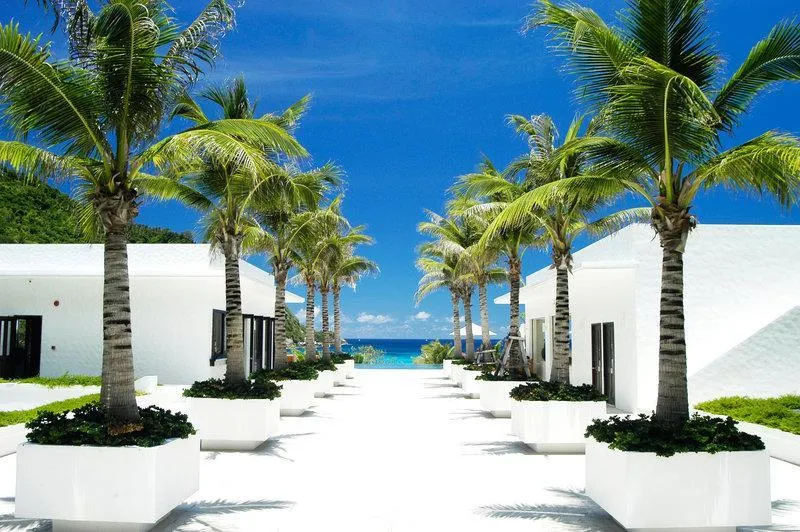

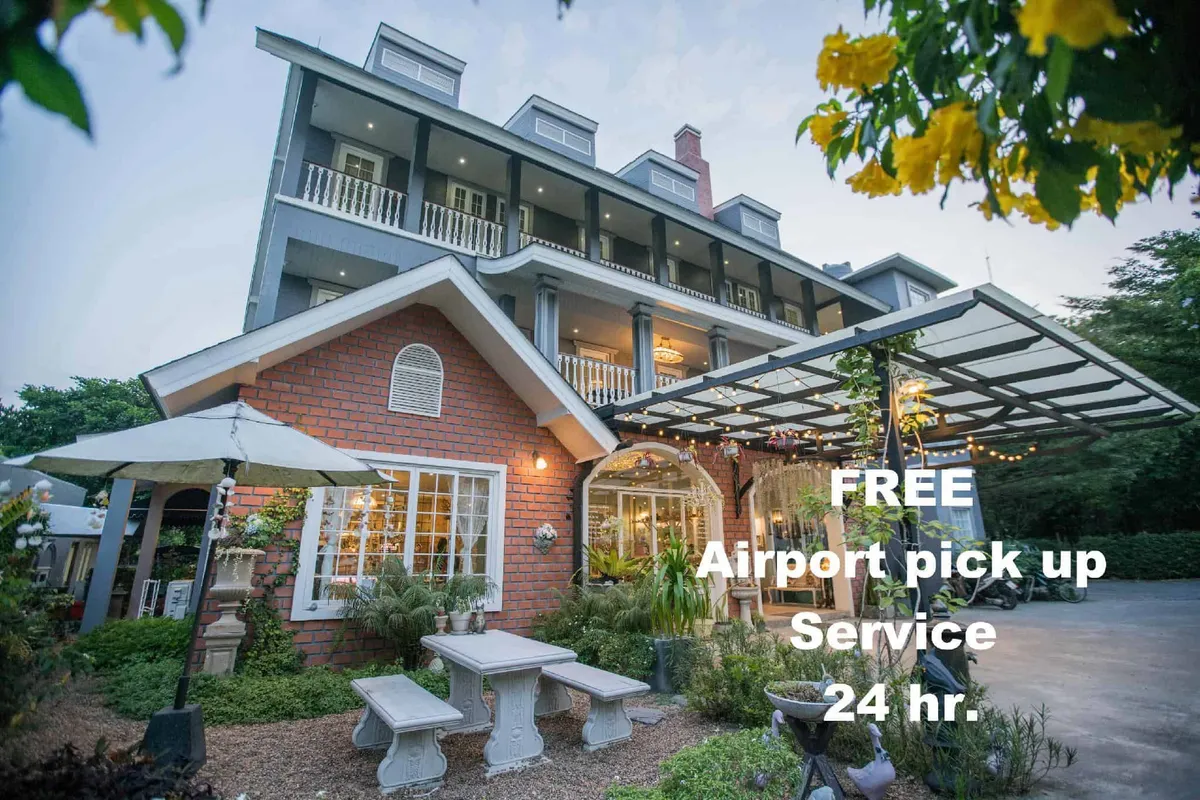
Hotel comparisons
Editor shortlists for Phuket — compare stays by trip style before you pick an area or property.
- Cheap hotels in PhuketBudget and mid-cheap stays by area — Patong, Karon-Kata, Town, airport side and Nai Harn.Open shortlist →
- Luxury hotels in PhuketBeach-by-beach luxury shortlist from Mai Khao to the south coast.Open shortlist →
- Romantic hotels in PhuketCouples and honeymoon stays — adults-only villas, cliff pools and quieter beaches.Open shortlist →
Browse Stays in Phuket
Counts include stays tagged to Phuket and its beach / neighbourhood hubs— open a sub-area hub for inventory scoped to that place only.
Tours in Phuket

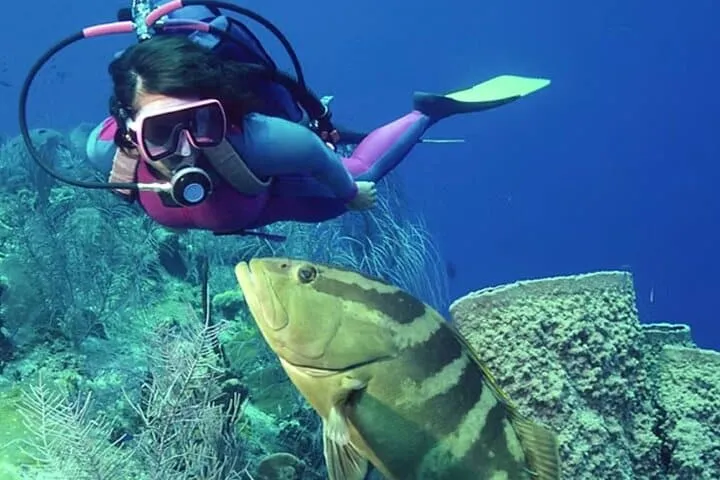
2 dives at coral reefs, Half day for certified divers

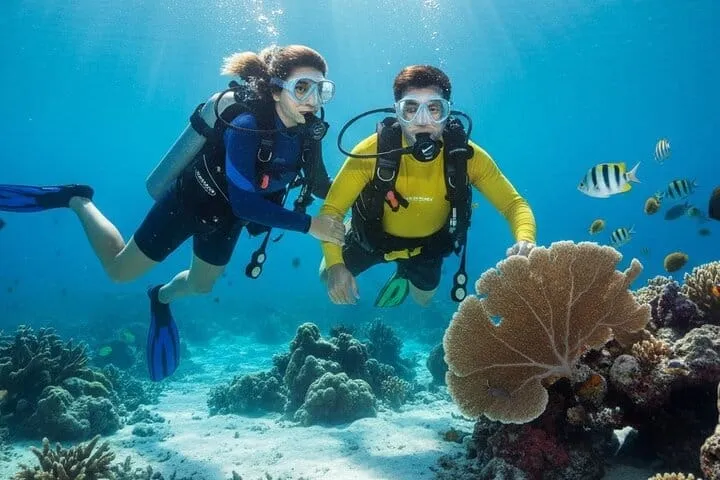
2 dives on coral reefs – no prior experience required

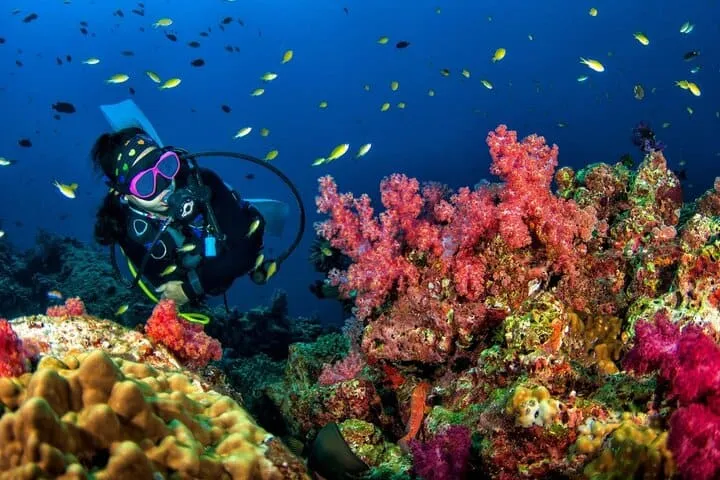
3 Fun Dives in Racha Yai and Racha Noi for Certified Divers

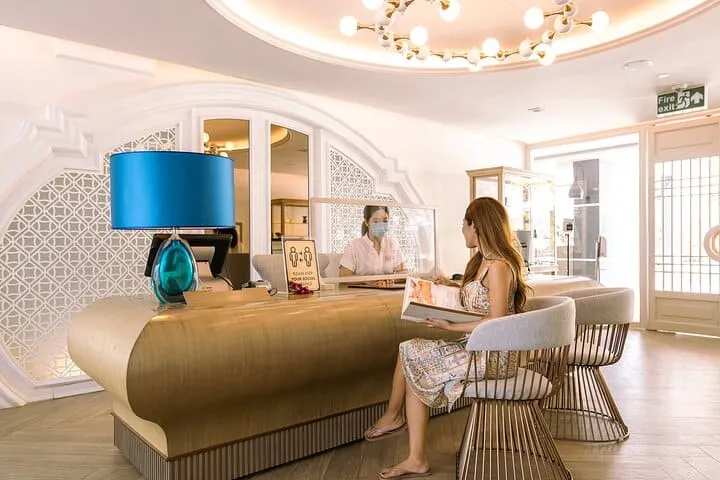
3-Hour Private Treatment and Massage Spa Buffet Package in Phuket


4 Element Day with Zipline Adventure Expedition

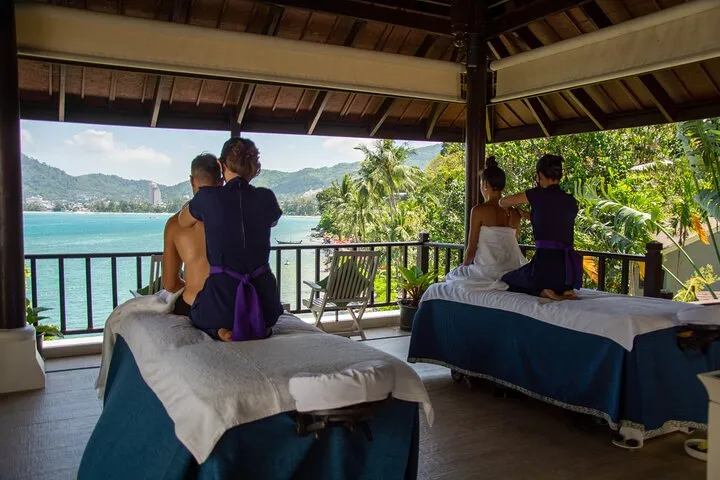
60 Minutes Private Mood Massage in Phuket

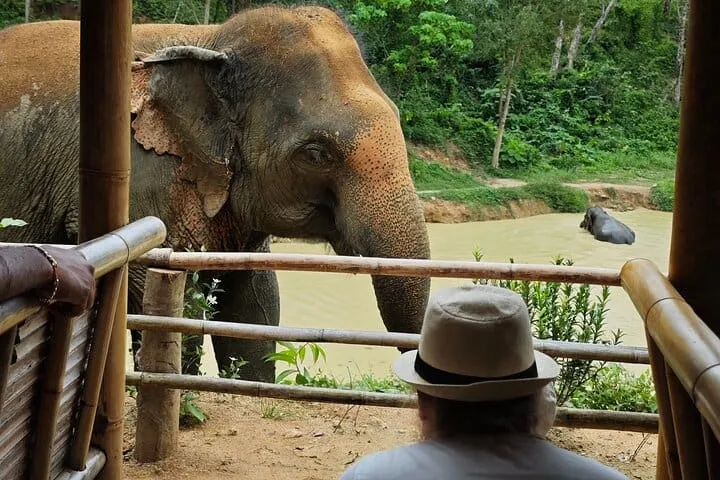
A beautiful afternoon with our elephants


Aerial Yoga Class in Kata, Phuket

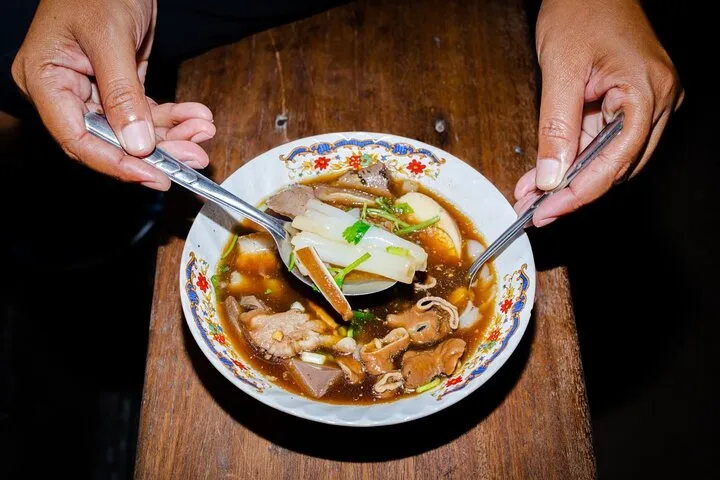
Baba Tastes Phuket Food Tour with 15+ Tastings

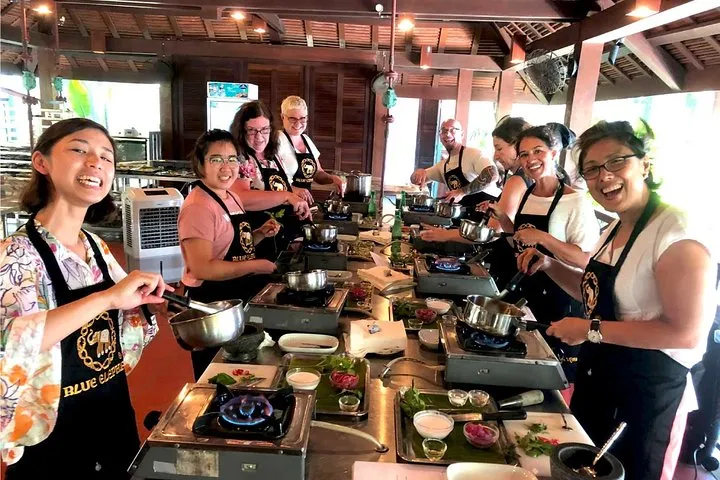
Blue Elephant Thai Cooking Class with Market Tour in Phuket


Coral Island Private Boat Tour

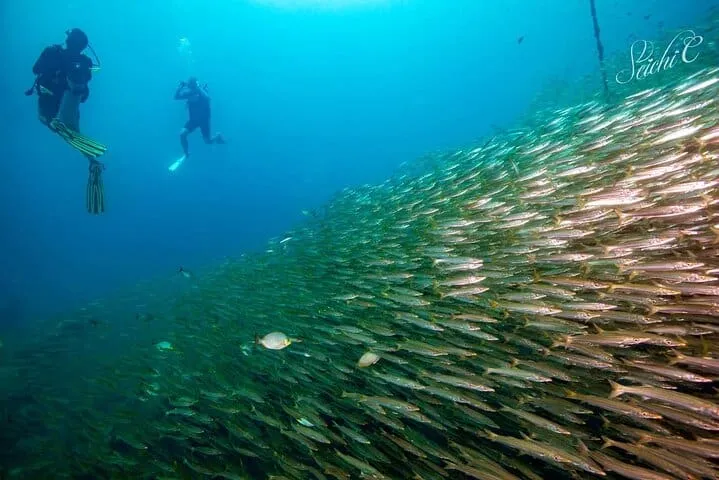
Discover Scuba Diving 3 Dives Racha Islands
Looking for more? Browse every Phuket tour and activity on Viator.
Search ViatorRetreats in Phuket

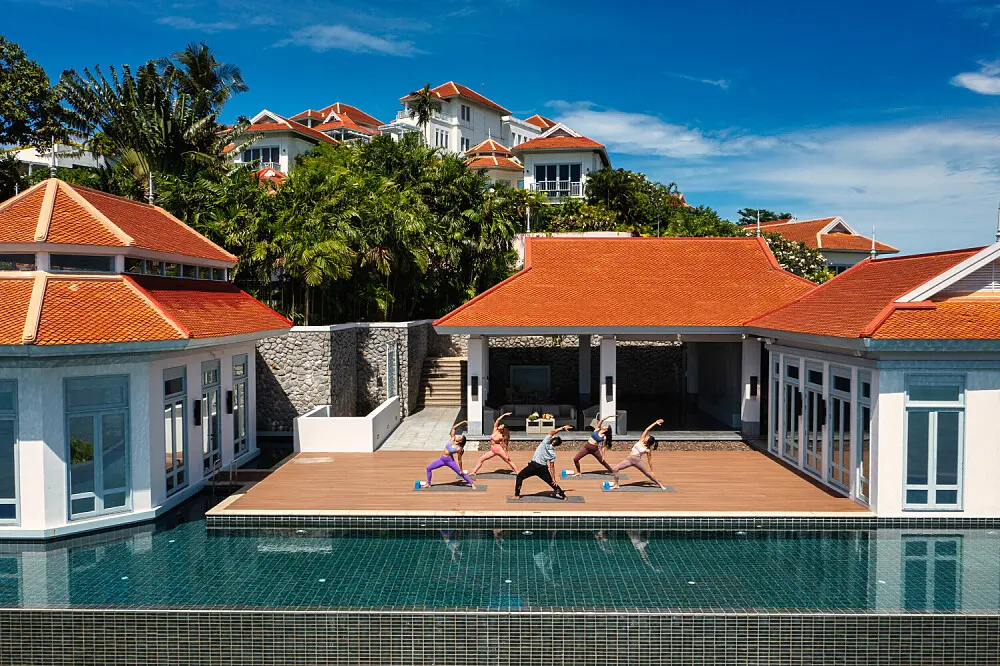
11 Day Amatara Body Detox Retreat in Phuket, Thailand


11 Day Amatara Mind Detox Retreat in Phuket, Thailand

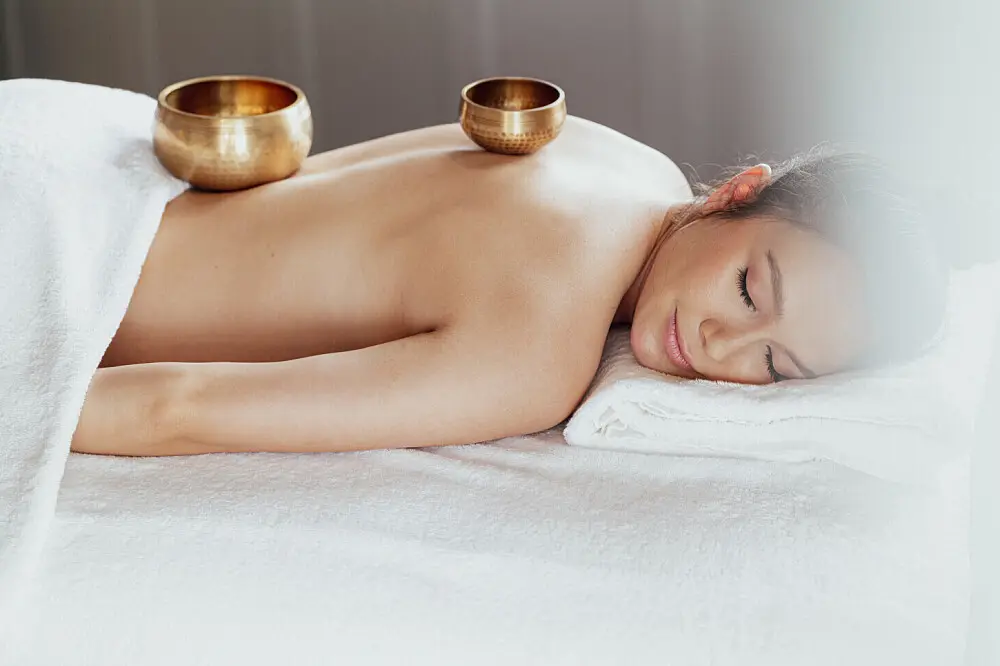
11 Day Amatara Stress & Burnout Recovery Retreat in Thailand


11 Day Amatara Weight Management in Phuket, Thailand

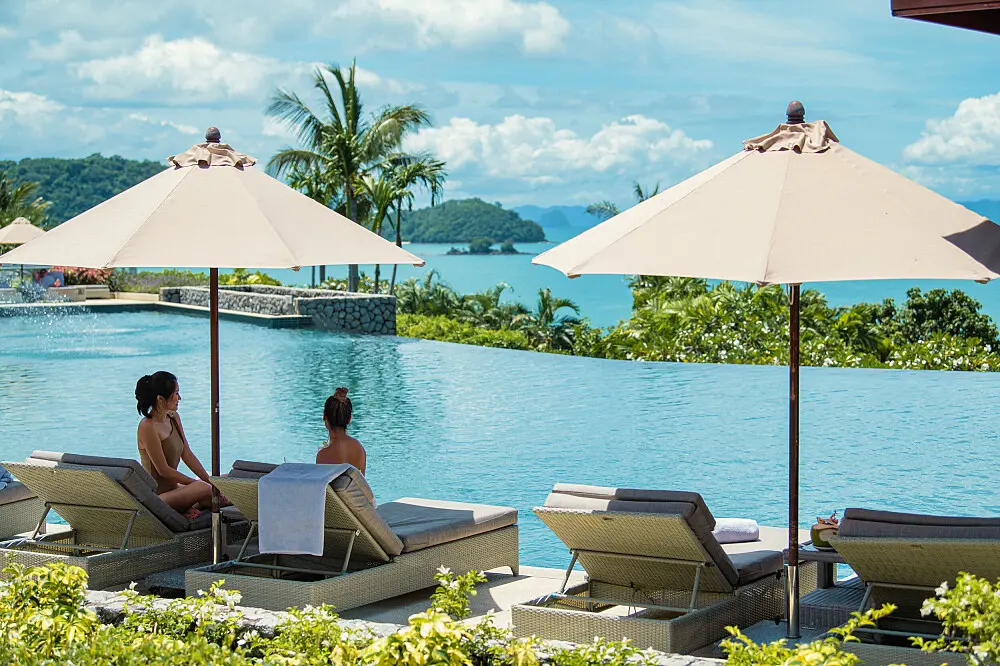
15 Day Amatara Body Detox Retreat in Phuket, Thailand

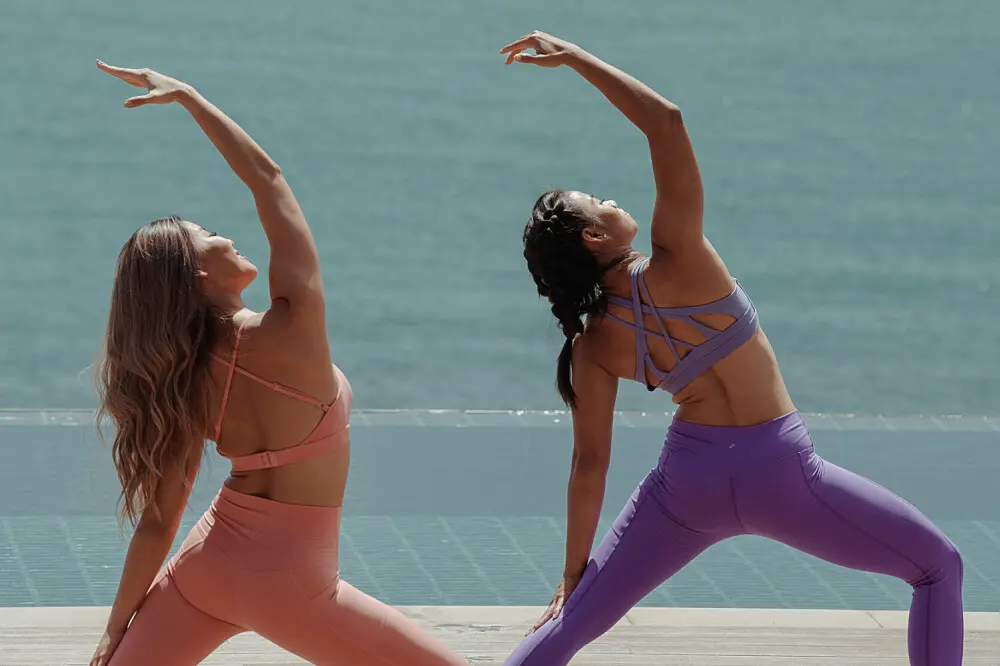
15 Day Amatara Mind Detox Retreat in Phuket, Thailand

15 Day Amatara Stress & Burnout Recovery Retreat in Thailand

15 Day Amatara Weight Management Retreat in Phuket, Thailand
When to go
Nov–Feb The dry season on the Andaman coast. Seas are calm, visibility for diving is at its best, and crowds peak over Christmas and New Year. Book accommodation well ahead for December.
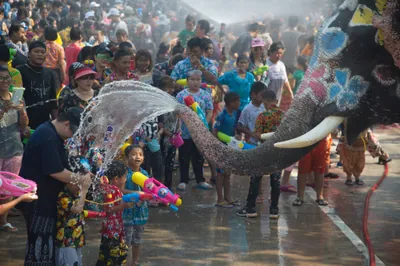
Mar–Apr Still largely dry but temperatures climb and the island gets busy over Songkran (mid-April). Prices start to ease slightly before the rains arrive.
May–Oct The southwest monsoon brings afternoon storms and rougher surf. September and October are the wettest months. Rates are often softer and the island is far quieter — manageable if you don't mind some rain.
Events & Festivals
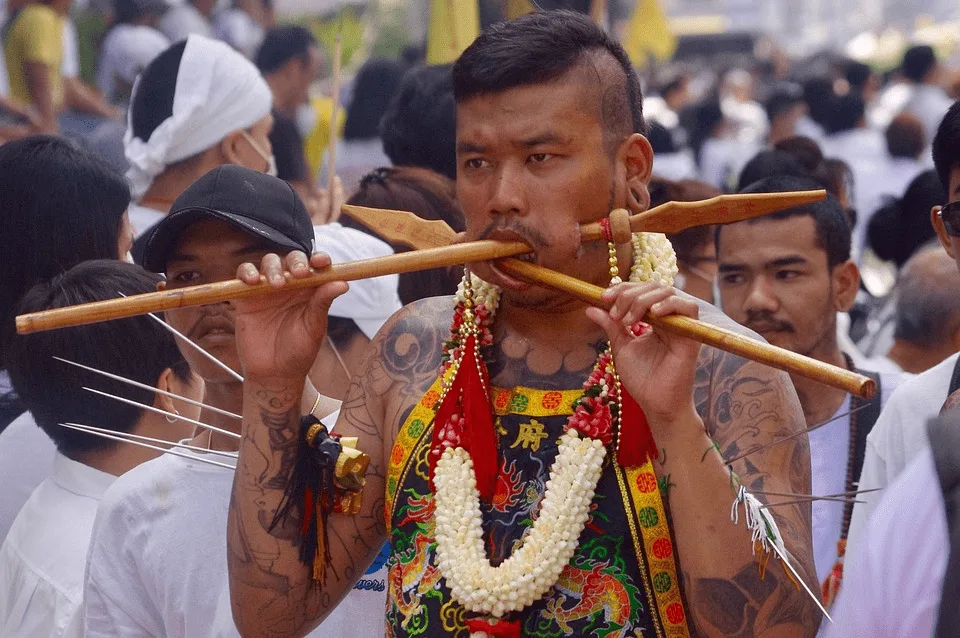
All events →Phuket Vegetarian Festival
10–18 Oct 2026
Nine days of street processions, Chinese shrine rituals, and vegetarian street food across Phuket. Oct 10-18 schedule, top temples, and what to expect.

EDC Thailand
18–20 Dec 2026
EDC Thailand runs 18-20 Dec 2026 at Rhythm Park, Phuket — six stages, Martin Garrix, Tiesto, Charlotte de Witte. Strictly 20+, tickets via Eventpop.
Itineraries Featuring Phuket


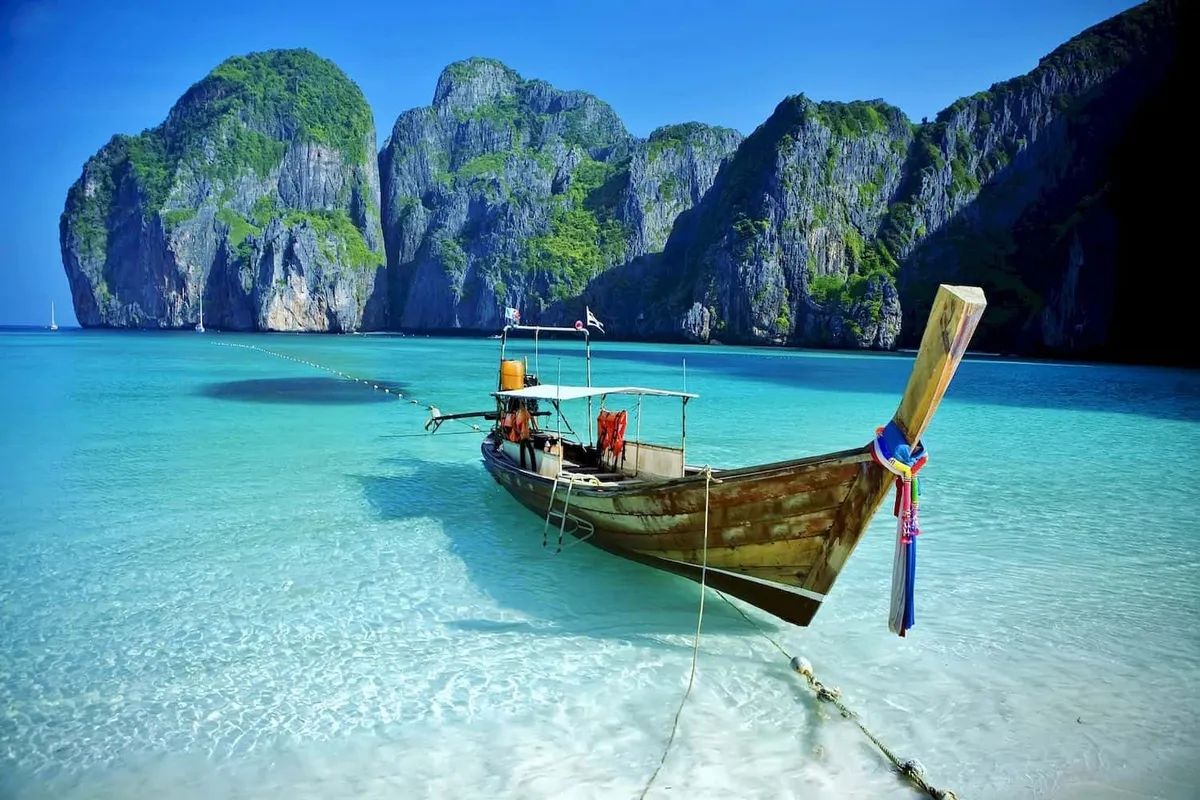
From the blog
Phuket guides & reading

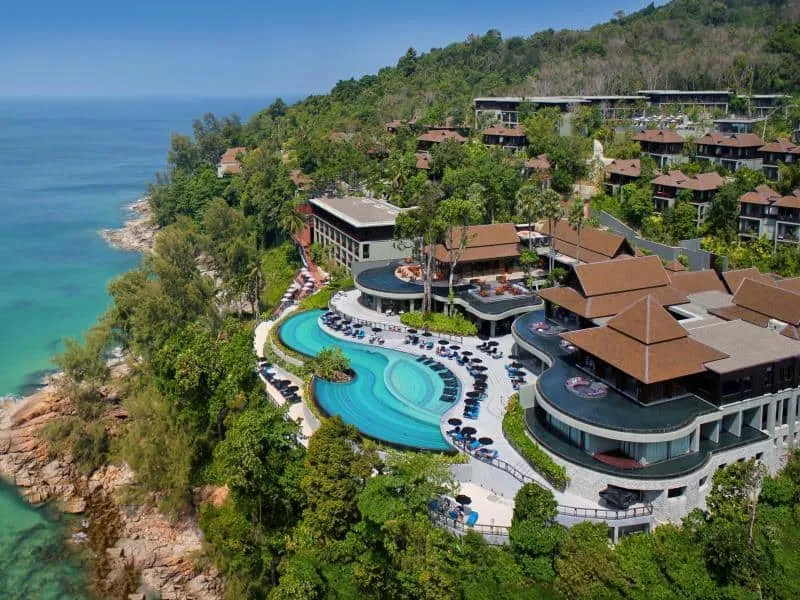
Best 5-Star Beach Resorts in Phuket (2026): Hotels Compared
Compare Phuket’s best 5-star beach resorts — SAii Laguna, JW Marriott Mai Khao, The Nai Harn and SALA — by beachfront setting, pools and location tradeoffs.

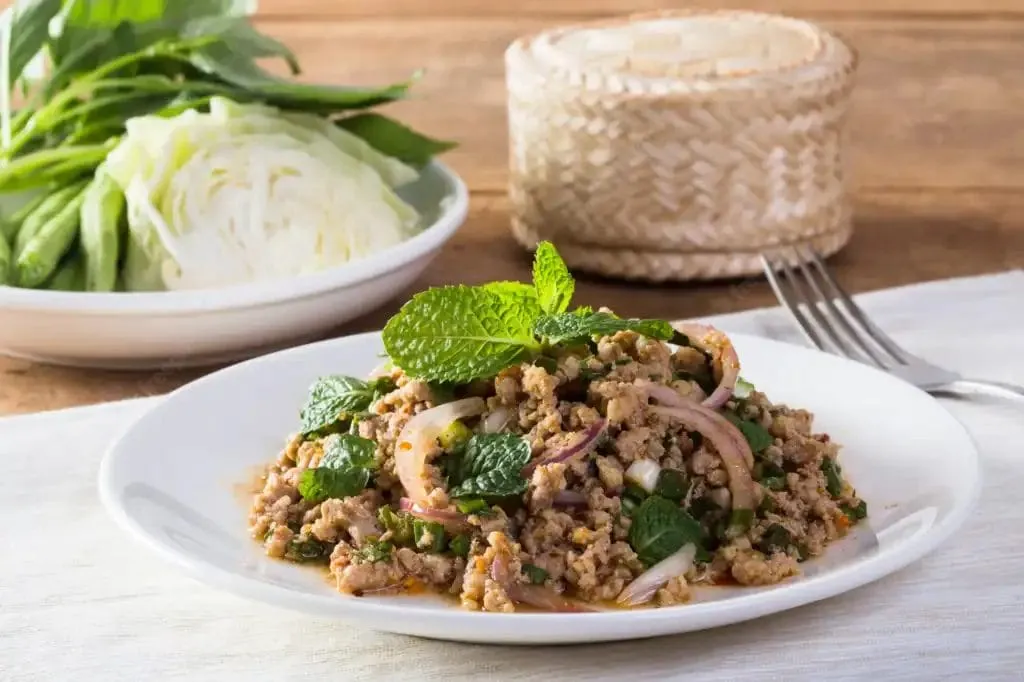
Michelin Restaurants in Thailand: 2026 Stars & Bib Gourmand
Thailand's 2026 Michelin guide: 2 three-star tables, 33 one-stars and 137 Bib Gourmands. The standout restaurants in Bangkok, Phuket and Chiang Mai, and how to book them.

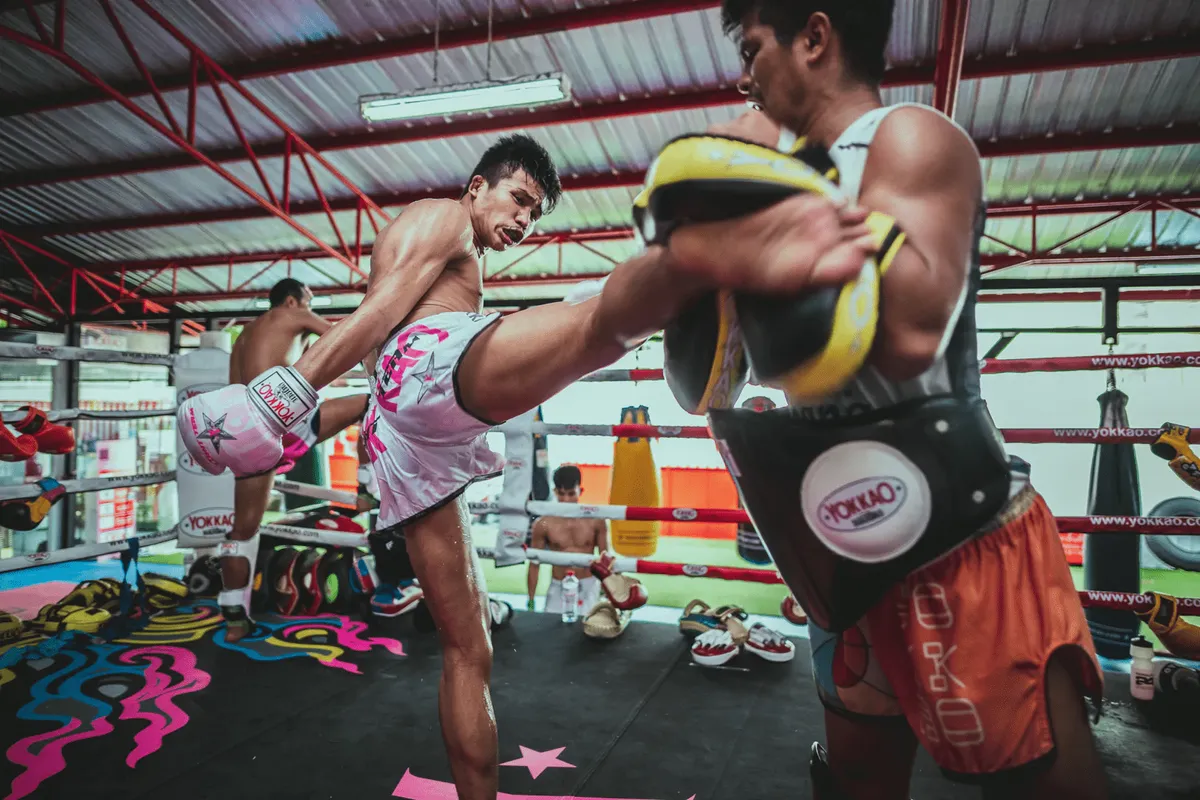
Best Muay Thai Camps in Thailand 2026: Gyms vs All-Inclusive Stays
Compare 20 Muay Thai camps in Thailand for 2026: day-rate gyms vs residential camps vs all-inclusive stays, with beginner picks from Bangkok to Koh Samui.

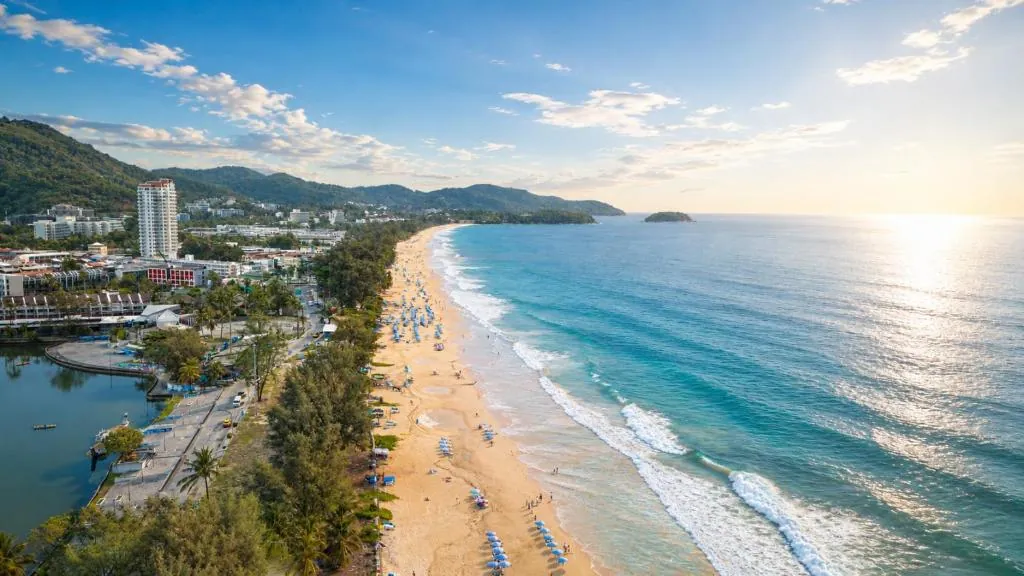
Best Family Resorts in Phuket (2026): Beaches Compared
Compare Phuket family resorts by beach — Karon, Kamala, Bang Tao/Laguna, Mai Khao and Patong — then drill into kids clubs or waterslides when those filters matter.

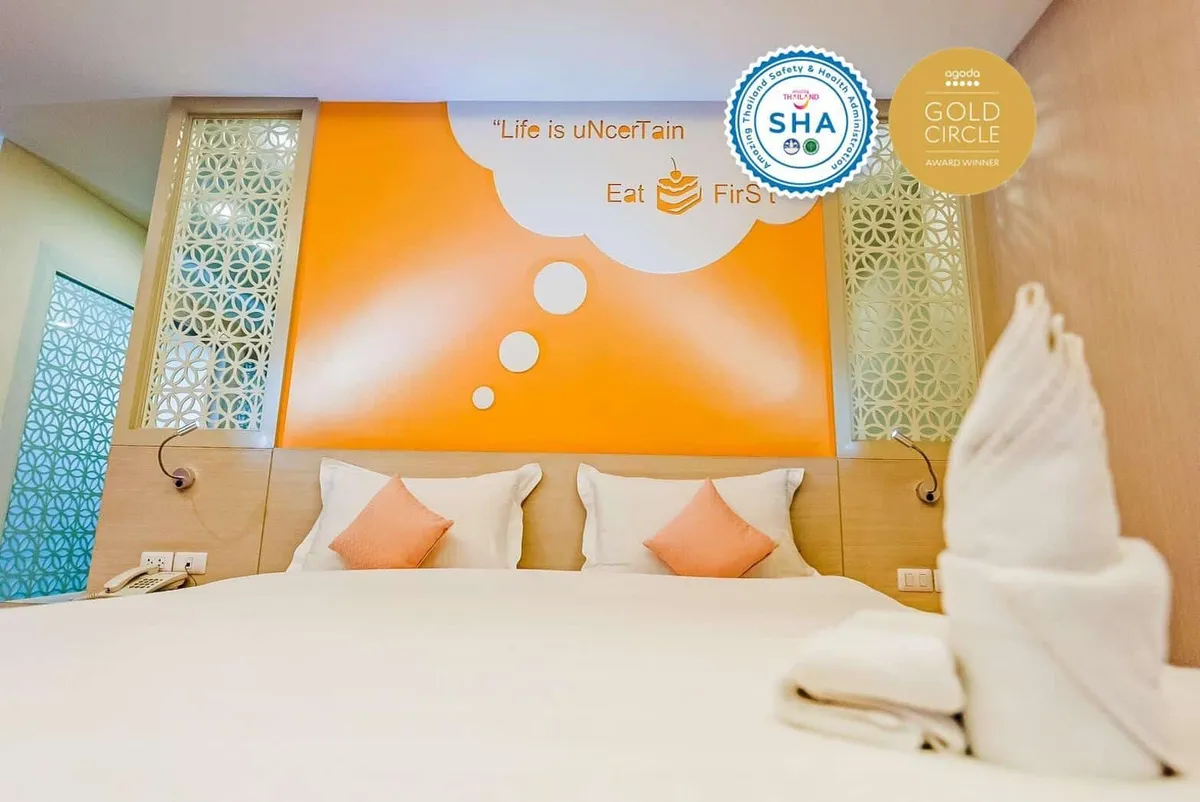
Cheap Hotels in Phuket: Best Budget Areas
Phuket budget and mid-cheap hotels by area: Patong, Karon-Kata, Phuket Town, Chalong, Nai Yang airport side and Nai Harn — 12 linked picks with honest tradeoffs.
Family Hotels in Phuket with Kids' Clubs
Kids' club specialist for Phuket — 9 hotels with evidenced clubs across Karon, Patong, Laguna, Mai Khao, Kamala and Kata. Cross-links to broad family and waterslide guides.

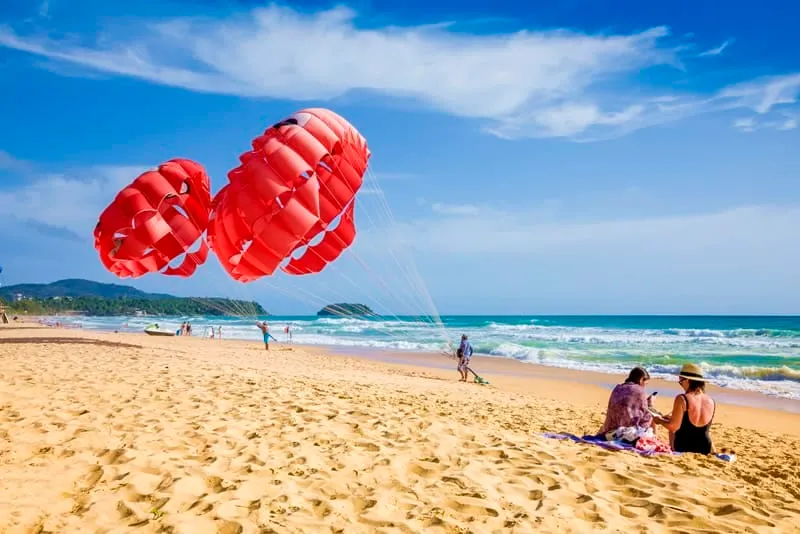
Family Resorts in Karon Beach, Phuket
Karon Beach family resorts — mid-scale west-coast base near restaurants. Links the Karon stays grid plus Phuket kids-club and waterslide specialists.

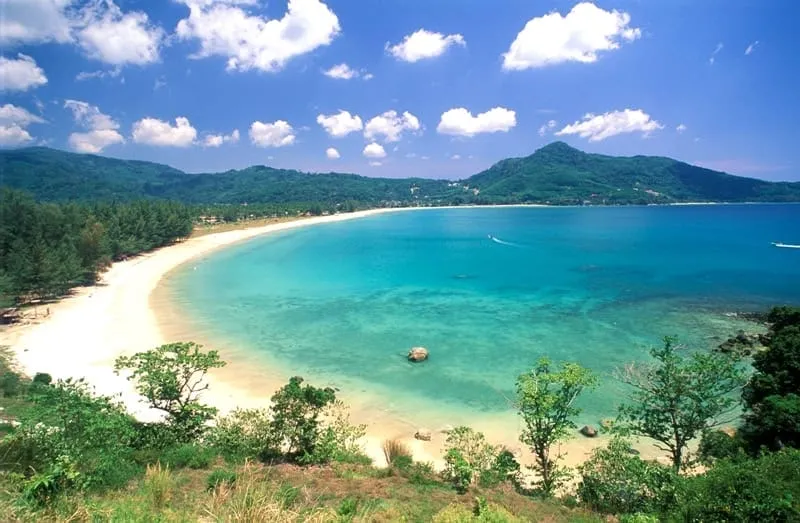
Family Resorts on Kamala Beach, Phuket
Kamala Beach family resorts — calmer than Patong, suite-friendly. Links the Kamala stays grid plus Phuket kids-club and waterslide specialists.
Explore around Phuket












About Phuket
Last updated September 2026
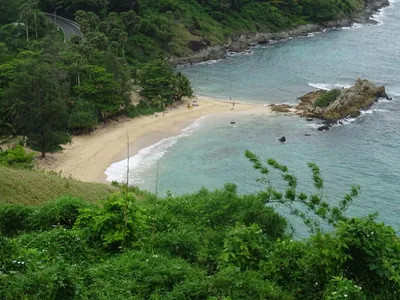
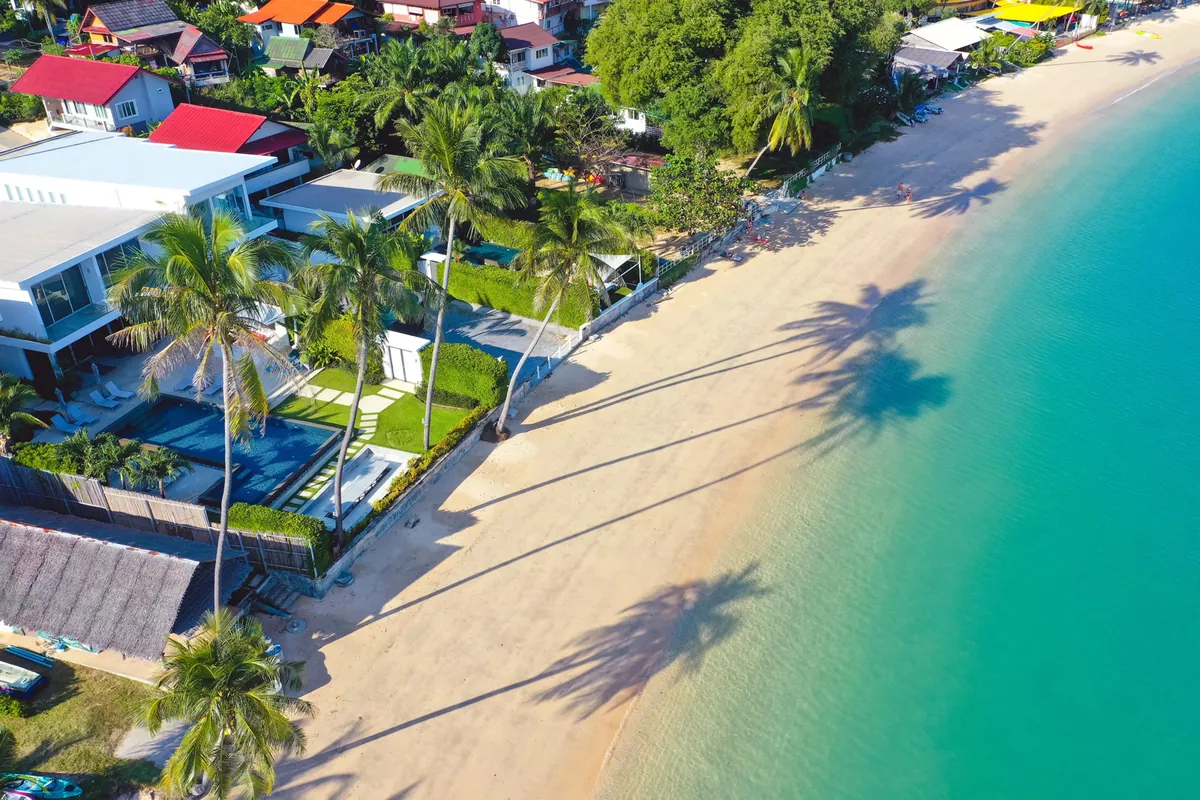
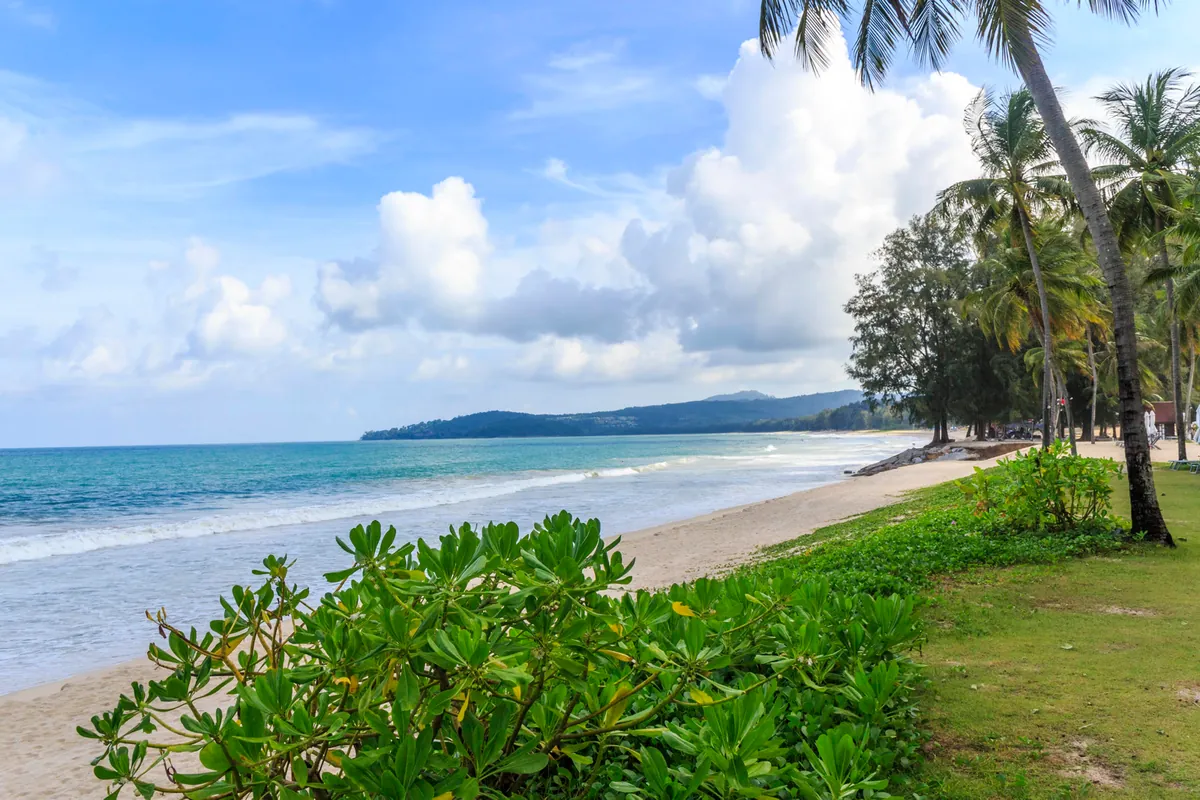
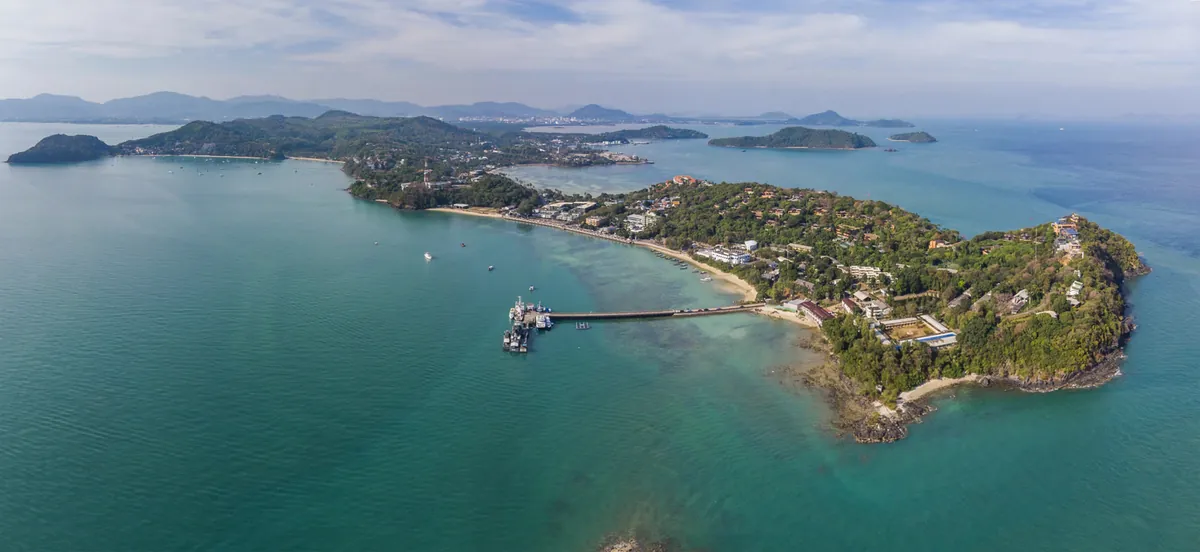
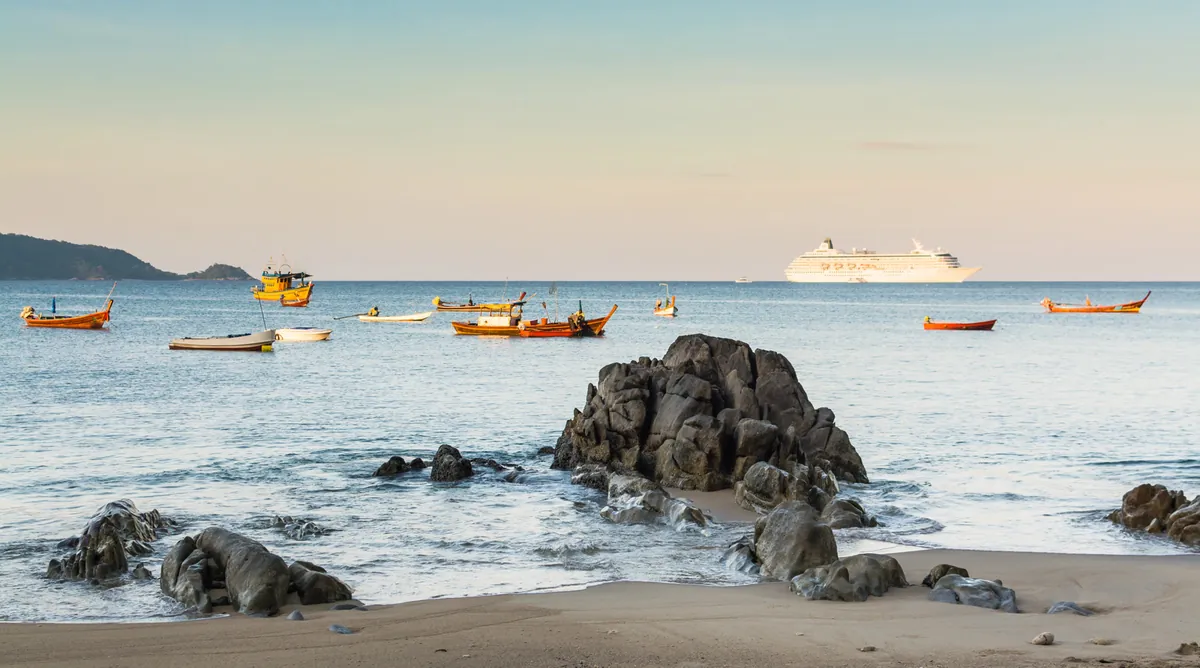
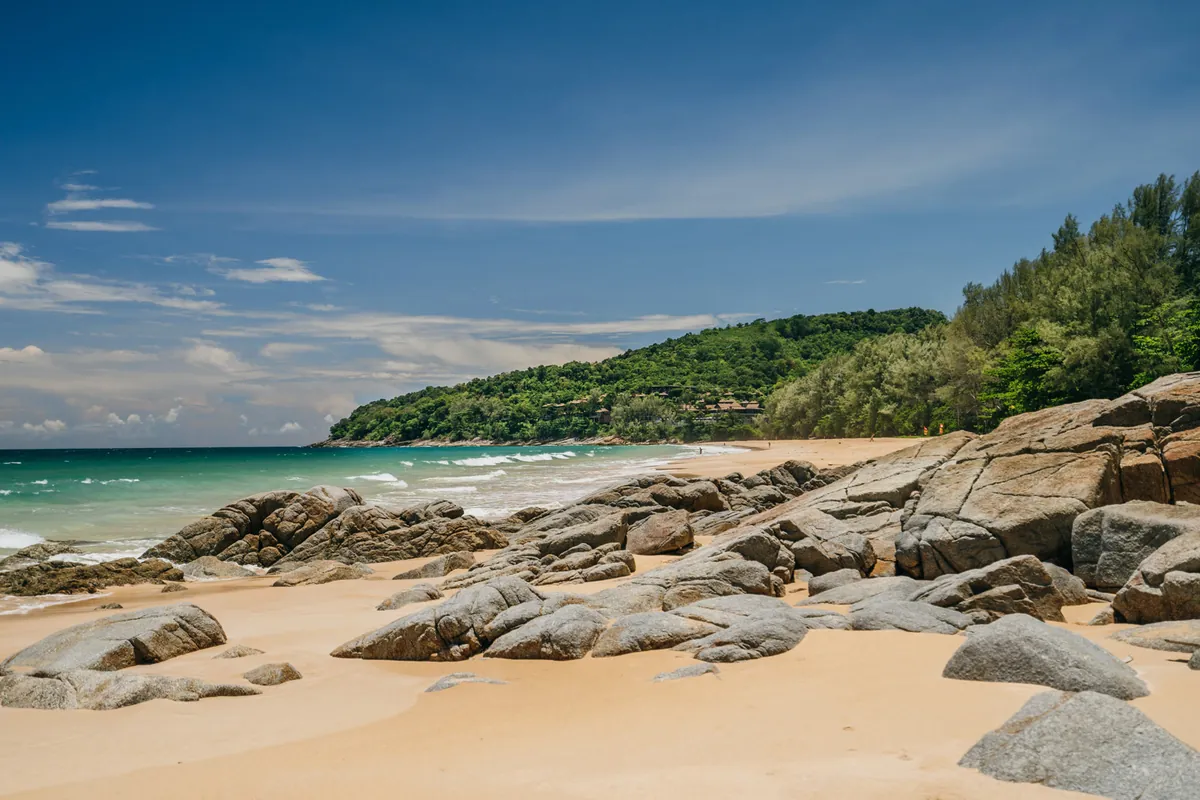
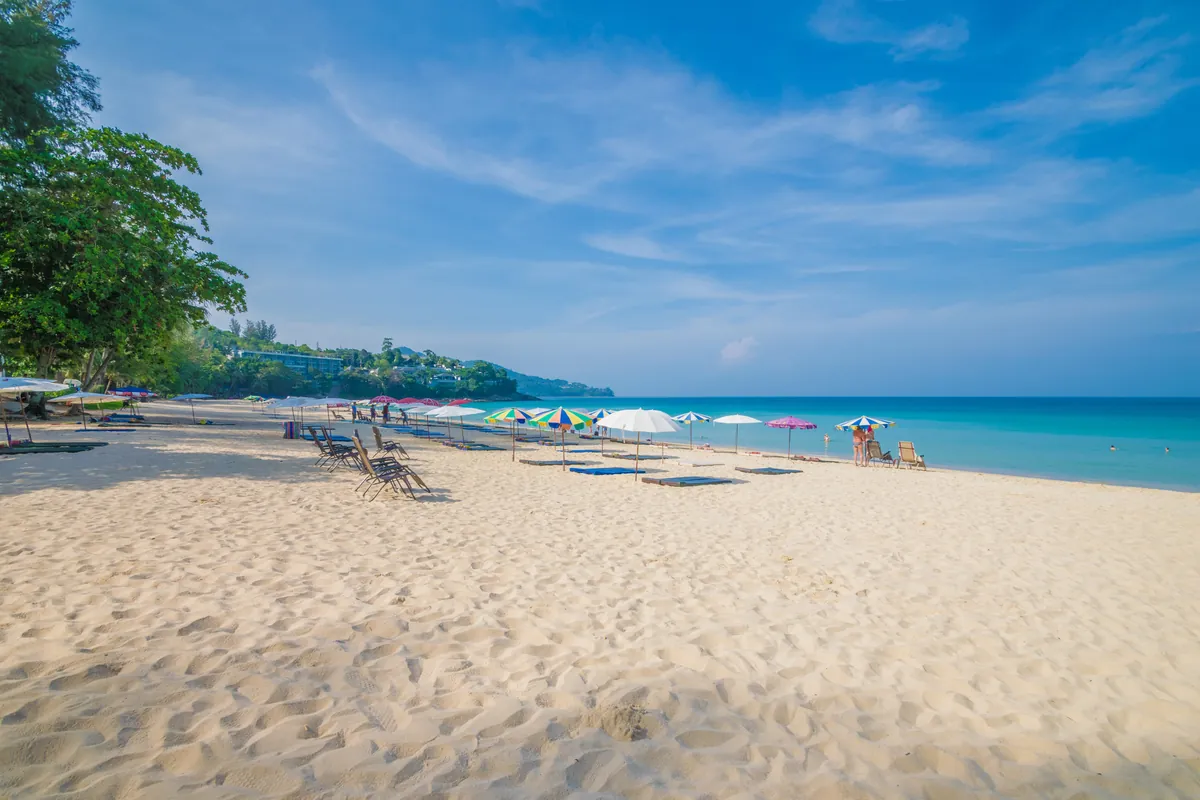
Thailand’s largest island draws everyone from backpackers sleeping above Patong bars to couples in clifftop villas overlooking the Andaman Sea. Phuket has 17 distinct beaches along its west coast, each with a different personality — from the all-night energy of Patong to the family-friendly calm of Kata and the near-empty sand at Nai Yang near the airport.
Beaches & Highlights
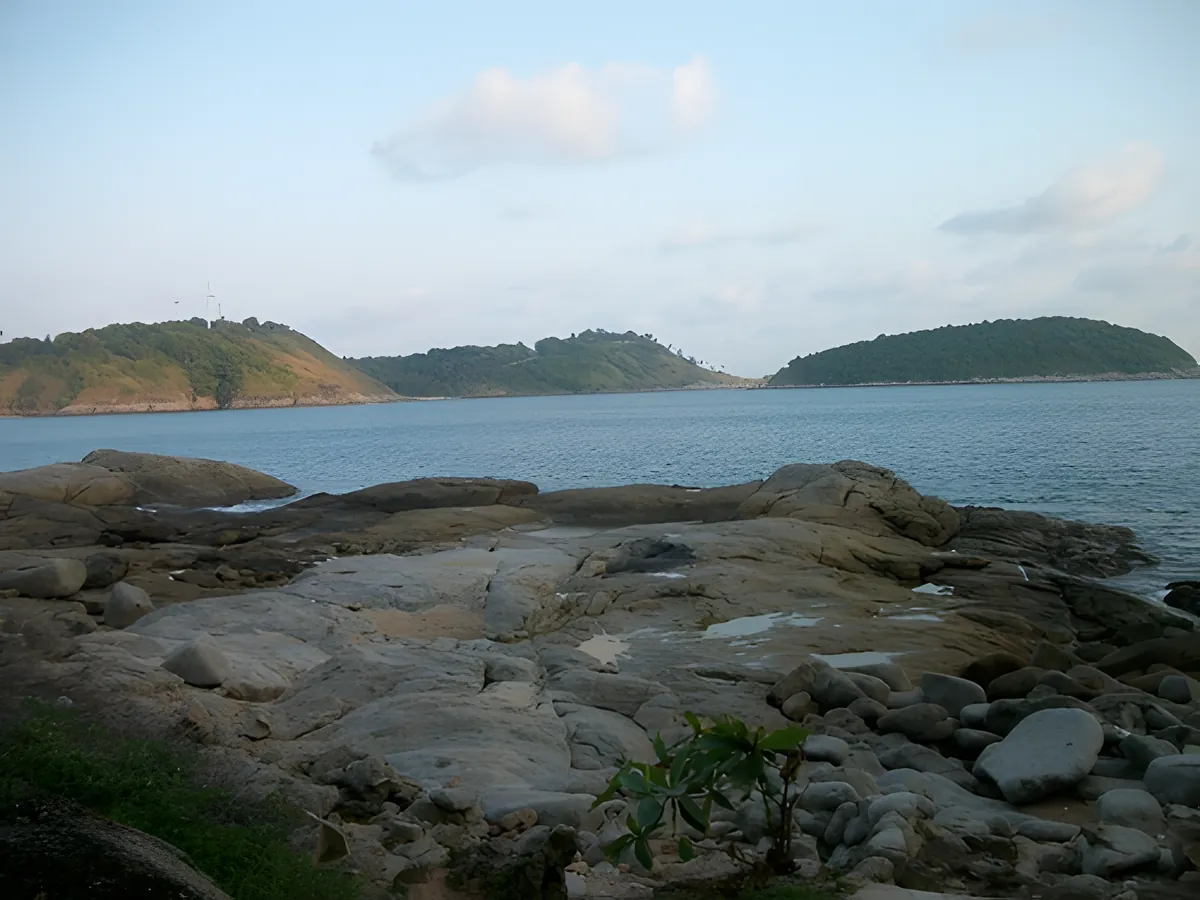
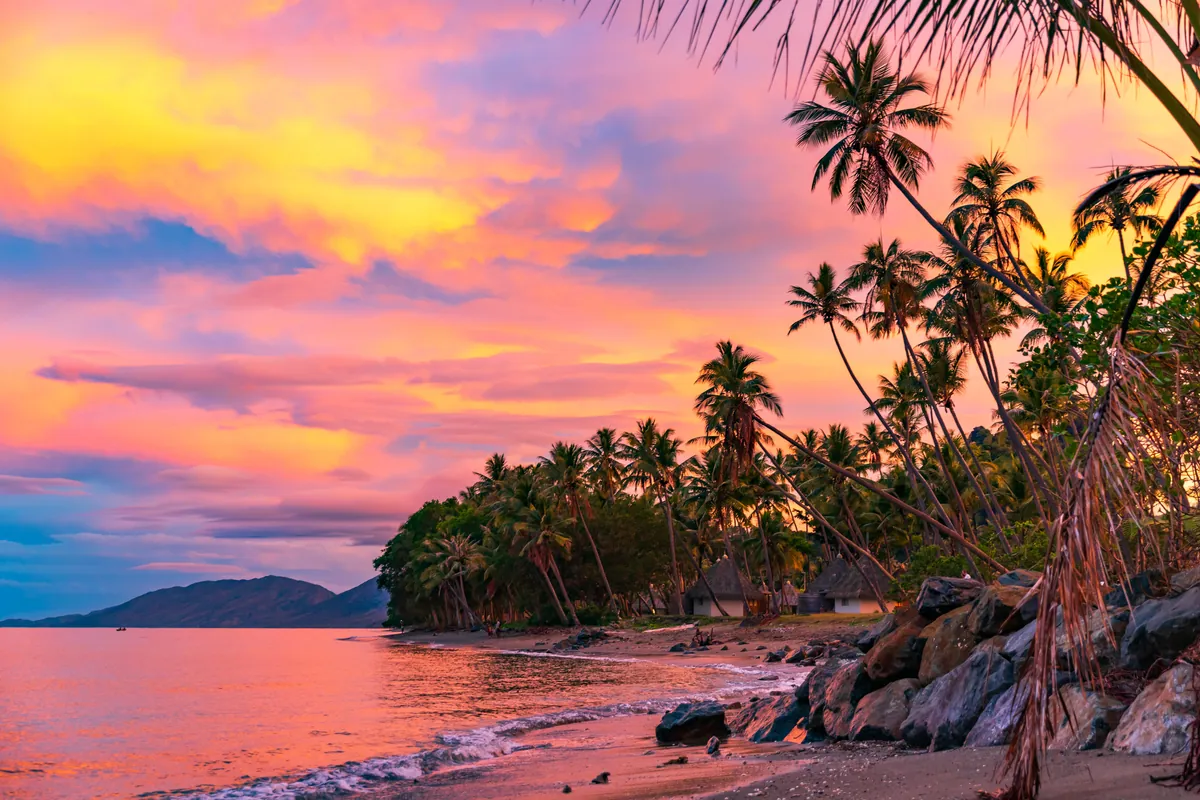
The west coast catches the sunsets. Karon has a long, wide stretch of sand with decent surf between May and October. Surin and Bang Tao attract a more upscale crowd — think beach clubs and five-star resorts set back from the sand. Down south, Nai Harn and Rawai feel more local, with fishing boats and seafood restaurants lining the shore.
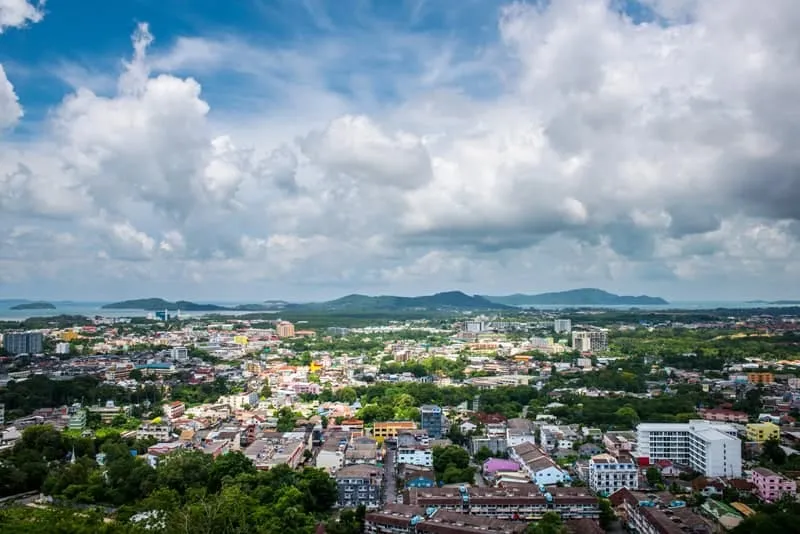
Away from the beaches, Phuket Town rewards a half-day wandering its Sino-Portuguese shophouses, street art and local food markets. The Old Town Sunday Walking Street market on Thalang Road is worth timing your visit around.
Tours & Day Trips
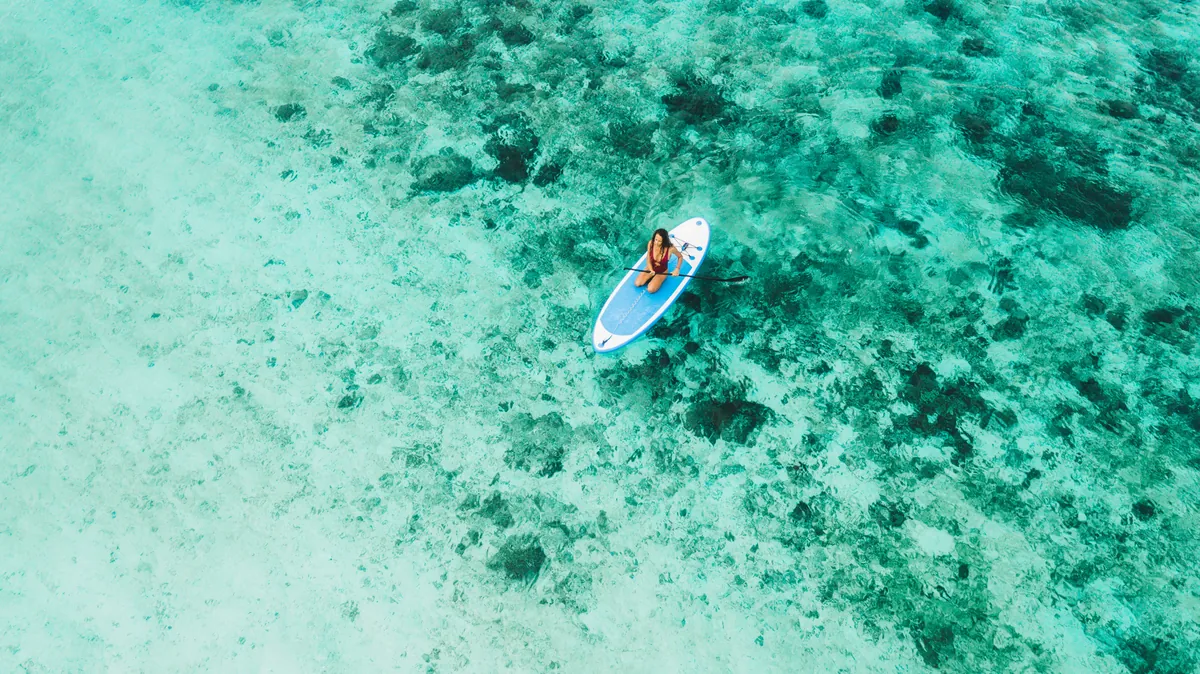
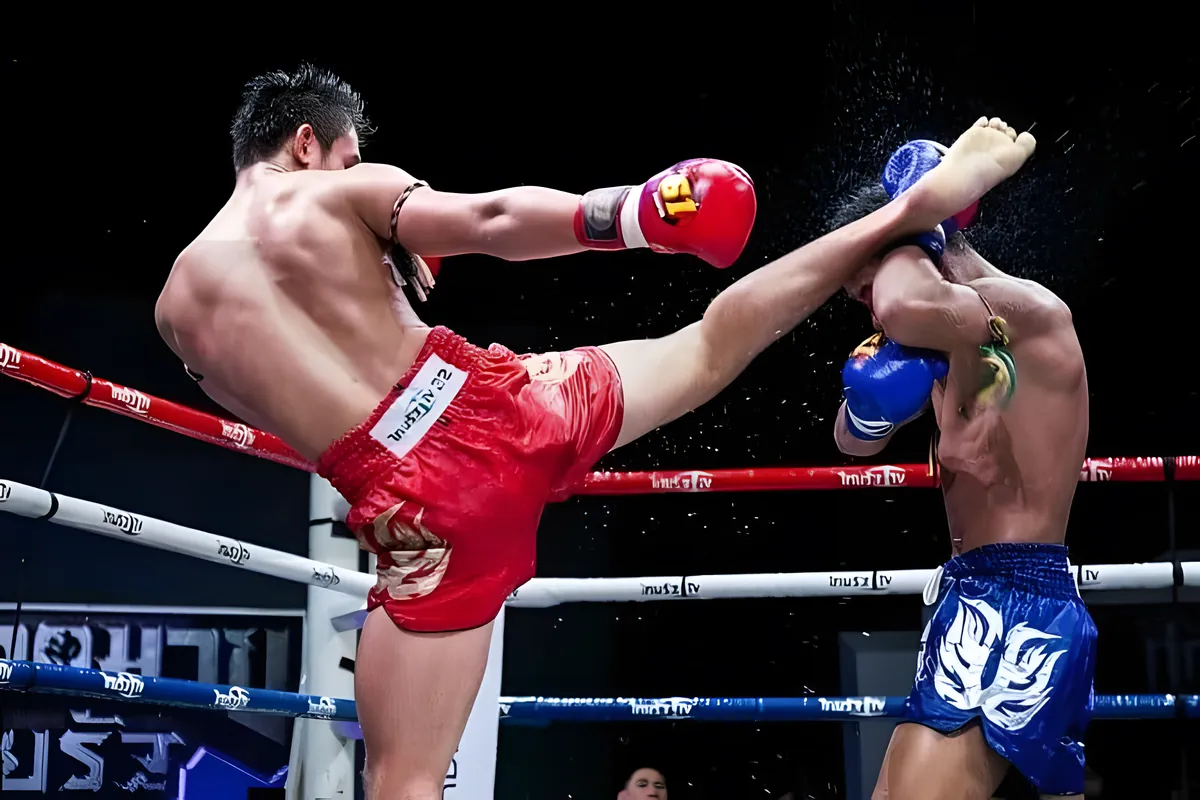
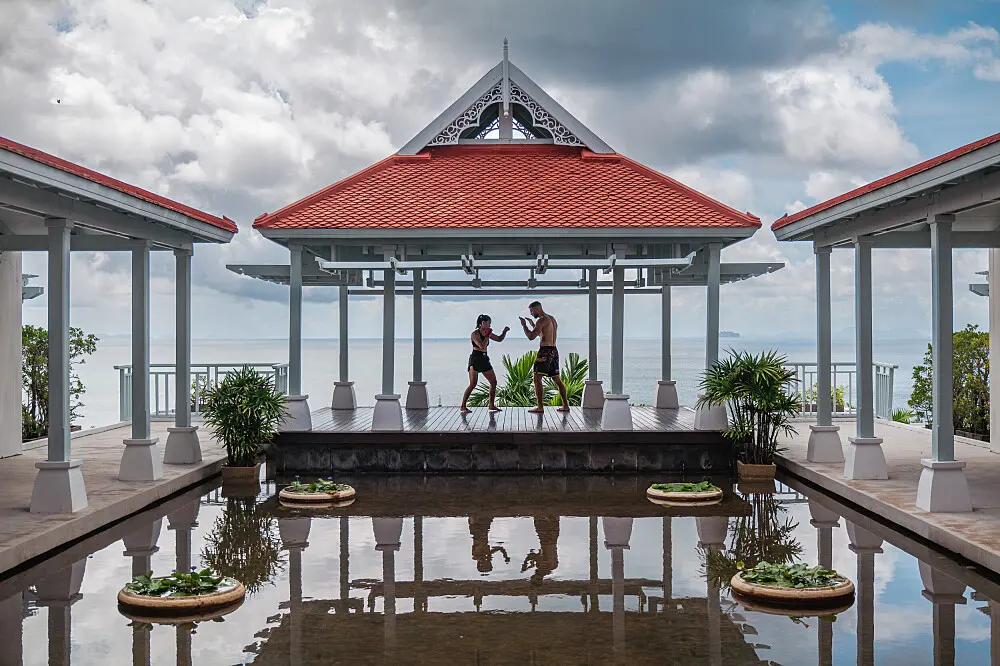
With 204 tours running from Phuket, this is one of the best-connected launch points in southern Thailand. Speedboats run daily to the Phi Phi Islands, Phang Nga Bay (James Bond Island), and the Similan Islands during the November–April dive season. Island-hopping, snorkelling and diving are the biggest draws, but cooking classes, ATV rides and Muay Thai sessions fill the gaps between beach days. For Muay Thai in particular, Soi Taied in Chalong has become Phuket’s fight-camp hub — a short stretch of road packed with gyms, fighter-friendly cafés and recovery clinics that draws both first-timers and professional fighters year-round. To weigh Phuket against camps elsewhere, our Muay Thai camps in Thailand guide compares day-rate gyms, residential camps and all-inclusive stays nationwide.
Retreats & Wellness
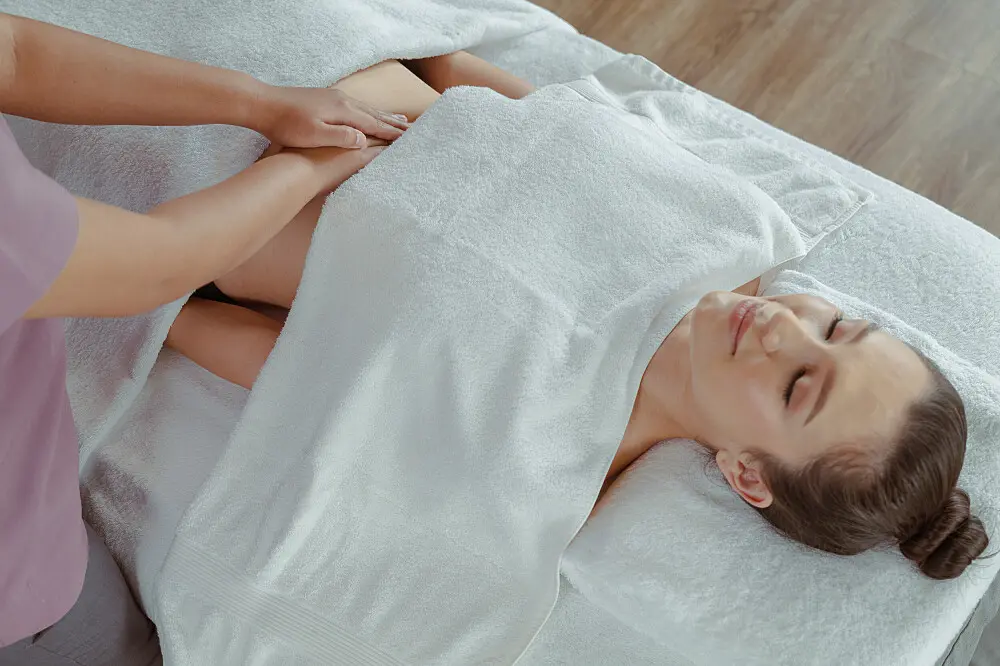
Phuket has become a major wellness destination with more than 70 retreats on the island. Options range from intensive detox programmes at Amatara to affordable yoga retreats in Rawai and Kata. Multi-day fasting, fitness boot camps and meditation courses all operate year-round.
Where to Stay
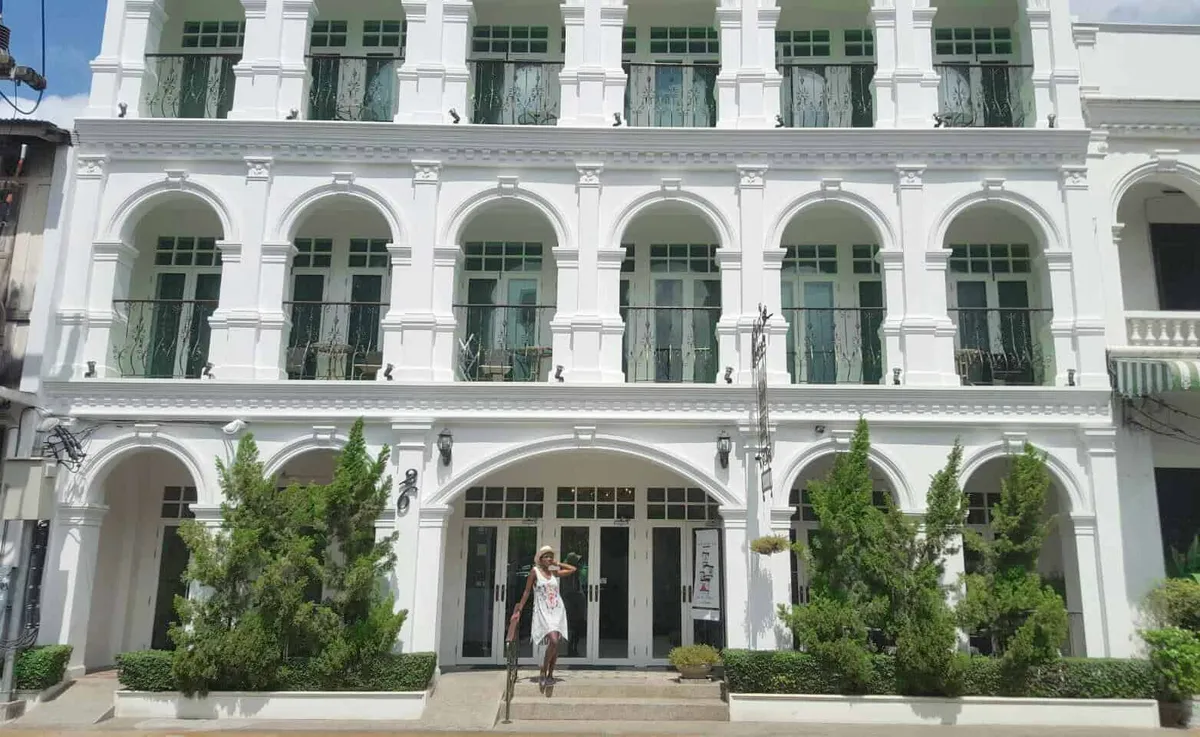
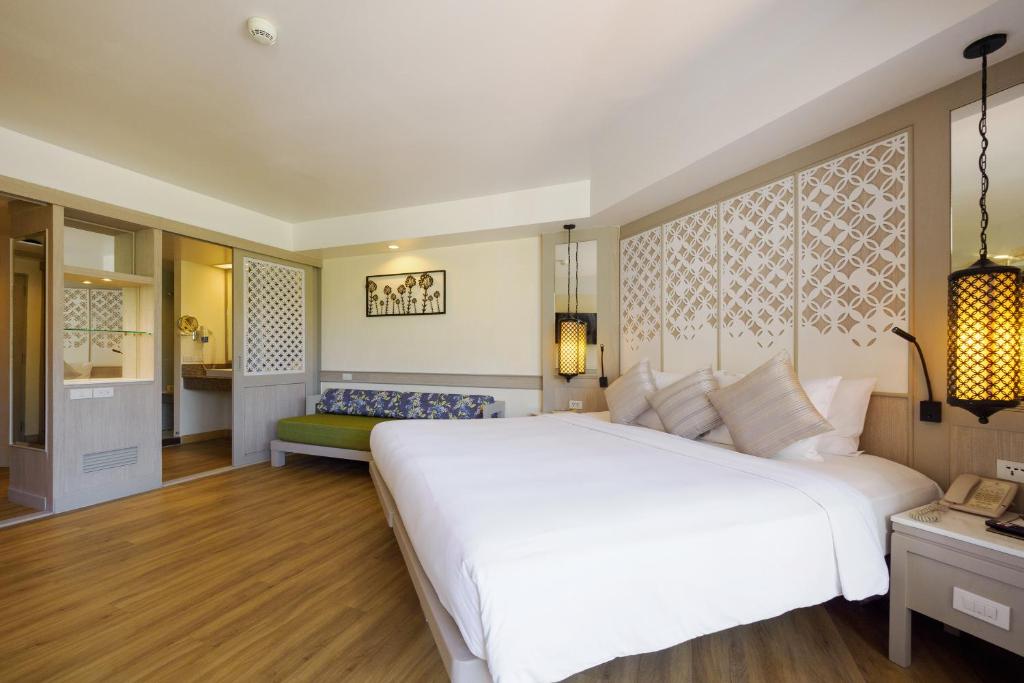
Hotel prices on Phuket span budget rooms to luxury pool villas — compare live rates for your dates rather than relying on a remembered destination average or score. Casa Blanca Boutique Hotel Phuket in Phuket Town is a boutique mid-range option. For a splurge, Renaissance Phuket Resort & Spa at Mai Khao has direct beach access and a kids’ club (confirm current facilities). For beach-by-beach hotel comparisons, see our editor shortlist of luxury hotels in Phuket. Couples comparing honeymoon-style stays can use our editor shortlist of romantic hotels in Phuket. Families looking for evidenced kids clubs can use our editor shortlist of family hotels in Phuket with kids clubs.
First-timers usually base in Patong or Karon for convenience. Repeat visitors gravitate toward the quieter northern beaches or Rawai in the south.
Getting There
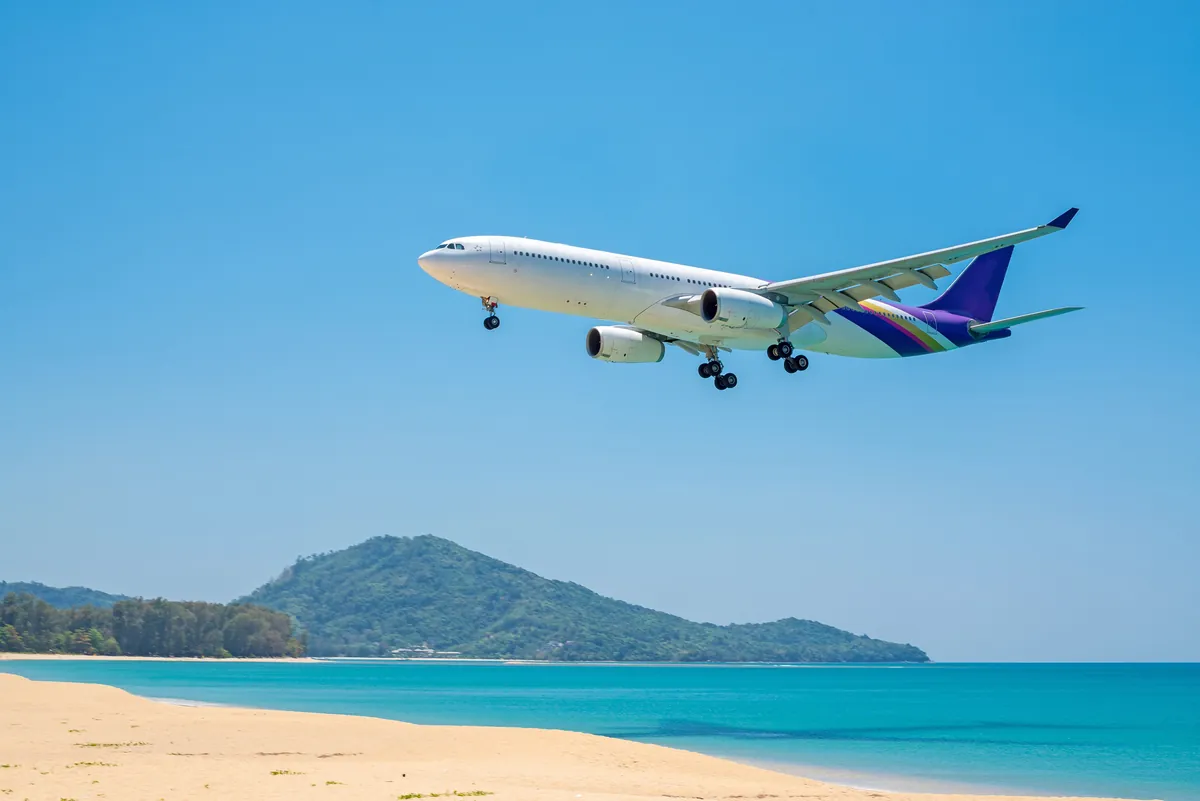
Phuket International Airport (HKT) receives direct flights from Bangkok (1h 20m), Chiang Mai, Singapore, Kuala Lumpur and seasonal European routes. From the airport, metered taxis and the smart bus reach the main beaches in 30–60 minutes. Buses from Bangkok take 12 hours overnight — the flight is worth the extra cost.
Best Time to Visit
November to April is dry season on the Andaman coast — clear skies, calm seas, prime diving conditions. May to October brings the southwest monsoon with afternoon storms and rougher surf. Low season often brings softer rates and a quieter island — compare live prices for your dates. September and October are the wettest months.
Insider Tip: Skip the overpriced airport taxis. Download the Grab app before landing — rides to Patong run ฿450–600, well under the typical ฿900+ taxi fare.