

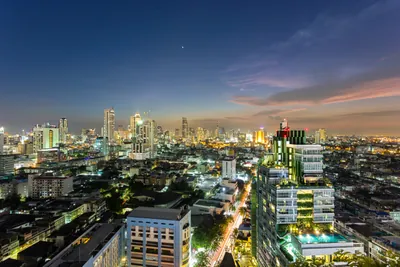







Satun
สตูล
Southern region, home to many islands including Koh Tarutao and Koh Lipe
- Best time
- Nov–Feb
- How long
- 3–5 days
- From Bangkok
- Fly to Hat Yai, then bus
- Getting around
- Ferry, longtail, songthaew
Updated June 2026
Plan your trip
Recommended by us

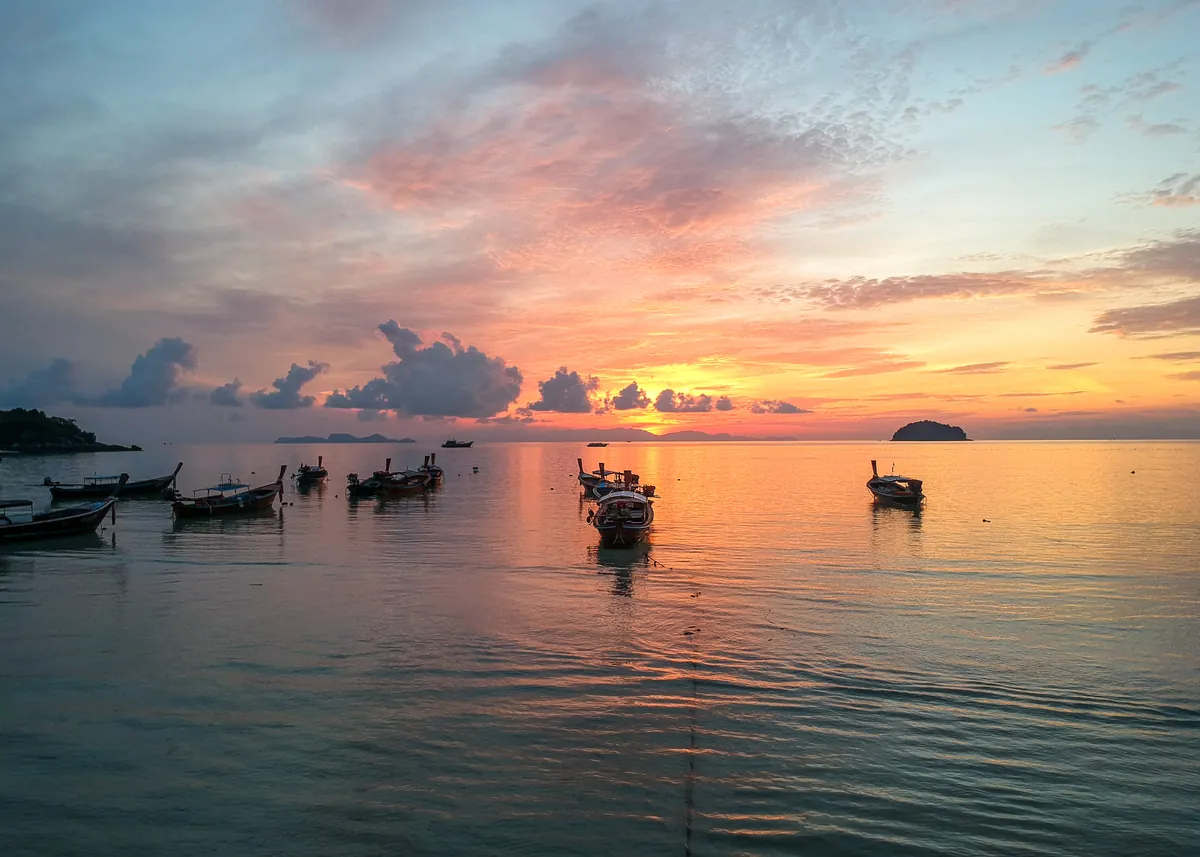
Sunrise Beach, Koh Lipe
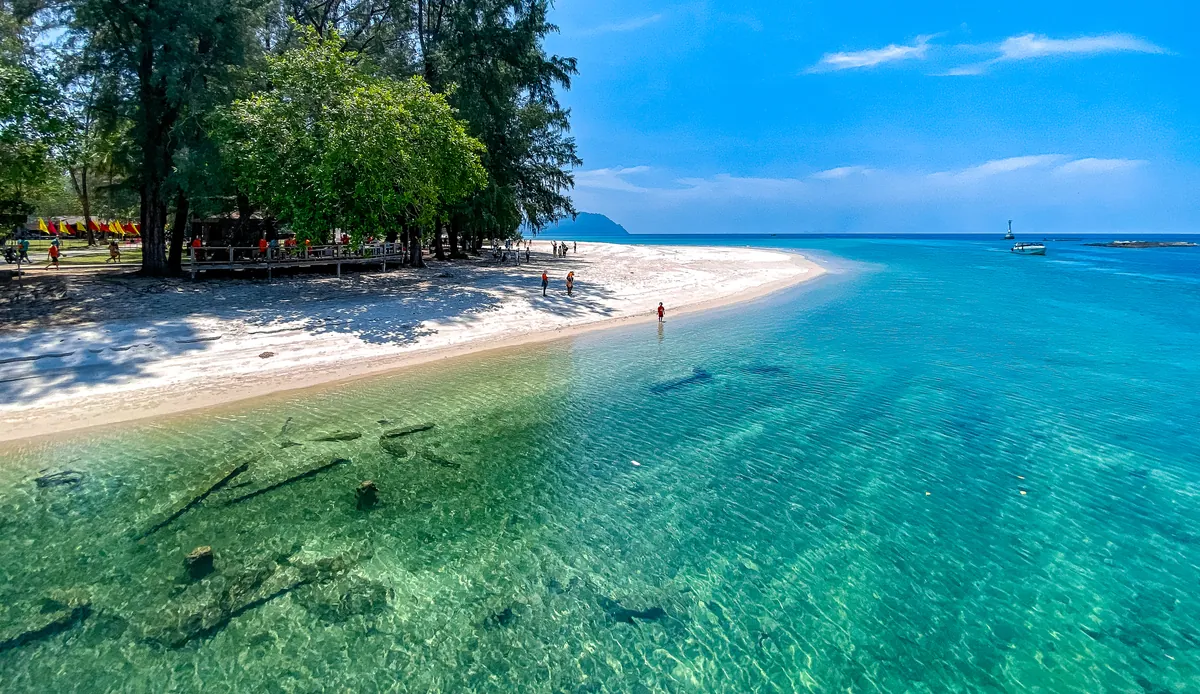
The most popular strip on Koh Lipe: shallow, calm water and a slow-moving morning. Swim early before the longtails start running.

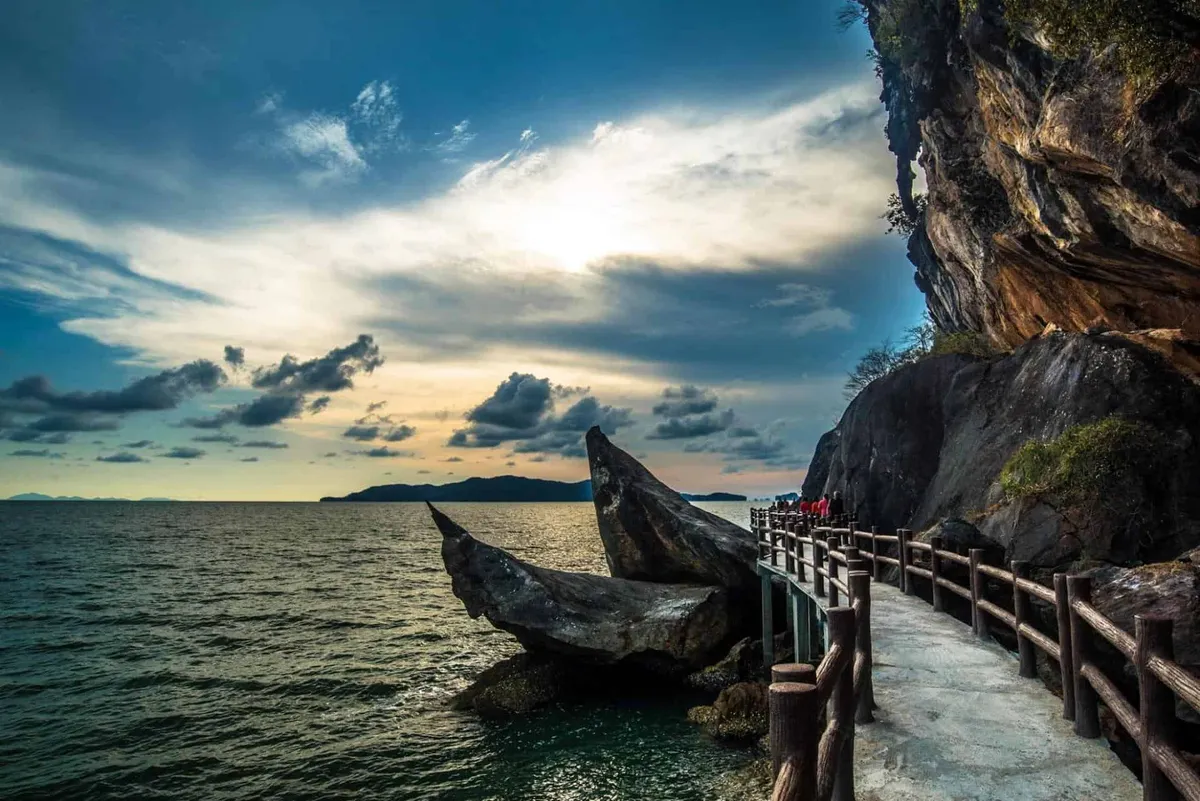
Mu Ko Phetra National Park
A quiet marine park protecting mangroves, caves, and uninhabited islands south of Pak Bara. Far fewer visitors than Tarutao. Arrive by chartered longtail.

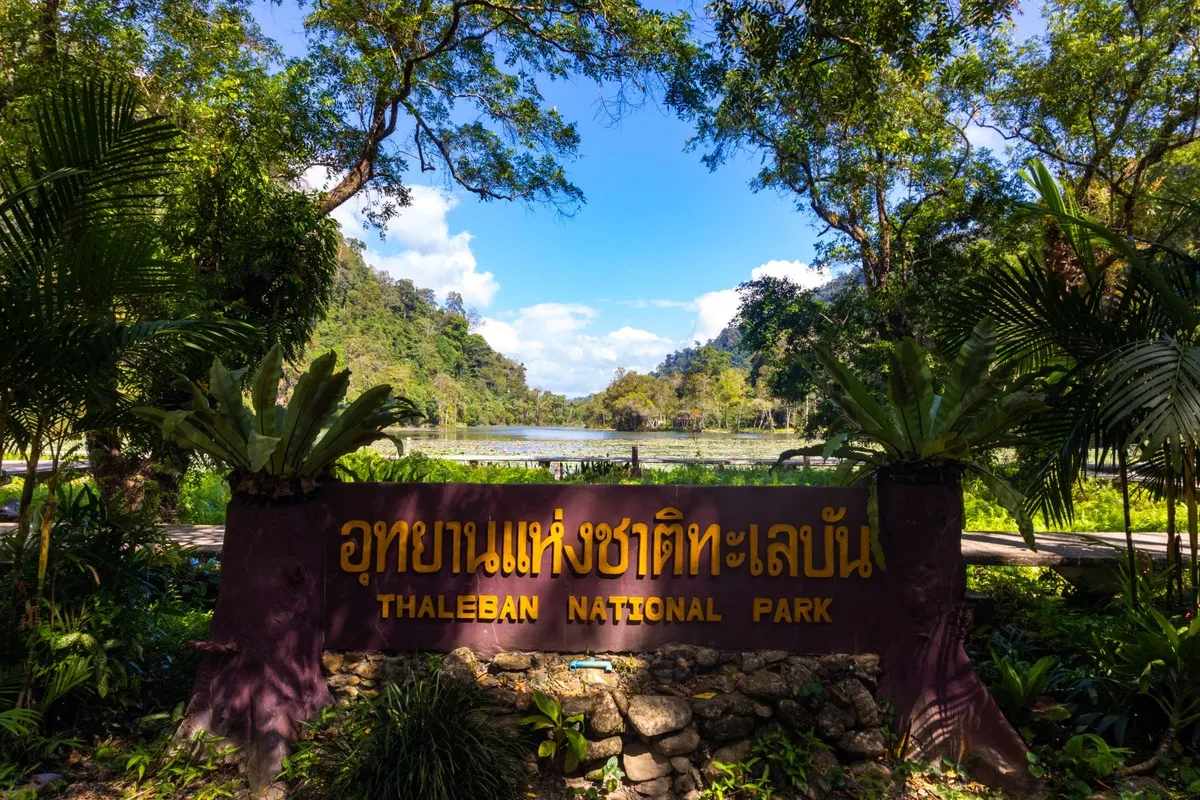
Talay Ban National Park
Freshwater lake, rainforest, and a small waterfall on the mainland, a good half-day if you're catching the Pak Bara ferry the next morning.

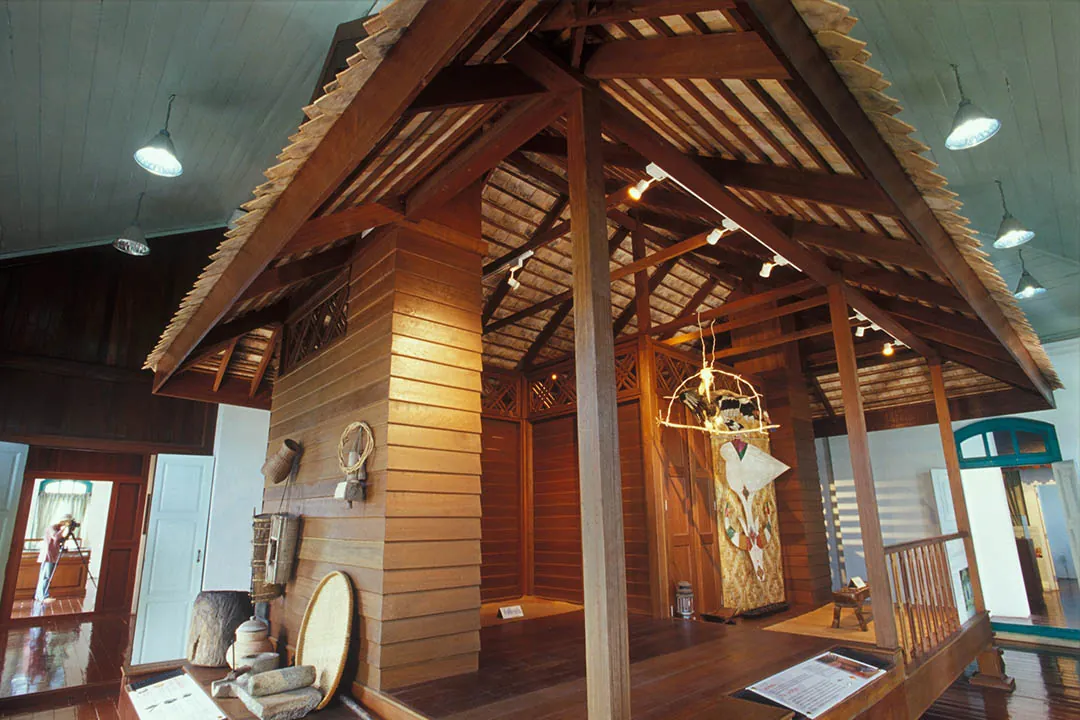
Satun National Museum
A 1902 Malay-style palace turned into one of the south's better provincial museums. The Islamic heritage galleries are worth an hour of your time.
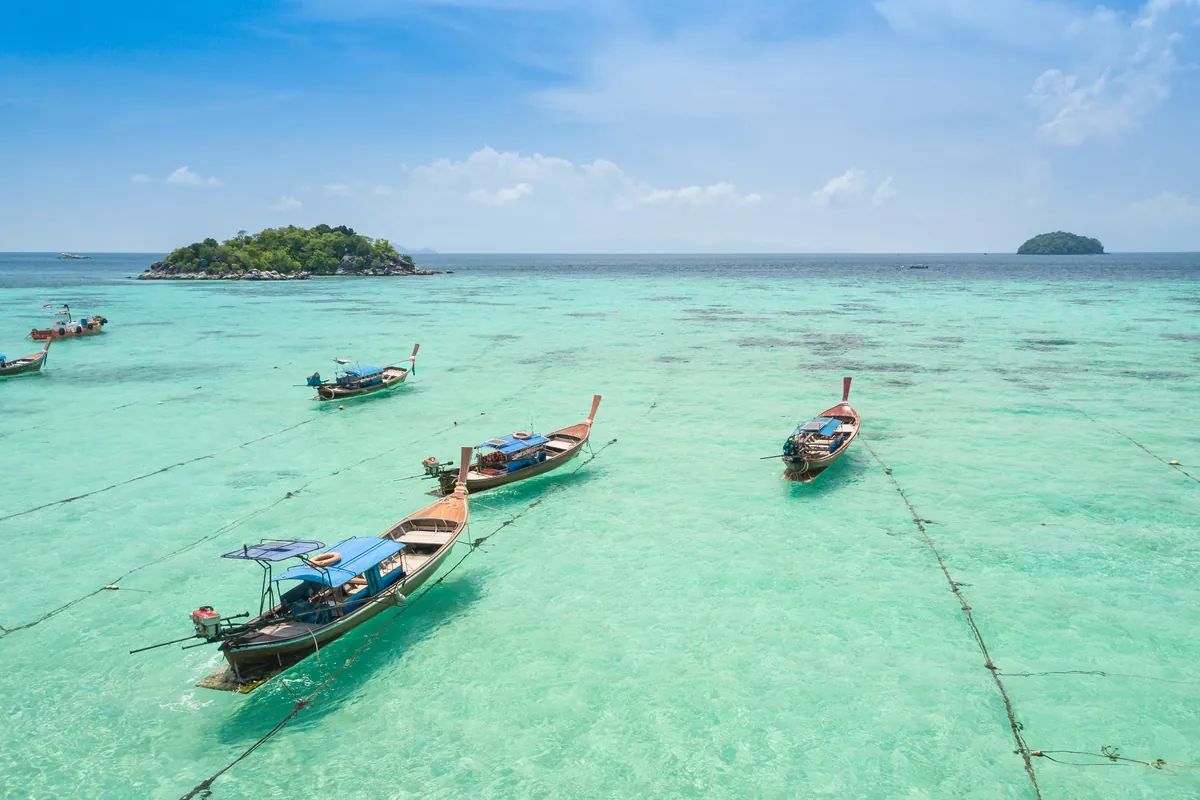
Get to Satun
Most travellers fly to Hat Yai then take a minivan south to Pak Bara pier, the departure point for Koh Lipe ferries.

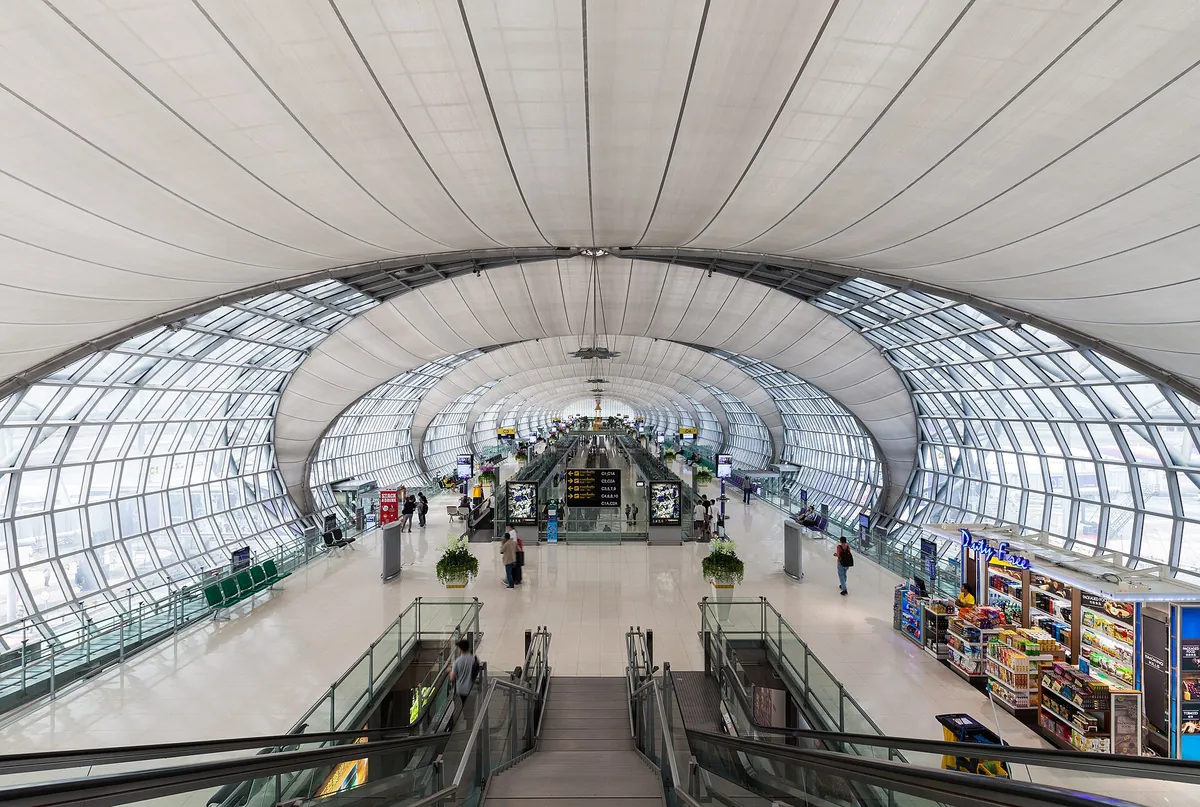
eSIM for Thailand
Land with data already working and skip the airport SIM queue. We tested six plans. Code THAIHOLIDAY saves 10%.


Travel insurance
Island-hopping by longtail and snorkelling in open water: sort cover before you go. Check that boat trips and diving are included.
Sand, snorkelling & island-hopping
Beaches & islands in Satun

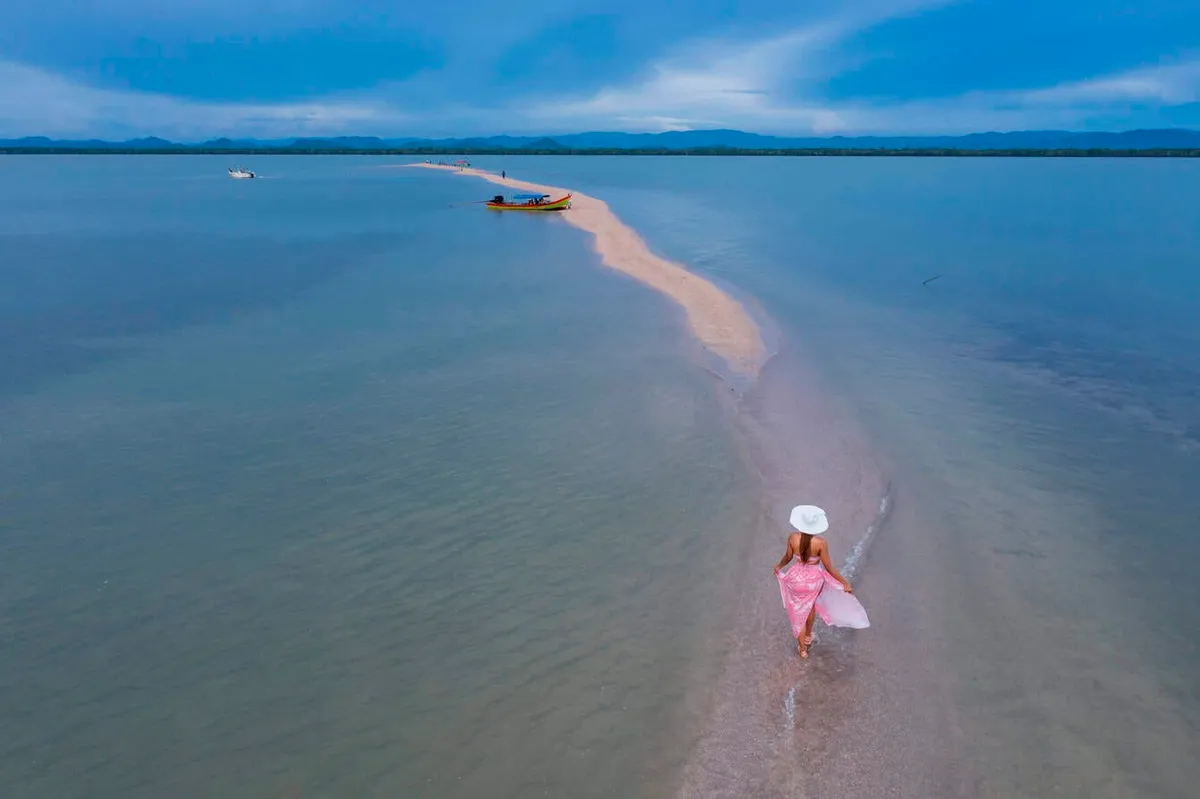
Dragon’s Spine
สันหลังมังกร

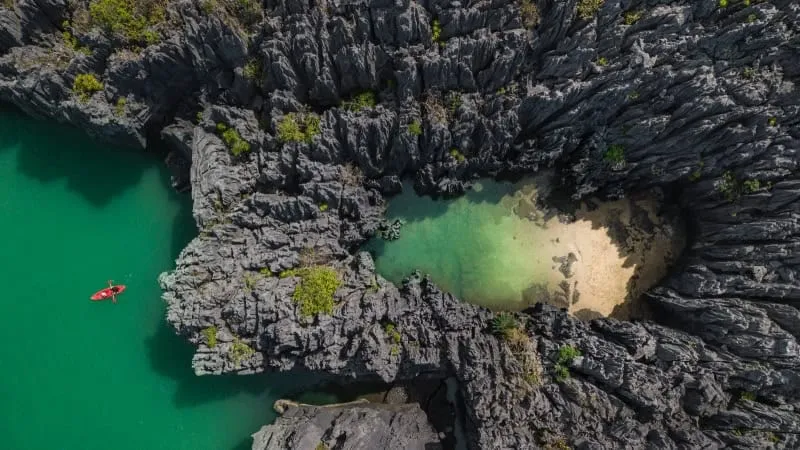
Koh Khao Yai and Prasat Hin Pan Yot
เกาะเขาใหญ่และปราสาทหินพันยอด

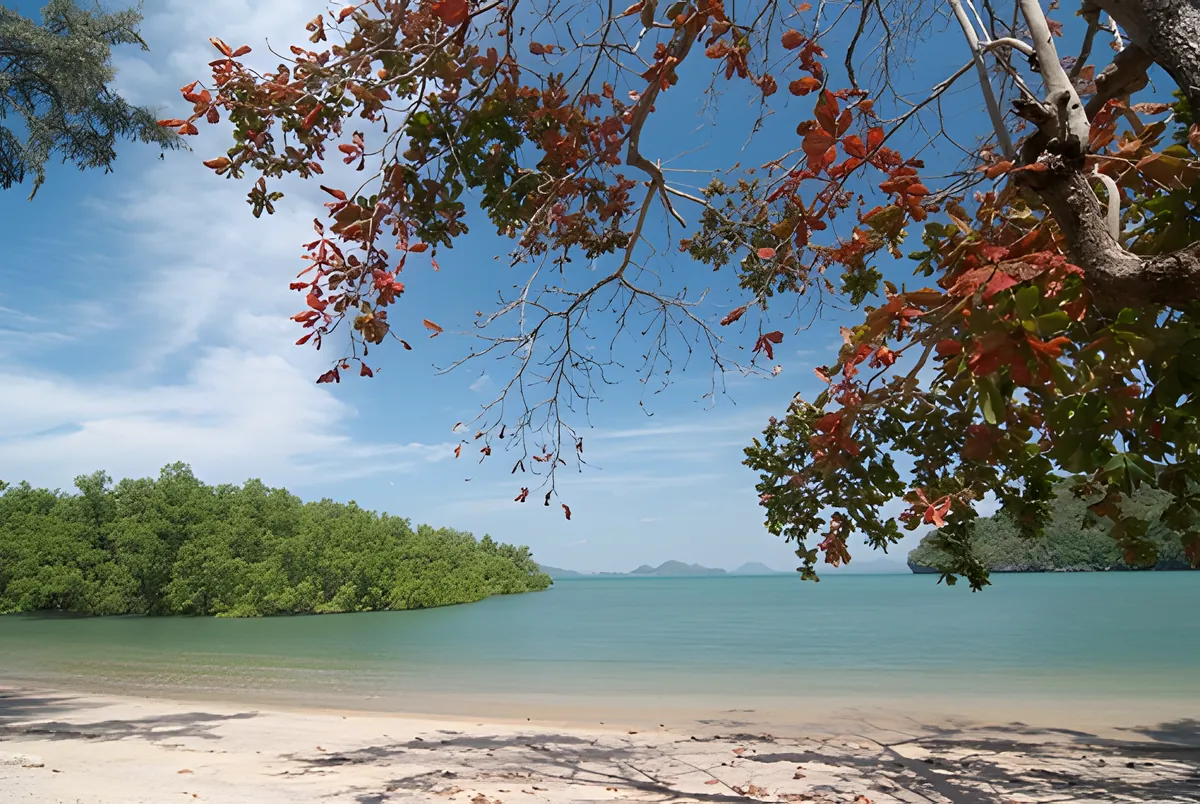
Koh Lidi Lek
เกาะลิดีเล็ก

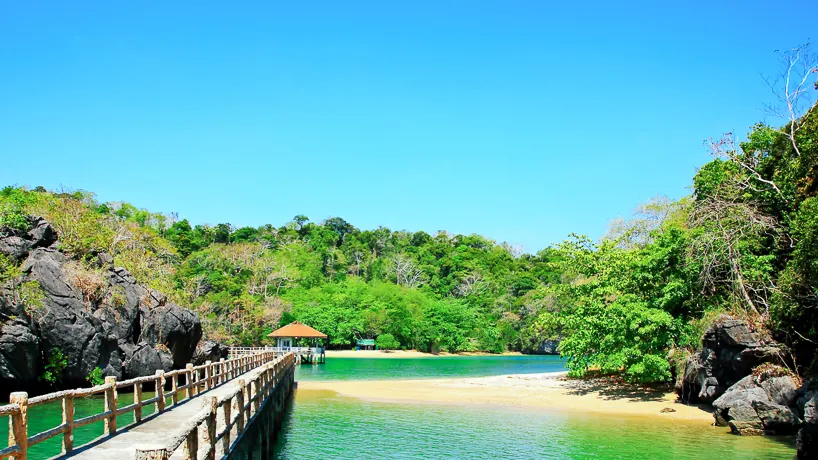
Koh Lidi Yai
เกาะลิดีใหญ่

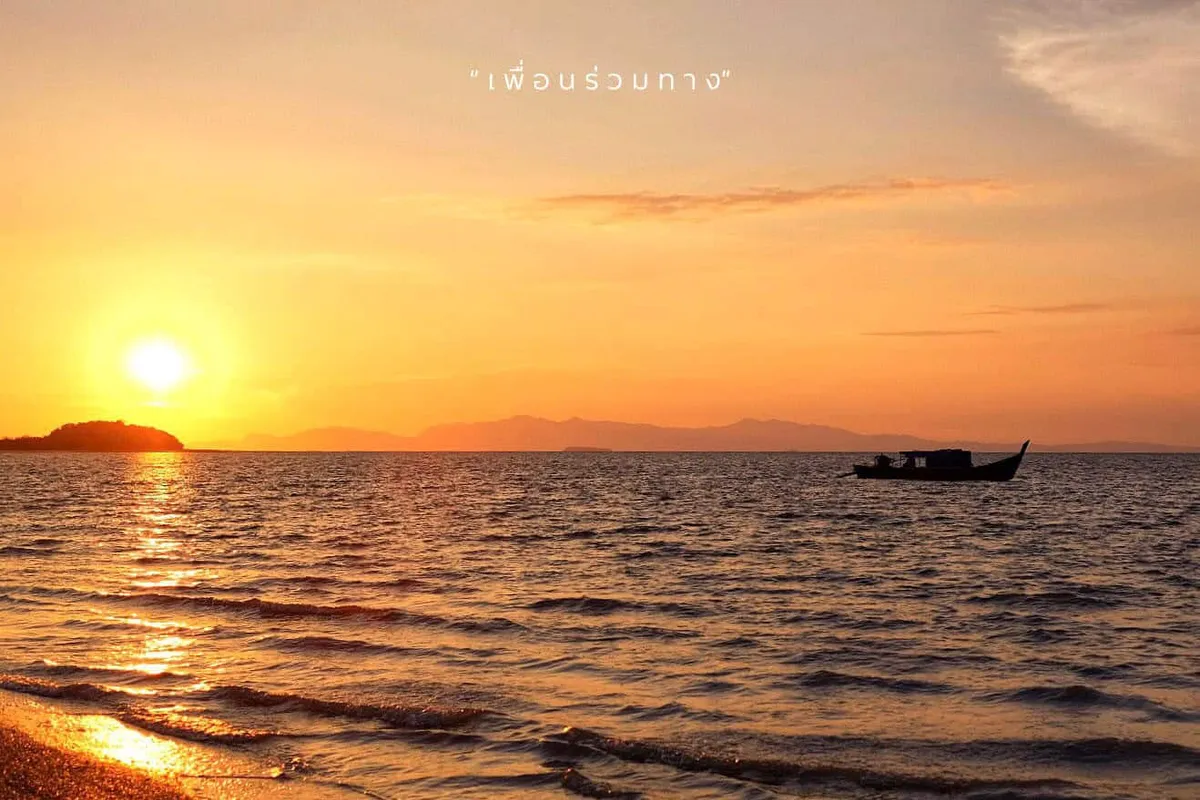
Laem Tanyongpo and Hat Sai Yao
แหลมตันหยงโปและหาดทรายยาว

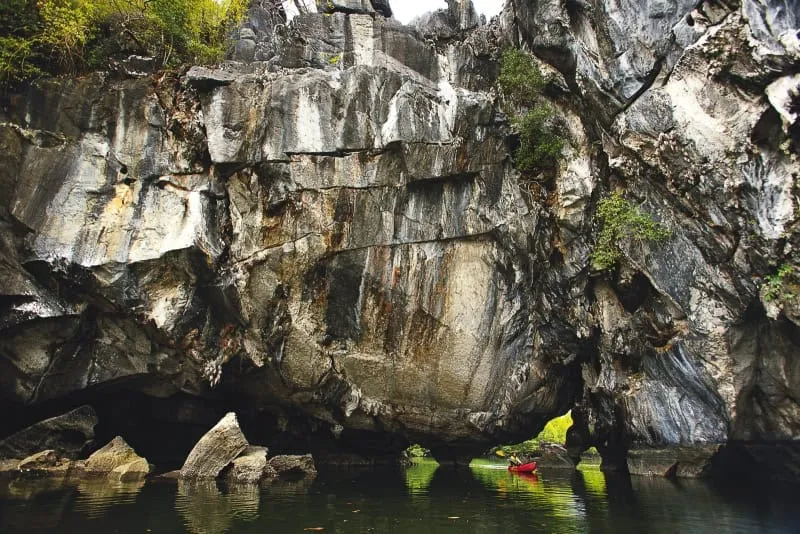
Pu Yu Island
เกาะปูยู

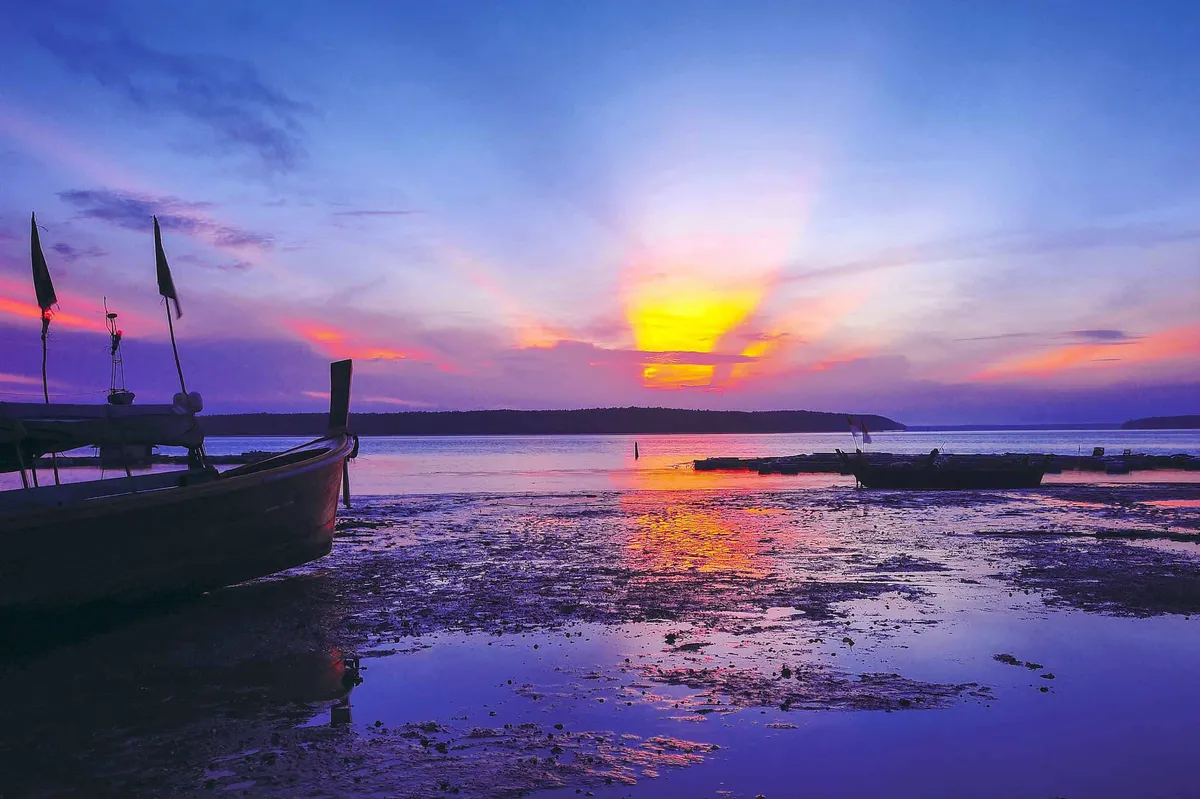
Sarai Islands
หมู่เกาะสาหร่าย

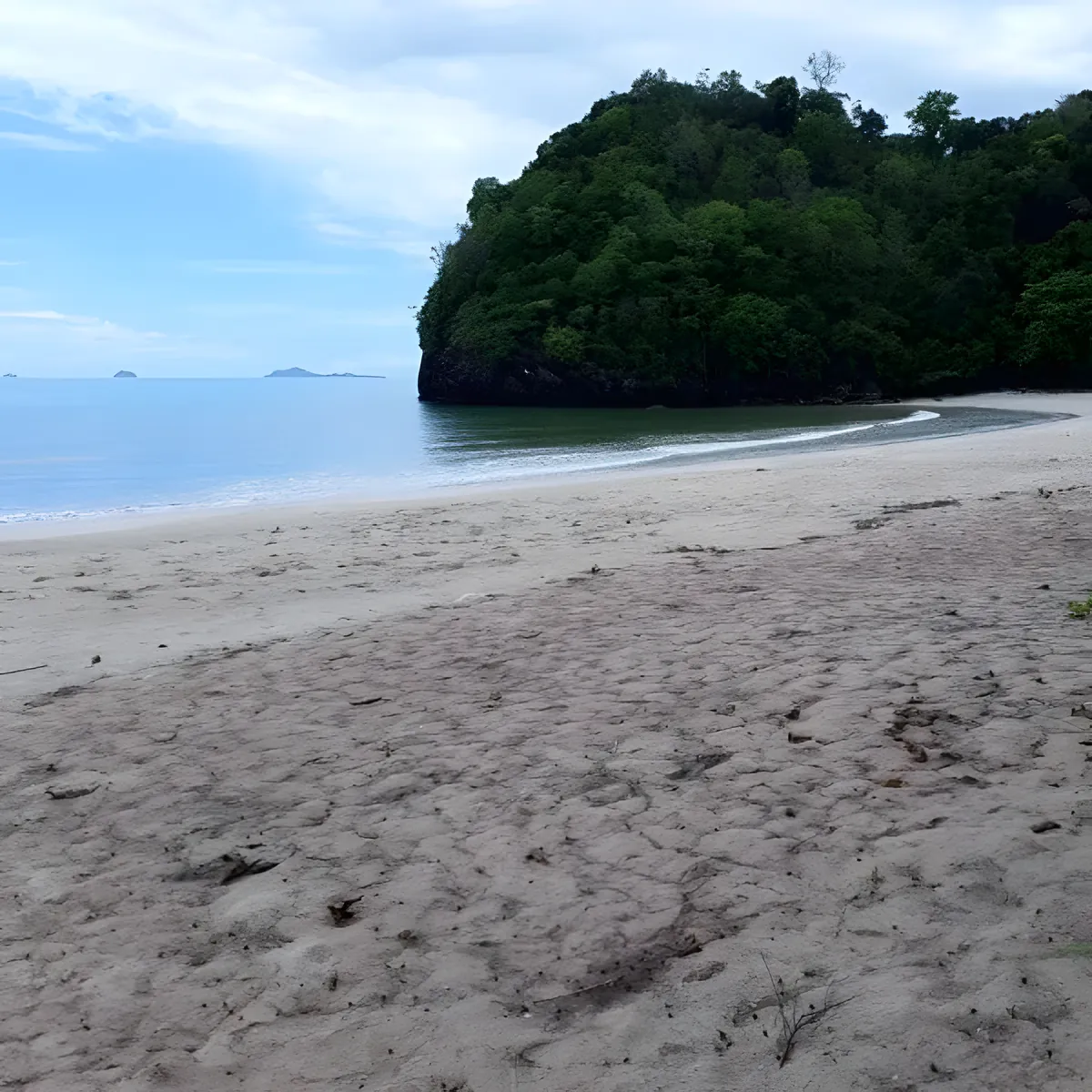
Ao Mo Lae
อ่าวเมาะและ

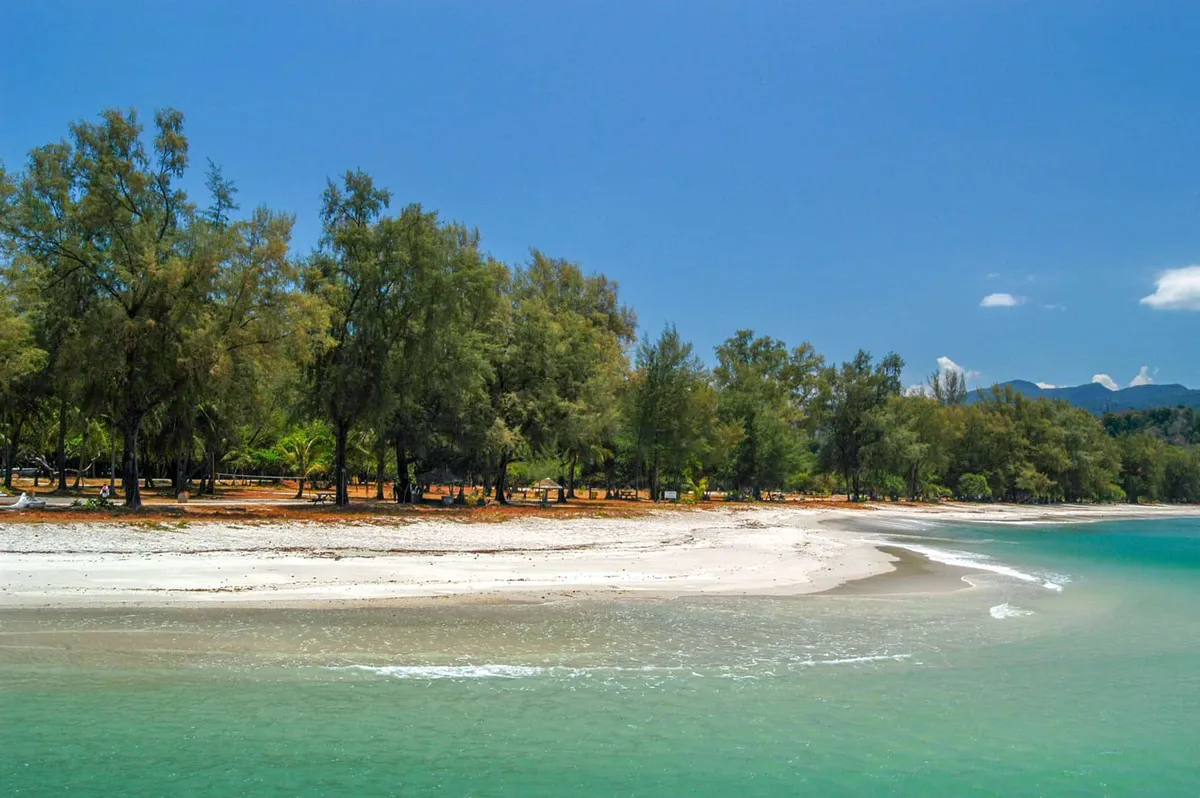
Ao Phante Malaka
อ่าวพันเตมะละกา

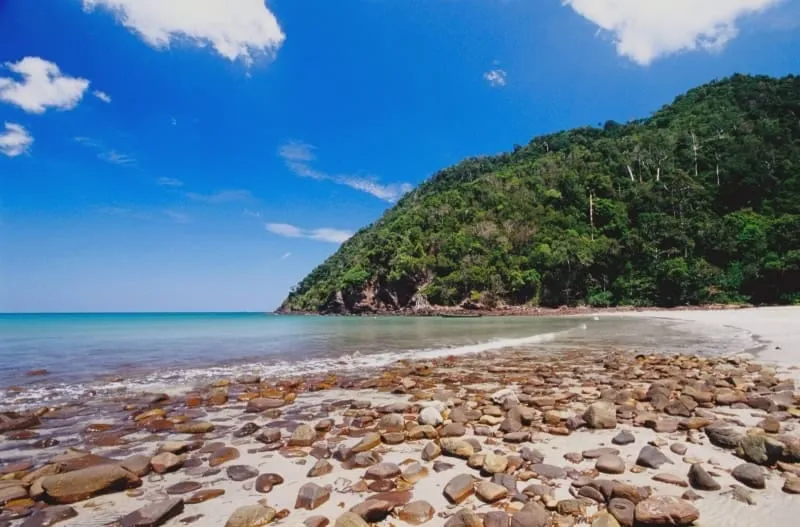
Ao Son
อ่าวสน

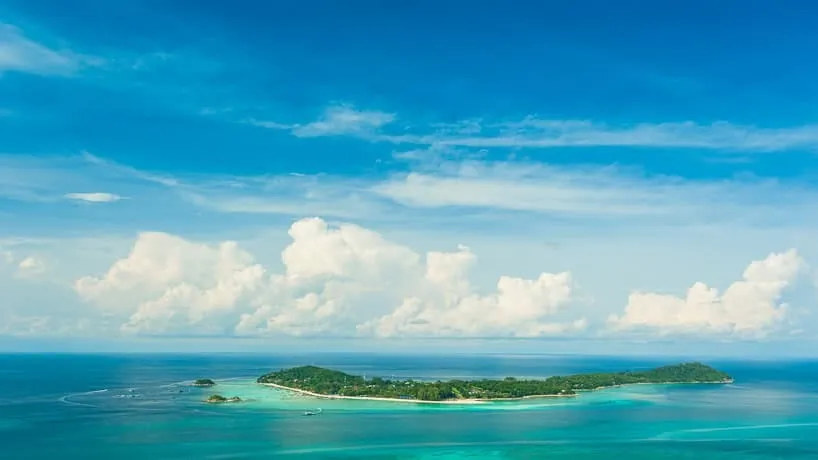
Koh Adang
เกาะอาดัง

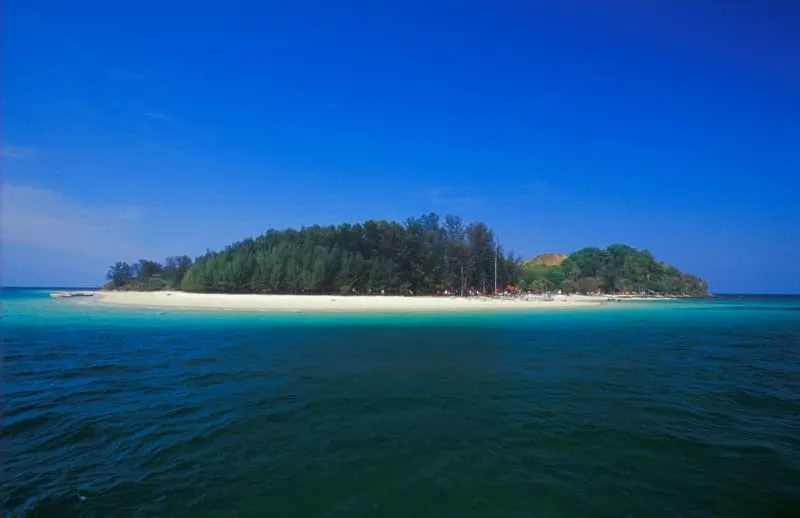
Koh Bulon
เกาะบุโหลน
Waterfalls, peaks, caves & parks
Nature & outdoors around Satun

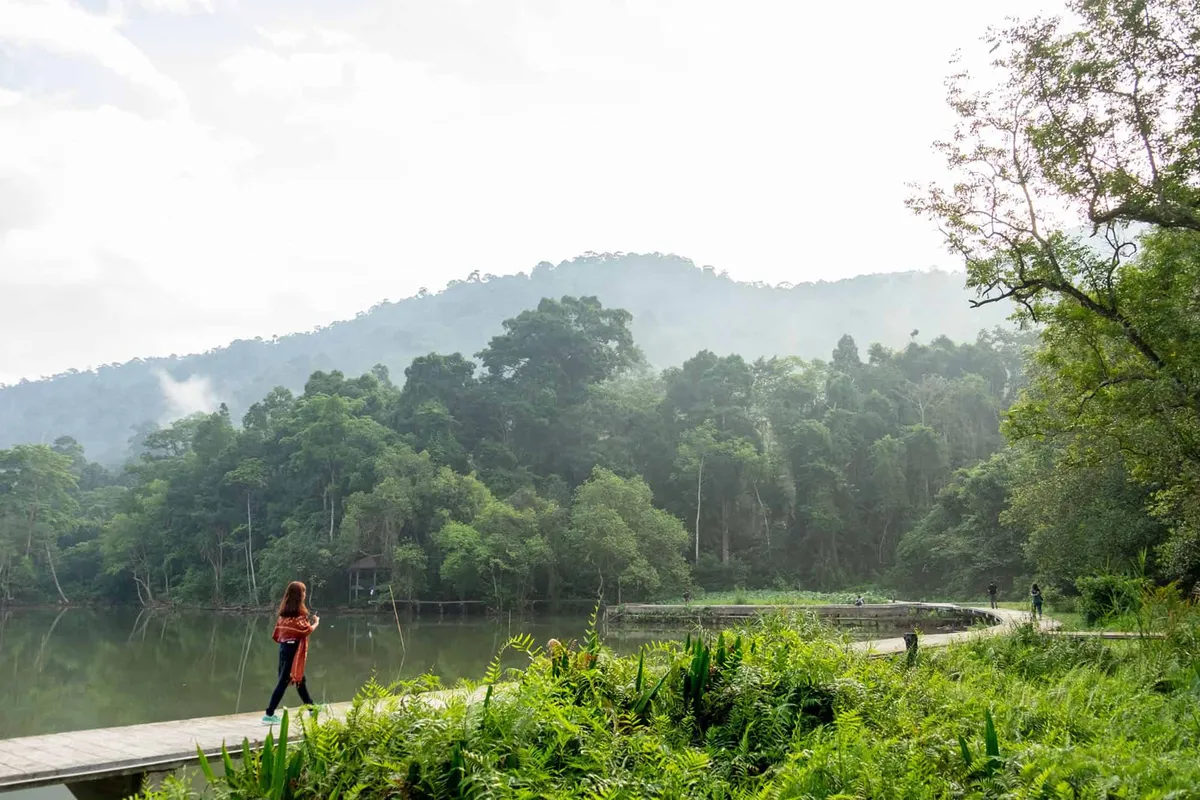
Bueng Thale Ban
บึงทะเลบัน

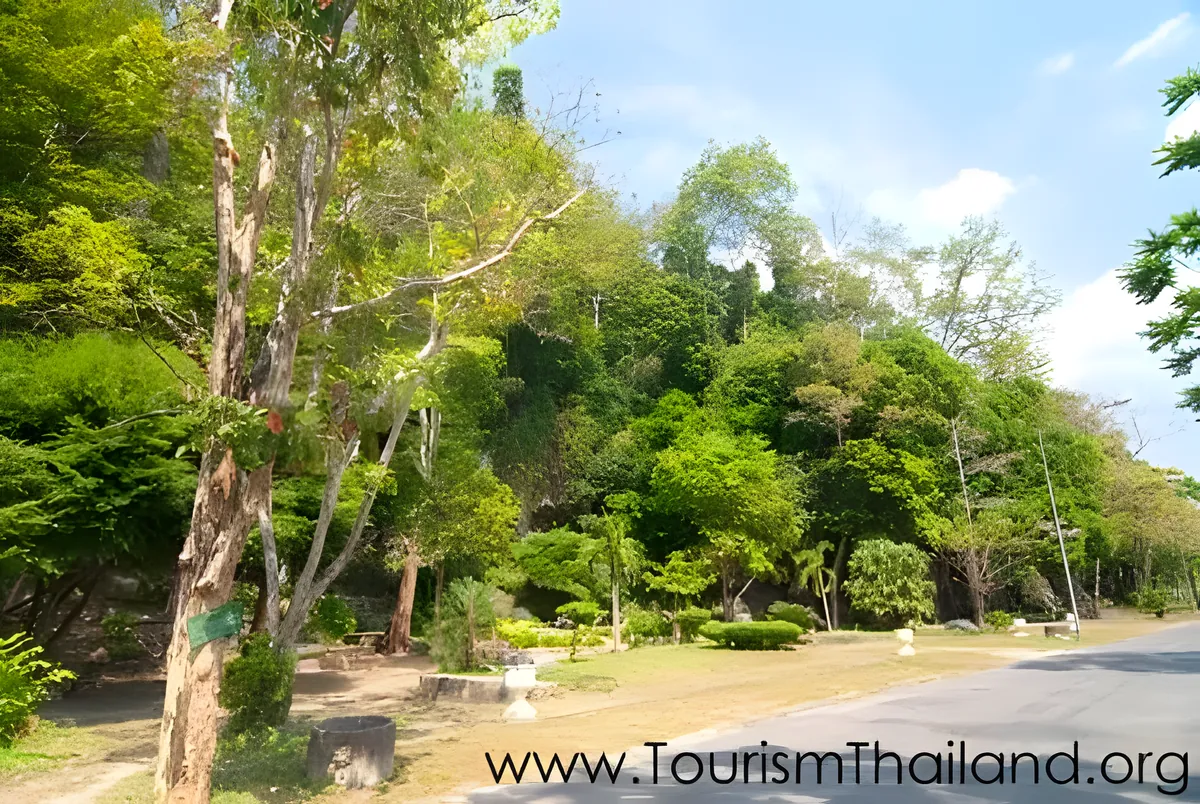
Khao Toh Payawang
สวนสาธารณะเขาโต๊ะพญาวัง

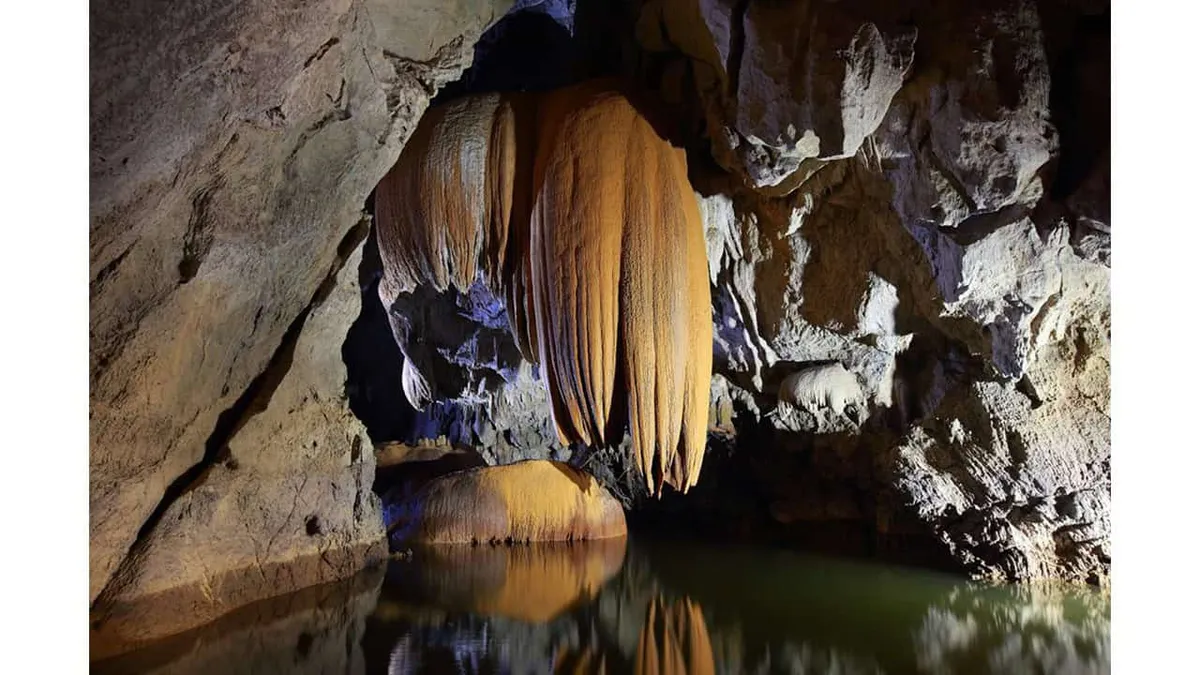
Le Stegodon Cave
ถ้ำเลสเตโกดอน

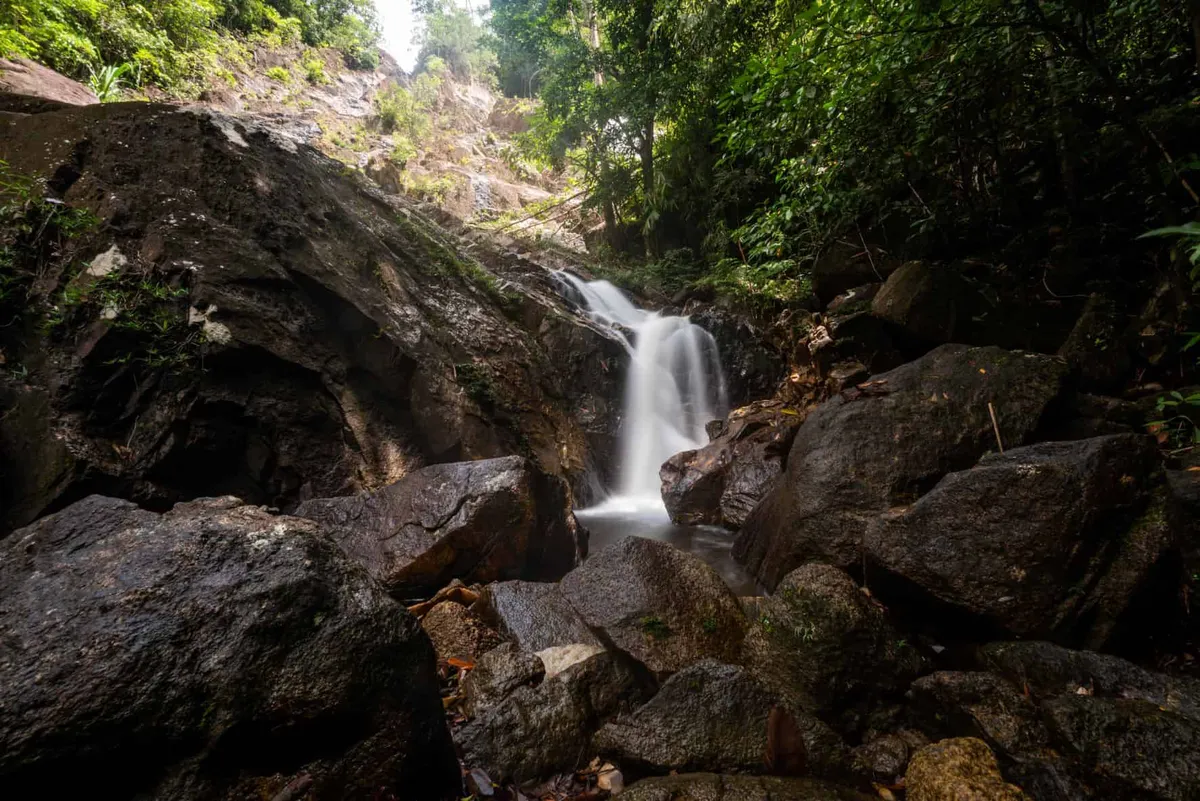
Namtok Thara Sawan Forest Park
น้ำตกธาราสวรรค์

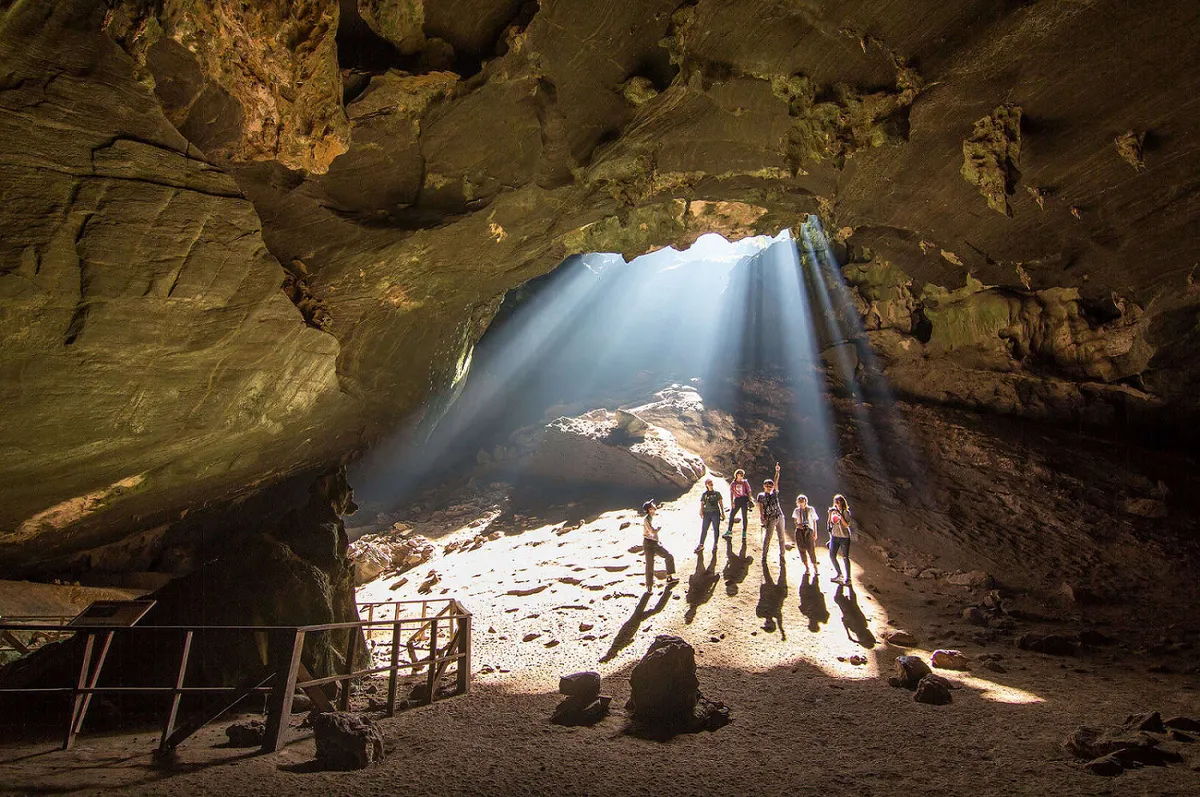
Phu Pha Petch Cave
ถ้ำภูผาเพชร

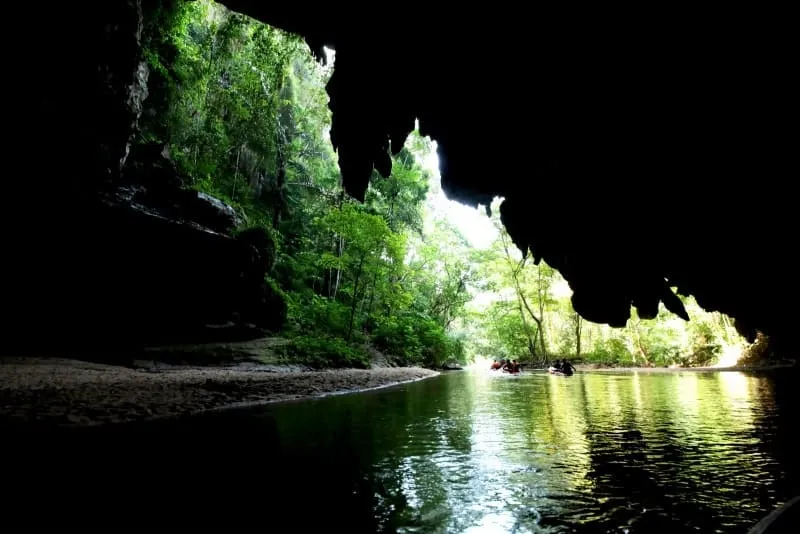
Satun Geopark
อุทยานธรณีสตูล

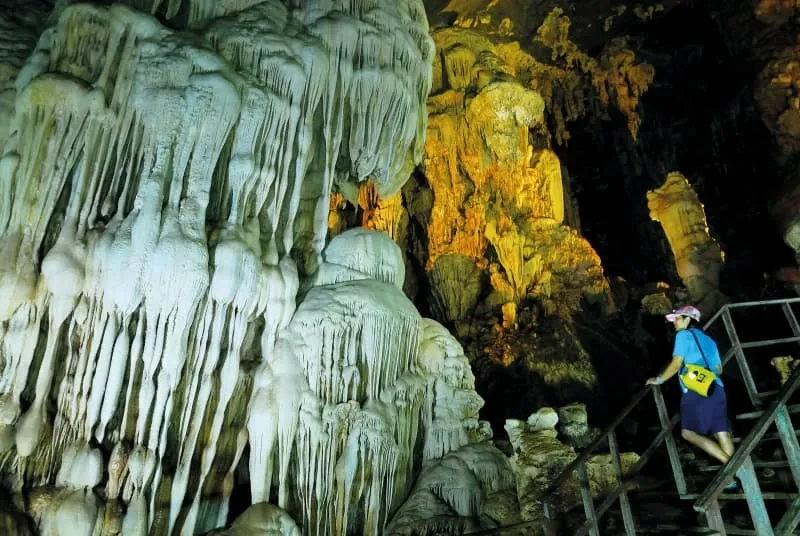
Tham Chet Khot or Tham Satta Khuha
ถ้ำเจ็ดคต หรือถ้ำสัตคูหา

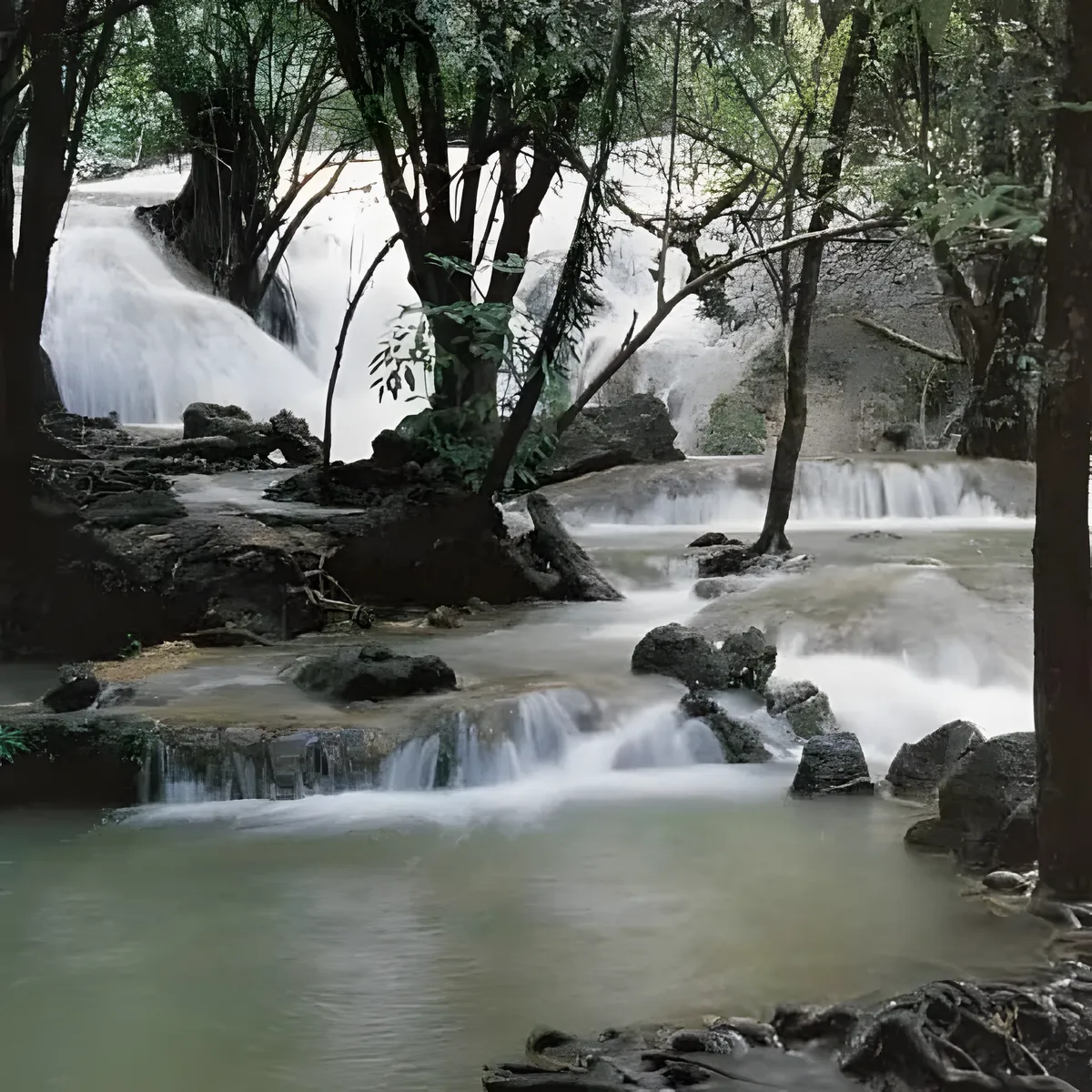
Than Plio Waterfall
น้ำตกธารปลิว

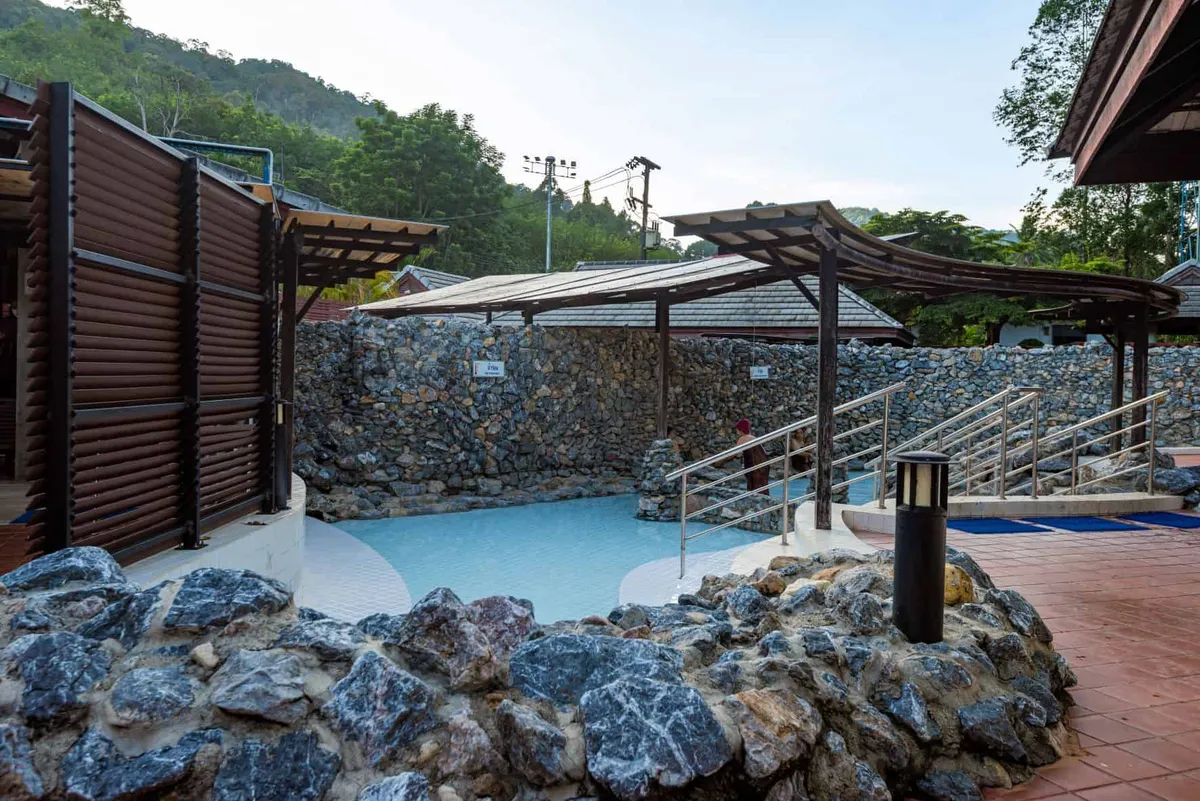
Thung Nui Hot Spring
บ่อน้ำพุร้อนทุ่งนุ้ย

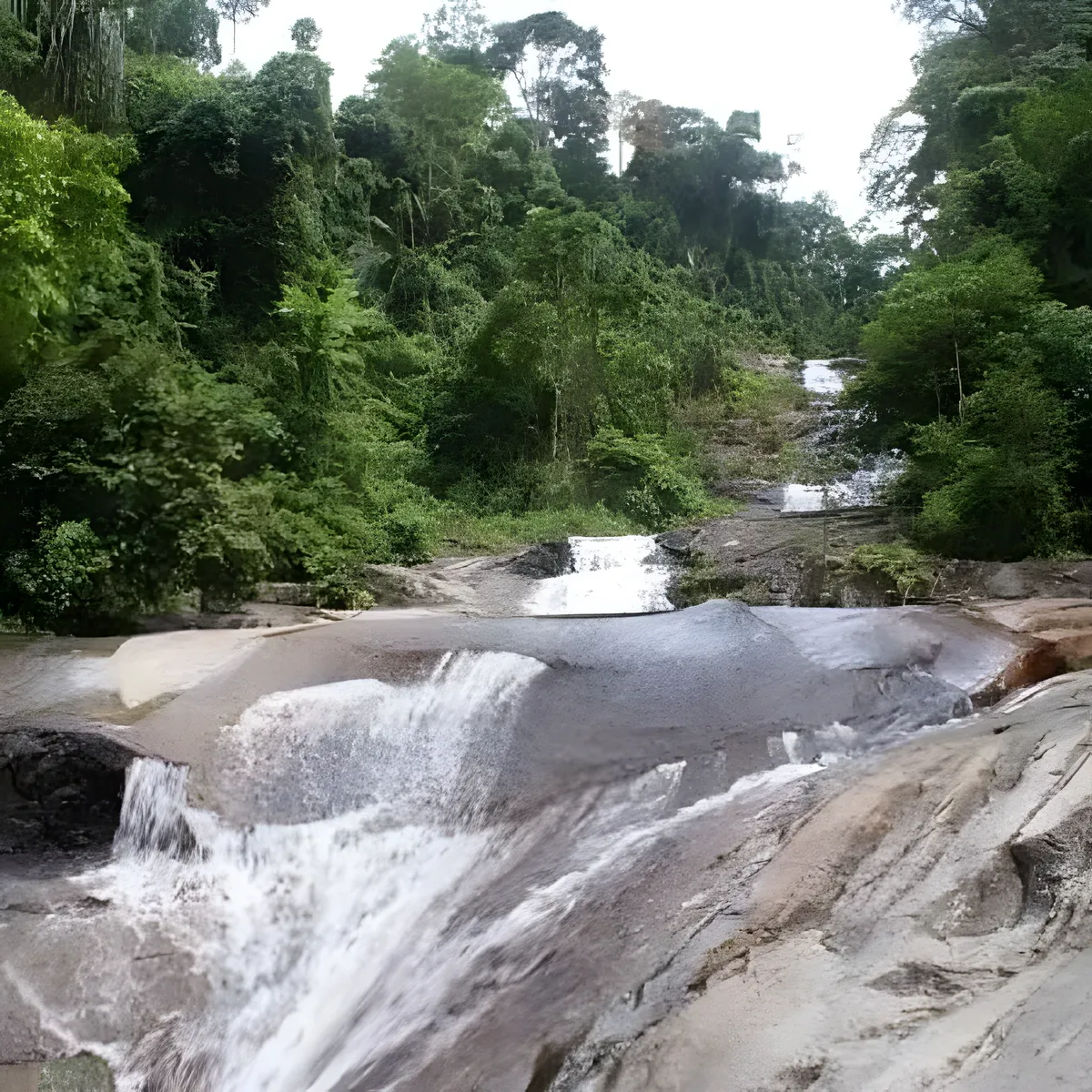
Ton Panan Waterfall
น้ำตกโตนปาหนัน


TonePlew Waterfall
น้ำตกโตนปลิว

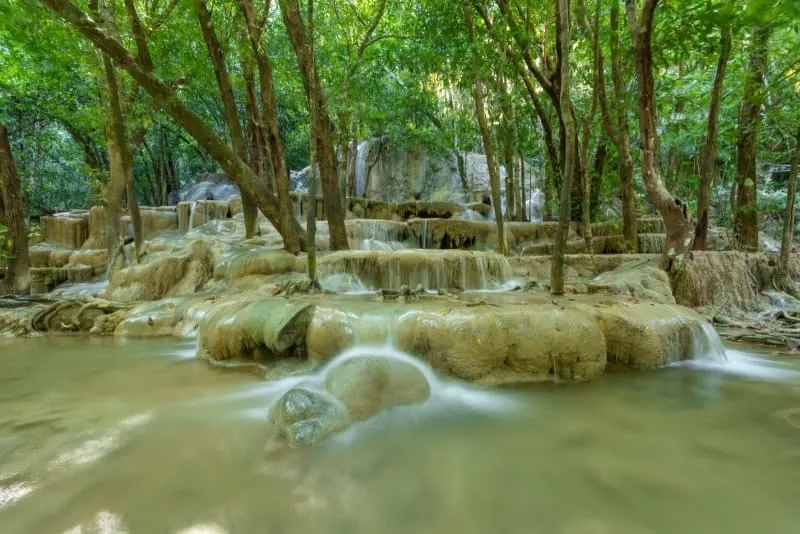
Wang Sai Tong Waterfall
น้ำตกวังสายทอง (ชุมชนวังสายทอง)
Things to do on the map
Tap a pin for details. 40 places in Satun plotted.
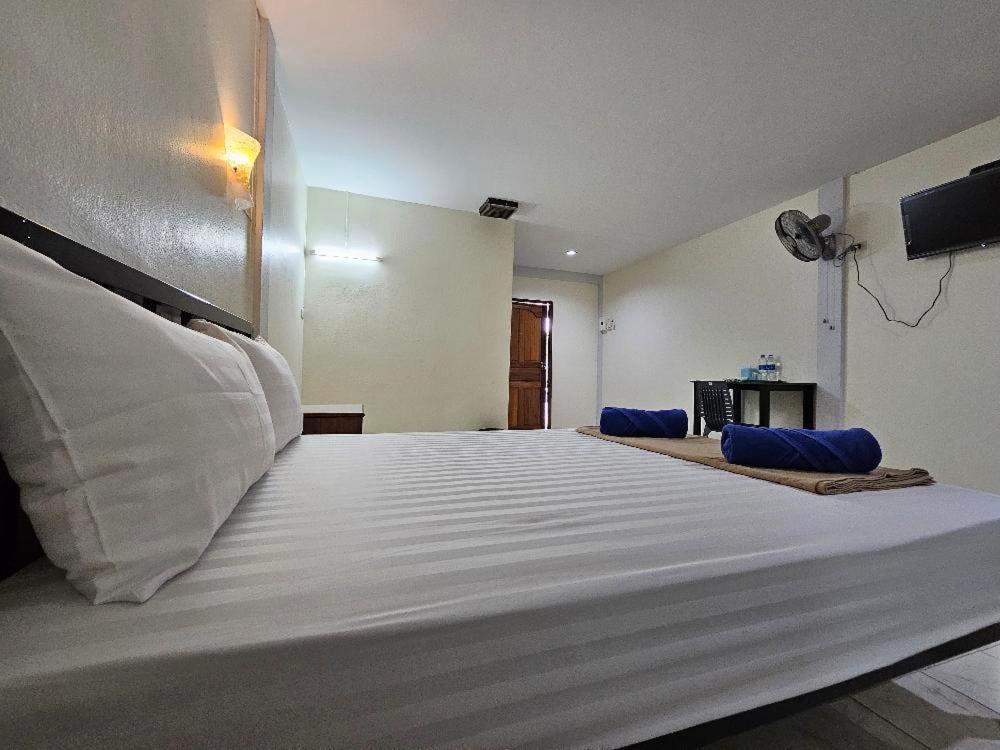
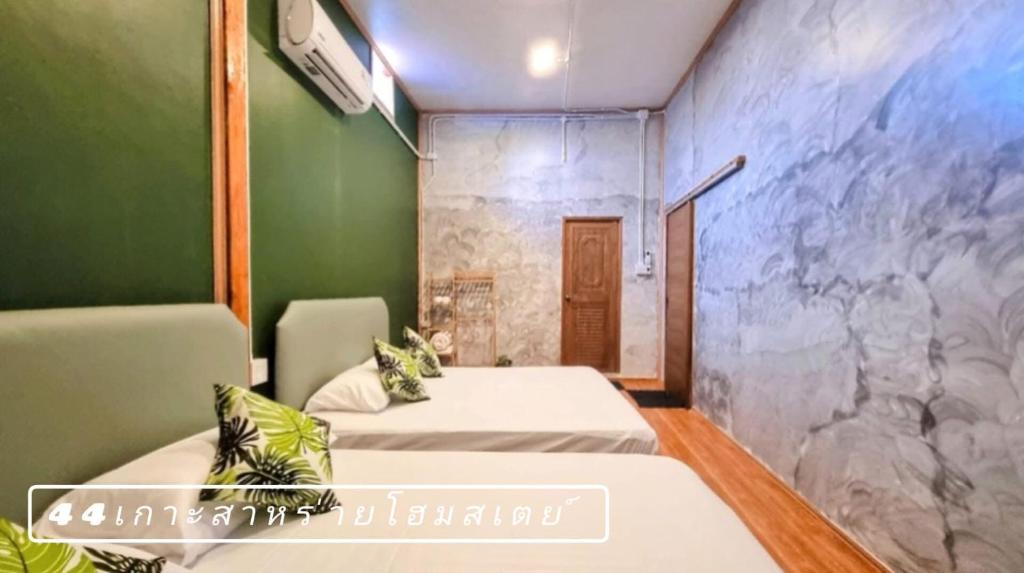
Where to stay in Satun
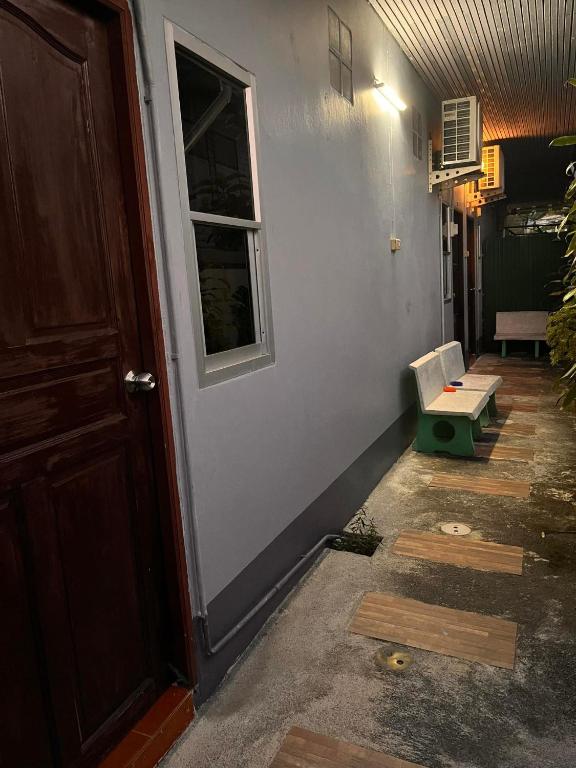
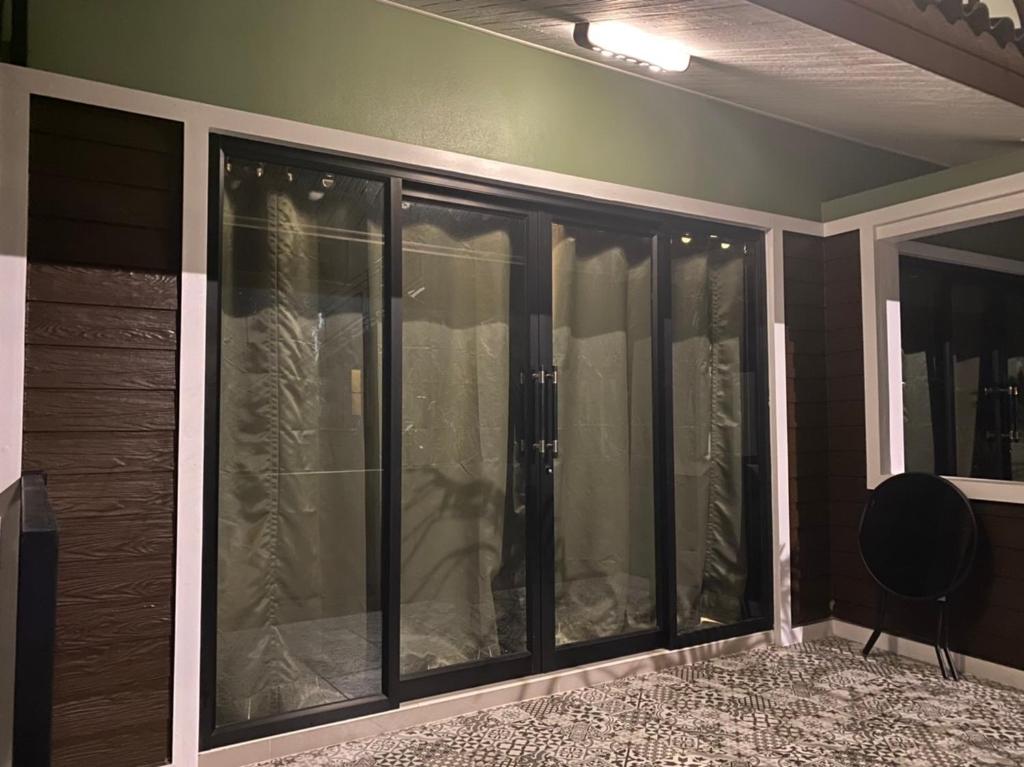
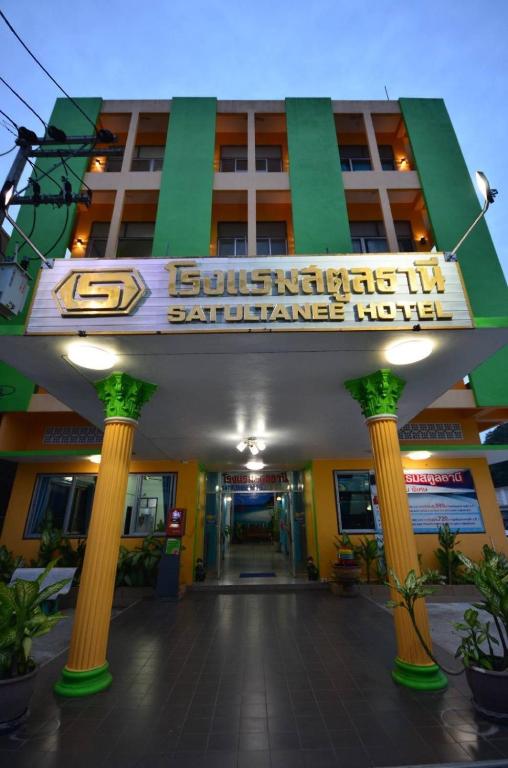
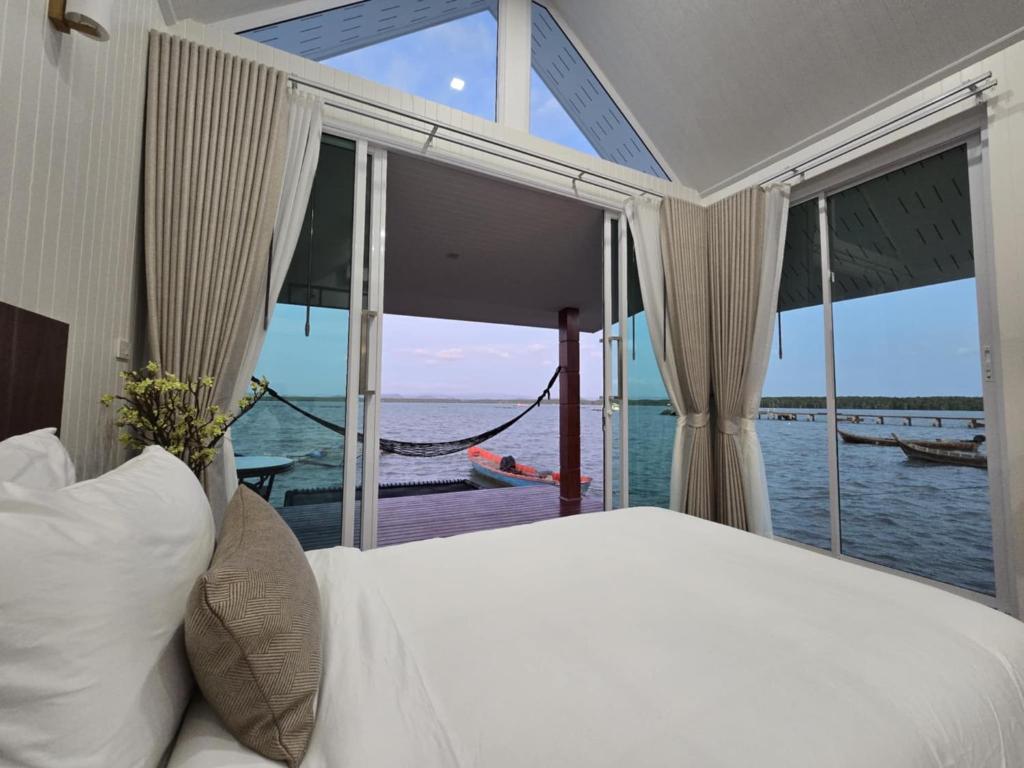
Tours in Satun


When to go
Satun
Gulf coast · Koh Samui, Koh Phangan, Koh Tao
From June to September, Satun is in its rainy season while the Gulf coast has its best months. Compare the two coasts
Nov–Feb The driest, clearest months. Ferry services to Koh Lipe and Koh Tarutao run fully, seas are calm, and snorkelling visibility is at its best.
Mar–Apr Still dry but increasingly hot and humid. Quieter than peak and prices ease off slightly, though the islands remain accessible.
May–Oct The southwest monsoon brings heavy rain and rough seas. Ferry schedules to outer islands are reduced or suspended. Visiting Koh Lipe during this period is unreliable.
Explore around Satun


About Satun
Last updated June 2026
Think of Satun as Thailand’s best-kept secret in the Deep South – a province that serves as your launching pad to some of the country’s most unspoiled islands. While many travelers rush to Phuket or Koh Samui, Satun quietly offers access to the spectacular Koh Tarutao National Marine Park, including the famous Koh Lipe. This Andaman Sea destination attracts island-hoppers, snorkelers, and travelers seeking authentic southern Thai culture away from the crowds. Satun gives you a solid mix of untouched nature and genuine local experiences across a province that borders Malaysia.
Top Things to Do
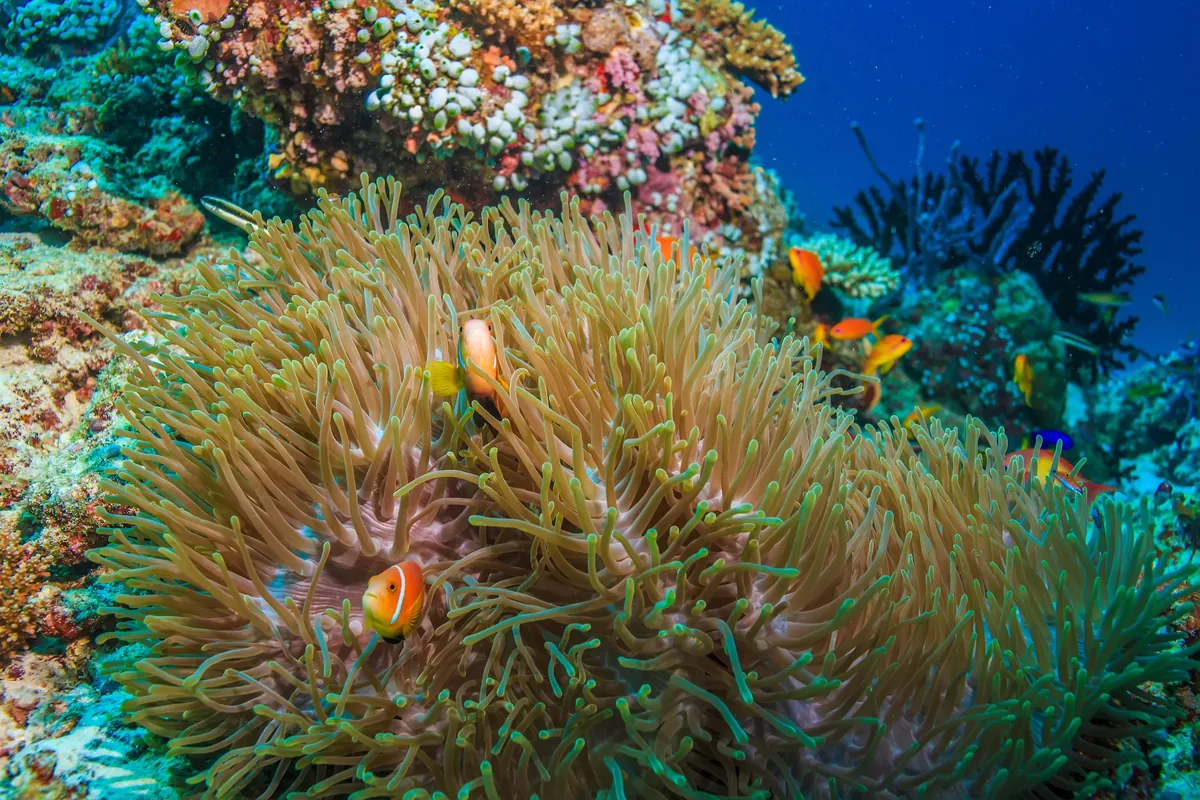
Satun’s 31 islands are the main draw here, with Koh Tarutao and Koh Lipe leading the charge. The former is a unspoiled national park island perfect for hiking and wildlife spotting, while Koh Lipe offers some of Thailand’s clearest waters for snorkeling and diving. Beyond the islands, you’ll find 22 beaches along the mainland coast that see far fewer visitors than their famous counterparts elsewhere.
The province’s 27 temples provide insight into southern Thai Buddhist culture, often with unique Malay influences reflecting the region’s proximity to Malaysia. Don’t miss the 13 waterfalls scattered throughout Satun – they’re particularly impressive during the wet season. The 9 local villages offer authentic glimpses into southern Thai life, where you can experience traditional fishing communities and sample local specialties like fresh seafood and southern-style curries.
Where to Stay
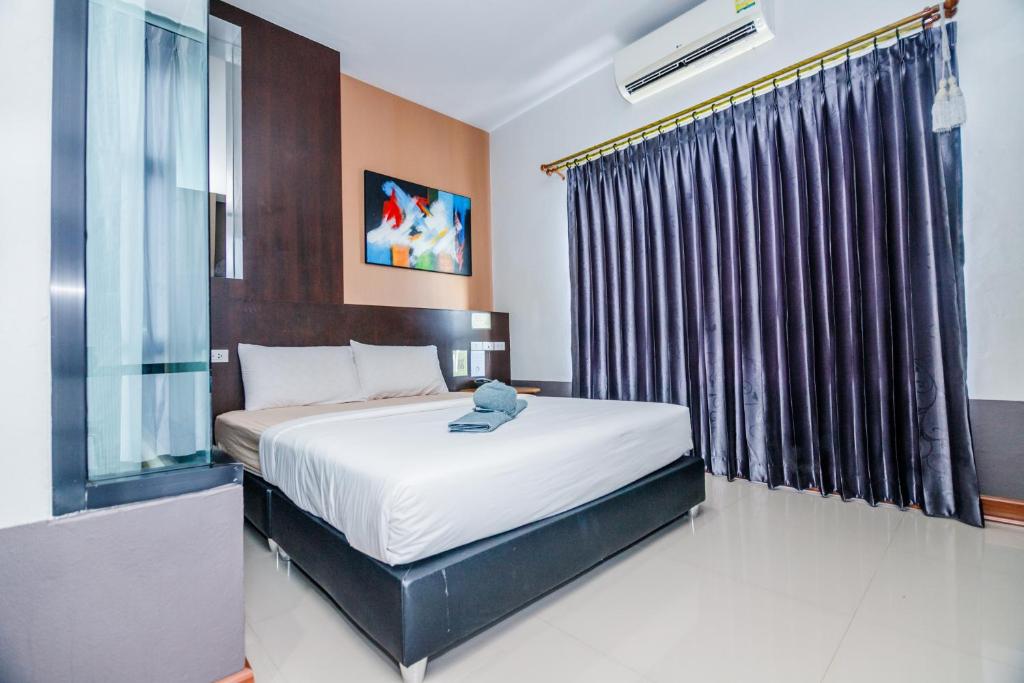
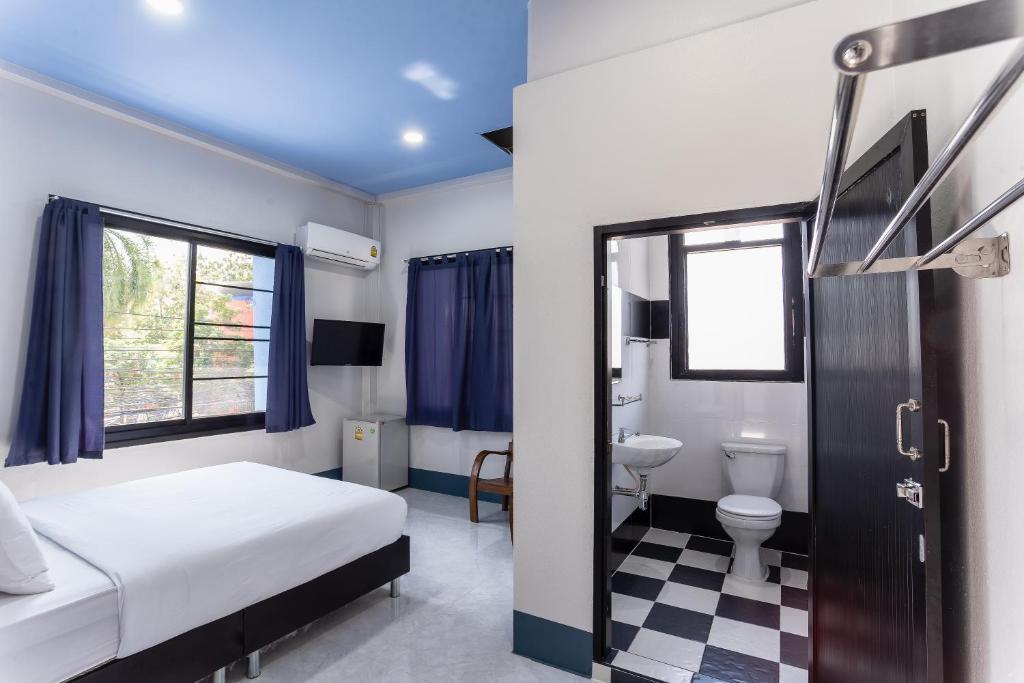
With 33 hotels and resorts, Satun offers excellent value compared to Thailand’s more famous beach destinations, from simple beds to upscale island stays. Top-rated properties include Buffalo Thai Home & Cafe for an authentic local experience, and several excellent options on Koh Lipe: Ananya Lipe Resort, Akira Lipe Resort, and Ten Moons Lipe Resort for those wanting beachfront luxury. Budget-conscious island visitors should check out Lipe – Bloom Cafe and Hostel. Most accommodations focus on the islands, particularly Koh Lipe, though you’ll find mainland options for those exploring temples and waterfalls.
Getting There
Satun sits in Thailand’s Deep South, making it accessible primarily through Hat Yai, the region’s main transport hub. From Hat Yai, buses run regularly to Satun town, taking about 2.5 hours. Most visitors continue to Pak Bara pier, the main departure point for ferries to Koh Lipe and other islands. If you’re coming from Malaysia, there are direct connections from Langkawi to Koh Lipe by ferry during peak season. The nearest airport is Hat Yai, with domestic flights from Bangkok and other major Thai cities.
Best Time to Visit
Satun sits on the Andaman Sea coast, meaning the wet season runs from May through October (southwest monsoon). Your best weather window is November through April, with December to February being the most comfortable months. The islands are most accessible during dry season when ferry services run regularly. Some ferry routes to outer islands may be suspended during rough weather in the wet months, so plan accordingly if you’re set on visiting specific islands.
Practical Tips
ATMs are readily available in Satun town and on Koh Lipe, but bring cash for smaller islands and remote areas. Southern Thai dialect is common here, and you’ll hear Malay influences in the local language due to the proximity to Malaysia. Longtail boats and ferries are your main transport between islands, while songthaews (shared trucks) work well for mainland temple hopping. Temple visits require covered shoulders and knees as usual.
Insider Tip: Time your visit to Koh Tarutao during weekdays if possible – this national park island limits daily visitors, and weekends can reach capacity quickly during peak season, leaving you stranded on the mainland.