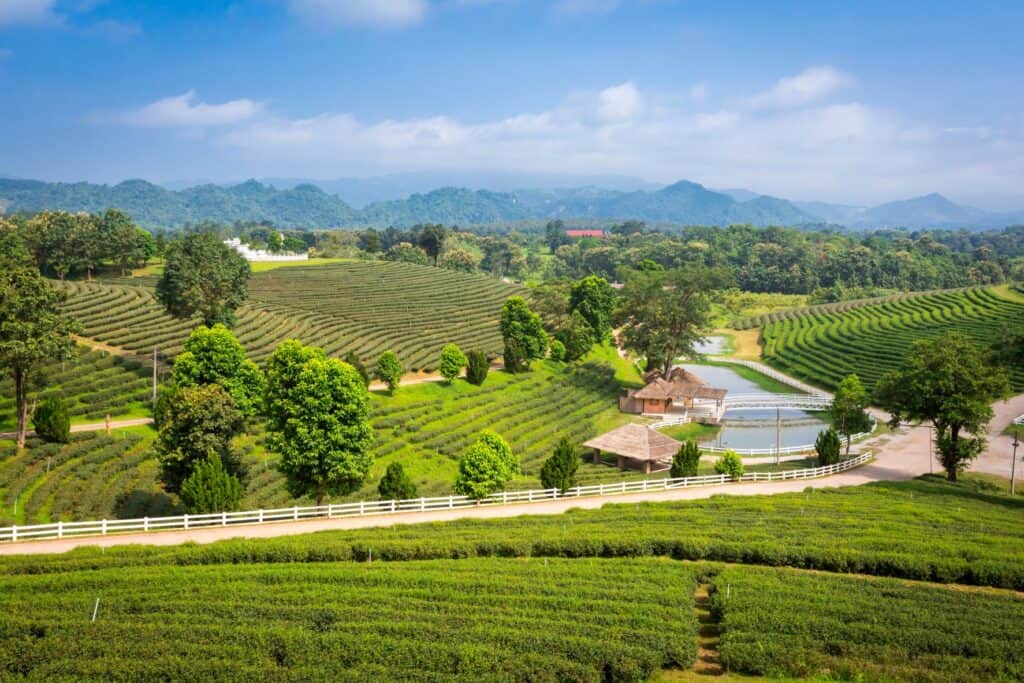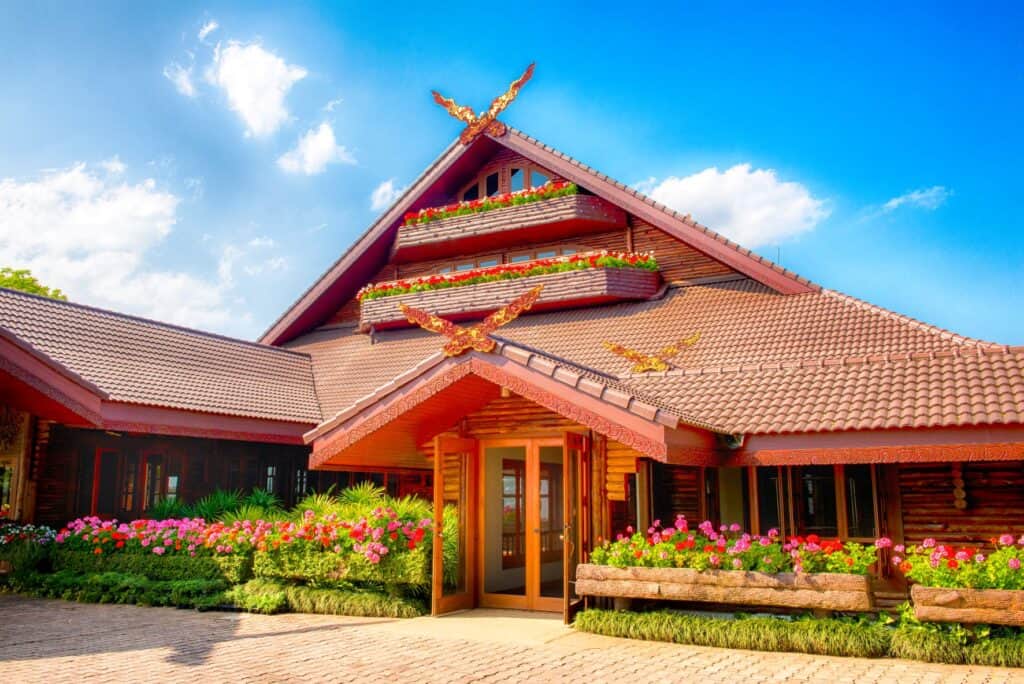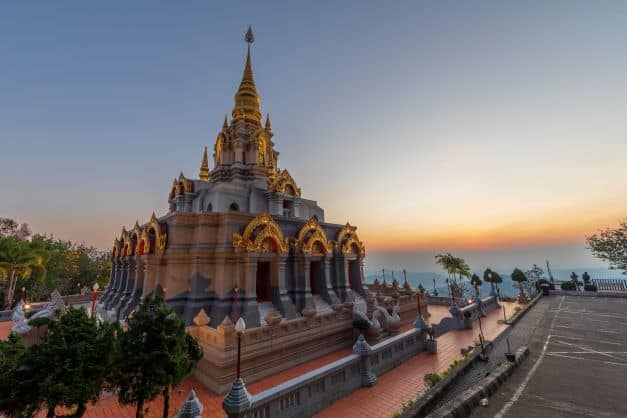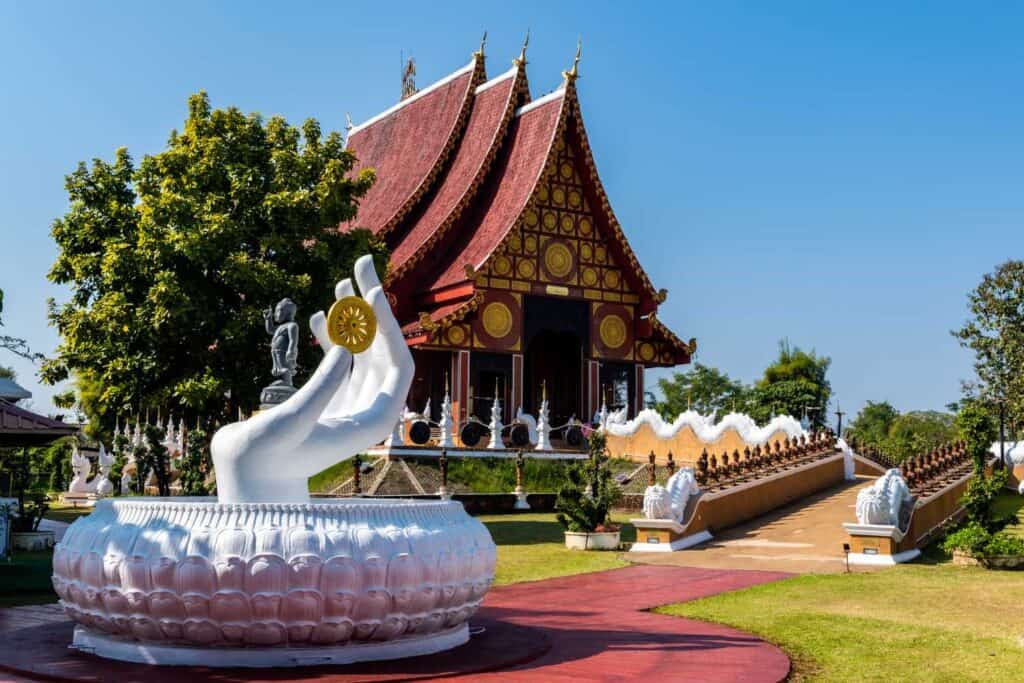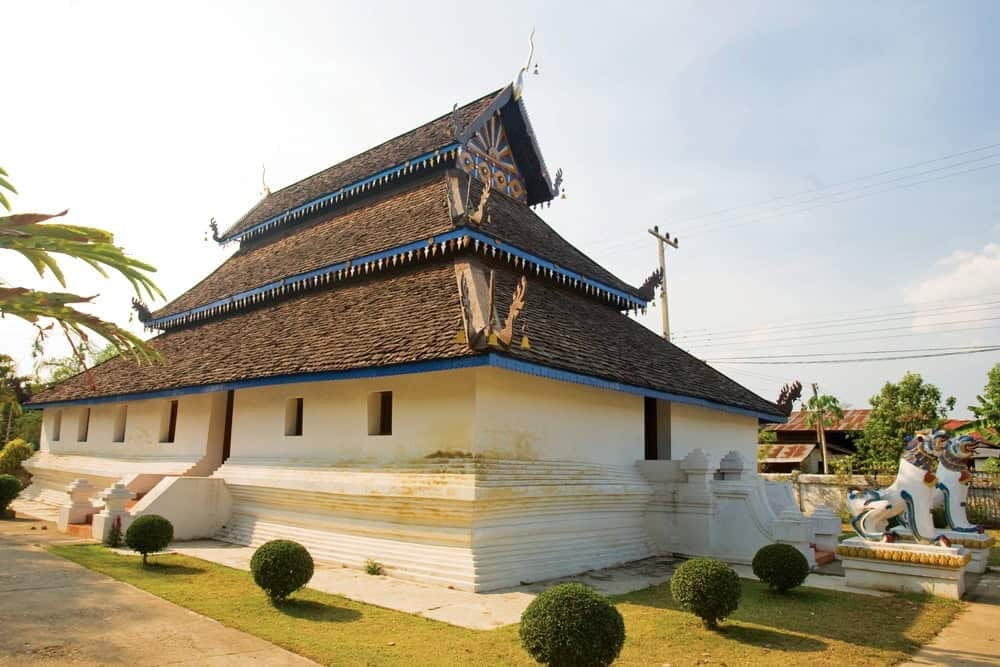
Ancient wooden structures rise from the mountainous terrain of Nan province, where Wat Ton Laeng showcases traditional Lanna architecture in its purest form. This Buddhist temple represents one of the finest examples of northern Thai craftsmanship, with intricately carved wooden elements and traditional red-tiled roofs that have weathered decades of monsoon seasons. The temple’s elevated position offers visitors a glimpse into authentic monastic life, far from the tourist crowds that frequent more famous temples in northern Thailand.
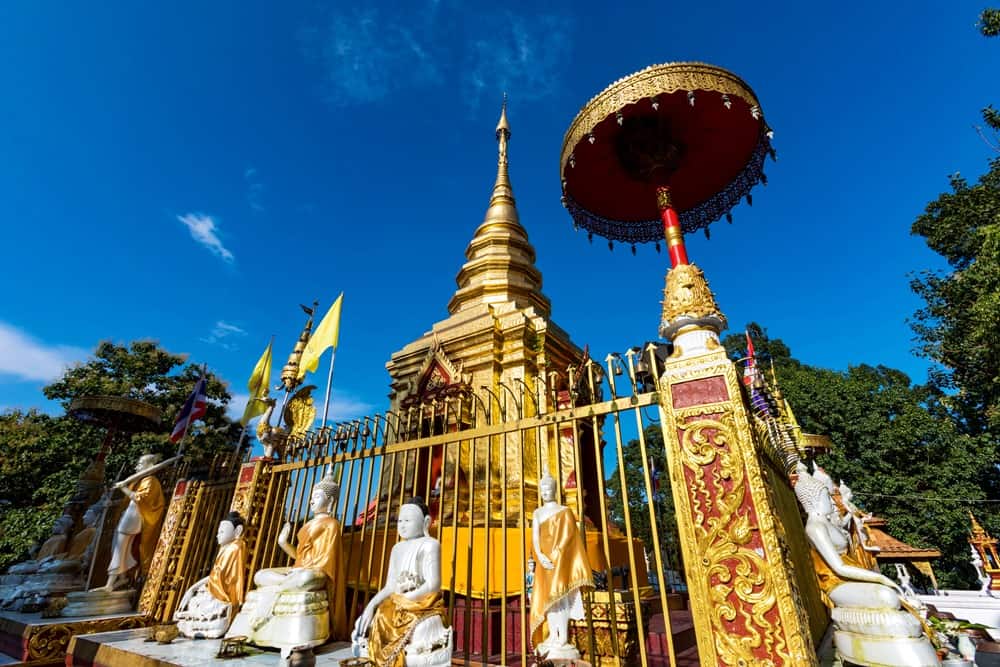
Ornate wooden carvings adorn the main prayer hall, where golden Buddha images sit serenely beneath elaborate ceiling decorations painted in rich reds and golds. The temple compound features several smaller buildings connected by covered walkways, allowing you to explore the various shrines and meditation spaces while staying protected from the elements. Morning visits often coincide with the melodic chanting of resident monks during their daily prayers, filling the air with sacred verses that echo off the wooden walls. Incense burns continuously at the main altar, creating a fragrant atmosphere that mingles with the fresh mountain air.
Tranquility permeates every corner of this working monastery, where the rhythm of daily life follows centuries-old Buddhist traditions. Monks in saffron robes go about their duties with quiet purpose, tending to the temple grounds and engaging in meditation practices. The peaceful setting invites contemplation and reflection, offering visitors a chance to experience genuine spiritual calm away from urban distractions. Few tourists make the journey here, creating an intimate environment where you can truly appreciate the temple’s sacred atmosphere.
Early morning visits between 6-8 AM provide the most authentic experience when monks conduct their daily ceremonies and the mountain air remains cool. Dress modestly with covered shoulders and knees, and remember to remove shoes before entering any building. The temple is accessible by local transport from Pua town center, though the winding mountain roads require patience. Bringing a small donation for the temple’s maintenance shows respect for this active religious site and helps preserve its traditional way of life.