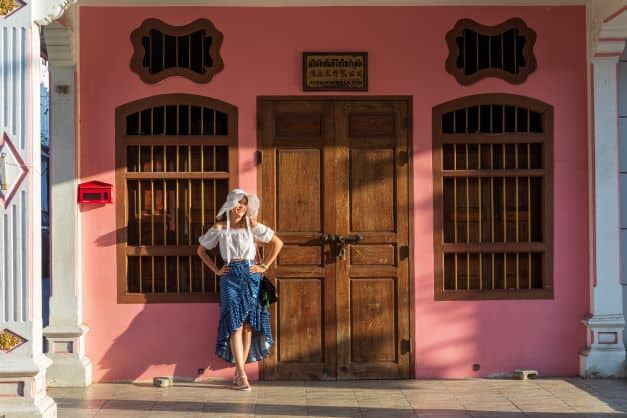
Kathu Shrine stands as one of Phuket’s most significant Chinese temples, serving the spiritual needs of the island’s vibrant Peranakan community for generations. This active shrine holds special importance as a focal point for the annual Phuket Vegetarian Festival, when devotees perform extraordinary acts of faith and the entire area transforms into a spectacle of religious devotion. Beyond its festival fame, the shrine maintains its role as a daily place of worship where locals come to pray, make offerings, and seek blessings from the resident deities.
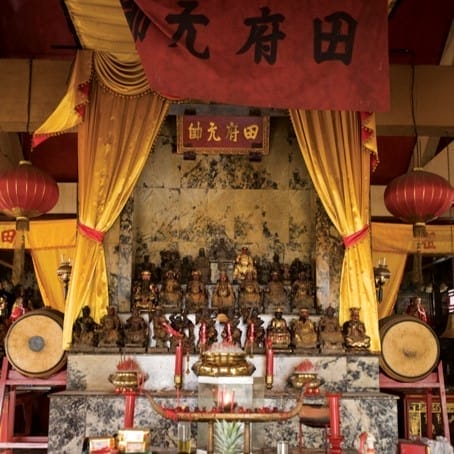
Ornate Chinese architectural details greet visitors at every turn, from intricately carved dragon motifs to colorful ceramic roof tiles that catch the tropical sunlight. The main altar houses several deity statues adorned with fresh flowers, fruits, and burning incense sticks that fill the air with aromatic clouds of sandalwood and jasmine. Red lanterns hang from the eaves while golden calligraphy adorns the pillars, creating a visual feast of traditional Chinese artistry. During busy periods, you’ll hear the gentle chiming of bells, whispered prayers in various dialects, and the crackling of joss paper being burned in the ceremonial furnaces outside.
Spiritual energy permeates every corner of this active shrine, where faith and tradition blend seamlessly with daily life. Local worshippers move through their rituals with practiced reverence, lighting incense, arranging fruit offerings, and bowing before the deities with genuine devotion. The atmosphere remains welcoming to visitors of all backgrounds, though respectful observation is appreciated during prayer times. Even outside festival periods, there’s a palpable sense of community and continuity that connects present-day Phuket with its rich cultural heritage.
Plan your visit during morning hours when local devotees are most active and the tropical heat hasn’t yet intensified. The shrine is easily accessible from Kathu town center and makes an excellent cultural stop when exploring inland Phuket. Dress modestly with covered shoulders and knees, remove your hat when entering, and avoid pointing your feet toward the altar area. While photography is generally permitted in common areas, ask permission before photographing people at prayer and skip the flash near the main altar out of respect.