Ancient brick foundations and weathered stupas tell the story of Wat Ban Kaeng Tai, a temple that bridges Thailand’s historic Sukhothai period with modern Buddhist practice. This active temple in Uttaradit province showcases classic Lanna architectural elements alongside contemporary worship spaces, offering visitors a glimpse into both Thailand’s golden age of temple construction and current monastic life. The temple’s name translates to “Temple of the Southern Canal Village,” reflecting its connection to the local farming community that has supported it for generations.
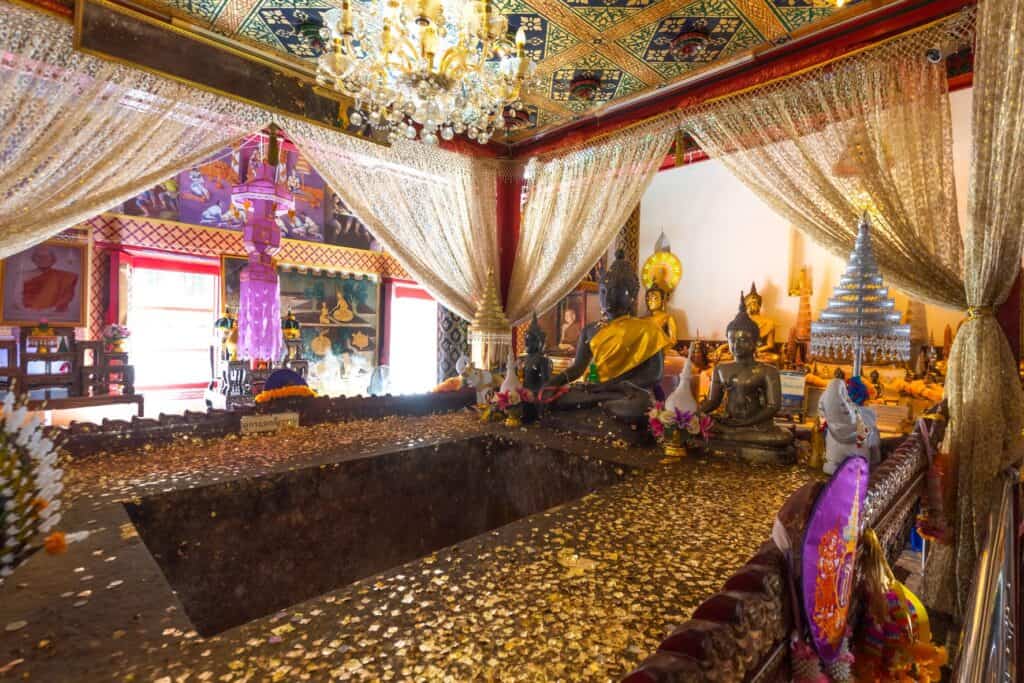
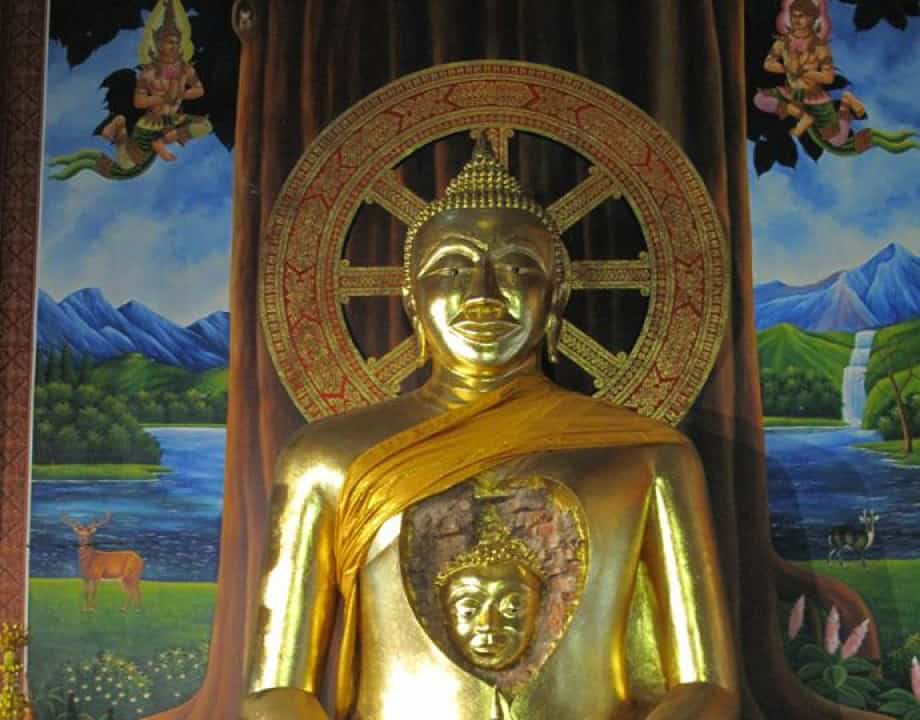
Walking through the temple grounds, you’ll discover a fascinating mix of old and new religious architecture. The original brick chedi displays the distinctive lotus-bud shape characteristic of Sukhothai-era construction, while the main prayer hall houses beautiful Buddha images in various meditation postures. Resident monks often conduct their daily chanting sessions in the early morning and evening, filling the air with resonant Pali verses. The temple compound includes living quarters for the monastic community, meditation pavilions, and well-maintained gardens where locals come to make merit offerings of flowers, incense, and food to the monks.
Peaceful contemplation defines the experience at Wat Ban Kaeng Tai, where the rhythm of rural Thai life blends seamlessly with spiritual practice. Morning visits coincide with the monks’ alms rounds and breakfast, creating opportunities to observe traditional Buddhist customs in action. The temple maintains a quiet, reflective atmosphere that encourages meditation and personal reflection, while the surrounding countryside provides a serene backdrop of rice fields and distant mountains that enhances the sense of spiritual calm.
Early morning visits between 6-8 AM offer the most authentic experience, when monks are most active and the temperature is coolest. Dress modestly with covered shoulders and knees, and remove shoes before entering any building containing Buddha images. The temple welcomes visitors year-round, though the dry season from November to March provides the most comfortable weather. Free admission makes this an accessible cultural experience that provides genuine insight into contemporary Thai Buddhism without the crowds found at more famous temple destinations.
Location
Contact Information
Find a Place to Stay
More Sukhothai Attractions