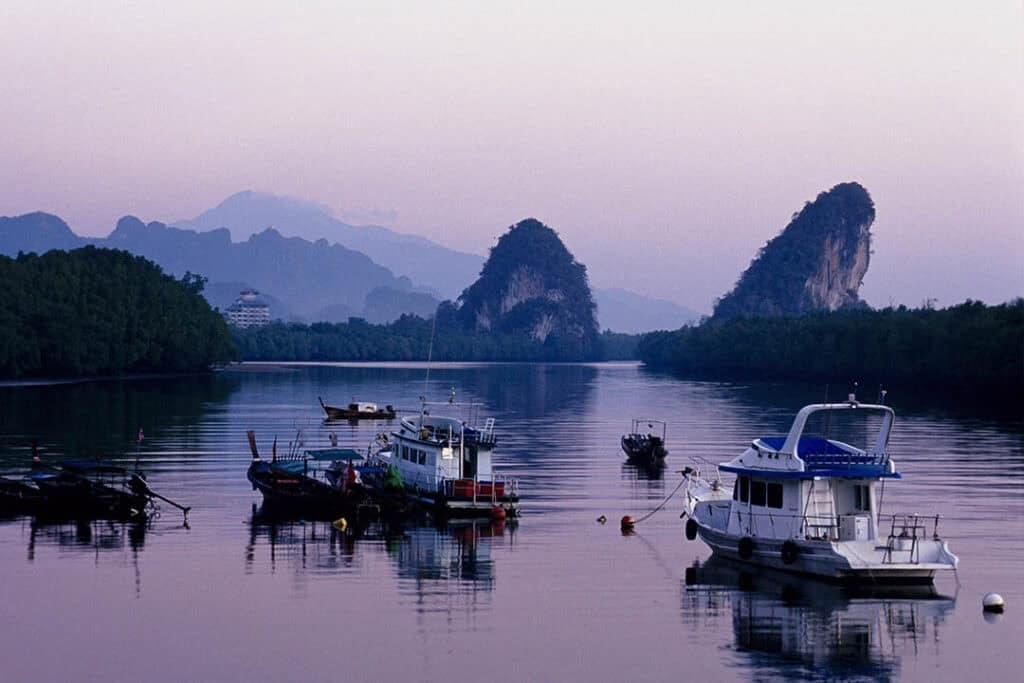
Traditional fishing communities along Ko Lanta’s coastline offer visitors an authentic glimpse into southern Thai island life, and Thung Yi Peng Ecotourism Village represents one of the most accessible examples. This community-based tourism initiative allows travelers to step away from resort beaches and experience how local families have lived sustainably off the sea for generations. The village showcases traditional wooden houses, fishing boats, and time-honored methods of coastal living that remain largely unchanged despite modern development elsewhere on the island.
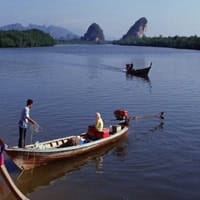
Walking through the village reveals daily rhythms centered around tide schedules and seasonal fishing patterns. Early mornings bring the sight of colorful longtail boats returning with the night’s catch, while fishermen sort their nets and repair equipment under shaded pavilions. Visitors can observe traditional fish drying techniques, witness the preparation of local seafood dishes, and learn about sustainable fishing practices passed down through families. The aroma of grilled fish and curry pastes mingles with salt air, while the sounds of Malay dialect conversations and creaking wooden boats create an authentic coastal soundtrack. Community guides often demonstrate traditional crafts like net weaving and boat building.
Time moves differently here, following natural patterns rather than tourist schedules. Children play along the shoreline while grandparents share stories under coconut palms, creating a sense of multigenerational continuity. The village maintains a genuine working atmosphere where tourism supplements rather than replaces traditional livelihoods. Conversations with residents reveal pride in their heritage and commitment to preserving both their culture and the marine environment that supports their community.
Early morning or late afternoon visits align best with fishing boat arrivals and departures, offering the most activity to observe. The village is accessible by motorbike or car from Lanta Old Town, with basic roads suitable for most vehicles. Comfortable walking shoes and sun protection are recommended, along with modest clothing that respects local customs. Bringing some Thai phrases enhances interactions, though many residents speak basic English. Supporting this community-based initiative directly benefits local families while providing travelers with genuine cultural insights rarely found at conventional tourist attractions.
Location
Find a Place to Stay
More Krabi Province Attractions