





Health preparation for Thailand depends on your vaccination history, route, activities, and medical needs. Arrange travel-health advice before departure, prevent mosquito bites, carry appropriate insurance, and know how to reach care in the places you will visit.
Key Health Facts for Thailand
-
Drinking water: Use sealed, treated, boiled, or otherwise reliably purified water
-
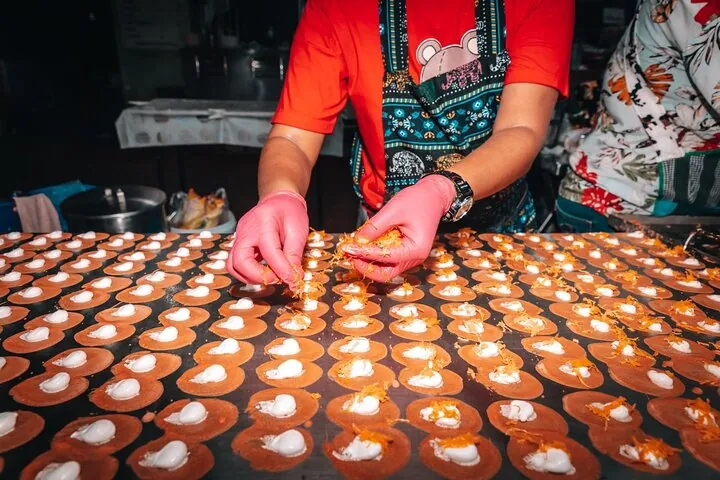
Street food: Reduce risk by choosing food cooked thoroughly and served hot with clean handling
-
Medication: Use a doctor or qualified pharmacist and check Thai import rules for regular prescriptions
-
Hospitals: Private and public options vary by location, specialist service, language support, and cost
-
Emergency number: 1669 (ambulance), 1155 (tourist police)
-
Travel insurance: Strongly recommended, not currently mandatory but policies change
Quick answer
Arrange routine vaccines and travel-health advice before departure, prevent mosquito bites every day, carry insurance that covers treatment and evacuation, and know where you would seek care. Malaria medication is route-specific; dengue, heat illness, road injury, and stomach problems are more relevant to many ordinary tourist trips.
| Health issue | Practical preparation | When to get individual advice |
|---|---|---|
| Vaccinations | Check routine vaccines and travel recommendations | Long stays, pregnancy, chronic illness, rural travel |
| Mosquito-borne disease | Use repellent, clothing, screens, and nets | Forested border routes or extended rural stays |
| Food and water | Eat food cooked hot and use safe drinking water | Persistent fever, dehydration, or blood in stool |
| Heat and air quality | Hydrate, reduce midday exposure, monitor AQI | Heart, lung, or heat-sensitive conditions |
| Medical care | Carry insurance details and medication records | Planned treatment or complex medical history |
How we picked these health priorities
The priorities reflect problems travellers can prevent or act on early: routine vaccination gaps, mosquito exposure, dehydration, unsafe food or water, heat, air pollution, and delayed access to care. Personal recommendations still depend on the route and medical history.
How to prepare
Book a travel-health appointment at least a month before departure when possible. Bring regular medication in original packaging, save your insurer’s assistance number, and check the latest CDC or national travel-health advice for the exact provinces and activities in your itinerary.
Vaccinations
Thailand does not routinely require vaccination for direct arrivals from countries without yellow-fever risk. Travellers aged nine months or older arriving from a yellow-fever-risk country need proof of vaccination, including after an airport transit or layover longer than 12 hours in a risk country. Discuss the latest requirements and recommendations with a travel-health clinician before departure.
Recommended Vaccinations
-
Hepatitis A: CDC recommends vaccination for unvaccinated travellers aged one year or older, with separate advice for infants and some higher-risk travellers.
-
Hepatitis B: CDC recommends vaccination for unvaccinated travellers younger than 60; unvaccinated travellers aged 60 or older may also choose vaccination after clinical advice.
-
Typhoid: Recommended for most travelers, especially those eating street food or visiting rural areas.
-
Tetanus-Diphtheria: Check that your routine vaccination is current under the schedule used in your home country.
-
Measles-Mumps-Rubella (MMR): Ensure you’ve had two doses.
Situational Vaccinations
-
Japanese Encephalitis: Recommended or considered according to trip length, rural exposure, activities, accommodation, and how certain the itinerary is. It is not a blanket rainy-season vaccine for short urban trips.
-
Rabies: Consider if you’ll be trekking, cycling, or spending time around animals. Stray dogs are common throughout Thailand. Pre-exposure vaccination means you need fewer post-bite shots.
-
Cholera: CDC currently reports no active cholera transmission in Thailand and does not recommend vaccination for ordinary travel.
Food and Water Safety
Stomach problems are the most common health issue for visitors. Simple precautions reduce your risk significantly.
Water
Use sealed bottled water or water that has been reliably treated, boiled, or purified. Ask how ice was made if you are unsure; its shape is not a dependable safety test. Avoid drinks made with water or ice from an uncertain source.
Street Food
Reduce food risk by focusing on preparation and temperature rather than popularity alone:
-
Clean handling: Choose a stall where raw and cooked food are kept apart and utensils and hands look clean.
-
Cooked to order: Watch for food that’s prepared fresh in front of you rather than sitting in trays.
-
Hot food served hot: Proper cooking kills bacteria. Avoid lukewarm dishes that have been sitting out.
-
Fruit you can wash or peel yourself: Be cautious with pre-cut fruit that has been sitting warm or exposed.
Health Tip: Oral rehydration salts can help replace fluids lost through diarrhoea. Ask a clinician or pharmacist whether loperamide is suitable for you, and do not use it as a reason to delay care. Seek medical help for bloody diarrhoea, high or persistent fever, severe dehydration, repeated vomiting, worsening illness, or symptoms that do not begin to improve.
Sun and Heat Safety
Thailand sits between 5° and 20° north of the equator. UV radiation is intense year-round, and temperatures regularly exceed 35°C (95°F) from March to May.
-
Sunscreen: SPF 50+ is recommended. Apply 20 minutes before sun exposure and reapply every 2 hours (more often if swimming). Available at 7-Eleven and Boots pharmacies throughout Thailand.
-
Hydration: Drink regularly and increase fluids for heat, exertion, fever, vomiting, or diarrhoea. Needs vary by age, health, medication, and activity; follow medical advice if you normally restrict fluids.
-
Heat exhaustion signs: Heavy sweating, weakness, cold/clammy skin, nausea, fast pulse. Move to shade, drink water, and apply cool cloths. If symptoms escalate to confusion or no sweating (heat stroke), seek emergency medical care immediately.
-
Peak hours: Seek shade and limit direct sun during the hottest part of the day, broadly 10am-4pm.
Mosquito-Borne Diseases
Dengue Fever
Dengue is transmitted by mosquitoes that bite during the day as well as around dawn and dusk. Symptoms can include fever, headache, pain behind the eyes, and muscle or joint pain. Seek medical advice if you suspect dengue; avoid aspirin and ibuprofen until a clinician has ruled out dengue because they can increase bleeding risk.
Qdenga is not a routine recommendation for every traveller. WHO recommends programme use for children aged 6-16 in high-transmission settings and says some previously infected travellers may benefit after clinical assessment. Discuss your infection history, health, itinerary, and vaccine availability with a travel-health clinician.
Malaria
Malaria risk is concentrated mainly in forest and forest-fringe areas near the borders with Myanmar, Cambodia, and Malaysia. CDC guidance reports rare or few cases in places including Bangkok, Chiang Mai, Chiang Rai, Koh Phangan, Koh Samui, and Phuket, rather than describing every major destination as malaria-free. Ask a travel-health clinician about medication for your exact route.
Prevention
-
Use DEET-based repellent (20-30% concentration) on exposed skin
-
Wear light-colored, long-sleeved clothing at dawn and dusk
-
Stay in air-conditioned rooms or use mosquito nets
-
Avoid standing water areas where mosquitoes breed
-
Consider permethrin-treated clothing for jungle treks
Air Quality
Northern Thailand, including Chiang Mai, Chiang Rai, and Mae Hong Son, can experience serious smoke pollution during the dry-season burning period, often between February and April. Timing and severity vary each year.
-
Who’s affected: Travellers with asthma, COPD, heart disease, or other pollution-sensitive conditions should discuss the itinerary with a clinician and reduce exposure when readings are high.
-
Monitor AQI: Download the IQAir or AirVisual app to check real-time air quality before outdoor activities.
-
Protection: N95/KN95 masks are effective and widely available at pharmacies during burning season.
-
Other regions: Southern destinations are outside the main northern burning-season pattern, but air quality can still be affected by local pollution or separate transboundary haze. Check local readings rather than assuming clear air.
Hospitals and Clinics
Thailand has public and private hospitals, but facilities, specialist services, language support, accreditation, and prices vary. Do not choose a hospital from a broad ranking or assume every branch in a hospital group holds the same accreditation.
Finding suitable care
Bangkok has the widest choice of private hospitals with international-patient departments. Chiang Mai, Phuket, and Koh Samui also have private hospitals used by international visitors, but complex treatment may require transfer to Bangkok or another regional centre.
Before travel, identify a suitable facility near each destination and save its direct contact details. For planned care, ask about the specialist, total estimate, deposit, direct billing, and whether your insurer requires pre-authorisation. Accreditation claims should be checked against the accreditor’s current directory for the specific hospital, not the group name.
Private treatment can be expensive and hospitals may require a payment guarantee before treatment. Contact your insurer or medical-assistance provider promptly if you are referred to a facility.
Pharmacies and Medication
Use a licensed pharmacy and ask a qualified pharmacist or doctor before taking unfamiliar medication. Do not self-treat with antibiotics simply because a pharmacy can supply them; the wrong medicine or dose can cause harm and contribute to antimicrobial resistance.
Bring regular prescription medication in original labelled packaging with a copy of the prescription or medical letter. Thai FDA generally permits a traveller to bring a finished modern medicine for personal use for no longer than 30 days. Controlled medicines follow separate rules: some narcotics require an advance permit, while psychotropic medicines up to a 30-day prescribed supply require a medical certificate or prescription and larger supplies require permission. Check the Thai FDA classification before travelling.
Travel Insurance
Travel insurance is not currently a general entry requirement, but suitable medical and evacuation cover is strongly recommended. Premiums and evacuation costs depend on age, destination, health, trip length, and activity, so obtain a quote rather than relying on a generic figure.
Make sure your policy covers:
-
Medical expenses appropriate to your destination and health needs
-
Medical evacuation and repatriation
-
Activities you plan to do (scuba diving, motorbike riding, rock climbing)
-
Trip cancellation and interruption
-
Personal belongings and theft
Popular providers used by Thailand travelers include World Nomads, SafetyWing (especially for digital nomads), and Allianz Travel Insurance. Compare policies on comparison sites before purchasing.
Emergency Contacts
Save these numbers before arriving. Mobile data can help with maps and translation, but emergency calls use the phone network rather than an internet connection:
| Service | Number |
|---|---|
| Ambulance / Emergency Medical | 1669 |
| Tourist Police (English-speaking) | 1155 |
| Police | 191 |
| Fire | 199 |
| Highway Police | 1193 |
Call 1669 for urgent medical help. Use 1155 for tourist-police assistance and 191 for the Royal Thai Police. For general safety advice, see our Stay Safe in Thailand guide.