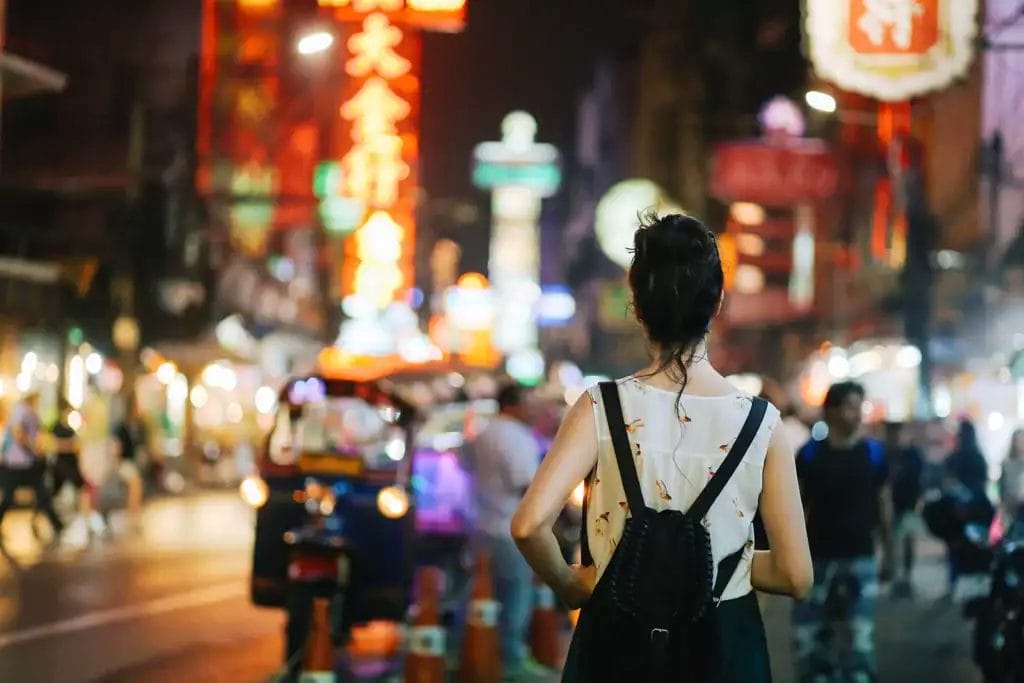
Thailand ranks among the safest countries in Southeast Asia for tourists. Millions of visitors travel here every year without incident. That said, awareness of local laws, common scams, and basic precautions will help you avoid the handful of issues that do occasionally affect travelers.
Quick Safety Reference
- Tourist Police: 1155 (English-speaking, available 24/7)
- Emergency/Ambulance: 1669
- Police: 191
- Fire: 199
- Overall safety: Comparable to most European countries for violent crime
- Biggest risks: Motorbike accidents, petty theft, scams, sunburn
Is Thailand Safe?
Yes. Thailand has a lower violent crime rate than most Western countries. Serious crimes against tourists are rare and widely reported when they do occur. The most common issues are petty theft (pickpocketing in crowded areas), motorbike accidents, and tourist-targeted scams — all of which are avoidable with basic awareness.
Areas to exercise extra caution include the far southern provinces (Yala, Pattani, Narathiwat) near the Malaysian border, which experience occasional security incidents related to a long-running separatist conflict. These areas are not tourist destinations and most travelers will never go there.
Common Scams to Know
Tourist scams in Thailand are rarely dangerous — they’re designed to separate you from money, not harm you. Knowing them in advance makes them easy to avoid.
The Gem Scam (Bangkok)
A friendly stranger tells you a nearby temple or attraction is closed today and suggests visiting a “special” gem shop instead, often with a tuk-tuk driver who offers a cheap ride. The shop sells overpriced, low-quality gems presented as “investment quality.” This scam has operated in Bangkok for decades. Rule: Never buy gems from a shop someone directs you to on the street.
Tuk-Tuk Overcharging
Tuk-tuks don’t have meters, so always agree on a price before getting in. A short tuk-tuk ride in Bangkok should cost 60-150 THB. If a driver offers a suspiciously cheap fare (20 THB), they’ll likely take you to commission shops along the way. Use Grab or Bolt ride-hailing apps for transparent, metered pricing.
Jet Ski Damage Scam
Common in Phuket and Pattaya. After renting a jet ski, the operator claims you caused pre-existing damage and demands thousands of baht. Prevention: Take photos and video of the jet ski from all angles before riding. Consider using your phone to record a walk-around with the operator present.
Taxi Meter Refusal
Some taxi drivers, particularly at airports and tourist areas, refuse to use the meter and quote inflated flat rates. Thai law requires metered taxis to use the meter. If a driver refuses, simply get out and find another taxi. At Suvarnabhumi Airport, use the official taxi queue on the ground floor — the meter starts at 35 THB plus a 50 THB airport surcharge.
Fake Police
Occasionally someone posing as a police officer may approach tourists claiming to check passports or claiming a fine needs to be paid on the spot. Real Thai police rarely stop tourists randomly and will never demand cash payment on the street. Ask to see identification and, if unsure, call the Tourist Police at 1155.
Digital Scams
ATM skimming devices have been reported at standalone ATMs in tourist areas. Use ATMs inside banks or shopping malls where possible. Be cautious with public WiFi networks — avoid logging into banking apps on unsecured networks. Consider a VPN for added security.
Thai Laws Tourists Must Know
Several Thai laws differ significantly from Western countries and carry serious penalties. Ignorance is not accepted as a defense.
Serious Offenses
- Lèse-majesté: Insulting or defaming the Thai royal family is a criminal offense punishable by up to 15 years in prison per count. This includes social media posts, comments, and sharing content. Treat all images of the King and royal family with respect — never step on Thai currency (it bears the King’s image).
- Drug offenses: Thailand has harsh drug laws. Possession of even small amounts of Class 1 drugs (heroin, methamphetamine, ecstasy) can result in lengthy prison sentences. Drug trafficking carries the death penalty. Cannabis was decriminalized in 2022 but regulations continue to evolve — public smoking is restricted and driving under the influence is illegal.
- Vaping: E-cigarettes and vaping devices are illegal in Thailand. Importing, selling, or using them can result in fines up to 30,000 THB or up to 10 years in prison. This law is enforced, particularly at airports.
Other Laws to Know
- Alcohol sales hours: Alcohol can only be sold between 11:00-14:00 and 17:00-00:00 at shops and supermarkets. Bars and restaurants have more flexible hours. Sales are banned on major Buddhist holidays and election days.
- Temple dress code: Shoulders and knees must be covered when entering temples. Some temples provide wraps at the entrance. Shoes must be removed before entering temple buildings.
- Gambling: All forms of gambling (except the government lottery) are illegal in Thailand, including online gambling.
- Drone use: Drones over 2kg require registration with Thailand’s Civil Aviation Authority. Flying near airports, government buildings, or national parks is prohibited.
Road Safety
Traffic accidents are the single biggest physical risk for tourists in Thailand. The country has one of the highest road fatality rates in the world, and motorbikes account for the majority of injuries.
Motorbike Safety
- Helmets are mandatory: Both driver and passenger must wear helmets. Fines are 500 THB, but the real risk is a head injury without one.
- International Driving Permit (IDP): Technically required for driving in Thailand. Without one, your travel insurance may not cover motorbike accidents — even if you weren’t at fault.
- Experience matters: If you haven’t ridden a motorbike before, Thailand’s busy roads are not the place to learn. Rent only if you’re experienced.
- Inspect before renting: Photograph any existing damage. Check brakes, lights, and tires. Confirm the rental includes basic insurance.
Getting Around Safely
Ride-hailing apps like Grab and Bolt are the safest and most transparent way to get around Thai cities. Fares are metered, routes are tracked, and you have a record of every trip. For more transport options, see our Getting Around Thailand guide.
Water Safety
- Rip currents: Phuket’s west coast beaches (Karon, Kata, Surin) are particularly prone to strong rip currents during monsoon season (May-October). Swim only at beaches with lifeguards and between red-and-yellow flags.
- Jellyfish: Box jellyfish have been reported around Koh Samui, Koh Phangan, and Koh Tao, primarily from October to January. Check local warnings and carry vinegar (available at beach first aid stations) if stung.
- Boat safety: Not all boats meet safety standards. Check for life jackets before boarding. Avoid overloaded boats, particularly speedboats between islands.
- Full moon parties: If attending the Full Moon Party on Koh Phangan, wear shoes on the beach (broken glass risk) and stay away from fire show performers.
Theft Prevention
- Use hotel safes for passports, cash, and electronics when going out
- Carry a photocopy of your passport rather than the original (or a photo on your phone)
- Be aware of bag snatchers on motorbikes — wear crossbody bags on the side away from traffic
- Avoid displaying expensive jewelry, watches, or large amounts of cash
- Crowded areas (Chatuchak Market, Khao San Road, night markets) are pickpocket hotspots
- Use ATMs inside banks or malls rather than standalone machines
Natural Disasters
- Flooding: The monsoon season (June-October) can cause flash flooding in Bangkok and rural areas. Monitor local weather reports during heavy rain periods.
- Earthquakes: Northern Thailand occasionally experiences minor earthquakes, but major damage is extremely rare.
- Tsunamis: Thailand implemented an Indian Ocean tsunami warning system after 2004. Warning signs are posted on Andaman Sea beaches. If you feel a strong earthquake near the coast or see the ocean rapidly receding, move to high ground immediately.
Travel Insurance
Comprehensive travel insurance is one of the most important things to arrange before your trip. Ensure your policy covers:
- Medical expenses (minimum $100,000 USD)
- Medical evacuation
- Motorbike riding (if applicable — many basic policies exclude this)
- Adventure activities (diving, rock climbing, etc.)
- Personal belongings and theft
For detailed insurance recommendations, see our Thailand Health Advice guide.
Emergency Contacts
| Service | Number | Notes |
| Tourist Police | 1155 | English-speaking, best first call for tourists |
| Ambulance / Emergency Medical | 1669 | National emergency medical service |
| Police | 191 | General police (Thai language) |
| Fire | 199 | |
| Highway Police | 1193 | Road accidents outside cities |
| Immigration Bureau | 1178 | Visa and immigration queries |
Save the Tourist Police number (1155) in your phone. They coordinate with local police, hospitals, and embassies on your behalf and have English-speaking operators available 24/7.
Frequently Asked Questions
Is Thailand safe for solo female travelers?
Yes, Thailand is generally safe for solo female travelers and is one of the most popular destinations for women traveling alone. Standard precautions apply: avoid walking alone in poorly lit areas late at night, be cautious with drink safety in bars, and use ride-hailing apps rather than hailing taxis on the street. Many hostels and guesthouses have female-only dorms.
Is it safe to rent a motorbike in Thailand?
Renting a motorbike is common but carries real risk. Traffic accidents are the leading cause of tourist injuries. Only rent if you’re an experienced rider, always wear a helmet, and ensure you have an International Driving Permit. Check that your travel insurance covers motorbike use — many basic policies don’t.
Are there areas tourists should avoid in Thailand?
The far southern provinces (Yala, Pattani, Narathiwat, and parts of Songkhla) near the Malaysian border experience occasional security incidents and most governments advise against travel there. These are not tourist areas. All major tourist destinations — Bangkok, Chiang Mai, Phuket, Koh Samui, Krabi — are safe.
Can I use e-cigarettes or vapes in Thailand?
No. E-cigarettes, vaping devices, and refill liquids are illegal in Thailand. Importing, selling, or using them can result in fines up to 30,000 THB or up to 10 years in prison. This law is actively enforced, especially at airports and customs.
What should I do if I’m a victim of crime in Thailand?
Call the Tourist Police at 1155 as your first step — they speak English and can coordinate with local police on your behalf. File a police report at the nearest police station (required for insurance claims). Contact your embassy if you need passport replacement or consular assistance. Keep copies of all reports and receipts for insurance purposes.