






Thai culture runs on respect: for elders, monks, the monarchy, and religious spaces. Getting the basics right (the wai greeting, temple dress code, and a few key taboos) prevents the awkward moments that can sour an otherwise good trip. This guide covers the etiquette that matters most for visitors to Thailand.
Quick answer
The safest etiquette rule in Thailand is to stay calm, dress modestly at temples, avoid disrespect around Buddha images and the royal family, and watch what locals do before copying a gesture. You do not need to master every custom, but you should avoid loud anger, careless feet, and intrusive photos.
| Situation | Do this | Avoid this | Why it matters |
|---|---|---|---|
| Temple visits | Cover shoulders and knees | Climbing on Buddha images or posing carelessly | Temples are active religious spaces |
| Greetings | Return a wai politely when appropriate | Over-waiing children or service staff | The wai follows age and status |
| Public problems | Stay calm and speak quietly | Shouting or public confrontation | Losing face escalates situations |
| Sitting and pointing | Keep feet low and controlled | Pointing feet at people or sacred objects | Feet are considered low in Thai etiquette |
How we picked these etiquette rules
We focused on situations visitors encounter daily: temples, greetings, public behaviour, transport, photos, and interactions with staff. The advice is practical rather than exhaustive, because respectful observation matters more than memorising every rule.
How to choose
If you are unsure, slow down and copy the most respectful person nearby. A calm apology fixes most small mistakes faster than trying to argue your way through them.
Greetings
The traditional Thai greeting is the wai: palms together with a slight bow. In everyday situations, the younger or more junior person generally initiates it, and the senior person may return it. Visitors do not need to wai every shop worker, driver, or child; a smile and polite greeting are usually enough.
Hand height and the depth of the bow show the level of respect. A wai to a monk or highly respected elder is higher and deeper than one exchanged between peers. Palm pressure is not part of the etiquette.
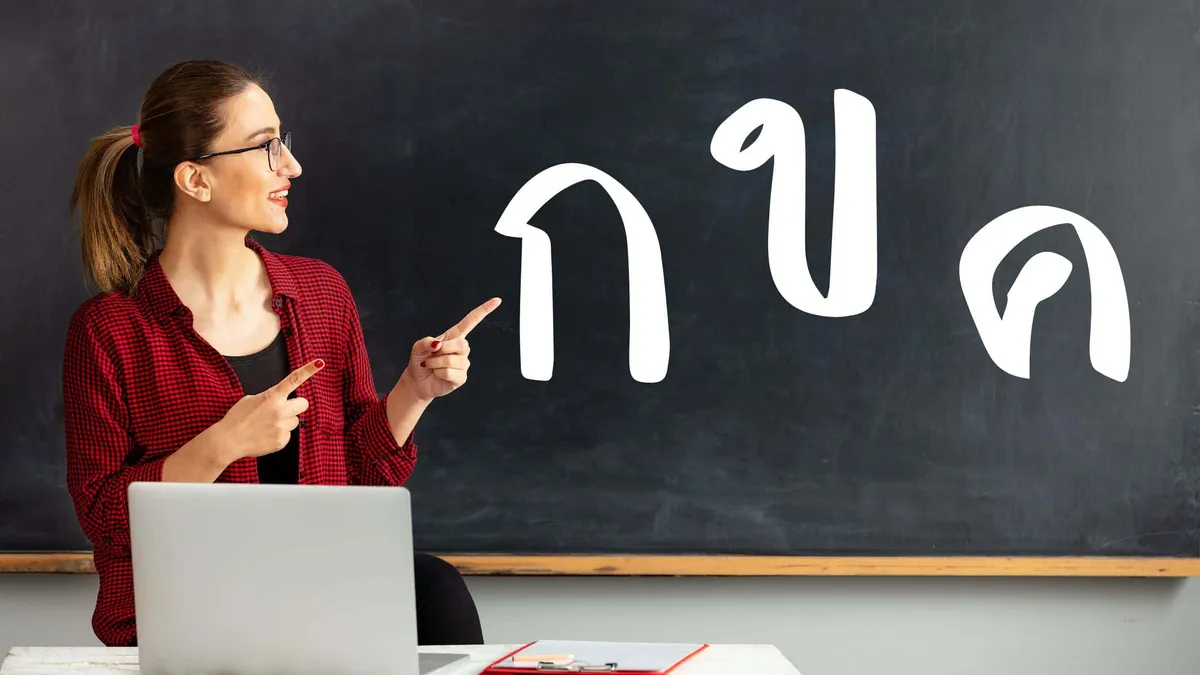
Greeting others with respect is an important part of Thai culture, so be sure to take the time to learn proper greetings and a few basic Thai phrases before you travel.
Dress Code
Everyday dress in markets and restaurants is generally relaxed. Swimwear belongs at the beach or pool rather than in shops, transport, or town streets.
Temples and other sacred sites have stricter expectations. Both men and women should wear a top with sleeves and clothing that covers the knees. Remove hats before entering sacred interiors and follow any site-specific dress notice. Major sites can refuse entry to visitors whose clothing does not meet the rules.
When in Thailand, it is important to be aware of the local dress code and follow appropriate clothing etiquette. If you want to dress the part for a temple photoshoot, you can rent traditional Thai dress (Chut Thai) near the major temples.
Public Behavior
Public behavior is an important part of visiting Thailand. Respect for personal space and avoiding loud or disruptive behavior in public places are essential to ensure a pleasant experience for everyone.
When out and about, it’s important to be mindful of your surroundings and the people around you. Avoid being too loud or intrusive when speaking with others, as this can be seen as disrespectful. Refrain from engaging in any physical contact with strangers unless they initiate it first. It’s also best not to take pictures without asking permission first, especially if someone else is in the frame.
In general, Thai culture values politeness and courtesy above all else; therefore visitors should always try their best to act accordingly while in public spaces such as restaurants, stores, markets etc.. This means using polite language when addressing locals (even if you don’t understand each other) and refraining from pointing fingers at anyone or anything – instead use an open palm gesture which is considered more respectful.
At temples, remove shoes before entering the chapel or another clearly designated sacred interior. Shoes can normally remain on while walking around the grounds, but follow signs and local practice.
Finally, remember that Thai people tend to keep their voices low when talking indoors; therefore, try not to raise yours unnecessarily. This will help create a peaceful atmosphere wherever you go
In public, quiet, patient behaviour usually solves more than arguing. If you are unsure what to do, pause and follow the local lead.
Religion
Religion in Thailand is an important part of the culture and daily life. The majority of people in Thailand are Buddhist, with some smaller minorities practicing Islam, Christianity, Hinduism and other religions.
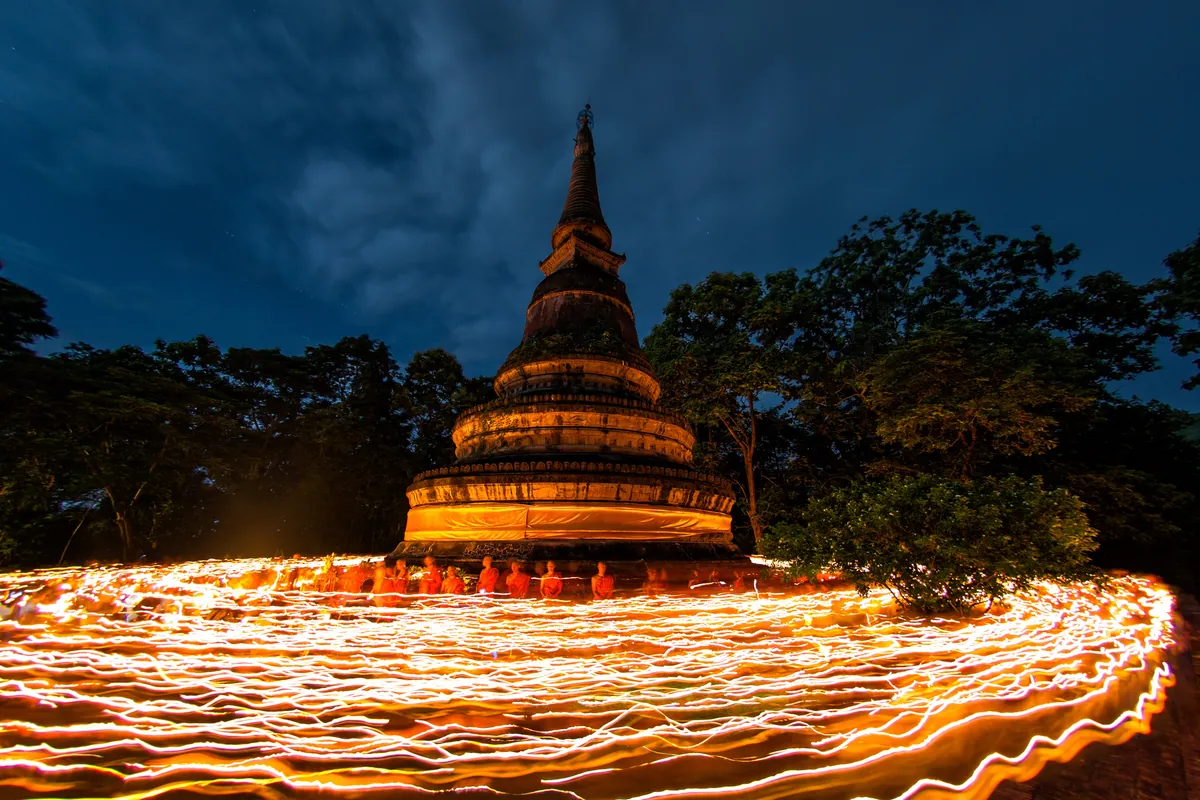
Buddhism is the country’s majority religion and strongly influences Thai culture. Thai Theravada Buddhism teaches rebirth but not an enduring, permanent soul. At temples, dress for the site, behave quietly, and remove shoes before entering designated sacred interiors.
Islam is Thailand’s second-largest religion, with a strong concentration in the southern border provinces and communities elsewhere in the country. When visiting a mosque, use its stated dress rules, remove shoes where directed, and ask before taking photographs.
Christianity arrived with Portuguese traders and missionaries during the 16th and early 17th centuries. Churches serve Thai congregations as well as international communities. Follow posted visitor rules and ask before photographing a service.
Hindu and Brahman traditions also have a visible place in Thailand, including at shrines and royal ceremonies. Treat each site as an active place of worship: dress appropriately, keep noise down, and follow instructions from staff or worshippers rather than relying on a blanket rule about physical contact.
Religion is an important part of Thai culture, and it’s important to respect the beliefs of locals when travelling.
Culture guides
For deeper visitor topics beyond this overview, see our Culture guides on Thai gestures and body language, what to wear in Thailand, Thai monarchy for visitors, spirit houses, Thai names and forms of address, monk ordination and merit-making, and Buddhist holidays and the alcohol ban. Traditional dress rental and styles remain on the dedicated Chut Thai page.
A few final reminders
Good etiquette in Thailand is mostly about calm behaviour, modest dress in religious places, and respect for local hierarchies. For practical phrases, see our basic Thai phrases guide. If you are visiting Bangkok temples such as the Grand Palace or Wat Pho, bring a cover-up; our Thailand packing list covers what to bring for temple visits and other cultural settings.