







Packing for Thailand comes down to one rule: pack less than you think you need. Heat and humidity mean you’ll wear half as many clothes as you expect, and anything you forget (toiletries, sunscreen, chargers) is easily bought at a 7-11 once you land. What you can’t easily replace in Thailand is prescription medication, your travel documents, and the right power adapters. This list covers what actually matters, sorted by category.
Quick answer
Pack light, breathable clothes, one temple-ready outfit, rain protection, reef-safe sun protection, a universal adapter, and copies of key travel documents. Leave bulky toiletries, too many shoes, and just-in-case outfits at home; Thailand is easy to shop in if you forget basics.
| Pack this | Why it matters in Thailand | Main tradeoff |
|---|---|---|
| Light clothing plus temple cover-up | Heat is constant and temples require shoulders and knees covered | Laundry is easier than carrying too much |
| Power bank and adapter | Long travel days, maps, bookings, and eSIM setup drain phones | Keep batteries in carry-on for flights |
| Rain layer or dry bag | Rainy-season showers can be sudden | Umbrellas are easy to buy locally |
| Documents and payment backup | Hotels, flights, scooters, hospitals, and claims may need proof | Store digital and paper copies separately |
| Fewer shoes | Sandals and one comfortable walking pair cover most trips | Specialty hikes or formal dinners may need extras |
How we picked this packing list
We grouped items by how often travellers actually use them in Thailand: heat, temples, beaches, rain, domestic flights, electronics, and document backup. We avoided niche gear unless it solves a repeated problem on typical Thailand routes.
How to choose
Choose by itinerary, not by suitcase size. Islands need swimwear, dry bags, sandals, and sun protection; Bangkok and Chiang Mai need walking shoes and temple-appropriate clothing; rainy-season trips need faster-drying clothes.
Essential items to pack for Thailand
Don’t have time to read the full article? Here are the essentials that you shouldn’t forget!
-
Bring a universal plug adapter and check the input label on each device. Thailand uses 220V at 50Hz; an adapter changes the plug shape but does not convert voltage.
-
The weather in Thailand varies depending on where you go, but generally speaking it is hot and humid year-round. Pack light clothing made from breathable fabrics such as cotton or linen that will keep you cool during the day and warm at night if needed. Also consider bringing swimwear, sandals/flip flops, hats/sunglasses and insect repellent if visiting rural areas or jungles where mosquitoes may be present.
-
Bring personal items that are hard to substitute, such as prescription products, specific cosmetics, or preferred oils and lotions. Everyday toiletries are easy to find in Bangkok and other major cities, but choice narrows in smaller towns and islands.
-
Bring essential medicine in its original labelled packaging with a copy of the prescription. Ordinary medicines are generally limited to a 30-day personal supply. Narcotic and psychotropic medicines follow separate permit and documentation rules, so check the Thai FDA classification before travel.
Electronics To Bring To Thailand
When traveling to Thailand, it’s important to bring the right electronics. This includes items such as a phone, laptop, camera and other devices that will help you stay connected and capture your memories.
Smartphone
Bringing a smartphone is essential for staying in touch with family and friends back home while also having access to maps and travel information on the go. Make sure you have an international plan, set up a travel eSIM before you fly, or buy a local SIM card when you arrive. Roaming charges are brutal without one.
Having access to a smartphone while travelling can be immensely helpful when navigating around new cities or finding places off the beaten path. It is recommended to download offline maps ahead of time in case there is no internet connection available at certain locations during your stay, so that you do not get lost.
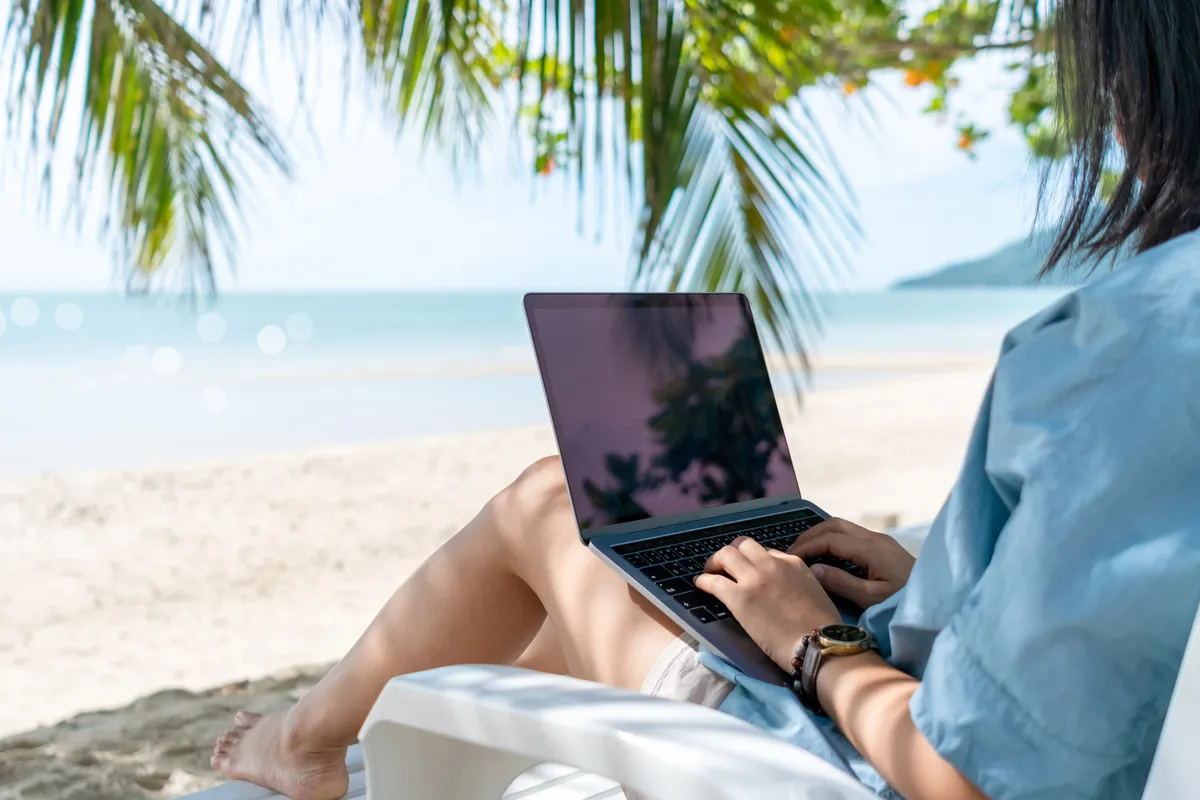
Laptop/Tablet
A laptop or tablet can be useful if you need to work, read or watch downloaded media. Bring the correct charger and check that it accepts 220V/50Hz.
Tablets are useful if you want a larger screen for films, maps, reading, or working, but they add weight and another device to protect from heat and rain.
Camera
Bring a camera only if you will use it enough to justify the weight. Extra memory cards, batteries, and waterproof protection are worth packing if photography is a major part of the trip.
These days, however, your smartphone camera will probably suffice so you can save space instead of bringing a bulky camera along.
Portable Battery Pack
A portable battery pack can help on long travel days. On flights departing Thailand, carry power banks in the cabin, not checked baggage. Units up to 100 Wh do not need airline approval; units over 100 Wh and up to 160 Wh require operator approval. The current limit is two per passenger, with clearly marked capacity and protected terminals. Do not use or charge a power bank aboard the aircraft.
Chargers and Adapters
Thailand uses Type A, B, C and O plugs. Socket types vary by property, so bring a compact universal adapter rather than assuming your hotel has a universal socket. Check the device input label before plugging it into Thailand’s 220V/50Hz supply.
Other Devices
Other items such as noise-cancelling headphones and e-readers may come in handy depending on what activities you plan on doing during your vacation in Thailand.
However, be sure not to overpack – remember there are plenty of shops where these items can be purchased should they be required at any point during your travels.
Clothing to pack for Thailand
When packing for a trip to Thailand, it’s important to think about the climate and culture of the country. The weather in Thailand is hot and humid year-round, so light, breathable clothing is essential.
Lightweight Clothing
Lightweight clothing such as shorts, t-shirts, tank tops and sundresses are great options for staying cool during your visit. If you plan on visiting temples or other religious sites while in Thailand, make sure to bring some longer pants or skirts that cover your knees as well as shirts with sleeves that cover your shoulders.
Footwear
Flip flops are a popular choice when traveling around Thailand due to their comfort and versatility; however if you plan on doing any hiking or trekking then closed toe shoes are recommended for safety reasons. Sandals can also be worn but may not provide enough support if you will be walking long distances throughout the day.
Swimwear
Pack swimwear if your route includes beaches, pools, boat trips, or waterfalls. Two swimsuits are useful because one can dry while you wear the other.
Accessories
Accessories such as hats, sunglasses and scarves help with sun exposure. A lightweight jacket can be useful in air-conditioned transport or at higher elevations. Pack a compact umbrella or light rain layer according to your route: the Andaman coast, Gulf islands and northern Thailand do not share one exact rainy season.
When packing for a trip to Thailand, be sure to bring light, breathable clothing that is suitable for the tropical climate. Now let’s look at what types of activities you can do in Thailand!
Toiletries to pack for Thailand
This means you should pack toiletries that will help keep you cool and comfortable during your stay. Here are some essential items to consider bringing:
Sunscreen: Bring broad-spectrum sunscreen and check the ingredients if you will enter a national park. Sunscreens containing oxybenzone, octinoxate, 4-MBC or butylparaben are prohibited in Thai national parks.
Insect Repellent: Mosquitoes can be found throughout Thailand, especially near water sources like rivers and lakes. Bring insect repellent with DEET or another active ingredient to protect yourself from bites while outdoors.
After-sun Care Products: If you do happen to get too much sun, make sure to have after-sun care products on hand such as aloe vera gel or lotion with cooling ingredients like menthol or camphor which can help soothe skin irritation caused by overexposure to UV rays.
Face Wash & Moisturizer: Bring products that already suit your skin, especially if you use a particular formula that may be hard to replace locally.
Deodorant & Antiperspirant: To combat sweatiness due to high temperatures, make sure you pack deodorant as well as antiperspirant (or a combination product) so that you stay fresh even during long days out in the sun!
A first aid kit should also be included in your packing list. This should include basic items such as bandages, antiseptic wipes, pain relievers, antihistamines and other medications that may come in handy during your travels. It’s always better to be prepared than sorry!
Many hotels provide complimentary shampoo and conditioner, but it is always good practice to bring your own just in case they do not have what you need. Opt for travel size bottles if possible.
When packing for your trip to Thailand, make sure you bring all the essential toiletries you need to stay comfortable and healthy during your holiday.
Documents and Money Matters
When traveling to Thailand, make sure all documents and money matters are sorted before leaving. Your passport should normally have at least six months’ validity from arrival and one blank page, and you should arrange any required visa in advance. Since 15 September 2026, passport holders from 60 listed countries get 30 days visa-free (Mauritius & Seychelles 15 days) under the published Royal Gazette framework. Verify your passport in our Thailand entry requirements guide before you fly. The Thailand Digital Arrival Card asks for passport and arrival details, your address in Thailand, travel purpose and health-declaration information. Travel-insurance documents are useful for claims and medical care, but they are not a TDAC requirement.
Flight, customs and equipment rules
For cabin liquids on flights departing Thailand, use containers no larger than 100 ml and place them in one transparent resealable bag with a capacity no greater than one litre. Airline limits can be stricter, so check your carrier as well.
Do not bring e-cigarettes, vaping equipment or e-liquids into Thailand. Customs also controls medicines, food, plants, wildlife products and radio equipment. Check the relevant Thai authority before travelling with anything restricted rather than assuming a personal-use quantity is exempt.
Drones can be brought into Thailand, but they cannot be flown legally until the applicable NBTC and CAAT registrations, insurance and current flight approval are in place. Flight restrictions can change around airports, national parks and border areas, so check the current rules before each planned flight.
It’s also a good idea to bring along credit/debit cards as well as cash in local currency when visiting Thailand. Credit/debit cards can come in handy if you need access to funds quickly or want an easy way to pay for goods and services while abroad. However, not all establishments accept card payments so it’s best to carry some cash with you just in case. Make sure the bills are new and free from damage since damaged notes may not be accepted by vendors or banks alike.
Finally, it is always wise to keep copies of all important documents such as passports and visas at home or stored digitally in a safe place online. This will make it easier if something happens since replacing them quickly when needed will not be difficult.
It is important to ensure that all documents and money matters are taken care of before embarking on your trip to Thailand, so you can make the most of your holiday. Next up, let’s take a look at what items you should pack for your trip!
Miscellaneous Items to think about
A reusable water bottle is essential for staying hydrated while traveling in Thailand. The heat can be intense at times so having an insulated water bottle on hand will help keep you cool throughout the day. It also helps reduce plastic waste as you won’t need to buy single-use bottles of water every time you get thirsty.
Travel pillows can help on long buses, trains, and flights. Choose a small one that fits your luggage rather than carrying a bulky pillow you only use once.
Snacks are always handy when exploring new places in Thailand because they give you energy between meals and prevent hunger pangs from ruining your fun activities! Pack some protein bars or trail mix with dried fruit and nuts for healthy snacking options while sightseeing around the country.
Bring a book, downloaded shows, or offline podcasts if your route includes long transfers or beach time. Do the downloads before travel days, when Wi-Fi is easier.
What can we consider leaving at home?
Many everyday items are easy to buy in Thailand, especially in cities and resort areas with 7-Eleven stores, pharmacies, and supermarkets. Save luggage space for things that are hard to replace or specific to you.
Basic Toiletries
Toiletries such as shampoo, conditioner, body wash and toothpaste can all be bought cheaply in Thailand. There is no need to pack these items from home as they will take up valuable space in your luggage and add unnecessary weight.
Too Much Clothing
You won’t need to bring too many clothes when visiting Thailand since most cities have plenty of shopping malls where you can buy new clothes if needed. However, it’s still important to check the weather forecast before packing so that you know what kind of clothing will best suit your needs during your stay.
Electronics
Skip extra electronics unless you need them for work, photography, or video. A phone, charger, adapter, and power bank cover most trips, and carrying fewer devices reduces weight and theft risk.
Many Pairs of Shoes
Bring one comfortable walking pair that you already know fits, plus sandals if they suit your route. Extra or highly specialised shoes can stay at home unless your itinerary requires them.
Tips For Packing
Packing efficiently is key when planning a trip abroad; try rolling up clothes rather than folding them flat into suitcases – this way they take up less space yet still remain wrinkle free upon arrival. Do not overpack either, as souvenirs bought along the way will likely add extra weight onto bags before returning home again, so leave some room just in case.
To make the process easier, start by making a list of all the items you need to bring with you. This will help ensure that nothing is forgotten or left behind.
It’s also important to pack light when traveling to Thailand, especially if flying as airlines often charge extra fees for overweight baggage.
Rolling your clothes instead of folding them can help save space in your suitcase or backpack and prevent wrinkles from forming on clothing items. Consider bringing versatile pieces that can be mixed and matched so you don’t have to bring too many outfits with you.
You also want to make sure you have room to bring back souvenirs and other items you pick up along the way on your trip.
for electronics, consider bringing only what is necessary such as a laptop or tablet for work purposes and/or camera equipment if taking photos during your travels are part of the plan. Make sure all devices are charged before leaving home and remember not every place has outlets available so having an external battery charger may come in handy!
Useful toiletries include compliant sunscreen, insect repellent, lip balm, your usual skincare, a toothbrush and toothpaste. Travel-size shampoo and conditioner save space; check whether your accommodation supplies towels before deciding whether to pack one.
In addition to the above mentioned items, there are some things which aren’t essential but could still prove useful such as a water bottle, reusable shopping bag, hat, sunglasses, scarf/shawl, umbrella/raincoat, swimsuit and sandals. Ultimately though it’s best not to overload yourself – pick only those things which will really add value during your stay in Thailand.
Finally, double check all documents such as passports and visas before leaving home too – having these handy saves time and stress at airports later down the line.
Conclusion
By following our Thailand packing list you can make sure that you have all of the essentials and are prepared for your trip. For connectivity, an eSIM means one less thing to carry and no queue at the airport SIM counter. If you’re splitting time between Bangkok and the islands, pack for both city temples (covered shoulders, long trousers) and beach days (reef-safe sunscreen, quick-dry clothes). Check our best time to visit Thailand guide to adjust your packing for the season, and the Thailand budget guide for what you can buy cheaply on arrival instead of packing from home.