Few visitors to Phayao province venture beyond the famous Kwan Phayao lake, making Nam Chun Reservoir a peaceful alternative for those seeking tranquil waters without the crowds. This modest-sized reservoir sits quietly in the Chun district, offering a genuine slice of rural Thai life where local fishermen cast their nets and water buffalo graze along the muddy banks. The surrounding hills create a natural amphitheater around the water, while small wooden piers extend into the reservoir like fingers reaching toward the center.
Early morning brings the reservoir to life as local fishermen paddle their longtail boats across the mirror-like surface, their engines creating gentle ripples that catch the golden light. You’ll spot various bird species including kingfishers and herons hunting in the shallows, while dragonflies dart between the reeds along the water’s edge. The surrounding countryside reveals rice paddies stretching toward distant mountains, and you can often hear the melodic calls of farmers working their fields. Small pavilions dot the shoreline where visitors can sit and watch the water, perhaps trying their hand at fishing alongside friendly locals who are happy to share tips.
Silence dominates the experience at Nam Chun Reservoir, broken only by the occasional splash of fish jumping or the distant laughter of children playing in nearby villages. The pace here moves with the rhythm of rural Thailand – unhurried and connected to natural cycles. This sense of timelessness makes even a short visit feel restorative, as if you’ve stepped away from modern life into a simpler world where water, sky, and earth merge seamlessly.
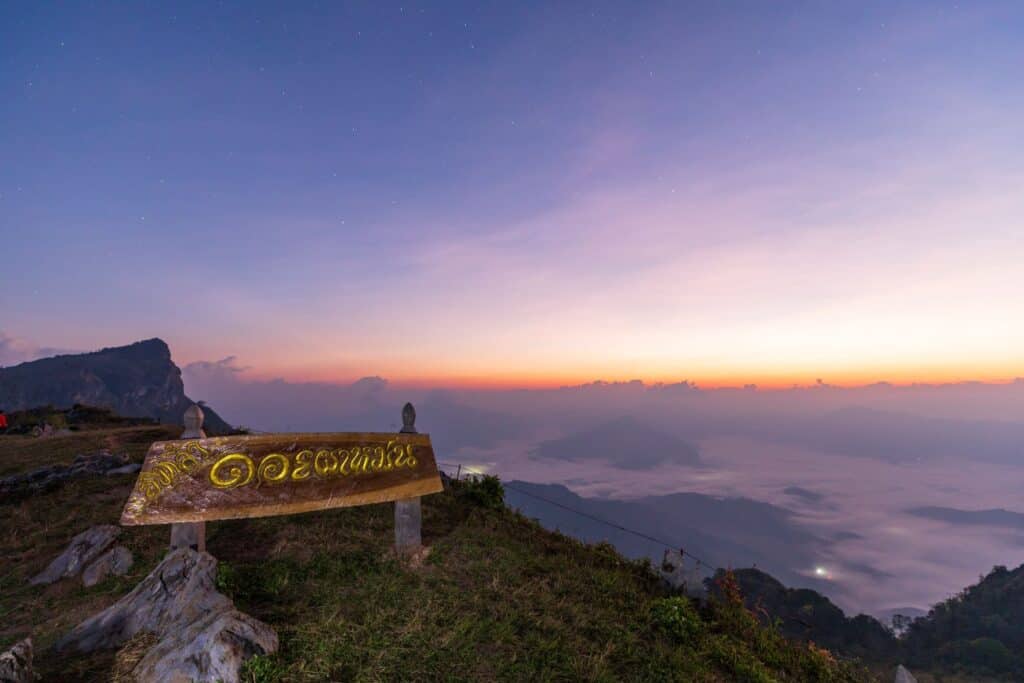
Visit during the cooler months from November to February for the most comfortable weather, though the reservoir maintains its charm year-round. The best light for photography occurs during the golden hour just after sunrise or before sunset. Bring insect repellent and sun protection, as shade is limited around the water. A basic level of Thai or translation app helps when interacting with local fishermen, adding depth to your visit through their stories and local knowledge.