Chiang Mai’s oldest temple holds stories that stretch back over seven centuries, making Wat Chiang Man a cornerstone of the city’s spiritual and cultural heritage. Built during the founding of Chiang Mai itself, this sacred site served as the temporary residence for King Mangrai while the new capital took shape. Two exceptionally revered Buddha images call this temple home, drawing pilgrims and visitors who come seeking blessings and witnessing centuries-old craftsmanship that has survived wars, weather, and the passage of time.
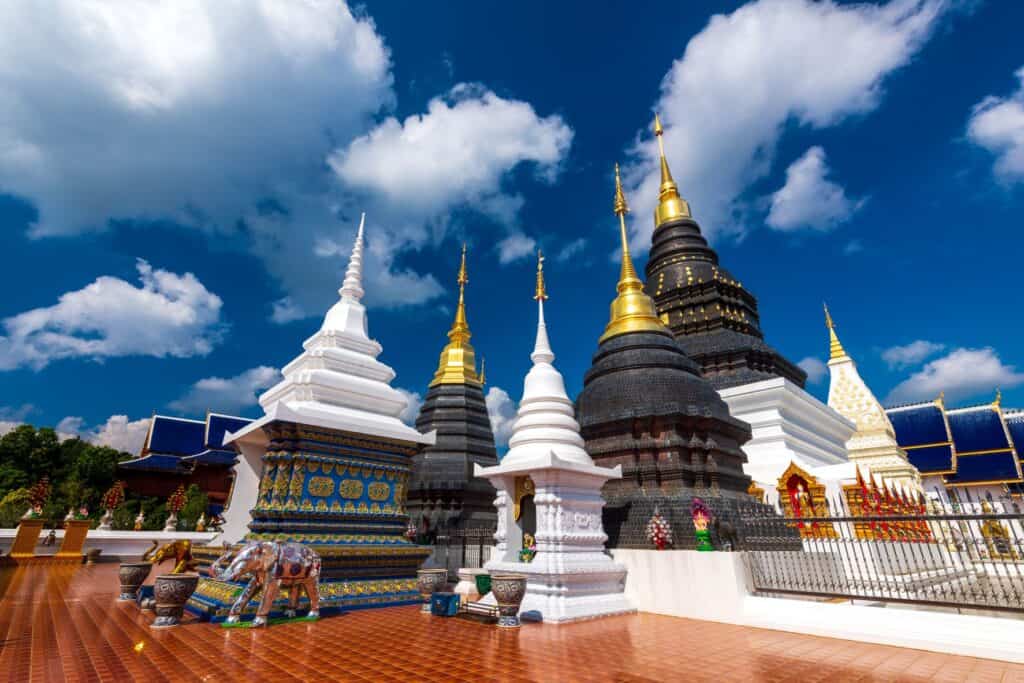
Walking through the temple grounds, you’ll encounter the impressive main viharn with its traditional Lanna architecture, featuring intricate wooden carvings and golden details that catch the morning light beautifully. The highlight remains the crystal Buddha statue and the marble Buddha image, both considered highly sacred by locals who often leave lotus flowers and incense as offerings. Behind the main hall stands an elegant chedi supported by sculpted elephants at its base, creating a unique architectural feature that photographers love. The sound of chanting monks during evening prayers fills the air with a meditative quality, while the fragrance of burning incense creates an atmosphere of reverence throughout the complex.
Serenity defines the experience at Wat Chiang Man, especially during early morning hours when monks go about their daily routines and locals come for quiet prayer. Unlike busier tourist temples, this space maintains an authentic spiritual atmosphere where meditation comes naturally. Elderly Thai devotees often sit quietly in contemplation, their presence adding to the genuine religious significance that permeates every corner. The temple feels alive with faith rather than performance, offering visitors a chance to witness Buddhism as a living practice rather than a tourist attraction.
Early morning visits between 6-8 AM provide the most peaceful experience, avoiding both crowds and afternoon heat while potentially witnessing morning ceremonies. The temple sits within walking distance of Chiang Mai’s old city center, easily accessible by foot, bicycle, or tuk-tuk from most accommodations. Remember to dress modestly with covered shoulders and knees, remove shoes before entering buildings, and maintain respectful silence during prayer times. Free admission makes this an accessible cultural experience that offers genuine insight into northern Thailand’s Buddhist traditions without any commercial pressure.
Location
Find a Place to Stay
More Chiang Mai Attractions