
The Royal Agricultural Station Angkhang
สถานีเกษตรหลวงอ่างขาง
King Bhumibol Adulyadej founded the Royal Agricultural Station Angkhang in 1969 after seeing opium fields worked by Musoe hill-tribe farmers on this mountain during a helicopter flyover. The project replaced opium cultivation with temperate fruit, flower, and vegetable crops suited to the station’s elevation, around 1,400 metres above sea level, in Fang district, Chiang Mai province.
The station itself remains open for day visits, but there is no longer anywhere to stay overnight on site. The old Angkhang Nature Resort was demolished in 2019 after Doi Angkhang was absorbed into Doi Pha Hom Pok National Park, and no replacement hotel has been built. Visitors wanting to stay near Doi Angkhang now camp at designated National Park viewpoint sites a short drive from the station — a genuinely different experience from the resort stays older travel write-ups still describe.
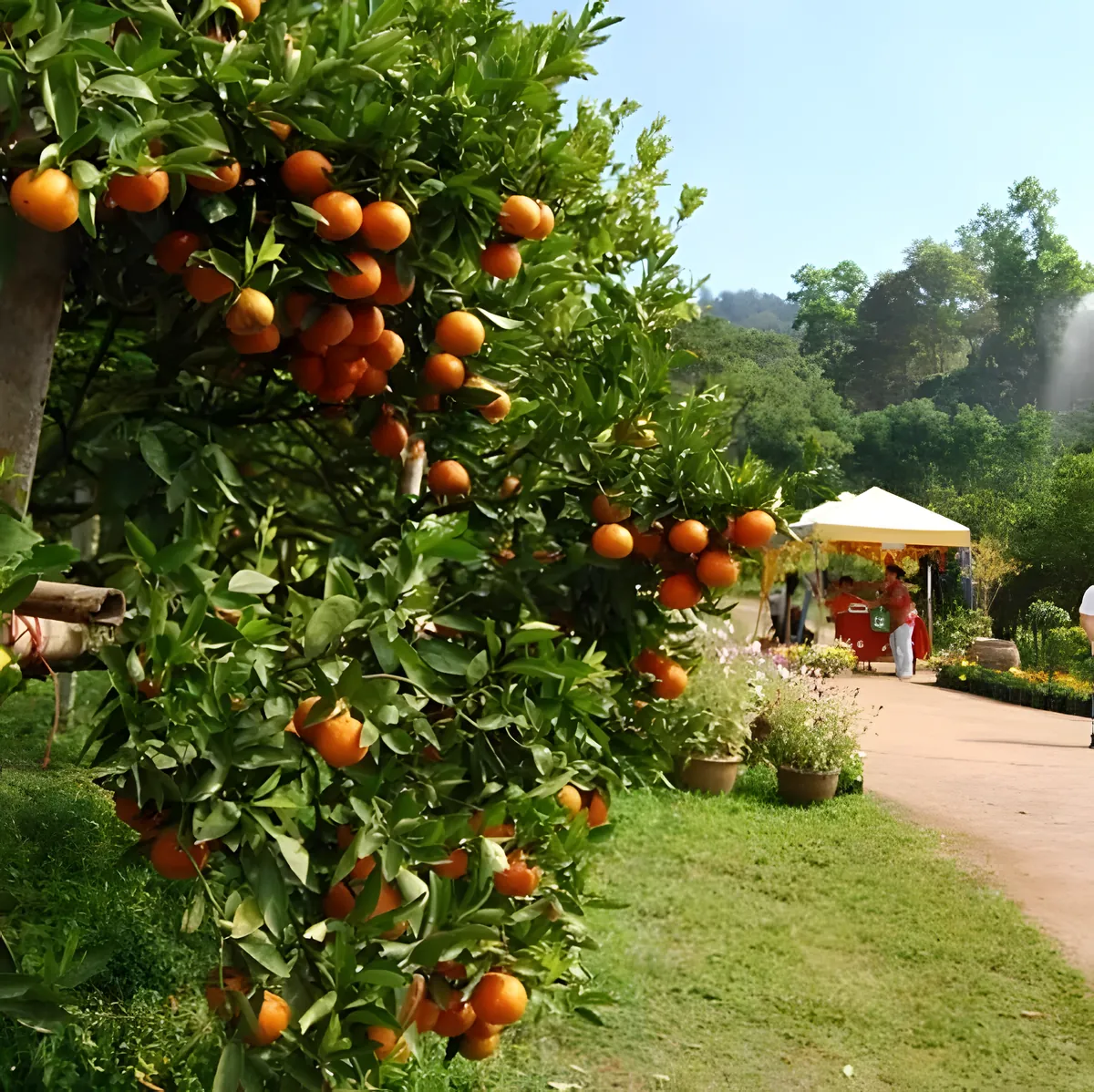
Inside the station, research plots grow winter fruit — peaches, Chinese bayberries, plums, strawberries, kiwis, and nectarines — alongside vegetable beds of carrots and lettuce and flower gardens of roses, carnations, asters, and chrysanthemums. A small shop sells produce grown on site. Cool mountain air year-round makes it one of the few places in Thailand where temperate crops grow at all, and the flower gardens peak from December through February.
Watch out: Trip reports describing an on-site resort, restaurant, or bungalow stay predate the 2019 demolition — don’t plan a Doi Angkhang trip around staying at the station itself.
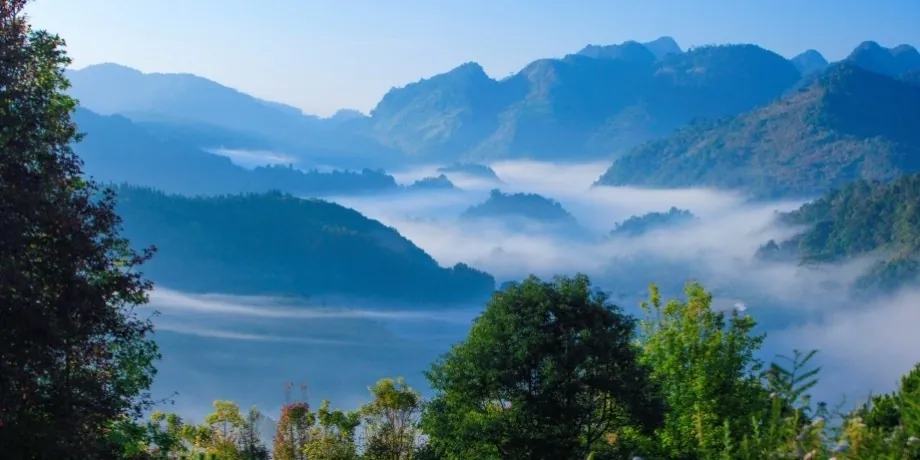
Insider Tip: Go early. The station and surrounding viewpoints are known for a “sea of clouds” at sunrise, and the mountain road gets busy with day-trip vans by mid-morning.
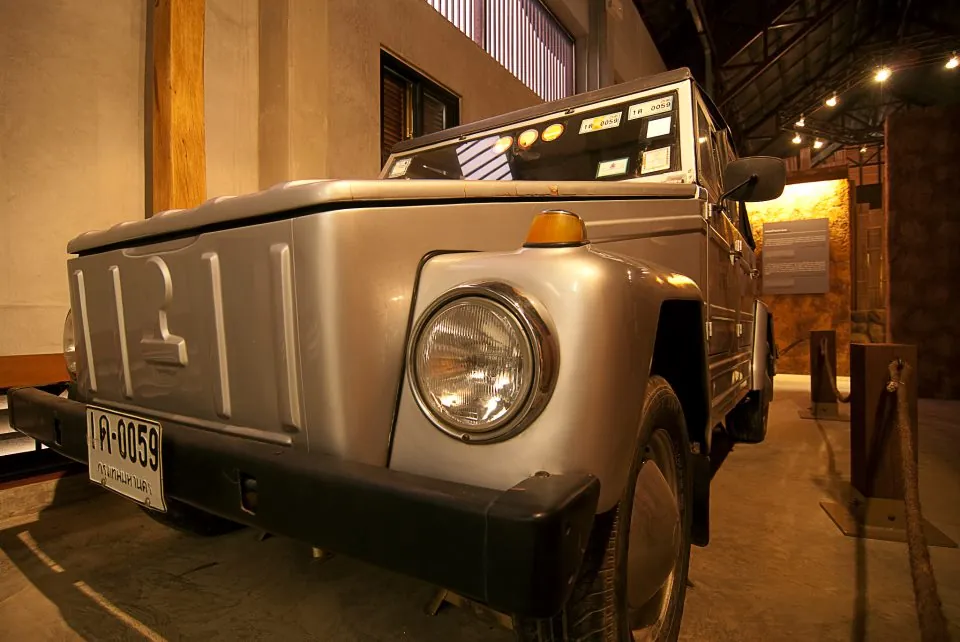
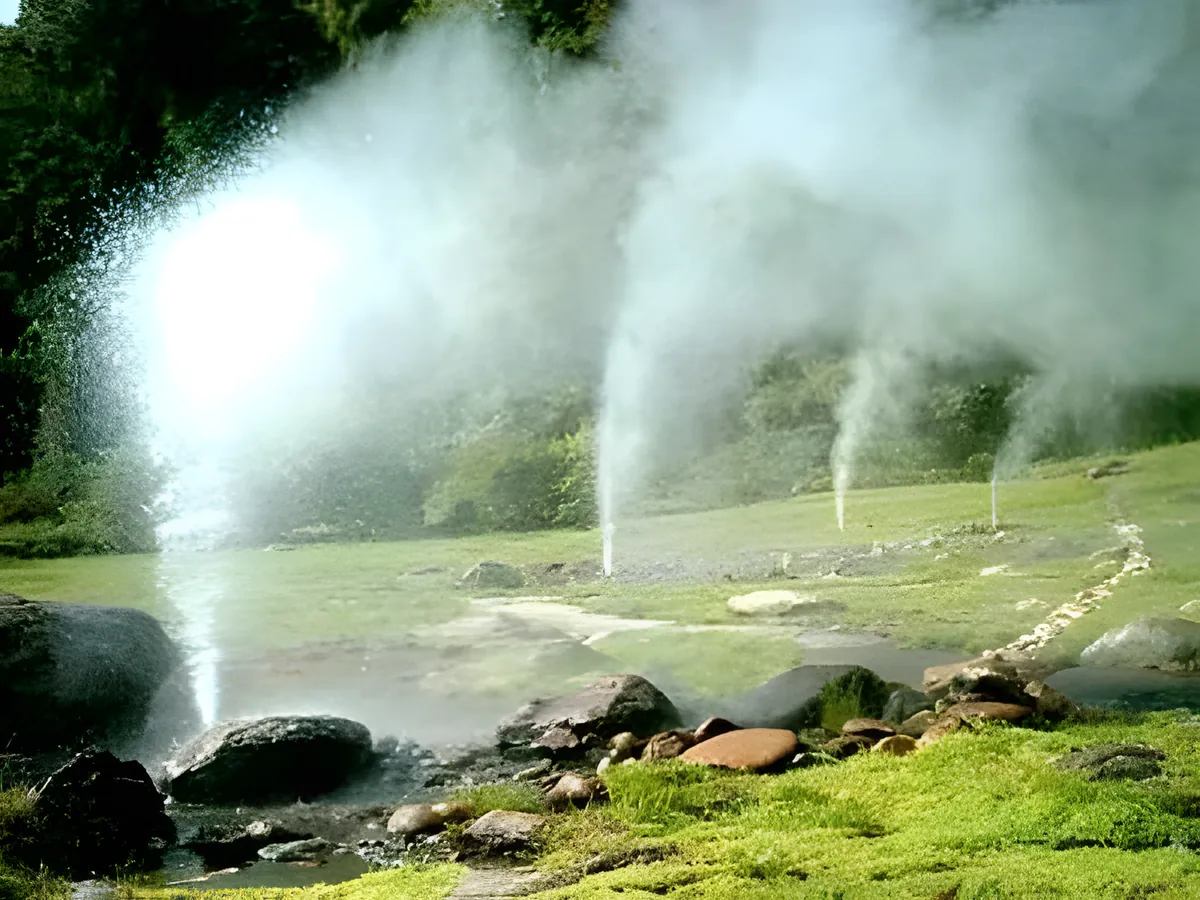
Three roads lead up from the Chiang Mai-Fang road (Route 107): via Wat Had Samran at km 137, via Chiang Dao district at km 79, or the shorter but steeper and rougher route through Nor Lae village, which has a military checkpoint and isn’t recommended for casual visitors. Public transport runs Chiang Mai-Fang buses to the Route 107 junction near Wat Had Samran, from where you’ll need a private van or motorbike taxi to climb the mountain itself — there’s no public transport up the final stretch. Down in Fang town, the First Royal Factory at Fang Museum and Fang Hot Springs make reasonable stops on the way up or down the mountain.
- Entry fee: 50 THB per person, plus 50 THB per vehicle
- Hours: Daily, approximately 08:00-17:00
- Overnight stays: Not available at the station; camping only, at nearby National Park viewpoints
- Elevation: Around 1,400 metres
- Best season: December-February for flowers and cool, clear mornings
Good to Know
Good for
Things to do
On site
Location & Directions
Fang, Chiang Mai
Fang, Thailand
Show your taxi or Grab driver
สถานีเกษตรหลวงอ่างขาง
Frequently Asked Questions
Can I still stay overnight at Doi Angkhang?
Is the Royal Agricultural Station Angkhang still open to day visitors?
Why was the station founded?
What can you actually see there?
How do you get to Doi Angkhang?
Spotted something out of date or incorrect? Let us know
Stay Near The Royal Agricultural Station Angkhang
Compare places to stay in Fang, or open the map for options closest to the attraction.