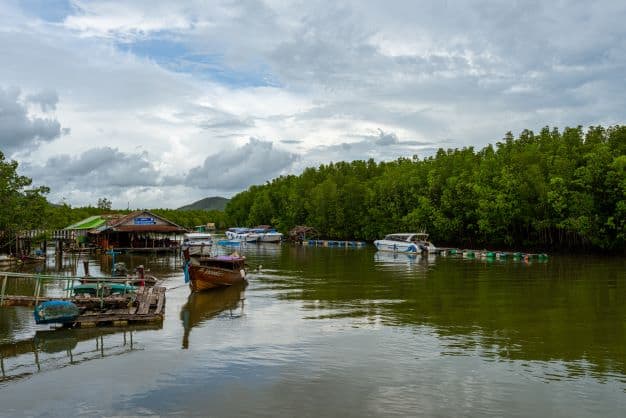
Agricultural tourism takes on new meaning at Ban Bang Rong Agricultural Conservation Tourism, where traditional Thai farming meets sustainable practices in Phuket’s quieter northeastern corner. This working farm demonstrates how agriculture and conservation can thrive together, offering visitors a genuine glimpse into rural Thai life away from the island’s busy beaches. Rather than simply observing, guests participate in authentic farming activities while learning about organic cultivation methods that have sustained local communities for generations.
Hands-on experiences define your visit here, from planting rice seedlings in muddy paddies to harvesting seasonal vegetables alongside local farmers. The aroma of fresh herbs fills the air as you explore organic gardens growing everything from lemongrass to Thai basil, while the gentle sounds of farm animals create a peaceful countryside soundtrack. Cooking demonstrations teach you to prepare traditional dishes using ingredients picked moments before, and you can try your hand at making coconut oil or learning traditional fishing techniques in the farm’s ponds. Interactive workshops cover everything from composting to natural pest control methods.
Tranquility pervades this rural escape, where the pace slows to match the natural rhythms of farm life. Children laugh as they feed chickens and collect eggs, while adults find unexpected satisfaction in simple tasks like weeding vegetable plots or learning to milk goats. The genuine warmth of local farmers, eager to share their knowledge and stories, creates meaningful cultural exchanges that feel worlds away from typical tourist attractions. Every activity connects you more deeply to Thailand’s agricultural heritage and environmental consciousness.
Morning visits work best when temperatures are cooler and farm activities are in full swing. The attraction sits about 30 minutes from central Phuket by car or motorbike, with local transport options available from nearby Bang Rong Pier. Bring comfortable clothes you don’t mind getting dirty, closed-toe shoes for farm work, and a hat for sun protection. This authentic cultural experience offers valuable perspective on sustainable living while supporting local farming communities through meaningful tourism.