

Sino-European Architecture Building
ตึกโบราณสถาปัตยกรรมแบบชิโน-ยูโรเปียน
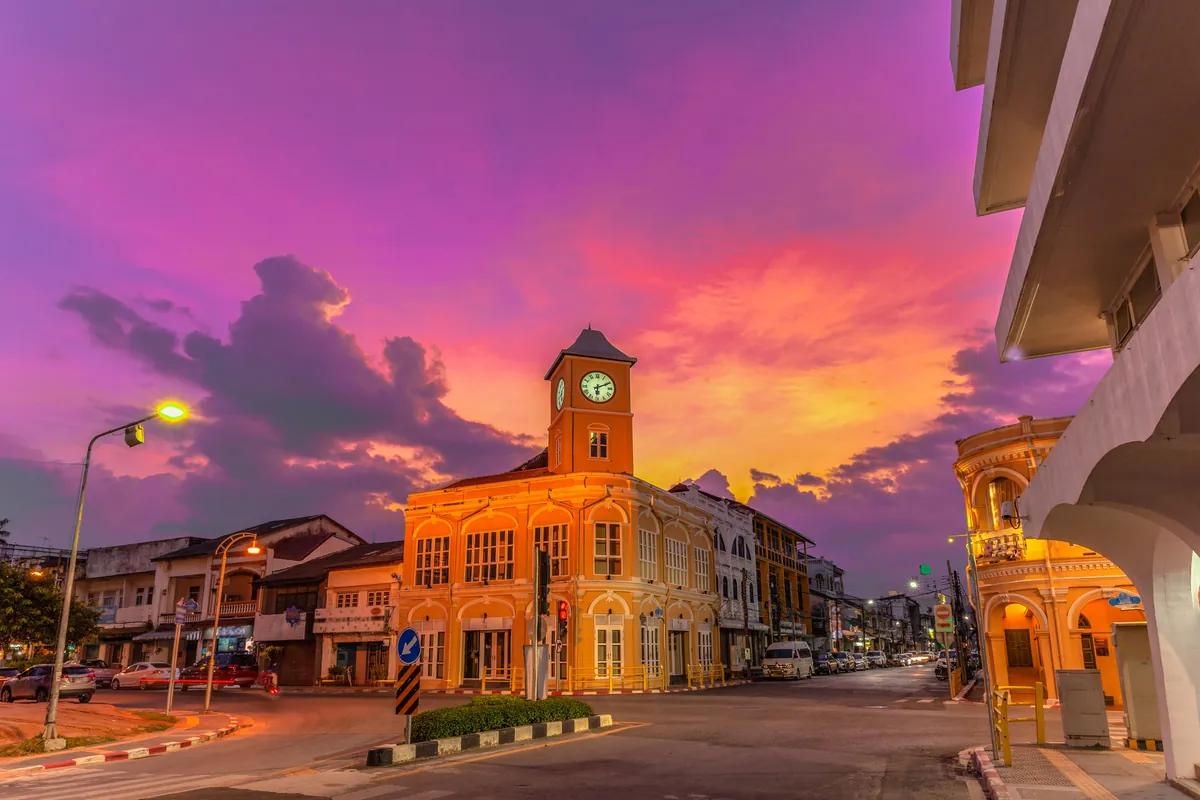
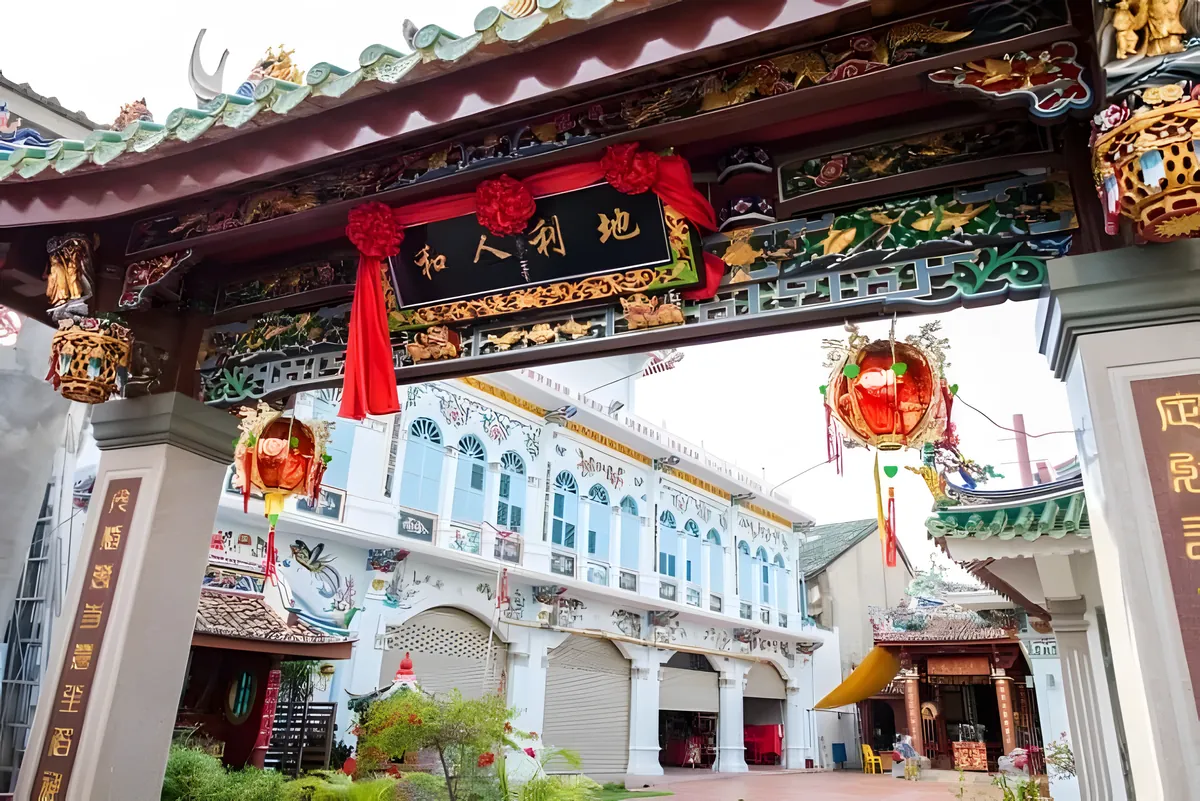
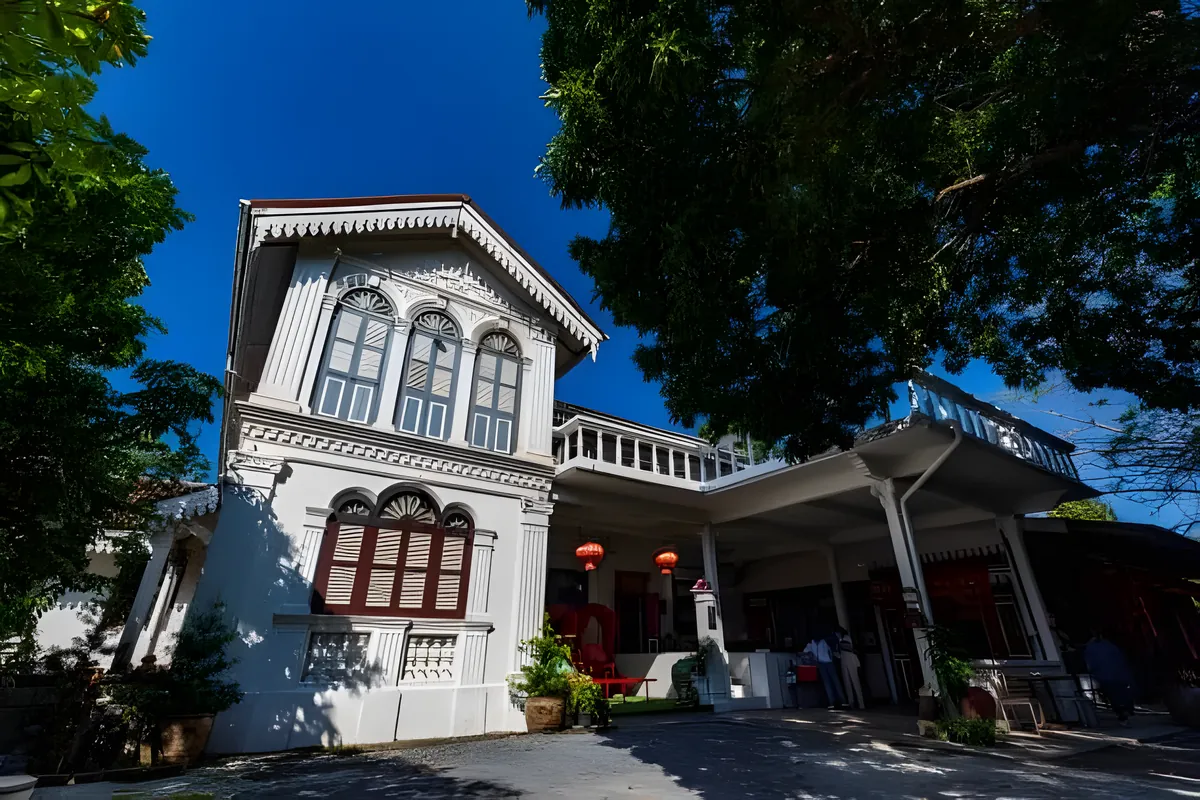
Phuket Old Town preserves one of Southeast Asia’s largest concentrations of Sino-Portuguese shophouses and mansions, built during the island’s tin-mining boom from the late 1800s through the 1930s. Locally the style is often called “Sino-European” — Chinese floor plans and roof forms fused with European arches, shuttered windows and stucco facades, brought in by Hokkien Chinese builders working alongside Portuguese-influenced traders and colonial-era mining firms.
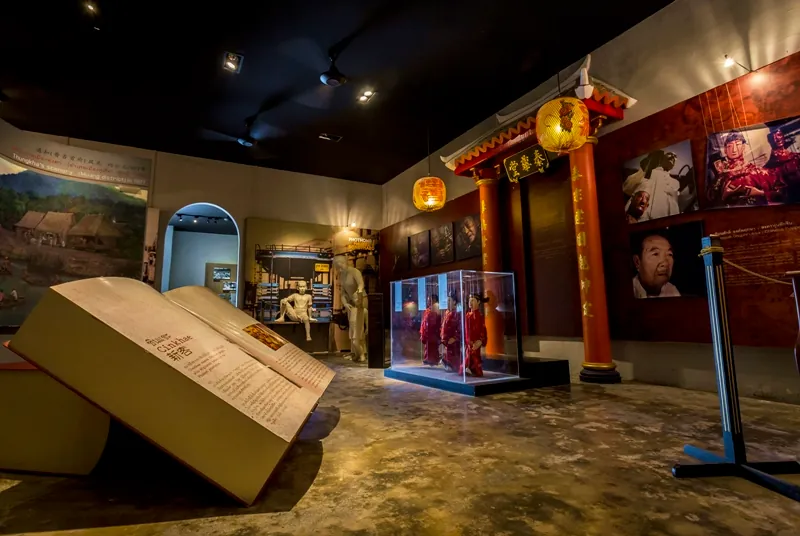
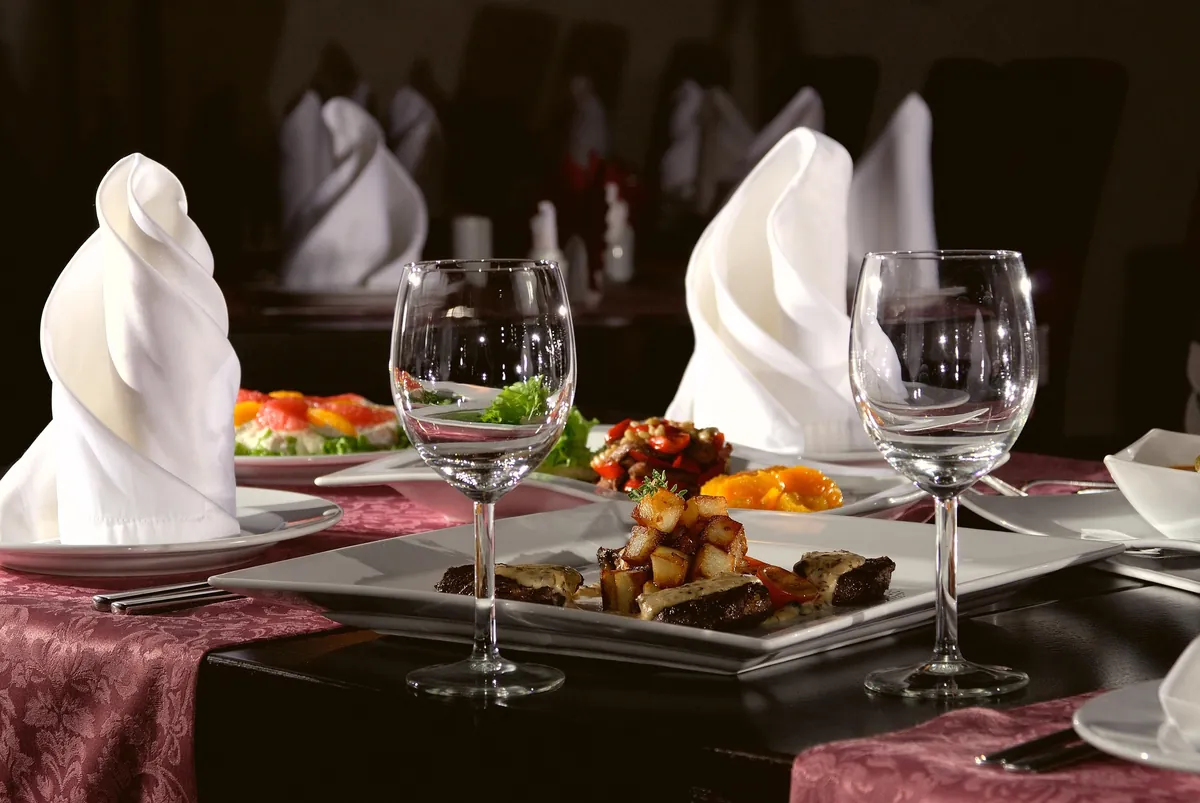
The best-preserved stretches run along Thalang, Dibuk, Phang Nga, Yaowarat and Krabi roads, plus the narrower Soi Romanee just off Thalang. Individual buildings are worth the detour: the Blue Elephant restaurant occupies the 1903 Phra Pitak Chinpracha mansion on Krabi Road, built by tin baron Phra Pitak Chinpracha and now a fine-dining venue inside restored teak-shuttered rooms. The Memory at On On Hotel on Phang Nga Road opened in 1929, built by craftsmen brought over from Penang, and later appeared in the opening scenes of the 2000 film The Beach. Other former mansions now house the Thai Hua Museum, a converted 1934 Chinese-language school, and municipal offices — many of the grandest buildings are still in everyday use as banks, the provincial court and government offices rather than roped-off museum pieces.
Morning is the best time to walk it — before 9 AM the light is soft, the streets are quiet enough to actually see the facades, and shopkeepers are still setting up rather than competing for pavement space with tour groups. Insider Tip: duck down Soi Romanee even if you skip everything else — it’s one lane, lined solidly with shuttered two-storey shophouses, and gets a fraction of Thalang Road’s foot traffic.
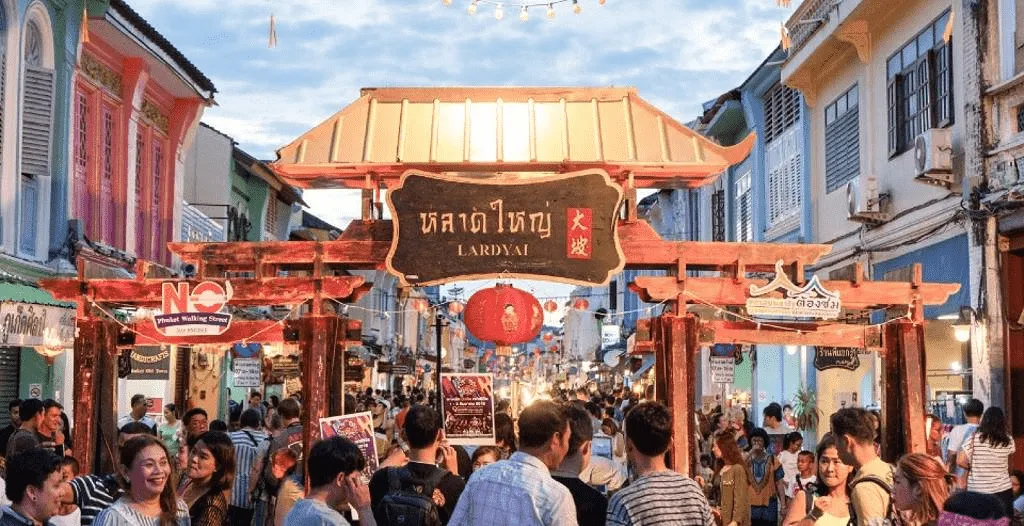
The old town is compact enough to cover on foot in a couple of hours, with the conservation streets sitting within about a 30-minute walking radius of each other. There’s no fee and no fixed hours — this is a living neighbourhood, not a ticketed site, so buildings function as shops, offices and homes on their own schedules. Watch out: many of the photogenic shopfronts are private residences or working businesses — ask before photographing anyone at their door. Pair a walk here with Phuket Town’s food stalls and weekend Sunday Walking Street market for the fullest picture of the old town.
- Entry fee: Free — it’s a neighbourhood, not a ticketed site
- Hours: No fixed hours; individual buildings (museums, cafes) keep their own
- Best streets: Thalang, Dibuk, Phang Nga, Yaowarat, Krabi roads and Soi Romanee
- Landmark buildings: Blue Elephant restaurant (1903 Chinpracha mansion), The Memory at On On Hotel (1929)
- Getting there: Central Phuket Town, walkable from the old town’s main junctions
Location & Directions
Mueang Phuket, Phuket
Phuket Town, Thailand
Show your taxi or Grab driver
ตึกโบราณสถาปัตยกรรมแบบชิโน-ยูโรเปียน
Within Walking Distance




Frequently Asked Questions
Is there an entry fee for Phuket's Sino-European architecture buildings?
What's the difference between "Sino-Portuguese" and "Sino-European"?
Which streets have the best-preserved buildings?
Can I go inside any of the buildings?
How long does it take to see Phuket Old Town on foot?
Spotted something out of date or incorrect? Let us know
Stay Near Sino-European Architecture Building
Compare places to stay in Phuket Town, or open the map for options closest to the attraction.