






Thailand is one of the most family-friendly destinations in Southeast Asia, warm, relatively affordable, and genuinely welcoming to children of all ages. Whether it’s sightseeing in Bangkok, snorkelling off Koh Samui, or spotting elephants in a responsible sanctuary up north, parents have real options here. This guide covers accommodation, activities, food, transport, and beaches to help you plan a holiday that works for everyone.
Quick answer
Thailand is good for families when you slow the route down. Phuket, Koh Samui, and Krabi work for beach resorts and pools (for the 5-star end, see luxury hotels in Phuket and luxury hotels on Koh Samui); Chiang Mai is better for culture, food, nature, and shorter transfers; Bangkok is best as a short city stop rather than a packed week with small children.
| Best for | Where to start | Why it works | Main tradeoff |
|---|---|---|---|
| First family beach trip | Phuket or Koh Samui | Resorts, pools, restaurants, and easy tours | Popular areas cost more in school holidays |
| Culture and nature | Chiang Mai | Temples, markets, cooking classes, and ethical animal visits | No beach |
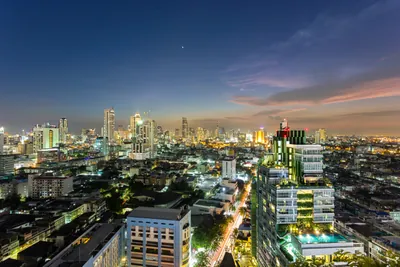
| Short city stop | Bangkok | Malls, parks, river boats, food, and flight connections | Heat and traffic tire children quickly |
| Quieter island time | Koh Lanta or Khao Lak | Slower pace and family resorts | Fewer big attractions nearby |
How we picked these family options
We focused on the decisions parents feel every day: room layout, pool safety, transfer length, food flexibility, heat, road crossings, and whether activities fit the age of the child. We avoided animal attractions that depend on riding or performances and kept the advice practical for first-time Thailand trips.
How to choose
Choose fewer bases and easier days. A resort near food and transport usually beats a prettier hotel that adds a taxi ride to every meal.
Accommodation
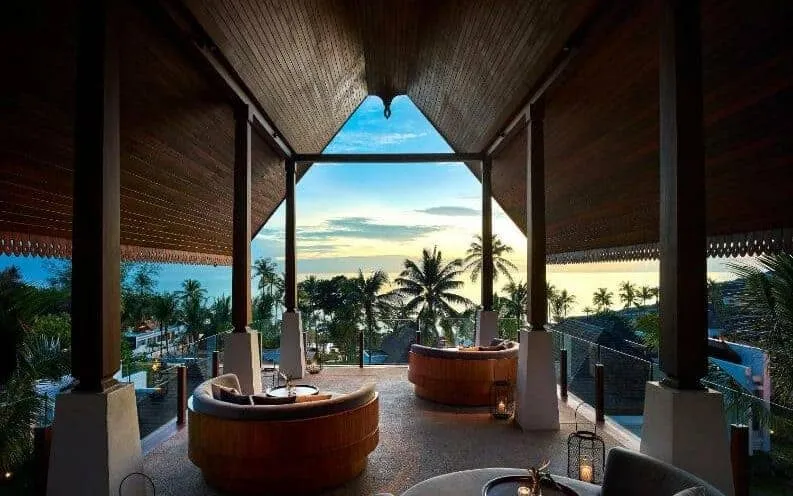
Hotels and resorts are the easiest choice when you want pools, restaurants, and children’s facilities in one place. Larger resorts may bundle some meals and activities, but inclusions vary by rate. Villas and apartments can work better for longer stays because a kitchen, washing machine, and separate bedrooms make family routines easier.
No matter what type of accommodation you choose, it is important to do your research before booking to ensure that it meets your family’s needs. You can look into reviews online to get an idea of the quality of service offered by different hotels or resorts before making a decision. It is also wise to compare prices between different providers so that you can find the best deal possible for your budget. If you are traveling during peak season then book early in order to avoid disappointment – this is especially true if you are looking for villas or apartments since these tend to fill up quickly due to their limited availability. Booking.com is a good place to compare: search Koh Samui or Phuket and filter for family rooms.
We’ve researched the best hotels for families with kids here:
Activities
Thailand has plenty for children, but the best family days are usually simple: one main activity, a pool break, and easy food nearby.
Sightseeing tours: The Grand Palace in Bangkok and Ayutthaya Historical Park work better with a guide who can shorten the day, explain the context, and build in shade stops. For small children, avoid all-day temple circuits in peak heat.
Cultural experiences: Cooking classes, temple visits, markets, and Muay Thai lessons can be good family activities when the provider is used to children. For animal encounters, choose observation-focused sanctuaries and avoid riding, performances, or close-contact photo sessions.
Outdoor adventures: Snorkelling, kayaking, short hikes, and island boat trips can work well with older children. Check life jackets, sea conditions, transfer time, and the operator’s safety record before booking.
Water sports: Keep water activities age-appropriate. Calm bays, supervised pools, and short kayak trips are easier with younger children than open-water snorkelling or long speedboat days.
Before booking, check the activity length, transport time, safety equipment, cancellation policy, and whether the guide can adapt the pace for children.
Book Family-Friendly Tours
Food & Drink
Food is one of the easiest parts of travelling Thailand with children, as long as you keep spice levels, hygiene, and timing in mind. Street stalls, mall food courts, resort restaurants, and night markets all work for different budgets.
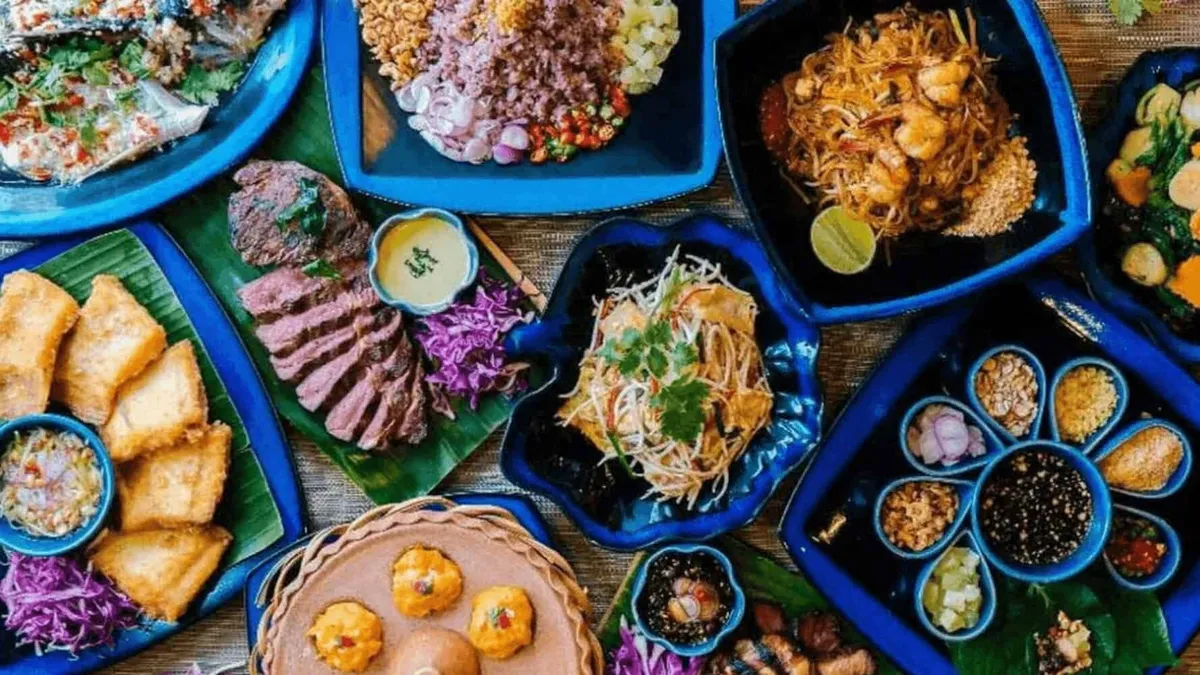
Street Food: Street food is an integral part of Thai culture and can be found all over the country. It’s usually very cheap, delicious and freshly prepared with local ingredients. Popular dishes include Pad Thai (stir-fried noodles), Tom Yum Goong (spicy shrimp soup) and Khao Pad (fried rice). For those traveling with kids, it’s important to ensure that the food is cooked properly before eating as some dishes may contain raw or undercooked ingredients which could pose a health risk.
Restaurants: There are plenty of restaurants in Thailand offering international cuisine as well as traditional Thai dishes such as Som Tam (green papaya salad), Gaeng Daeng (red curry) and Ka Nom Jeen Nam Ya (fish noodle curry). Many family-friendly restaurants offer kid-friendly menus with smaller portions at discounted prices so you don’t have to worry about your children going hungry.
Cafes: Cafes are becoming increasingly popular in Thailand due to their relaxed atmosphere, affordable prices and wide selection of drinks such as coffee, tea, smoothies and juices. They also serve snacks like sandwiches, cakes and pastries which make them ideal for families travelling on a budget who want something quick but tasty.
Hygiene: Choose food that has been cooked thoroughly and is served hot. At buffets, hot dishes should still be steaming and cold dishes should be properly chilled. Wash hands before eating, use a safe source of drinking water, and avoid food that has been sitting at room temperature. Gloves and fresh juice are not reliable signs that food has been handled safely.
For local food without too much friction, start with grilled skewers, fried rice, noodle soups, fruit, pancakes, and mild curries. Night markets in Bangkok and the Chiang Mai Sunday Walking Street are useful because everyone can choose separately and you are not locked into a long restaurant meal.
For younger children, carry snacks and water on transfer days. Ask for dishes “mai phet” if you need them not spicy, and choose busy stalls where food is cooked fresh.
Transportation
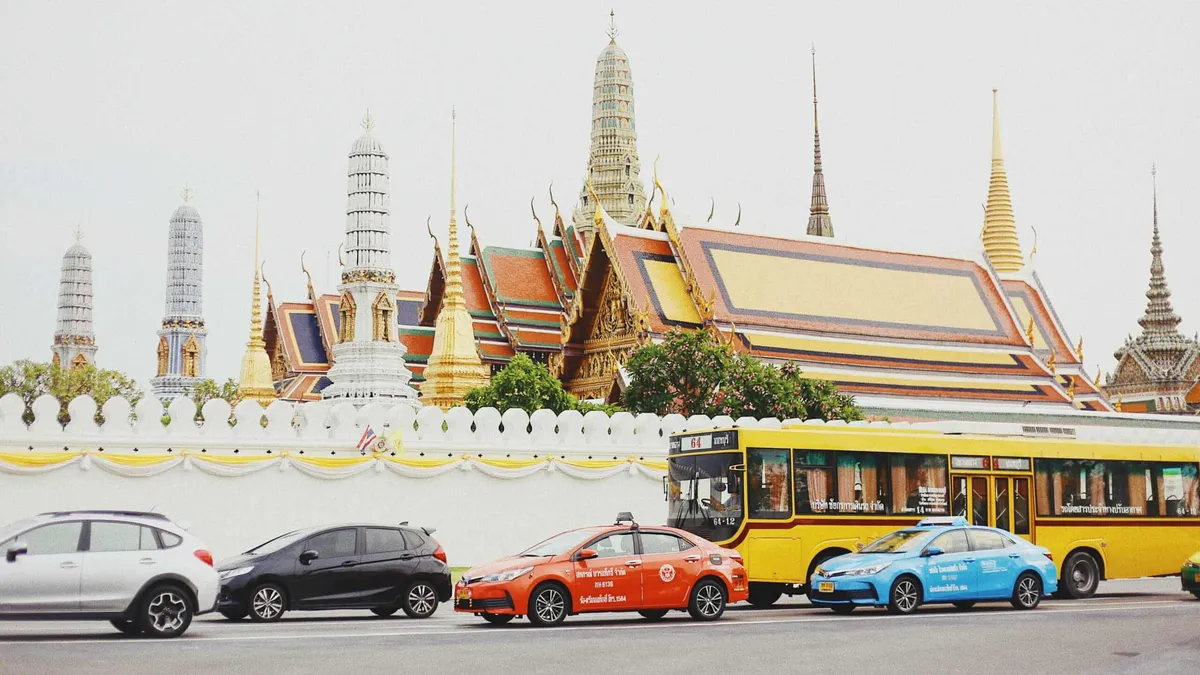
Public transportation in Thailand ranges from Bangkok city buses to intercity coaches, so fares and safety standards vary by route and operator. Check the specific service rather than relying on a nationwide price estimate. With young children, pre-book a vehicle with an appropriate child seat or bring a suitable restraint; do not assume a taxi will carry one.
Trains can make overnight or long-distance journeys easier, but the fare depends on route, train type, and seat or sleeper class. Check the current timetable and class options for the journey you are considering, and leave extra time before a flight or ferry connection.
Rental cars give you more control over stops and luggage, particularly outside Bangkok. Rental-company age rules vary. Drivers need a licence accepted in Thailand, such as an eligible domestic licence or an International Driving Permit, and should confirm that the rental includes valid insurance.
Safety matters more than the cheapest fare. Use seatbelts when available, avoid overloaded boats or vans, keep transfers short on arrival days, and confirm pickup points before you leave the hotel. If a route involves a ferry, late-night arrival, or mountain road, pay for the option that gives your family more margin.
Shopping
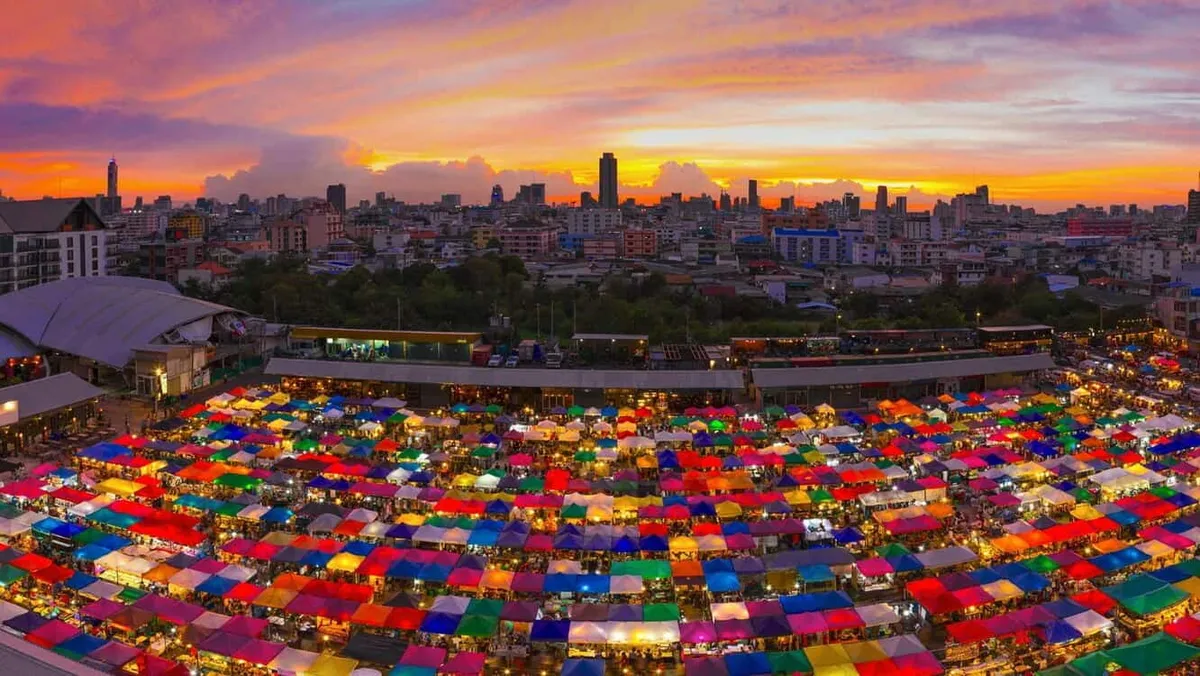
Shopping can be a useful break from heat, especially in Bangkok and Chiang Mai. Mix air-conditioned malls with short market visits rather than dragging children through a full afternoon of bargaining.
For those looking for more traditional shopping experiences, malls such as Central World Plaza or Siam Paragon offer a wide variety of stores from international brands like H&M and Uniqlo to Thai fashion labels like Greyhound and Fly Now. If you’re after something special, head over to one of Bangkok’s many boutique stores where you can find handmade jewelry or vintage clothing.
If you visit Chatuchak Weekend Market, go early, pick a meeting point, and treat it as a short browse rather than a mission to see every section.
Bangkok is also home to several night markets which come alive after dark with food stalls and vendors selling clothes, shoes, toys, and electronics. While these markets may not be suitable for younger children due to their late hours (most open around 6 pm), older kids will enjoy exploring this side of Bangkok life.
Floating markets such as Damnoen Saduak and Amphawa Floating Market can be fun with children, but they involve crowds, boats, heat, and early starts. Book them only if the transfer time makes sense for your family.
Beaches
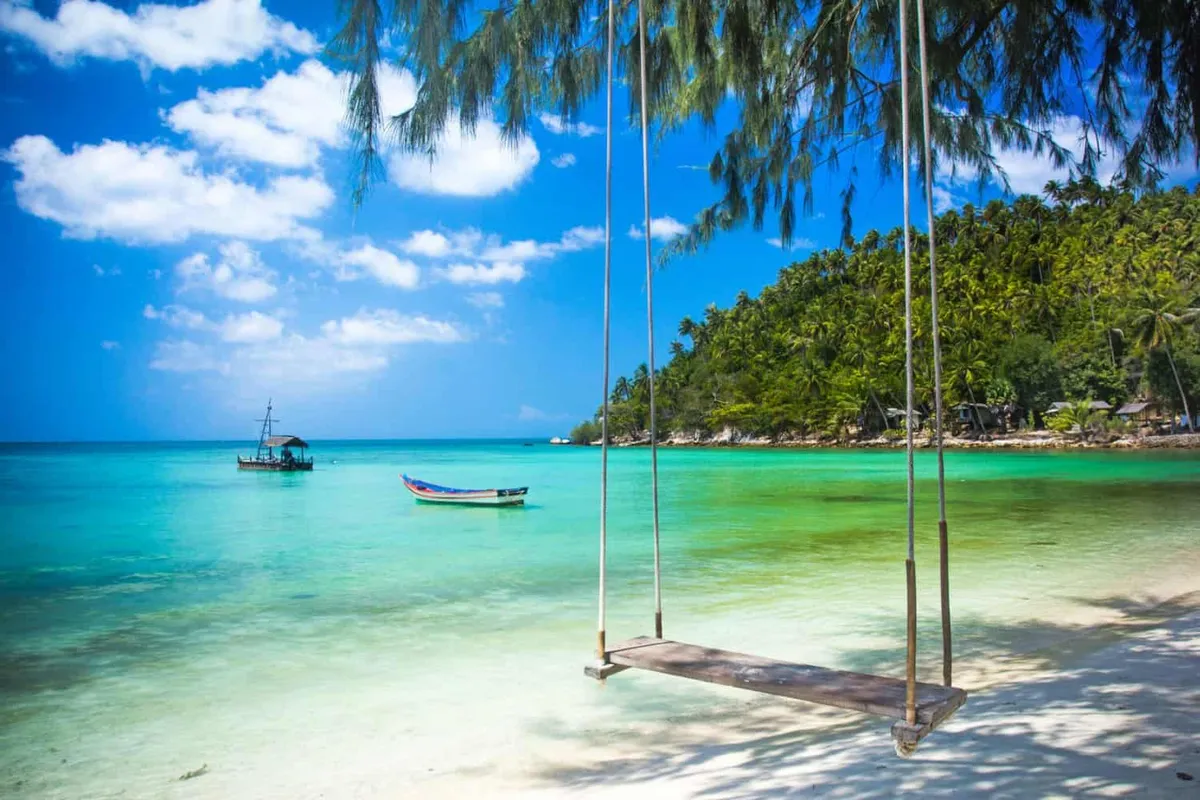
Thailand’s beaches vary a lot by island, season, and sea conditions. Powdery sand on Koh Samui, calmer bays near Khao Lak, and livelier stretches like Patong all suit different family trips.
Koh Samui: Beach conditions vary around the island and through the year. Choose a sheltered beach for younger swimmers, check the day’s flags and waves, and use a reputable operator with suitable life jackets for snorkelling or boat trips.
Phuket: Patong has restaurants, shops, and easy transport, but its busy beach and motorised water sports require care. With children, favour supervised, age-appropriate activities, use properly fitted life jackets, and check warning flags and sea conditions before entering the water.
Khao Lak: Khao Lak has long beaches, a slower resort scene, and access to snorkelling trips when sea conditions are right. It is a good choice when you want space and earlier nights rather than heavy nightlife. The large beachfront resorts here are strong for families. See luxury resorts in Khao Lak.
Hua Hin: Hua Hin combines a long beach with city restaurants and straightforward road or rail access from Bangkok. Swimming and water sports depend on the beach section, wind, and daily conditions, so check locally before hiring equipment.
Browse family-friendly hotels in Hua Hin
Ao Nang Beach, close to Krabi Town, works well if you want easy restaurants, island tours, and day trips without staying somewhere remote.
Tips For Traveling With Kids
When traveling with kids, it’s important to plan ahead and be prepared. Set up an eSIM before you fly so you have maps, translation apps, and emergency contacts ready from the moment you land. Here are some tips for making your trip to Thailand as enjoyable and stress-free as possible:
Accommodation: Book a family-friendly hotel or resort that offers amenities like kid-friendly pools, playgrounds, babysitting services, etc. Consider staying in an area close to attractions so you don’t have to travel too far each day.
Activities: Look for activities that will keep the whole family entertained such as visiting national parks or zoos, going on boat rides or taking cooking classes together. Research local festivals and events that may be of interest to your children.
Food & Drink: Try out different types of food from street vendors and restaurants but make sure they are safe for young children. Bring snacks along with you when sightseeing since there may not always be places nearby where you can buy food quickly if needed.
Transportation: Depending on how long your stay is in Thailand, consider renting a car or van if travelling with more than one child so everyone has enough space during longer trips between destinations. Make sure the vehicle is equipped with car seats if necessary according to local laws and regulations.
Shopping: Compare prices before buying souvenirs. Negotiate politely at independent stalls where prices are not fixed, but do not haggle in ordinary shops, restaurants, or clearly fixed-price stalls.
Beaches: Supervise children whenever they are in or near water, even where a lifeguard is present. Obey warning flags, use properly fitted life jackets for boats and open-water activities, and seek shade between 10:00 and 16:00. Pack protective clothing and age-appropriate sunscreen, and reapply it after swimming.
Animals: Do not let children touch unfamiliar dogs, monkeys, bats, or other animals. If a child is bitten or scratched, wash the wound thoroughly with soap and clean water and seek medical care promptly because rabies treatment is time-sensitive.
Plan ahead around the things that cause friction: room setup, pool safety, transfer length, medical access, food options, and what you will do in the hottest part of the day.
Conclusion
Thailand works best for families who plan fewer stops and leave space for heat, naps, pool time, and slower meals. Pick a base with the right room layout and easy food nearby, then add activities that fit your children’s ages rather than trying to cover the whole country in one trip.