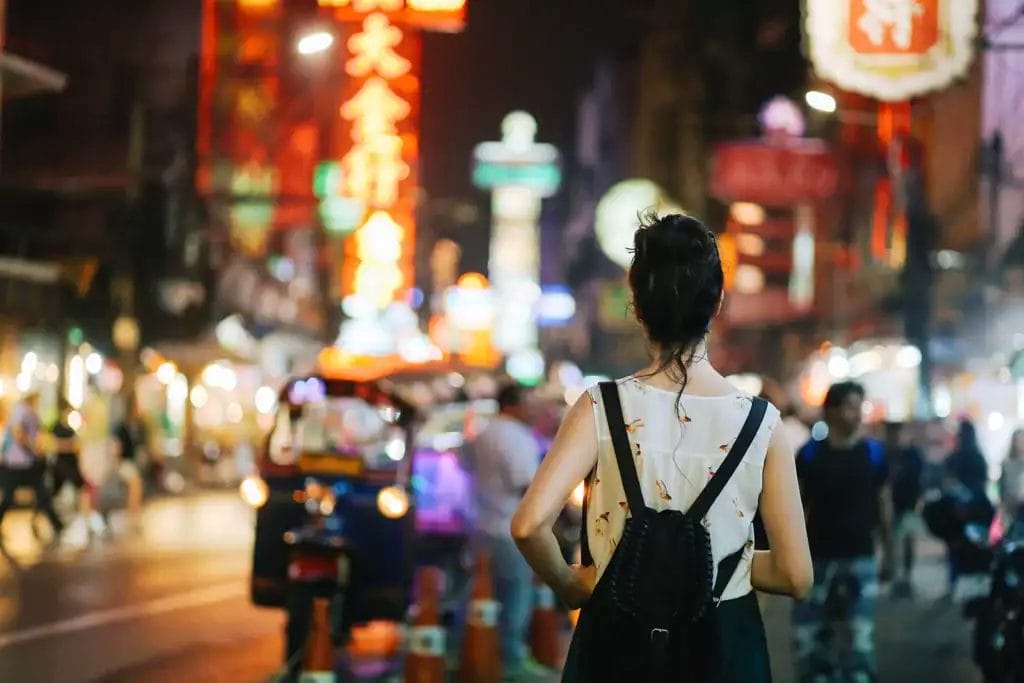
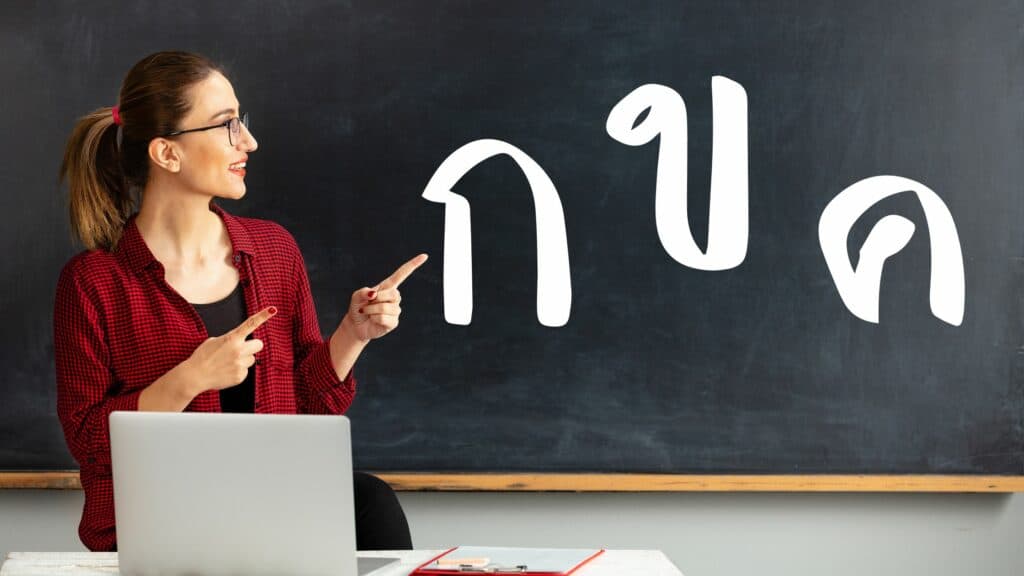
Songkran is Thailand’s biggest party — three days of citywide water fights, temple ceremonies, and street food that turns the entire country into a celebration. Every April 13-15, the Thai New Year transforms Bangkok’s Silom Road, Chiang Mai’s Old City, and Pattaya’s beachfront into soaking-wet battlegrounds where strangers become friends through the universal language of water guns and ice buckets.
The festival dates back centuries, rooted in the Sanskrit word Sankranti (astrological passage). What began as a gentle water-pouring ritual to cleanse bad luck and pay respect to elders has evolved into the world’s largest water fight — while the sacred traditions continue at every temple in the country.
Key Facts: Songkran 2026
- Dates: April 13-15, 2026 (public holidays). Some locations celebrate April 12-19.
- What: Thai New Year — water fights, temple ceremonies, family reunions
- Where: Nationwide. Best celebrations in Bangkok, Chiang Mai, and Pattaya
- Cost: Free (street celebrations). Some ticketed events like S2O Songkran Music Festival from 2,500 THB.
- Best for: Everyone — families, backpackers, couples, solo travellers
- What to bring: Waterproof phone pouch, quick-dry clothes, reef-safe sunscreen
The water festival is another name for the Songkran Festival. It honors water as a tradition for cleansing negativity from the previous year. During Songkran, people participate in a customary water-pouring ritual representing cleansing bad luck and misdeeds from one’s life. Some people also include plants in the ceremonial water.
The celebration of water is pertinent on many levels of the event since April is the warmest month of the year. Thailand Songkran festival is sometimes observed differently than in the past, though. The nation goes to the streets in major cities. Numerous street parties and water battles take place in cities like Bangkok.
Offices and banks are closed for three days because it is a national holiday. Many individuals use this as an excuse to travel and see their family. The Thai people engage in additional significant events throughout this week in addition to customary water rites and public celebrations. A lot of people will use this opportunity to visit their local temple. Some people could also clean their homes in the spring each year.

Many families get up early on the second day of Songkran to participate in customary Buddhist ceremonies. They provide Buddhist monks with alms. They also participate in a practice known as “bathing the Buddha image,” in which devoted adherents wash the Buddha images at their residences and local temples.
Three Days of Songkran Festival
1st Day: Song Nam Phra (‘Pouring Water on Monks’) is the day’s highlight, with massive water fights with water guns throughout the day and nationwide processions featuring Buddha images.
2nd Day: The second day is called Wan Nao, and it is Thailand’s New Year’s Eve. This day is also their National Family Day, and everyone is encouraged to spend time with their families.
3rd Day: The third day begins the Thai New Year. It is also called Wan Payawan, which means Bathing Buddha. It is a fun day with water fights, concerts, street foods, and many other fun activities.
Activities During the Songkran Festival
Songkran festival offers interesting activities for locals and tourists to enjoy. Here are some of them:
Water Splashing

Water fights are a significant component of the Songkran Festival. Splashing one another with water or by using water guns is an excellent method to stay cool during Thailand’s warmest month of April. Large groups assemble to “battle” with water using pipes, buckets, and water pistols on streets that have been blocked to traffic and turned into arenas. Thai people are fond of these activities. Younger generations adore it, and foreigners are invited to participate as well!
Cleaning
Like how Chinese people clean their homes, schools, temples, workplaces, and other public spaces to greet the New Year, Thai people do the same. During the Songkran Festival, most Thai people like offering food presents to the monks at the temples and paying respects to their ancestors. After accepting the food presents, the monks impart some sound advice to them.
Merit Making
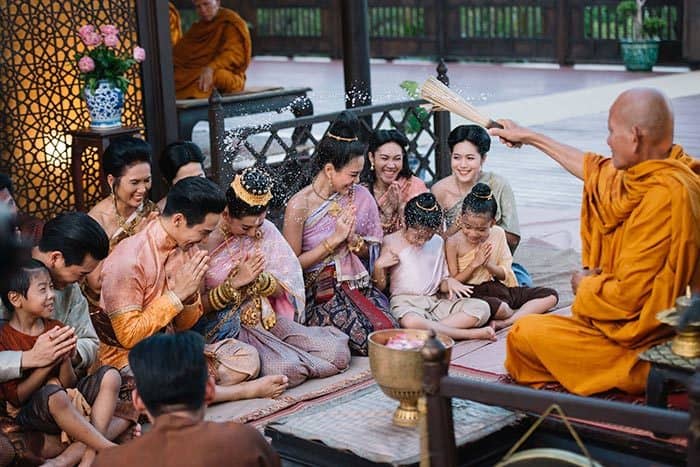
A significant component of the Songkran Festival in Thailand includes merit-making activities. After all, it is a traditional Buddhist festival. Thais visit temples to listen to Buddhist sermons from the monks while providing them with food and clothing. Preserved foods, fruits, prepared meals, and fresh monk robes are among the offerings made to the monks.
Releasing Birds and Fish
Thai people see this practice of granting freedom to living creatures as a part of their Buddhist belief that doing so will bring good fortune back to them. This includes releasing fish and birds back to their natural habitats.
Folk Performances and Games

For entertainment during Songkran, folk performances and games are planned. Street parades and Thai beauty pageant events feature traditional attire in Thailand. The Songkran Festival also features street food vendors, Thai dance performances, flag ceremonies, and boat races.
Building Sand Pagodas
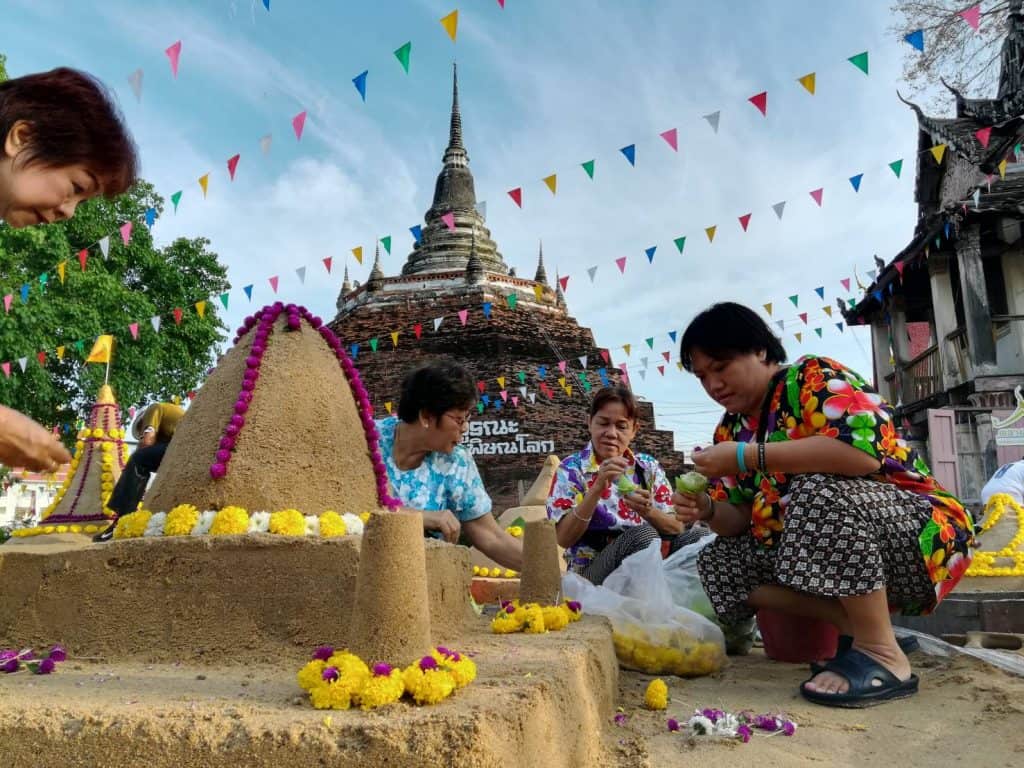
During the Songkran Festival, Thai folks carry some sand to temples to build sand pagodas. Sand pagodas can be constructed, or temples can be repaired using the sand. During Songkran Festival in Thailand, helping with temple upkeep and supporting monks generally is considered good practice.
Best Spots to Celebrate Songkran Water Festival in 2026
If you want to join Songkran celebration in Thailand, here are the best spots where you can witness Songkran water festival:
Bangkok
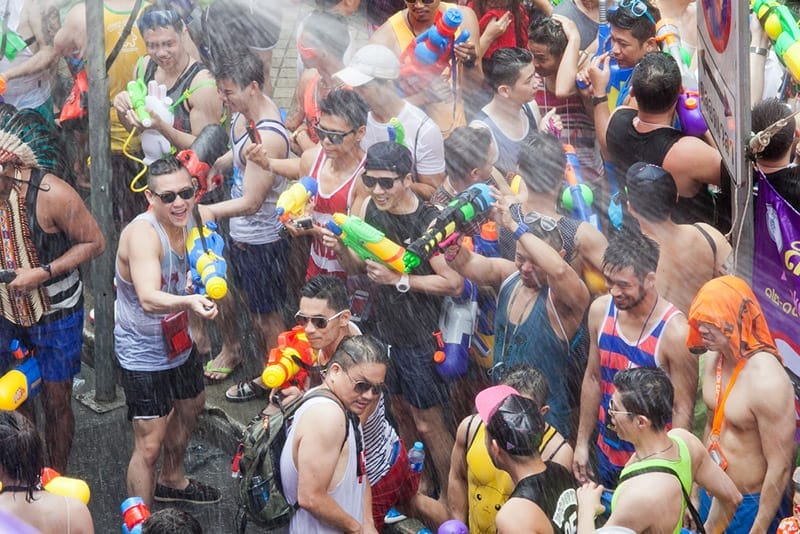
Bangkok hosts several mega water fight zones. Silom Road is the most famous — a 5 km stretch shut to traffic where thousands of people battle with water guns, buckets, and hose pipes. Khao San Road draws the backpacker crowd with foam parties and cheap beer. RCA (Royal City Avenue) hosts EDM-fuelled pool parties. For something more traditional, Sanam Luang near the Grand Palace has temple ceremonies and cultural performances.
During this festival, a statue of the Buddha is ceremonially displayed and is often paraded for people to pour water on, a symbolic act for purification and bringing good luck. Building sand pagodas and visiting temples to “make merit” are also integral parts of the celebrations.
You may participate in traditional Songkran activities by visiting the temples: people go there to give food to the monks, pay reverence to the Buddha and their ancestors, and sprinkle fragrant water on the Buddha statues to obtain virtue.
Chiang Mai

The largest Songkran celebrations happen in Chiang Mai. Water fights are everywhere in the city, so if you find yourself close to the Ping River, canals, or moat, be ready to be thoroughly drenched! The celebrations officially begin with a parade on April 12 featuring Buddha statues from temples across the city.
Buddhists travel and many people gather to a wat (a Buddhist monastery) on the 13th and 14th to pray and provide food to the monks. They use fragrant water to clean the Buddha sculptures inside their homes.
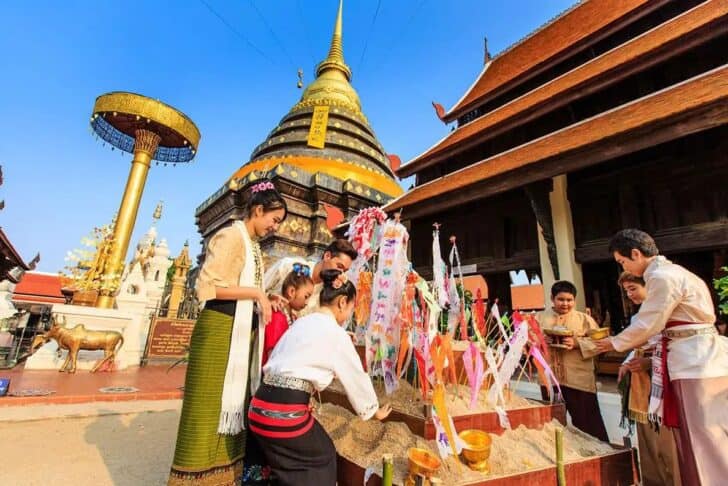
As restitution for all the sand removed from under people’s feet during the year, people bring sand to their monastery. A stupa constructed of sand is adorned with vibrant flags.
Pattaya

Pattaya, also referred to as the party capital of Thailand, hosts the country’s longest holiday celebrations. On every Pattaya beach road on the morning of April 13, the water splashing festival starts. Foam machines and live music stages are put up to draw attendees to the exciting party. Loud music is played all day long on moving pick-up trucks employed as mobile stages on the highway. Both natives and visitors rejoice during Songkran.
What to Bring
- Waterproof phone pouch: Non-negotiable. Water guns target phones specifically. A 100 THB pouch from 7-Eleven will save you a 40,000 THB repair.
- Quick-dry clothes: Wear light, fast-drying clothes you don’t mind getting soaked. Leave valuables at the hotel.
- Reef-safe sunscreen: You’ll be wet and in direct sun for hours. Reapply constantly — water washes it off.
- Waterproof bag: A dry bag for your wallet, passport copy, and hotel key card.
- Cash: 500-1,000 THB in small bills. Street food vendors and water gun sellers are cash-only.
- Sandals or water shoes: Roads are rivers. Trainers will be ruined within minutes.
Songkran Etiquette
- Monks and elders: Never splash monks, elderly people, or anyone carrying a baby. Use gentle scented water for elders — this is the original Songkran tradition.
- Motorbikes: Do not throw water at moving motorbikes. This causes accidents and fatalities every year. Songkran is Thailand’s deadliest week on the roads.
- Ice water: Throwing ice-cold water is common but consider it aggressive. Room-temperature water is traditional.
- Temples: If you visit a temple during Songkran, dress modestly (shoulders and knees covered) despite the water chaos outside.
- Photos: Ask before dousing someone holding a camera. Waterproof doesn’t mean they want to be soaked mid-shot.
Safety warning: Road accidents spike dramatically during Songkran. Avoid driving — especially motorbikes — during peak celebrations. Use Grab, Bolt, or songthaews. If you must drive, expect checkpoints and stay completely sober.
Frequently Asked Questions
When is Songkran 2026?
Songkran 2026 runs from April 13 to 15, which are official public holidays. Some cities extend celebrations — Chiang Mai typically runs April 12-16, and Pattaya celebrates into late April. Banks, government offices, and many businesses close for the official 3-day period.
Where is the best place to celebrate Songkran?
Chiang Mai has the biggest and most traditional celebrations — the moat becomes a citywide water arena. Bangkok’s Silom Road is the most famous water fight. Pattaya has the longest celebrations and the party atmosphere. For something quieter, smaller cities like Sukhothai and Ayutthaya offer traditional ceremonies without the mega-crowds.
Is Songkran safe for families?
Yes — millions of Thai families celebrate Songkran with children of all ages. Mornings tend to be gentler (temple visits, family ceremonies). The water fights intensify through the afternoon and peak by evening. For young children, stick to temple ceremonies and quieter neighbourhood celebrations. Avoid the main hotspots (Silom, Khao San Road) with very small kids — the crowds and water pressure can be overwhelming.
Can I opt out of getting wet?
Not easily. If you walk through any celebration zone, you will get soaked — no exceptions. If you genuinely want to stay dry, avoid the main streets during peak hours (11 AM-6 PM) or stay in your hotel. Taxis and Grab cars are generally not targeted, but walking, cycling, or riding in an open vehicle makes you a target. Embrace it — getting annoyed about getting wet during Songkran misses the point entirely.
What else can I do in Thailand around Songkran?
April is Thailand’s hottest month, making it ideal for beaches and islands. Combine Songkran in Chiang Mai or Bangkok with a beach extension in Koh Samui, Phuket, or Krabi. Check our events calendar for what else is happening, or browse our guide to Thai festivals for other events worth planning around.
Plan Your Songkran Trip
Songkran is Thailand at its most joyful. Whether you’re on Silom Road dodging ice buckets, making merit at a Chiang Mai temple, or dancing through Pattaya’s foam parties, the festival turns the whole country into a celebration. Book flights and accommodation 2-3 months ahead — April is peak season and everything fills up fast. Check our Thailand Events Calendar for more festivals, and our complete festivals guide for planning your trip around Thailand’s best celebrations.