








Chiang Mai
เชียงใหม่
Thailand's biggest capital in the North with many historical sites and amazing natural scenery.
- Best time
- November to February
- Smoke season
- March–April (haze, poor air quality)
- From Bangkok
- ~1 hr 15 min flight; 11–13 hrs by train
- Old city founded
- 1296, capital of the Lanna kingdom
Updated September 2026
Plan your trip
Recommended by us


Elephant Nature Park
No riding, no shows, just rescued elephants in the forest. Book weeks ahead; the day visit sells out.

Wat Chedi Luang
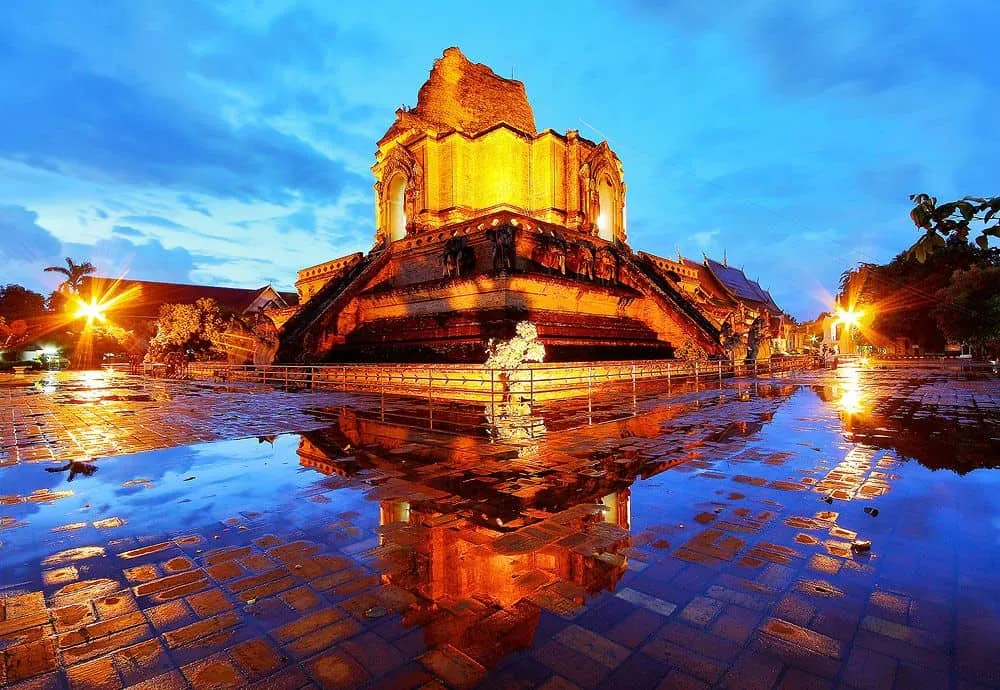
The half-ruined 600-year-old chedi in the old city. Come at 5pm when the light turns gold and the crowds thin.

Tomyumthai cooking class
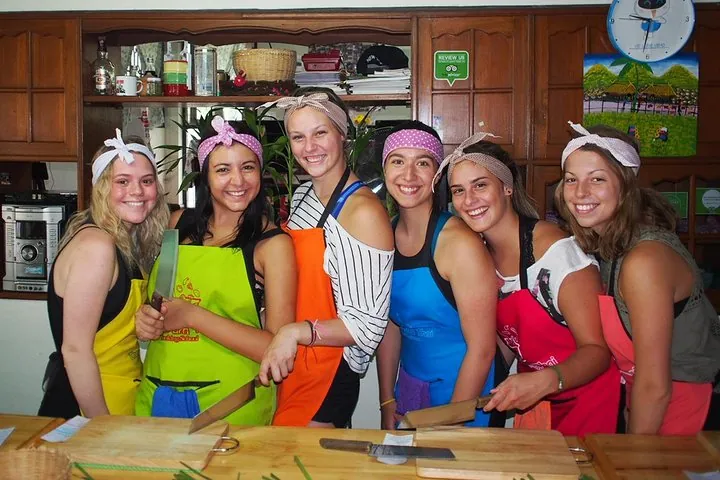
A clean 5.0 from 236 cooks. Starts at the market picking herbs, ends with khao soi you can actually recook at home.


Mama Noi cooking class
Family-run on their own organic farm: tiny groups, you pick the herbs before you cook them, and it feels more like a lesson from a relative than a class.

Doi Suthep at sunrise
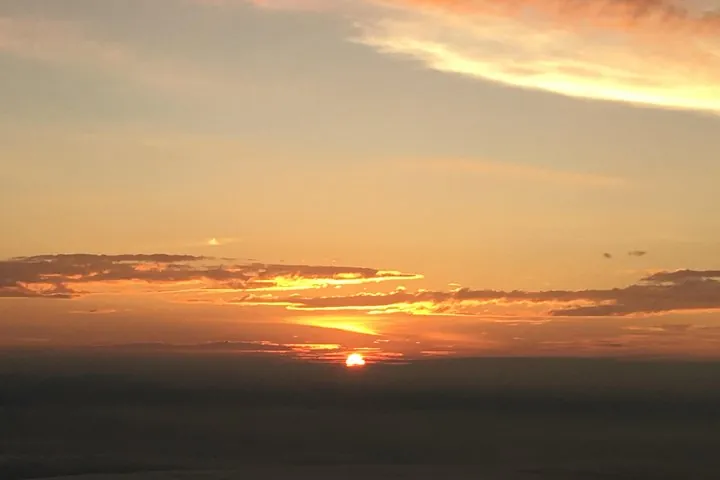
Sunrise on Doi Suthep with an ex-monk, before the vans arrive. The quiet half-hour is the bit that stays with you.

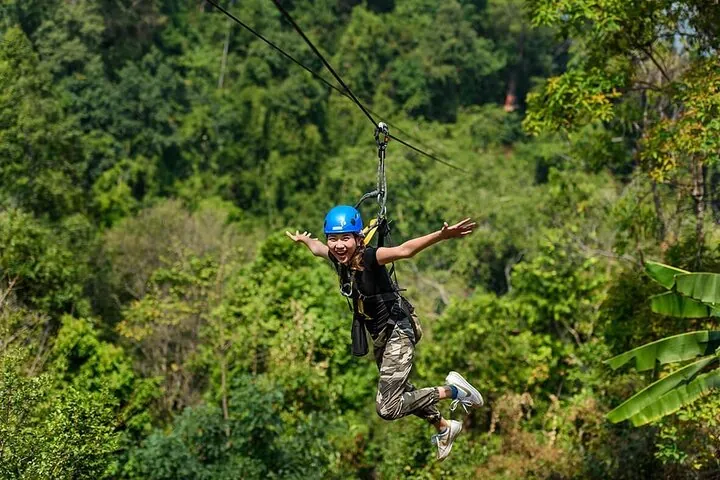
Zipline & jungle luge
The fun, slightly silly one: zipline plus a luge run through the trees. Take the kids and the nervous friend.

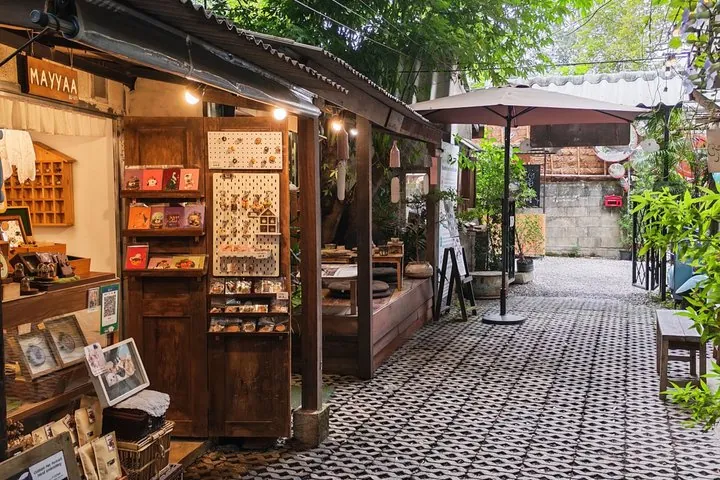
Ban Kang Wat artisan village
A little courtyard of makers off the tourist track: pottery, prints, slow coffee. Saturday mornings are best.

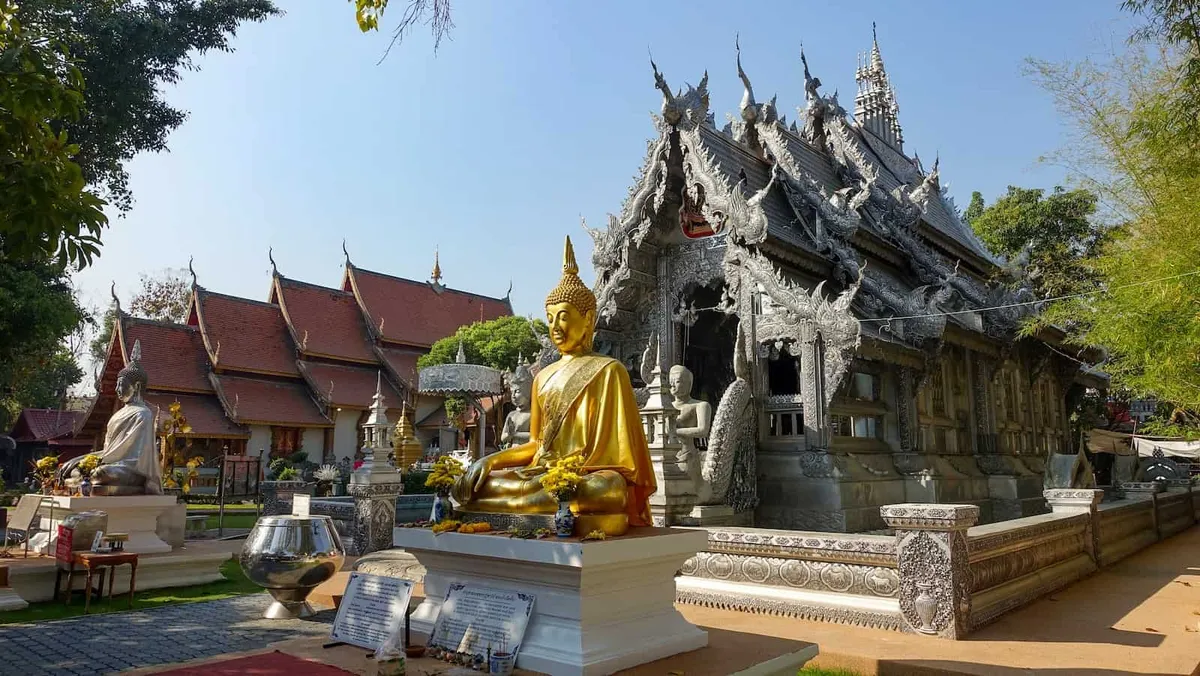
Get to Chiang Mai
The overnight sleeper train from Bangkok is the romantic way in. Book a lower berth early: they go first.

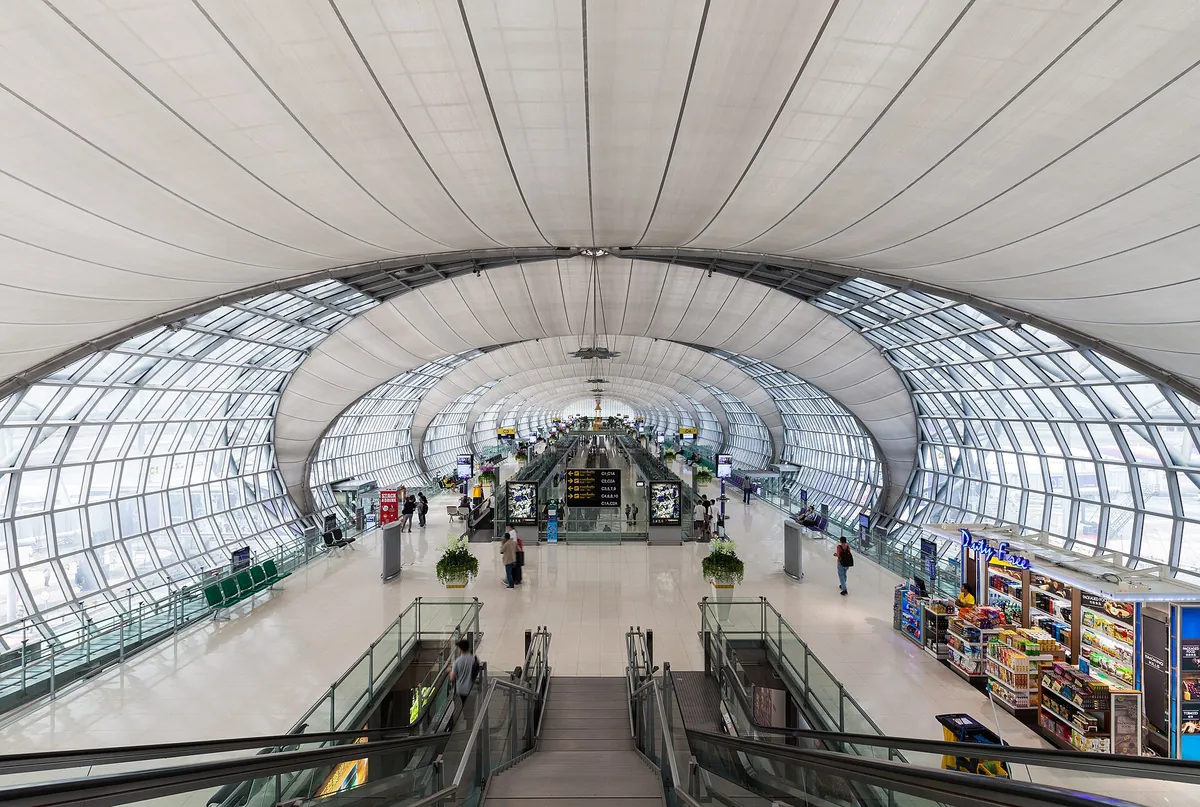
eSIM for Thailand
Land with data already working and skip the airport SIM queue. We tested six plans. Code THAIHOLIDAY saves 10%.

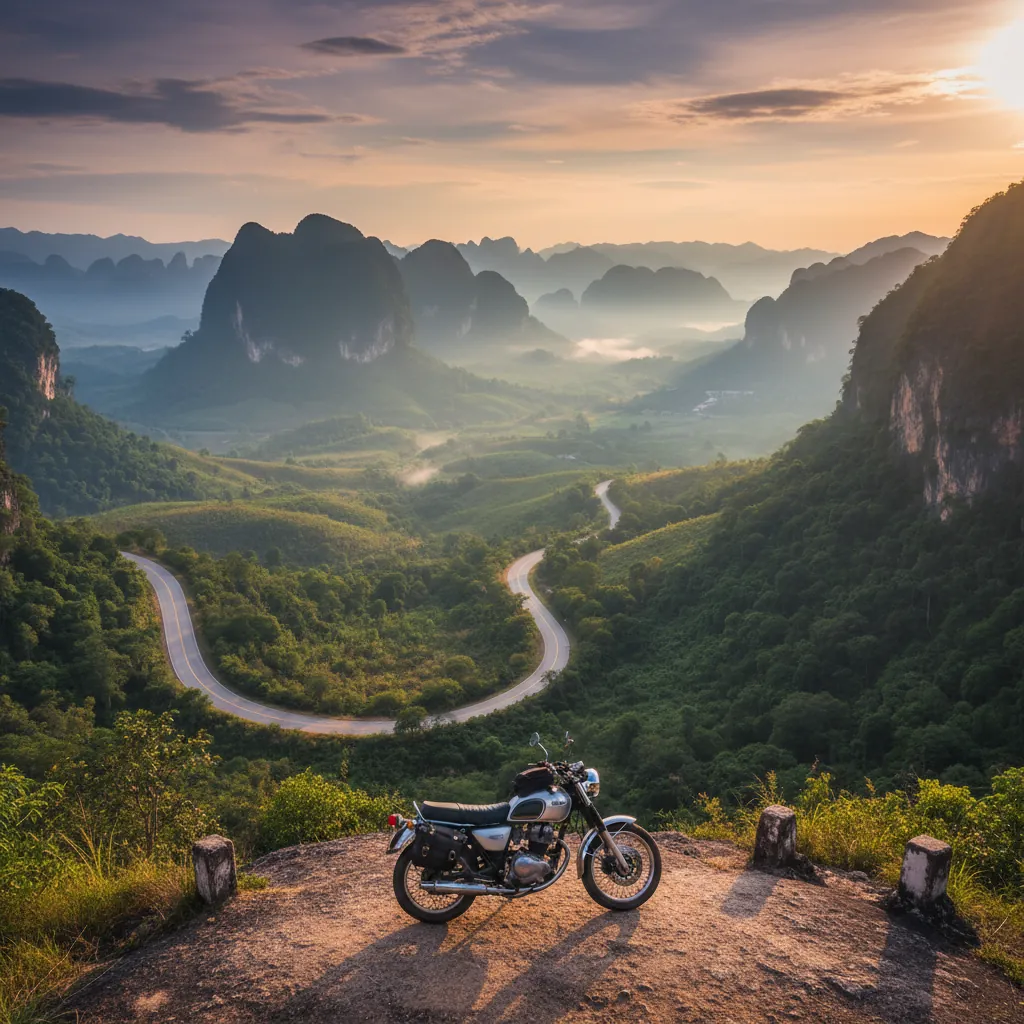
Travel insurance
Ziplines and motorbikes in the hills. Sort cover before you go, not from a hospital bed. The motorbike clause matters.
Getting to Chiang Mai
Compare buses, trains, ferries, and flights to Chiang Mai.
Wats, shrines & spiritual sites
Temples in Chiang Mai

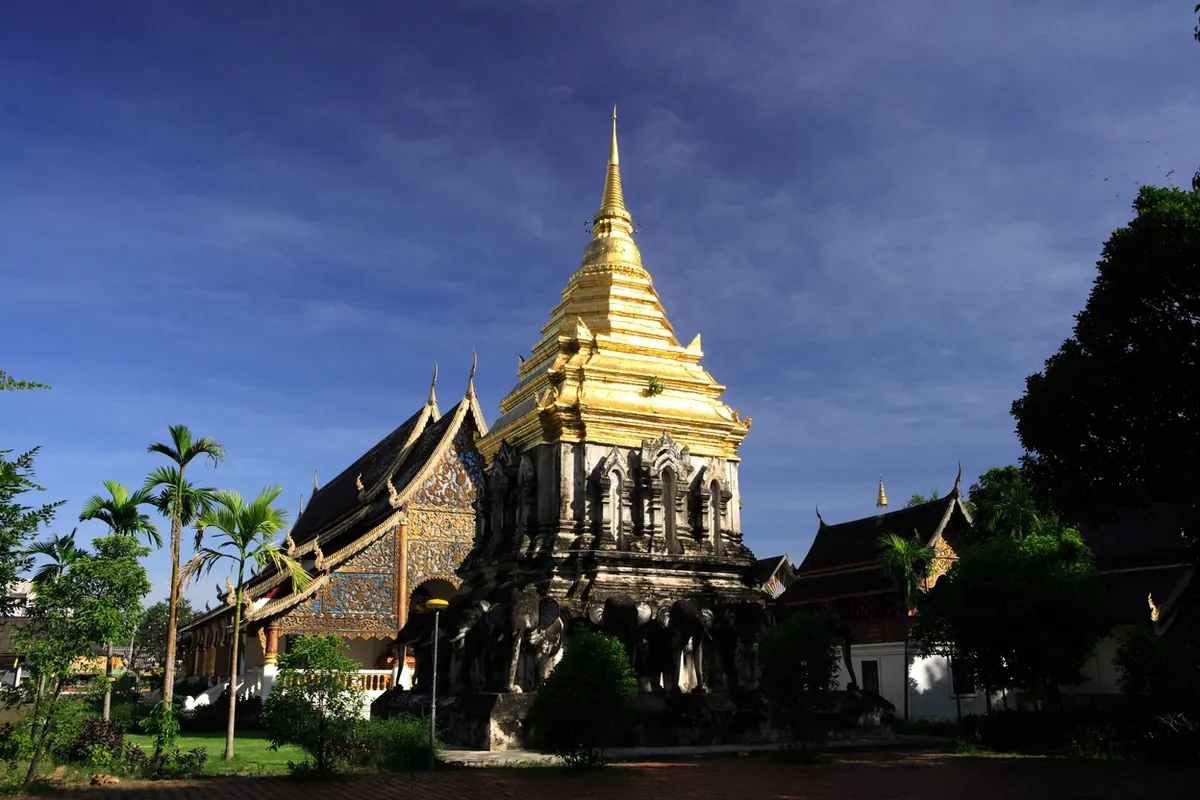
Wat Chiang Man
วัดเชียงมั่น

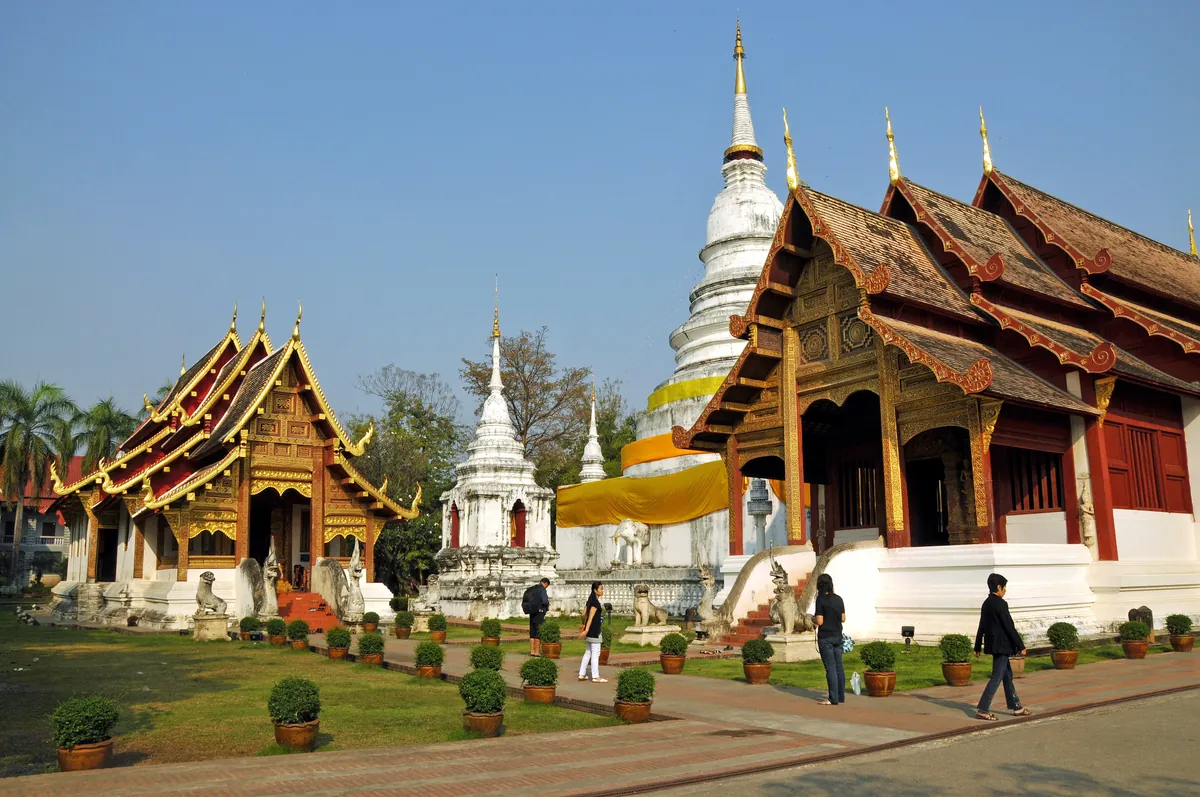
Wat Phra Singh, Chiang Mai
วัดพระสิงห์วรมหาวิหาร

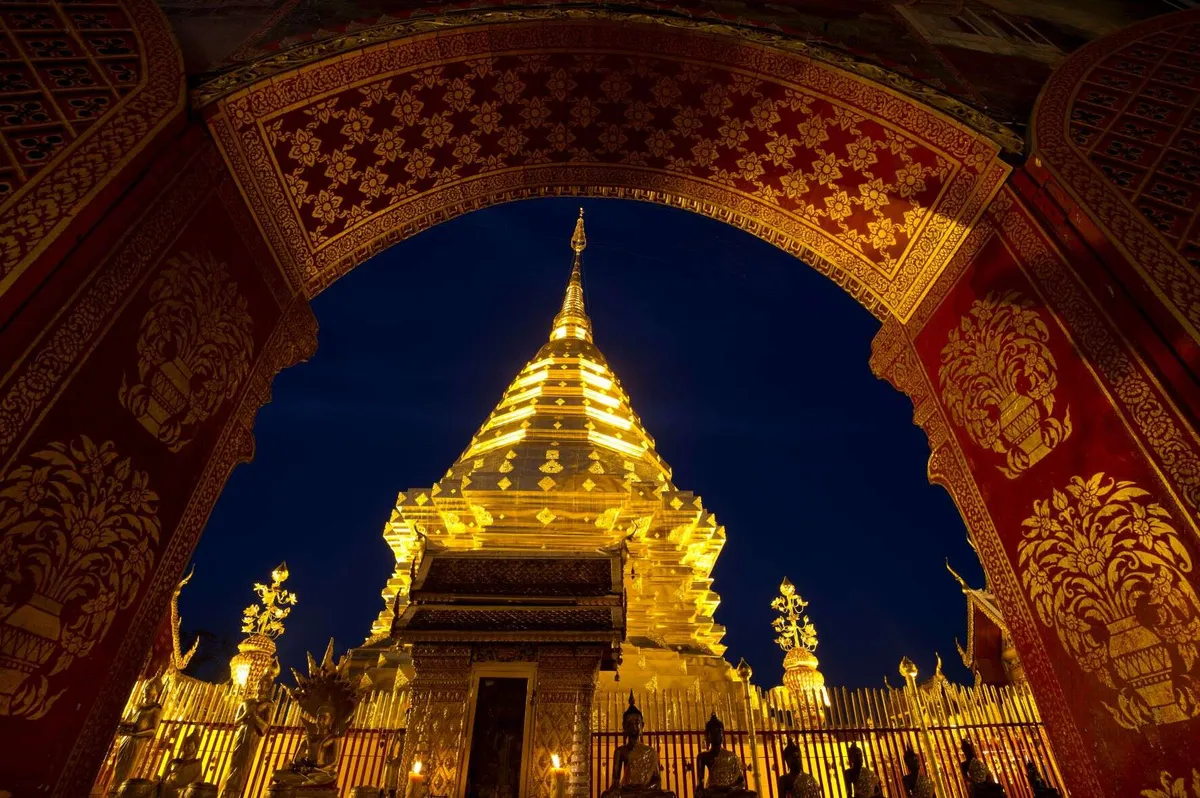
Wat Phra That Doi Suthep, Chiang Mai
วัดพระธาตุดอยสุเทพ

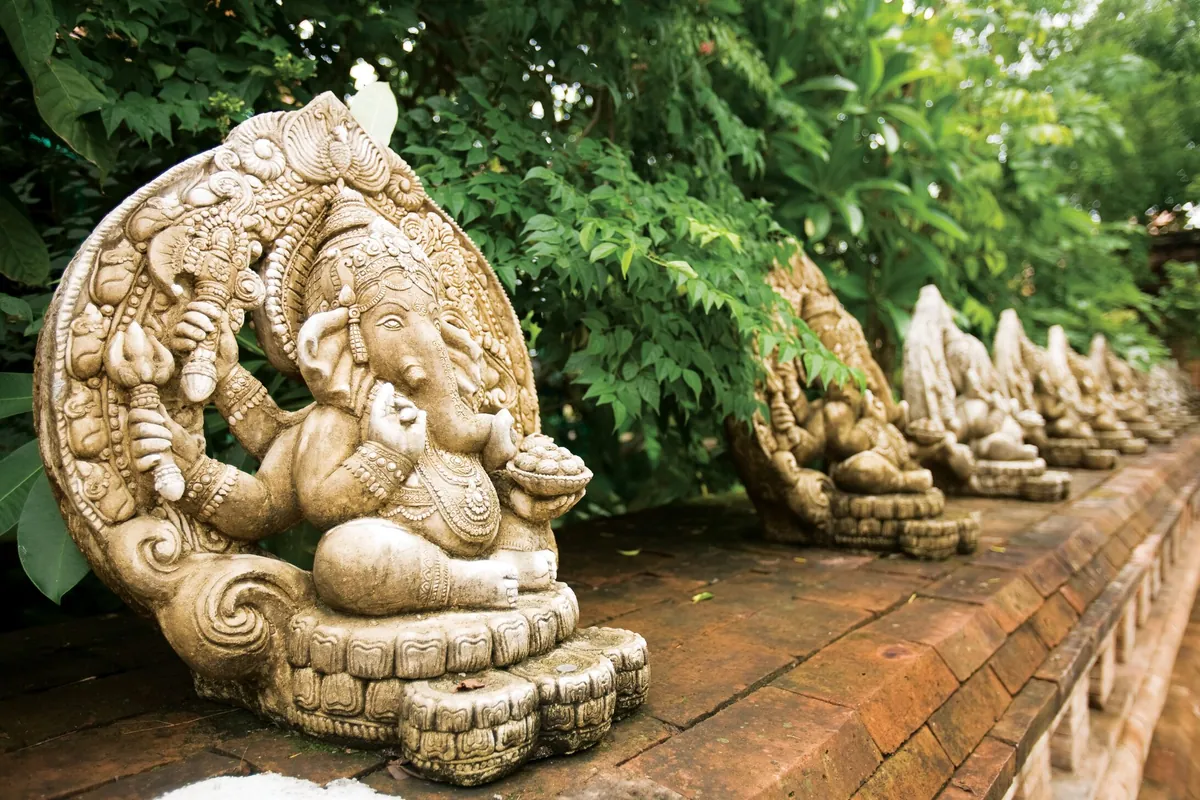
Ganesh Museum
พิพิธภัณฑ์พระพิฆเนศ

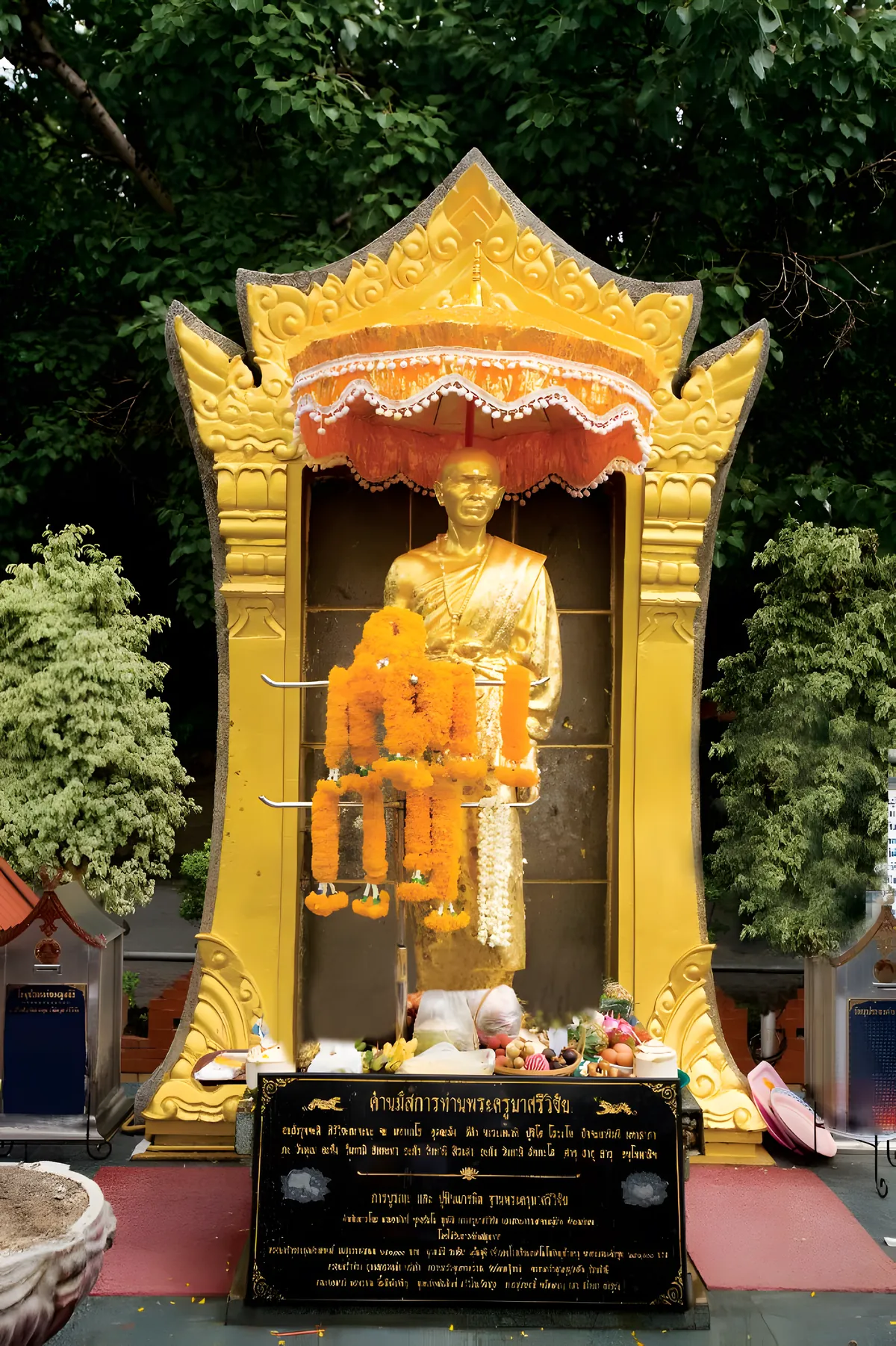
Khru Ba Siwichai Monument
อนุสาวรีย์ครูบาศรีวิชัย

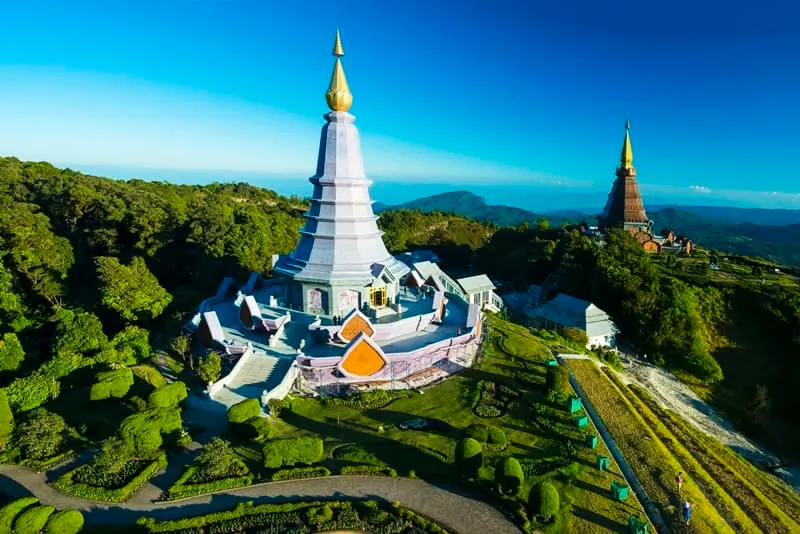
Phra Maha Dhatu Nabha Metaneedol and Phra Maha Dhatu Nabhapol Bhumisiri
พระมหาธาตุนภเมทนีดลและพระมหาธาตุนภพลภูมิสิริ

Phra That Doi Koeng Temple
วัดพระธาตุดอยเกิ้ง

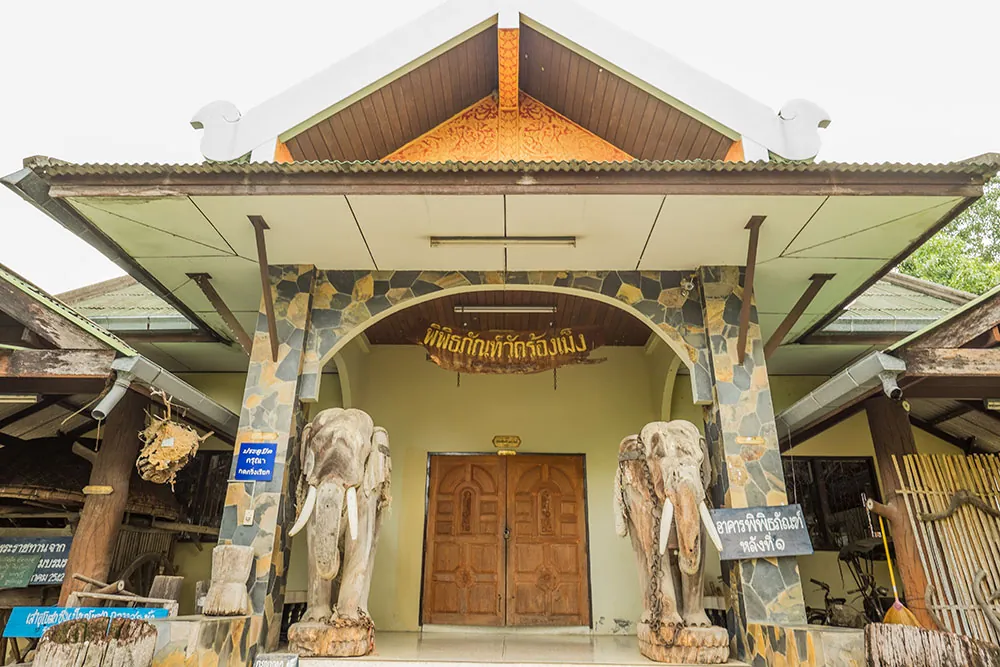
Rong Meng Temple Museum
พิพิธภัณฑ์วัดร้องเม็ง

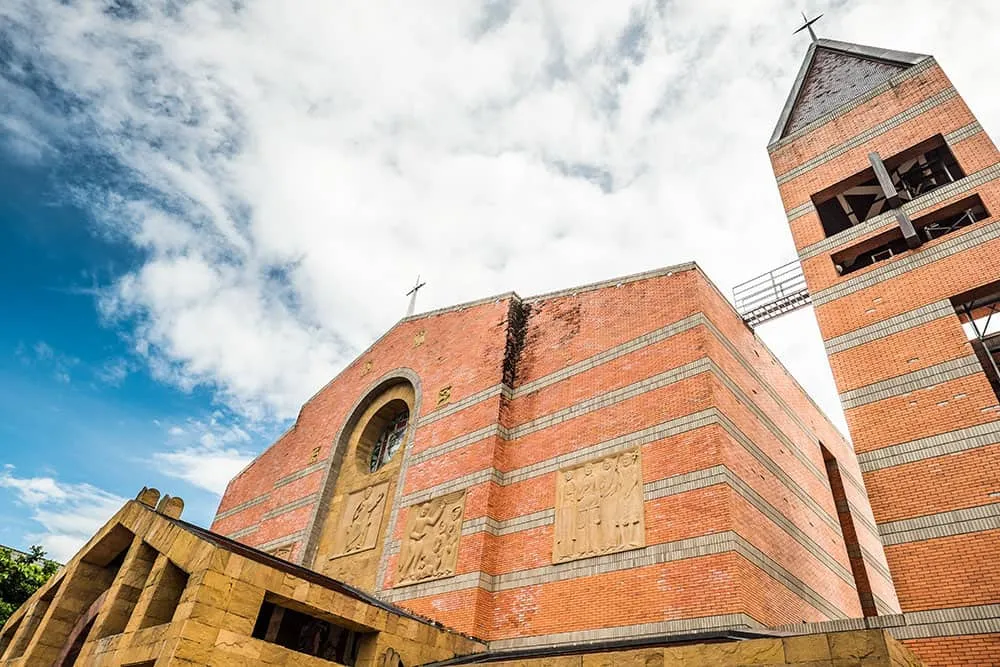
Sacred Heart Cathedral
อาสนวิหารพระหฤทัย

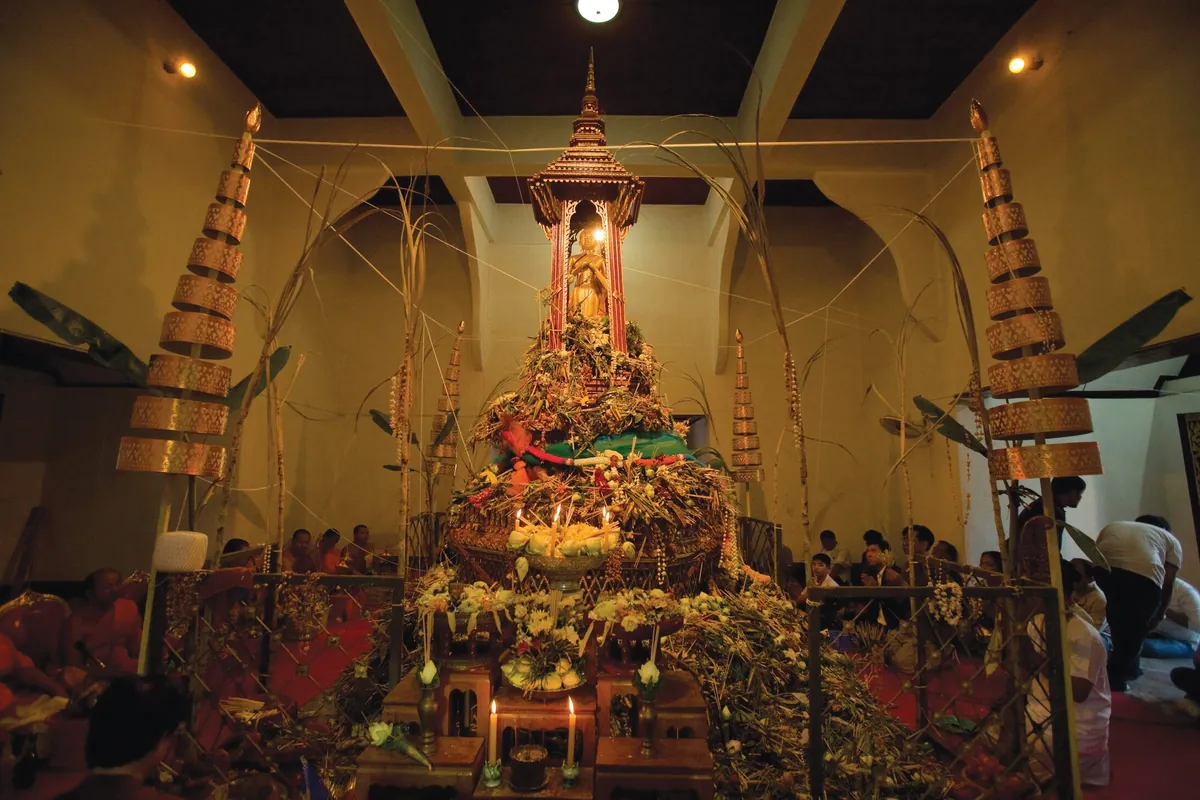
Sao Inthakhin
เสาอินทขิล (เสาหลักเมือง)

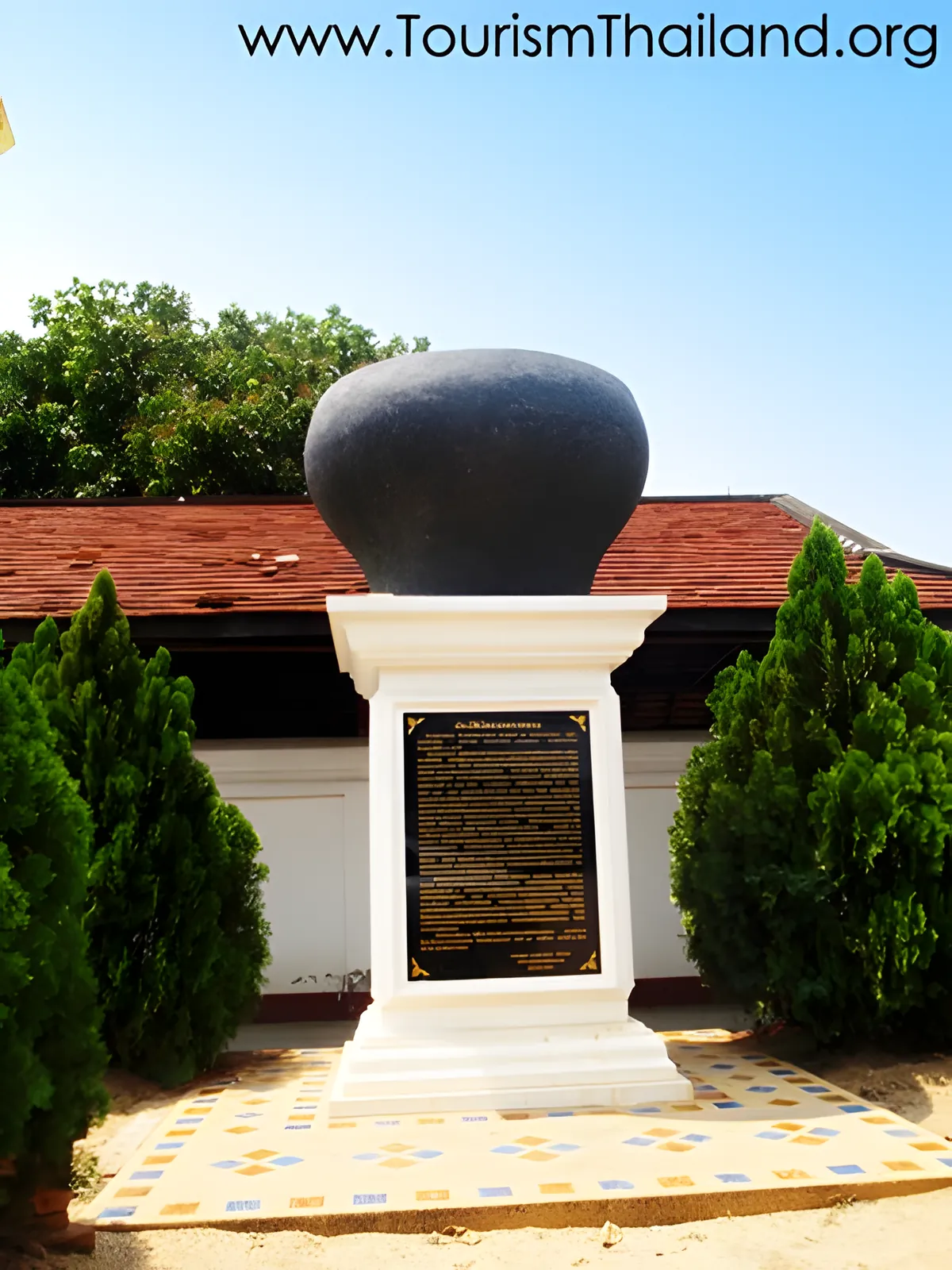
Wat Buak Krok Luang
วัดบวกครกหลวง

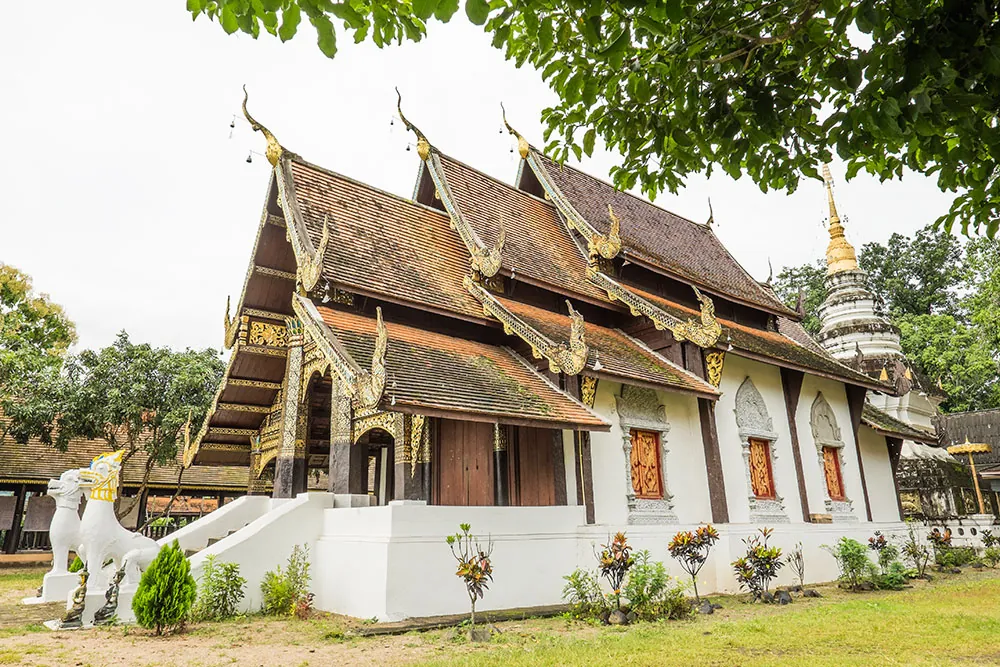
Wat Buddha Ern
วัดพุทธเอ้น
Waterfalls, peaks, caves & parks
Nature & outdoors around Chiang Mai

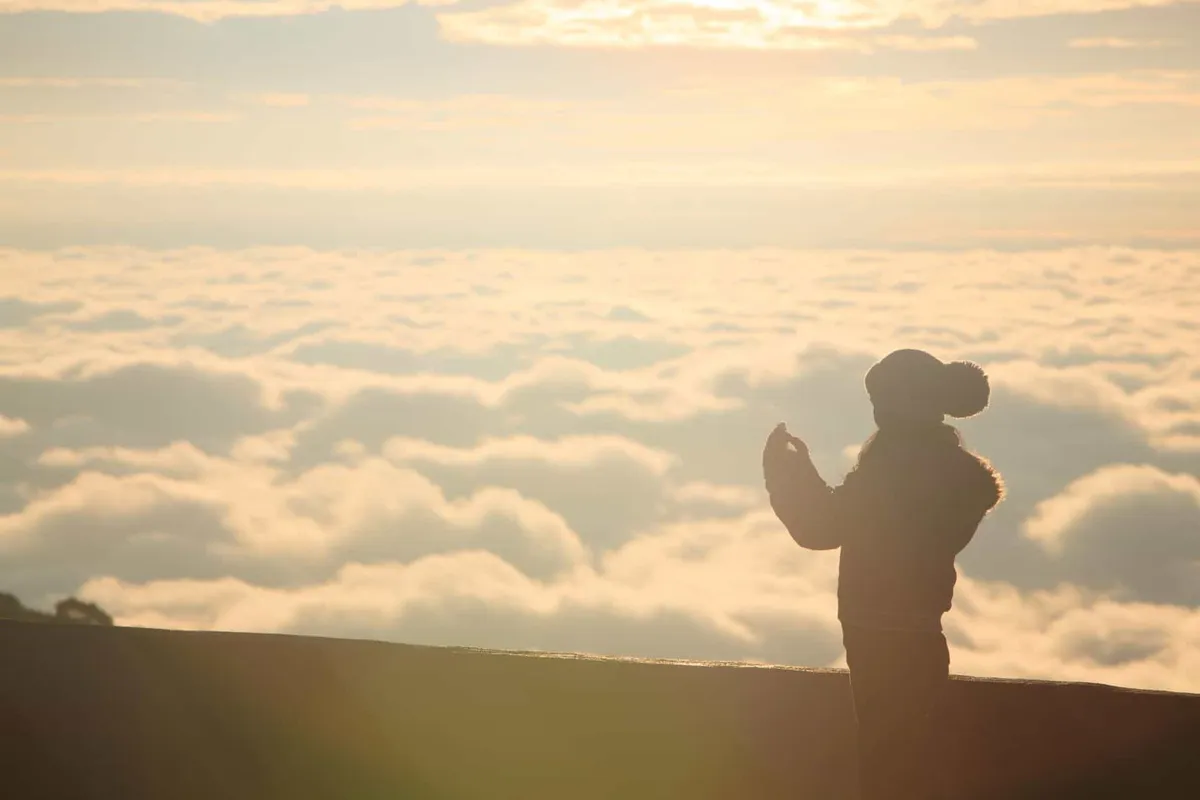
Doi Inthanon National Park
ดอยอินทนนท์

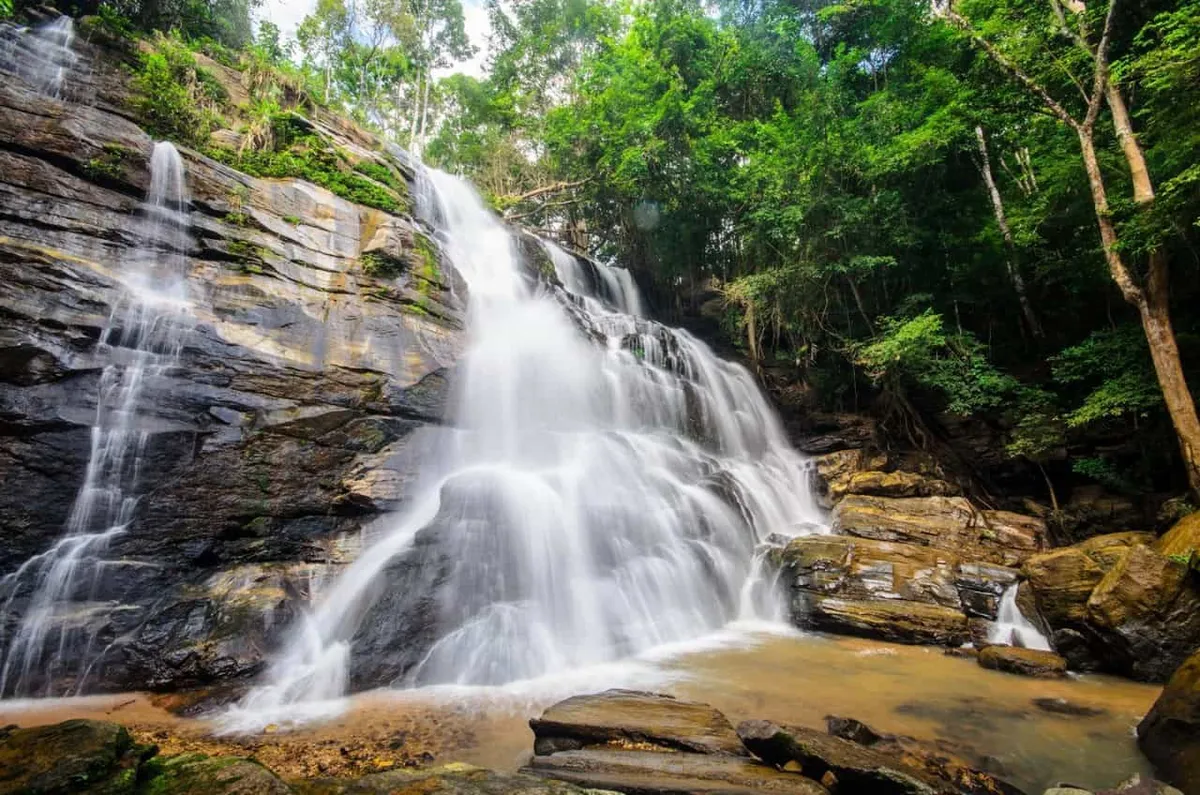
Doi Suthep-Pui National Park
อุทยานแห่งชาติดอยสุเทพ-ปุย

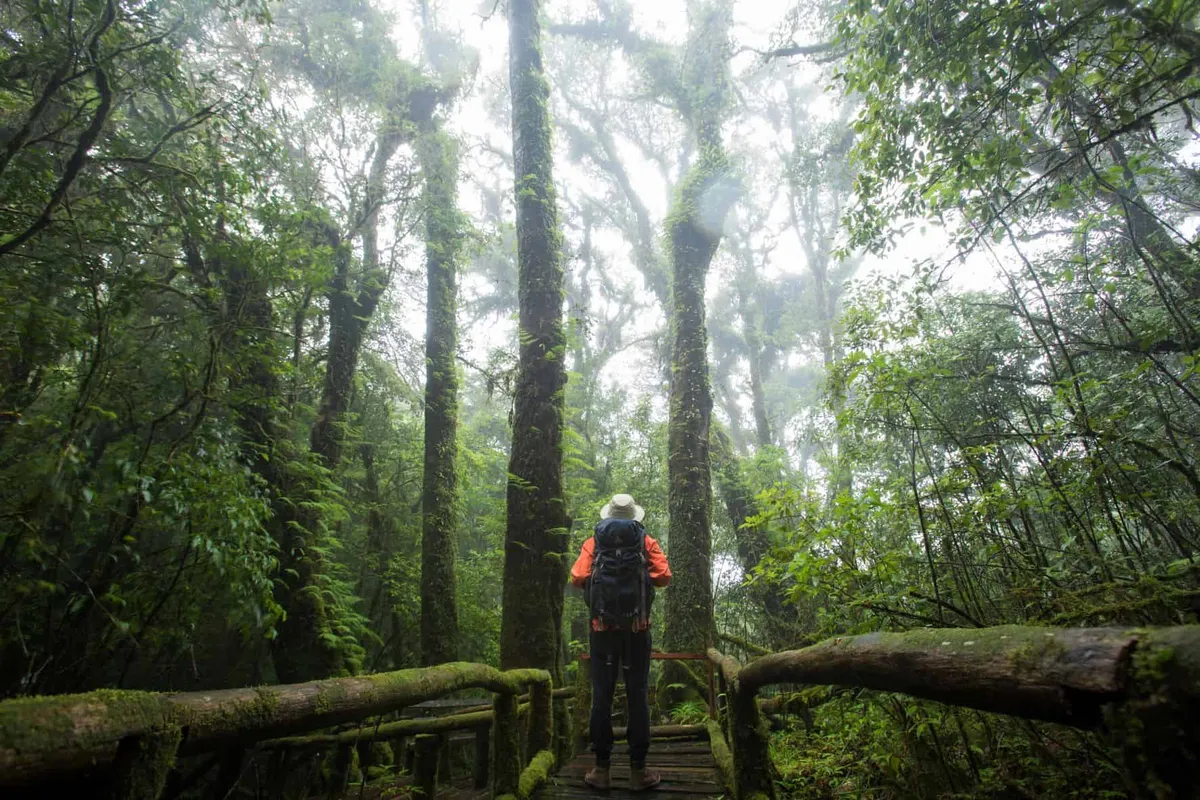
Ang Ka Luang
อ่างกาหลวง

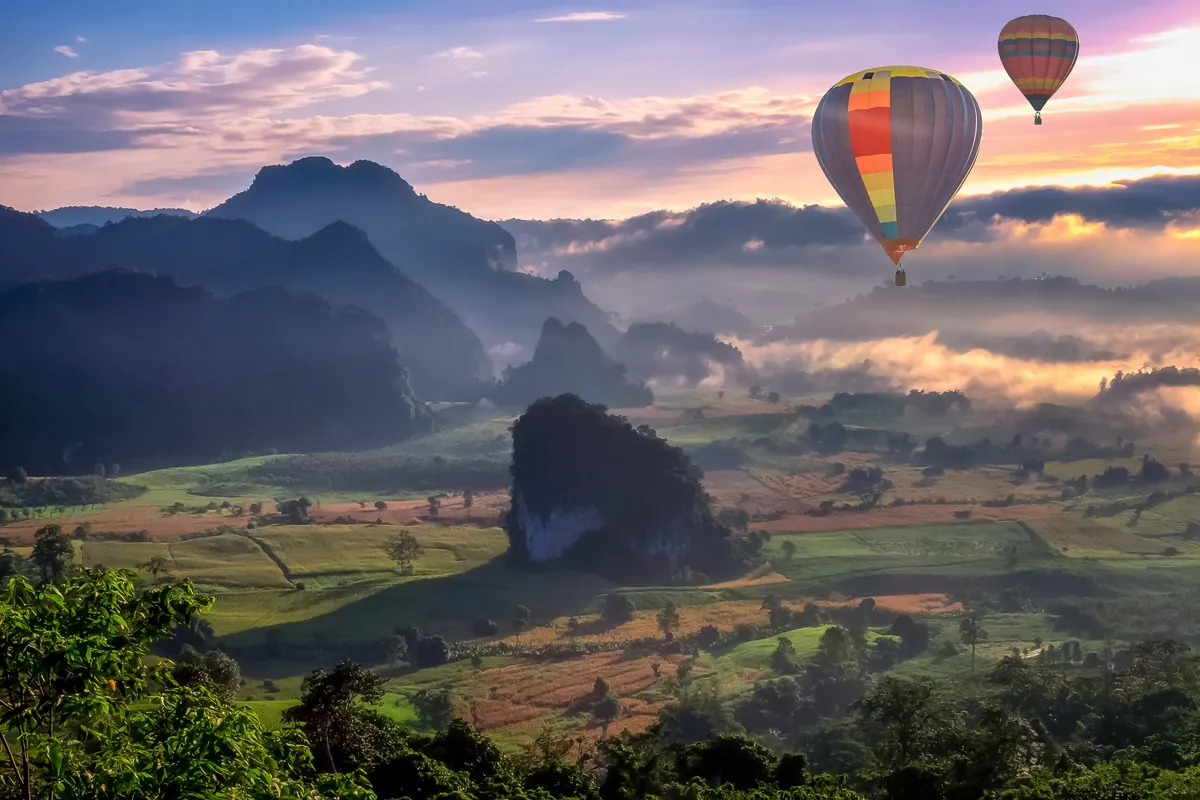
Balloon Adventure Thailand
บอลลูน แอดเวนเจอร์ ไทยแลนด์

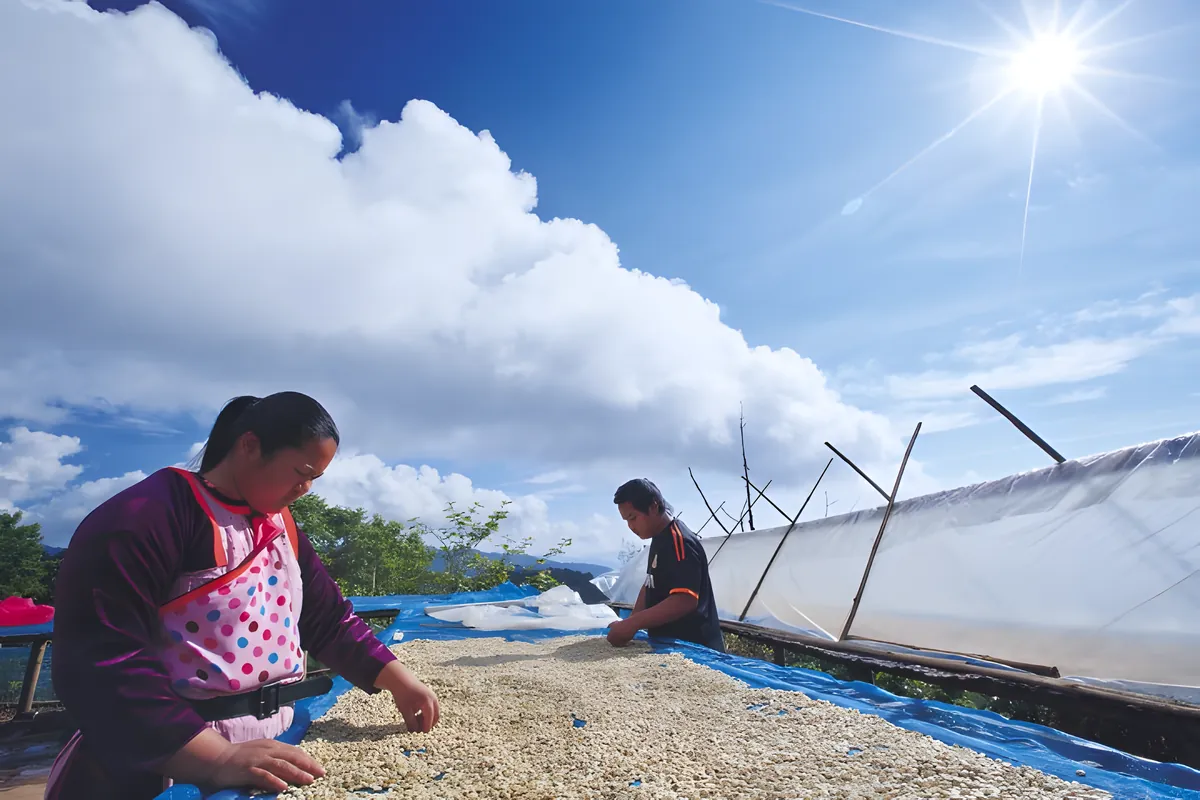
Ban Lek Nai Pa Yai Doi Dam Royal Project
โครงการบ้านเล็กในป่าใหญ่ดอยคำ


Ban Wat Chan Pine Forest
ป่าสนวัดจันทร์

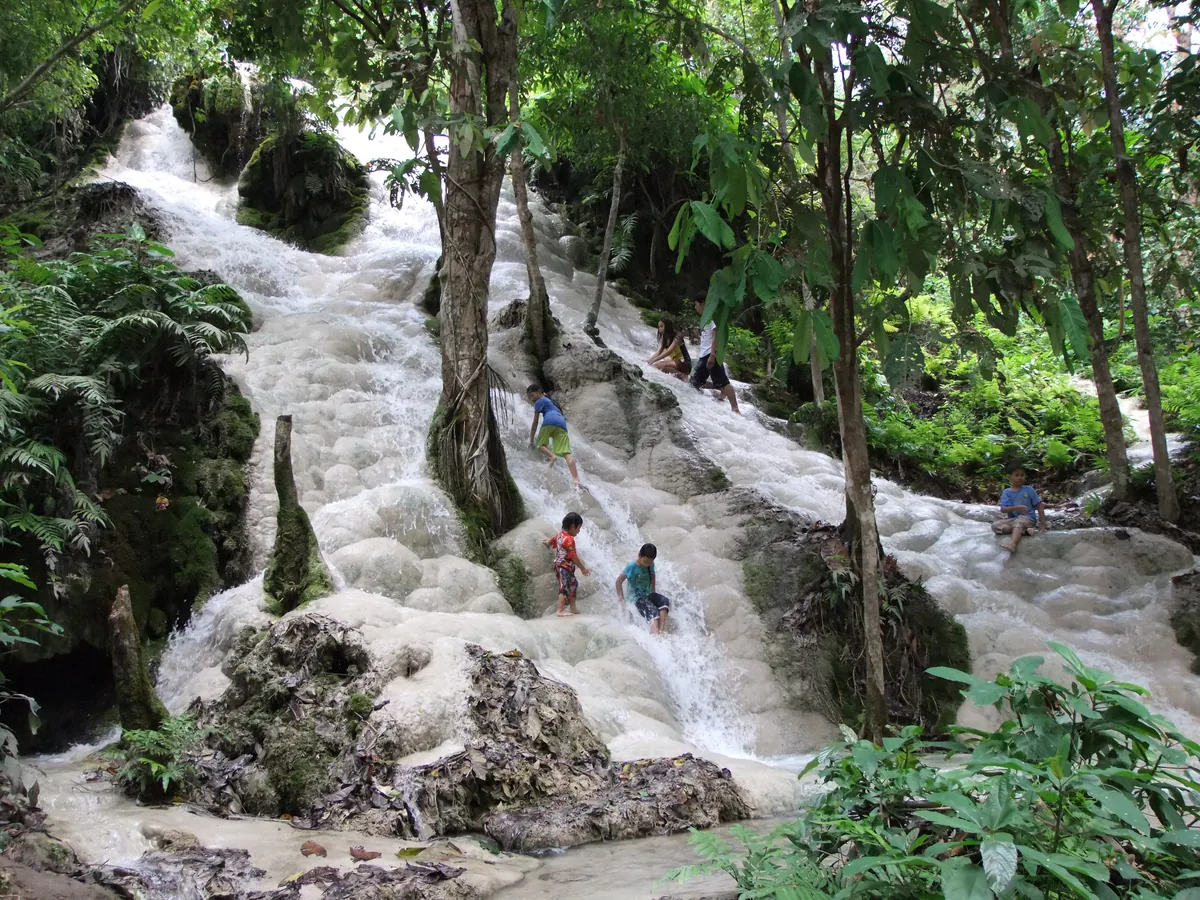
Bua Tong Sticky Waterfall
น้ำตกบัวตอง


Chiang Mai Sky Adventure
เชียงใหม่สกายแอดเวนเจอร์

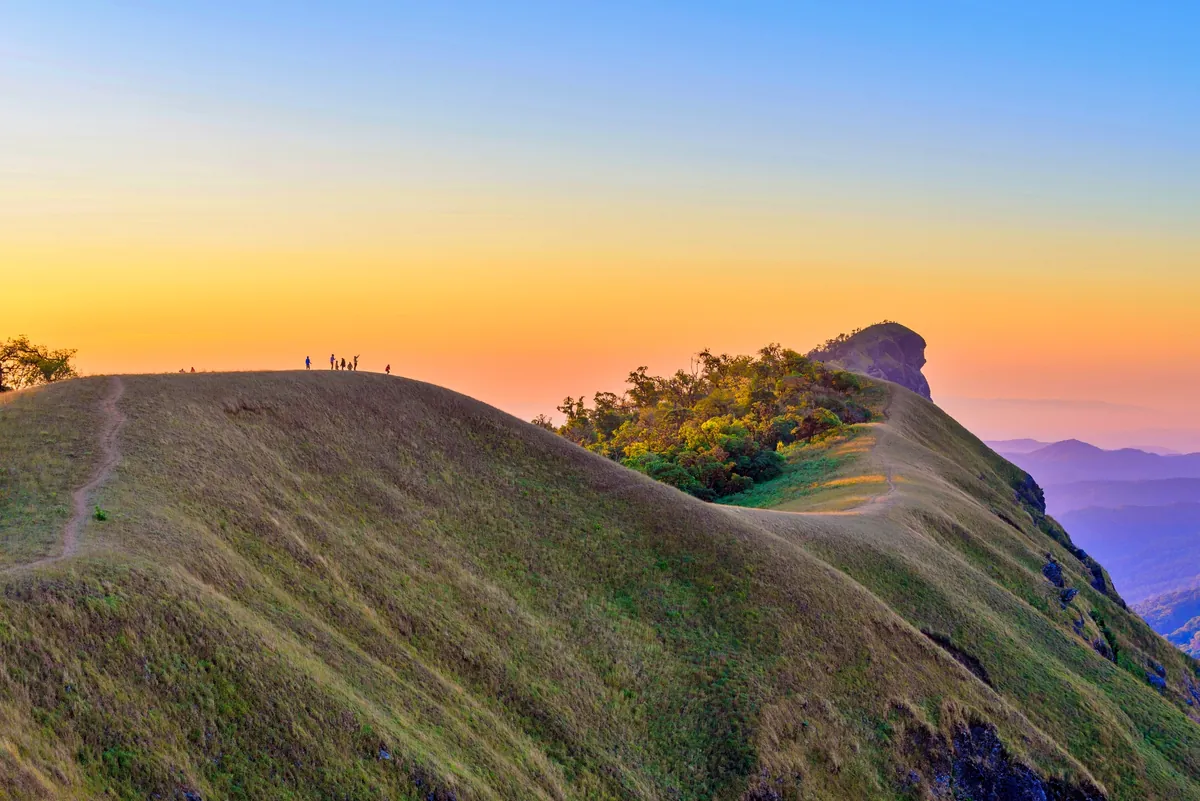
Doi Mon Chong
ดอยม่อนจอง


Doi Tao Lake
ทะเลสาบดอยเต่า


Grand Canyon Water Park Chiang Mai
แกรนด์แคนยอน วอเตอร์ปาร์ค

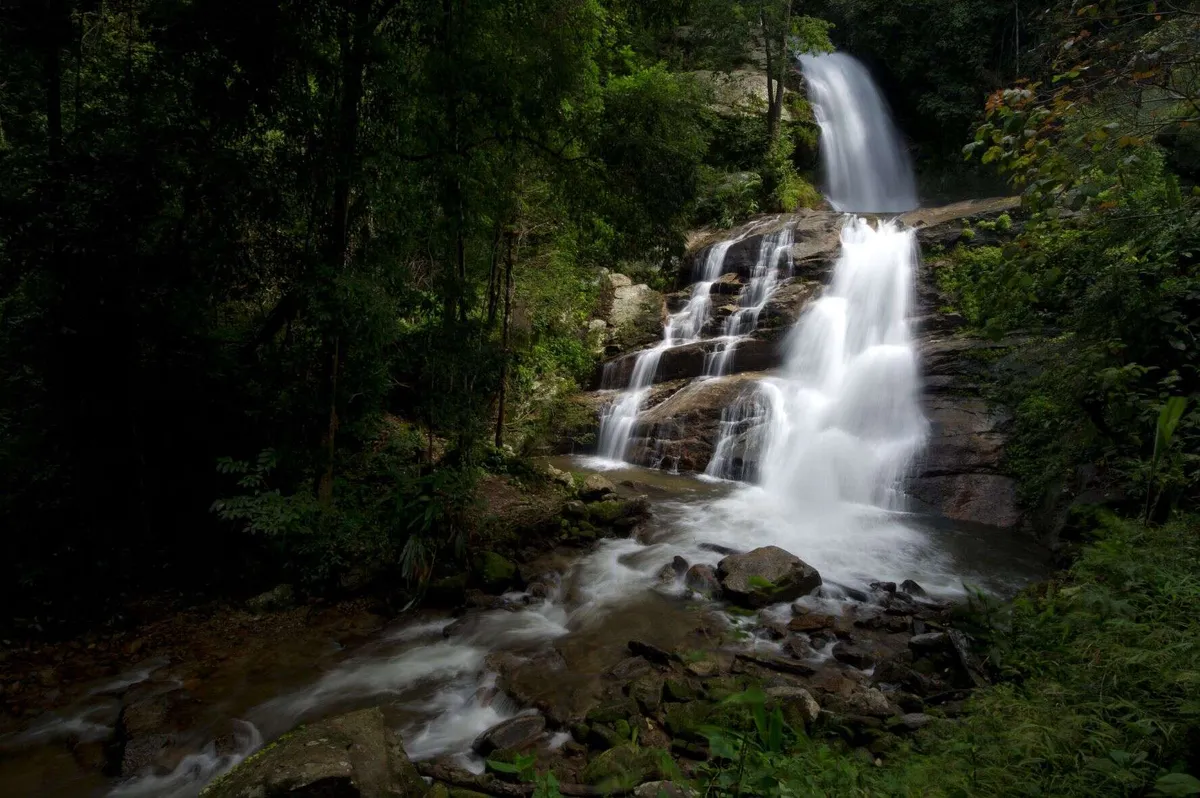
Hua Sai Lueang
น้ำตกห้วยทรายเหลือง
Night markets, street food & shopping
Markets & bazaars in Chiang Mai

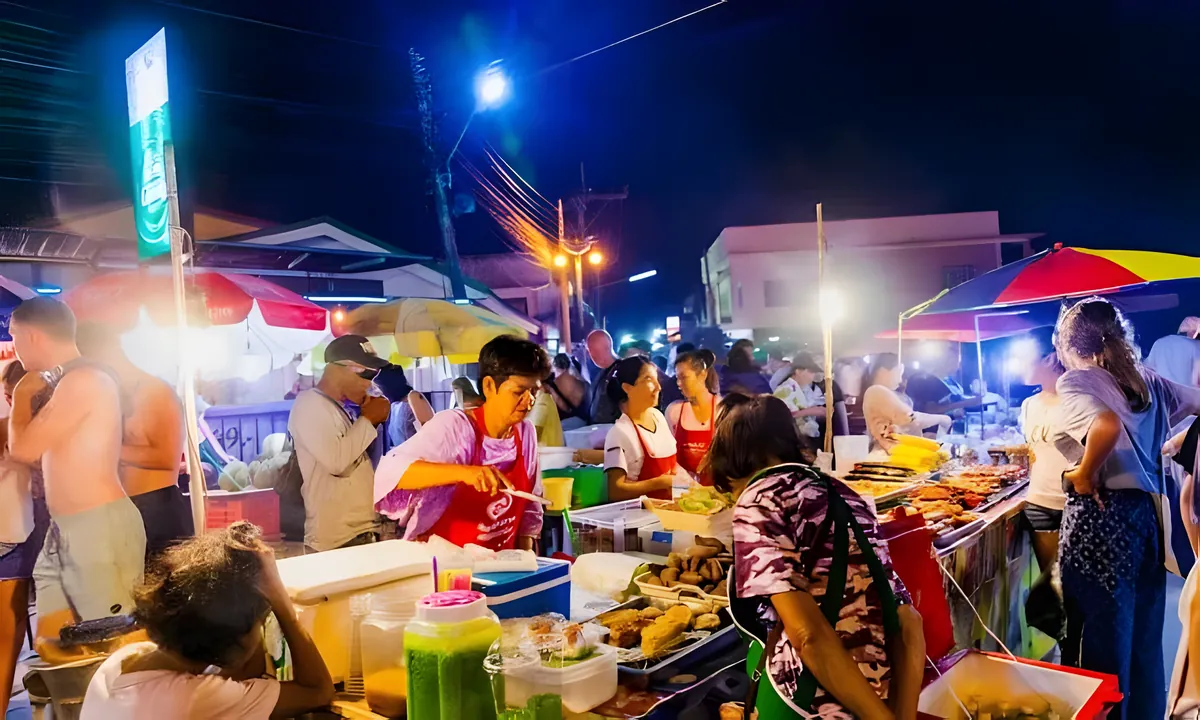
Chiang Mai Saturday Walking Street
ถนนคนเดินวัวลาย

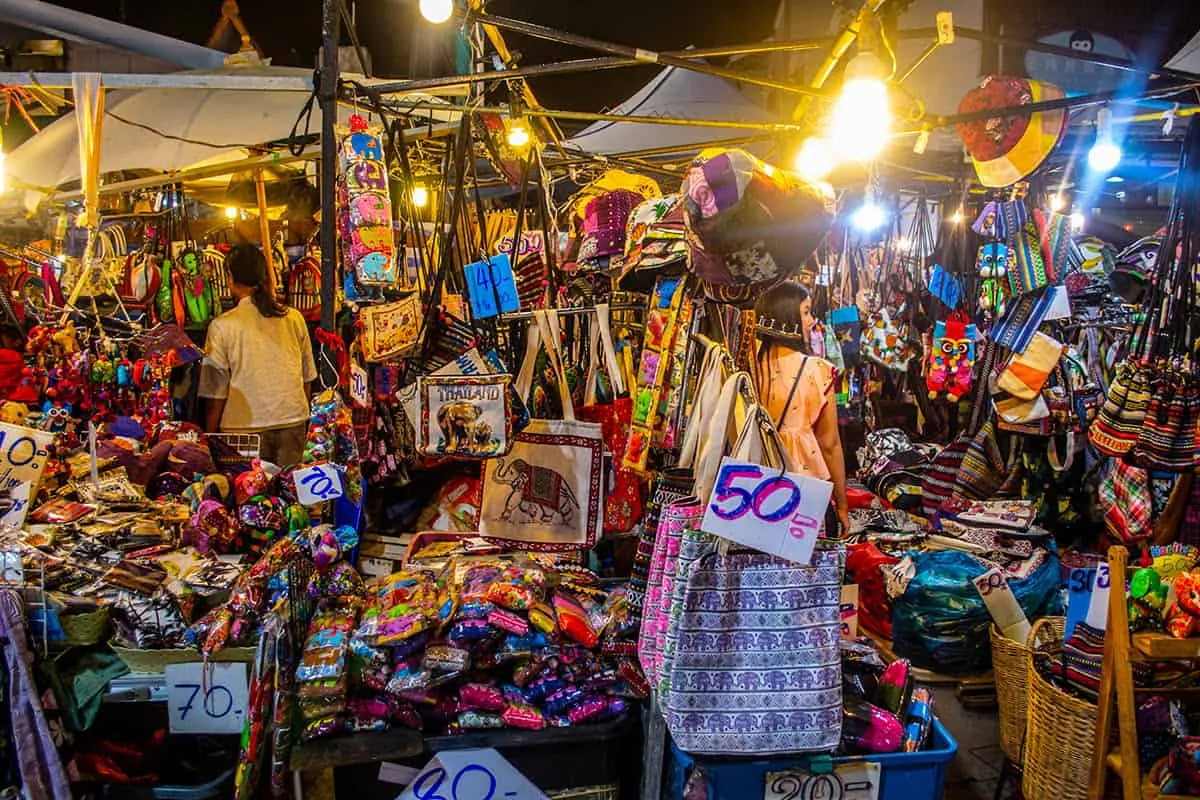
Sunday Walking Street Market, Chiang Mai
ถนนคนเดินวันอาทิตย์

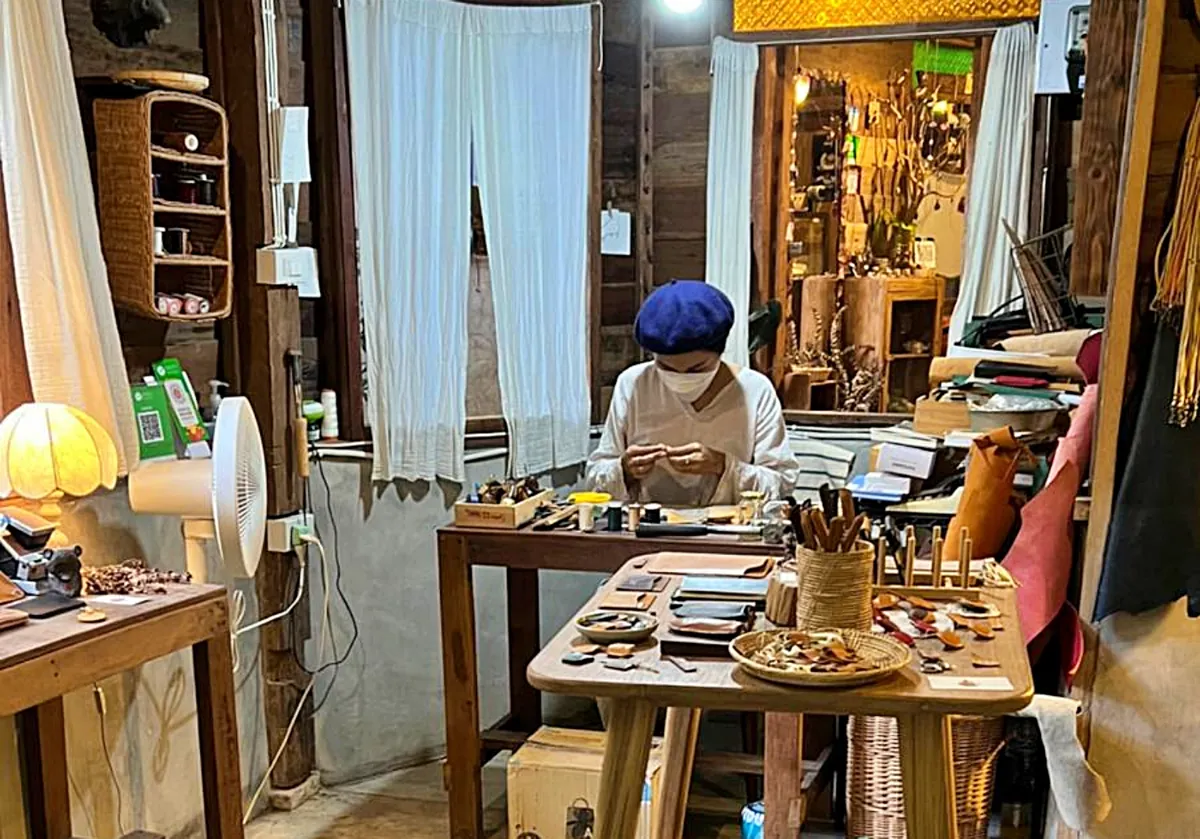
Baan Kang Wat
บ้านข้างวัด

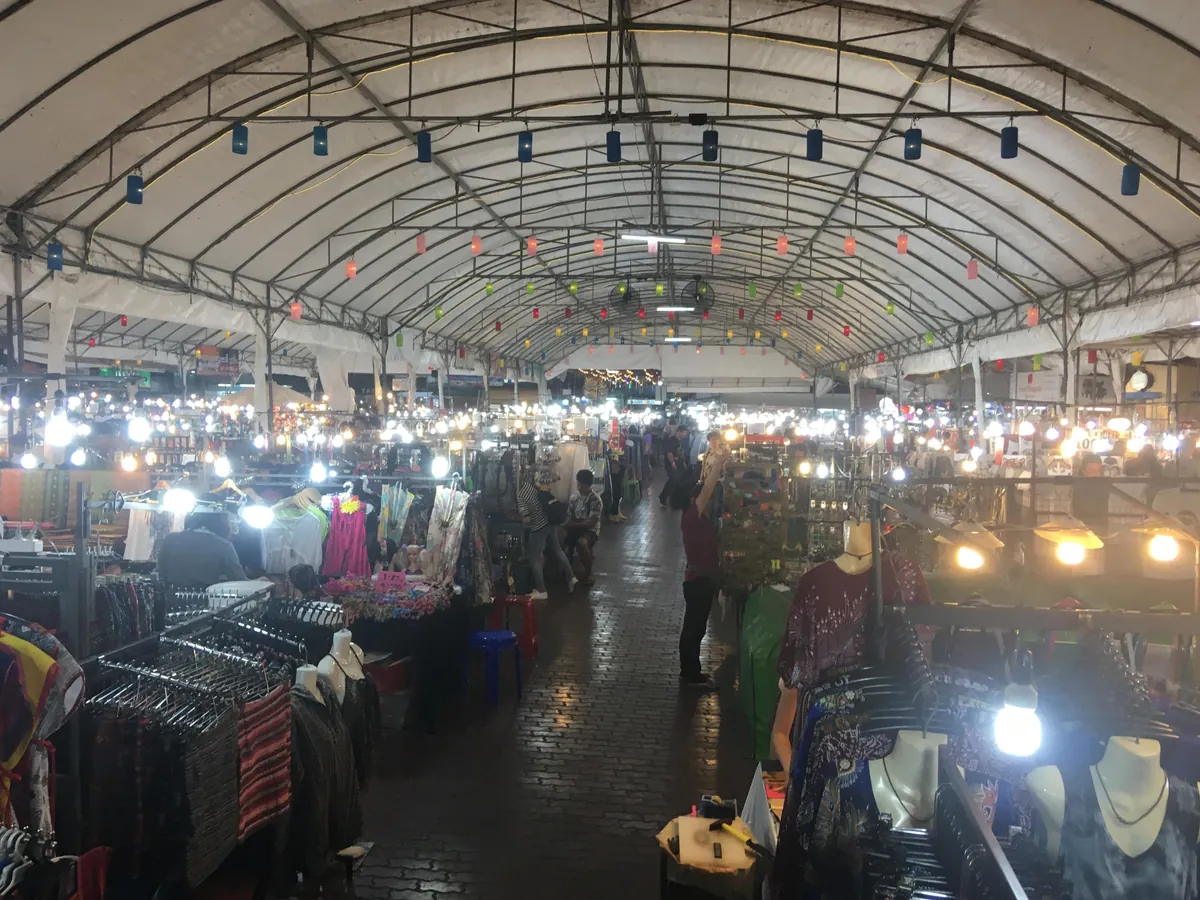
Chiang Mai Night Bazaar
ไนท์บาซาร์

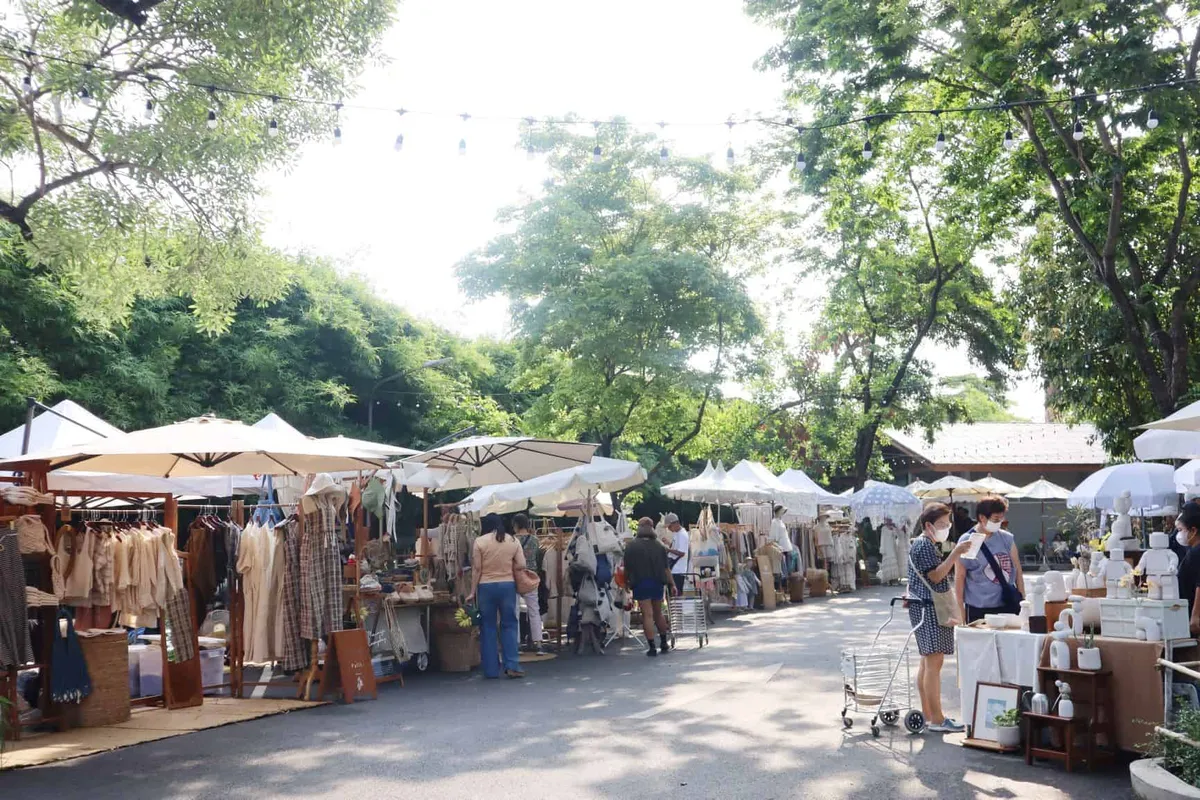
Jing Jai Market Chiang Mai
ตลาดจริงใจ (จริงใจ มาร์เก็ต)

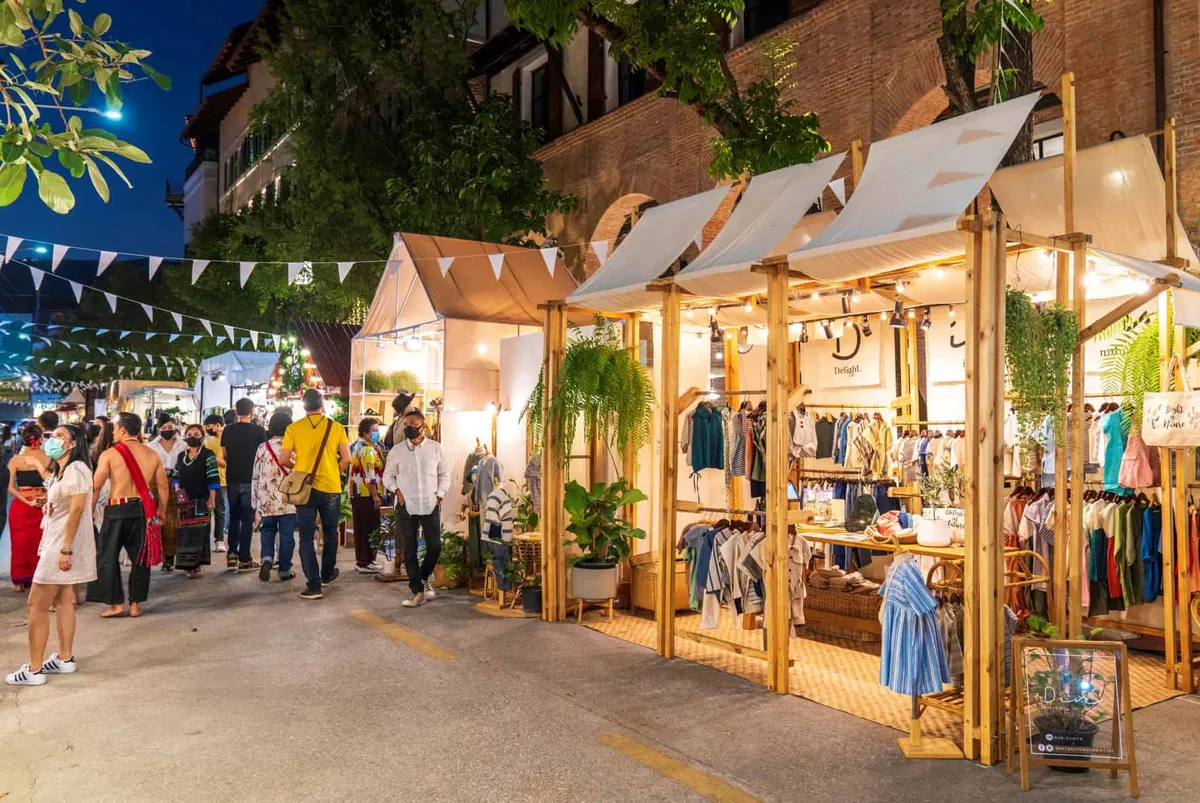
Thanon Nimmanhaemin
ถนนนิมมานเหมินทร์

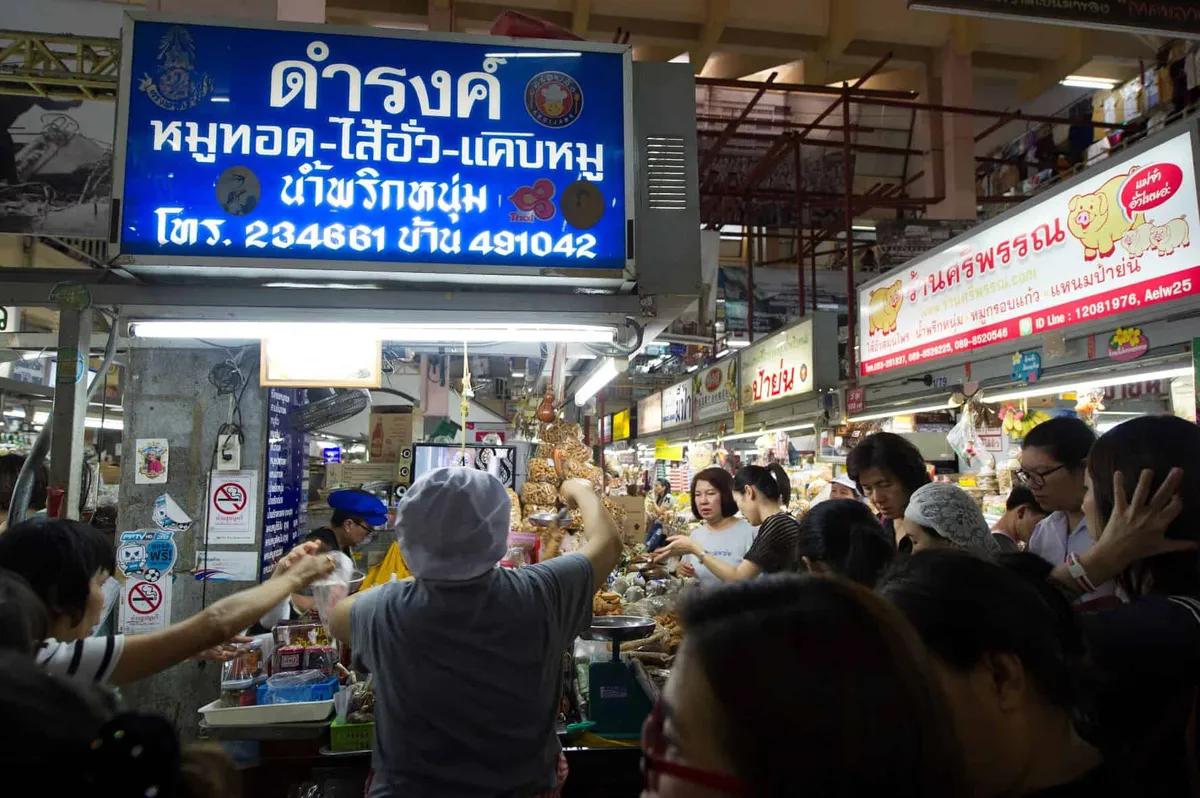
Warorot Market
ตลาดวโรรส

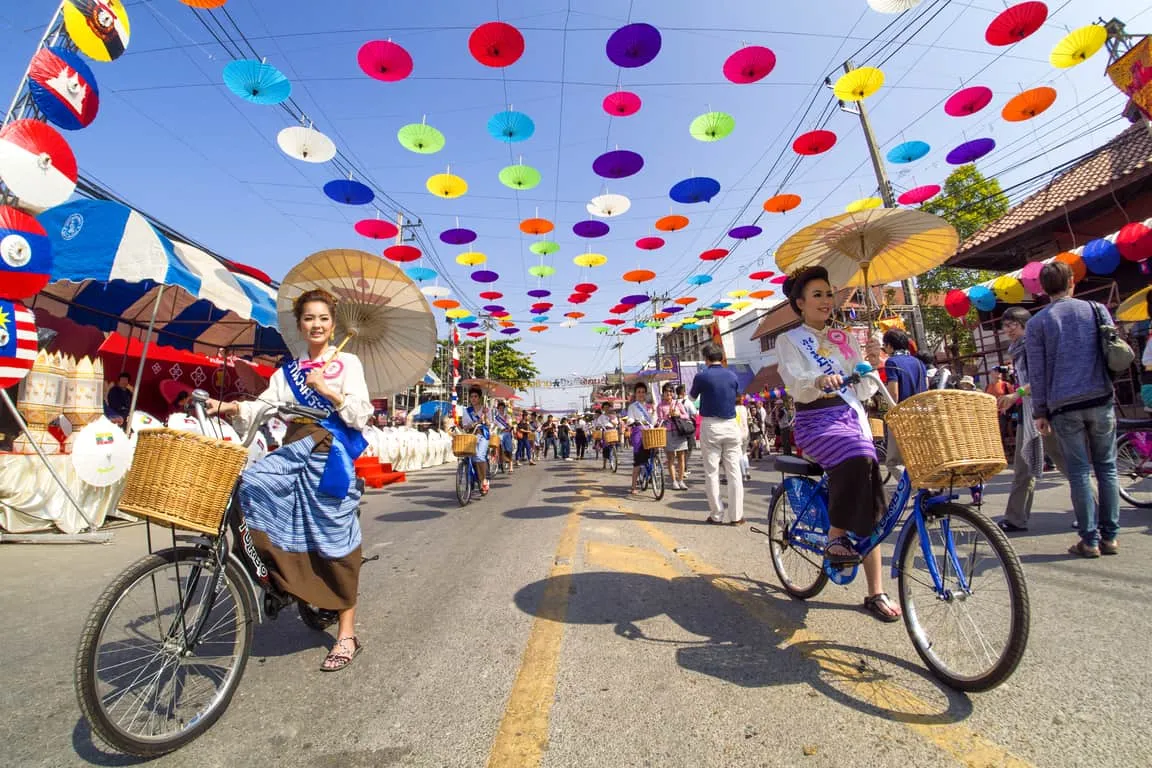
Bo Sang Umbrella Village
บ่อสร้าง
Parks, shows, wildlife & more
More to explore in Chiang Mai

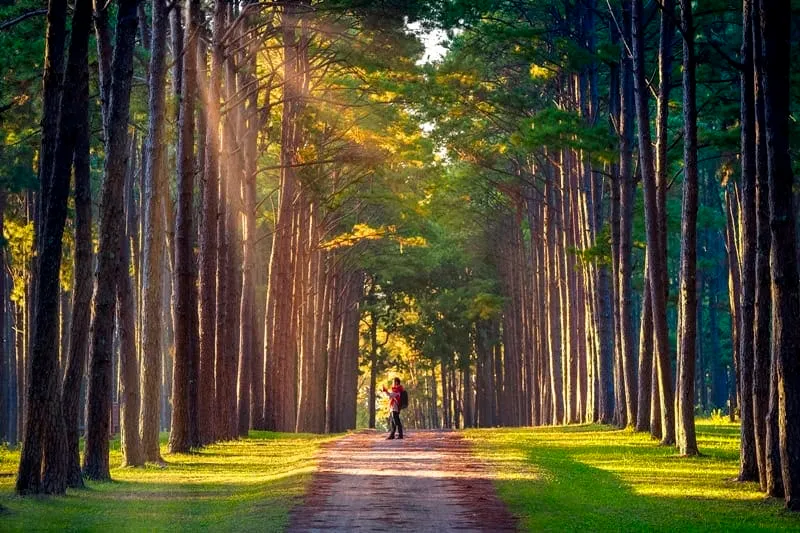
Bo Keao Silvicultural Research Station (Bo Keao Pine Forest)
สถานีวนวัฒนวิจัยบ่อแก้ว (สวนสนบ่อแก้ว)


Chiang Mai International Airport (CNX)
ท่าอากาศยานเชียงใหม่

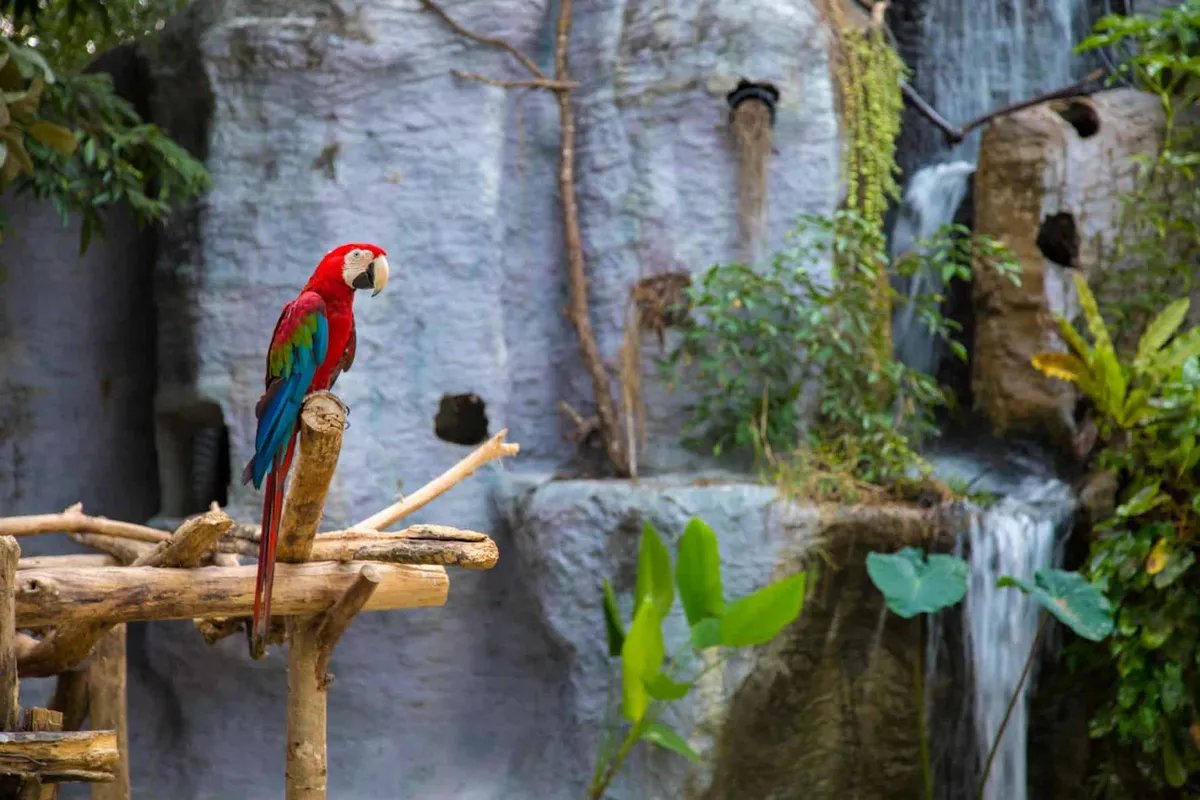
Chiang Mai Night Safari
เชียงใหม่ไนท์ซาฟารี

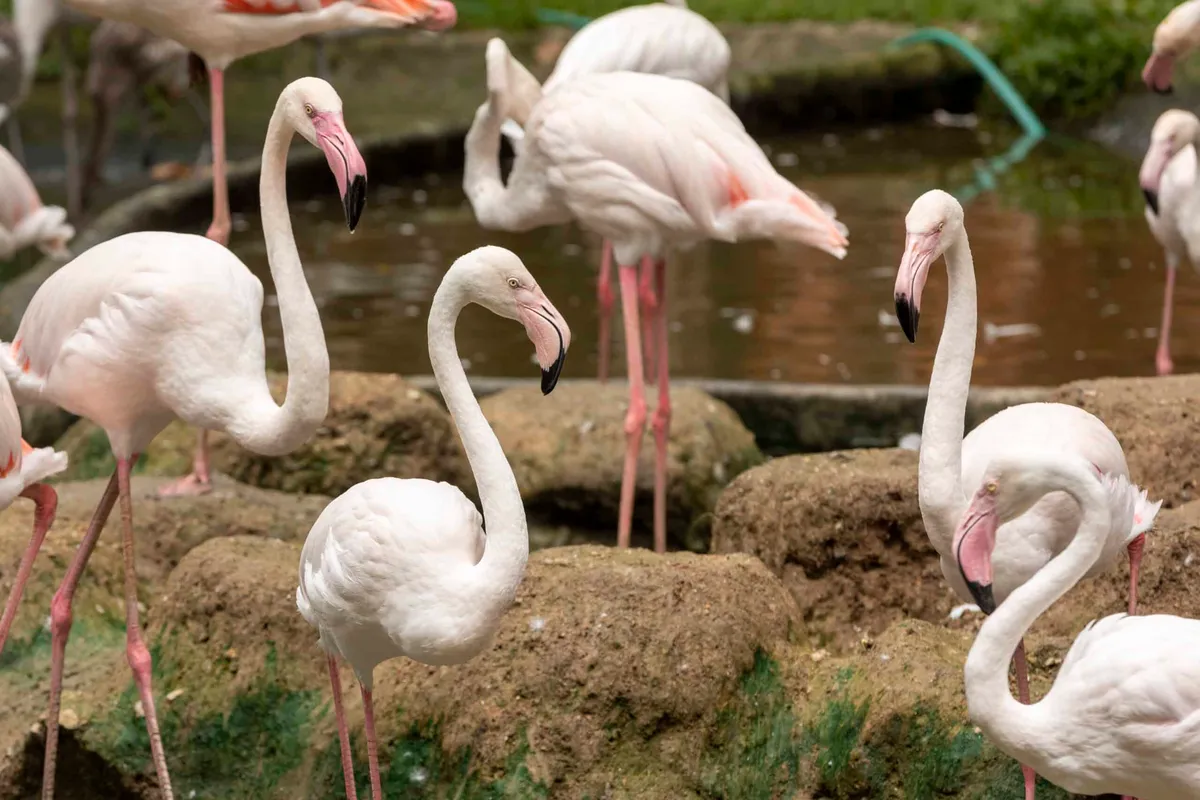
Chiang Mai Zoo
สวนสัตว์เชียงใหม่

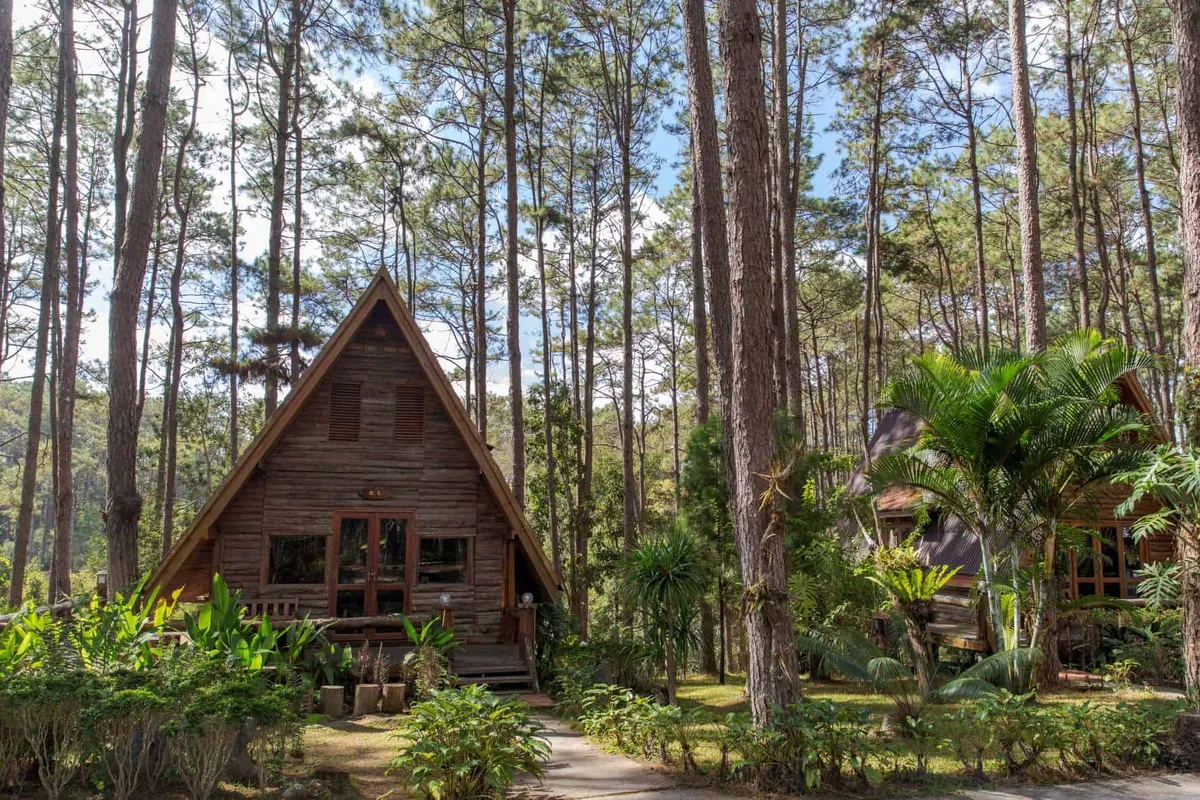
Doiboluang Plantation Forest Industry Organization
สวนป่าดอยบ่อหลวง องค์การอุตสาหกรรมป่าไม้

Huen Phen (Chiang Mai)
เฮือนเพ็ญ
The House by Ginger (Chiang Mai)
เดอะ เฮาส์ บาย จินเจอร์

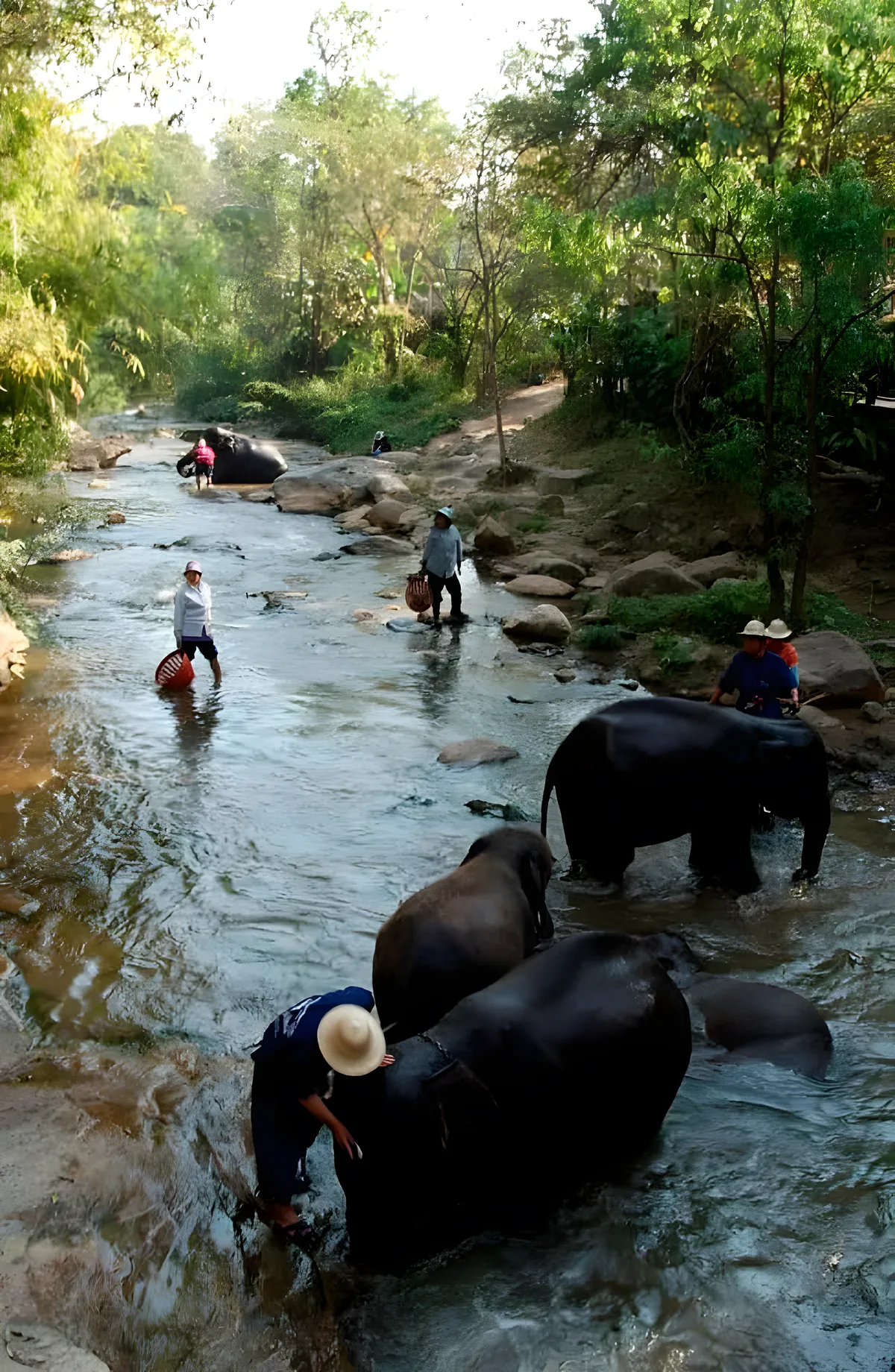
Mae Sa Elephant Camp
ปางช้างแม่สา

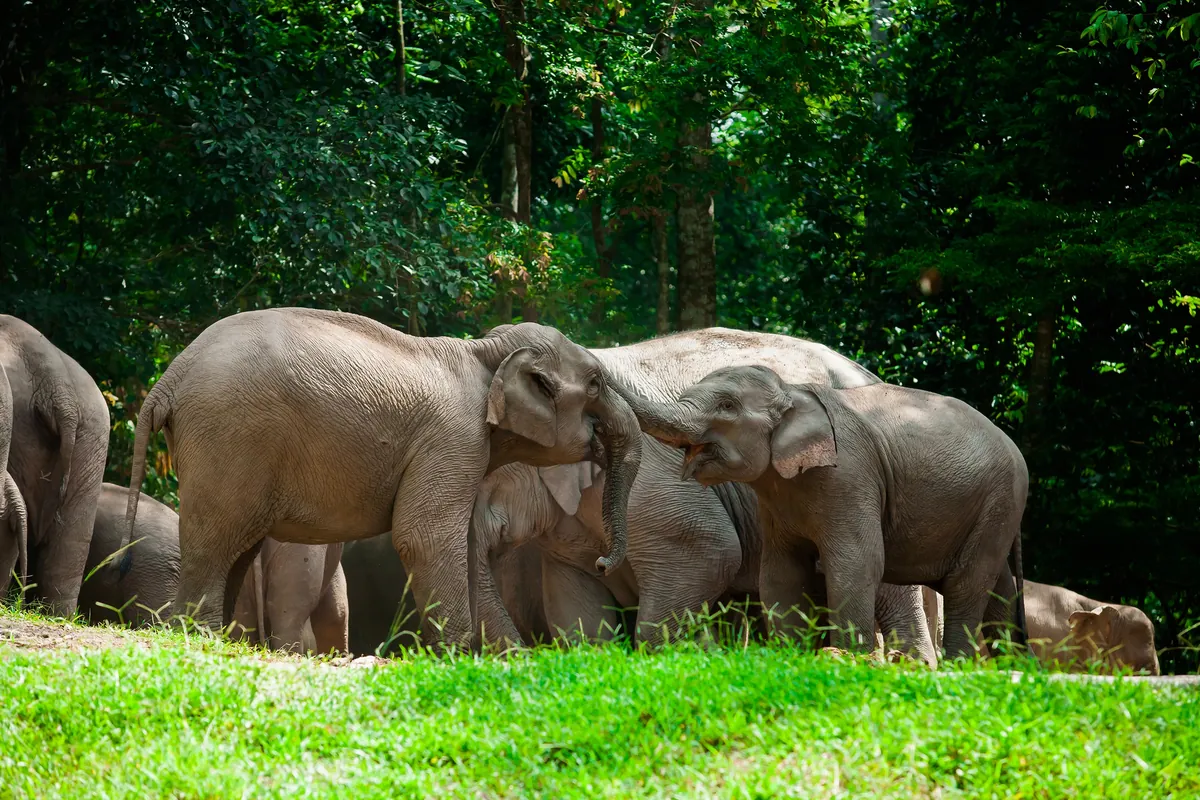
Mae Taeng Elephant Camp
ปางช้างแม่แตง

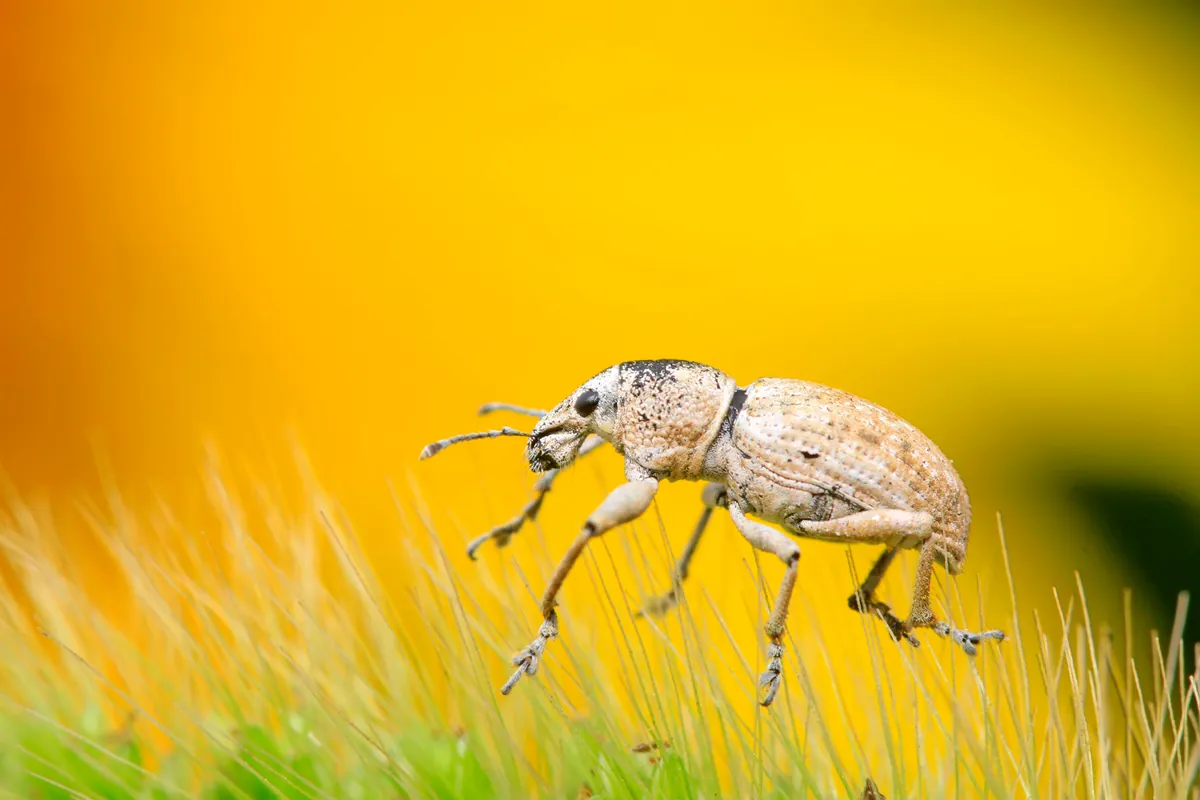
Siam Insect Zoo
สวนสัตว์แมลงสยาม
Things to do on the map
Tap a pin for details. 40 places in Chiang Mai plotted.
Which area to stay in
Browse stays by area
Editor shortlist
Where to stay in Chiang Mai






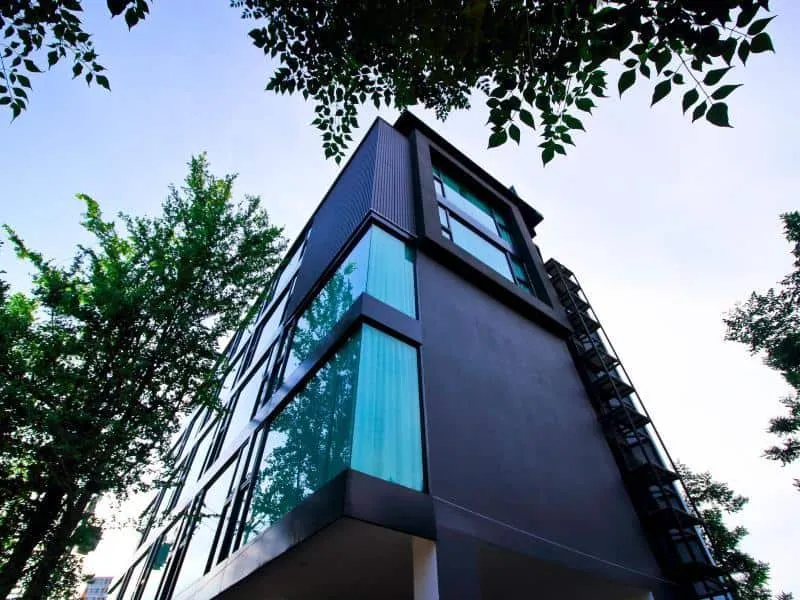

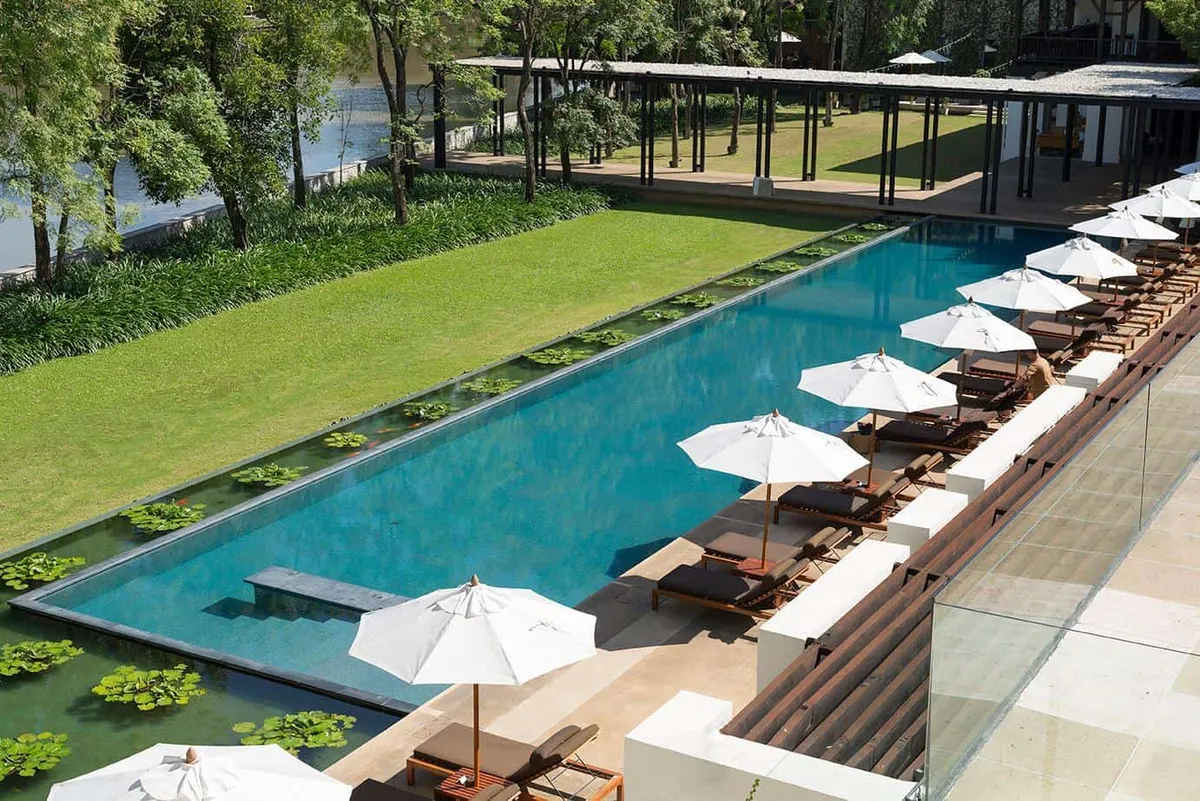

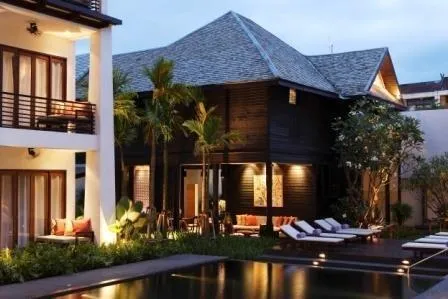

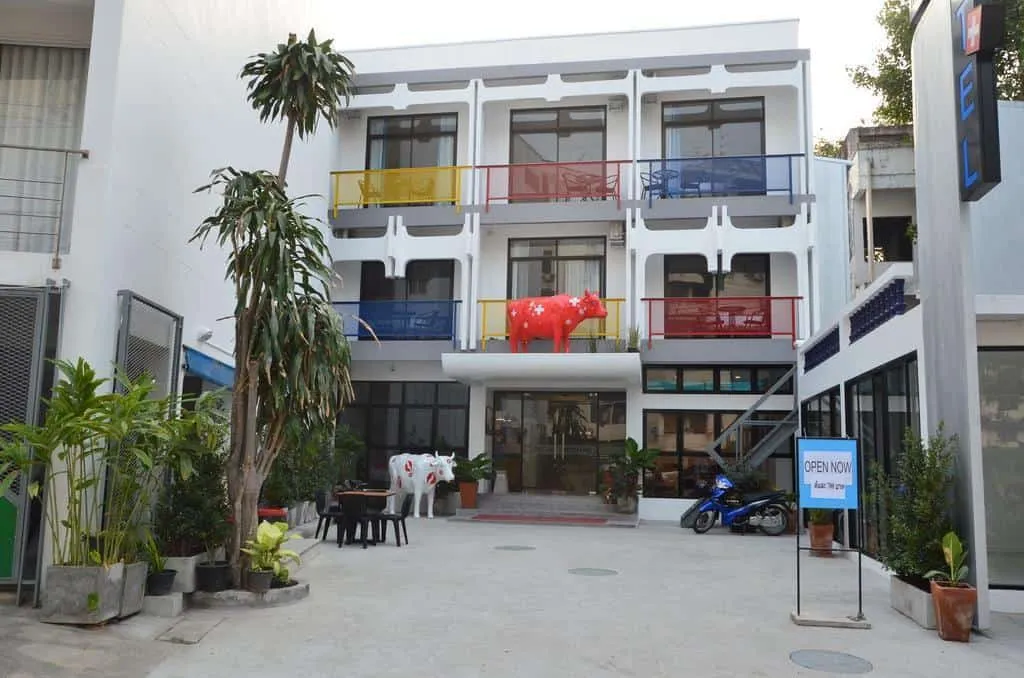
Hotel comparisons
Editor shortlists for Chiang Mai: compare stays by trip style before you pick an area or property.
Tours in Chiang Mai

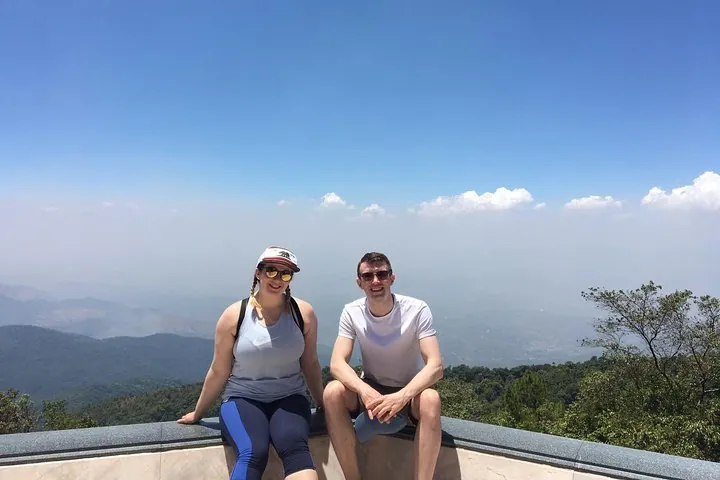
1 Day Private Tour Doi Inthanon And Phachor Canyon

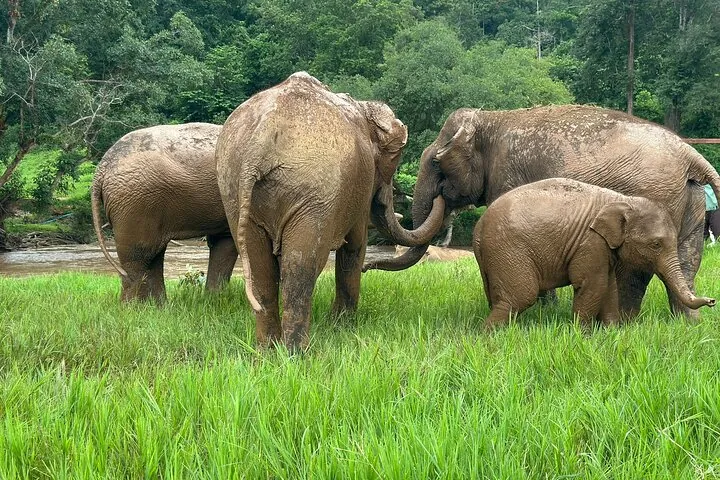
4 in 1 Elephants Long Neck Rafting and Sticky Waterfall Tour

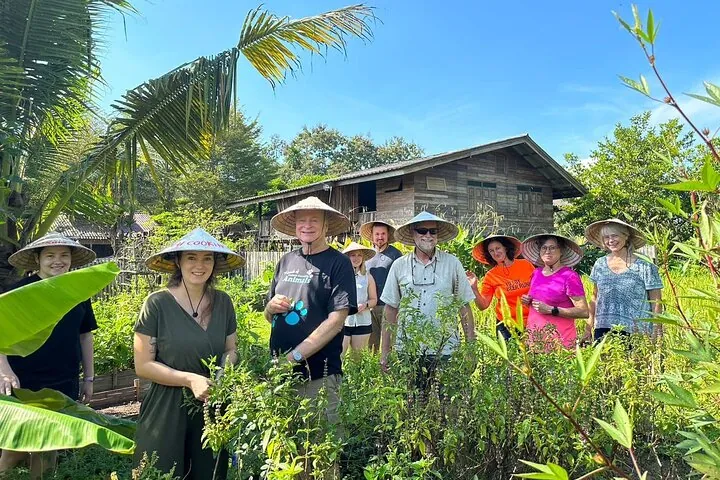
Authentic Thai Cooking Class and Farm Visit in Chiang Mai


Benny's Home Cooking Chiang Mai

Care Pride Elephants: Full-Day Tour Experience

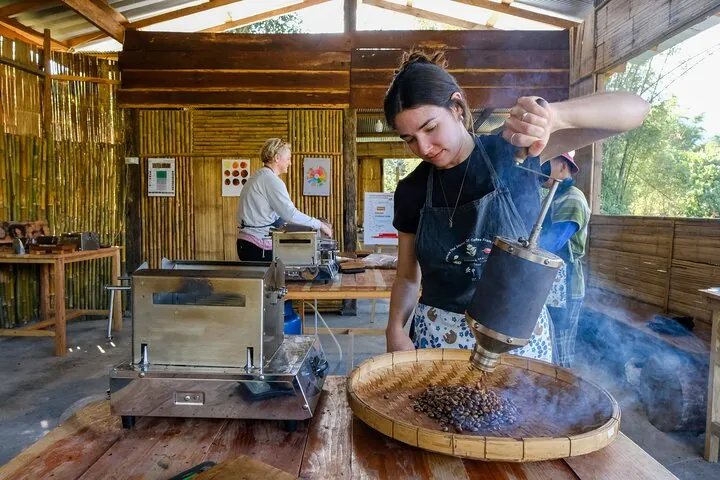
Chiang Mai 4WD Hilltribe Coffee: Jungle Trek, Roast & Brew.

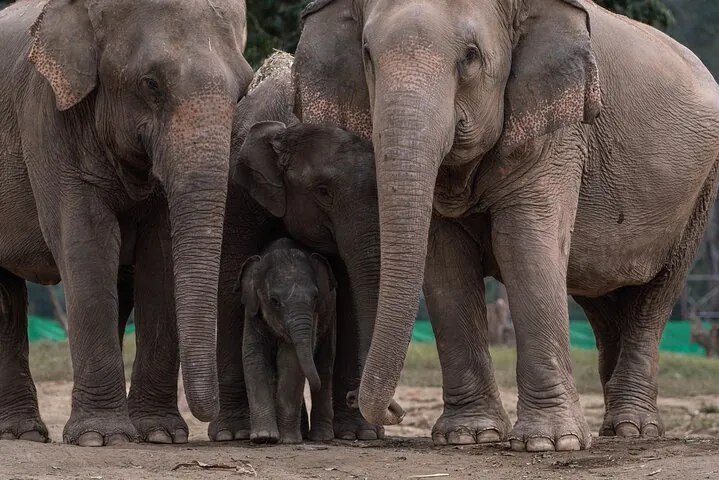
Chiang Mai Elephant Sanctuary, Rafting & Waterfall Tour

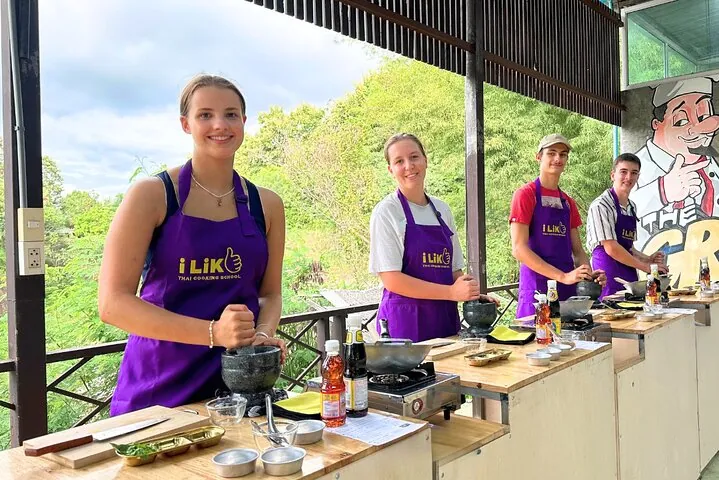
Chiang Mai Cooking Class at Grand Canyon with Market Tour

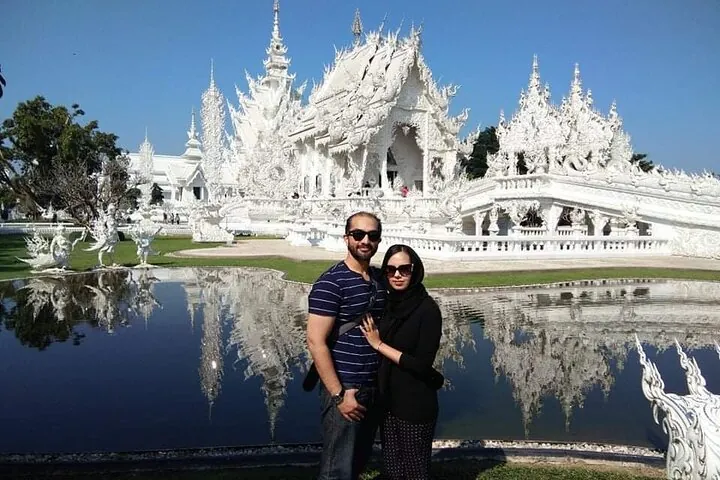
Chiang Rai Temples: Private Tour from Chiang Mai

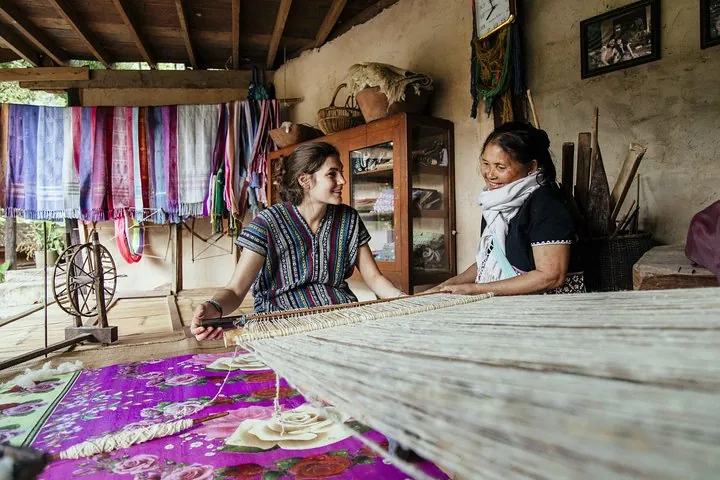
City Escape: Doi Inthanon & Karen Village Private Day Trip

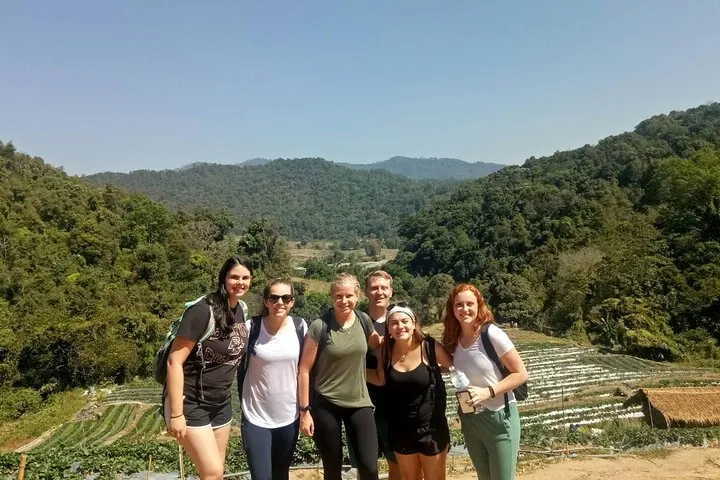
Doi Inthanon Private Tour with Trek & Lunch from Chiang Mai

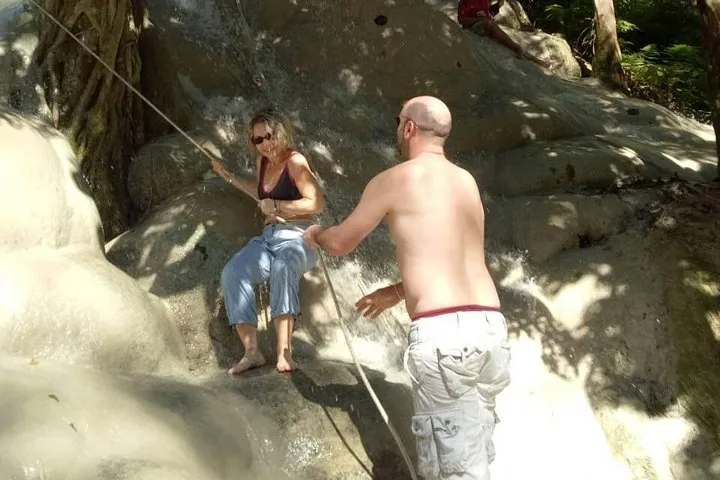
Doi Suthep Temple and Bau Thong Waterfalls Private Tour
When to go
Nov–Feb Cool, dry and clear, the best months. Mornings can drop below 15°C in December and January, so pack a layer for early temple visits and mountain trips.
Mar–Apr Agricultural burning blankets the region in haze, usually from late February with March and early April worst. Air quality can reach unhealthy levels. Skip these months if you have respiratory issues.
Jun–Oct The monsoon brings short, heavy afternoon downpours and the greenest countryside of the year. Waterfalls run at full force and hotel prices drop.
November Yi Peng and Loy Krathong make this Chiang Mai's busiest week. The lantern festivals are worth planning around, but book accommodation well ahead.
Events & Festivals
All events →Chiang Mai Lantern Festival (Yi Peng)
24–25 Nov 2026
Yi Peng 2026 is 24–25 November in Chiang Mai: mass sky-lantern releases from 3,000 THB, free temple ceremonies, how tickets work and where to stay.


Chiang Mai Design Week
5–13 Dec 2026
Chiang Mai Design Week fills the old city each December, 50+ venues of Lanna craft, design, and music, mostly free. The 2026 edition runs 5-13 December.
Bo Sang Umbrella Festival
15–17 Jan 2027
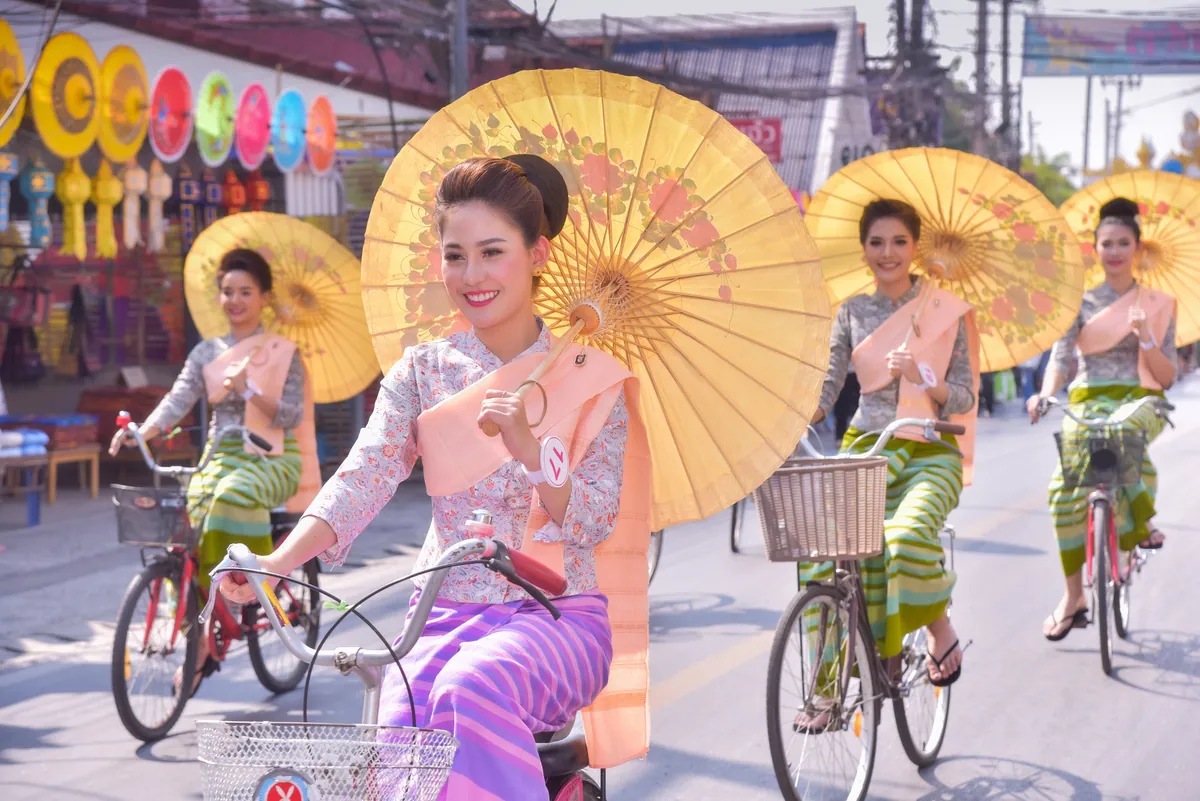
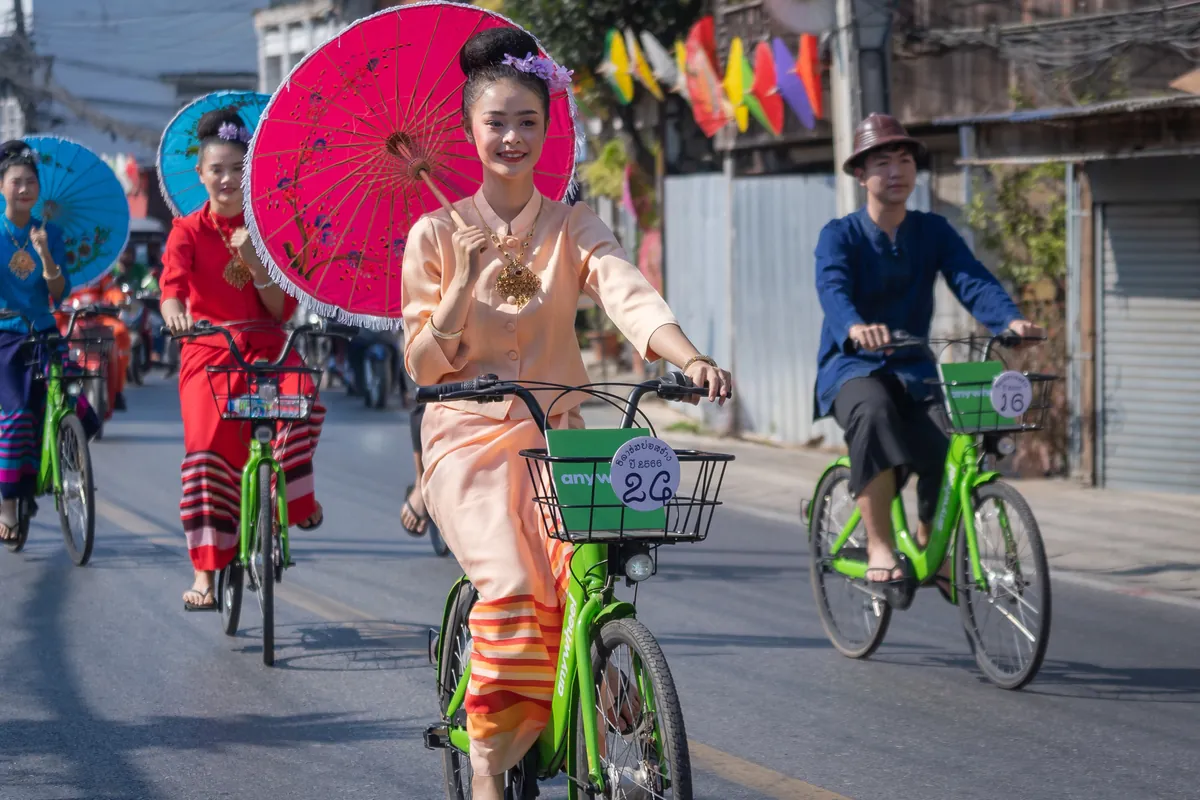
Bo Sang village, 9km from Chiang Mai, fills with saa-paper umbrellas every third weekend of January. Craft demos, Lanna parade, beauty pageant, free entry.

Chiang Mai Flower Festival
5–7 Feb 2027
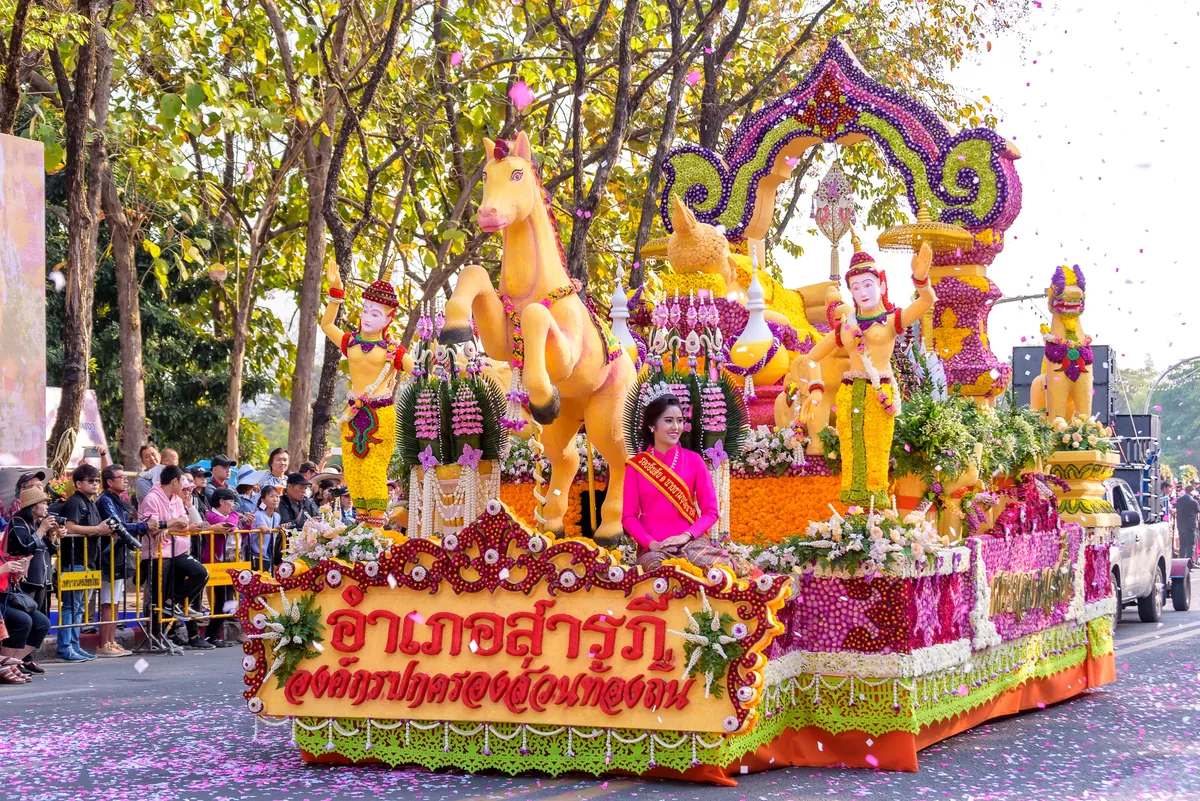
Chiang Mai Flower Festival is expected 5–7 February 2027 at Suan Buak Hat Park. Fresh-flower floats parade through the city centre on Saturday. Entry is free.

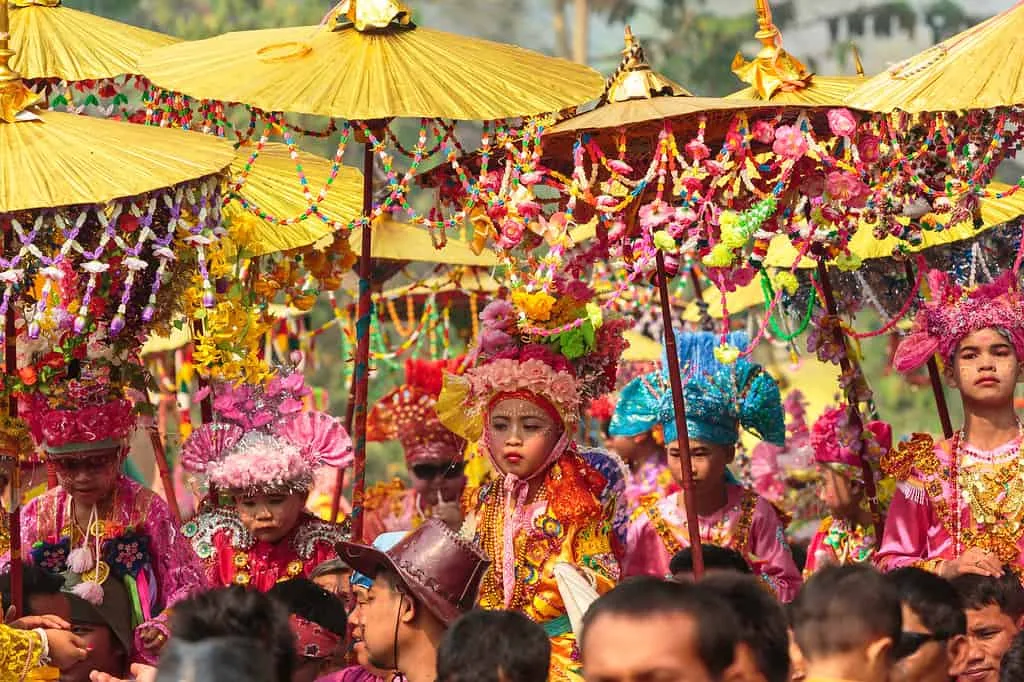
Poy Sang Long
20 Mar – 15 Apr 2027
Shan Buddhist ordination ceremony in Chiang Mai every March-April. Boys aged 7-14 in royal dress, temple processions at Wat Pa Pao and Wat Ku Tao.

Songkran Festival
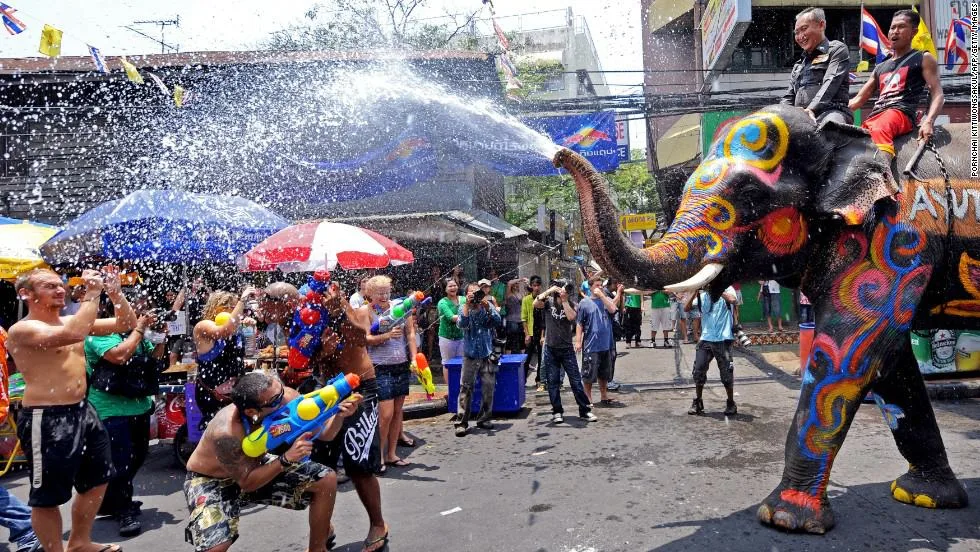
13–15 Apr 2027
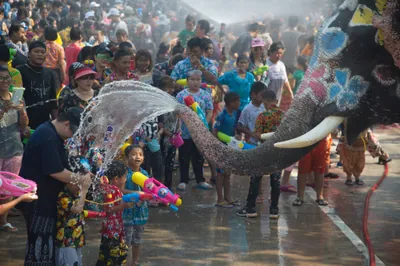
Songkran 2027 is 13–15 April (Tue–Thu, public holidays): where the biggest water fights are in Bangkok, Chiang Mai and Pattaya, and what each day means.

Itineraries Featuring Chiang Mai

2 Weeks Thailand on a Budget: The Backpacker Route

2 Weeks in Thailand Itinerary: Route, Costs & Tips

3 Days in Chiang Mai: Temples, Doi Suthep & Elephants
7 Days Bangkok to Chiang Mai: The Classic Thailand Route
7 Days in Northern Thailand: Chiang Mai, Pai & Chiang Rai
From the blog
Chiang Mai guides & reading

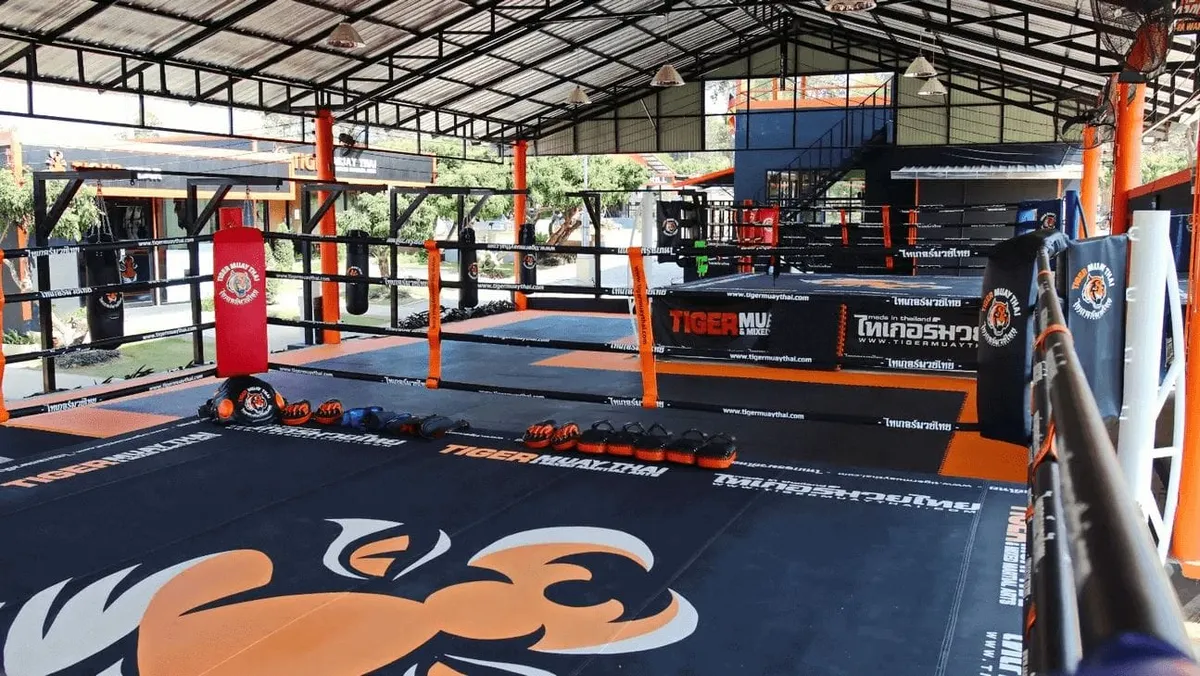
Best Muay Thai Gyms in Chiang Mai 2026
Eight Chiang Mai Muay Thai gyms compared: Santai and Gym Bangarang residential camps, plus Old City gyms like Thaikla and Dang. Addresses, booking links.

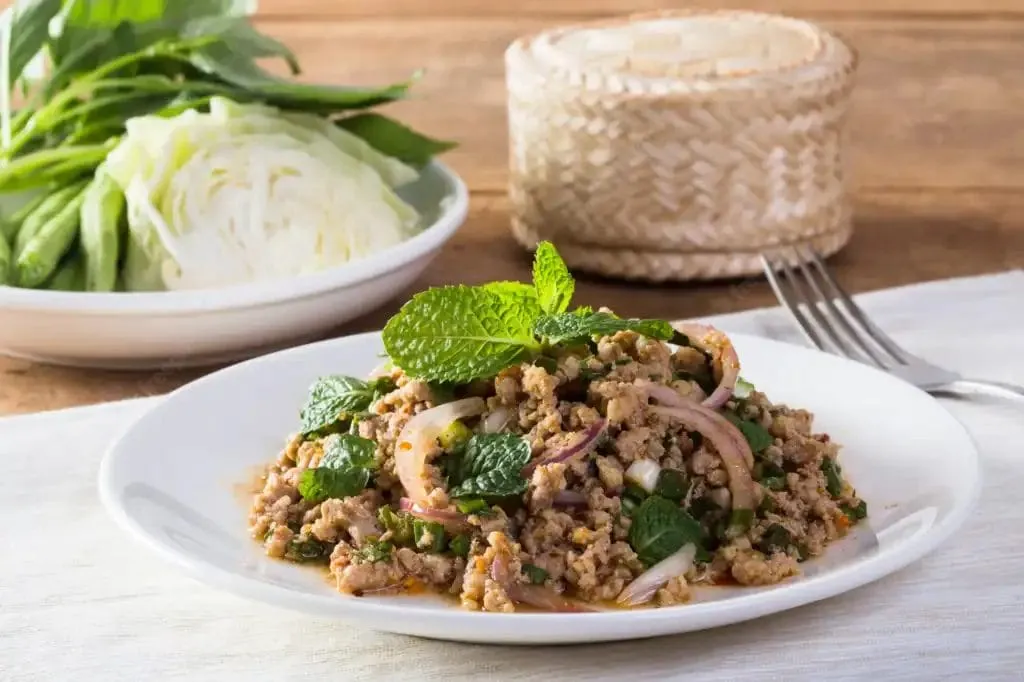
Michelin Restaurants in Thailand: 2026 Stars & Bib Gourmand
Thailand's 2026 Michelin guide: 2 three-star tables, 33 one-stars, 137 Bib Gourmands. Top picks in Bangkok, Phuket and Chiang Mai, and how to book them.

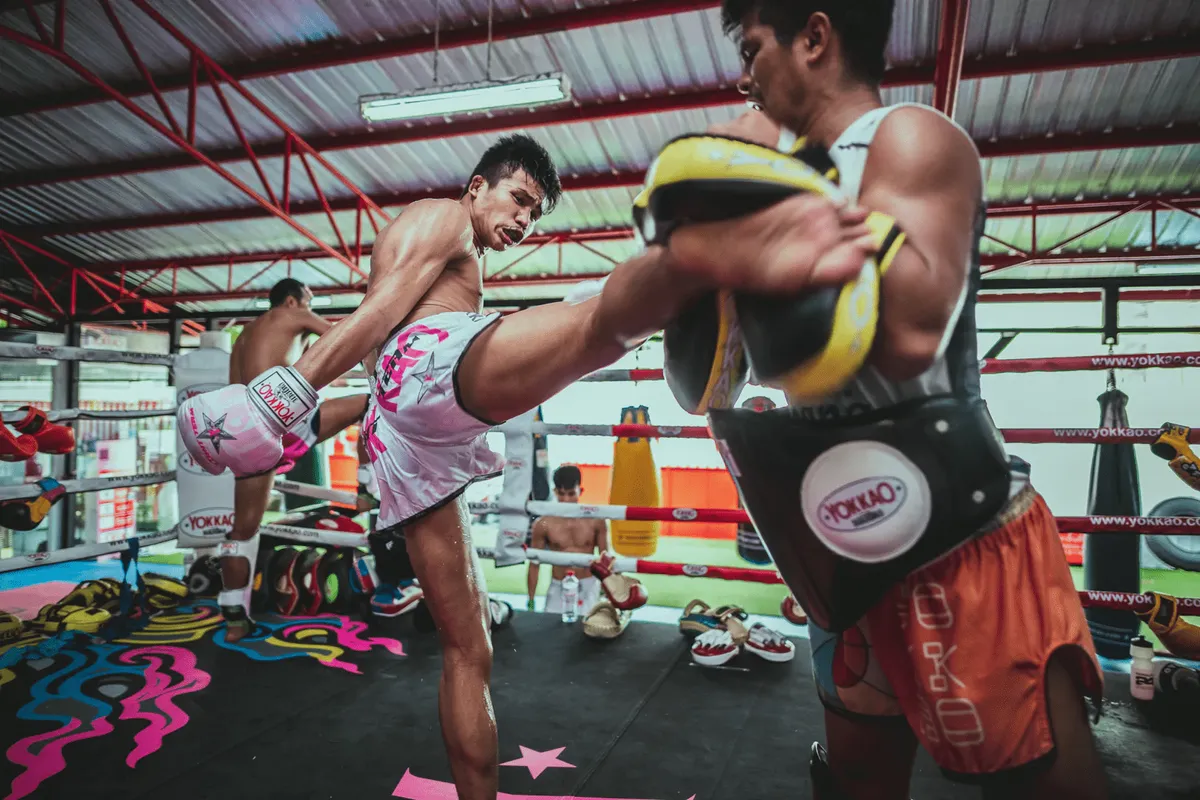
Best Muay Thai Camps in Thailand 2026: Gyms vs All-Inclusive Stays
Compare 20 Muay Thai camps in Thailand for 2026: day-rate gyms vs residential camps vs all-inclusive stays, with beginner picks from Bangkok to Koh Samui.

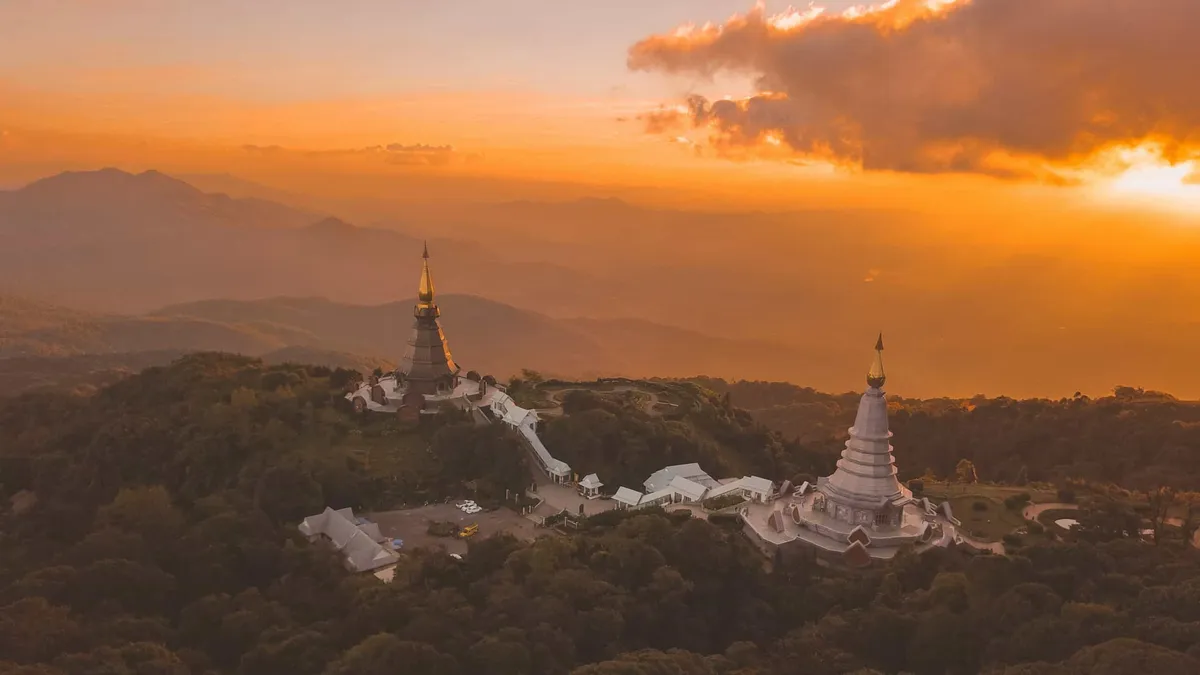
Best Places to Go Hiking in Chiang Mai
Six Chiang Mai hiking and outdoor options, including the Monk's Trail, Doi Inthanon, regulated Doi Luang Chiang Dao access, and guided rural routes.

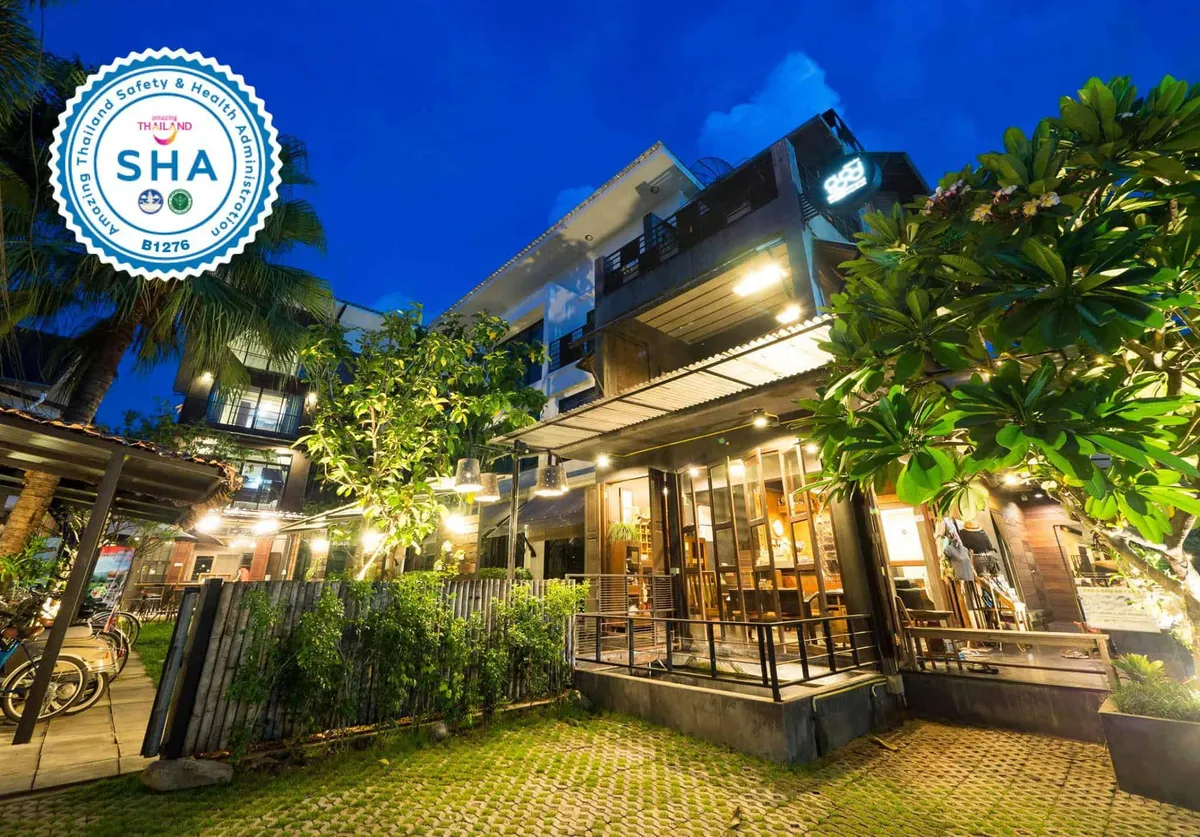
Cheap Hotels in Chiang Mai: Best Budget Areas
Chiang Mai budget and mid-cheap hotels by area: Old City, Nimman, Chang Klan and Ping riverside, 12 linked picks with honest transport tradeoffs.


Pet-Friendly Hotels in Chiang Mai: Where to Stay With Your Dog
Few Chiang Mai hotels genuinely welcome dogs (the verified pet-friendly picks, central Nimman options, plus pet cafes, dog walks and 24-hour vets).

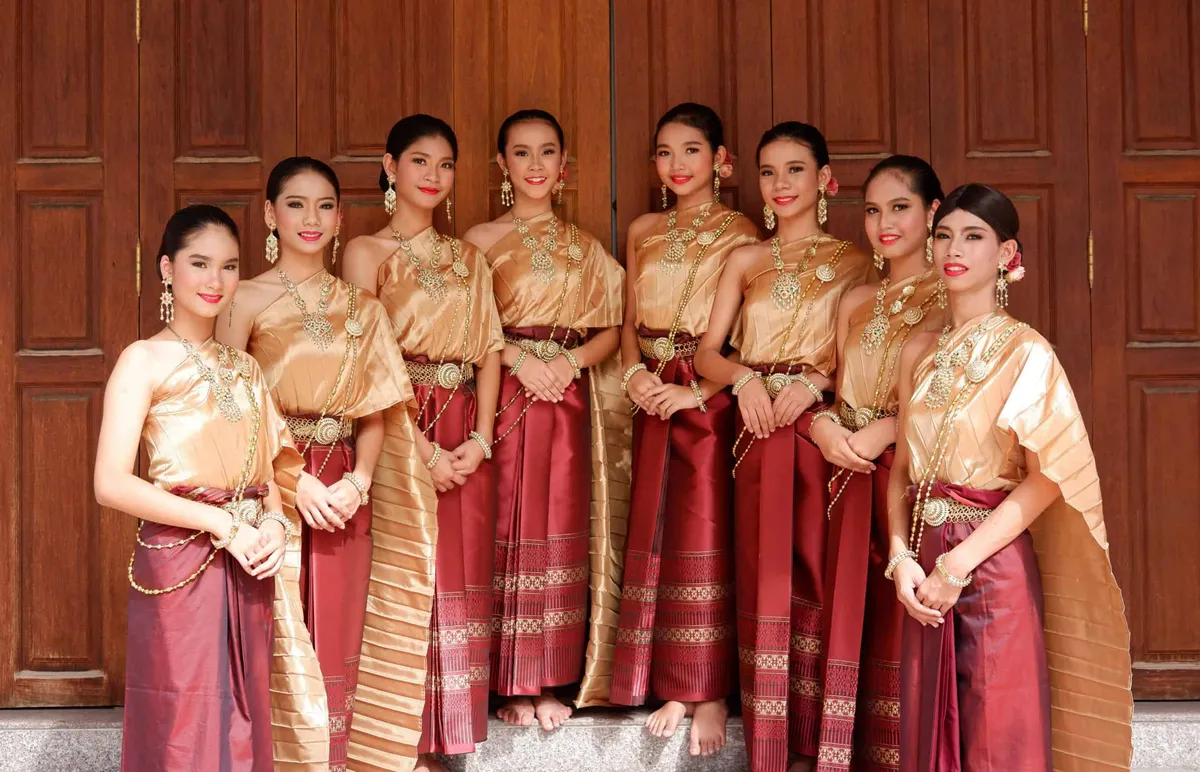
Chut Thai: The Styles of Thailand's Traditional Dress
Chut Thai explained, Queen Sirikit's 8 royal styles (Chakkri, Siwalai, Chitlada), the older sinh and sabai, and where to rent one near Bangkok temples in 2026.

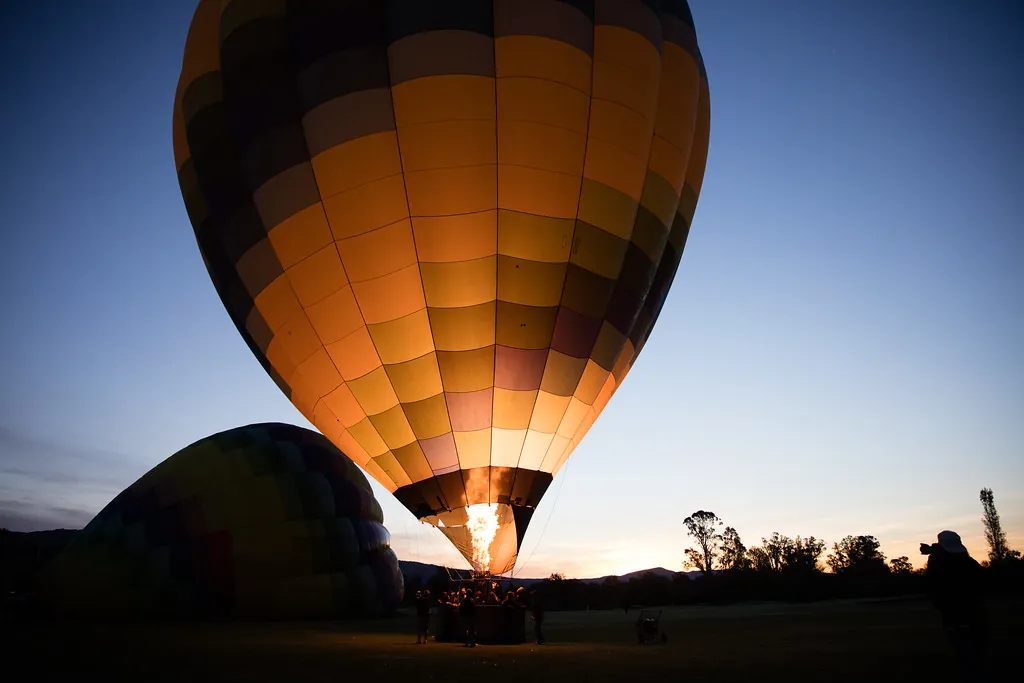
Flying Over Chiang Mai: Skydiving, Paramotors & Balloons
Chiang Mai has a real dropzone, six paramotor strips, licensed balloons and gyrocopters. Prices, seasons and honest picks for every way to get airborne.
Explore around Chiang Mai




About Chiang Mai
Last updated September 2026
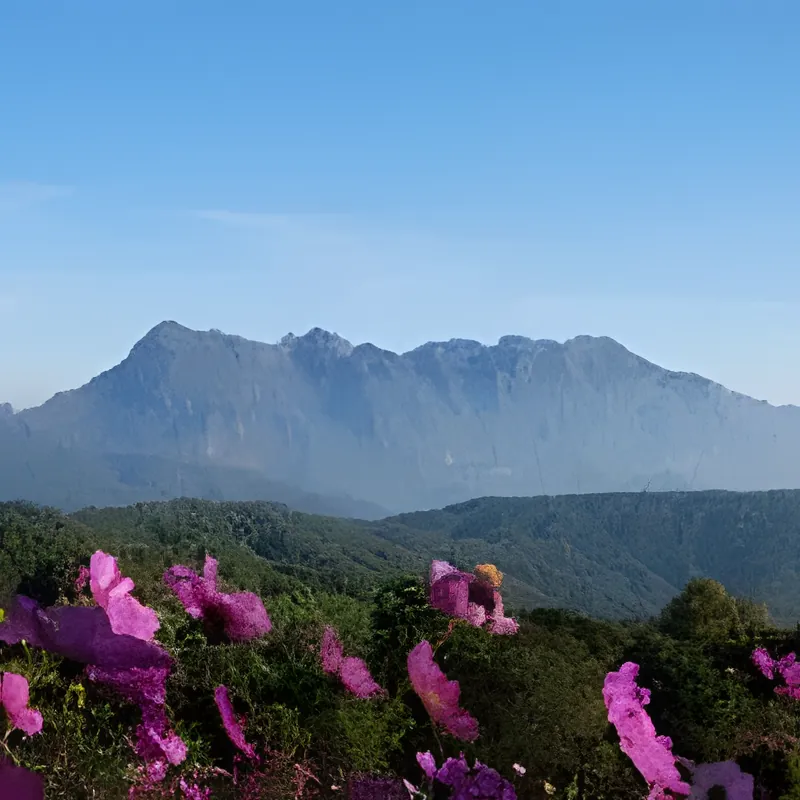
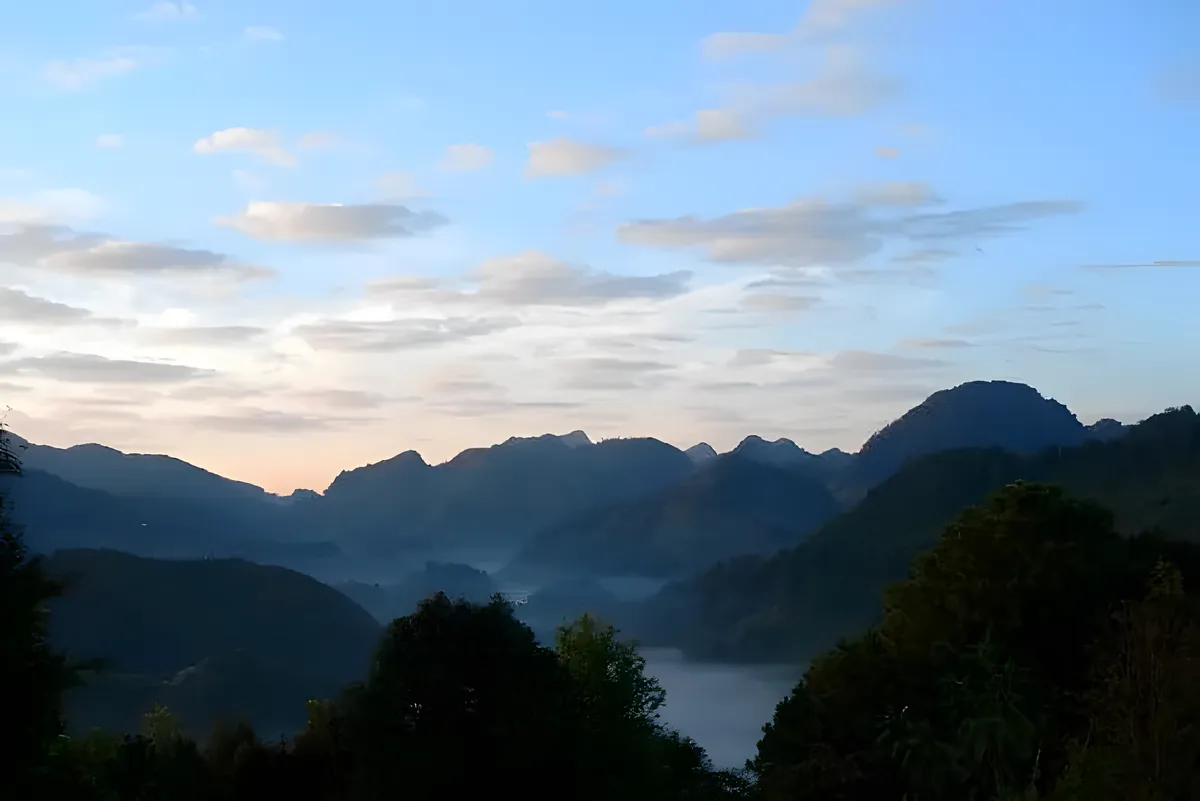
The old city still fits inside a 700-year-old moat you can walk around in an afternoon. Step outside it and the mountains start. That contrast, a low-rise grid of temples and coffee shops with Doi Suthep rising green behind it, is what makes Chiang Mai feel slower than the rest of Thailand, and why so many travellers come for three days and end up staying three weeks.
This is the North at half-speed: temple bells, hill-tribe markets, jungle treks, and some of the best food in the country. It draws a different crowd from Bangkok’s chaos or the southern islands: culture seekers, trekkers, digital nomads, and people who came to learn to cook or to sit still for a while. Our two-week backpacker itinerary uses Chiang Mai as the hub between Bangkok and Pai. If the city is all you have time for, three days in Chiang Mai covers the Old City, Doi Suthep and a day out.
Temples and the old city
Chiang Mai serves up Thailand’s richest temple-hopping outside Bangkok, and the Lanna style here is its own thing: teak halls, gilded naga staircases, and chedis worn soft by six centuries of weather.
Start with Wat Chedi Luang, whose half-ruined 1481 chedi anchors the old city, then Wat Phra Singh a few blocks west for its mural-filled Viharn Lai Kham. Save Wat Phra That Doi Suthep for a sunrise trip up the mountain, before the tour vans arrive. Many of the smaller neighbourhood wats are active monasteries where monks still chant at dawn. Slip in quietly and you’ll have them to yourself.
Into the mountains
The ring of national parks turns the city into an adventure base camp. Doi Inthanon (Thailand’s highest peak, with its twin royal pagodas and cloud-forest waterfalls) is the headline day trip, while Doi Suthep-Pui sits right on the city’s doorstep and Mae Wang is the go-to for bamboo rafting and elephant sanctuaries.
Treks here range from a half-day waterfall walk to multi-day routes through Karen and Hmong villages. Go with an operator that works directly with the communities: the experience is warmer, and more of your money stays in the hills.
Food and cooking classes
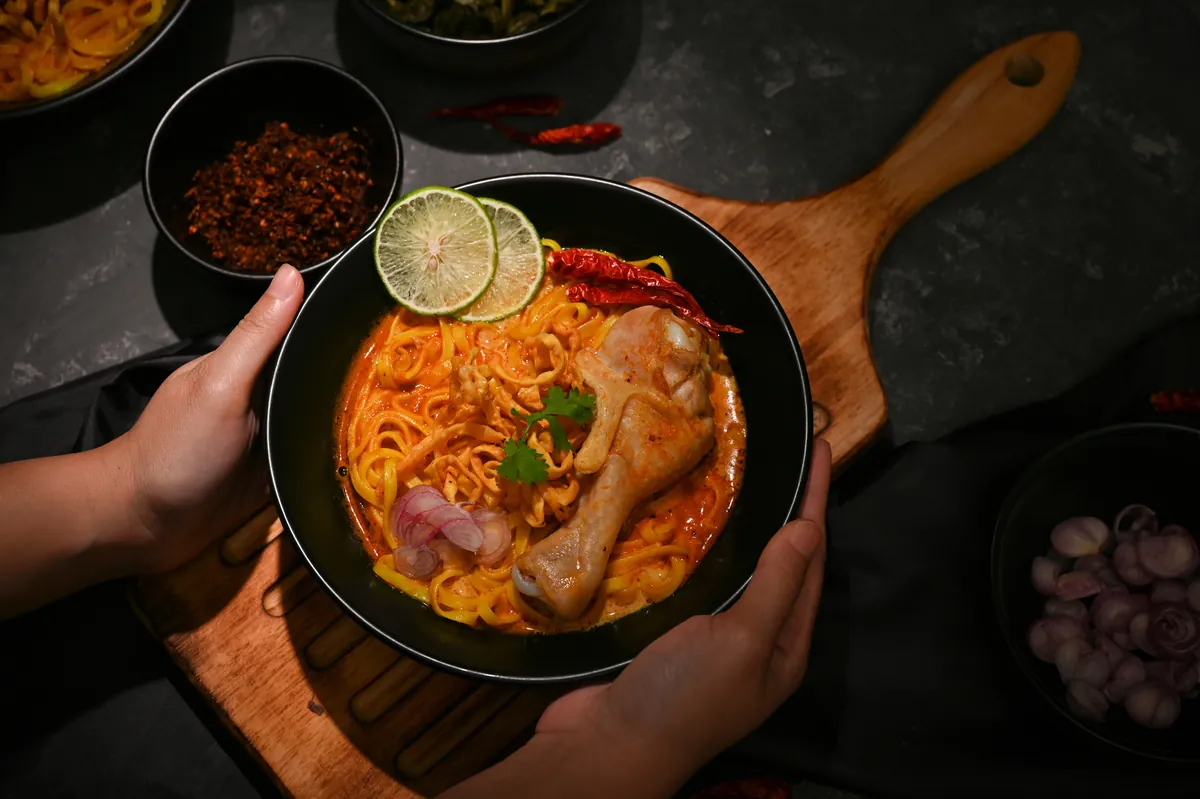
Chiang Mai’s signature dish is khao soi (a coconut curry noodle soup with crispy noodles piled on top) and once you’ve had a good bowl you’ll spend the rest of the trip chasing better ones. The Sunday Walking Street fills the old city with grilled skewers, northern sausage and hand-made sweets; the night bazaar runs every evening.
If you want to take the flavours home, a Chiang Mai cooking class is the single best half-day you can book: most start with a market tour picking herbs, and end with you eating everything you made. For crafts rather than food, Ban Kang Wat is a courtyard of artist studios and a weekend makers’ market out in the west of the city.
Where to stay, by neighbourhood
Accommodation runs from $10 backpacker beds to $746-a-night resorts, with the average around $92.
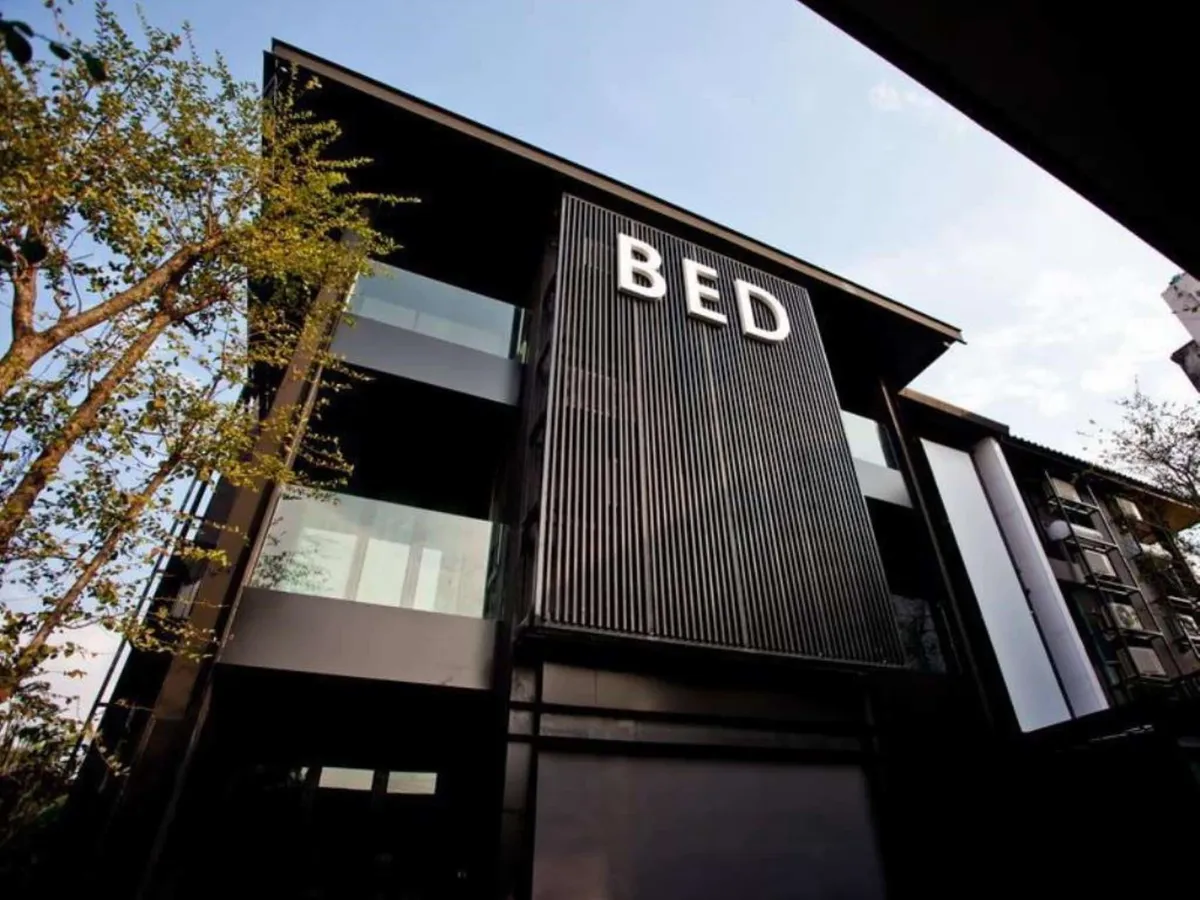
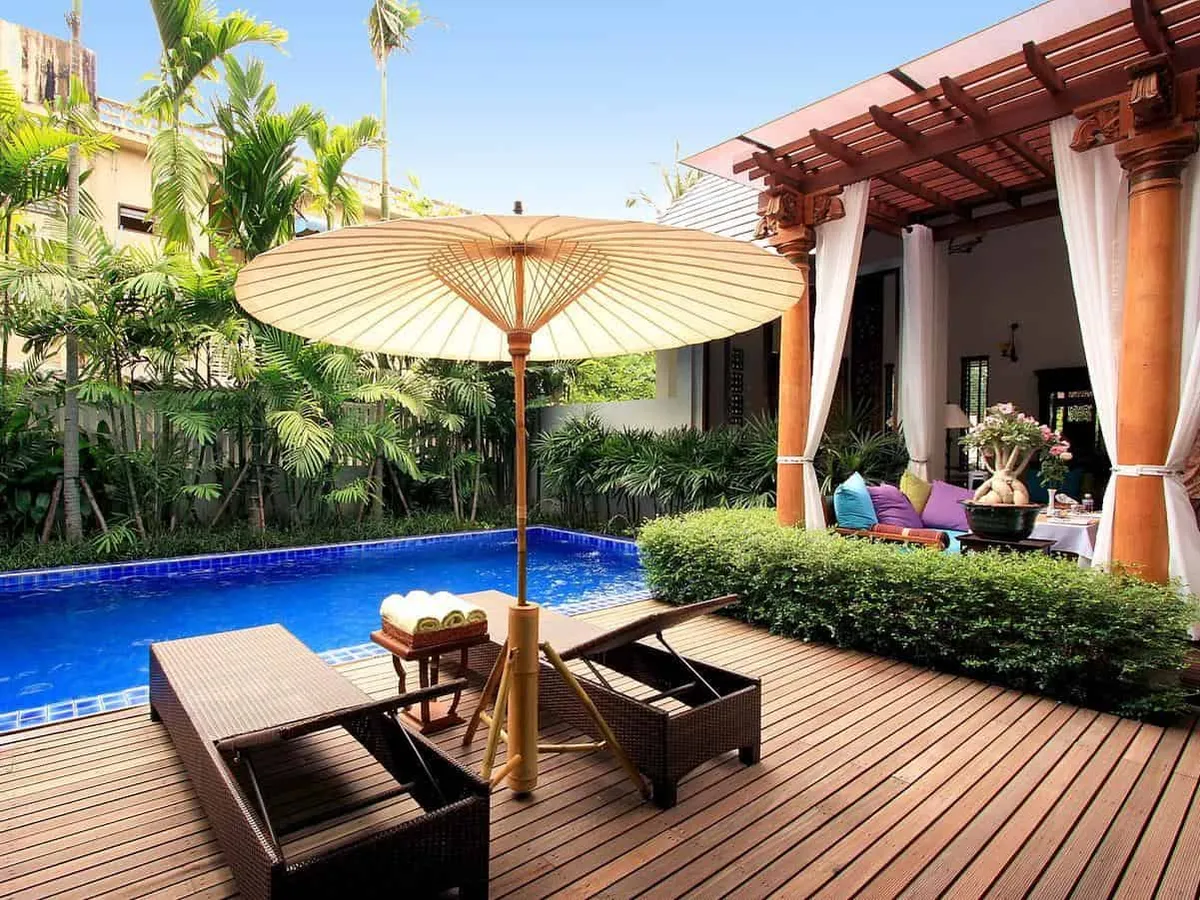
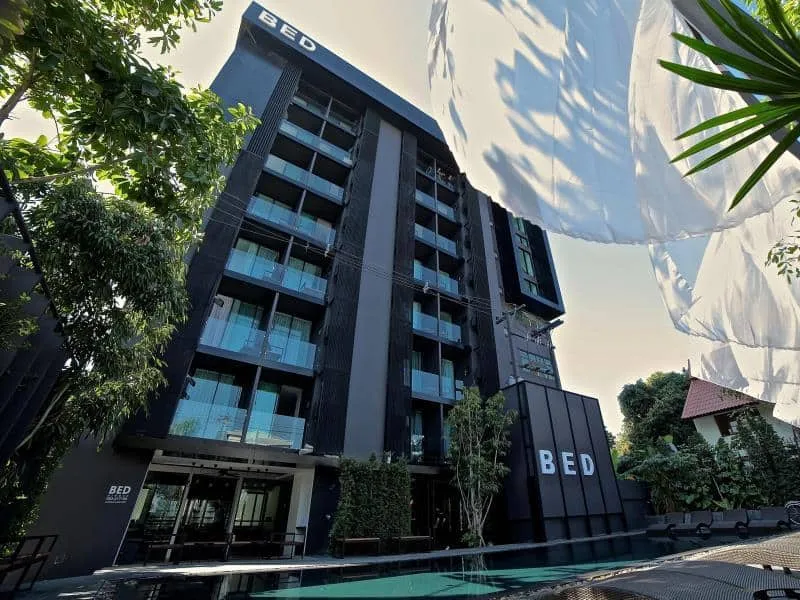
For top-rated stays, BED Phrasingh – Adult Only, Baan Klang Wiang Hotel and BED Nimman – Adult Only consistently earn the highest reviews. The adults-only BED properties (including BED Changkian – Adult Only) are a reliable pick for couples, while U Nimman Chiang Mai puts you in the middle of the Nimman action. For mid-budget hotels by neighbourhood, see our editor shortlist of cheap hotels in Chiang Mai. Travelling with a pet? A short list of pet-friendly hotels in Chiang Mai accept dogs. Confirm each property’s size limit and fee before booking.
Beyond hotels, Chiang Mai’s 51 retreats (yoga, meditation, sound healing) reflect its long-standing reputation as Thailand’s wellness capital.
Muay Thai training
Chiang Mai is a strong mainland base for Muay Thai: cooler evenings than the islands, and camps in San Kamphaeng and Mae Rim rather than beach strips. Our shortlist of best Muay Thai gyms in Chiang Mai covers Santai (stadium technique) and Gym Bangarang (Mae Rim fitness-camp packages). For camps across Thailand, see Muay Thai gyms in Thailand.
Practical tips
The cool season (November–February) is the best time to visit. Note that agricultural burning across the north makes smoke season roughly February–April, with March–April the worst. Air quality can turn genuinely unhealthy, and mountain views disappear. Plan outdoor treks and national park days for the cool dry months instead.
ATMs are everywhere downtown and English signage is common thanks to the large expat community. Songthaews and tuk-tuks handle most short hops, though many old-city sights are within walking distance of each other. At temples, cover your shoulders and knees and take your shoes off before entering prayer halls.
Insider Tip: Book hill tribe treks through established operators who work directly with communities rather than taking commissions from multiple middlemen. This ensures more money reaches the villages and provides more authentic cultural exchanges rather than performance-style encounters.