Every November, thousands of paper lanterns rise above Chiang Mai in near-perfect unison — drifting upward like a slow-motion constellation being born. Yi Peng is Thailand’s most photogenic festival, and possibly its most spiritual. The 2026 edition falls on November 24-25, coinciding with Loy Krathong, the nationwide water lantern festival.
But here’s what most guides won’t tell you: the iconic mass lantern release you’ve seen on Instagram isn’t free, it isn’t in the city centre, and tickets sell out months in advance. This guide breaks down exactly where to go, what each event costs, and how to experience Yi Peng without blowing your budget — or missing the magic.
Key Facts: Yi Peng 2026
- Dates: November 24-25, 2026 (full moon of the 2nd Lanna lunar month)
- Location: Chiang Mai, Northern Thailand
- Ticket prices: Free (temple events) to 4,900 THB (~$150) for organised lantern releases
- Best for: Photographers, couples, spiritual travellers, bucket-list seekers
- Book ahead: Organised events sell out 2-3 months before the festival
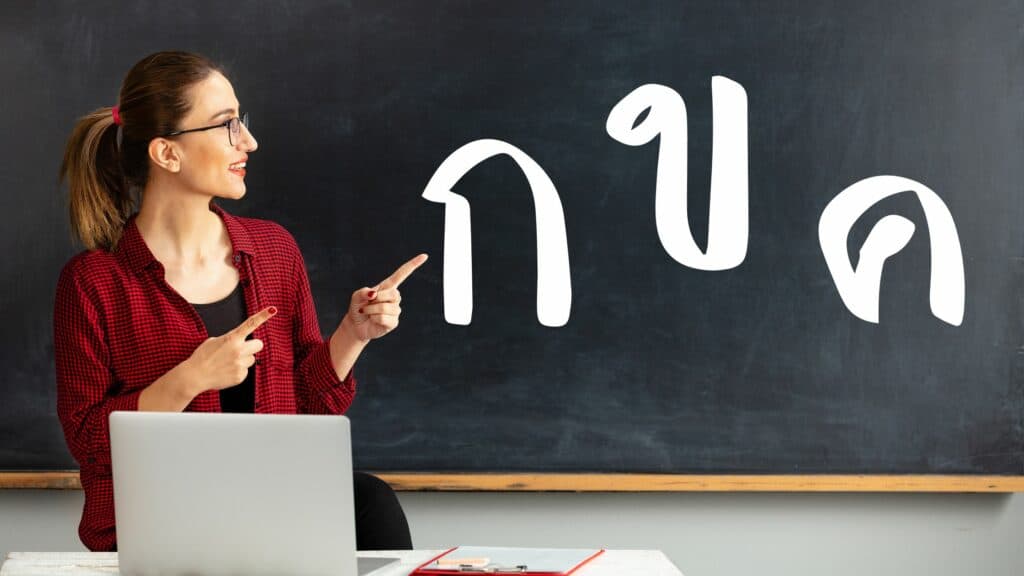
- Pronunciation: “Yee Peng” (ยี่เป็ง) — sometimes spelled Yee Peng or Yipeng
What Is Yi Peng?
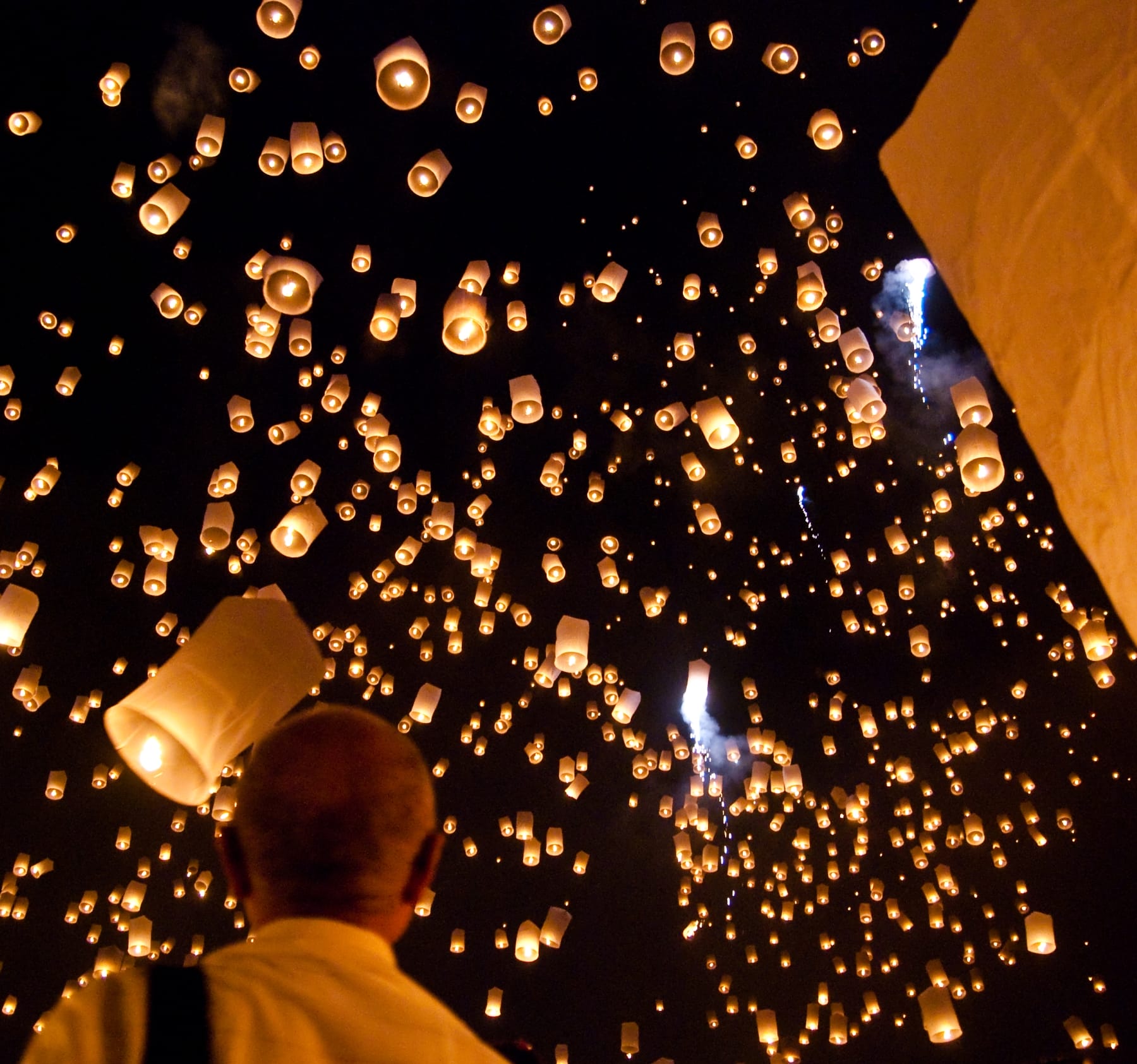
Yi Peng is a Lanna Buddhist festival celebrated primarily in northern Thailand, centred on Chiang Mai. The name translates roughly to “second full moon” — referring to the second month of the Lanna calendar, which falls in November on the Western calendar. During Yi Peng, participants release khom loi (sky lanterns) into the night sky as offerings to the Buddha, symbolically letting go of misfortune and making wishes for the year ahead.
The tradition dates back centuries to the Lanna Kingdom, which ruled northern Thailand from the 13th to 18th centuries. Unlike Loy Krathong — where floating krathongs are released onto water — Yi Peng sends offerings skyward. Both festivals happen simultaneously, which means Chiang Mai gets a double celebration: lanterns floating up and krathongs floating down.
A single khom loi is a rice paper cylinder stretched over a bamboo frame with a fuel cell at the base. Light the cell, wait 30 seconds for hot air to fill the lantern, then release. Watching several thousand rise at once — flickering against a dark sky like embers from an enormous fire — is genuinely one of those travel moments that lives up to the hype.
Yi Peng vs Loy Krathong: What’s the Difference?
Visitors often confuse the two because they overlap. Here’s the quick distinction:
| Feature | Yi Peng | Loy Krathong |
| What’s released | Sky lanterns (khom loi) | Floating baskets (krathongs) on water |
| Origin | Lanna (Northern Thai) | Central Thai (Sukhothai) |
| Where | Primarily Chiang Mai | Nationwide — Bangkok, Sukhothai, Ayutthaya, everywhere |
| Direction | Upward (sky) | Downstream (water) |
| Spiritual meaning | Release misfortune, honour the Buddha | Pay respect to water goddess Phra Mae Khongkha |
In Chiang Mai, you’ll experience both on the same evenings. Locals release krathongs into the Ping River and the Old City moat while khom loi float overhead. It’s the combination that makes November in Chiang Mai so extraordinary.
Where to Experience Yi Peng in 2026
Since 2015, free mass lantern releases have been banned in Chiang Mai city due to aviation safety concerns. Sky lanterns are prohibited within the municipal area during the festival. That doesn’t mean you can’t see lanterns — it just means the biggest, most photogenic mass releases happen at private, ticketed venues outside the city.
You have two categories of experience: paid organised events (mass releases) and free public celebrations (temples, moat, river).
Paid Organised Events (Mass Lantern Releases)
These are the events that produce the famous photos — thousands of lanterns released simultaneously in a coordinated ceremony. All include transport from Chiang Mai, dinner, lanterns, and a krathong.
| Event | Capacity | Price From | Notes |
| CAD Khomloy | ~22,000 | 4,900 THB ($150) | Largest event. Standard/VIP/Premium tiers. Official tickets at yipenglanternfestival.in.th |
| Yee Peng Lanna International | ~3,000 | 4,800 THB ($154) | Smaller, more intimate. Often has cultural workshops. |
| Horizon Village | ~2,000 | 2,500 THB ($78) | Budget-friendly option. Located at a resort east of the city. |
| Heritage Sky Lanterns | ~2,000 | 4,900 THB ($157) | Newer event. Emphasises eco-friendly lanterns. |
| Moonlight Sky Lanterns | ~1,500 | 4,500 THB ($145) | Smaller crowd, good for photography. |
Our pick: CAD Khomloy if budget allows — it’s the biggest and most iconic. Horizon Village if you want the experience for roughly half the price. Both include transport, dinner, lanterns, and krathong.
Free Public Celebrations
You don’t need a ticket to feel the magic of Yi Peng. The Old City comes alive on festival nights:
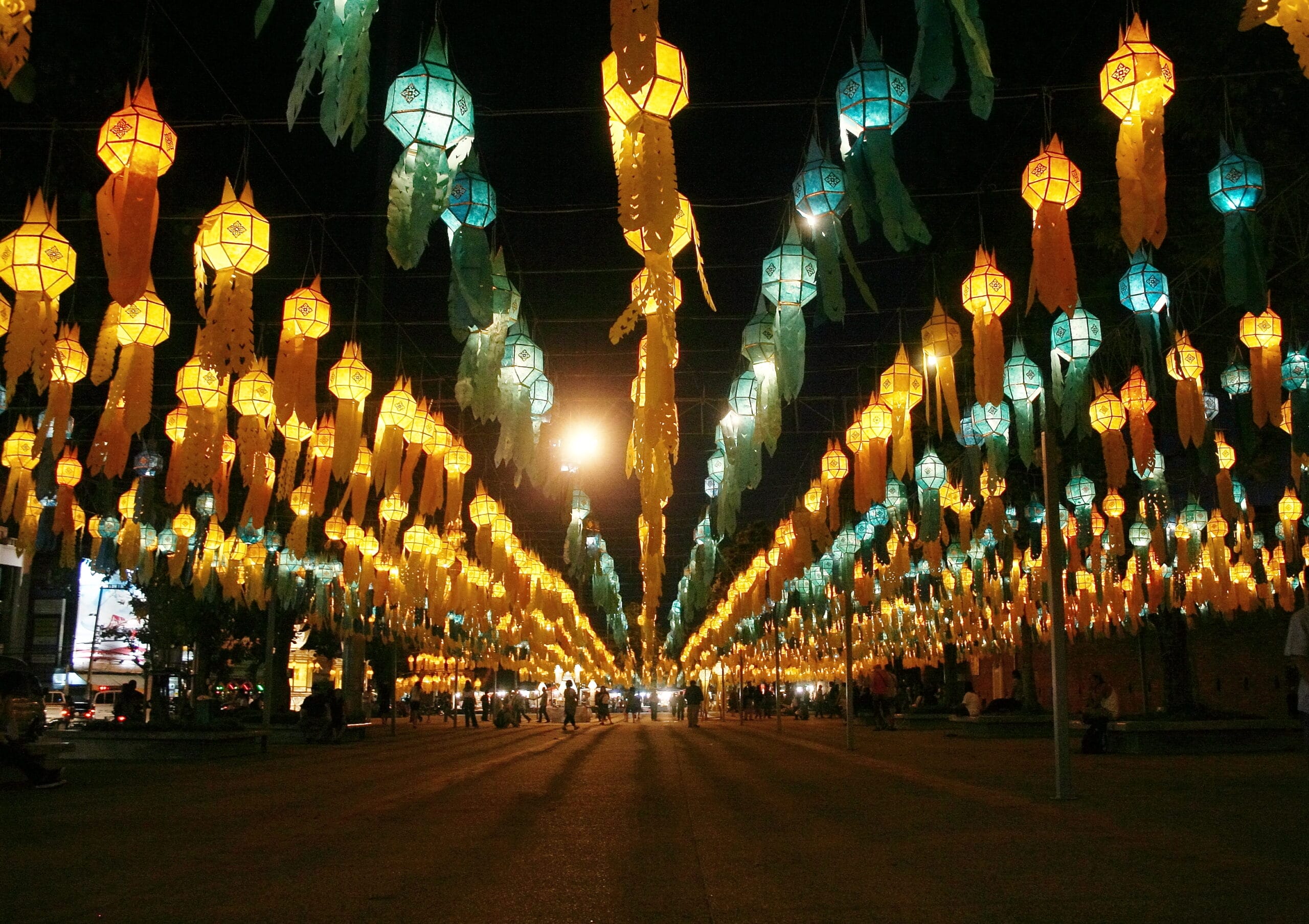
- Wat Phan Tao — The most photogenic temple during Yi Peng. Hundreds of paper lanterns and candles line the grounds. Monks chant while reflected candlelight shimmers in the pond. Free entry, but arrive before sunset to claim a spot.
- Tha Pae Gate — The heart of the city’s celebrations. Street performances, food stalls, and a general party atmosphere. This is where locals and tourists mingle most naturally.
- The Old City Moat — Walk along the moat to see krathongs floating on the water, illuminated by candlelight. Vendors sell krathongs for 20-100 THB so you can join in.
- Ping River (Nawarat Bridge area) — The main krathong-releasing spot. Crowded but atmospheric. Food carts line both banks.
- Wat Chedi Luang — Another gorgeous temple with candlelit ceremonies. Less crowded than Wat Phan Tao but equally beautiful.
Between the temple ceremonies, the moat, the river, and the street celebrations, you can easily fill two full evenings without buying a single ticket.
Yi Peng 2026 Schedule
The festival spans two main evenings, though the city’s festive mood starts days earlier.
November 24 (Evening 1)
- Temple ceremonies begin at sunset (~17:30)
- CAD Khomloy first night — shuttles depart from 13:00, ceremony at 19:00, mass release at 20:15
- Tha Pae Gate celebrations and street food from late afternoon
- Krathong floating on the Ping River and moat
November 25 — Loy Krathong Night (Evening 2)
- The main night — both Yi Peng and Loy Krathong at their peak
- Second night of CAD Khomloy and other organised events
- Wat Phan Tao candlelit ceremony (the most photographed moment)
- Old City moat and river celebrations reach maximum intensity
- Fireworks in some locations
Important: Do not release sky lanterns within Chiang Mai municipality. Fines of up to 60,000 THB apply, and stray lanterns endanger aircraft. All legal mass releases happen at licensed venues outside the city.
How to Get Tickets
Tickets for organised events typically go on sale 6-9 months before the festival. For November 2026:
- CAD Khomloy: Official tickets at yipenglanternfestival.in.th — Standard (4,900 THB), VIP (6,900 THB), Premium (8,900 THB)
- GetYourGuide and Klook also sell official tickets, sometimes bundled with hotel pickup
- Avoid third-party resellers charging double. Only buy from official sources or recognised agents like Highlights Travel
Standard tickets include round-trip shuttle, Thai Lanna dinner buffet, two sky lanterns, one krathong, and access to cultural performances. VIP adds better seating; Premium includes a private viewing area.
Budget tip: If 4,900 THB feels steep, skip the organised events entirely. The free temple and moat celebrations are genuinely magical — you’ll still see scattered lanterns in the sky from the private venues, plus the full Loy Krathong water festival. Many repeat visitors prefer the free experience.
What to Wear
Yi Peng is a Buddhist festival, and respectful dress matters — especially at temple events. Shoulders and knees should be covered. White clothing is traditional (symbolising purity), though not required. Many Thai attendees wear white; you’ll feel more part of the ceremony than a spectator if you do the same.
For organised events like CAD, the dress code is more relaxed — smart casual works fine. Comfortable shoes are essential regardless; you’ll be standing and walking on uneven ground for hours. November nights in Chiang Mai drop to 18-22°C, so bring a light layer.
Getting to Chiang Mai
Chiang Mai International Airport (CNX) has direct flights from Bangkok (1 hour, from 1,200 THB one-way on AirAsia or Nok Air), plus international connections from Kuala Lumpur, Singapore, and several Chinese cities.
Alternatives from Bangkok:
- Train: 10-13 hours on the overnight sleeper. Book the first-class sleeper cabin for around 1,300 THB — it’s a classic Thai experience.
- Bus: 9-10 hours from Bangkok’s Mo Chit bus terminal. VIP buses from 500 THB.
- Drive: ~680 km via Highway 1. Roughly 8 hours with stops.
Book flights early — November is peak tourist season in northern Thailand, and Yi Peng weekend sees the highest demand of the year. Prices can triple if you wait until October.
Where to Stay
Accommodation in Chiang Mai books up fast for Yi Peng weekend. The Old City and Nimmanhaemin (Nimman) areas are the most convenient bases.
Best Areas for Yi Peng
- Old City (within the moat): Walk to Wat Phan Tao, Wat Chedi Luang, and the moat celebrations. This is the festival’s beating heart.
- Riverside (Charoen Rat area): Close to the Ping River krathong events and Nawarat Bridge. Good mix of boutique hotels.
- Nimmanhaemin: Chiang Mai’s hipster district. More modern hotels and restaurants, 10 minutes by songthaew to the Old City.
Expect to pay 50-100% more than usual for Yi Peng weekend. A standard Old City guesthouse that’s normally 800 THB/night might run 1,500 THB. Mid-range hotels go for 2,500-4,000 THB. Book at least 2 months ahead for any decent options.
Photography Tips
Yi Peng is absurdly photogenic, but the conditions are tricky — low light, moving subjects, massive dynamic range between dark sky and bright lantern flames.
- Gear: A fast lens (f/1.8 or wider) makes a huge difference. Phone cameras struggle with the low light — latest-gen iPhones and Samsung Galaxy S-series handle it reasonably well in night mode.
- Settings: ISO 1600-3200, aperture wide open, shutter speed 1/60-1/125. Use burst mode during the mass release.
- Tripod: Essential for long exposures of the moat reflections. Most organised events don’t allow tripods, but temples and the moat are fair game.
- Position: At Wat Phan Tao, arrive 90 minutes early to claim a spot near the pond. The reflection of candles and lanterns in the water is the money shot.
- Video: The mass release is actually more impressive on video than in photos — the motion of thousands of lanterns rising is what makes it extraordinary.

Practical Tips
- Transport: Grab and Bolt work in Chiang Mai. Surge pricing is extreme during Yi Peng — pre-book or use songthaews (red trucks, 30-40 THB per person around the city).
- Cash: Many street vendors and krathong sellers are cash-only. ATMs are everywhere, but carry 1,000-2,000 THB in small bills.
- Crowds: The Old City gets packed. Use the moat’s quieter western and southern stretches if you want atmosphere without the crush.
- Food: Street food stalls set up along Tha Pae Road and around the moat. Khao soi (Chiang Mai’s signature curry noodle soup) is a must — Khao Soi Khun Yai, near the Old City, is the local favourite.
- Combine with day trips: If you’re spending a few days in Chiang Mai around Yi Peng, the Doi Suthep temple, Bua Tong sticky waterfalls, and the Chiang Mai night bazaar are all worthwhile between festival evenings.
- Weather: November is dry season in Chiang Mai — expect clear skies, low humidity, and temperatures of 18-30°C. Perfect festival weather.
The Eco Debate: Are Sky Lanterns Harmful?
It’s a fair question. Thousands of paper lanterns dropping into agricultural land, forests, or waterways isn’t ideal. Some facts to consider:
- Thai authorities banned mass releases within Chiang Mai city after 2015 partly for environmental reasons (the aviation safety risk was the bigger driver)
- Licensed events like CAD now use “eco-friendly” lanterns with biodegradable materials and shorter fuel cells that extinguish before landing
- Many events organise post-festival cleanup crews
- Traditional krathongs made from bread or banana leaf are fully biodegradable; avoid the styrofoam versions sold by some vendors
If environmental impact concerns you, attending a licensed event with eco-lanterns is better than buying street lanterns of unknown composition. Or skip the lanterns entirely and focus on the candlelit temple ceremonies and krathong floating — equally beautiful, zero debris.
Frequently Asked Questions
Is Yi Peng the same as Loy Krathong?
No. Yi Peng is a Lanna (northern Thai) tradition of releasing sky lanterns, while Loy Krathong is a nationwide festival of floating baskets on water. They coincide on the same dates in November, and Chiang Mai celebrates both simultaneously, which is why they’re often confused. You can read more about Loy Krathong here.
Can I release lanterns for free in Chiang Mai?
Not legally within the city limits. Since 2015, sky lantern releases have been banned inside Chiang Mai municipality due to aviation safety risks, with fines up to 60,000 THB. Legal mass releases only happen at licensed venues outside the city that coordinate with aviation authorities. You can still enjoy the free temple ceremonies, moat candlelit walks, and river krathong floating without releasing lanterns.
When should I book tickets and flights?
Book flights to Chiang Mai and accommodation 3-4 months ahead. Organised lantern release tickets (CAD, Horizon Village, etc.) go on sale 6-9 months before the festival and popular dates sell out 2-3 months in advance. For November 2026, aim to book tickets by September at the latest.
Which night is better — November 24 or 25?
November 25 is technically the main Loy Krathong night and tends to be busier, with the most atmospheric temple ceremonies. November 24 is slightly less crowded. If you can only attend one organised event, November 25 is the classic choice. Ideally, attend a paid event one night and explore the free celebrations the other night.
Is Yi Peng celebrated outside Chiang Mai?
Yi Peng is primarily a Lanna tradition, so it’s centred in Chiang Mai and other northern Thai cities like Chiang Rai, Lamphun, and Mae Hong Son. You won’t see organised Yi Peng celebrations in Bangkok, Phuket, or the islands — those areas celebrate Loy Krathong with water lanterns instead. For the full sky lantern experience, Chiang Mai is the only real option.
What is the best event for photography?
For the iconic mass-release shot, CAD Khomloy has the biggest single release (22,000 people, thousands of lanterns rising at once). For atmospheric temple photography, Wat Phan Tao’s candlelit ceremony is unbeatable — arrive 90 minutes early to get a spot near the reflective pond. Moonlight Sky Lanterns offers a smaller crowd that’s easier to photograph without heads blocking your frame.
Plan Your Yi Peng Trip
Yi Peng is worth the trip. Whether you splash out on a CAD ticket or simply wander Chiang Mai’s Old City with a 20-baht krathong in hand, the combination of candlelight, lanterns, and centuries of Buddhist tradition makes for an unforgettable evening. November is also Chiang Mai’s best month weather-wise — cool, dry, and clear.
Pair it with a few extra days to explore Chiang Mai’s temples, night markets, and mountain scenery. Check our Thailand Events Calendar for what else is happening during your visit, or browse our guide to Thai festivals if you’re planning around other events like Songkran.