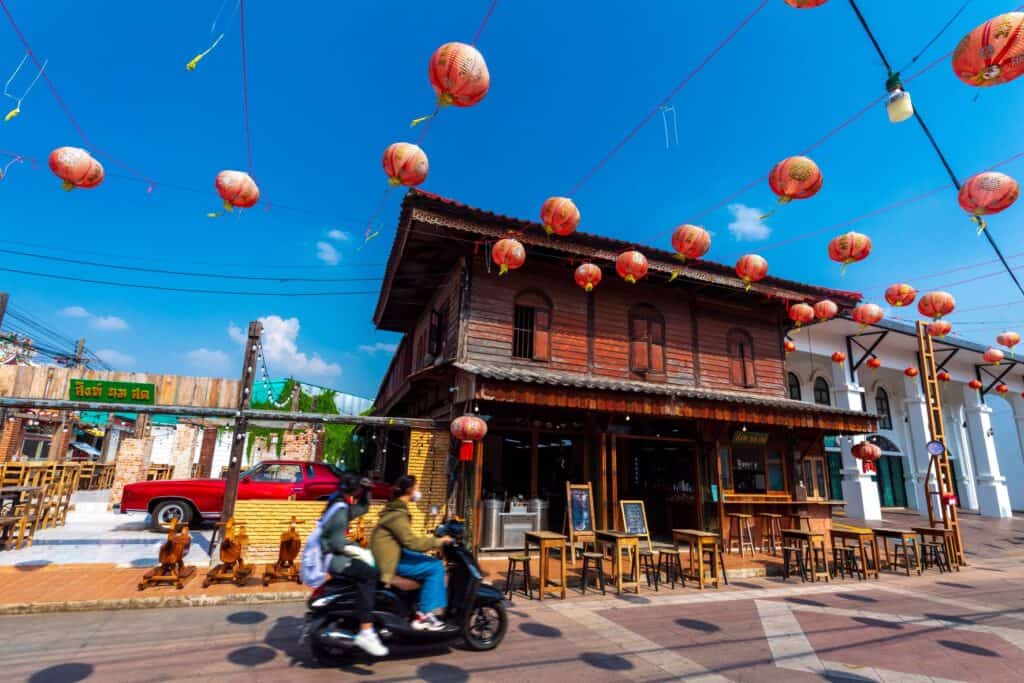
Step into a piece of revolutionary history at this humble wooden house where Ho Chi Minh, the future leader of Vietnam, once lived during his time in Thailand. This simple traditional Thai-style home serves as a fascinating window into the early life of one of Southeast Asia’s most influential political figures, offering visitors a rare glimpse into the personal side of a man who would later shape the destiny of Vietnam.
Walking through the modest rooms, you’ll discover period furniture, personal belongings, and historical artifacts that paint a picture of Ho Chi Minh’s daily life during his stay. The house features traditional wooden construction with raised floors and simple furnishings that reflect the austere lifestyle he maintained. Informational displays provide context about his time in the region, while photographs and documents offer insights into his activities and connections with local communities. The peaceful garden surrounding the house contains native plants and provides quiet spots for reflection on this significant historical period.
A sense of quiet reverence permeates the site, where the simplicity of the surroundings contrasts powerfully with the historical importance of its former resident. Visitors often remark on the peaceful atmosphere that encourages contemplation about the intersection of personal history and broader political movements. The experience feels intimate and personal, quite different from grand monuments or elaborate historical sites, making the connection to this pivotal historical figure feel more immediate and human.
Early morning or late afternoon visits offer the most comfortable touring conditions, especially during cooler months. The site is accessible by local transportation from Nakhon Phanom city center. Bring comfortable walking shoes and consider bringing water, as the rural location has limited facilities. Photography is generally permitted, making this an excellent opportunity to document your encounter with this unique piece of Thai-Vietnamese historical heritage that bridges two cultures and tells an important story of regional connections.
Location
Contact Information
Find a Place to Stay
More Ubon Ratchathani Attractions