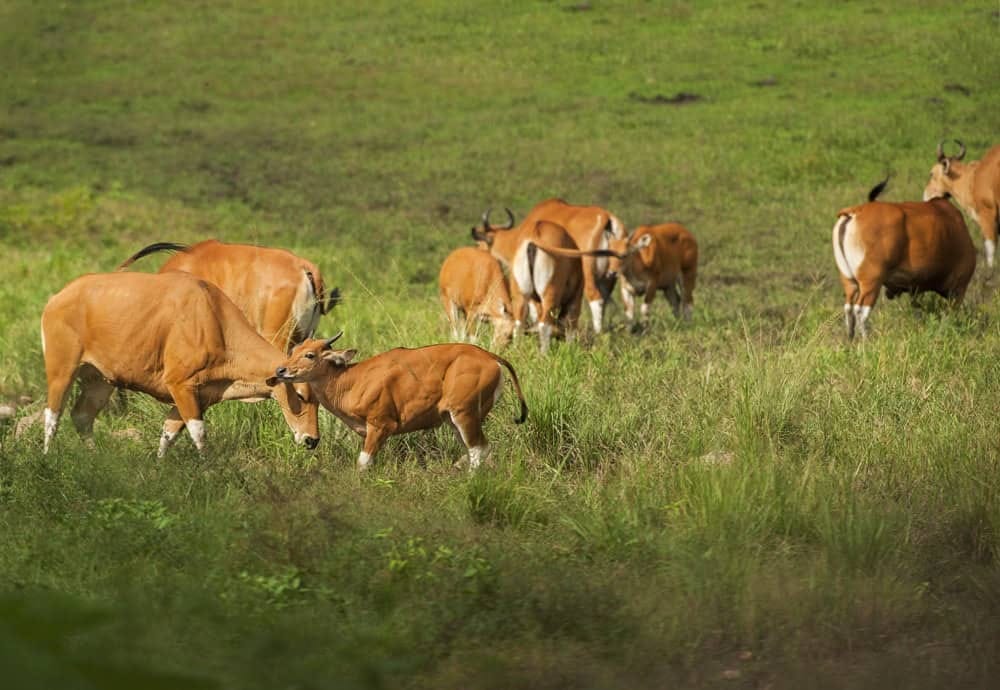
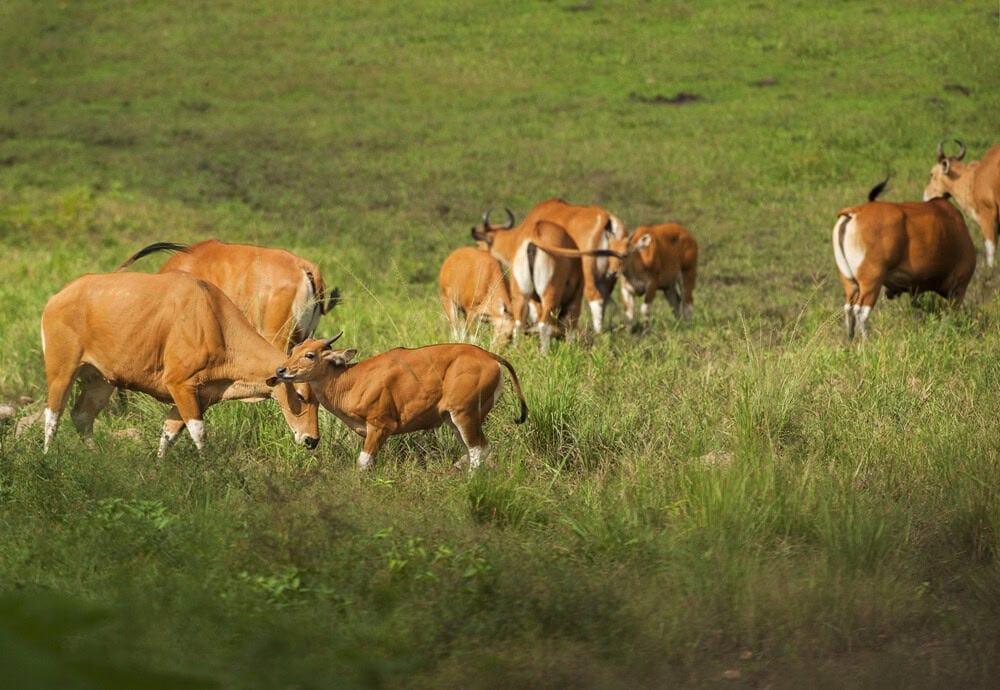
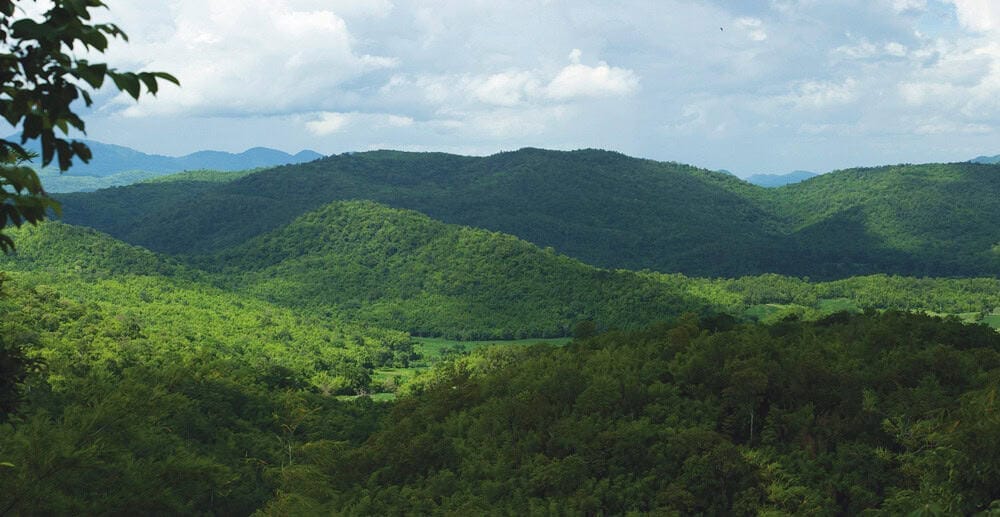
Renowned for its diverse ecosystem, it encompasses five out of seven forest types found in the tropical forests, including dry evergreen forests, hill evergreen forests, grasslands forests, mixed deciduous forests, and deciduous dipterocarp forests. This rich biodiversity supports a plethora of plant and animal species, some of which are endangered; such as, wild buffalo, serow, leopard, dhole, Red junglefowl Green peafowl, and numerous insect species. The sanctuary features three relaxation points to encourage public exploration of nature; headquarters of Huai Kha Khaeng Wildlife Sanctuary in Lan Sak District, Saiboe Ranger Station in Huai Kot District, and Huai Mae Di Ranger Station in Ban Rai District. Key attractions within the sanctuary include: World Heritage Exhibition Hall Thung Yai Naresuan-Huai Kha Khaeng Located in the area of the Office of the Wildlife Sanctuary, this hall is divided into four zones, each simulating different forest types and showcasing the diverse wildlife found in the sanctuary, aiming to raise awareness about natural resource conservation. Sueb Nakhasathien Memorial, a multi-purpose building dedicated to activities and exhibitions related to Khun Sueb, a Thai conservationist who was well known for his efforts to conserve and protect nature within the sanctuary. “I think that I have done my best in my life, I think that I have contributed to society well, I think that I have done my best and I am satisfied. I am proud of what I have done.” said Mr. Seub Nakhasathien who was a driving force behind Huai Kha Khaeng Forest becoming a World Heritage site. The statue of “Seub Nakhasathien,” facing the southwest forest, with an eight-step staircase symbolizing his eight-month tenure as the sanctuary’s head. The staircase’s patterns signify the numerous challenges he faced during his tenure. Khun Sueb’s Residence, which remains preserved as it was during his lifetime. His bedroom and working desk, adorned with vari
Gallery

Location
Contact Information
Find a Place to Stay
More Chainat Attractions