





Sakae Krang Floating Village Community
ชุมชนชาวแพสะแกกรัง
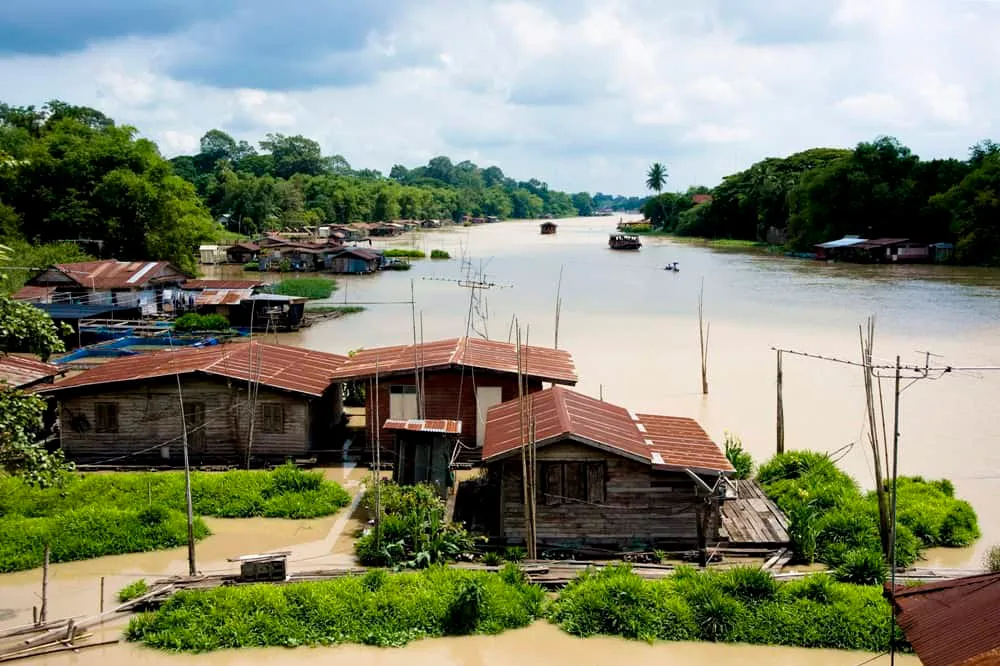
The Sakae Krang Floating Village sits along the Sakae Krang River, right through the middle of Uthai Thani Town Municipality, and is generally described as the last raft-house community left in Thailand. Similar communities once lined the Nan River in Phitsanulok, but the government relocated those starting in 1998; Uthai Thani’s has held on. King Rama V passed through by steamboat in 1901 and recorded the raft houses along the bank even then, so the settlement has been here in some form for well over a century.
The rafts themselves are simple wooden structures with low-pitched roofs built to shed the wind, moored in clusters near Wat Uposatharam and the riverside market. Each has its own house number tied to a land address, mains electricity run out to it, and a bamboo marker fencing off its patch of water from its neighbours; many families keep a dog as an early-warning system rather than a pet. Residents draw on the river itself for washing, cooking, and — for some — drinking water, a detail that says a lot about how tightly the community’s daily life still depends on the Sakae Krang.
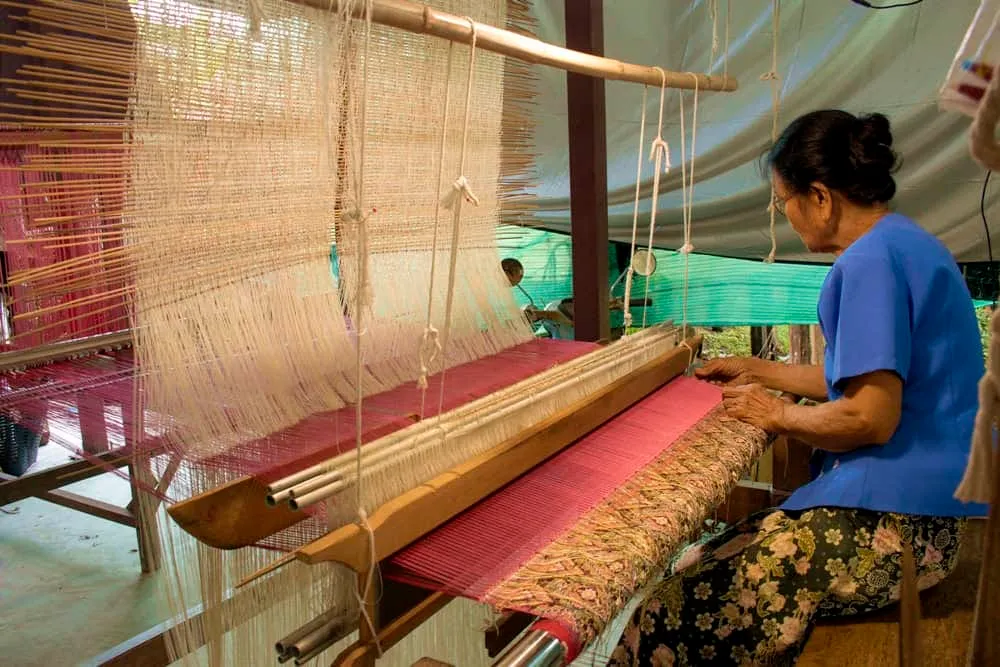
Fishing is the main livelihood, mostly through floating cage systems raising striped catfish, giant gourami, and black ear catfish, supplemented by wild-caught fish that get dried or salted for sale in nearby markets. Some households also practise floating agriculture, growing fragrant pandanus in beds anchored to their rafts. None of it is set up as a show for visitors — it’s simply how the community has supported itself for generations, and that’s a large part of what makes a visit worthwhile.
The raft population has been shrinking for years: from roughly 300 registered rafts a generation ago to around 150 today, as elderly residents move onto land or pass away and regulations block new rafts from being added. Repairing a single raft costs somewhere between 30,000 and 50,000 baht every three to five years, and in 2020-21 the Community Organizations Development Institute helped fund repairs to about 120 of them to keep the ageing fleet afloat.
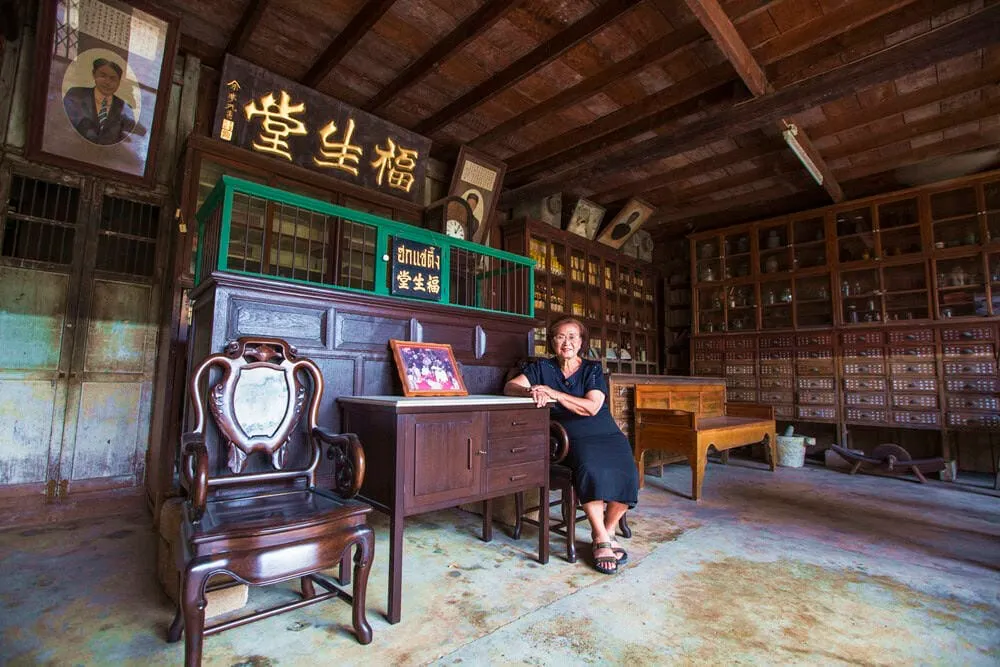
Insider Tip: Combine the riverfront with a walk through Uthai Thani’s old wooden shophouse quarter, or climb Khao Sakae Krang nearby for a 360-degree view over the river and the raft houses below.
Watch out: This is a lived-in neighbourhood, not a museum exhibit — ask before photographing residents, and treat their homes and boats with the same courtesy you’d extend anywhere people live.
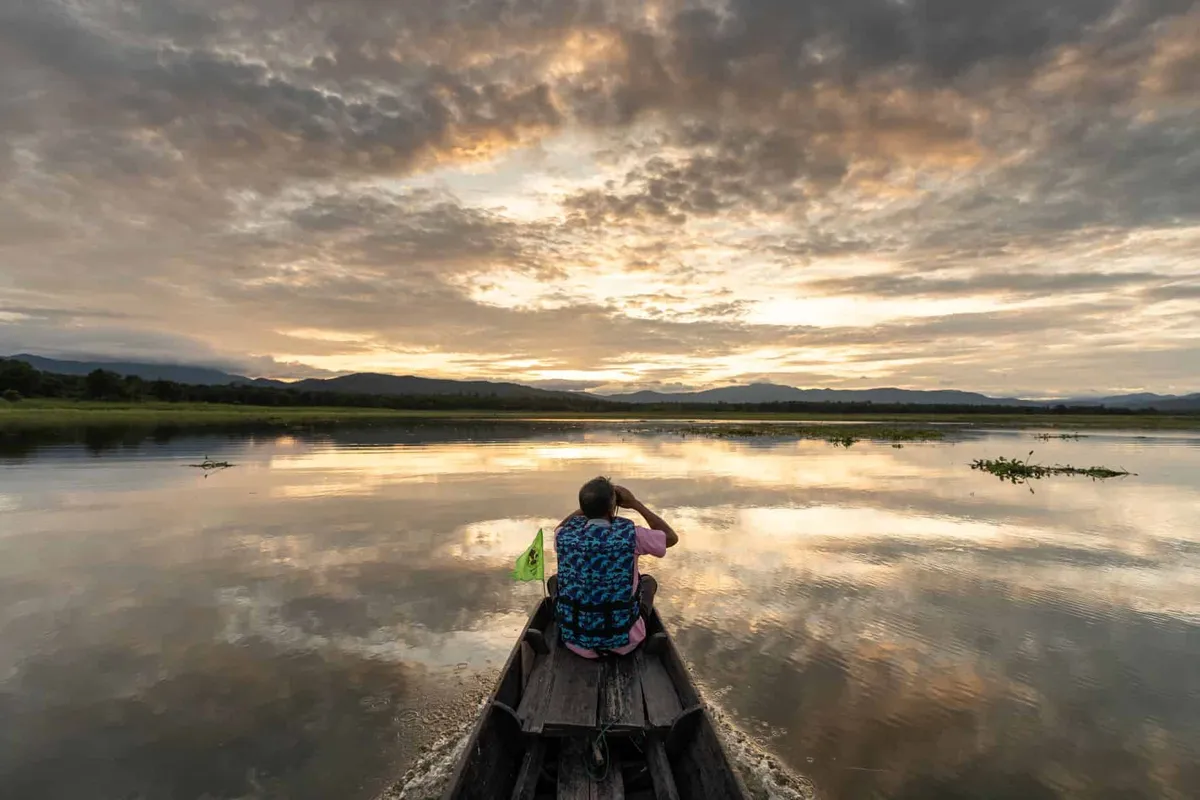
Boat excursions along the river are the easiest way to see the raft houses up close; informal longtail boats work from the piers near the market, so agree a price before departing since there’s no posted fare.
- Entrance: Free
- Hours: Daily 08:00-17:00
- Getting there: In Uthai Thani town, beside the Sakae Krang riverfront near Wat Uposatharam and the old town market
- Address: Mueang Uthai Thani, Uthai Thani 61000
- Highlight: Around 150 raft houses still in daily use — the last such community in Thailand
Location & Directions
Mueang Uthai Thani, Uthai Thani
Uthai Thani, Thailand
Show your taxi or Grab driver
ชุมชนชาวแพสะแกกรัง
Within Walking Distance


Frequently Asked Questions
Is there an entry fee to visit the Sakae Krang floating village?
How many raft houses are there today?
Why is it called Thailand's last raft community?
What do residents do for a living?
What else can I combine a visit with?
Can I take a boat trip past the raft houses?
Spotted something out of date or incorrect? Let us know
Stay Near Sakae Krang Floating Village Community
Compare places to stay in Uthai Thani, or open the map for options closest to the attraction.