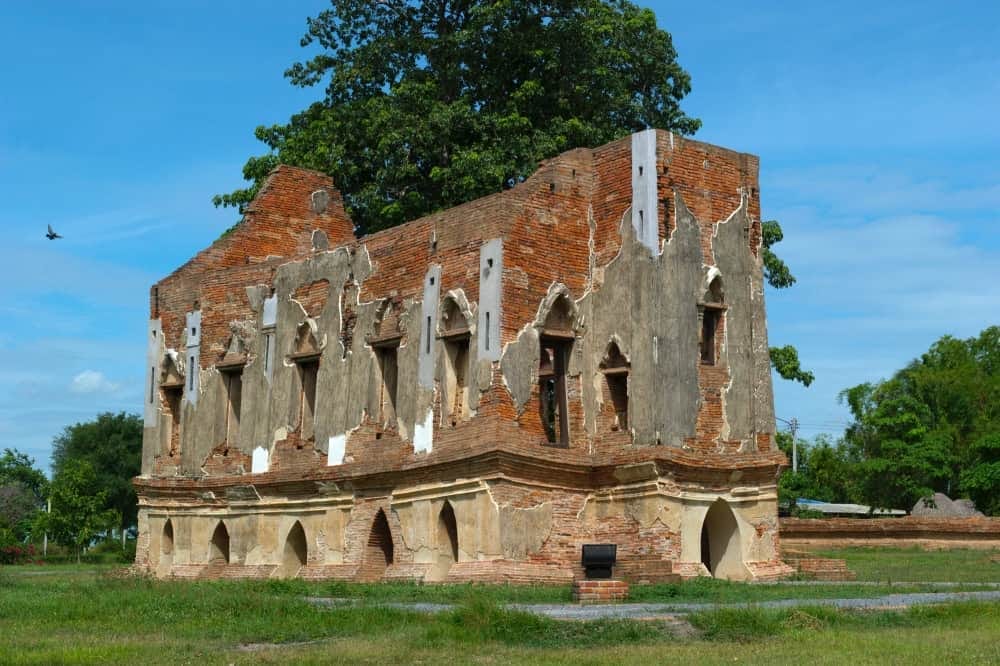
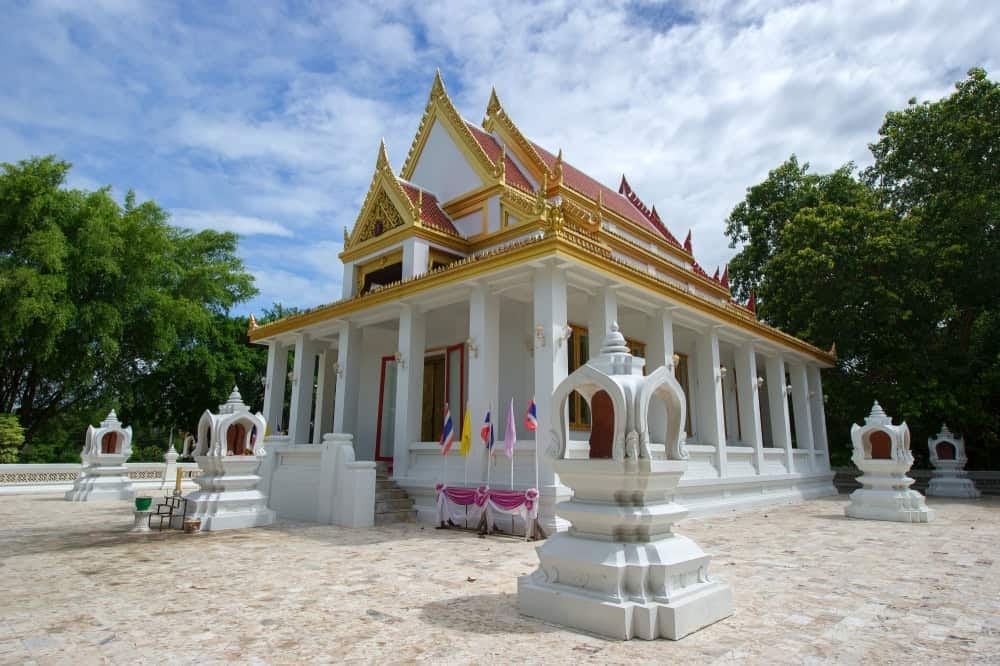
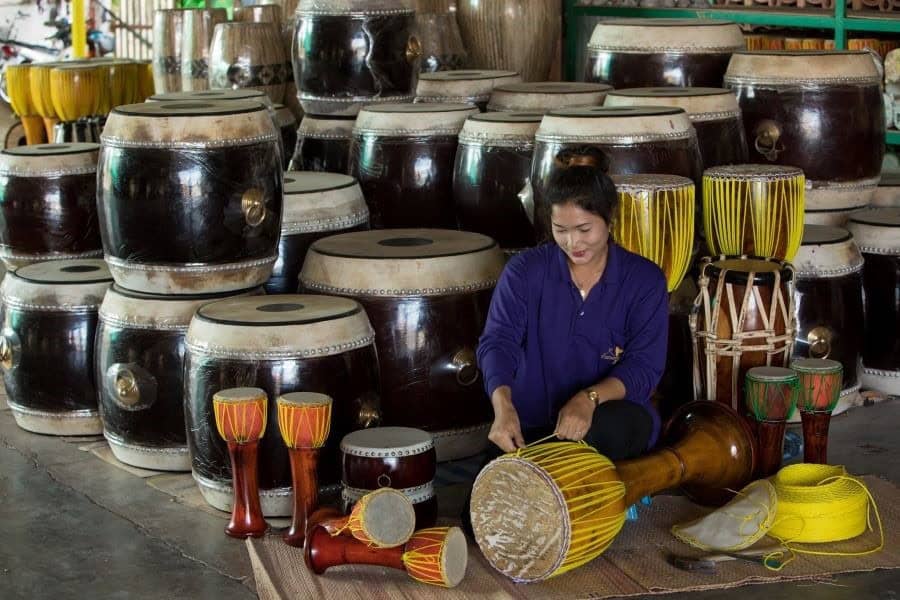
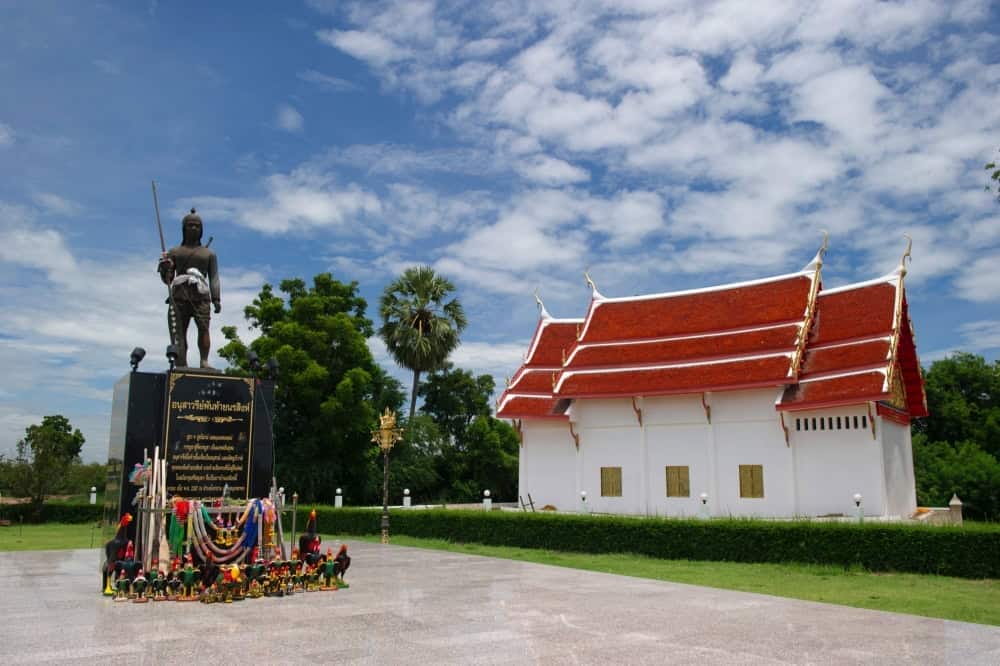
Step into a fascinating piece of cross-cultural history at the Japanese Village, where the story of a unique 17th-century community comes alive in Ayutthaya. This reconstructed settlement pays tribute to the Japanese samurai and merchants who once called this ancient capital home, creating one of Southeast Asia’s most intriguing examples of cultural exchange. The village offers visitors a rare glimpse into how Japanese immigrants adapted their traditions while contributing to Siamese society during the height of Ayutthaya’s golden age.
Traditional wooden structures showcase authentic Japanese architecture, complete with tatami mats, sliding paper doors, and carefully maintained gardens that reflect classic design principles. Walk through recreated homes and workshops where artisans demonstrate traditional crafts like pottery, weaving, and woodworking using techniques passed down through generations. The scent of incense drifts from a small shrine, while the gentle sound of bamboo wind chimes creates a meditative backdrop. Interactive displays explain daily life in the historical community, from cooking methods to ceremonial practices, bringing the past into vivid focus for modern visitors.
Peaceful contemplation defines the village experience, as manicured pathways wind between structures surrounded by meticulously tended gardens. The atmosphere encourages slow exploration and quiet reflection, making it feel like stepping back in time rather than visiting a typical museum. Cultural performances occasionally take place in the central courtyard, where traditional music and dance add life to the historical setting. This thoughtful recreation creates an educational environment that feels authentic rather than commercialized.
Morning visits work best for comfortable temperatures and optimal lighting for photography, especially during cooler months from November through February. The village sits along Chedi-Wat Dusidaram Road, easily accessible by tuk-tuk or bicycle from central Ayutthaya. Comfortable walking shoes suit the gravel pathways, and bringing a hat provides welcome shade during midday exploration. The affordable entry fee makes this cultural experience accessible while supporting preservation efforts that keep this unique chapter of Thai-Japanese history alive.
Location
Contact Information
Find a Place to Stay
More Ayutthaya Attractions