Thailand’s best-known temples spread across three cities. Wat Phra Kaew, Wat Pho and Wat Arun fit a Bangkok morning; Wat Rong Khun needs time in Chiang Rai; and Wat Phra That Doi Suthep sits above Chiang Mai. Dress, calm behaviour and shoe rules matter as much as the photo — start with Thailand etiquette before you queue.
Quick answer
Choose Wat Phra Kaew for royal and religious significance, Wat Arun for a riverside Bangkok stop, Wat Rong Khun for contemporary Thai art, Doi Suthep for a major northern pilgrimage site, and Wat Pho for the reclining Buddha and traditional medicine school. In Bangkok, start early and group the three riverside temples rather than crossing the city repeatedly. For a denser Bangkok-only shortlist, see best temples in Bangkok.
| Best for | Temple | Location | Main tradeoff |
|---|---|---|---|
| Royal and religious context | Wat Phra Kaew | Bangkok | Grand Palace ticket and strict dress code |
| Riverside architecture | Wat Arun | Bangkok | Steep steps and exposed heat |
| Contemporary art | Wat Rong Khun | Chiang Rai | Separate northern route; interior photography restrictions |
| Northern pilgrimage site | Wat Phra That Doi Suthep | Chiang Mai | Mountain transfer and a long staircase |
| Reclining Buddha and massage school | Wat Pho | Bangkok | Busy when tour groups arrive |
How we picked these temples
The five temples represent different periods, regions and visitor experiences. Route fit matters as much as fame: three work together in Bangkok, while Chiang Rai and Chiang Mai each need a separate northern base. Check official hours, tickets and ceremony notices before visiting — active religious sites can adjust access without much warning.
How to choose
If you have one Bangkok day, chain Wat Phra Kaew → Wat Pho → Wat Arun. If you have northern nights, treat Wat Rong Khun and Doi Suthep as separate trips. Bring a cover-up; our Thailand packing list and traditional Thai dress guides cover what to wear and what to rent near major sites.
1. Wat Phra Kaew, Bangkok
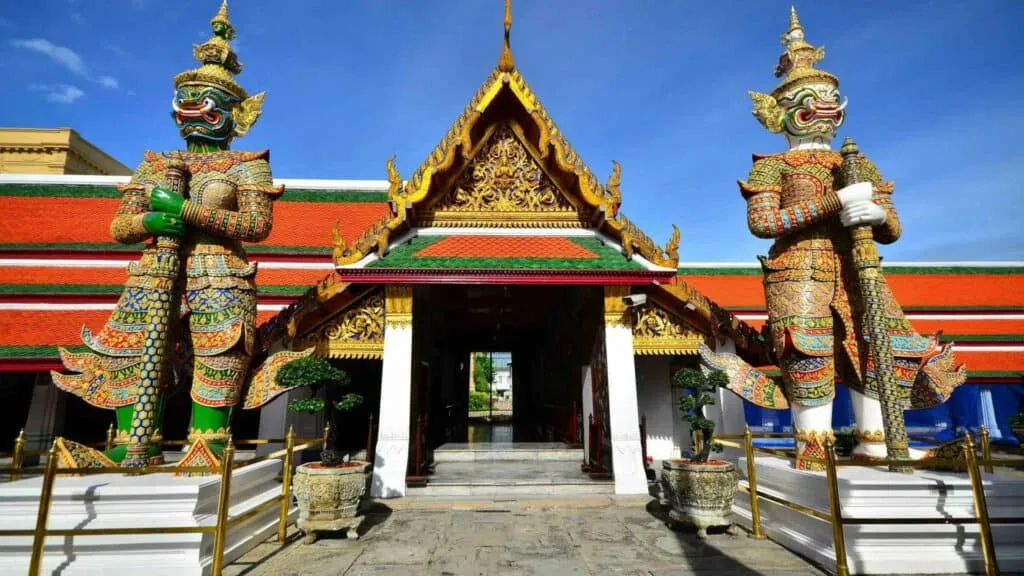
Wat Phra Kaew, the Temple of the Emerald Buddha, stands inside Bangkok’s Grand Palace compound. The small Buddha image occupies the Phra Ubosot and wears one of three seasonal costumes changed during royal ceremonies.
The surrounding complex includes the Royal Pantheon, gilded chedis and galleries painted with scenes from the Ramakien, Thailand’s version of the Rama story. This is an active sacred site as well as a major visitor attraction, so follow barriers and avoid interrupting worshippers.
The official Grand Palace ticket currently costs 500 THB for foreign visitors and includes Wat Phra Kaew and the Queen Sirikit Museum of Textiles. The published dress code excludes sleeveless, short, torn, tight and transparent clothing. Check the official site before visiting because ticket sales end before the compound closes.
2. Wat Arun, Bangkok
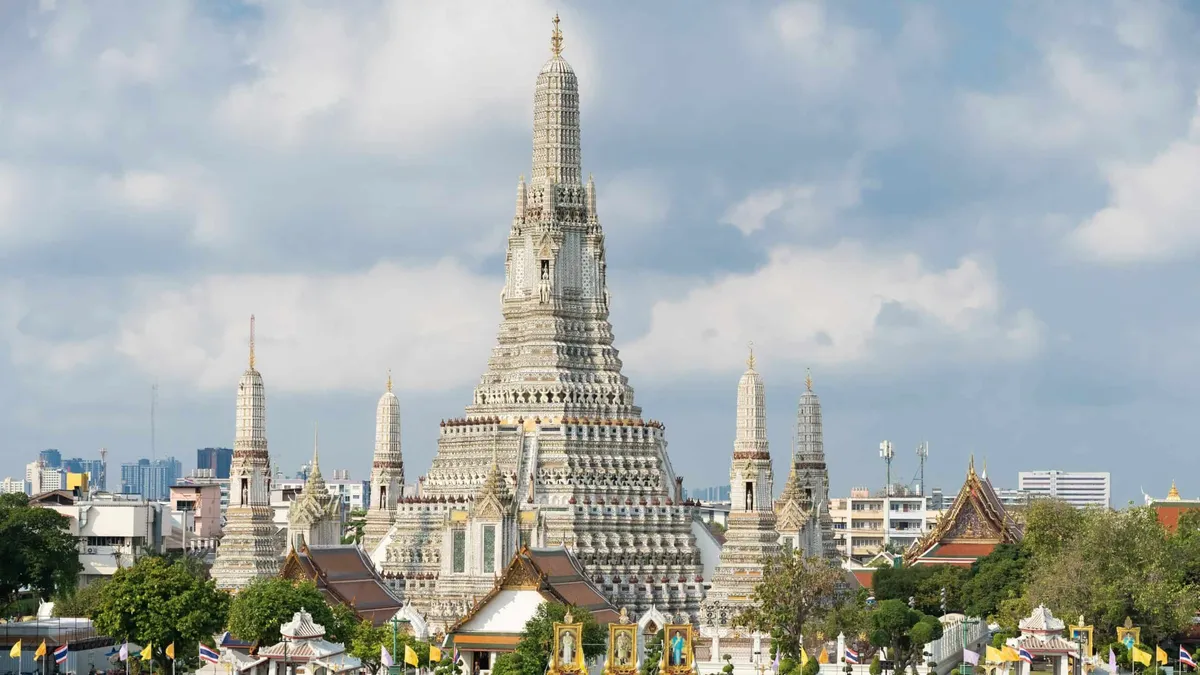
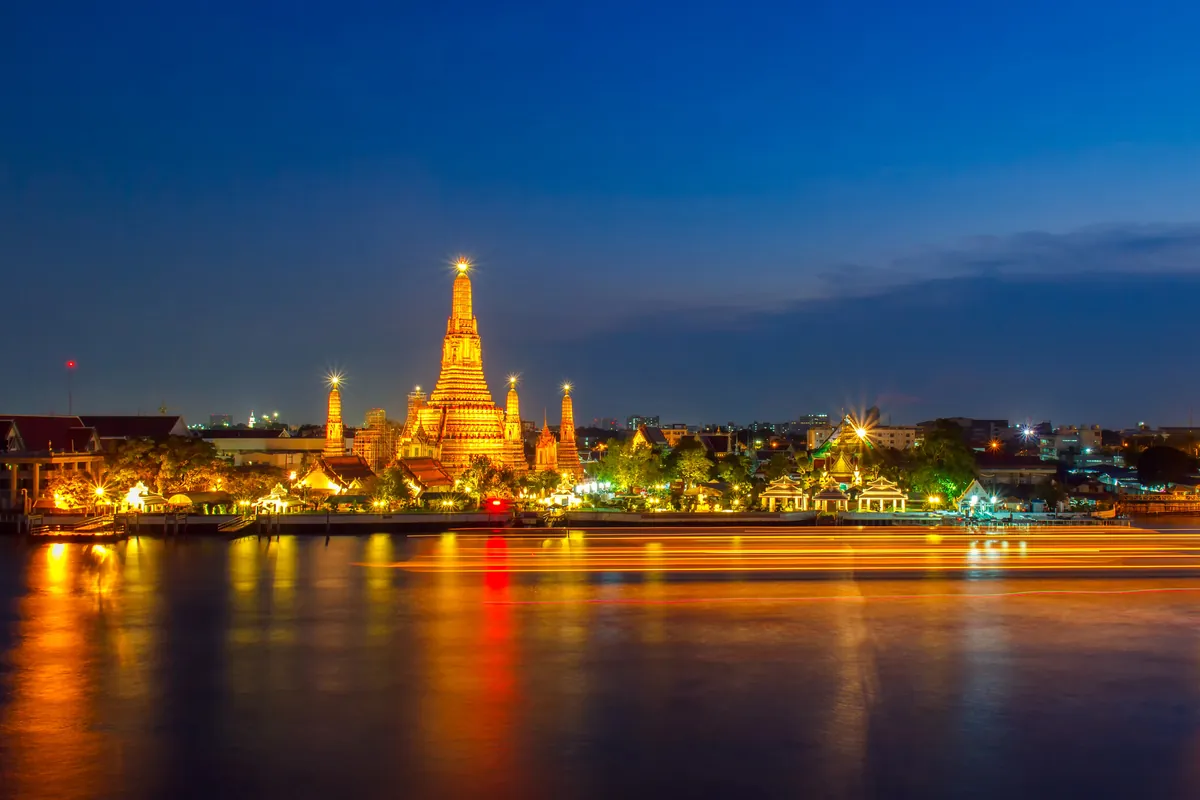
Wat Arun stands on the west bank of the Chao Phraya River. Its central prang is faced with pieces of Chinese porcelain and glazed ceramic, easiest to inspect at close range in daylight.
Visitors may climb part of the steep terrace when access is open. Use the handrails and do not cross barriers. The cross-river ferry from the Tha Tien area is the simplest connection from Wat Pho, though pier arrangements can change during river works.
Wat Arun works best in the morning or late afternoon when the exposed stone terraces are cooler. The temple is illuminated after dark, but the lit exterior is a separate experience from entering the complex.
3. Wat Rong Khun, Chiang Rai
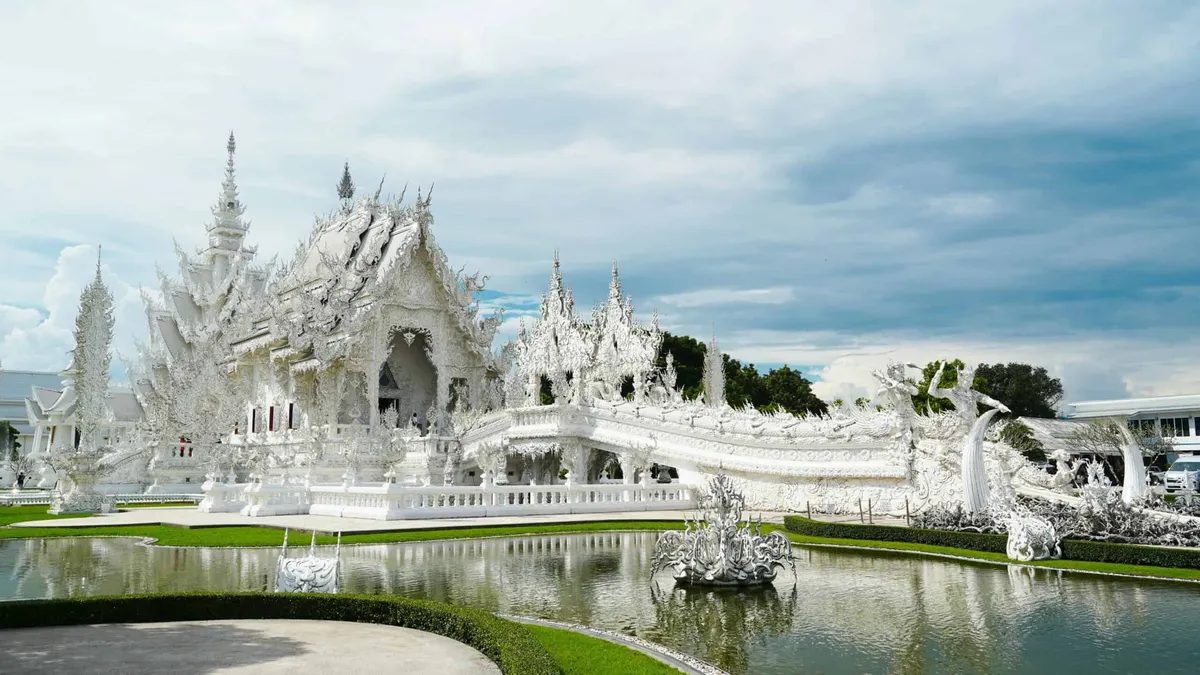
Wat Rong Khun, usually called the White Temple, is a contemporary complex created by Thai artist Chalermchai Kositpipat. Construction of the current project began in 1997, and work continues across the site near Chiang Rai.
White surfaces and mirrored glass dominate the main building, while sculpture and murals combine Buddhist themes with modern popular culture. The bridge to the ubosot passes a field of reaching hands used to represent craving and attachment.
Photography is not permitted inside the main ubosot. Admission arrangements and access to individual buildings can change as work continues, so check current visitor information before travelling from Chiang Rai town.
4. Wat Phra That Doi Suthep, Chiang Mai
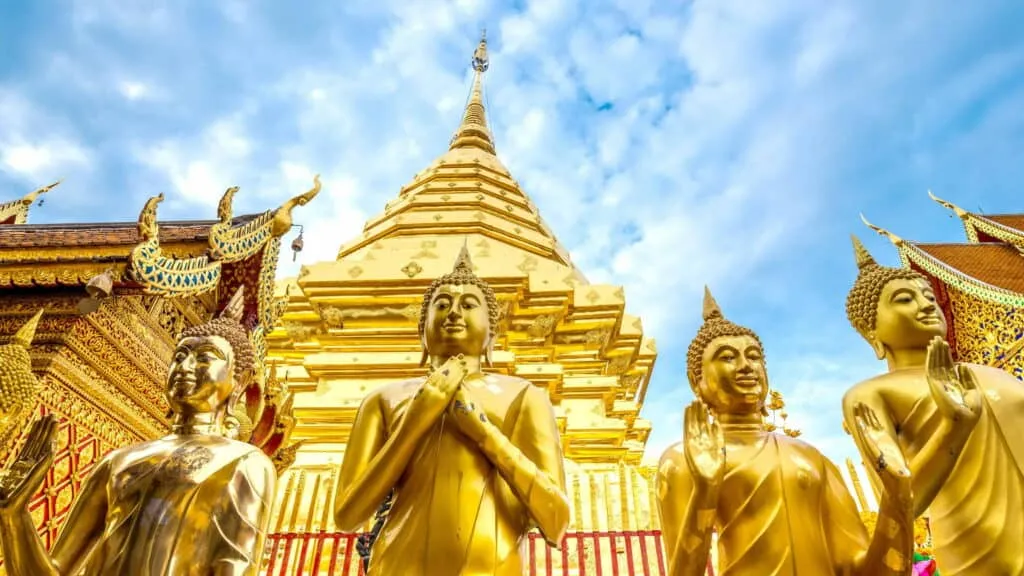
Wat Phra That Doi Suthep is a major pilgrimage site on Doi Suthep, west of Chiang Mai. The upper terrace centres on a gilded chedi associated with a Buddha relic and looks across the city when cloud and haze allow.
The traditional approach is a long staircase bordered by naga balustrades. Visitors with limited mobility should check current access arrangements before travelling. Songthaews run up the mountain from Chiang Mai, and private transport is also common.
Morning gives cooler conditions and a better chance of a clear city view. Keep voices low around the chedi and make space for people circling it in worship. Travellers looking for structured quiet time after temple days can compare options in our meditation retreats guide.
5. Wat Pho, Bangkok
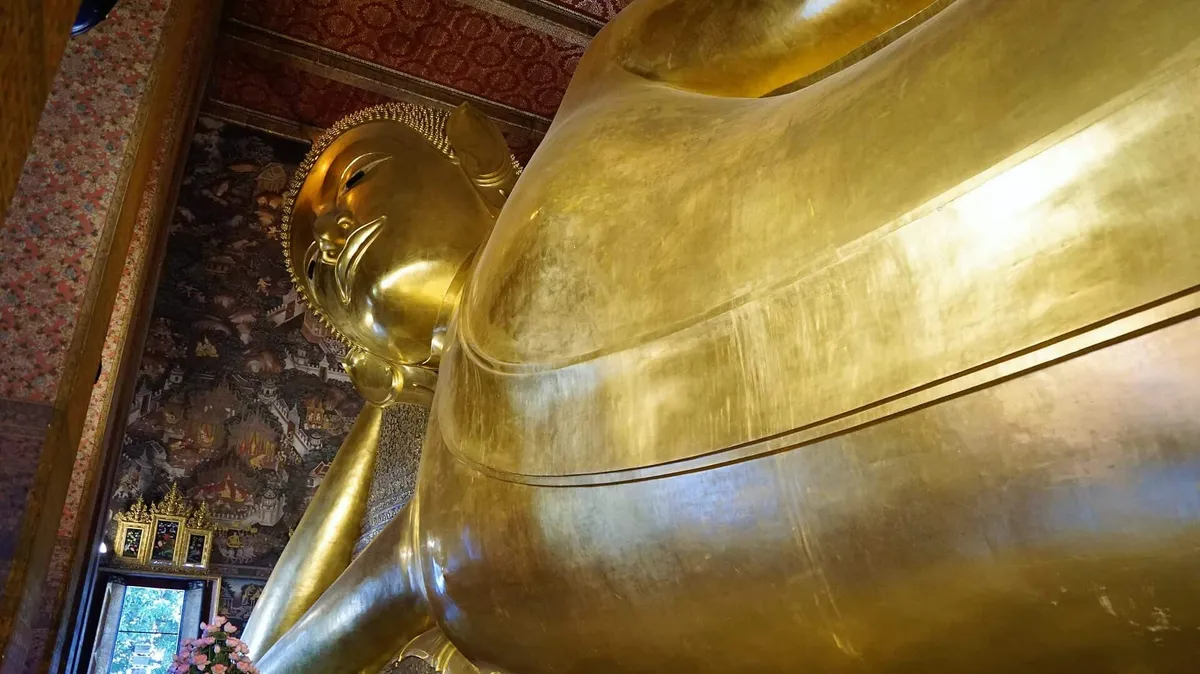
Wat Pho sits beside the Grand Palace and predates Bangkok’s founding as the capital. King Rama I rebuilt the older temple from 1788, and later royal work expanded it into a major centre for religion, education and traditional medicine.
The main visitor draw is the 46-metre reclining Buddha. Its feet are inlaid with mother-of-pearl panels depicting 108 auspicious symbols. The wider grounds contain chedis, inscriptions, pavilions and many smaller Buddha images, so allow more time than a quick stop at the reclining figure.
Wat Pho’s traditional medical school provides Thai massage during published service hours. Ask about the current wait and treatment options when you arrive rather than assuming a walk-in slot will be available.
How to choose your temple route
For one day in Bangkok, visit Wat Phra Kaew first, walk to Wat Pho, then cross the river to Wat Arun. In northern Thailand, treat Wat Rong Khun and Doi Suthep as separate trips based from Chiang Rai and Chiang Mai. At every site, check current hours, dress rules and ceremony notices, and remember that worship takes priority over photography.
For behaviour, greetings and what not to do around Buddha images, read Thailand etiquette. For a longer Bangkok-only list beyond these five, use best temples in Bangkok. A few basic Thai phrases help at ticket windows and when asking staff for directions.