Authentic rural life continues much as it has for generations in Tha Ma-O Village, where traditional Lanna culture remains vibrantly alive in northern Thailand’s Lampang province. This working agricultural community offers visitors genuine insight into local customs, traditional crafts, and the daily rhythms of Thai village life. Unlike commercialized cultural shows, everything here serves the community first, making encounters with locals feel natural and meaningful rather than staged for tourists.
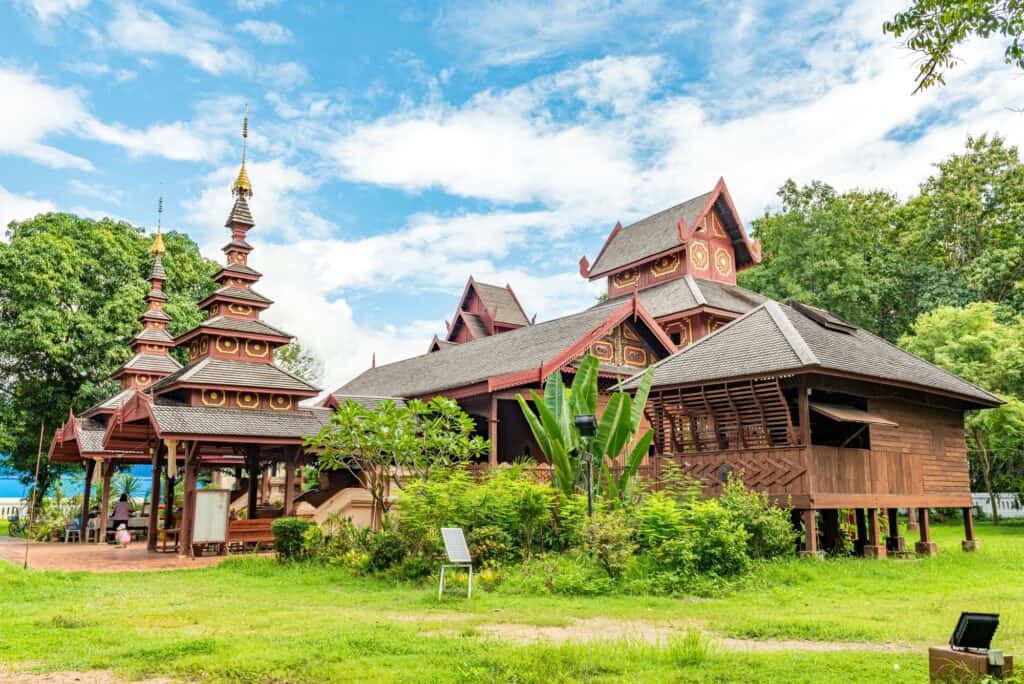
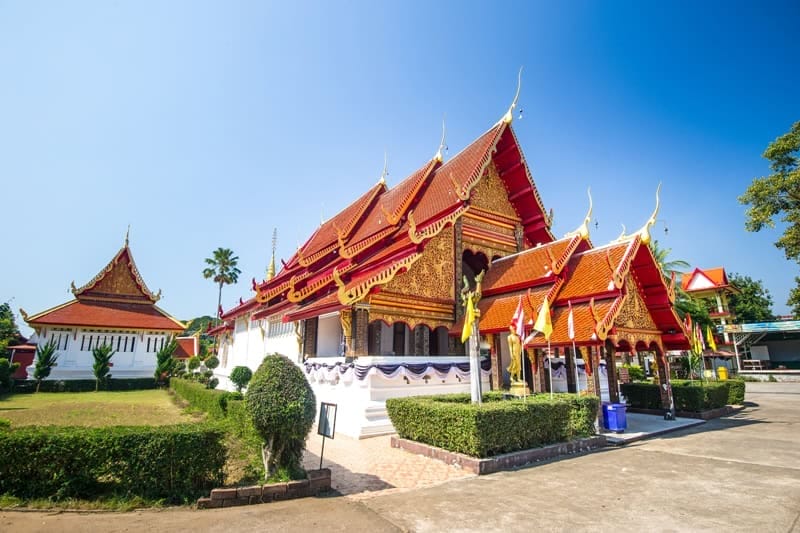
Walking through the village reveals wooden houses on stilts, rice paddies stretching toward distant hills, and families tending vegetable gardens that supply their kitchens. Local artisans work on traditional crafts like bamboo weaving and wood carving, often inviting curious visitors to watch or try their hand at these ancient skills. The air carries the smoky sweetness of cooking fires and the earthy scent of freshly turned soil. Children play traditional games in dusty courtyards while elderly residents rest in the shade, sharing stories and observations about village happenings. Small temples and spirit houses dot the landscape, reflecting the deep Buddhist and animist beliefs that guide community life.
Time moves at a completely different pace here, creating a sense of stepping back decades into Thailand’s agricultural past. Conversations happen naturally as locals go about their daily tasks, whether feeding chickens, preparing meals, or returning from the fields. The genuine warmth of village hospitality shines through simple gestures – offered fruit, shared meals, or patient explanations of local customs despite language barriers.
Morning visits between 8-10 AM offer the best glimpse of village activities as families begin their daily routines. The village sits easily accessible from Lampang city center, making it perfect for half-day cultural immersion trips. Bring respectful curiosity, comfortable walking shoes, and perhaps small gifts for children if you’re invited into homes. This experience provides something increasingly rare: authentic cultural exchange in a world where traditional ways of life face constant change.