








Lampang
ลำปาง
Charming northern city with horse-drawn carriages, beautiful temples, and authentic Lanna culture away from crowds.
Recommended by us

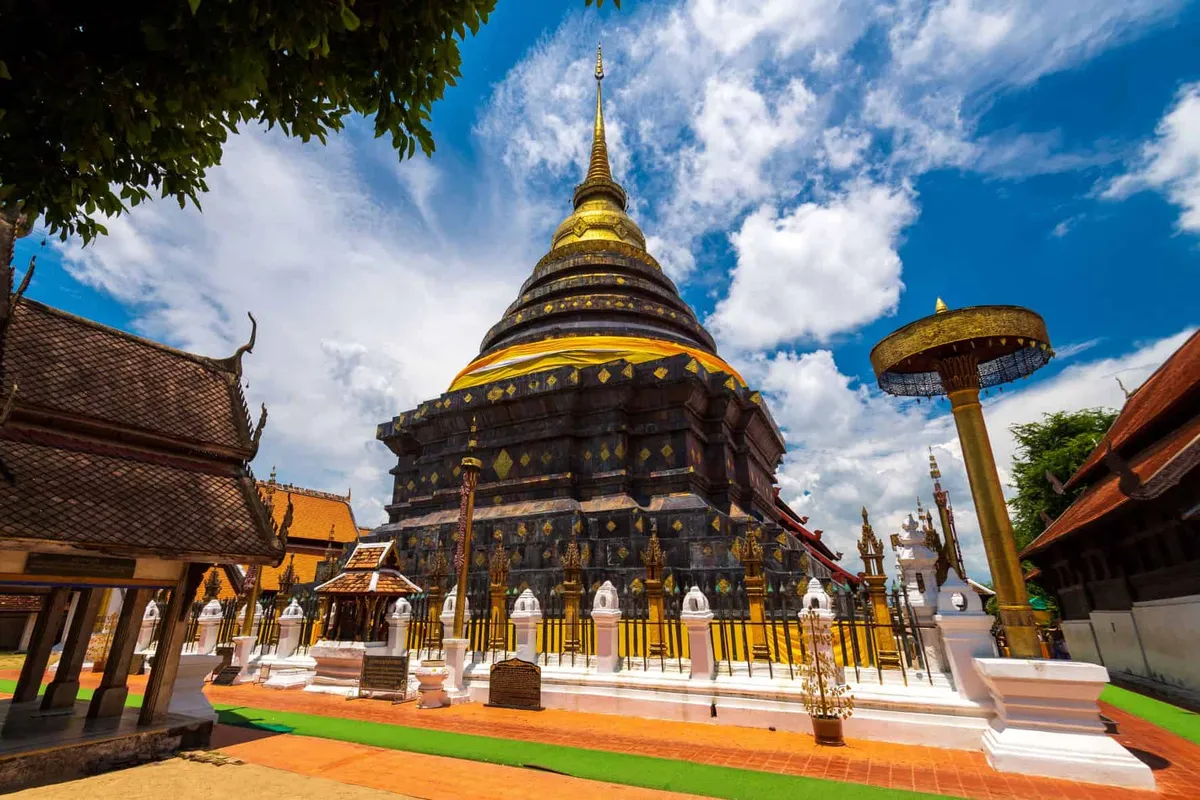
Wat Phrathat Lampang Luang
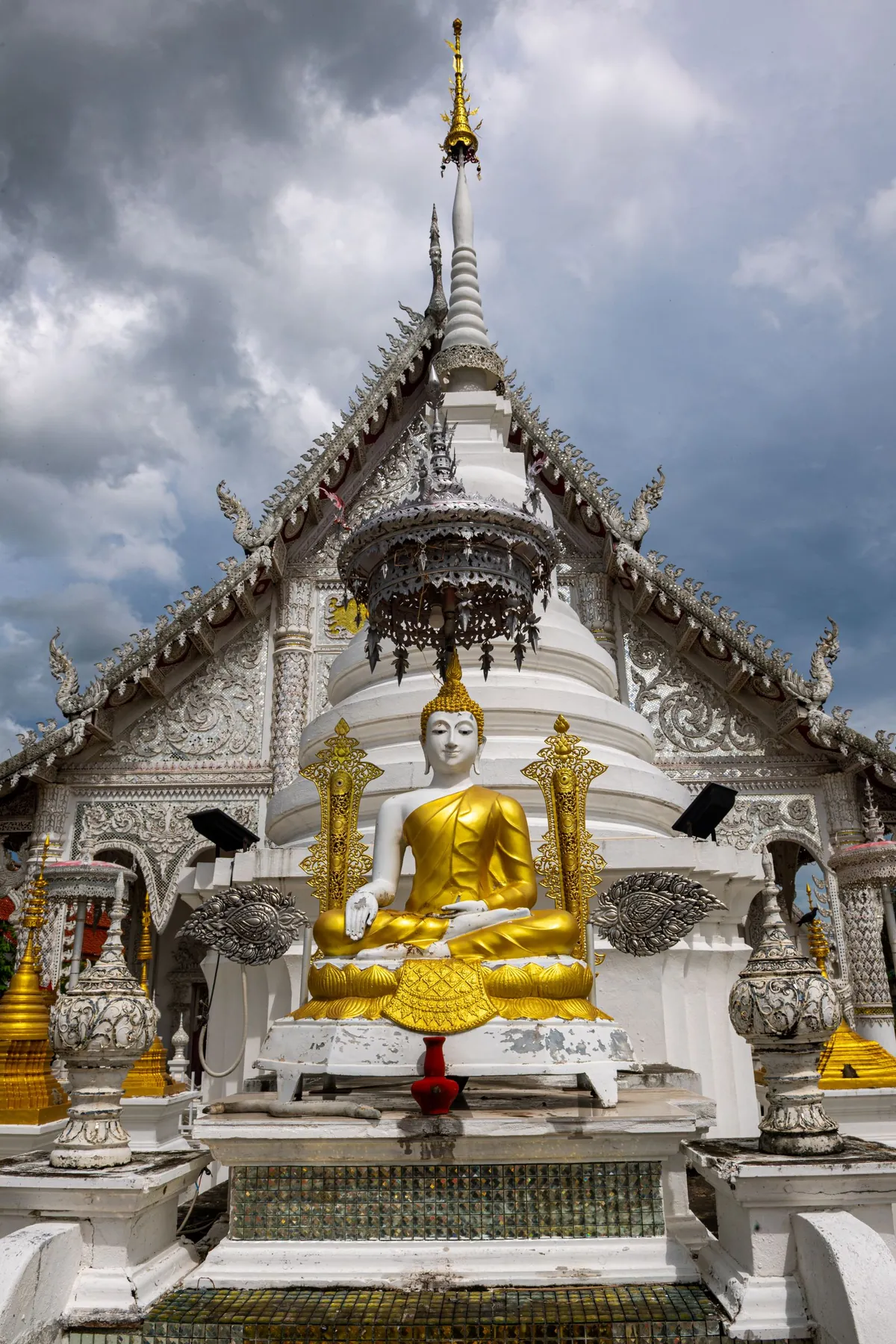
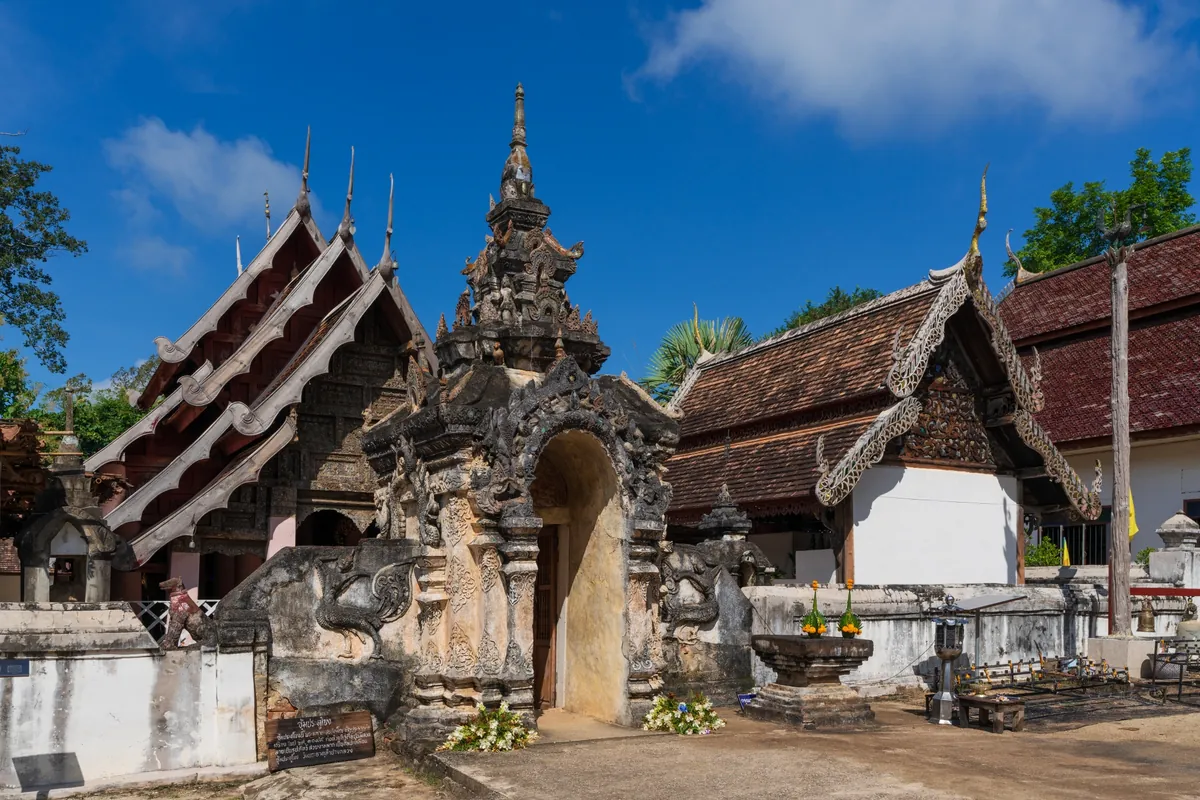
One of the finest Lanna temple complexes in the north — older and less visited than Doi Suthep. The wooden viharn dates to the 15th century; the compound has a working feel that the more famous temples have lost.

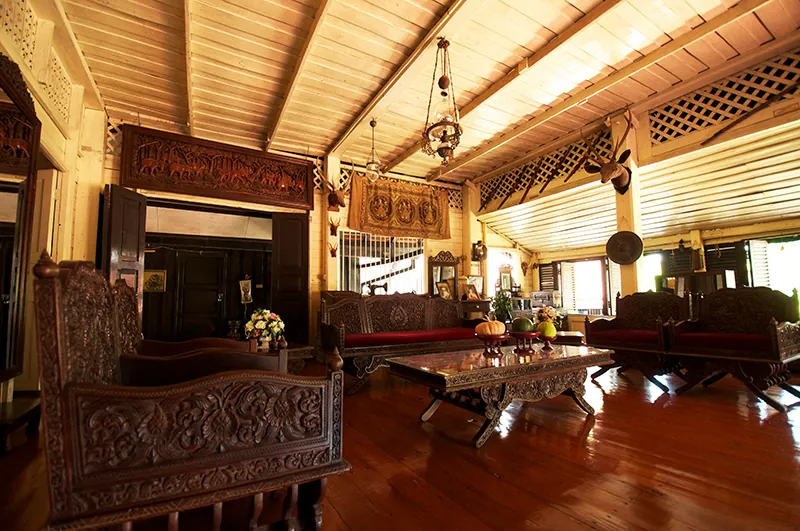
Ban Sao Nak
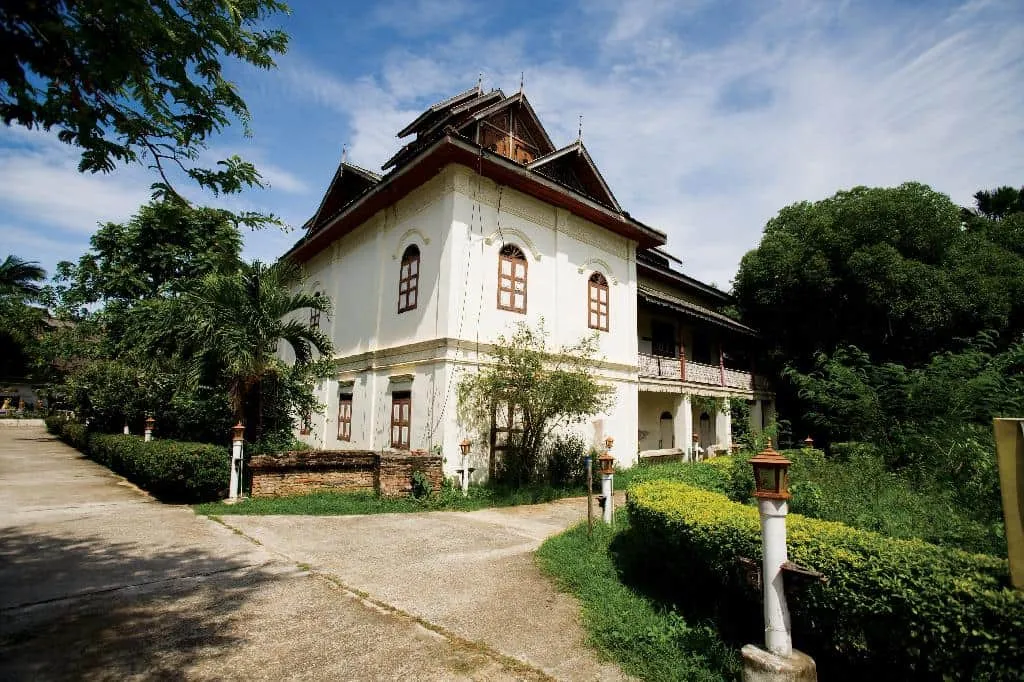
A 19th-century teak mansion on 116 pillars — the old town's best-preserved Lanna-Burmese house. Small, well-labelled museum inside; allow about 45 minutes.

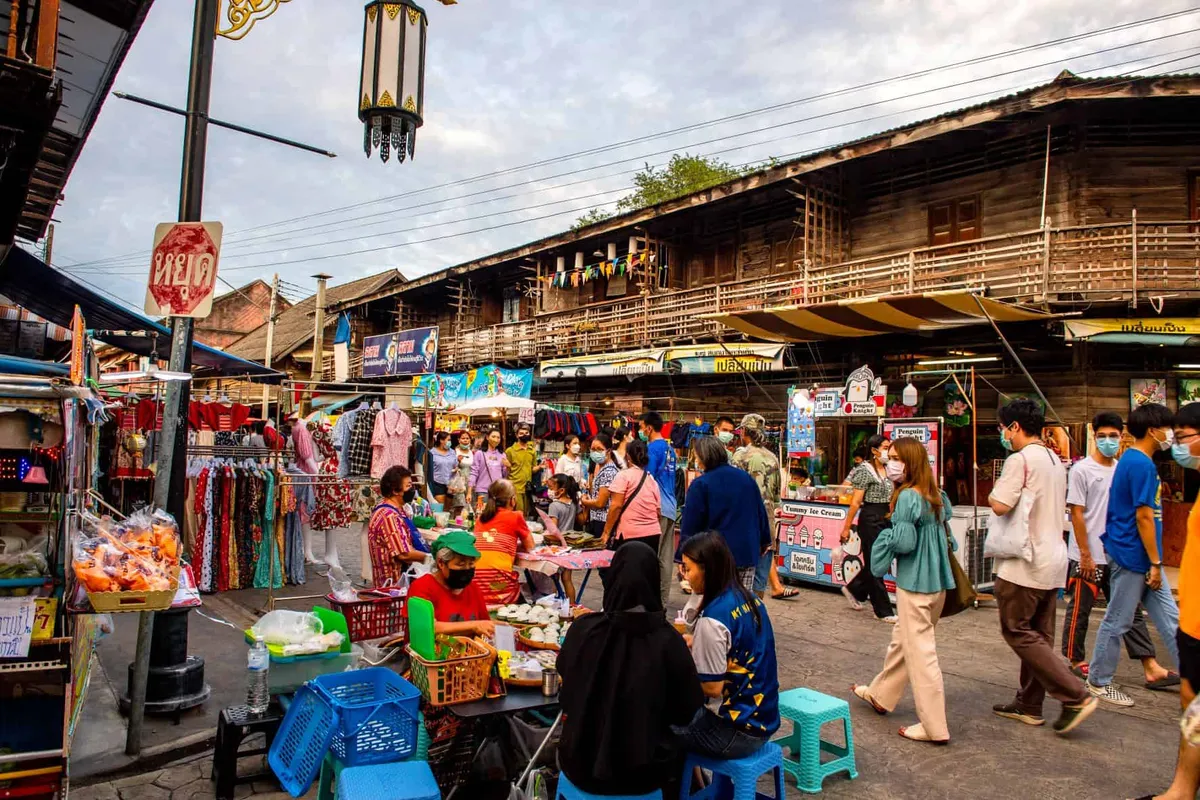
Kat Kong Ta
Lampang's Saturday and Sunday walking street along the old trading road by the Wang River — antiques, local food, and hand-made goods without the tourist crush you get further north.

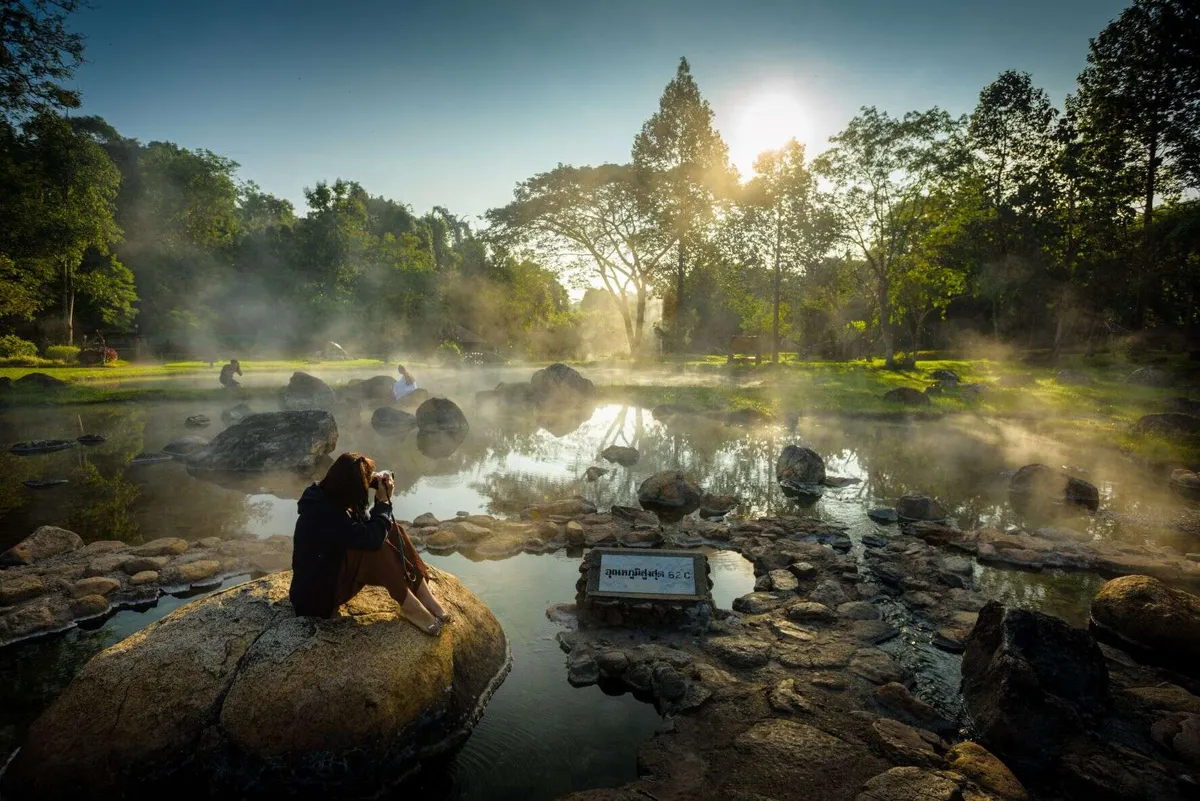
Chae Son National Park
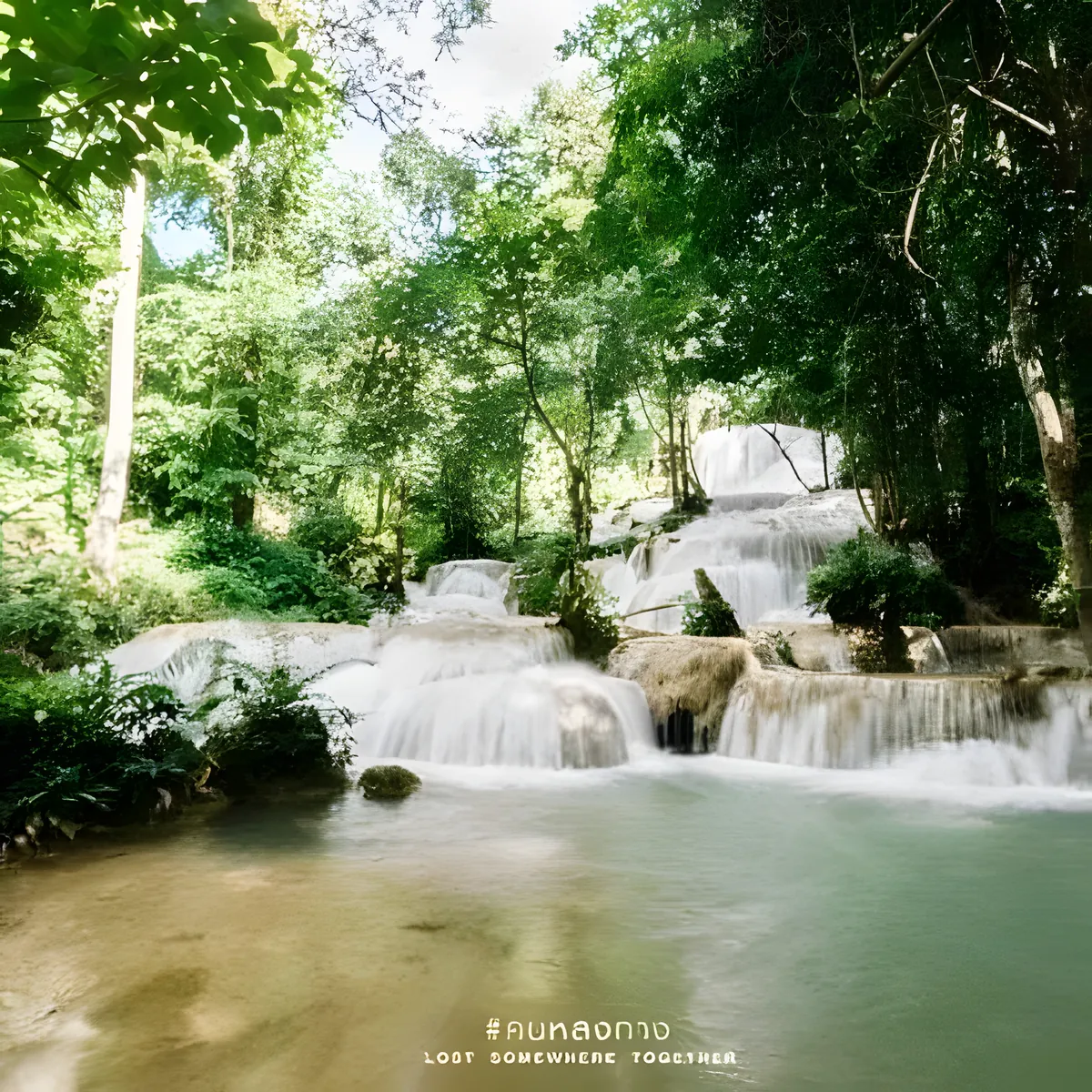
Hot springs, waterfalls, and cool forest trails an hour from town. The thermal pools are clean and genuinely relaxing — arrive early to get one to yourself.

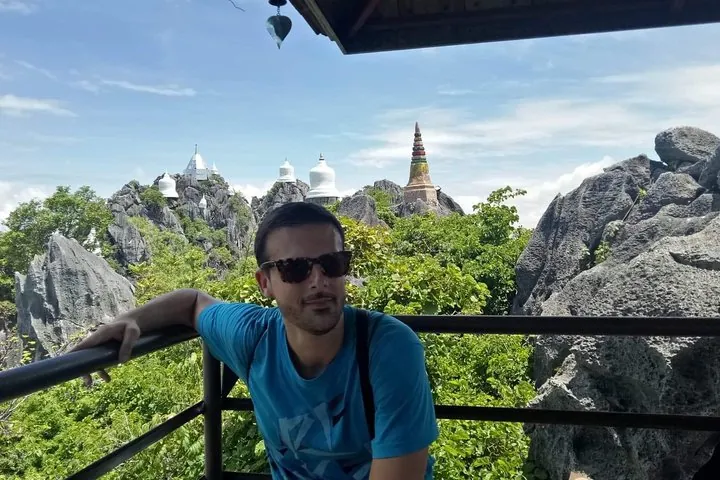
Unseen temples private tour
A perfect 5.0 from 56 guests — a private day covering temples most visitors skip entirely. Worth it if you want to see Lampang beyond the main landmarks.

Get to Lampang
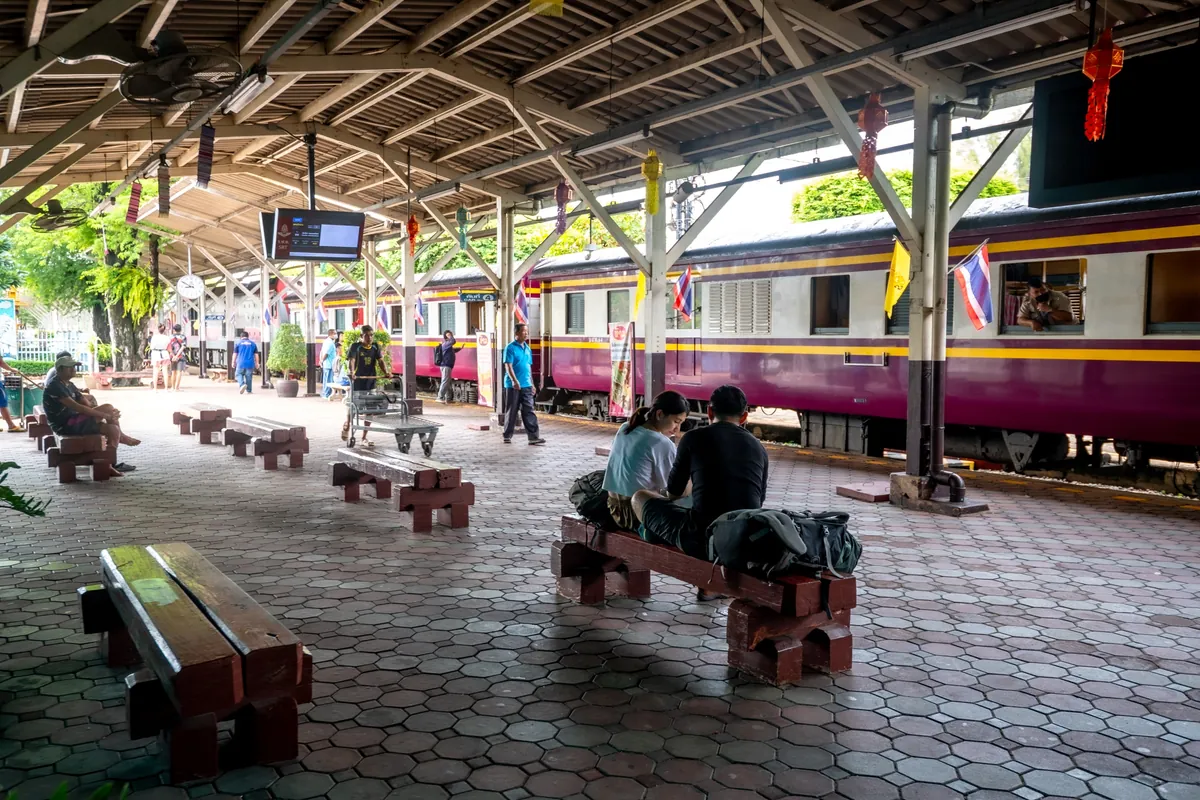
The overnight sleeper train from Bangkok is the classic way in — about 10 hours, arriving at Lampang station in the morning. Minivans from Chiang Mai take around 1h30.

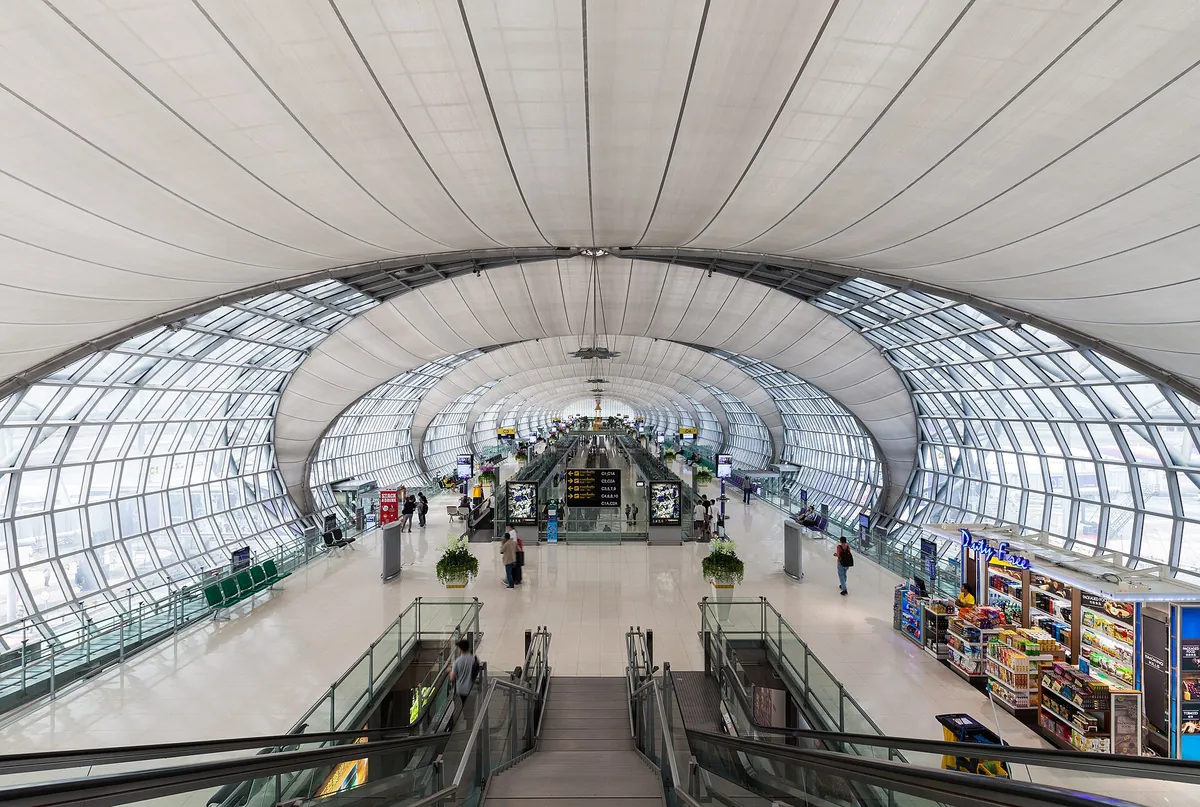
eSIM for Thailand
Land with data already working and skip the airport SIM queue. We tested six plans — code THAIHOLIDAY saves 10%.

Travel insurance
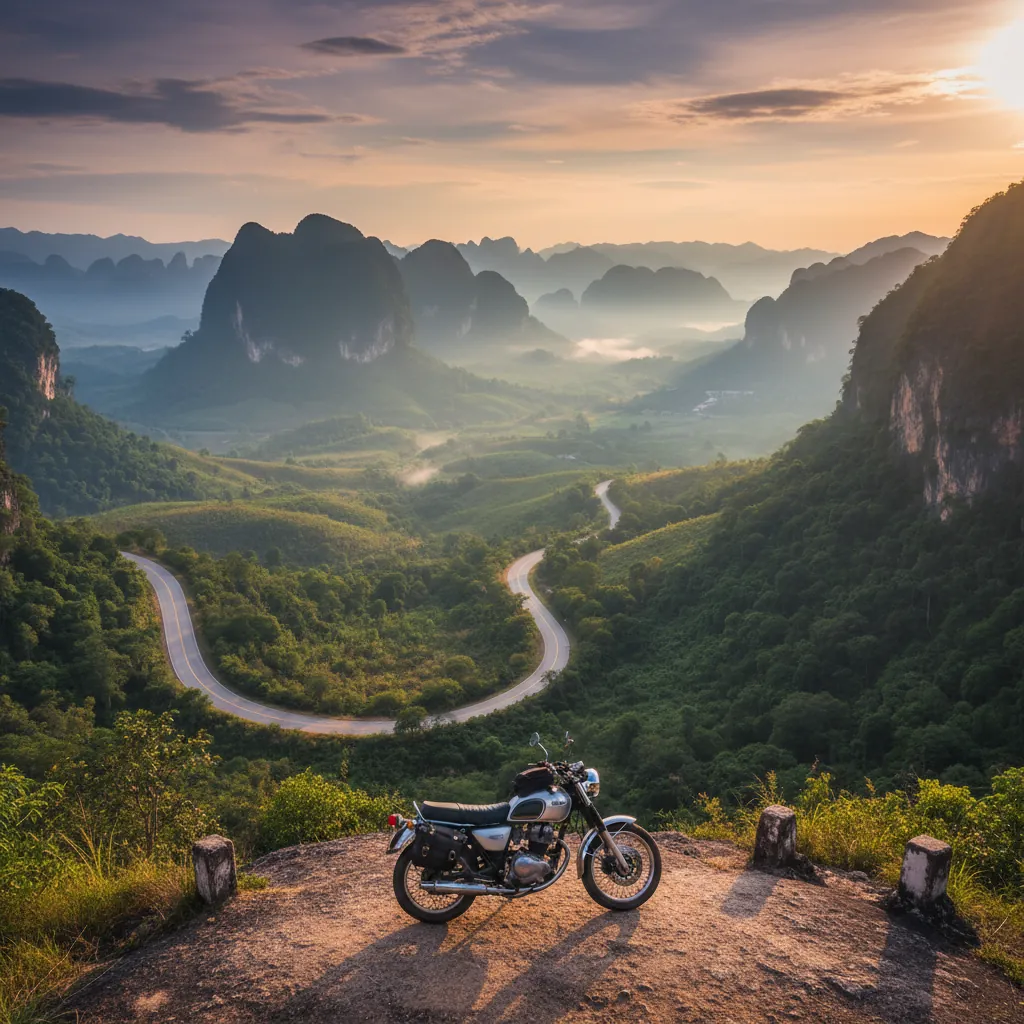
Scooters on mountain roads and trekking in national parks — sort cover before you go. The motorbike clause matters; most budget policies exclude it.
Wats, shrines & spiritual sites
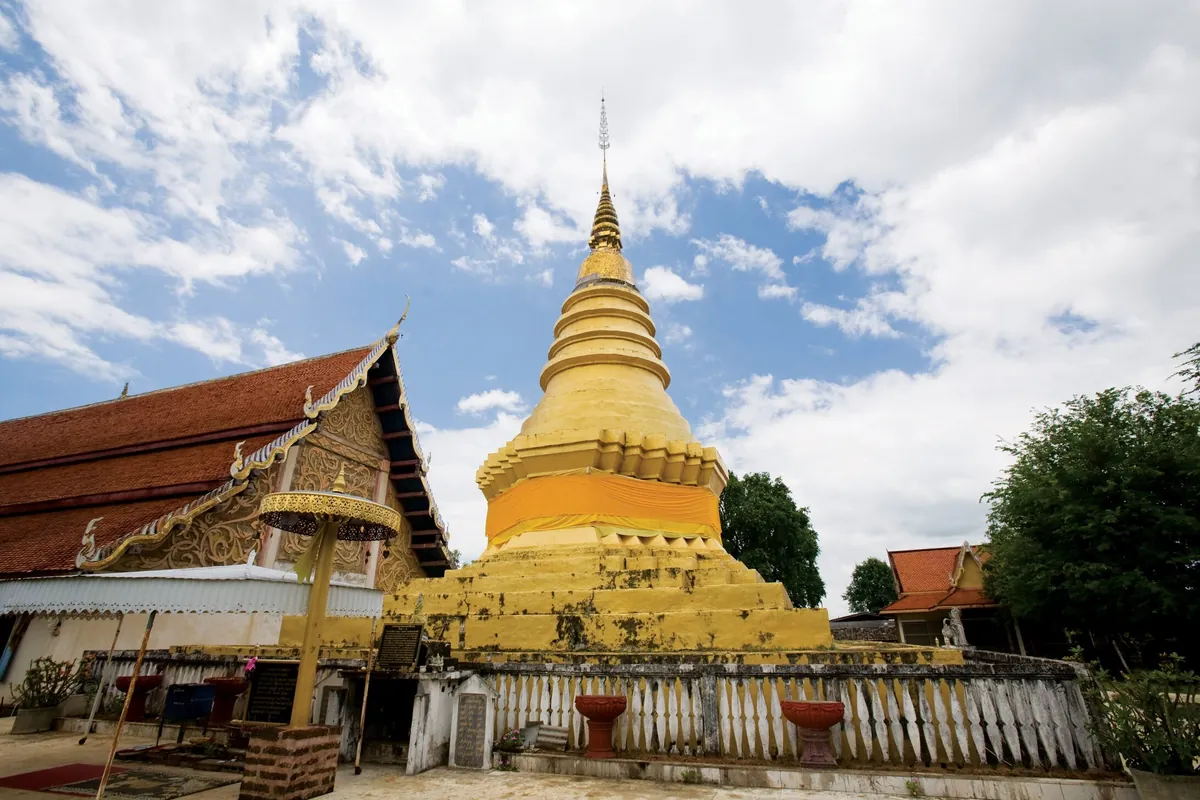
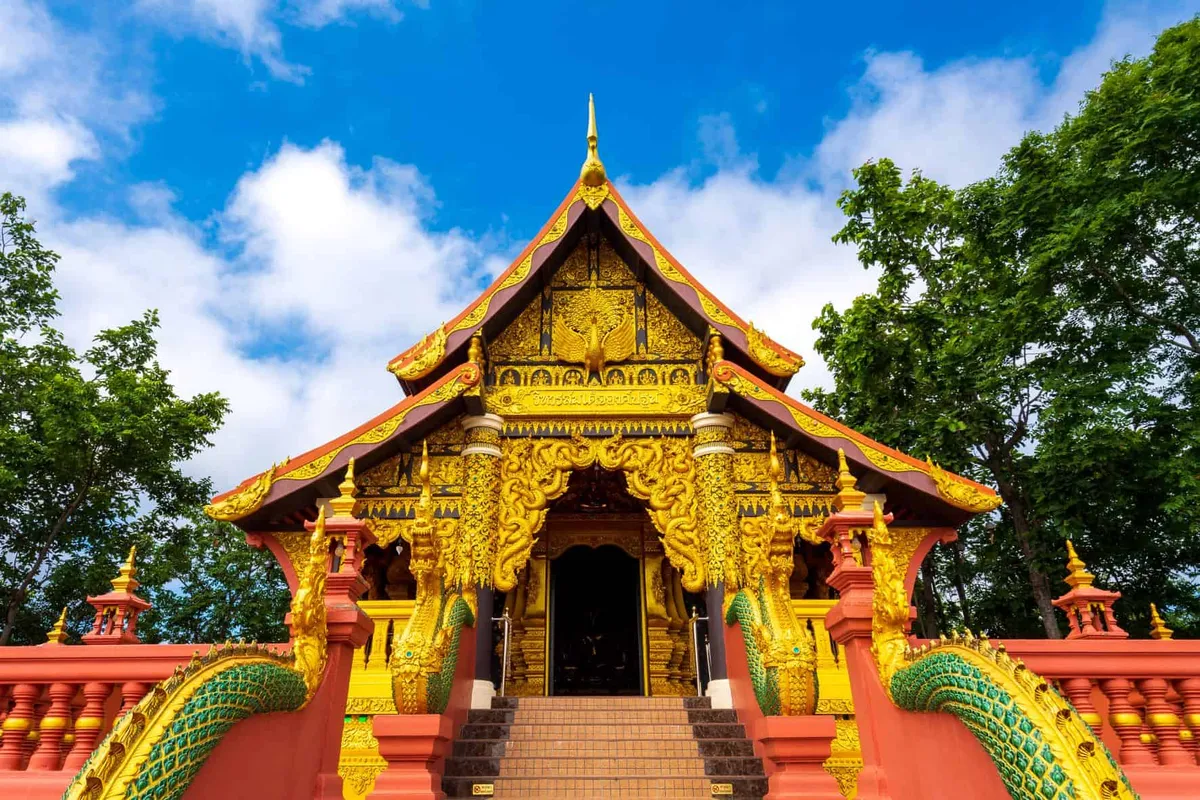
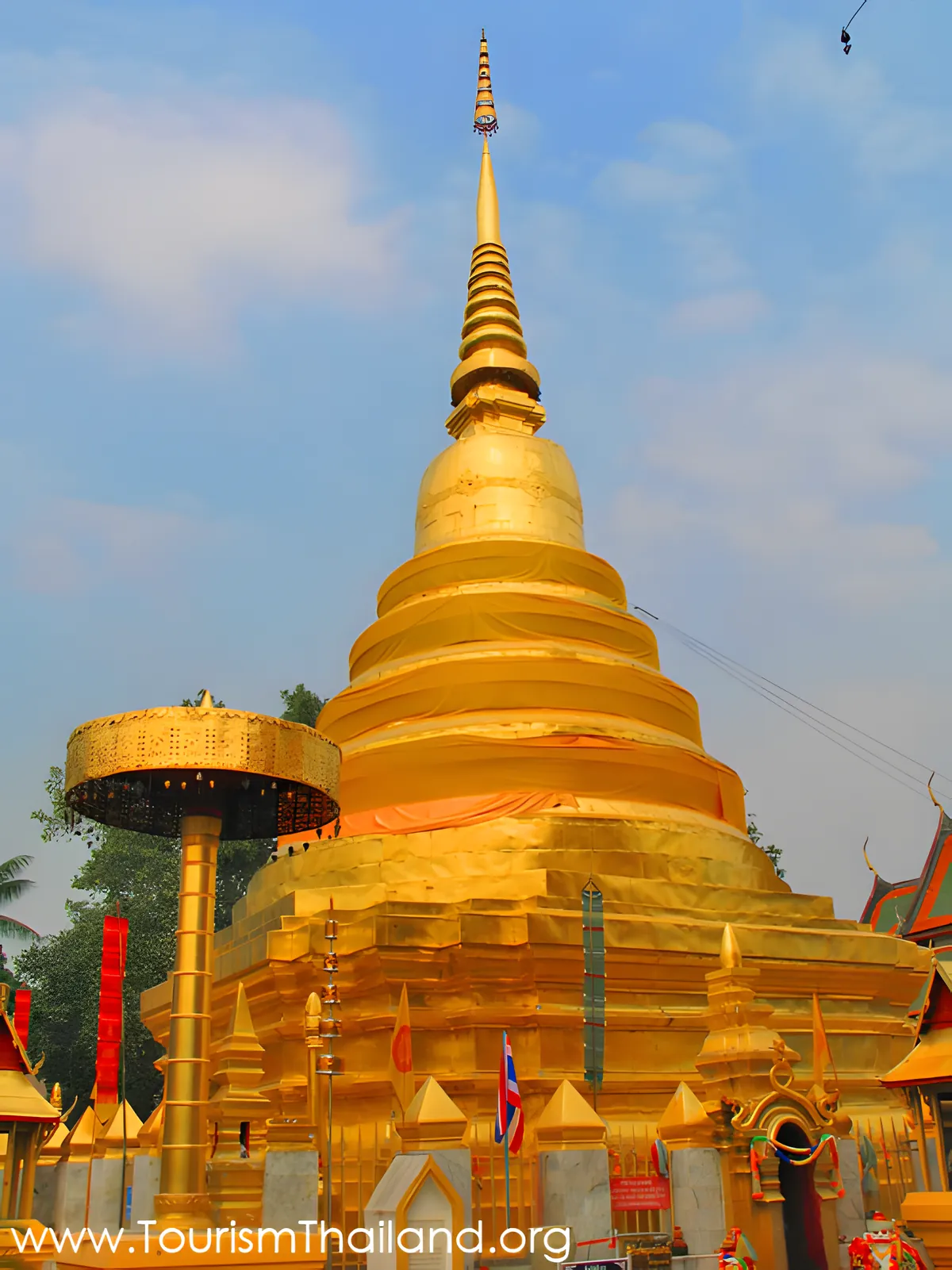
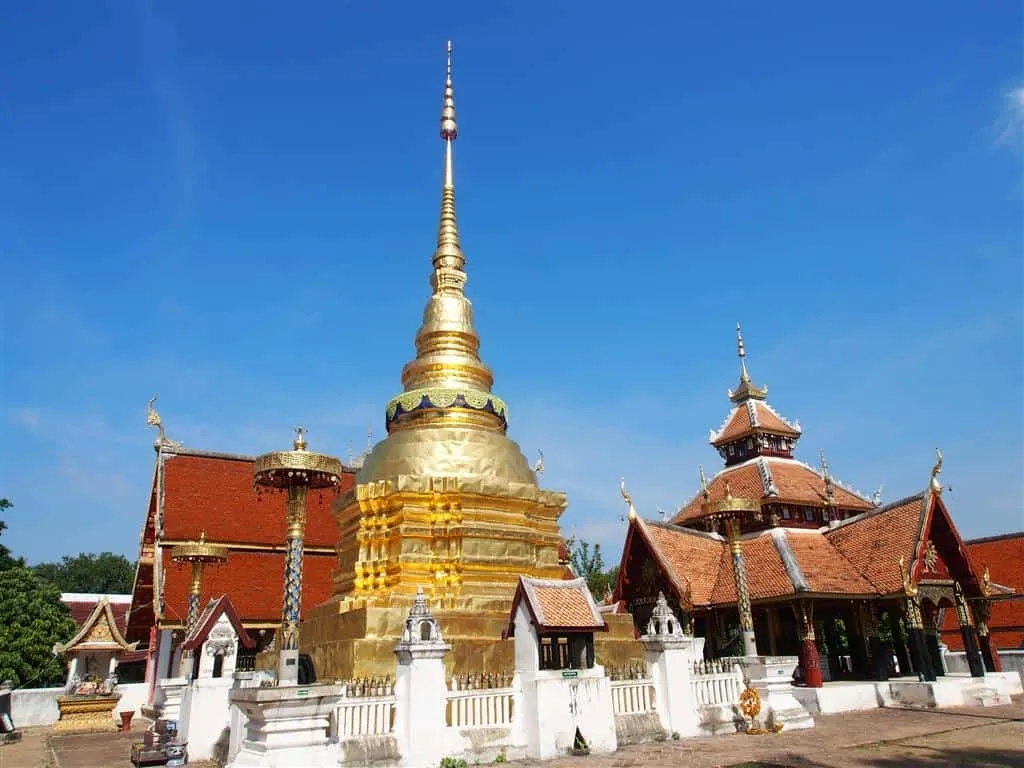
Temples in Lampang




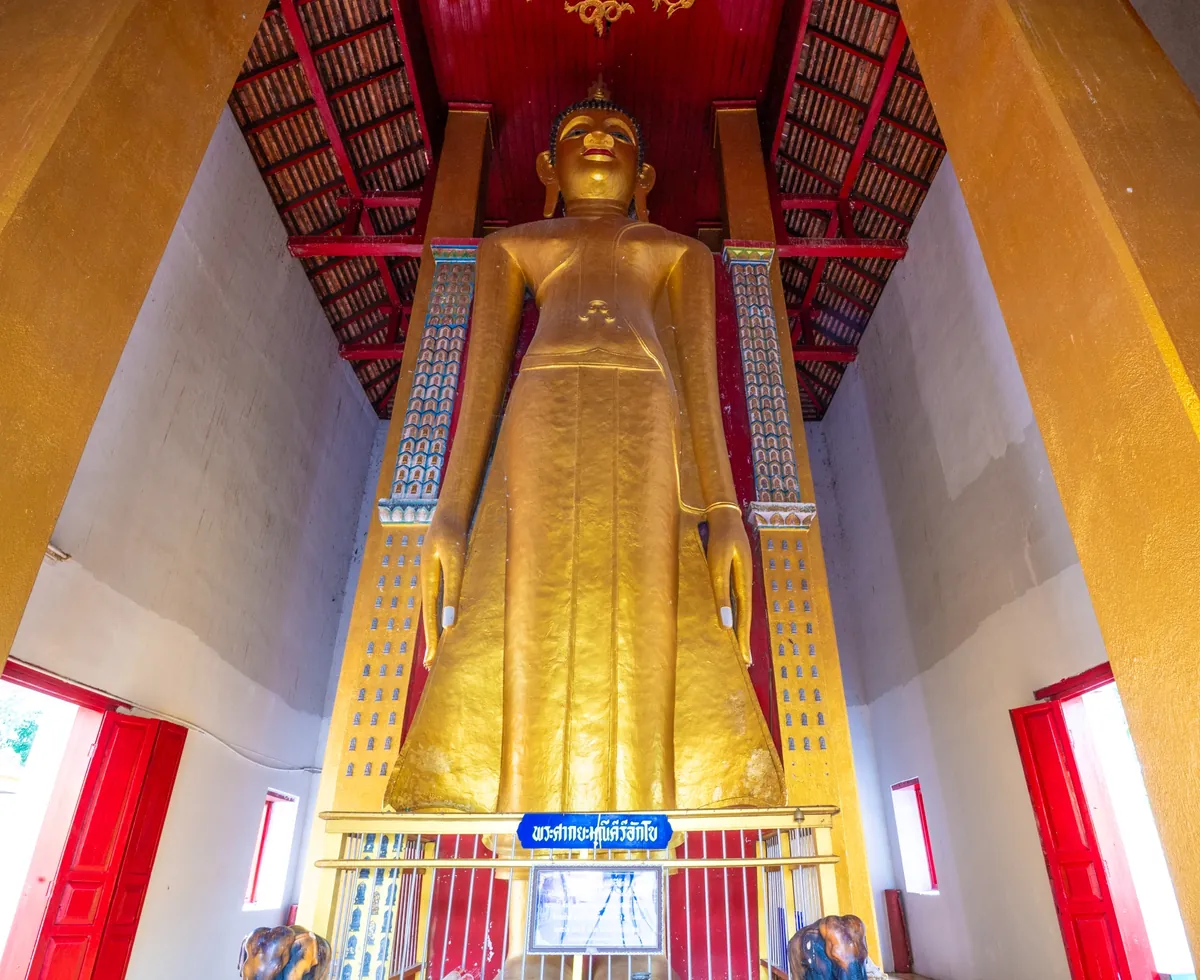



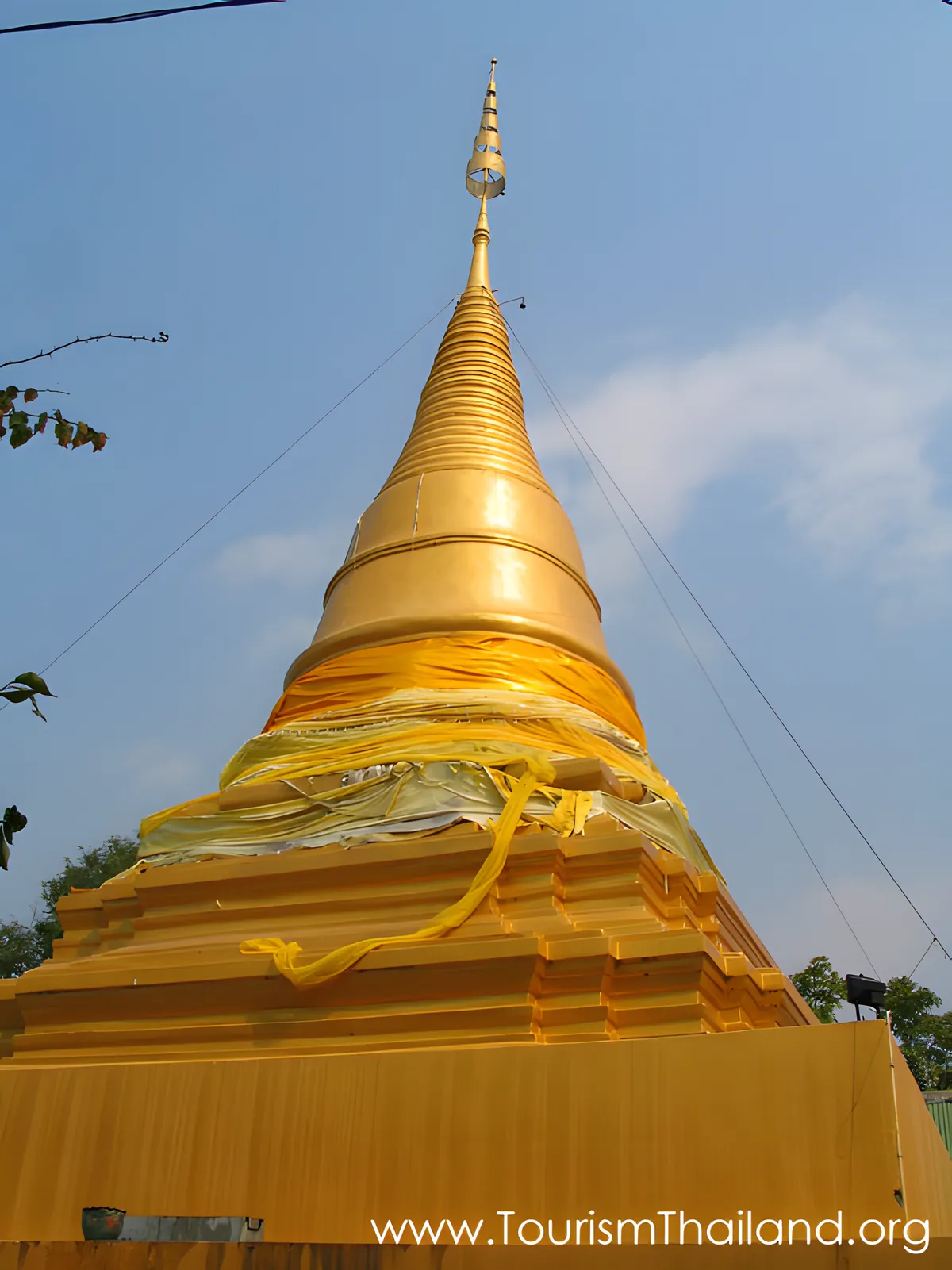






Waterfalls, peaks, caves & parks
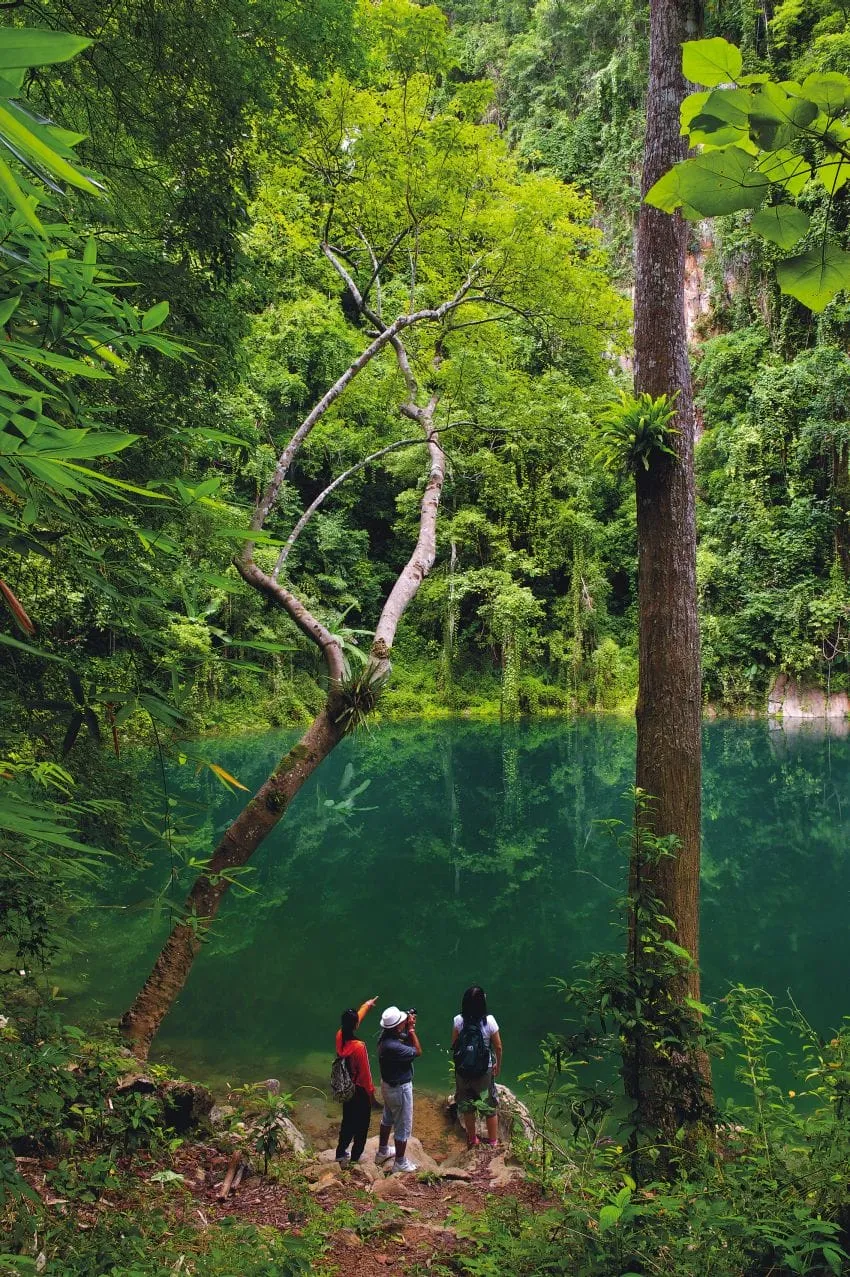
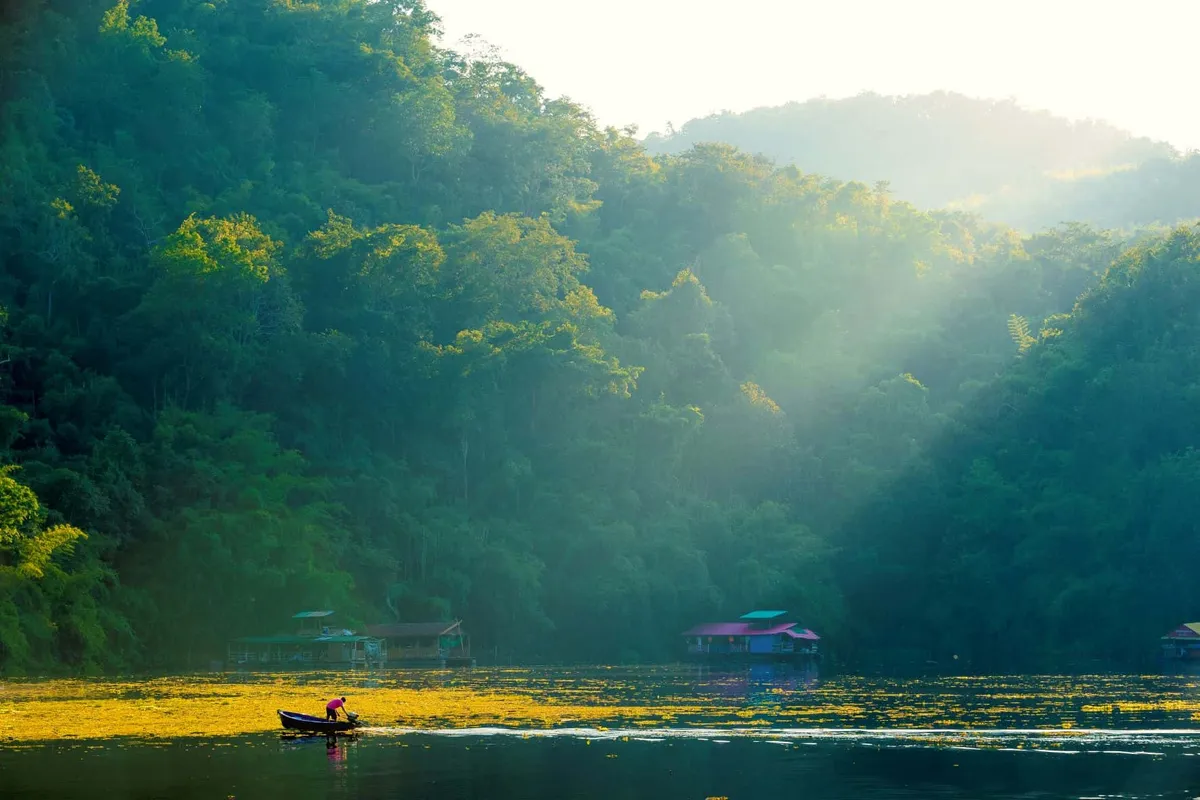
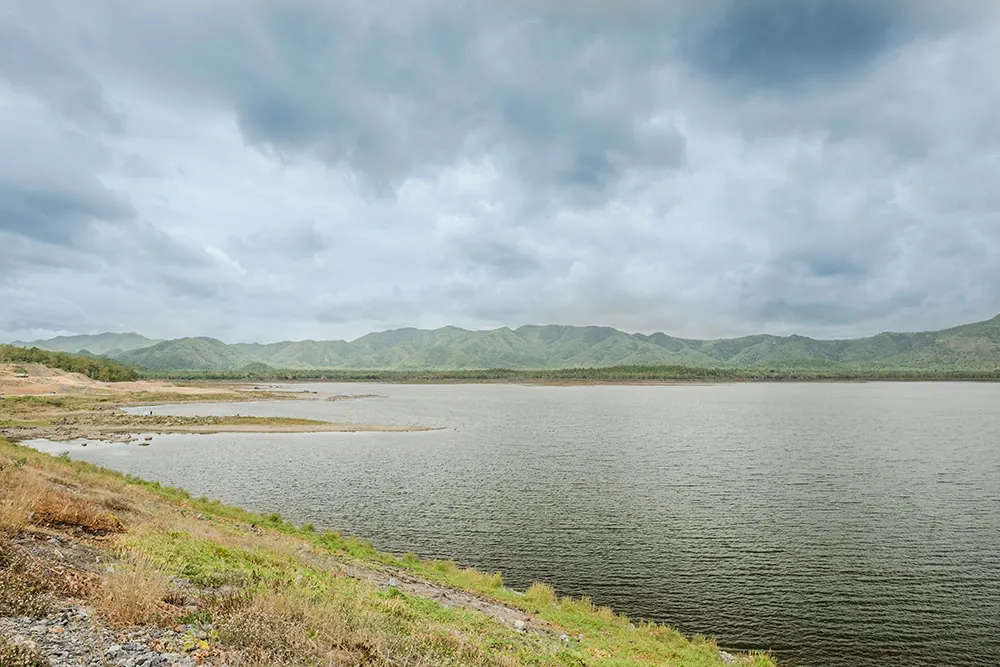
Nature & outdoors around Lampang










Museums, history & heritage
Museums & culture in Lampang

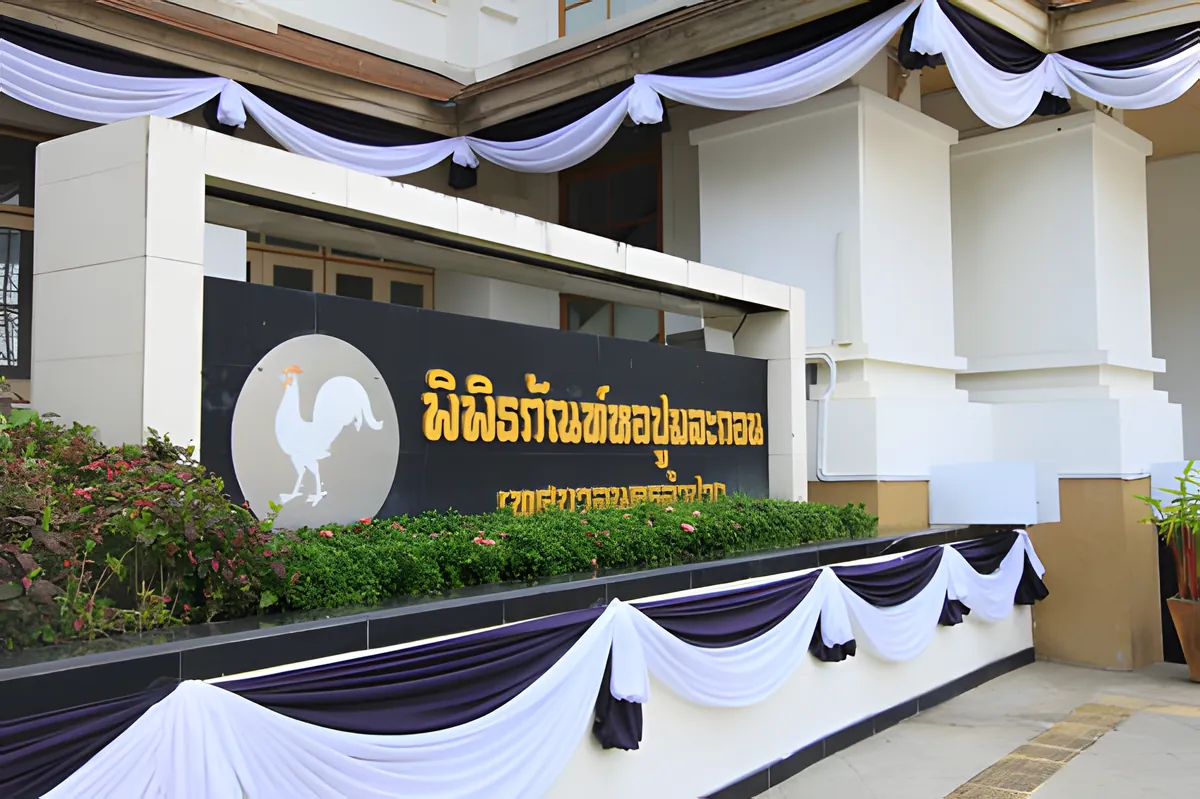


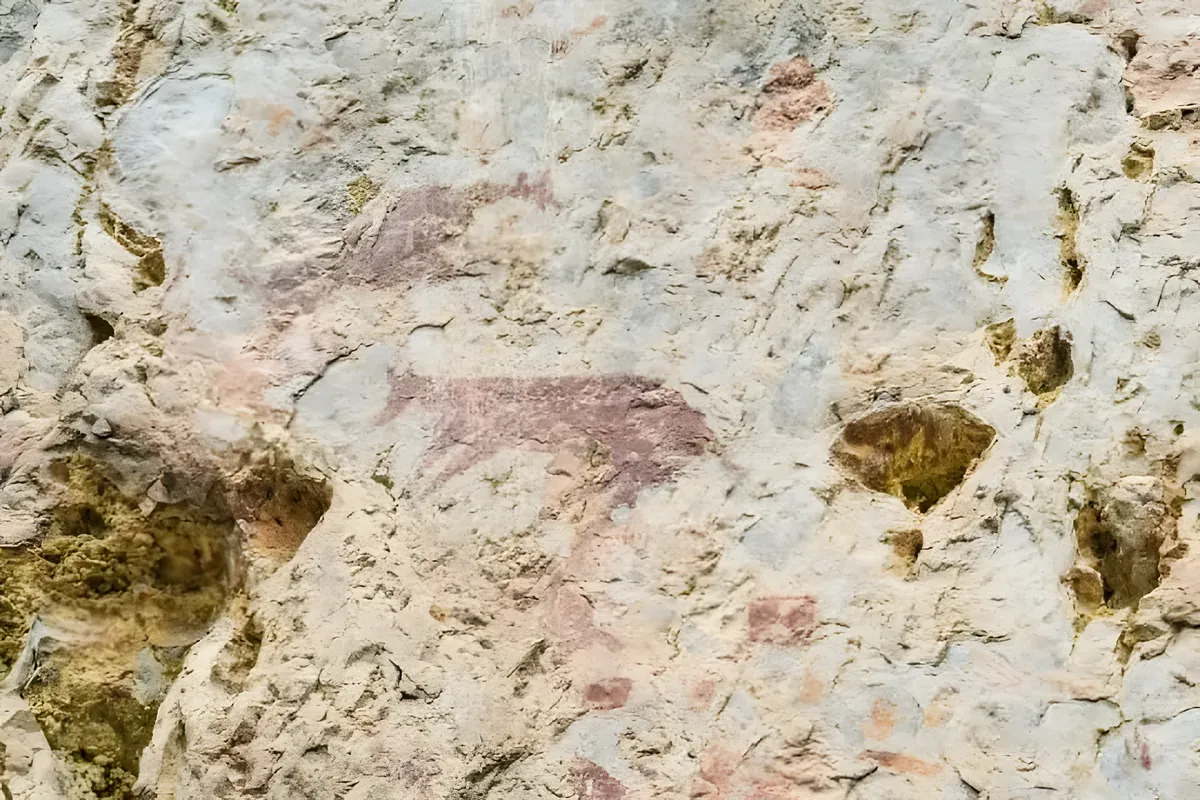

Things to do on the map
Tap a pin for details — 40 places in Lampang plotted.
When to go
Nov–Feb Cool and clear — the best time to visit. December and January nights drop to 10–15°C, so bring a layer. The Saturday Kad Kong Ta market is at its most pleasant in this weather.
Mar–Apr Agricultural burning season brings haze across northern Thailand. Air quality can be poor, especially in March. Temple visits are still possible but visibility and air quality vary day to day.
Jun–Sep Warm and wet with regular afternoon rain. The town functions normally and crowds are minimal. Temples and indoor attractions are unaffected.
About Lampang
Last updated September 2026
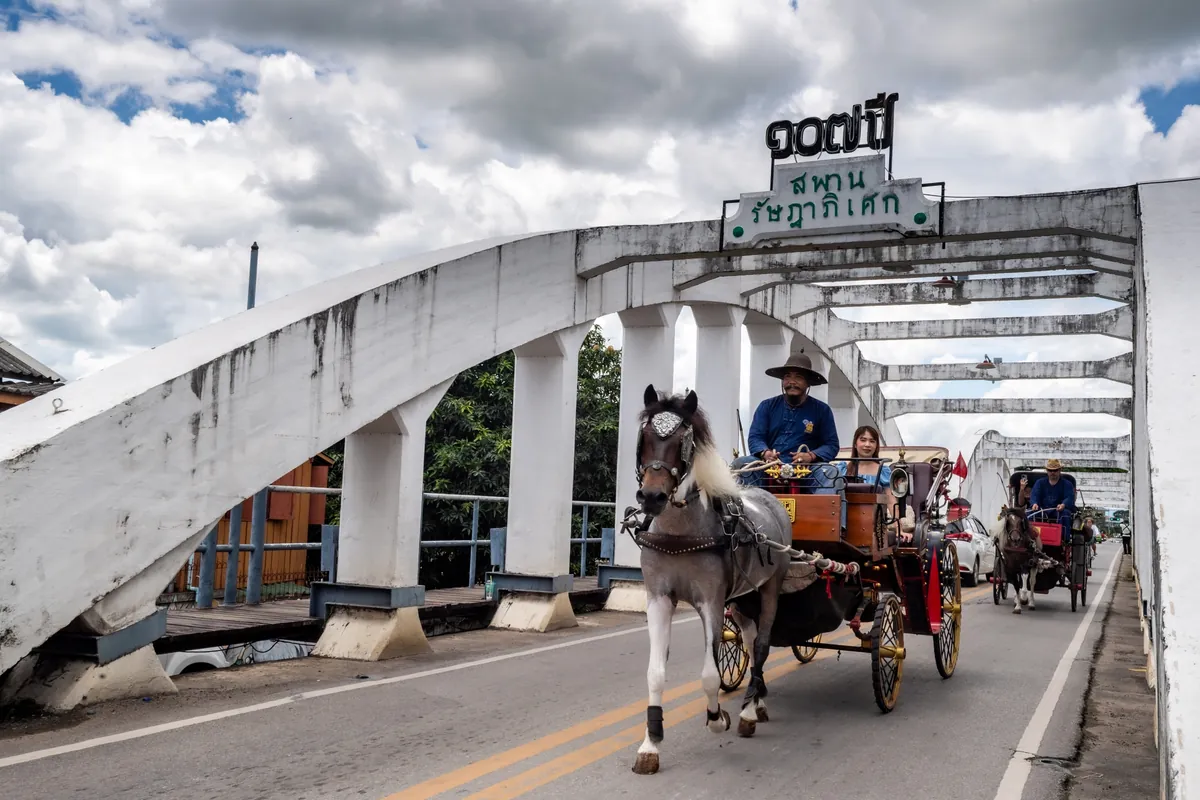
Lampang is the kind of northern Thai city that Chiang Mai was 30 years ago — temples and teak houses without the tourist crowds. Horse-drawn carriages still clip along the main roads (the only city in Thailand where they operate), and the old town along the Wang River has a quiet charm that rewards slow exploration. With 86 attractions — 34 temples, 9 national parks and a scattering of museums — Lampang has more than enough to fill two or three days.
What to See & Do
Wat Phrathat Lampang Luang is the main draw and one of the most important Lanna-era temples in northern Thailand. The wooden viharn dates to the 15th century and contains a camera obscura effect — an inverted image of the chedi projected onto a white cloth in the dark chapel. It’s 20km south of town and worth the trip.
In town, Baan Sao Nak is a traditional Lanna teak house built on 116 teak pillars — now a museum with period furnishings. Wat Pong Sanuk Nuea won a UNESCO heritage award for its restoration and blends Lanna, Burmese and Chinese architectural styles. The Burmese influence is strong in Lampang — Wat Si Rong Mueang and Wat Si Chum both show unmistakable Burmese temple design from the teak logging era.
The riverside Kad Kong Ta walking street market runs Saturday evenings and is one of the best night markets in the north — local food, handicrafts, live music, and virtually no foreign tourists.
Where to Stay
Lampang has limited hotel listings on international booking sites, but guesthouses and small hotels in the old town run 400-800 baht/night. Look around Thanon Talat Gao (the old market street) for the most atmospheric options.
Getting There
Lampang is 100km southeast of Chiang Mai — about 1.5 hours by car or bus. Trains on the Bangkok-Chiang Mai line stop at Nakhon Lampang Railway Station, making it an easy day trip or stopover. Buses from Chiang Mai run every 30 minutes from the Arcade terminal.
Best Time to Visit
November to February is cool and clear — perfect for temple visits and the Saturday walking street. Lampang gets genuinely cold at night in December-January (10-15°C). March-April brings burning season haze from agricultural fires. The monsoon (June-September) is warm and wet but the town functions normally.
Insider Tip: Take a horse-drawn carriage (rot maa) around the old town for 200-300 baht — it’s touristy by Lampang standards but genuinely the only place in Thailand you can do this, and the route passes the best temples.
Frequently Asked Questions about Lampang
How do I get to Lampang from Chiang Mai?
When is the best time to visit Lampang?
What are the main things to do in Lampang?
How long should I spend in Lampang?
What is the Lampang horse carriage and is it worth doing?
Spotted something out of date or incorrect? Let us know
Plan your
Lampang trip