




Wat Phra That Cho Hae
วัดพระธาตุช่อแฮ พระอารามหลวง
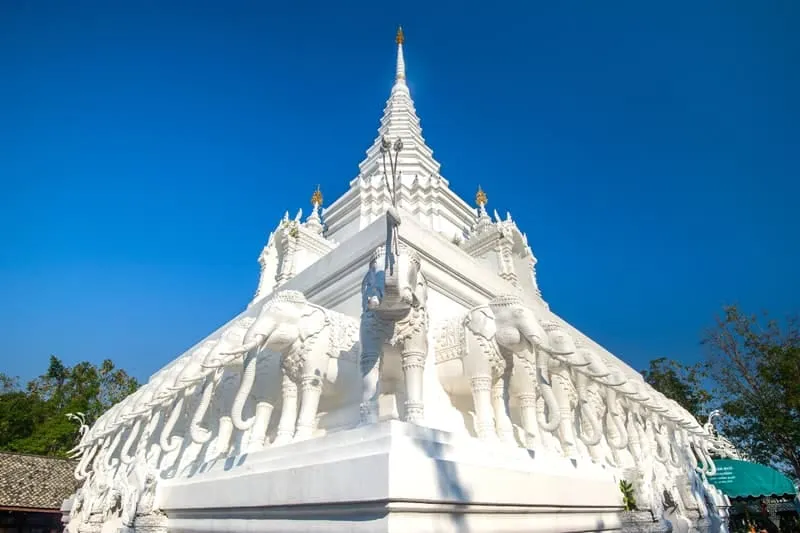
A 33-metre gilded chedi rises above the pine-shaded grounds of Wat Phra That Cho Hae, Phrae’s most sacred temple and one of northern Thailand’s principal pilgrimage sites. The octagonal, Chiang Saen-style stupa sits on a square base, its brick core sheathed in gilded copper plates across seven diminishing tiers beneath a multi-tiered ceremonial umbrella. Built around 1337 on the order of Phaya Lithai — the Sukhothai-era ruler who governed Phrae before becoming king — it enshrines a Buddha hair relic and, according to temple tradition, a fragment of elbow bone said to have been presented by the Indian emperor Ashoka. Entry is free, and the temple opens daily from 06:00 to 18:00.
The name comes from cho hae, the fine silk cloth local weavers produce specifically to wrap the chedi’s relic chamber. Every year, on the 9th and 15th waxing-moon days of the fourth lunar month (around March), the whole town turns out for the Phra That Cho Hae festival: the chedi is re-wrapped in fresh cloth, processions wind through the temple grounds, and stalls sell northern Thai food and handicrafts late into the evening. Outside festival dates, the temple runs at its normal quiet pace — monks going about morning and evening chanting, a scattering of local worshippers lighting incense at the base of the chedi.
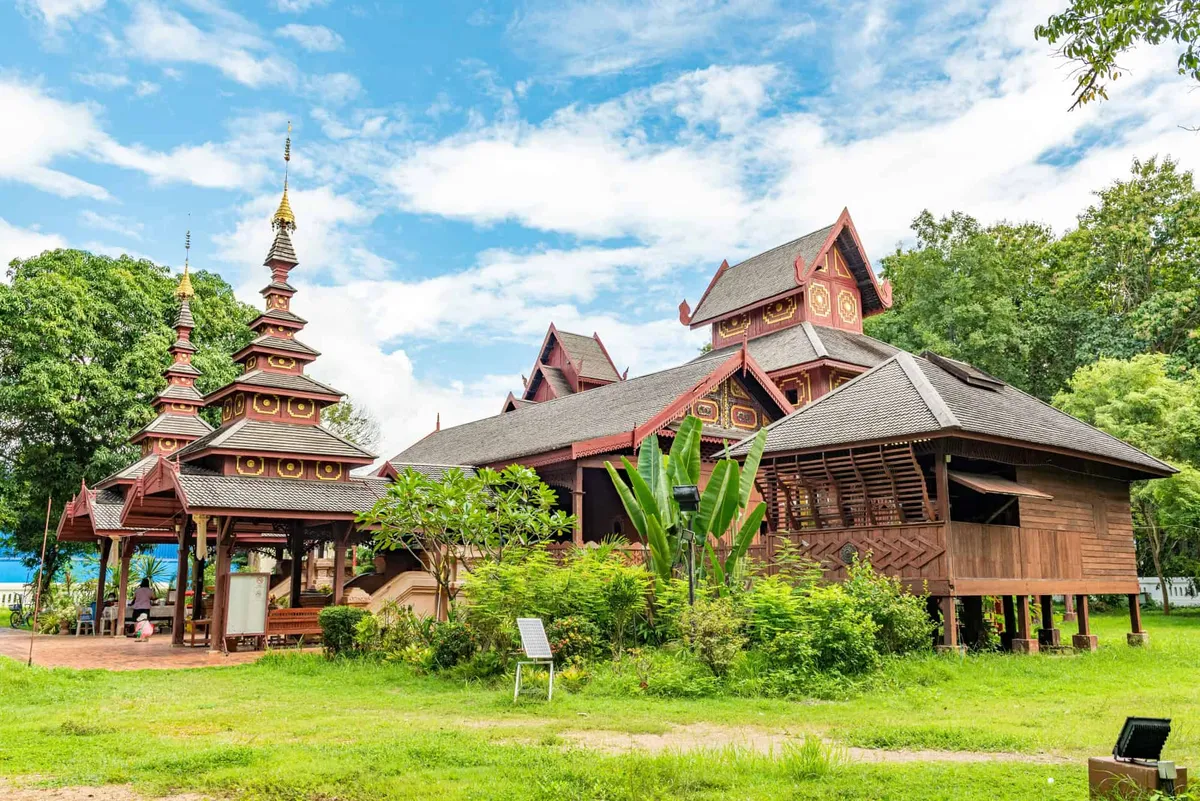
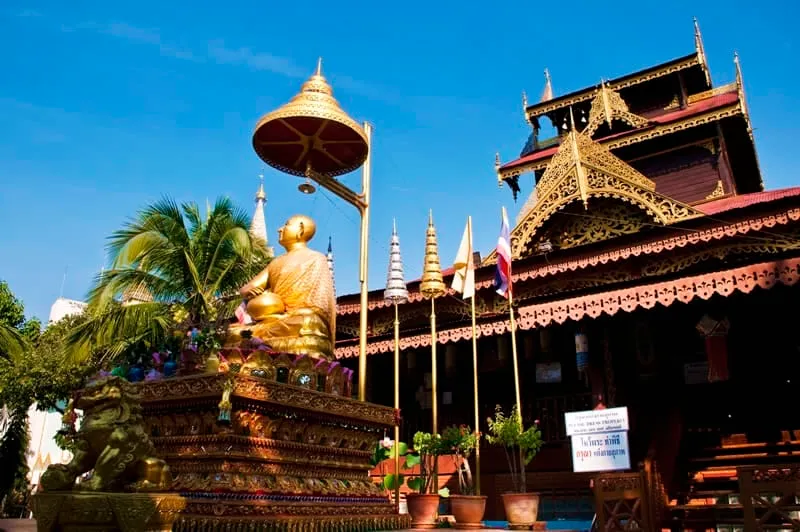
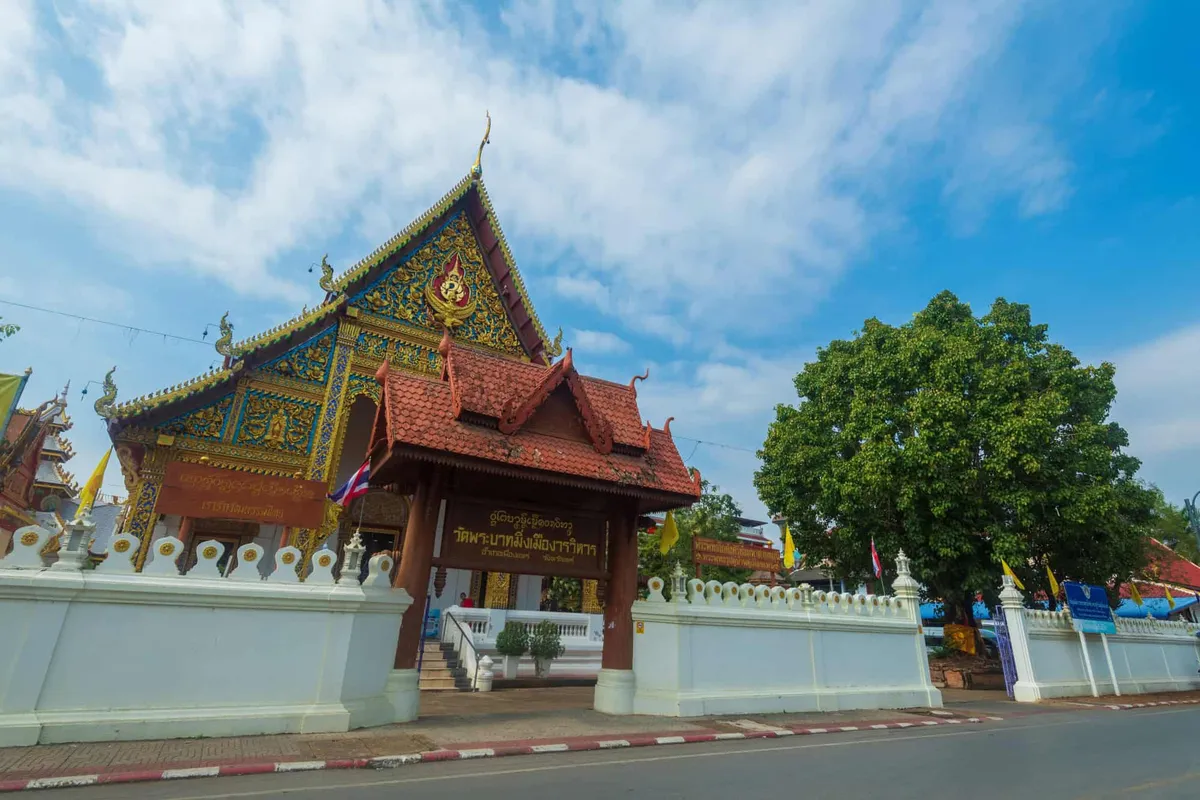
A naga-flanked stairway leads up from the entrance to the main terrace, where the chedi is flanked by viharns built in traditional Lanna style — carved timber gables, layered roofs, murals depicting Buddhist jataka scenes. Inside the principal viharn sits Phra Chao Than Chai, a Buddha image widely believed among Phrae locals to answer prayers quickly; it draws a steady trickle of devotees separate from the chedi crowd. Wat Phra That Cho Hae also carries the status of Phra Aram Luang — a royal temple — one of only a handful in Phrae province.
Insider Tip: Wat Phra That Cho Hae is Phrae’s designated zodiac temple for people born in the Year of the Tiger. Thai tradition holds that visiting your zodiac temple once in your life brings merit and prosperity — if you’re a Tiger-year visitor, this is the one to prioritise over the other Phrae temples.
Getting there is straightforward from central Phrae — a songthaew, tuk-tuk, or rented scooter along Route 1022 covers the distance in 15-20 minutes, and there’s a car park directly below the naga stairway. The stairway itself isn’t steep, but there’s no shade until you reach the temple terrace, so an early visit avoids both the midday sun and the tour groups that tend to arrive from late morning onward. Vendors near the base sell lotus flowers, incense, and gold leaf for making offerings at the chedi, and small stalls sell drinks and snacks if you want to linger on the terrace and take in the view over the surrounding rice fields and forest before heading back down.
- Chedi height: 33 metres, octagonal Chiang Saen-style, gilded copper plating
- Built: c. 1337, on the order of Phaya Lithai; restored 1924 by Khru Ba Srivichai
- Entry: Free, daily 06:00-18:00
- Distance from Phrae town: About 9km southeast via Route 1022
- Cho Hae cloth-wrapping festival: 9th and 15th waxing-moon days of the fourth lunar month (around March)
Dress modestly — covered shoulders and knees, shoes off before entering the viharns. The naga stairway has a shaded, gently graded approach, so it’s manageable even in the midday heat, though a morning visit avoids both the sun and the tour-bus groups that arrive by mid-morning. Combine it with Wat Luang and the teak mansions of central Phrae for a half-day temple-and-heritage loop, or stop here on the way in or out of town if you’re heading toward Mae Yom National Park.
Location & Directions
1 M.11
Phrae, Thailand
Show your taxi or Grab driver
วัดพระธาตุช่อแฮ พระอารามหลวง
Frequently Asked Questions
What does "Cho Hae" mean?
How old is Wat Phra That Cho Hae?
How far is the temple from Phrae town?
Why do people born in the Year of the Tiger visit specifically?
When is the Cho Hae temple fair?
Spotted something out of date or incorrect? Let us know
Stay Near Wat Phra That Cho Hae
Live prices for places closest to Wat Phra That Cho Hae — tap a pin to compare.