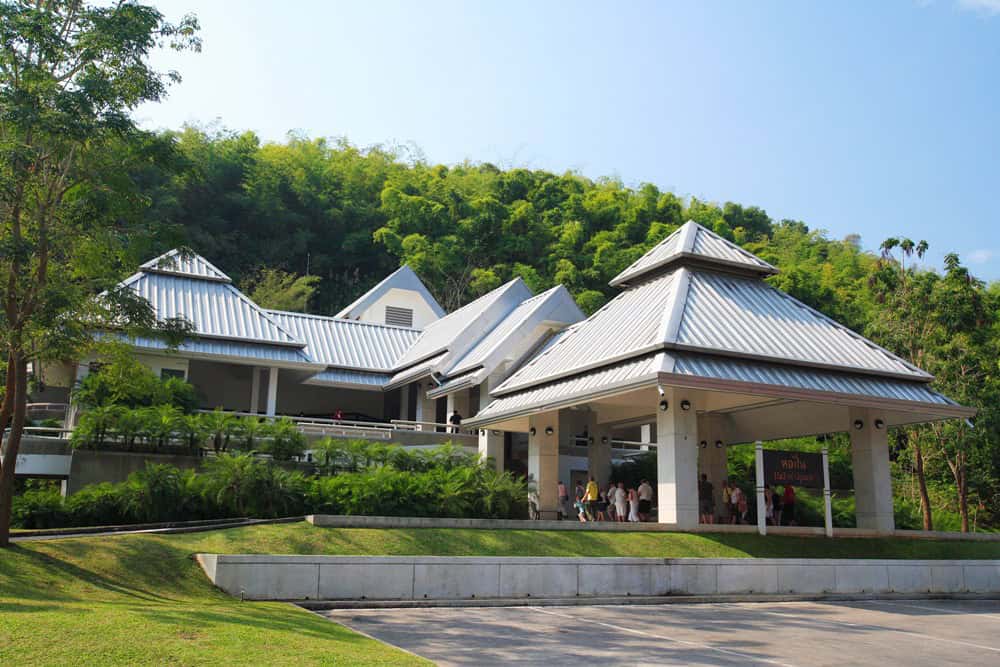
Few museums tackle such a controversial subject with the depth and sensitivity found at The Hall of Opium in Chiang Rai’s Golden Triangle Park. This world-class facility chronicles the complex history of opium cultivation, trade, and addiction that shaped Southeast Asia for centuries. Built at the epicenter where Thailand, Myanmar, and Laos converge, the museum stands as one of the region’s most important educational attractions, offering visitors a comprehensive look at how this single plant influenced politics, economics, and countless lives across generations.
Interactive exhibits guide you through opium’s journey from ancient medicinal use to modern-day consequences, featuring authentic artifacts, detailed dioramas, and multimedia presentations. You’ll explore recreated opium dens, examine traditional smoking pipes and scales, and learn about the Golden Triangle’s transformation from poppy fields to alternative crops. The museum’s sophisticated displays include scientific explanations of addiction, testimonials from former users, and documentation of international efforts to combat the trade. Audio guides in multiple languages ensure you won’t miss crucial details as you move through chronologically arranged galleries that make complex historical and social issues accessible to all ages.
Despite its serious subject matter, the museum maintains a respectful and educational atmosphere that encourages thoughtful reflection rather than sensationalism. Visitors often describe feeling enlightened rather than overwhelmed, as the exhibits present facts objectively while honoring the human stories behind the statistics. The spacious, air-conditioned galleries provide a comfortable environment for contemplating this weighty topic, and many guests find themselves spending longer than expected absorbed in the detailed presentations.
Plan at least two hours for your visit, arriving early in the day when temperatures are cooler and crowds thinner. The museum closes on Mondays, and entry fees are 200 baht regardless of age or nationality. Photography inside is limited, so bring a notebook if you want to remember specific details. Located about 20 kilometers north of Chiang Rai city, the site is easily accessible by car or organized tour. This remarkable museum offers invaluable historical context for understanding modern Southeast Asia.