




Ban Pang Ha community
ชุมชนบ้านปางห้า
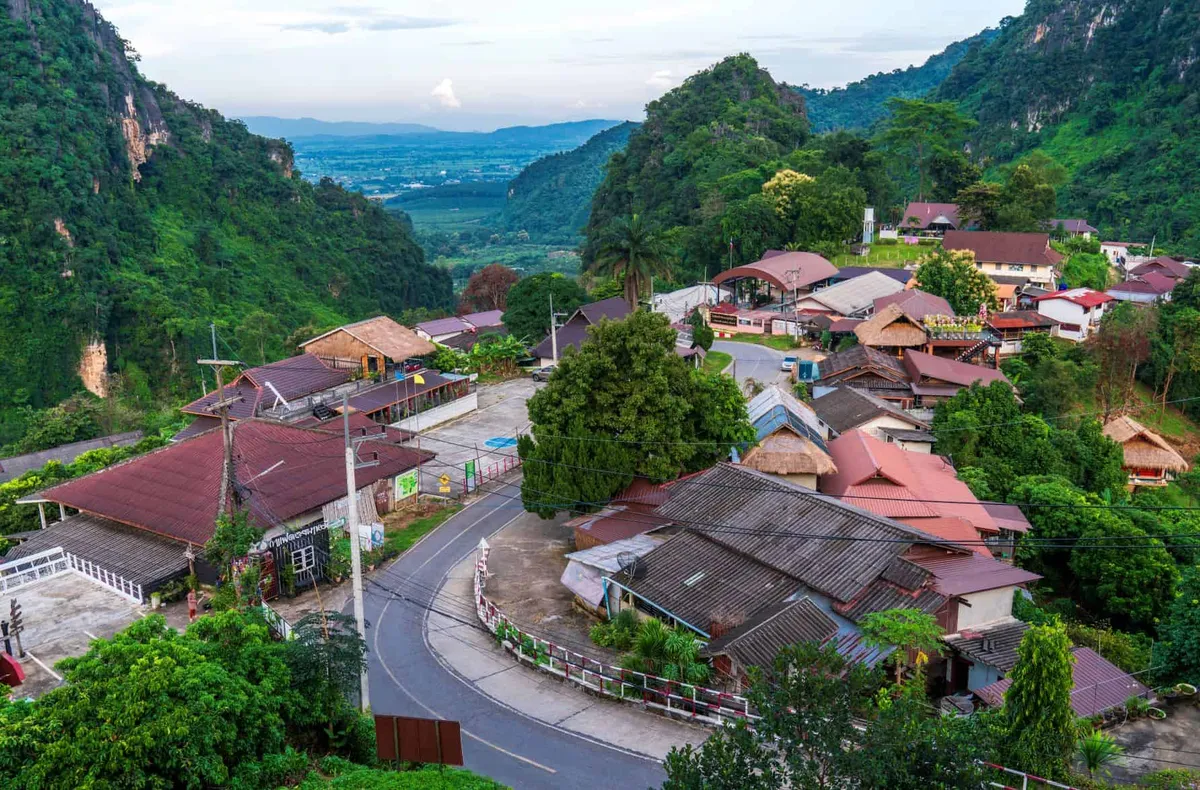
Ban Pang Ha is a multi-ethnic community-tourism village in Koh Chang subdistrict, Mae Sai district — part of the far-northern Doi Mae Salong area near the Myanmar border. Entry to the village is free; it’s open daily 08:00–17:00, though workshops and meals are paid separately.
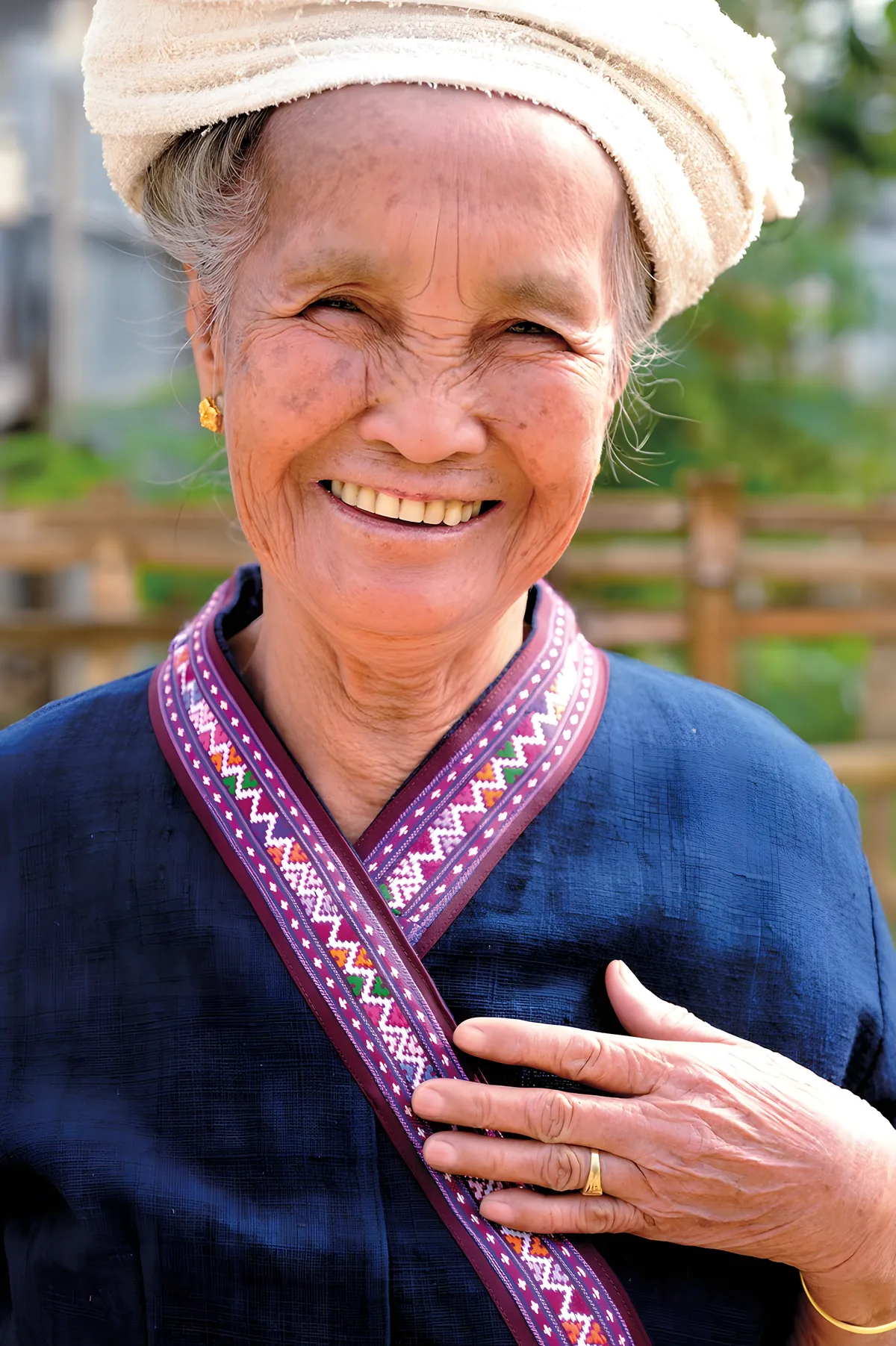
Tai Yai (Shan), Tai Lue and Pgakenyaw (Karen) families share the settlement with ethnic-Yunnanese Chinese households, most of whom arrived after the Thai government’s long conflict with the Communist Party of Thailand wound down around 1980. The village takes its name from a “pang” — a temporary rest stop once used by traders and travellers on the old foot trail north — that stood beside a large wa (Java plum) tree here.
The village’s best-known craft is sa, mulberry-bark paper: visitors can watch sheets pressed and sun-dried on outdoor racks, a popular photo stop, then join a workshop to make their own paper or try suminagashi-style painting on a water surface. Other demonstrated crafts include traditional knife-forging and candle-casting, plus locally made golden-silk-cocoon skincare products. Guided walks take in organic fruit orchards — guava and date palms among them — along with composting and worm-farming plots, and a vintage two-storey wooden building that doubles as a photo backdrop. Food stalls sell northern dishes and a charcoal-fired village take on pizza.
Insider Tip: Book the paper-making or water-marbling workshop ahead through the homestay group’s Facebook page — walk-in visitors can watch the drying racks, but hands-on sessions need a small group booked in advance.
Watch out: this is a lived-in border village, not a staged attraction — ask before photographing residents at work, and expect some workshops to run only when there’s an existing homestay booking.
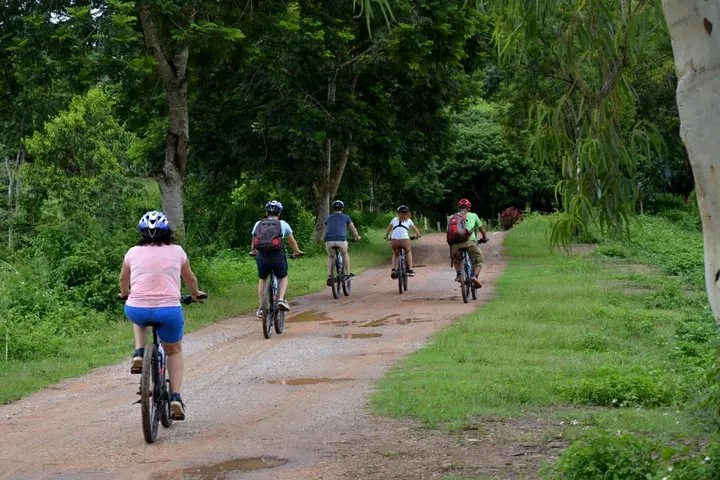
Around ten homestay houses operate in the village, sleeping 2 to 20 guests. There’s no public transport; a car or motorbike is the easiest way in, and dry season (November–April) gives the most comfortable conditions for walking between workshops. Combine the trip with Tham Luang cave or Thoed Thai Village, both within the same stretch of northern Chiang Rai.
- Location: Koh Chang subdistrict, Mae Sai — one of Thailand’s northernmost tourist villages
- Communities: Tai Yai (Shan), Tai Lue, Pgakenyaw (Karen), and Yunnanese Chinese households
- Signature craft: Sa (mulberry-bark) paper, hand-pressed and sun-dried
- Homestays: Around 10 houses, 2–20 guests each
- Entry: Free to the village; workshops and meals paid separately
Location & Directions
235 Mu 1
Chiang Rai, Thailand
Show your taxi or Grab driver
ชุมชนบ้านปางห้า
Frequently Asked Questions
Is Ban Pang Ha free to visit?
What ethnic groups live in Ban Pang Ha?
What is Ban Pang Ha known for?
Can I stay overnight?
How do I get to Ban Pang Ha?
Spotted something out of date or incorrect? Let us know
Popular tours in Chiang Rai





Stay Near Ban Pang Ha community
Live prices for places closest to Ban Pang Ha community — tap a pin to compare.