




Ban Pha Hi
บ้านผาฮี้
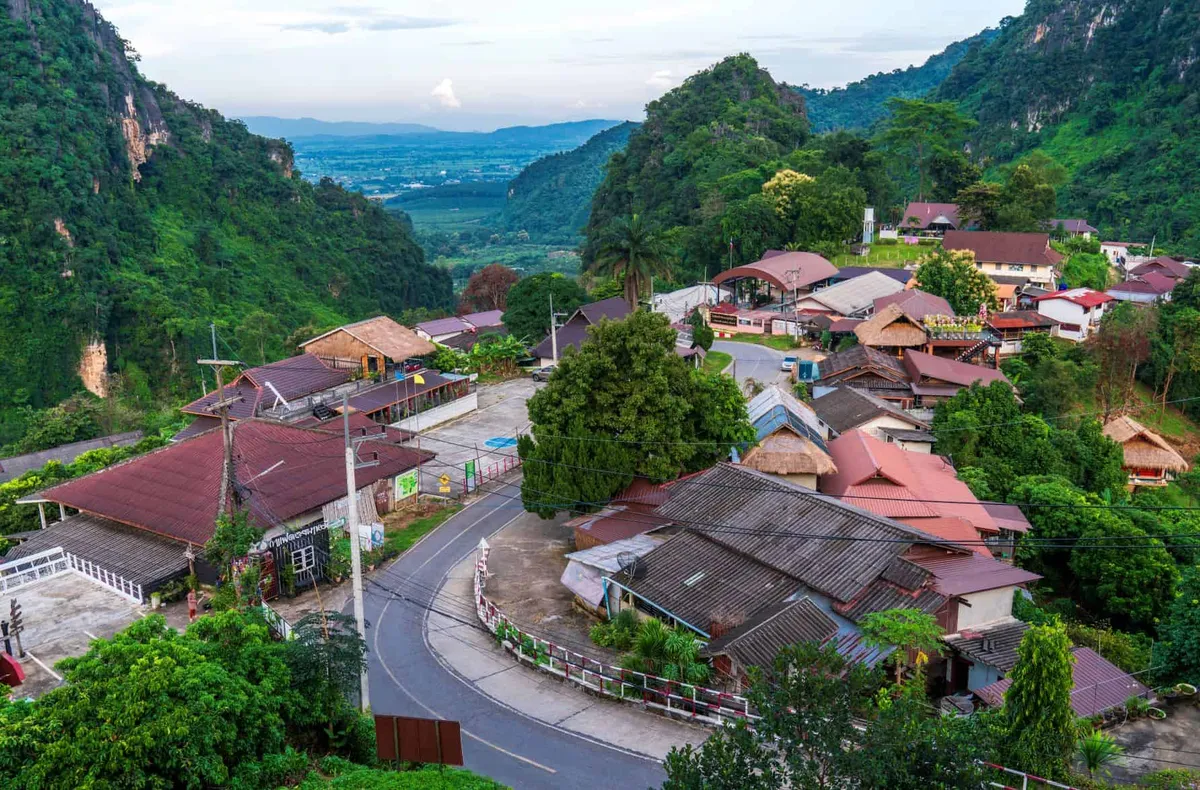
Ban Pha Hi is an Akha farming village on a mountainside near Mae Sai in Chiang Rai province, close to the Myanmar border. At around 1,200 metres above sea level, it’s known for two things: a viewpoint over a cool-season “sea of mist,” and Arabica coffee grown on the surrounding slopes. The village name is also written Pha Hee or Pa Hee, and the hill above it — Doi Pha Hee — gives the viewpoint its name.
The viewpoint sits a short walk uphill from the village parking area. On clear mornings from roughly November to February, mist fills the valley below before sunrise, with the ridgelines of the Myanmar border visible above the cloud layer. The mist typically thins out by mid-to-late morning as the sun warms the valley, so an early start matters more here than almost anywhere else on a northern Thailand itinerary.
Insider Tip: Arrive before sunrise if you want the mist at its thickest — by the time most day-trip minivans arrive from Chiang Rai, the view has often already started to clear.
- Entry fee: Free — a residential village, not a ticketed site
- Elevation: Around 1,200m
- Best conditions for mist: November-February, before sunrise
- Getting there: Car or motorbike only; no public transport
- Known for: Akha-grown Arabica coffee and the Doi Pha Hee viewpoint
Coffee is the other reason to visit. What was opium-growing land a few decades ago has been converted to coffee farming under a royal crop-substitution programme that reached several highland communities in this part of Chiang Rai. A handful of small cafes in the village now roast and serve their own Arabica, and sell beans to take home — a way to buy directly from the growers rather than through a city retailer.
Watch out: Ban Pha Hi is a working village, not a cultural performance. Ask before photographing residents, dress modestly, and buy something — coffee, a meal, a bag of beans — if you’re spending time there.
The road in is the main practical hurdle. From Chiang Rai, the route runs north on Route 1 to Mae Sai, then west on Route 1149 toward Doi Tung before turning off to the village; from Mae Sai itself it’s a more direct climb. Either way, the final section is a paved but steep mountain road, and there’s no bus or songthaew service — a rented car or motorbike is the only way in, and 4WD or a steadier hand is worth having if you’re travelling in the rainy season.
Ban Pha Hi combines well with other coffee and hill-tribe stops in the Doi Mae Salong area, including Thoed Thai Village and the 101 Tea Plantation further along the ridge. Outside the cool season, expect hazier views — the hot season (March-May) brings smoke from agricultural burning across the region, while the rainy season (June-October) turns the surrounding hills green but makes the access road slower going.
Location & Directions
169 Mu 10
Chiang Rai, Thailand
Show your taxi or Grab driver
บ้านผาฮี้
Frequently Asked Questions
Is there an entry fee for Ban Pha Hi?
When is the best time to see the sea of mist?
Which hill tribe lives in Ban Pha Hi?
Do you need your own vehicle to get there?
What is Ban Pha Hi known for besides the viewpoint?
Spotted something out of date or incorrect? Let us know
Popular tours in Chiang Rai




Stay Near Ban Pha Hi
Live prices for places closest to Ban Pha Hi — tap a pin to compare.