



- Best time
- Nov–Feb
- How long
- 3–4 days minimum
- From Bangkok
- 1.5 hrs by air, 12 hrs by bus
- Getting around
- Motorbike or songthaew
Updated June 2026
Plan your trip
Recommended by us

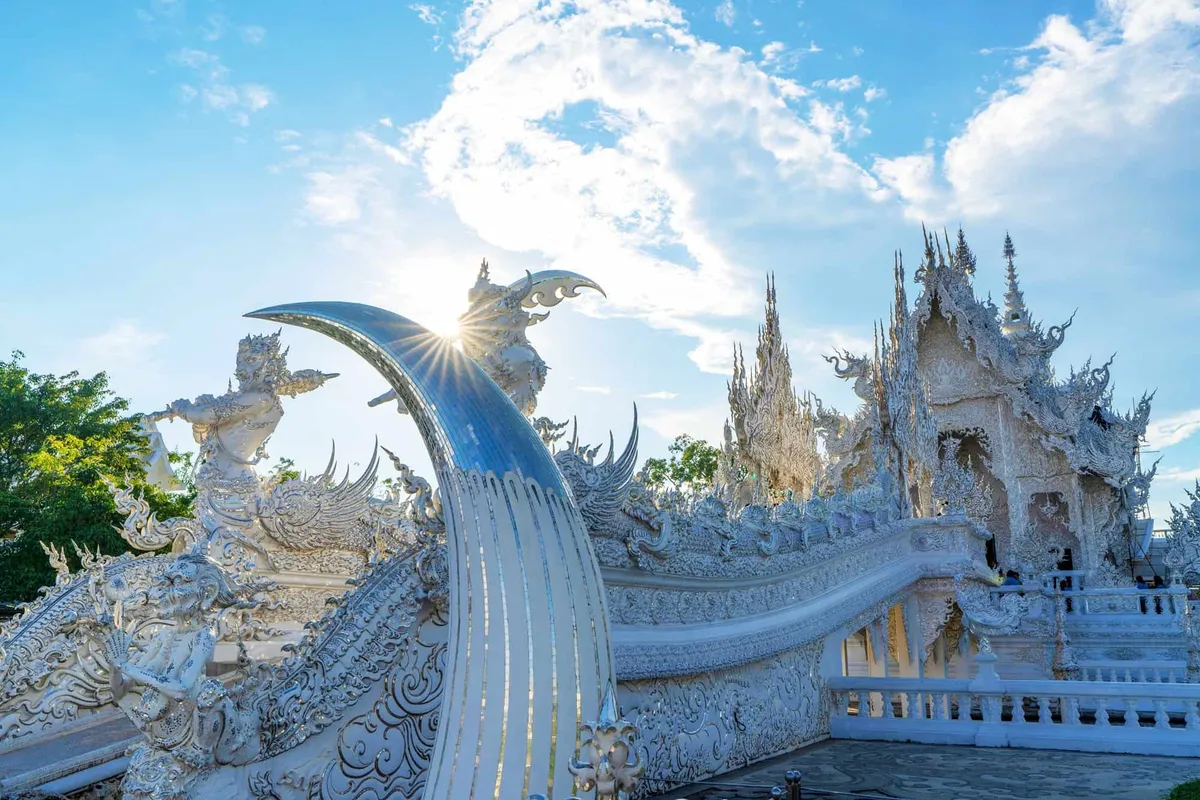
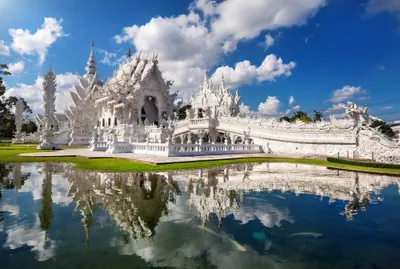
Wat Rong Khun (White Temple)
The artist Chalermchai Kositpipat's still-unfinished masterpiece, all mirrored tiles and Buddhist-meets-surrealist detail. Go when it opens at 08:00 before the tour buses fill the courtyard.

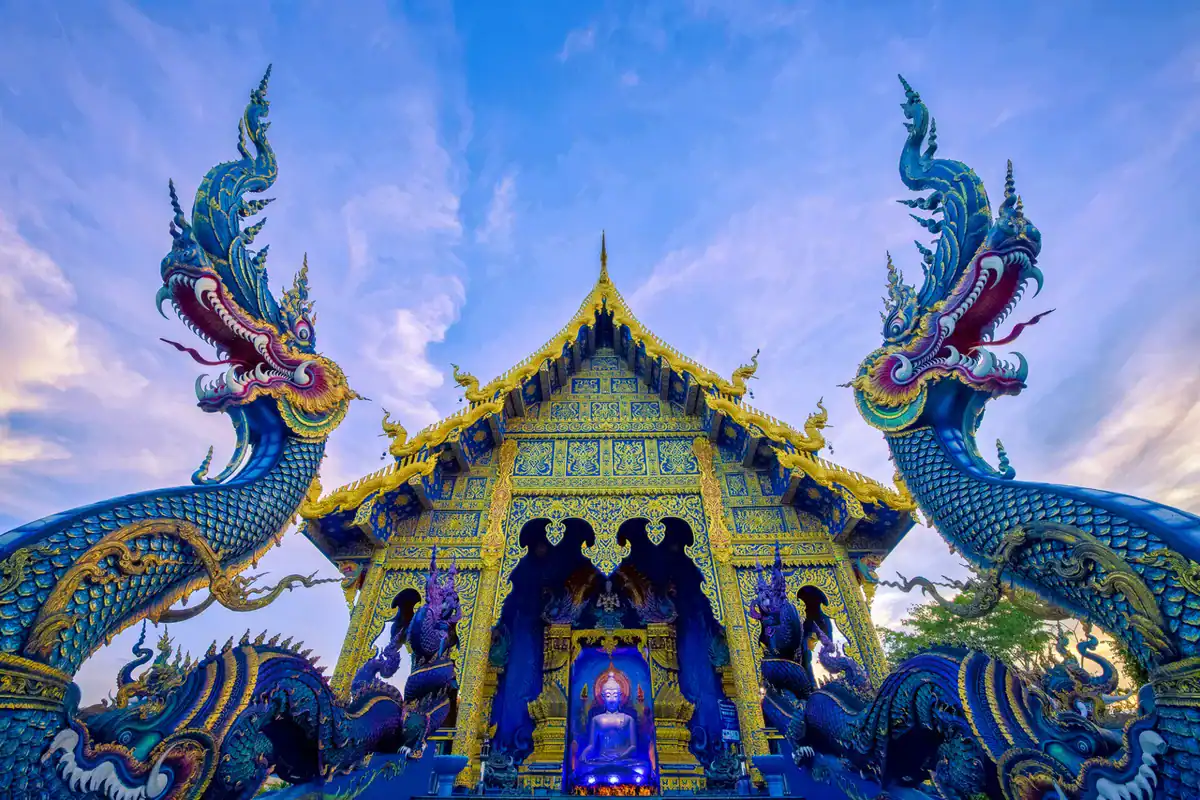
Wat Rong Suea Ten (Blue Temple)
Completed in 2016 and still less crowded than the White Temple: the ultramarine interior and intricate naga staircases are a different aesthetic entirely. Dress modestly; shoulders and knees covered.

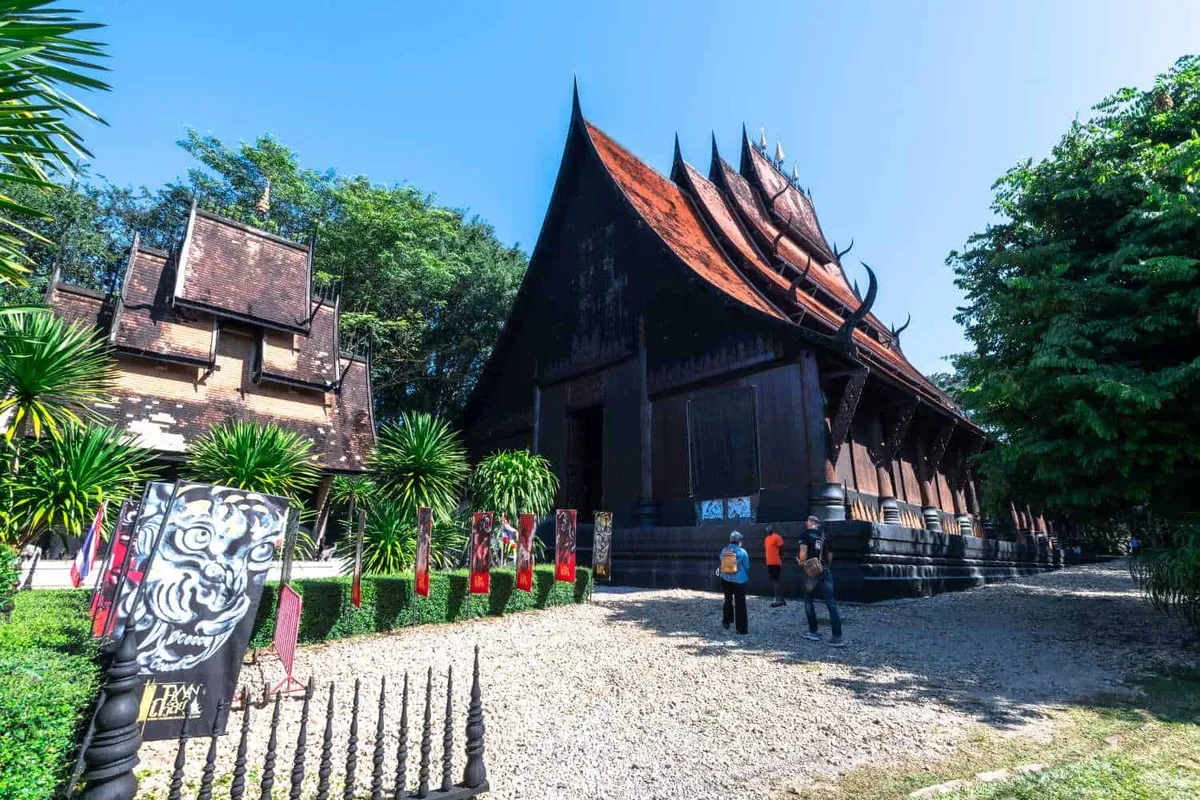
Ban Dam (Black House)
Artist Thawan Duchanee's dark counterpart to the White Temple: a compound of black timber buildings filled with animal skulls, traditional weapons, and serious Thai art. Unsettling in the best way.

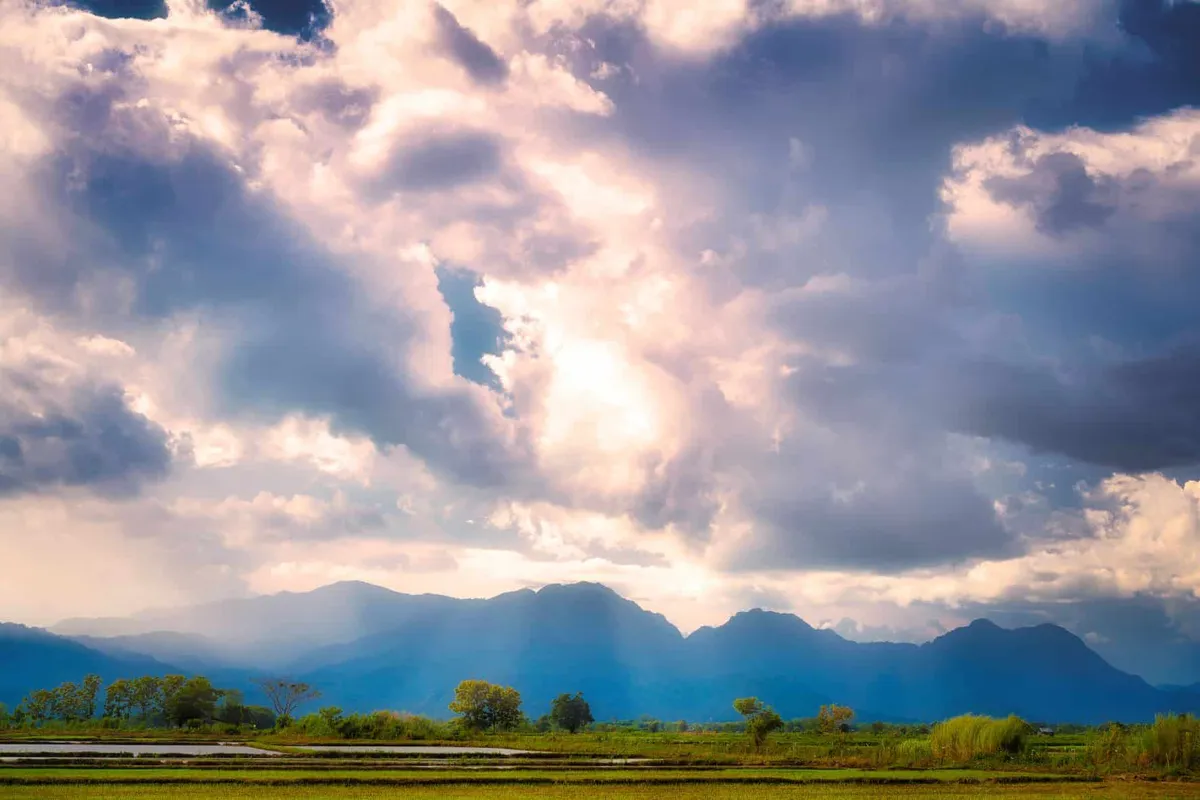
Tham Luang Cave
The cave system where 12 boys and their coach were rescued in 2018. A visitors' centre explains the operation; the cave mouth is open but deep access is restricted. Worth understanding before you go.

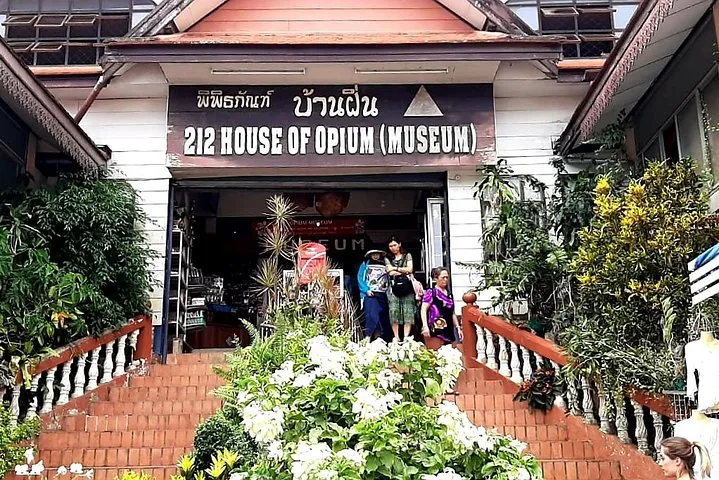
Chiang Rai sightseeing join tour
A 4.7 from 402 guests: covers the White Temple, Blue Temple, Black House, and the Golden Triangle in one day. The efficient way to hit the headlines if time is short.

Get to Chiang Rai
Flying from Bangkok is quickest (1h20). The bus from Chiang Mai takes around 3 hours and is the standard overland option for those already in the north.

eSIM for Thailand
Land with data already working and skip the airport SIM queue. We tested six plans. Code THAIHOLIDAY saves 10%.

Travel insurance
Scooters on mountain roads and trekking near the Myanmar border: sort cover before you go. The motorbike clause matters in the north.
Getting to Chiang Rai
Compare buses, trains, ferries, and flights to Chiang Rai.
Wats, shrines & spiritual sites
Temples in Chiang Rai

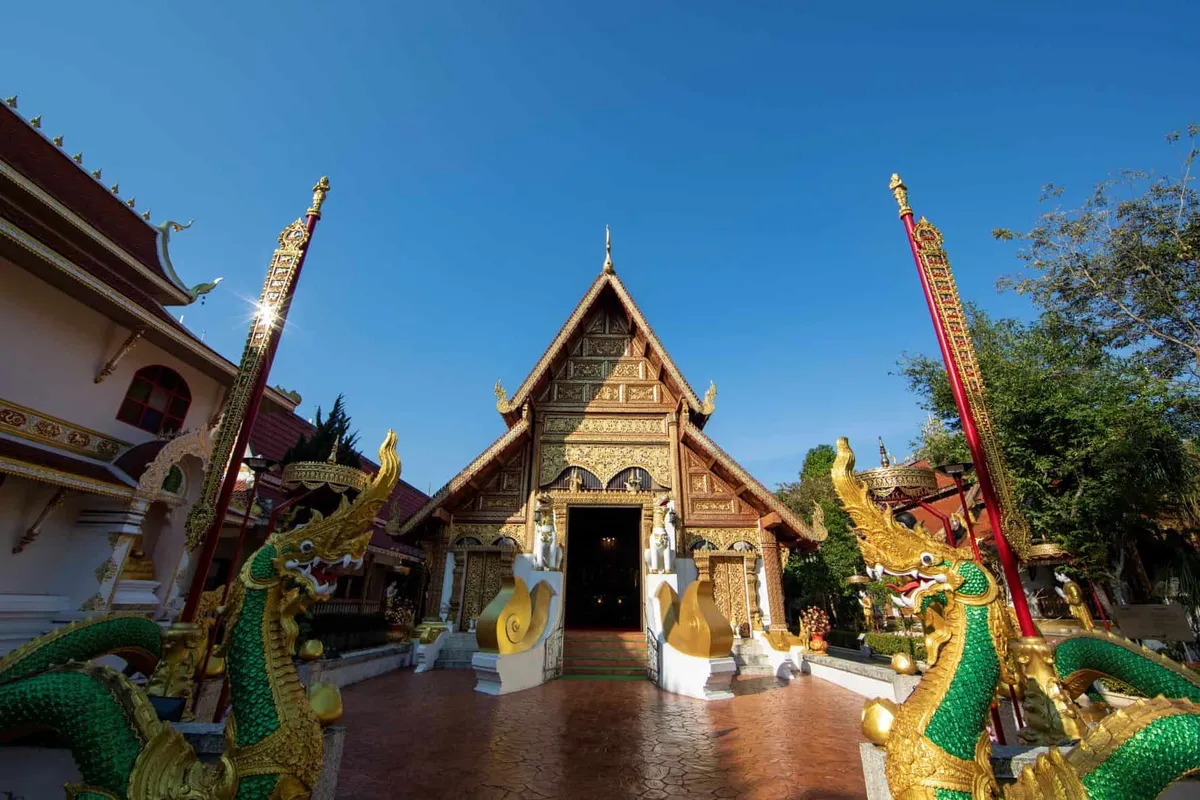
Wat Phra Singh Chiang Rai
วัดพระสิงห์

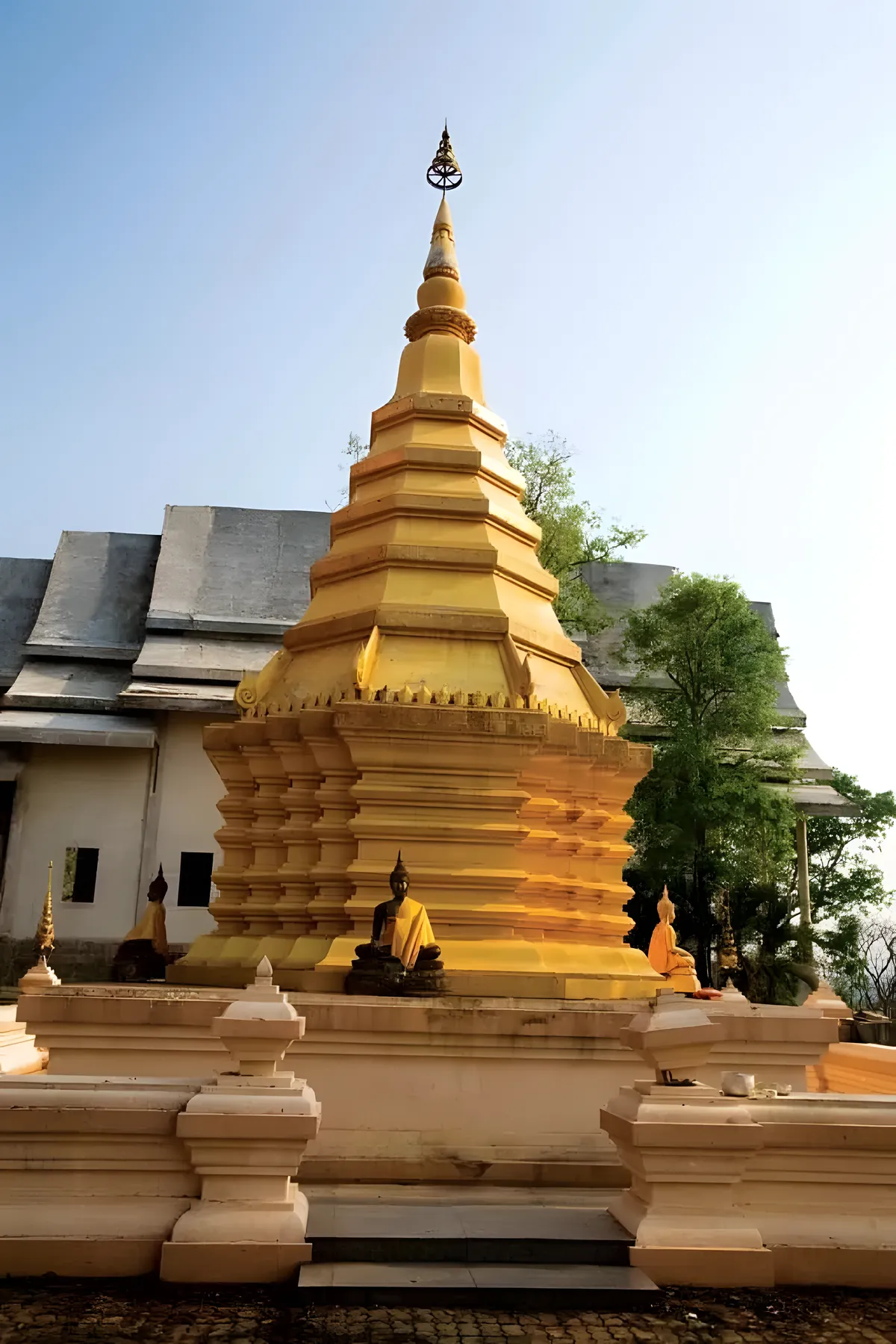
Chom Chan Temple
พระธาตุจอมจันทร์

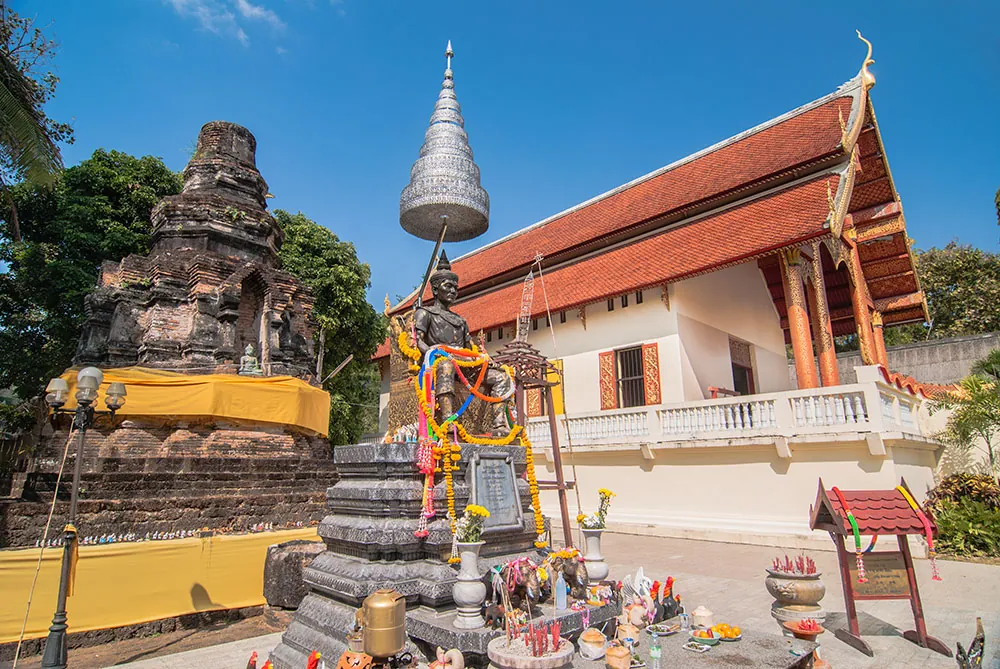
Ku Phra Chao Meng Rai
กู่พระเจ้าเม็งราย

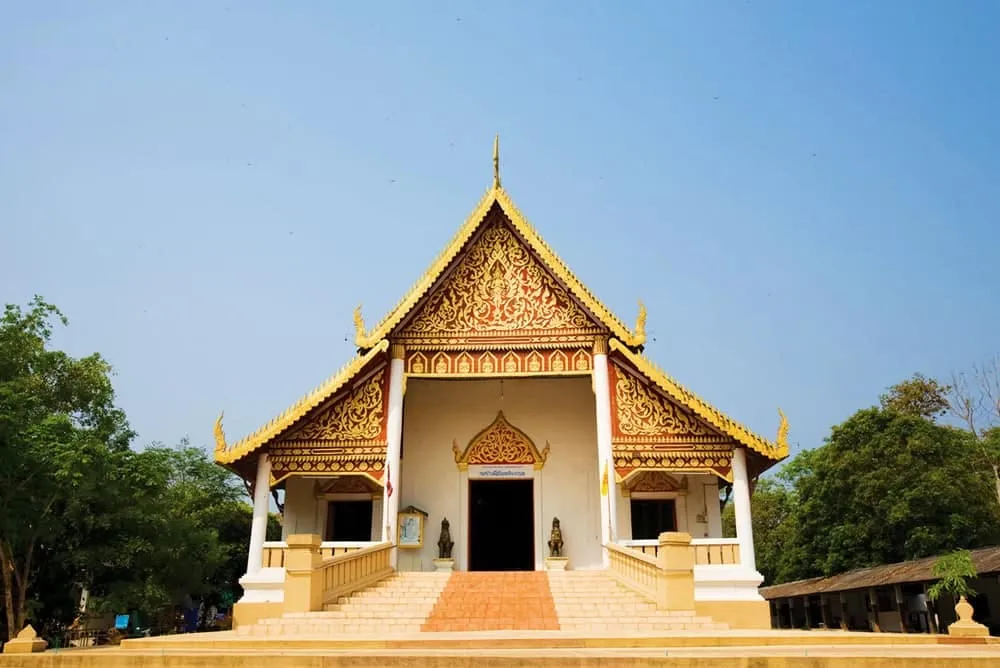
Phra That Chom Wae
พระธาตุจอมแว่

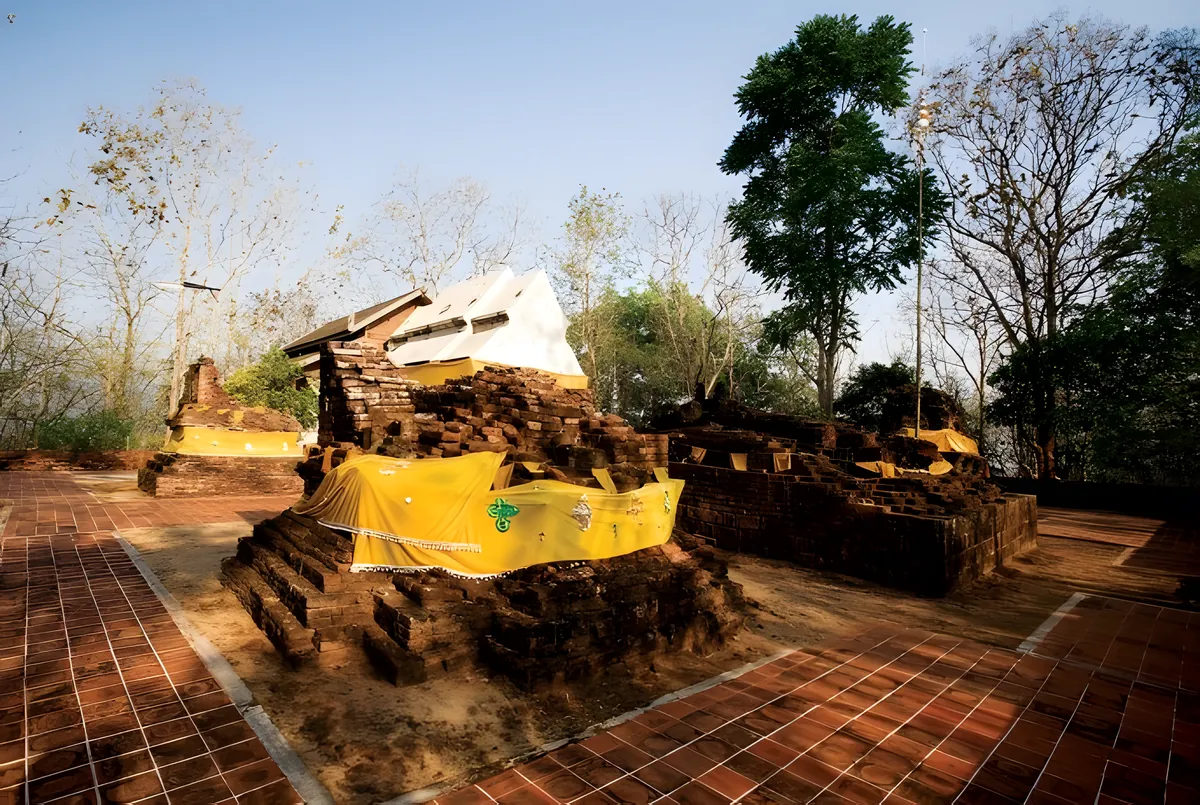
Phra That Doi Pu Khao
พระธาตุดอยปูเข้า

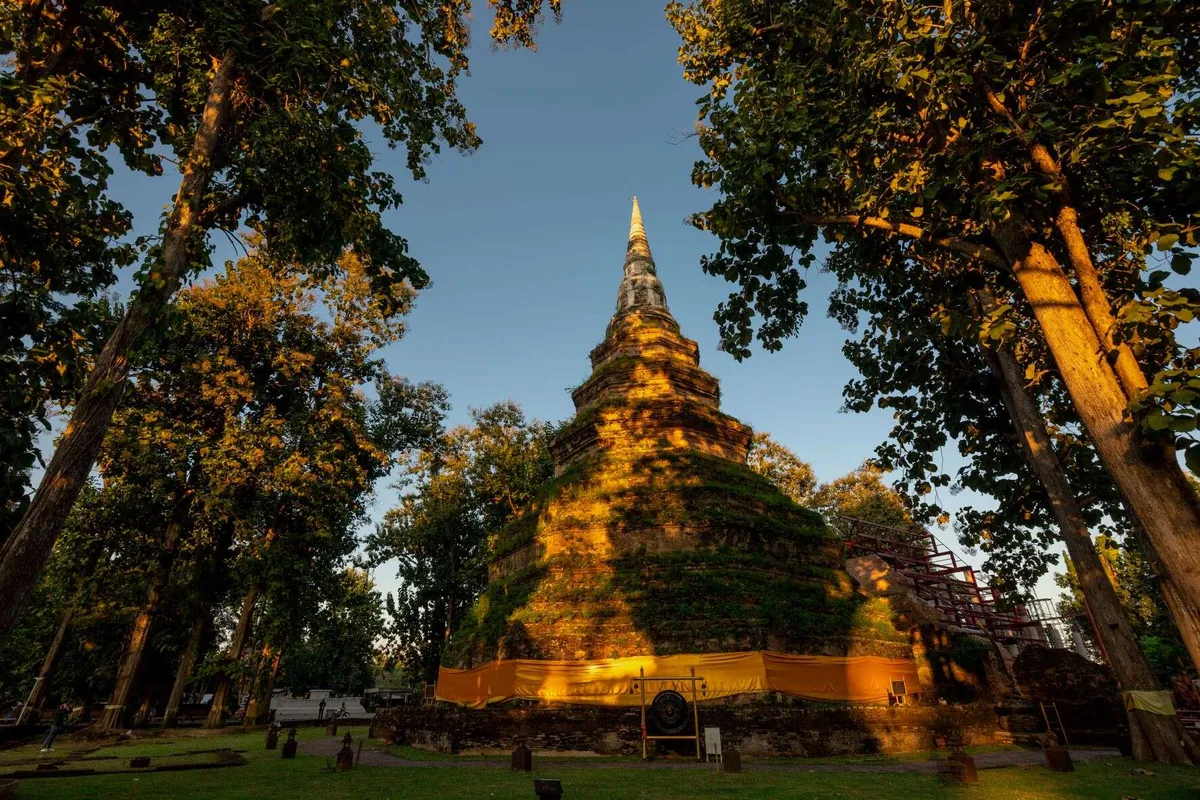
Phrathat Chedi Luang
พระธาตุเจดีย์หลวง

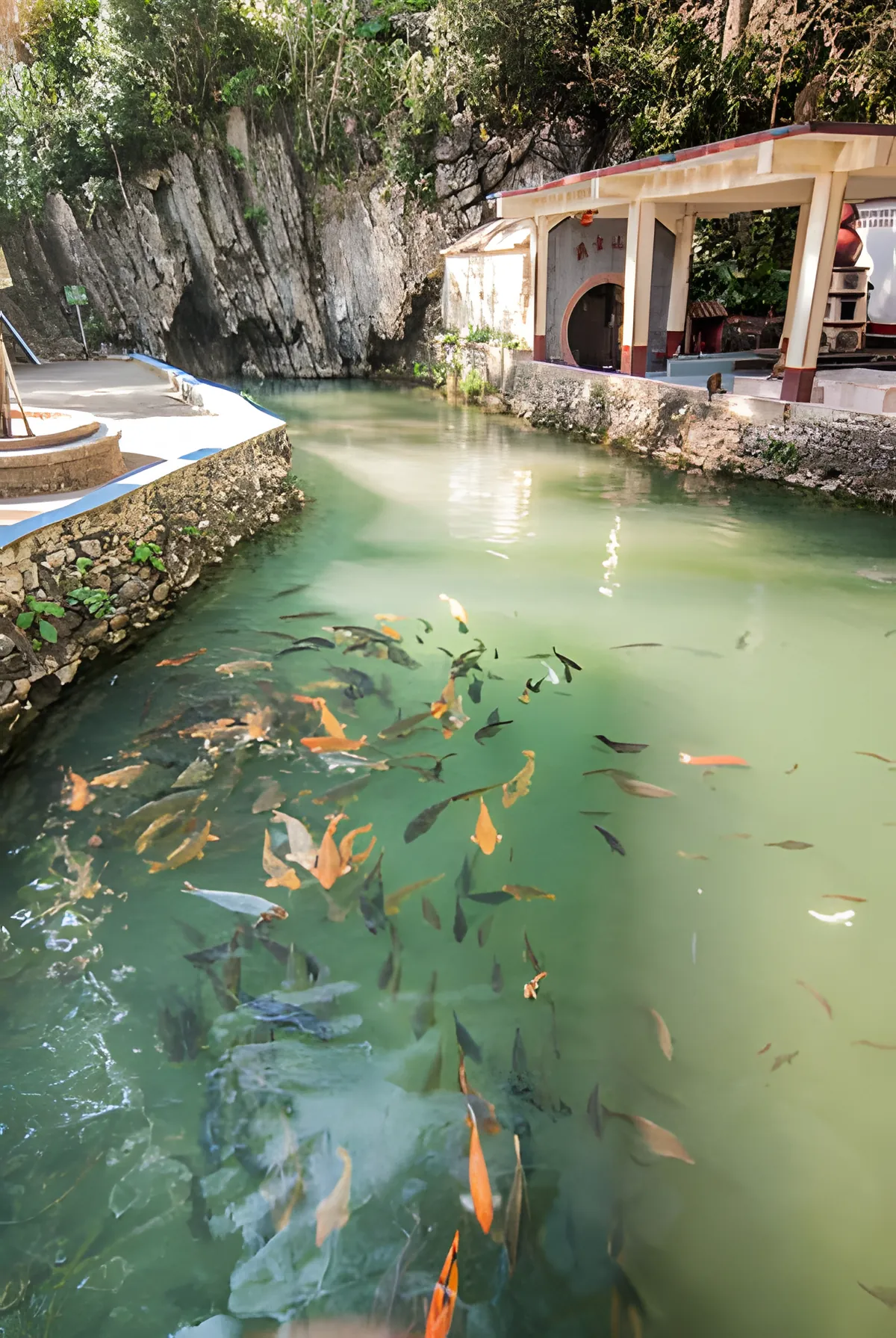
Pla Cave
ถ้ำปลา

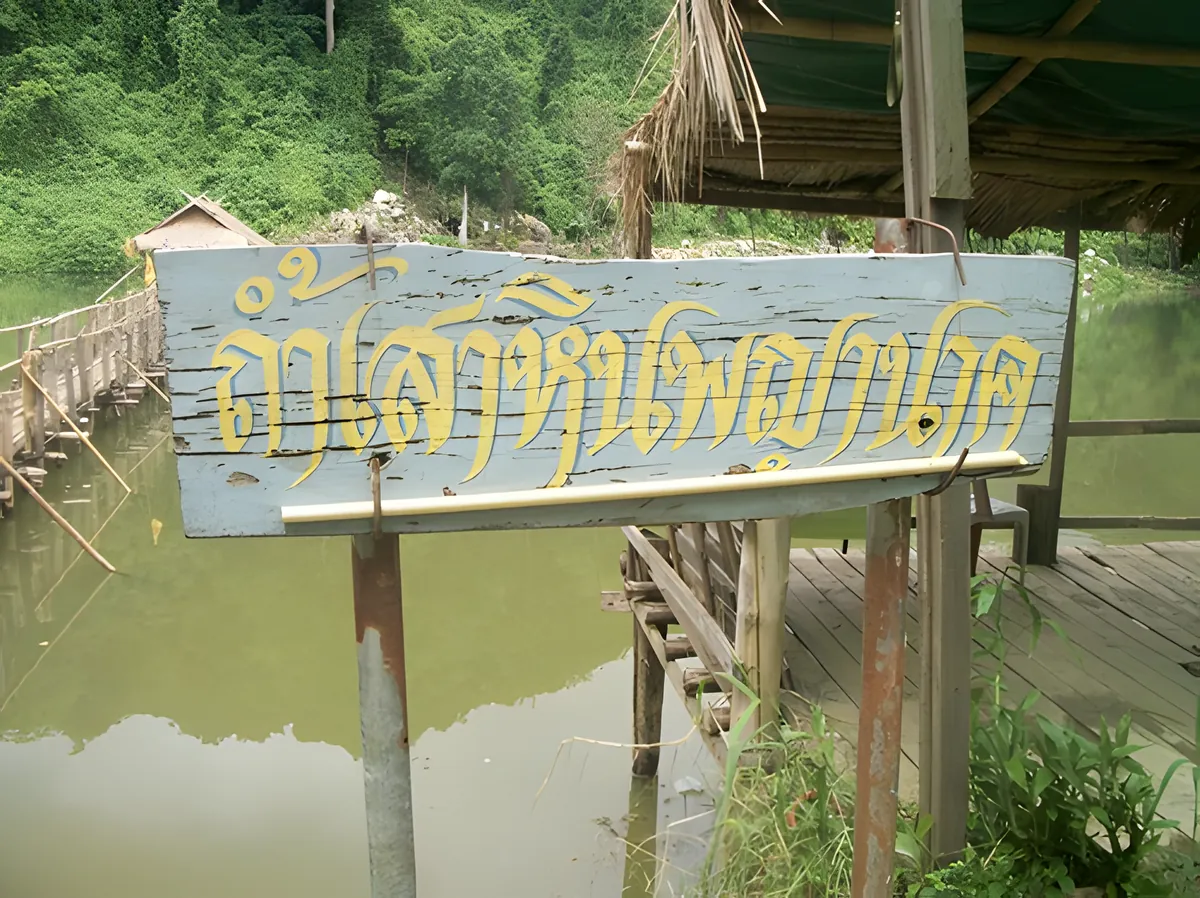
Sao Hin Phaya Nak Cave
ถ้ำเสาหินพญานาค

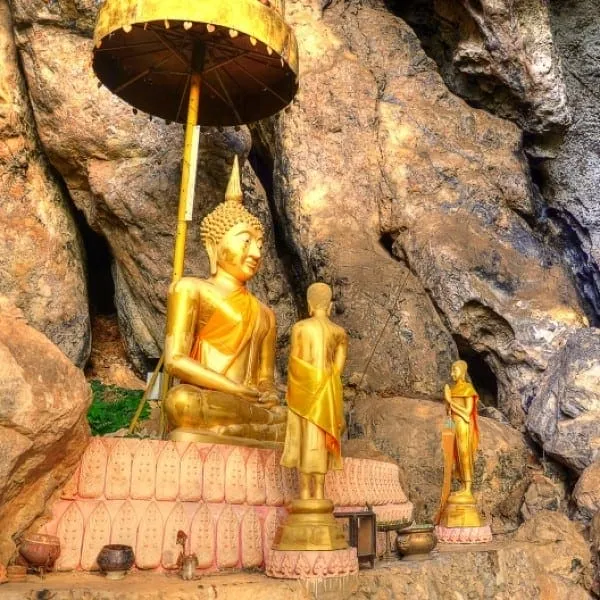
Tham Phra
ถ้ำพระ

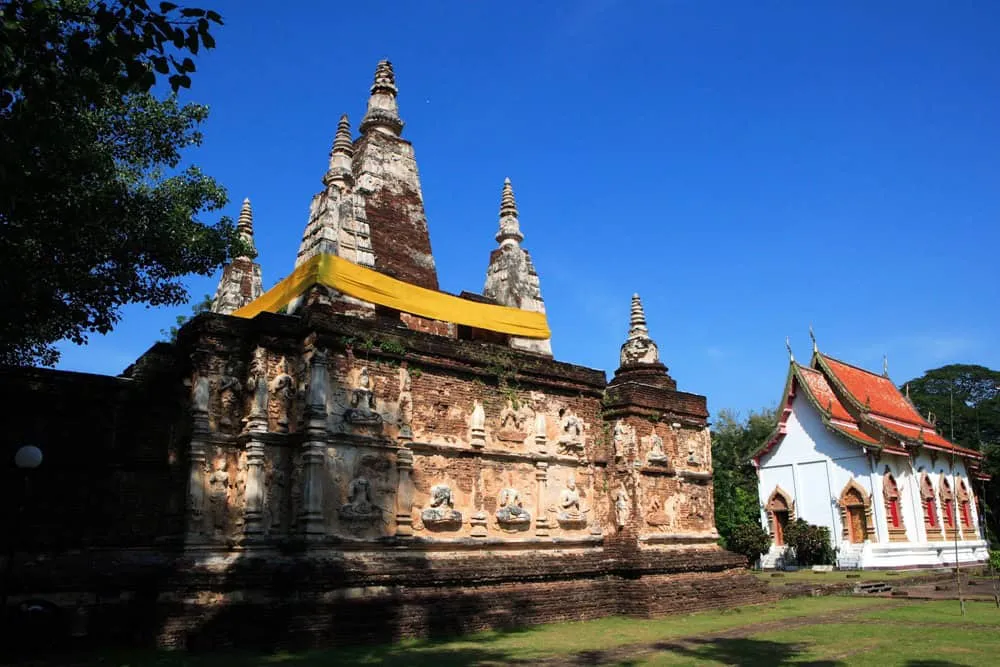
Wat Chet Yot (Chiang Rai)
วัดเจ็ดยอด

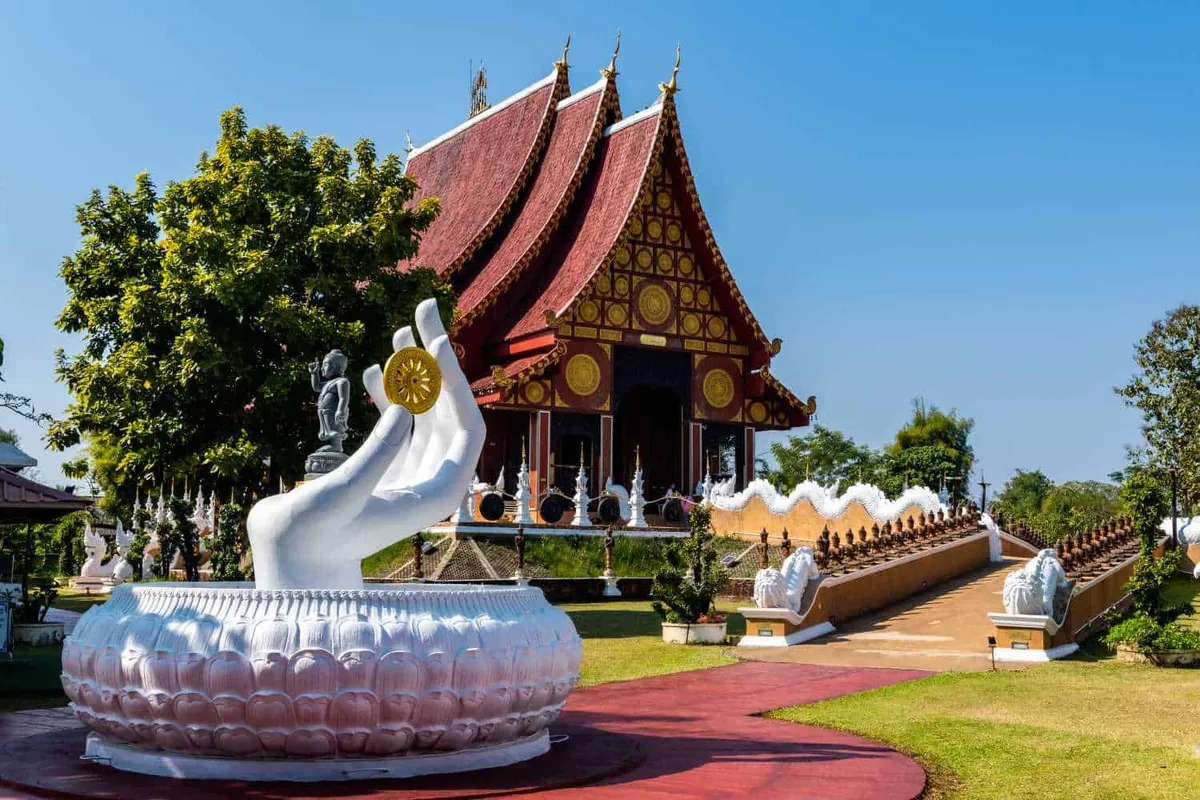
Wat Hiranyawat
วัดหิรัญญาวาส

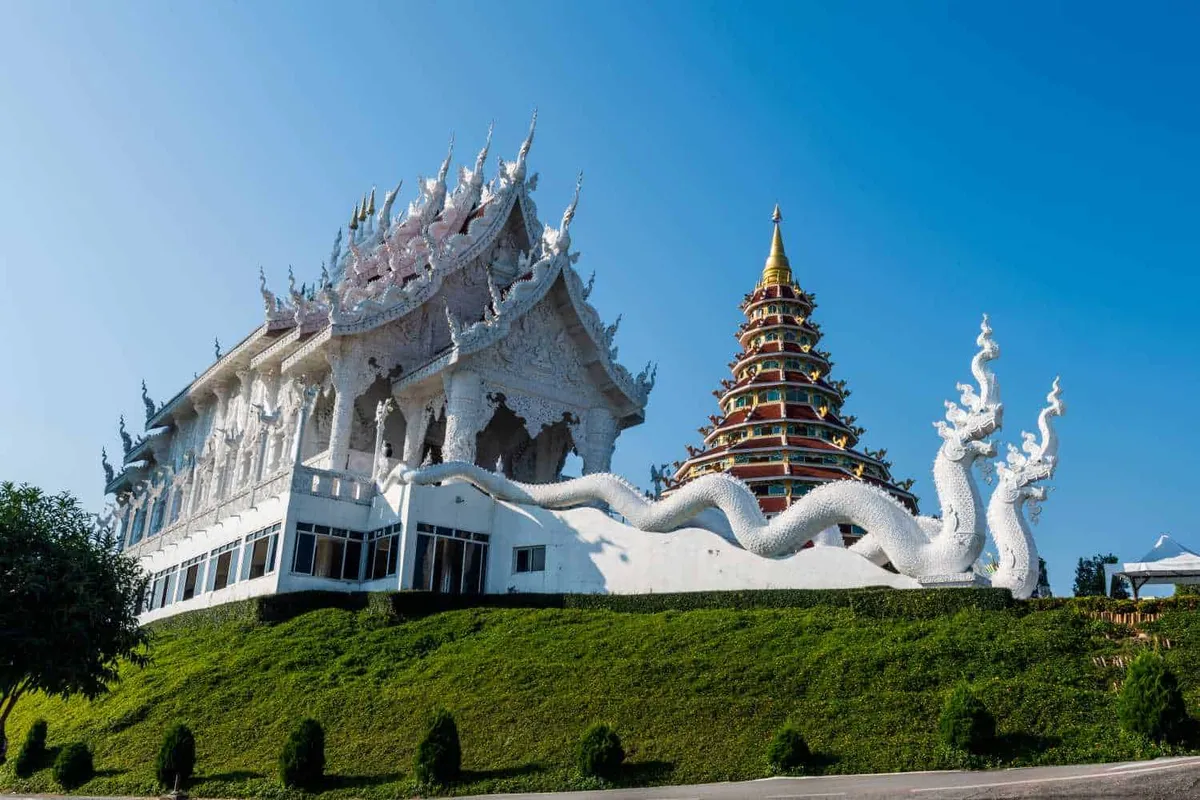
Wat Huai Pla Kang
วัดห้วยปลากั้ง
Waterfalls, peaks, caves & parks
Nature & outdoors around Chiang Rai

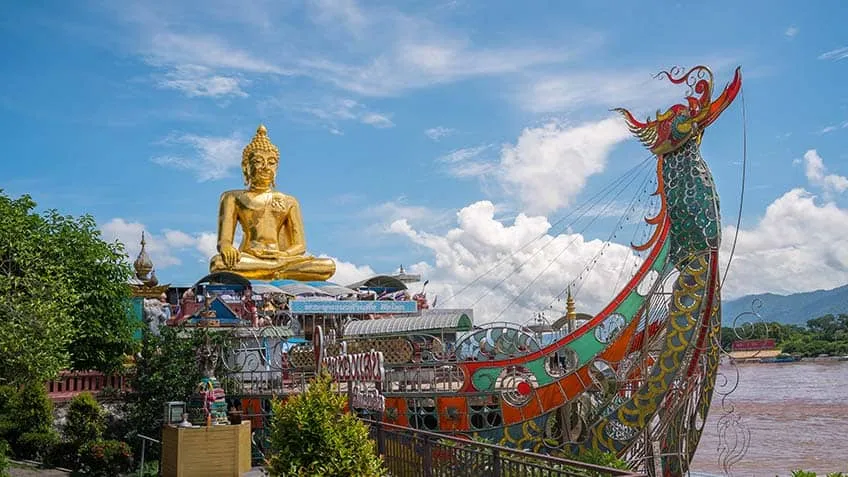
Golden Triangle Park
สามเหลี่ยมทองคำ
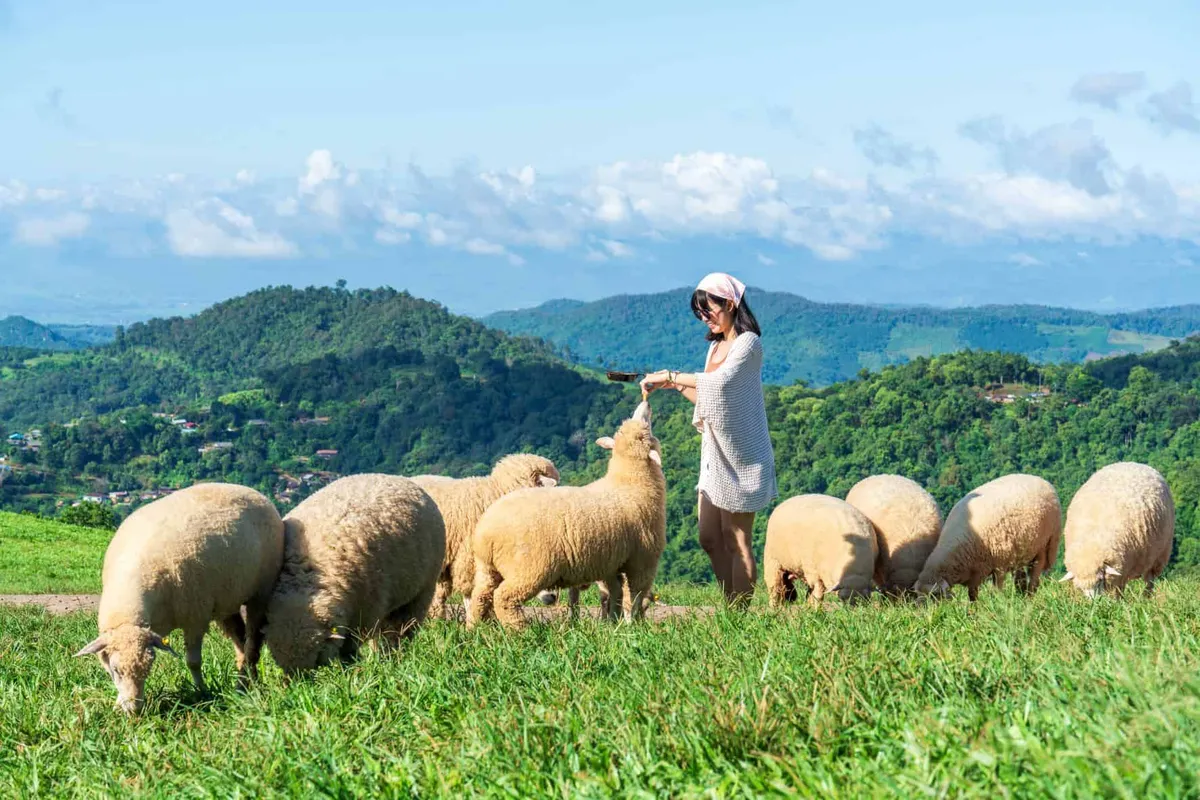
Akha Farm Ville
อาข่า ฟาร์มวิลล์

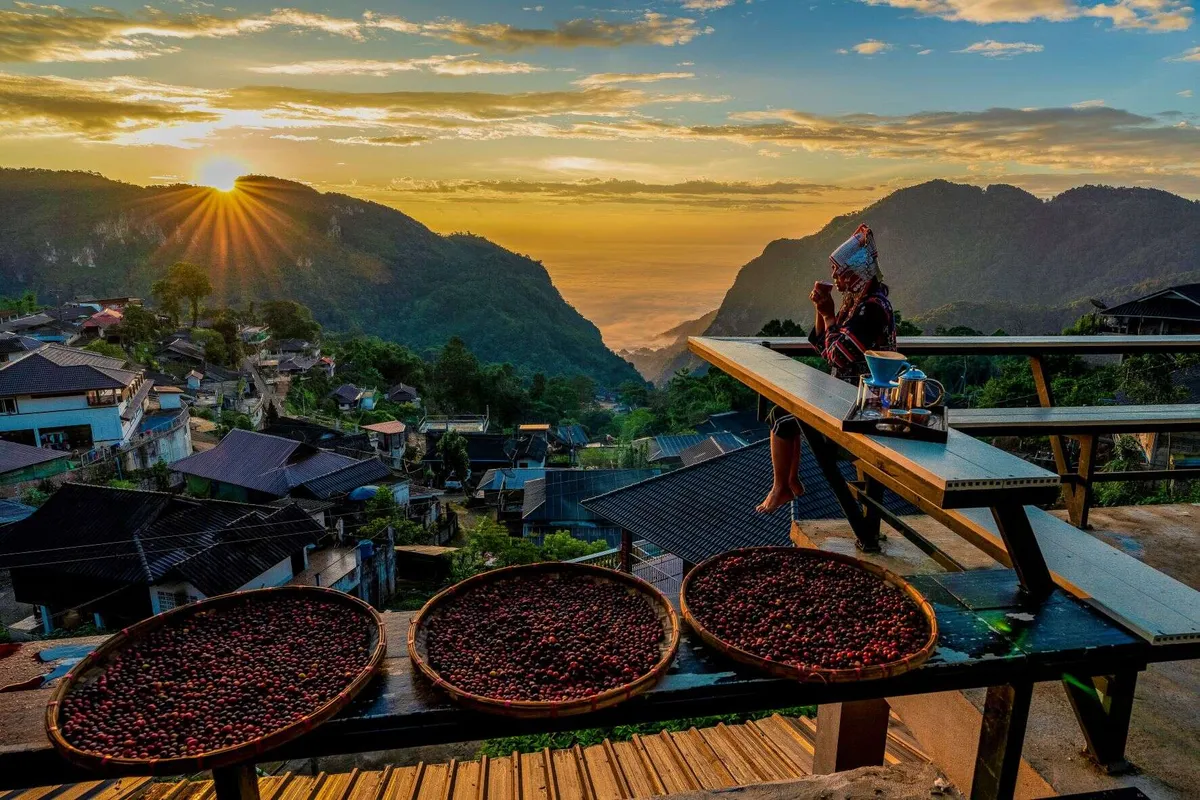
Ban Pha Hi
บ้านผาฮี้

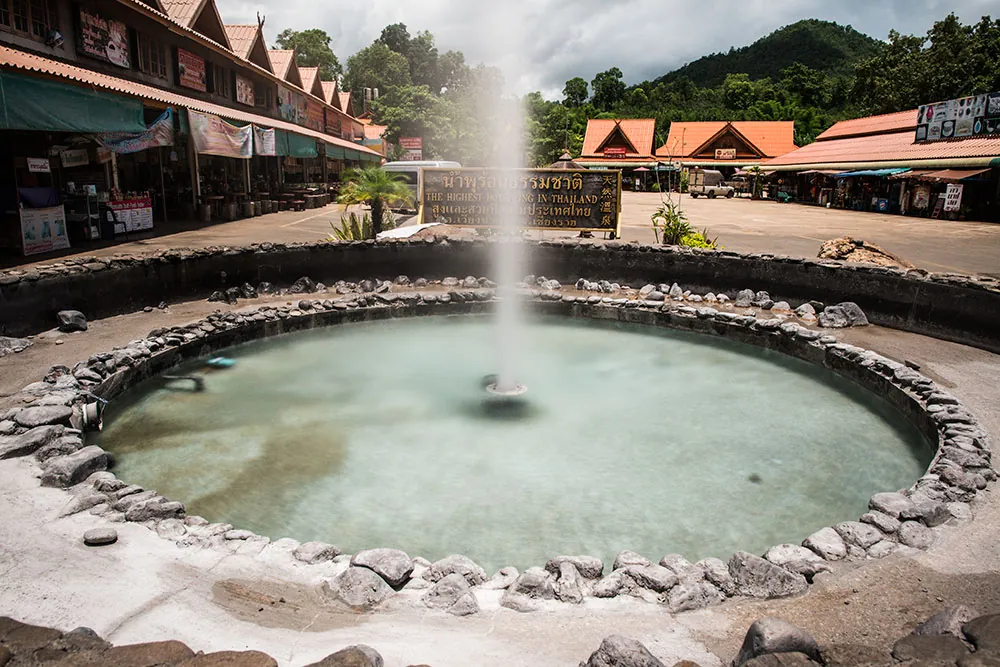
Bo Nam Ron
บ่อน้ำร้อน

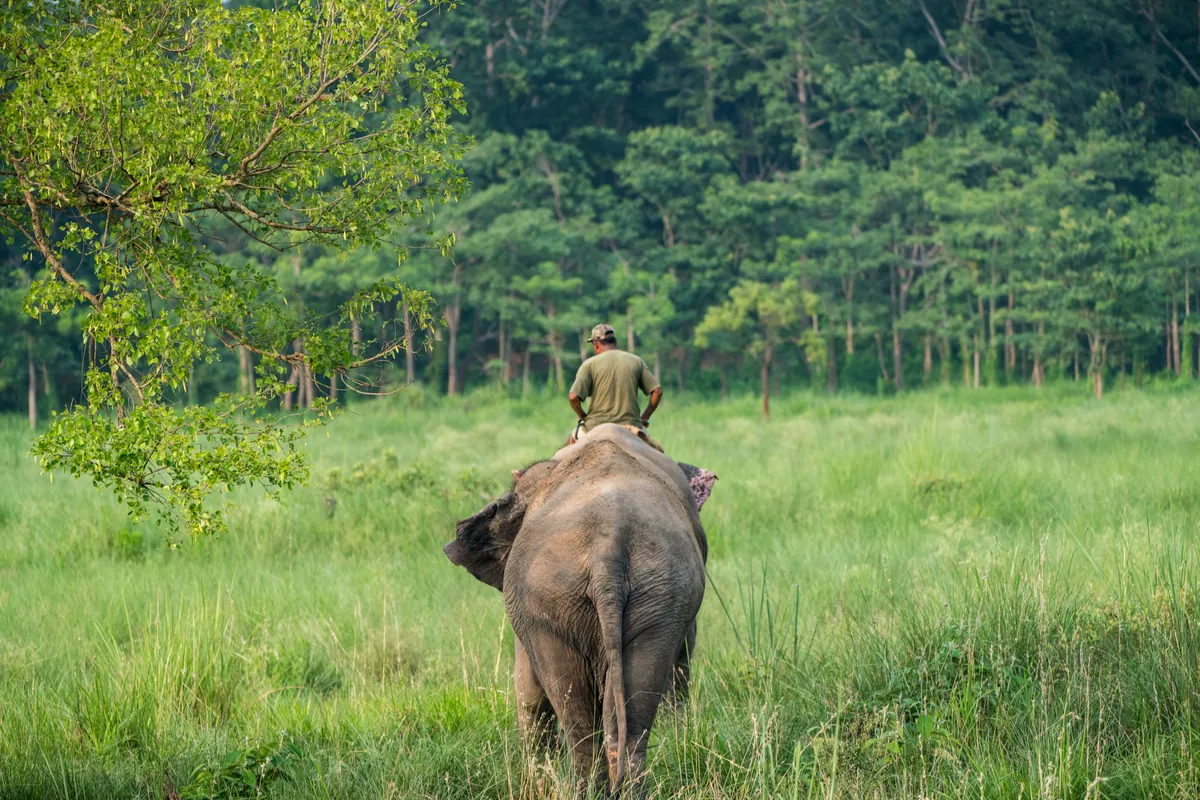
Chang Puak Camp Chiang Rai
ปางช้างเผือกเชียงราย

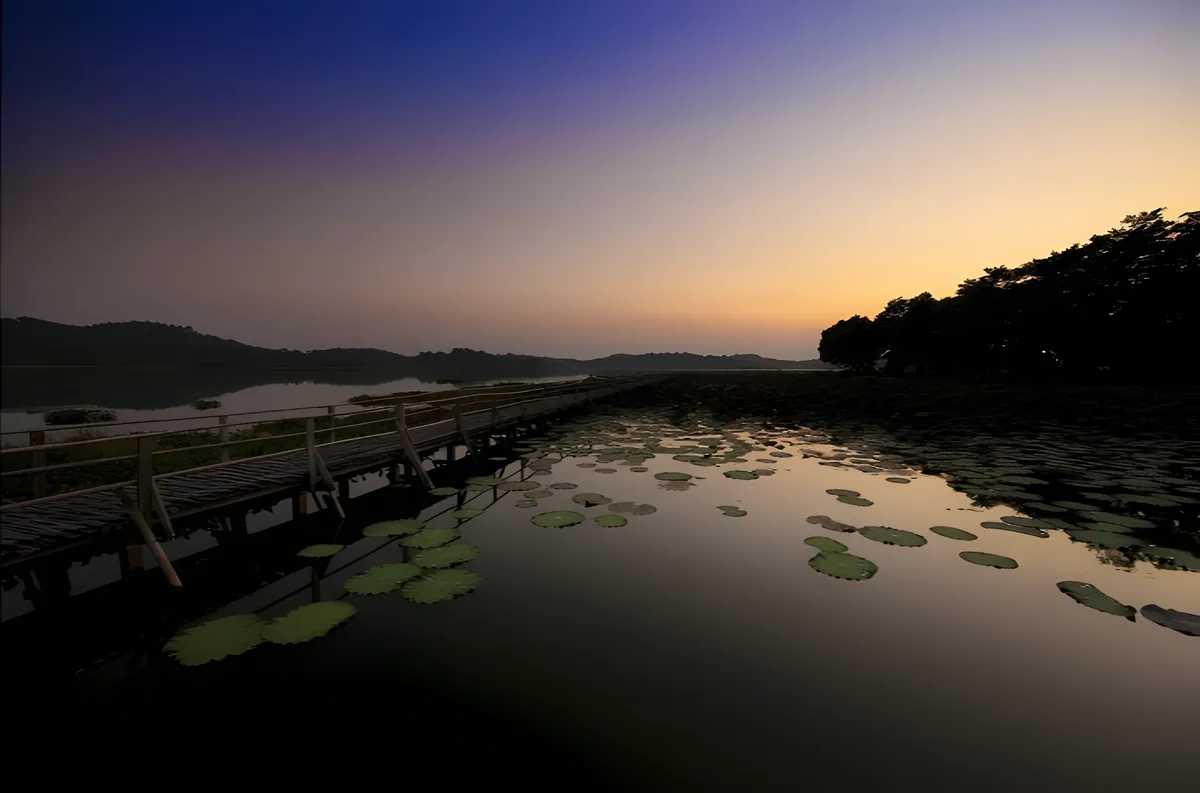
Chiang Saen Lake
ทะเลสาบเชียงแสน

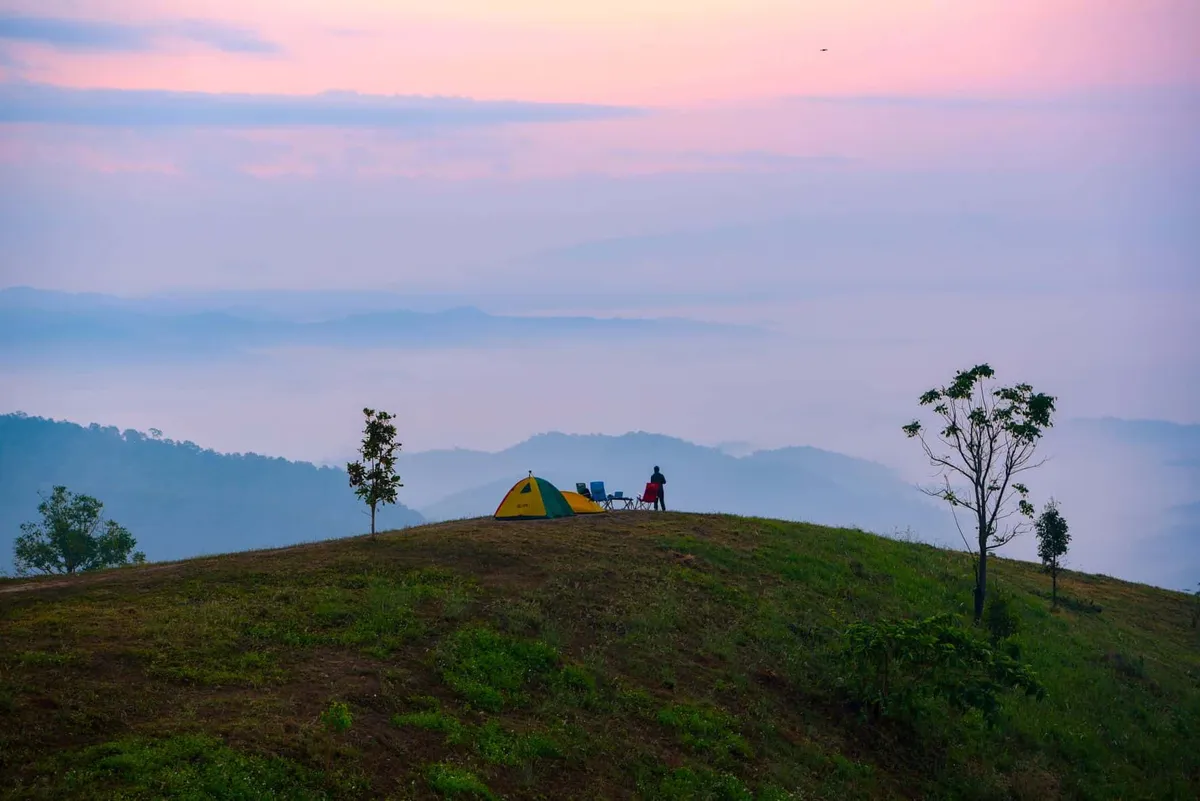
Doi Chang
ดอยช้าง

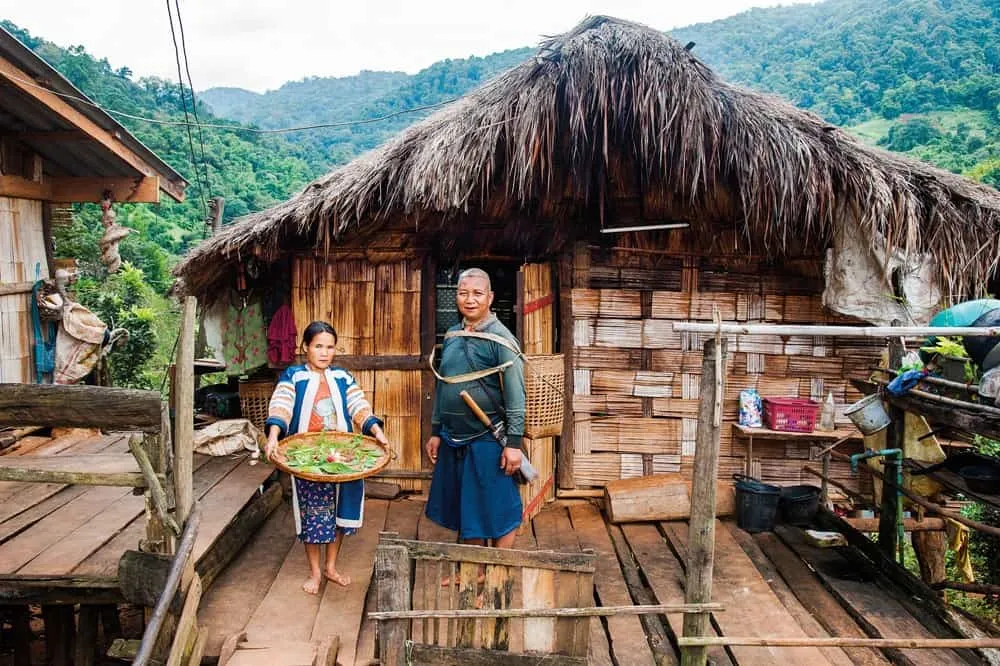
Doi Mod
ดอยมด

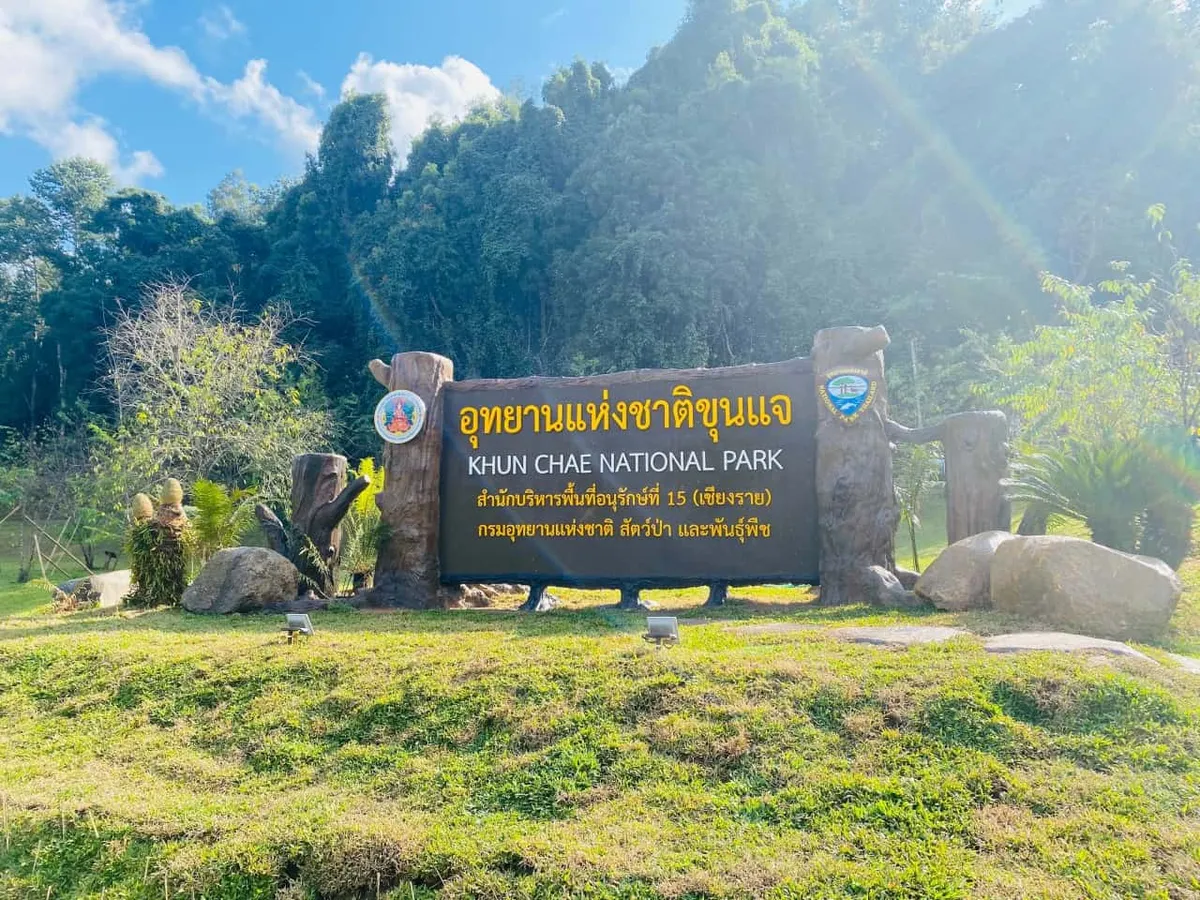
Khun Chae National Park
อุทยานแห่งชาติขุนแจ

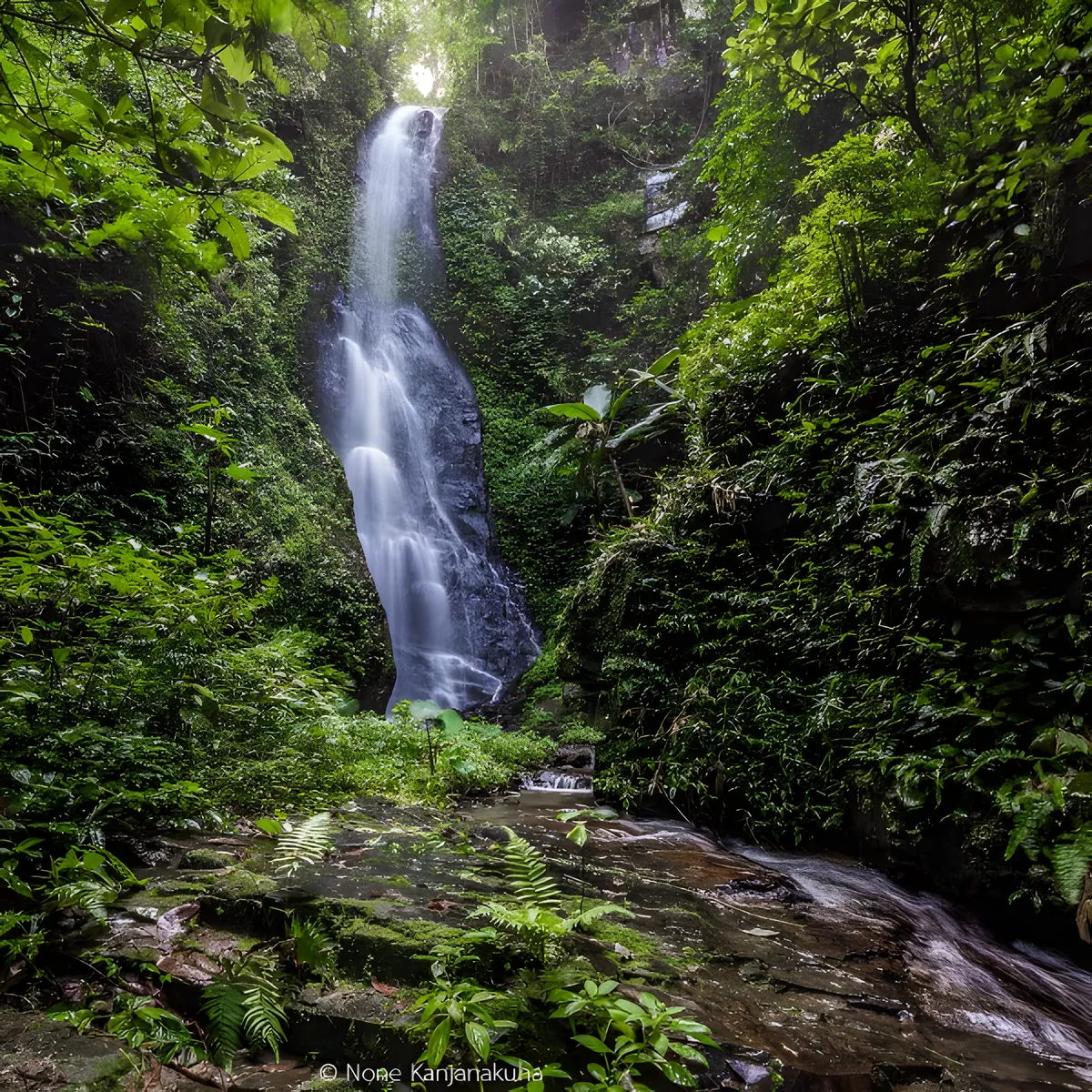
Khun Chae Waterfall
น้ำตกขุนแจ

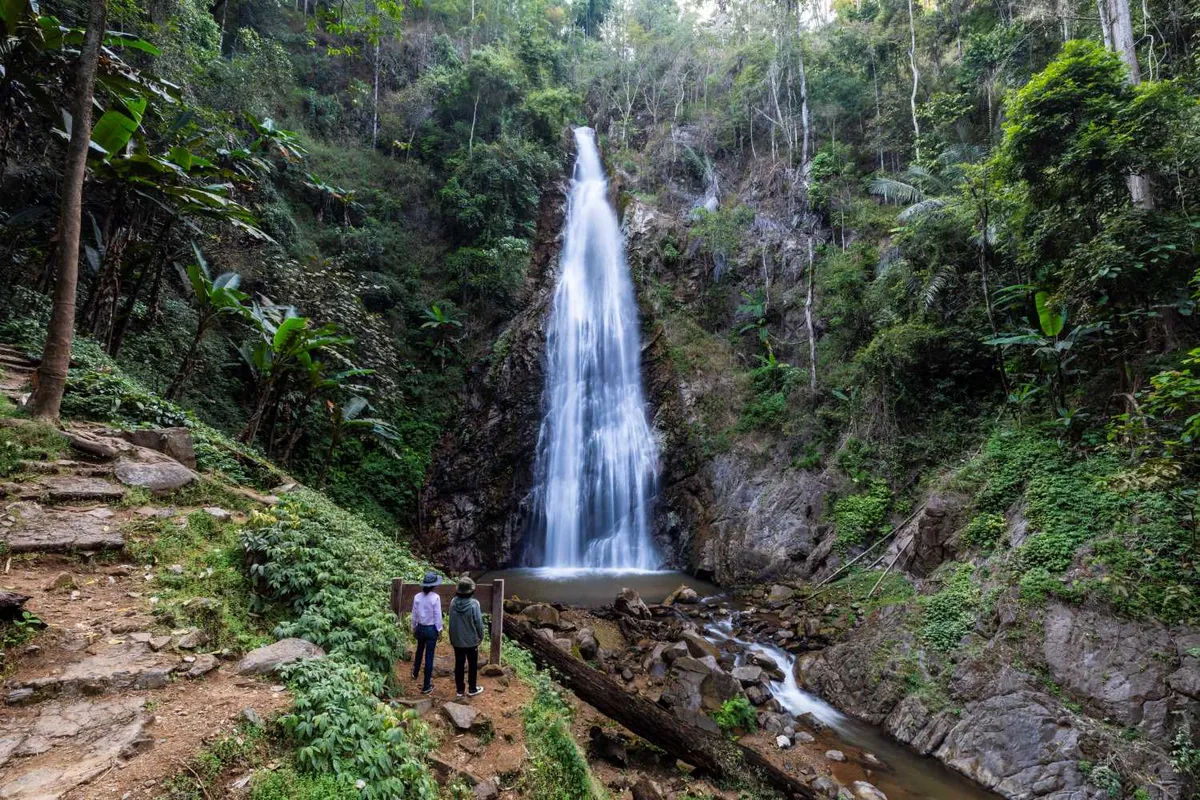
Khun Kon Waterfall
น้ำตกขุนกรณ์

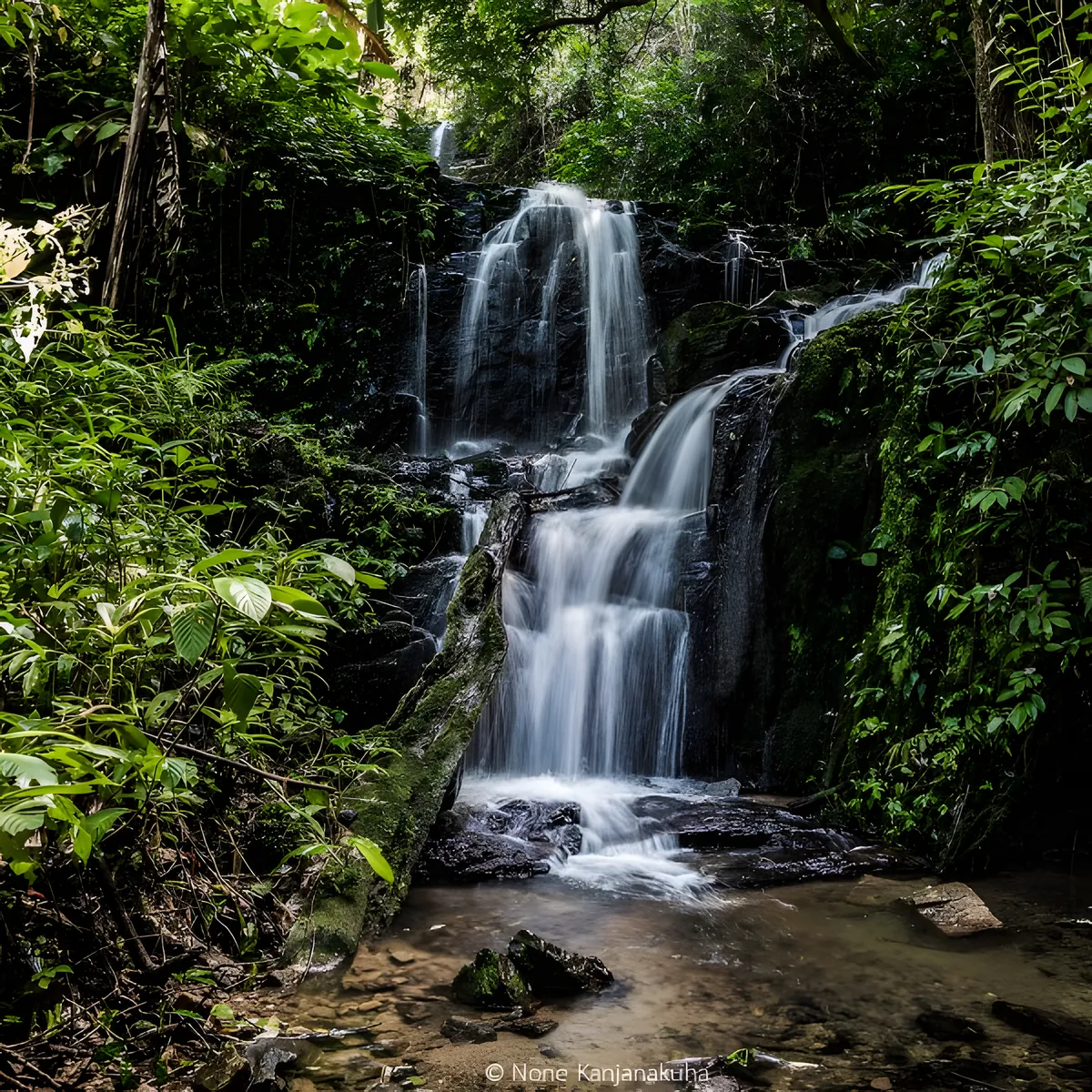
Mae Tho Waterfall
น้ำตกแม่โถ
Museums, history & heritage
Museums & culture in Chiang Rai


Art Bridge
ขัวศิลปะ

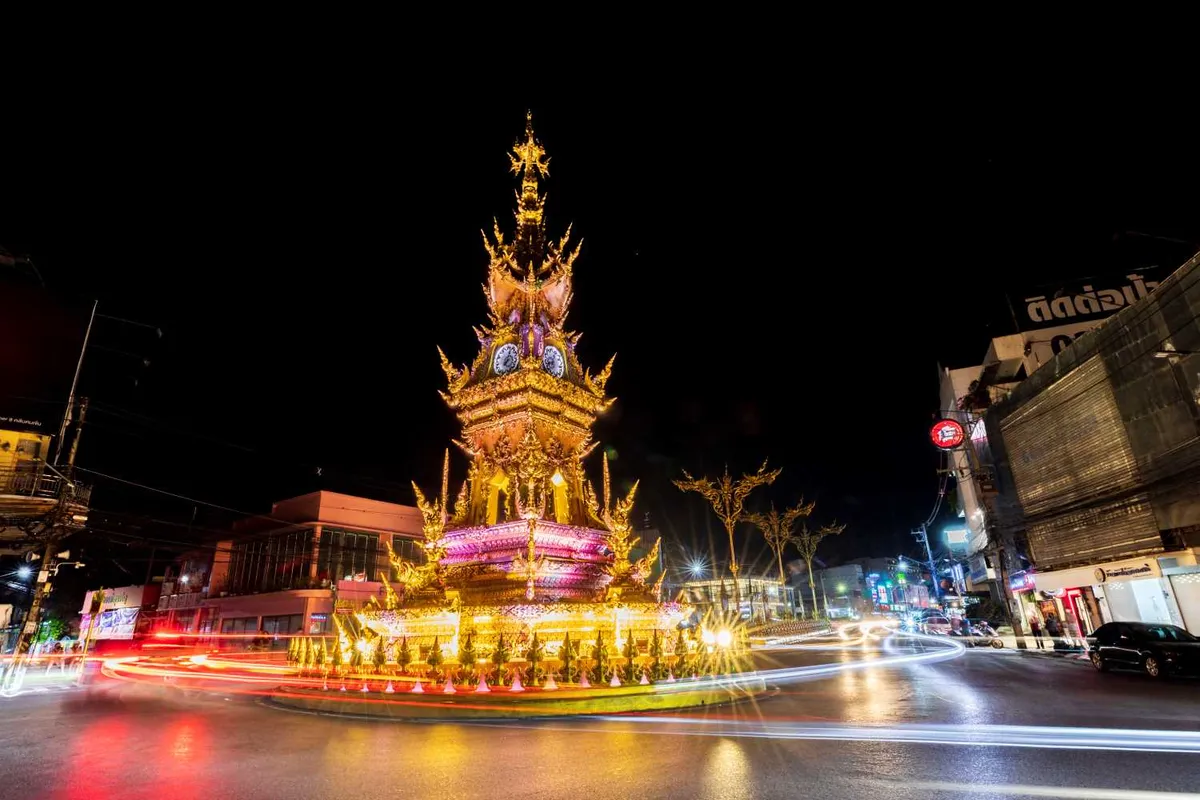
Chalermphrakiat Clock Tower
หอนาฬิกาเฉลิมพระเกียรติฯ

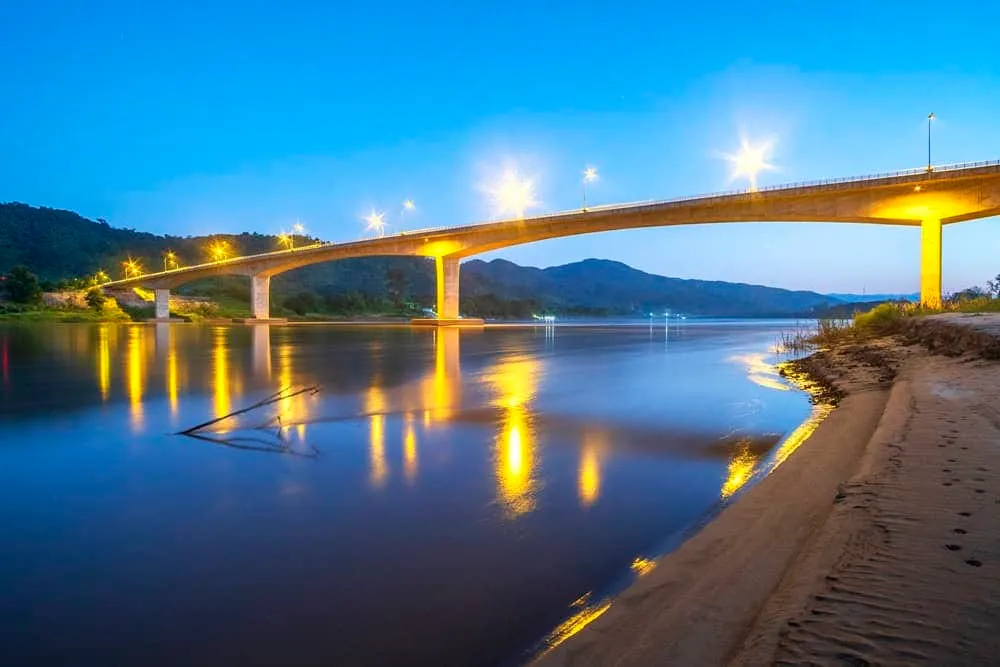
Chiang Khong
เชียงของ

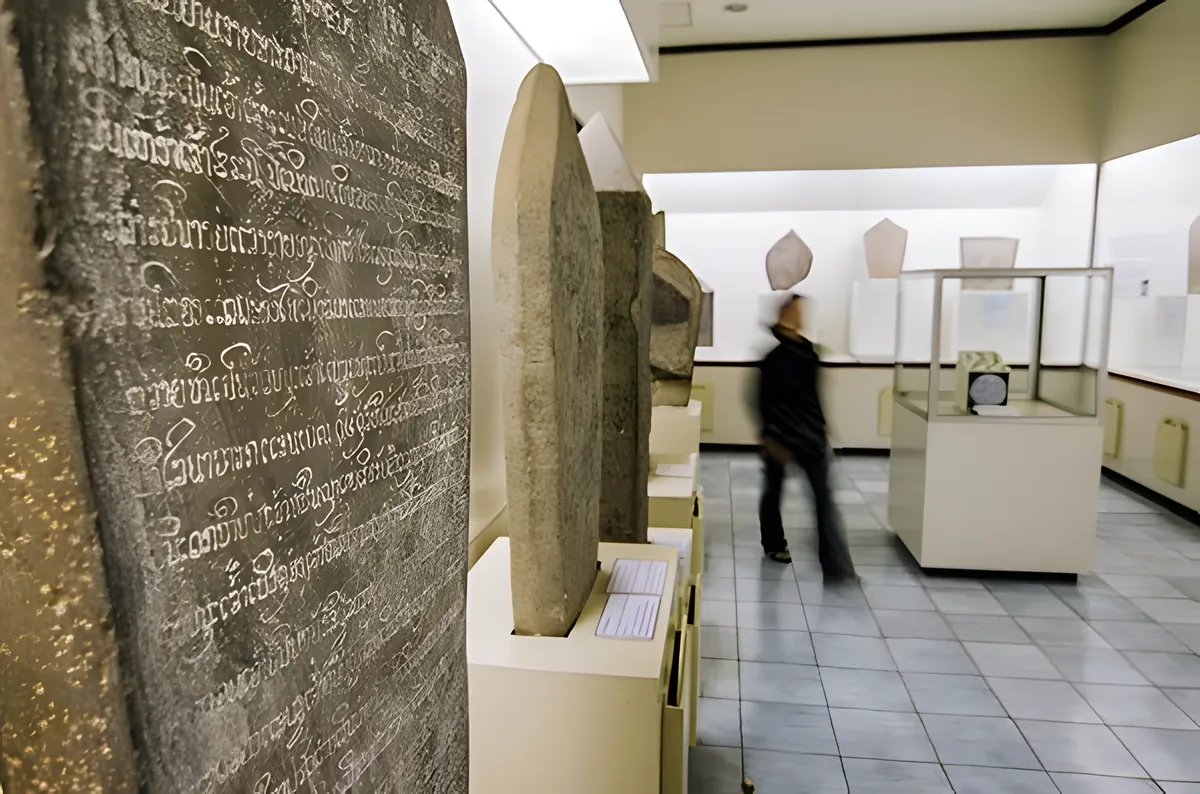
Chiang Saen National Museum
พิพิธภัณฑสถานแห่งชาติ เชียงแสน

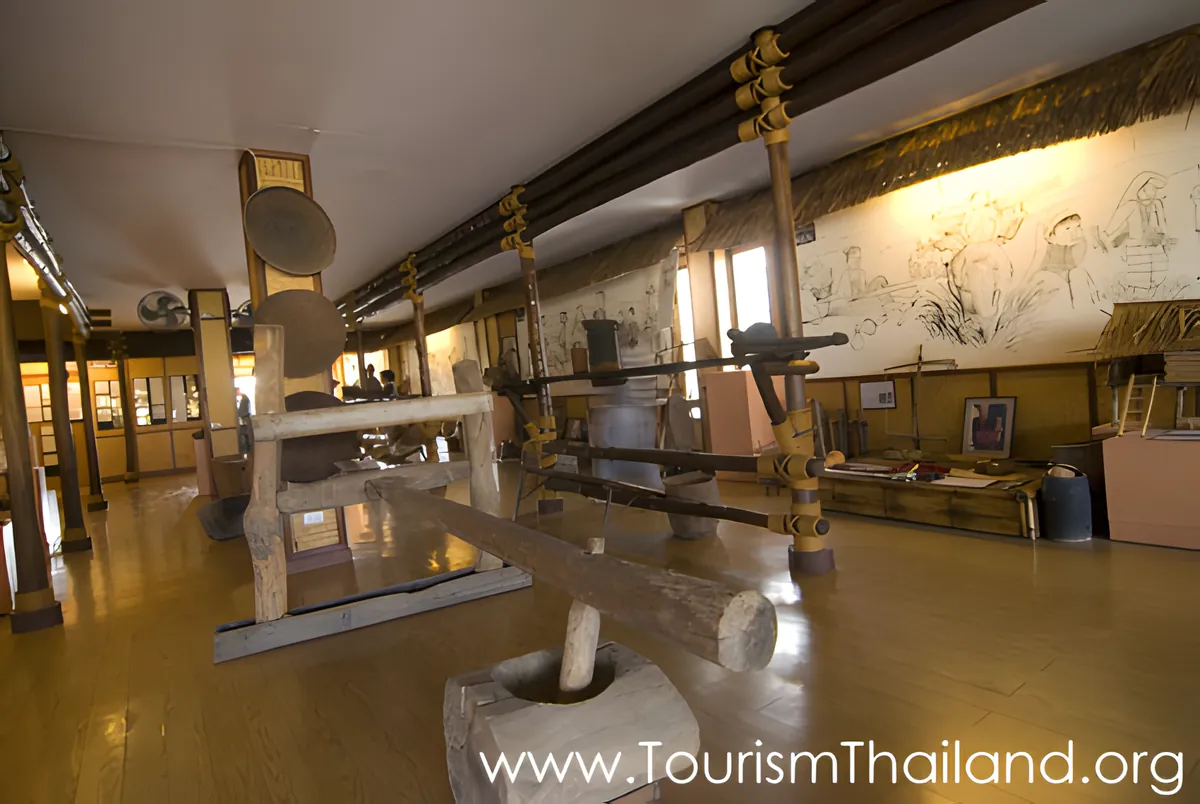
Hill Tribe Museum and Education Center
พิพิธภัณฑ์และศูนย์ศึกษาชาวเขา

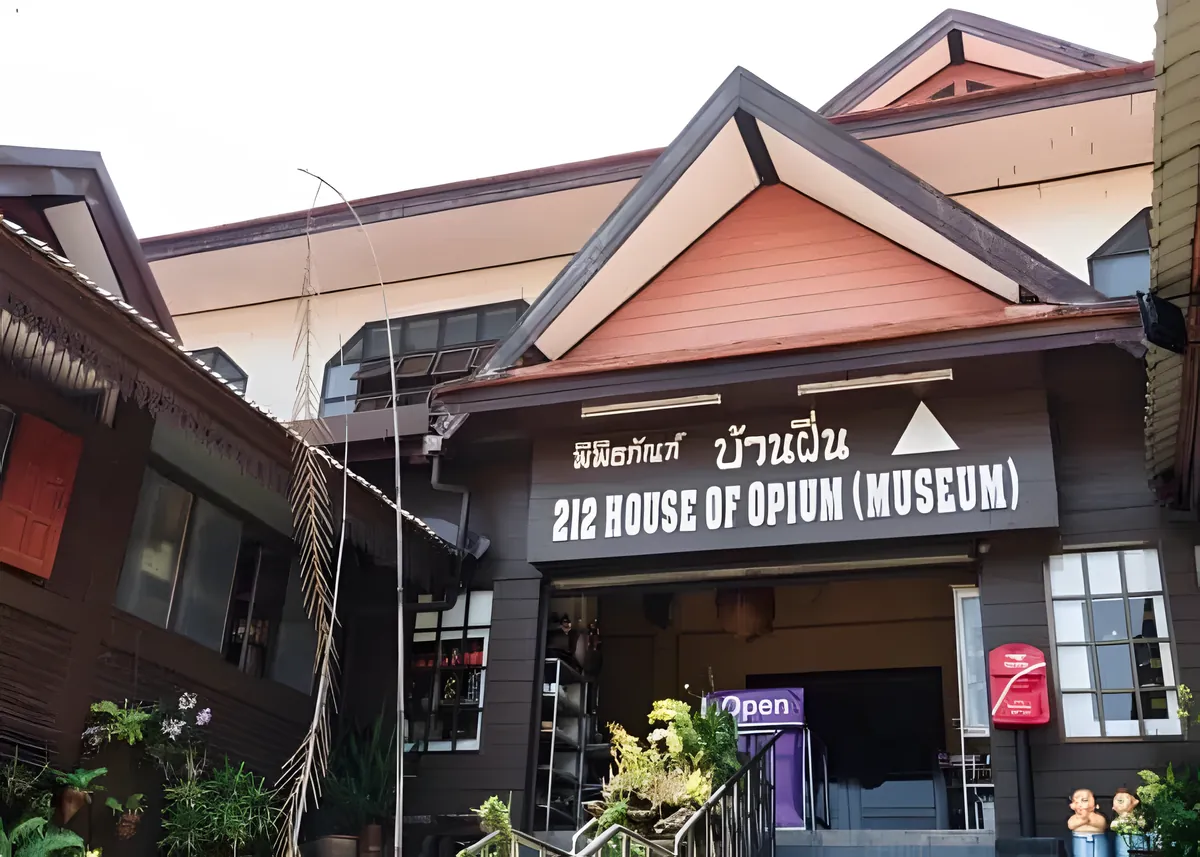
House of Opium
พิพิธภัณฑ์บ้านฝิ่น

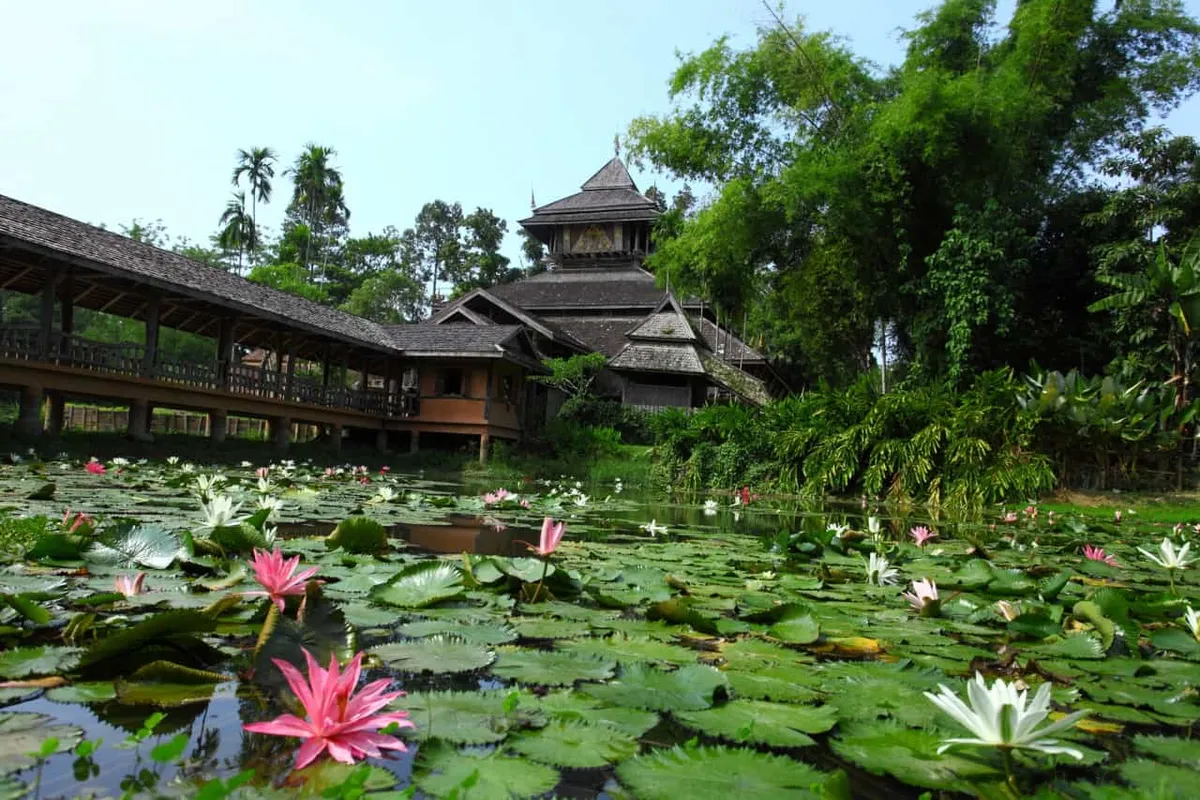
Mae Fah Luang Art and Cultural Park
อุทยานศิลปะวัฒนธรรมแม่ฟ้าหลวง


Mae Kok River
แม่น้ำกก

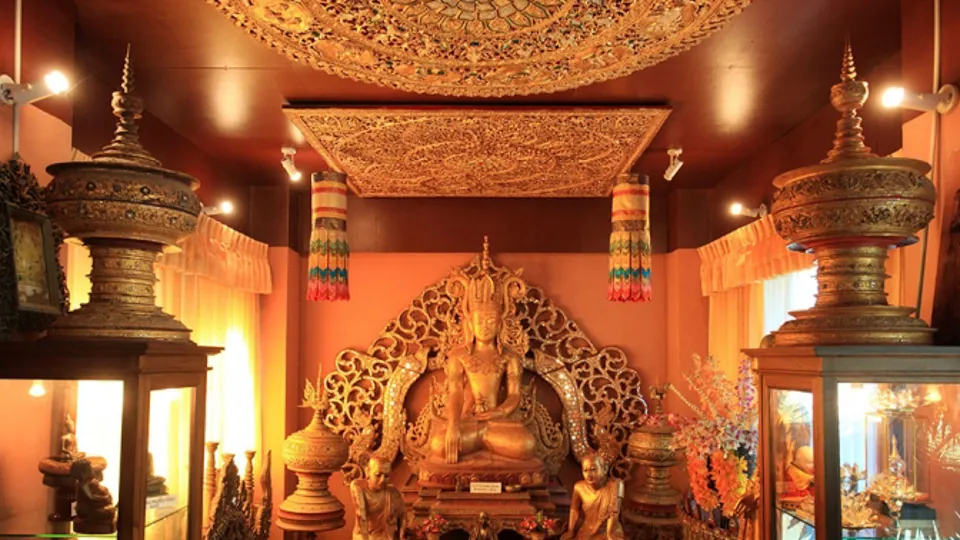
Oub Kham Museum
พิพิธภัณฑ์อูปคำ

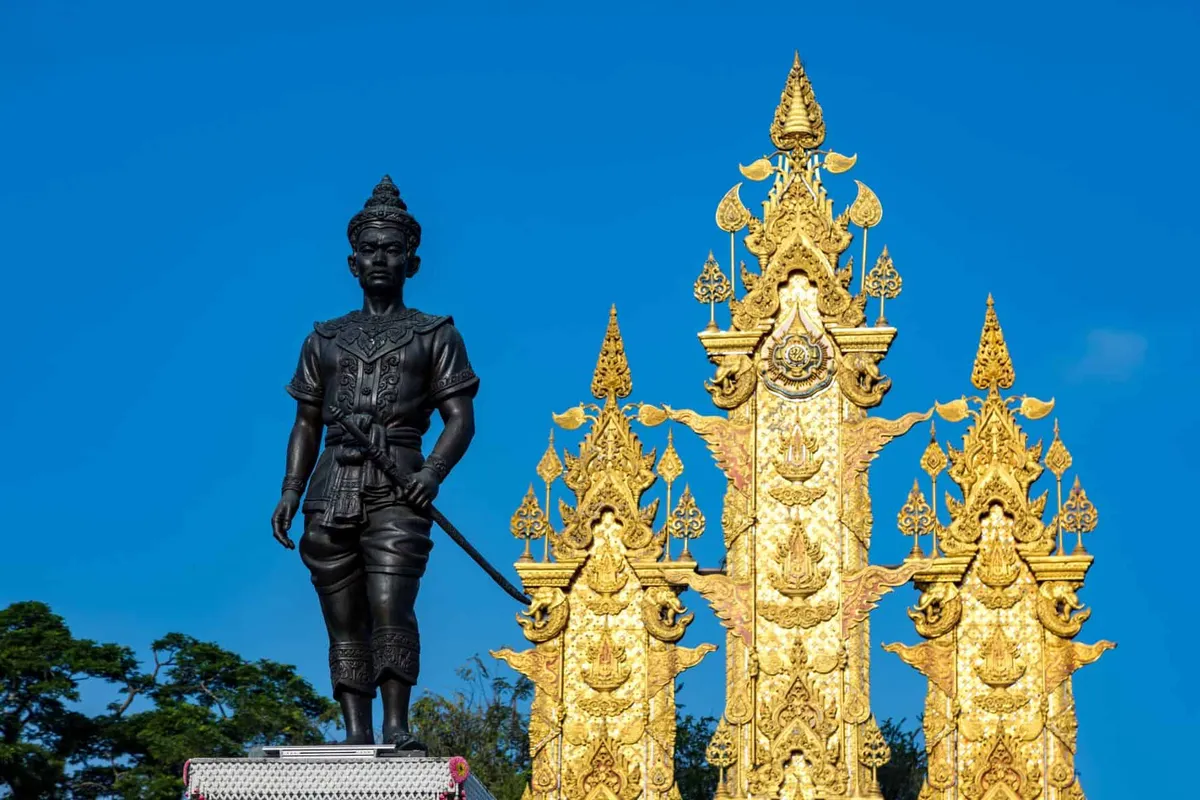
Phaya Mengrai the Great Monument
อนุสาวรีย์พ่อขุนเม็งรายมหาราช

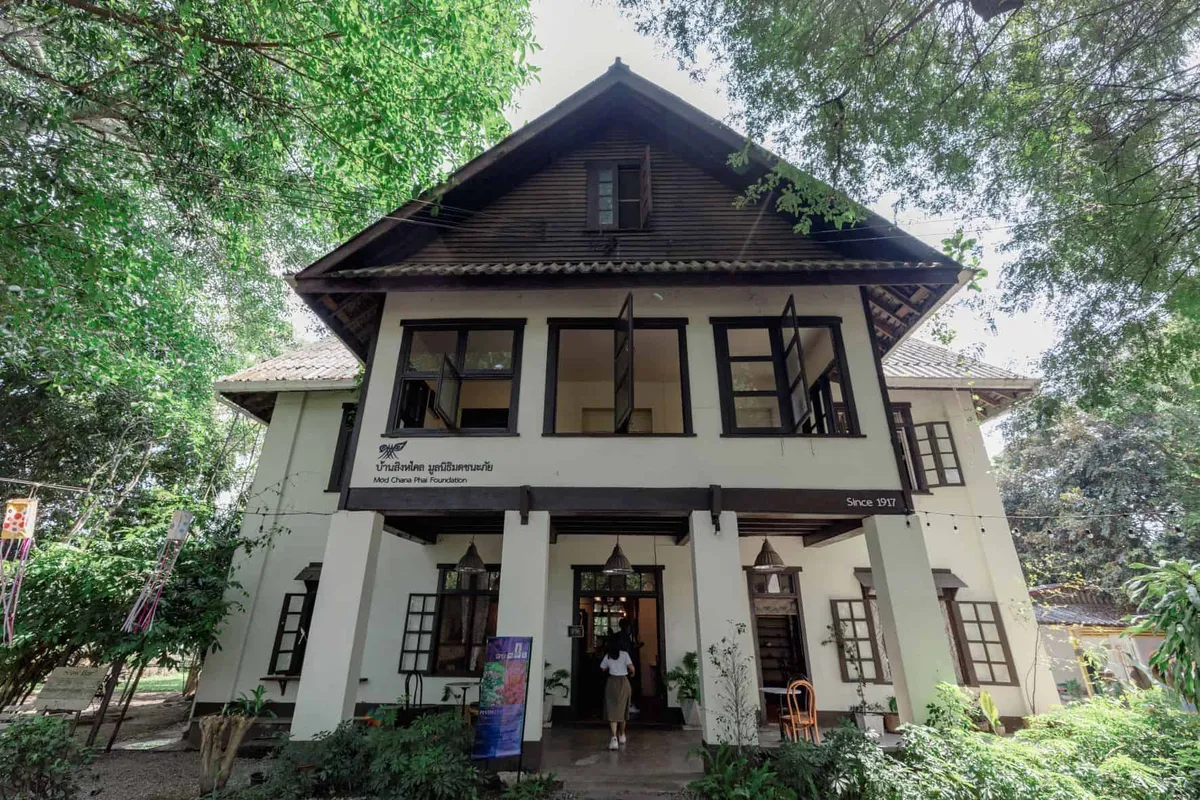
Singhaklai House
บ้านสิงหไคล

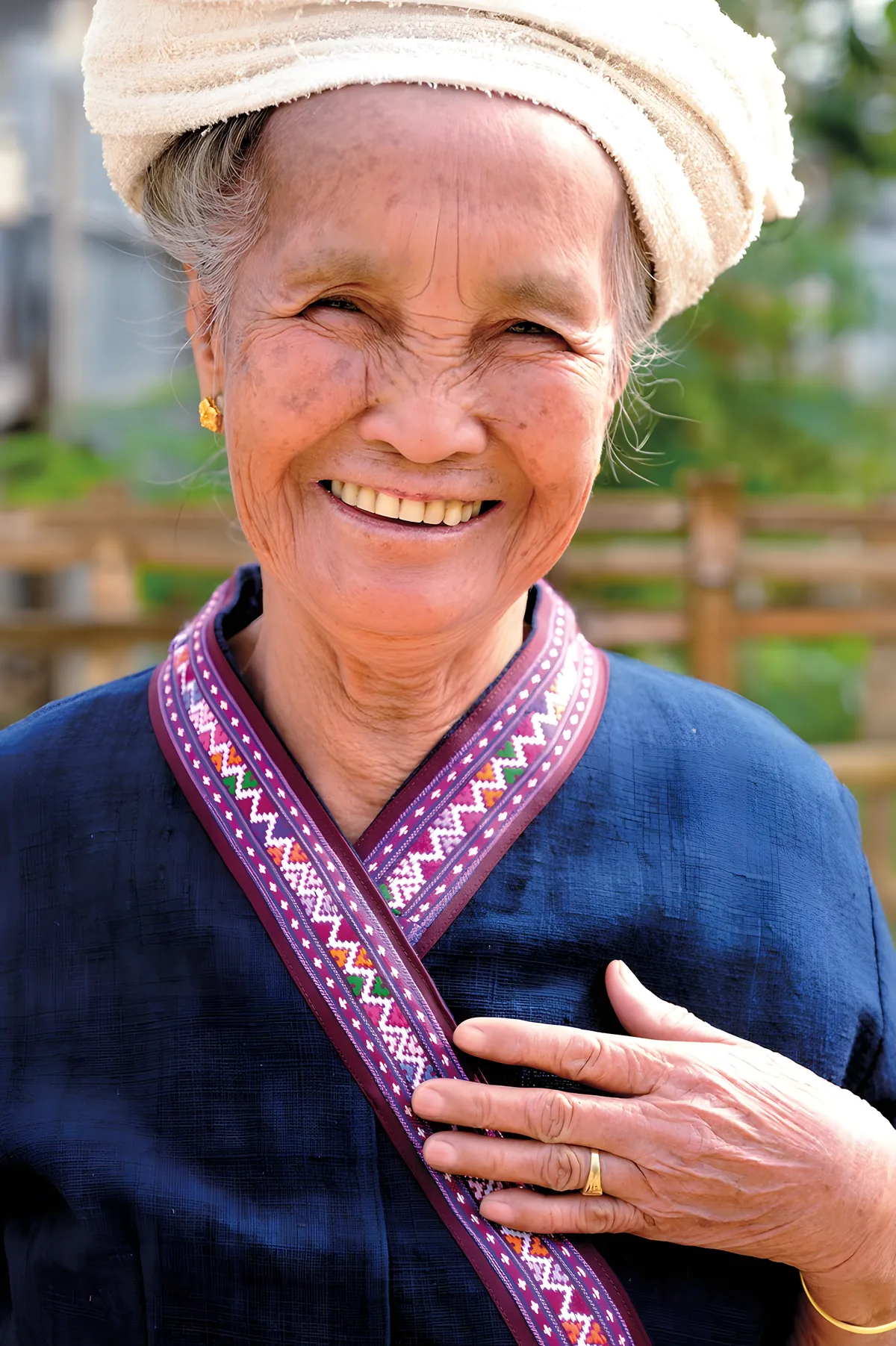
Thai Lue Weaving Handicraft Center Ban Hat Bai
บ้านหาดบ้าย
Things to do on the map
Tap a pin for details. 40 places in Chiang Rai plotted.
Which area to stay in
City Centre
Around the Clock Tower and night bazaar, walkable to markets, cafes and the bus terminal. The easiest base for a first trip without a car.
Mae Kok Riverside
Resorts and boutique stays along the Kok River in Rim Kok and Kwaewai. Calmer than the centre, a short ride from town.
Quieter Outskirts
Larger grounds, parking and pools south of the centre in Rop Wiang. Best if you have a car or scooter.
Doi Mae Salong
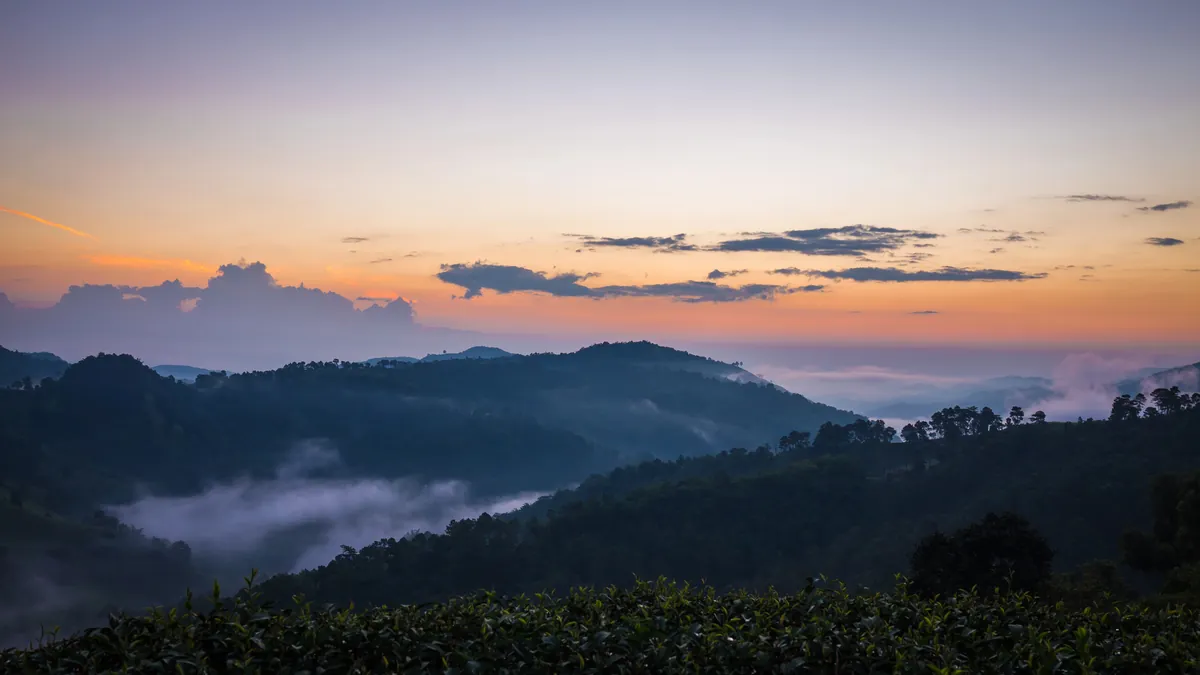
Tea plantations, Yunnan food and cold nights in the hills. Worth one night, but the road up is long and winding.
Doi Tung
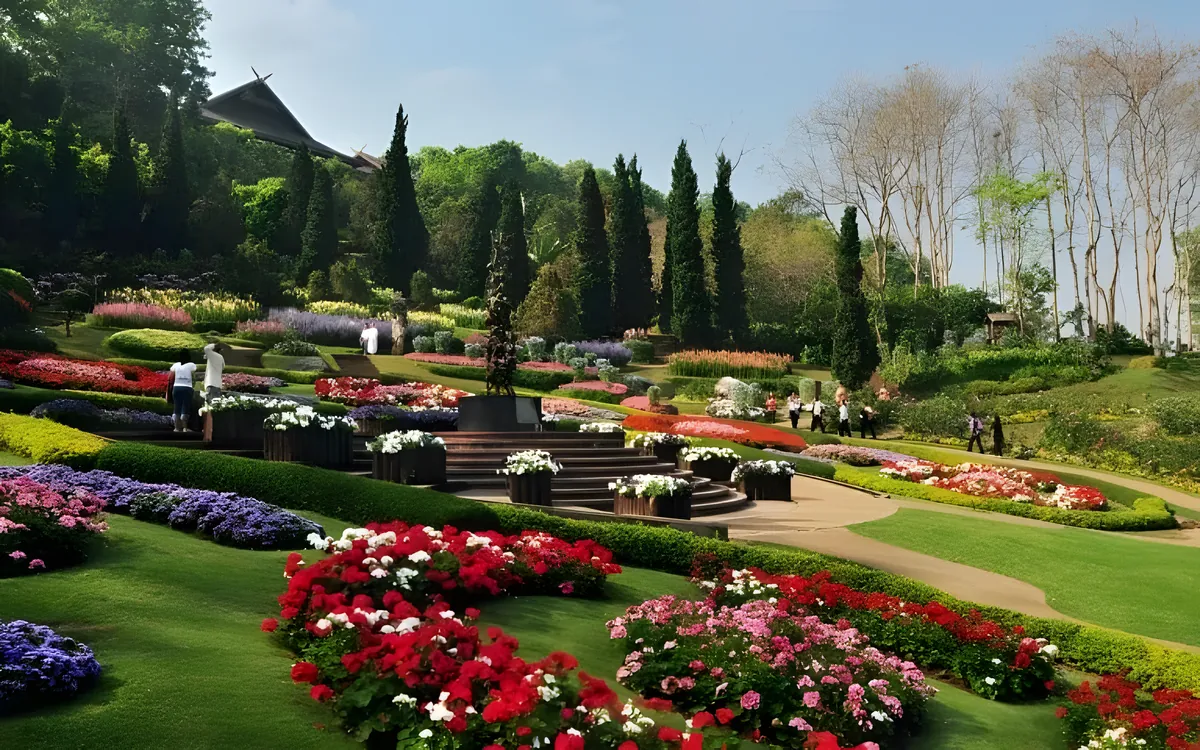
Mountain retreats near the royal gardens, the coldest air on a standard Chiang Rai trip. Quiet after the day visitors leave.
Phu Chi Fa
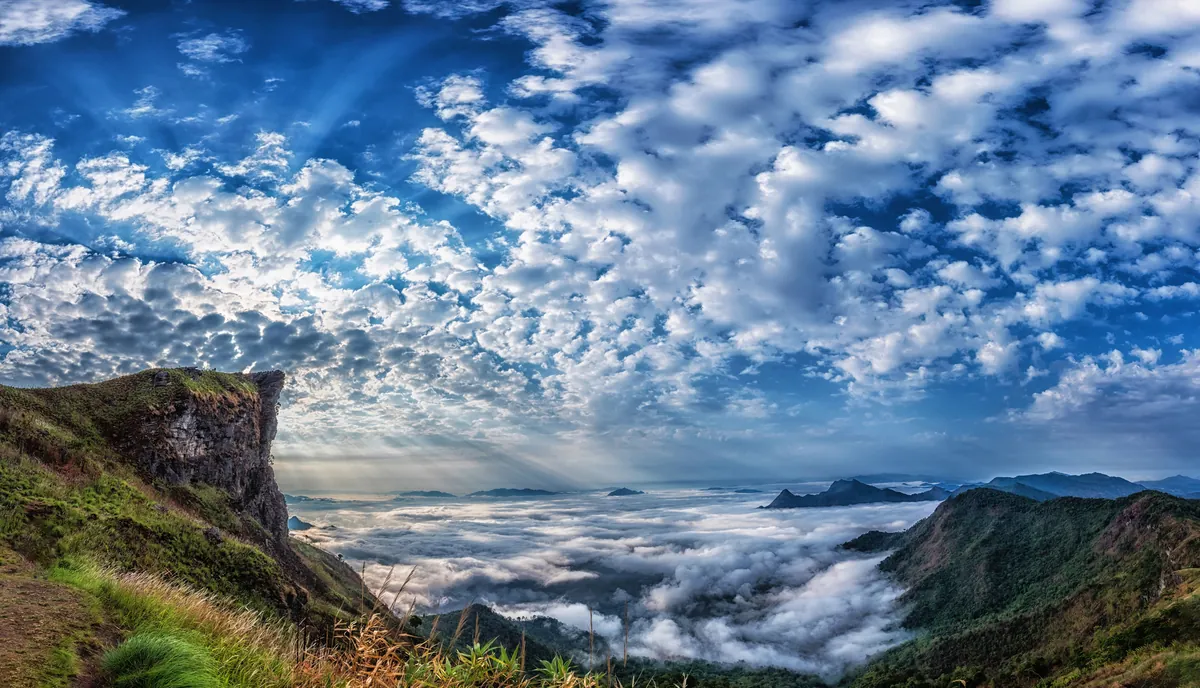
Camps and guesthouses near the cliff viewpoint, so you can reach the mist at dawn. Basic comforts only.
Where to stay in Chiang Rai

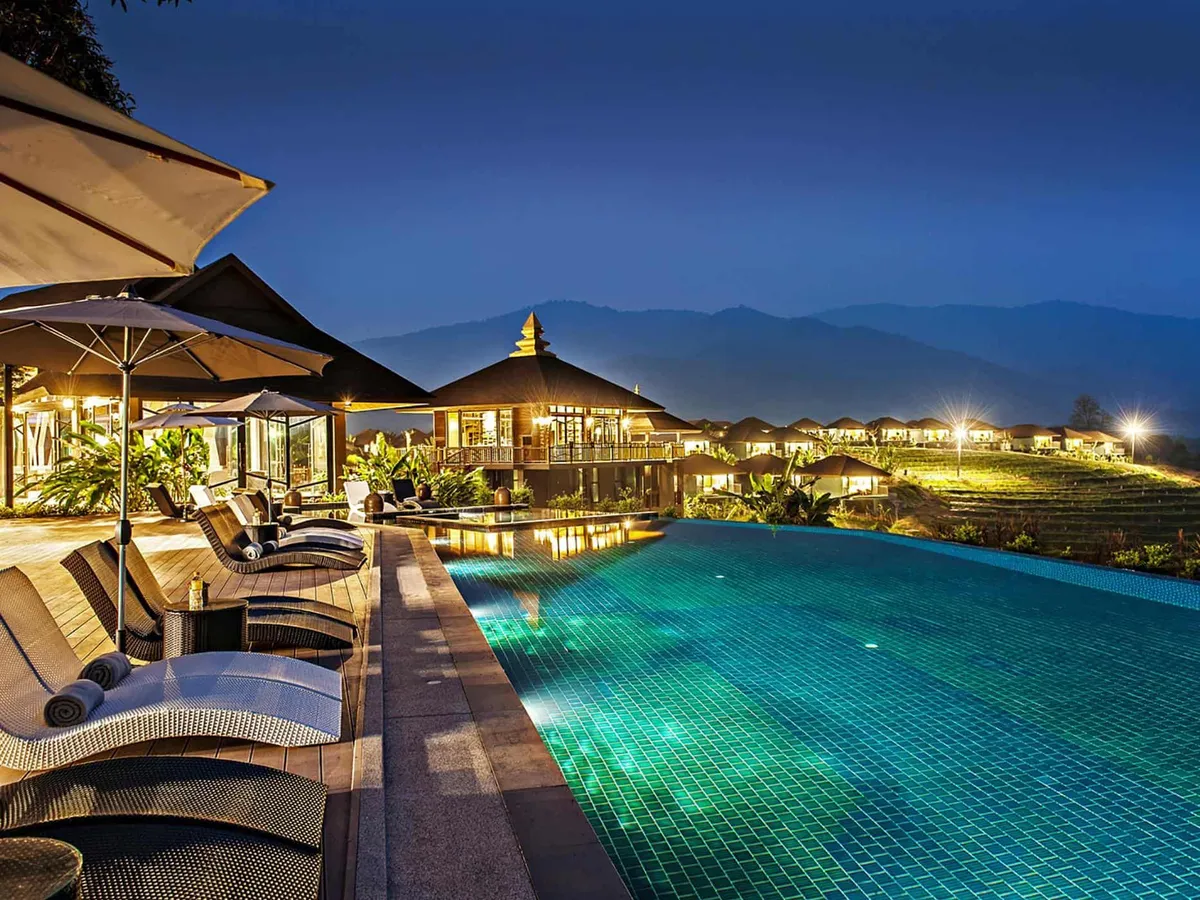
A-Star Phulare Valley Resort

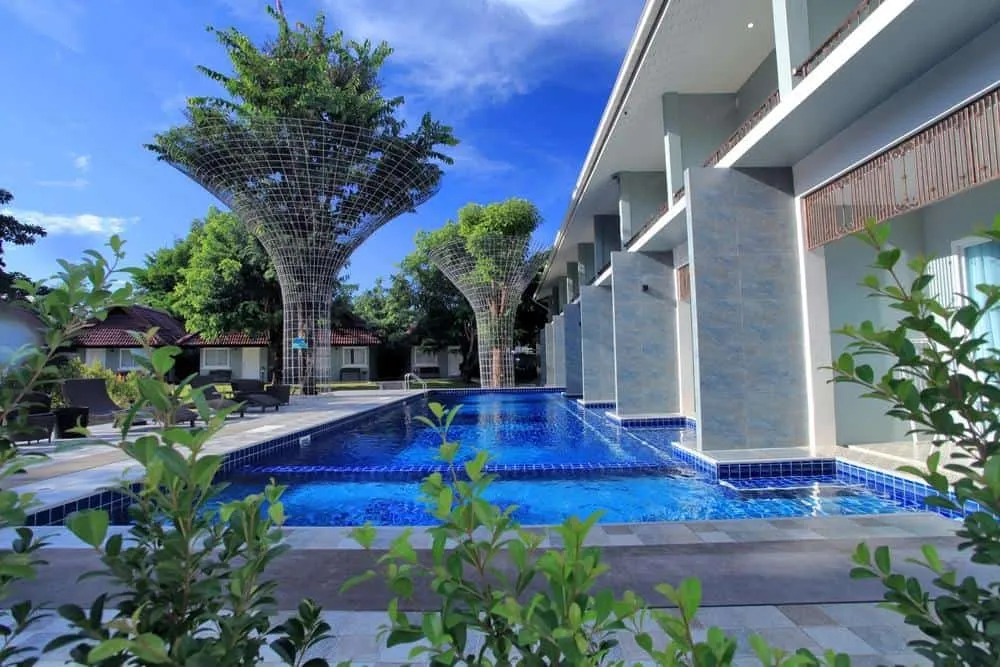
Amarin Resort
- Sleeps 2

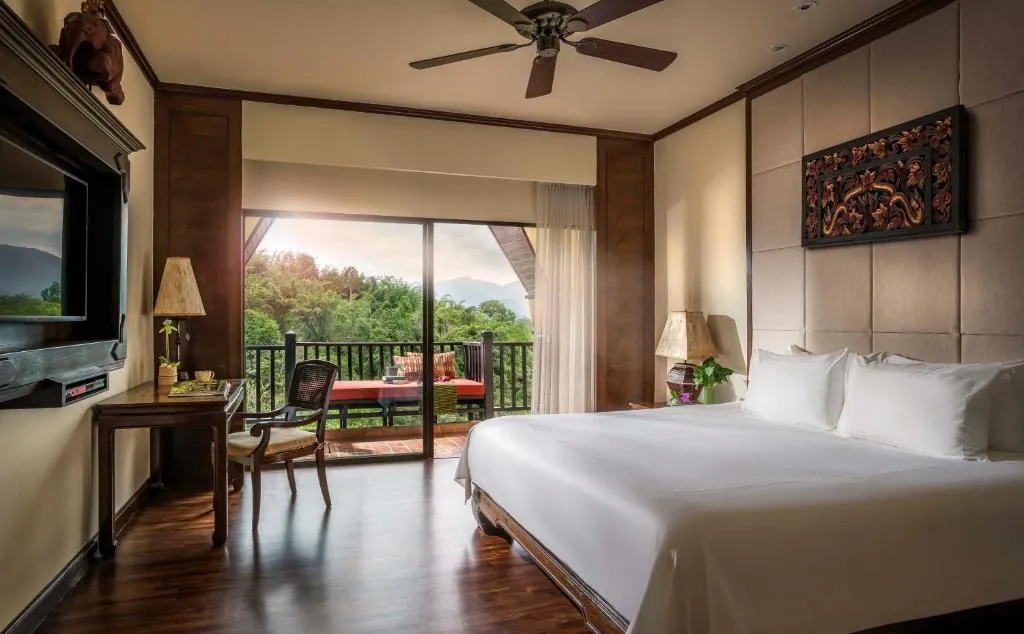
Anantara Golden Triangle Elephant Camp & Resort

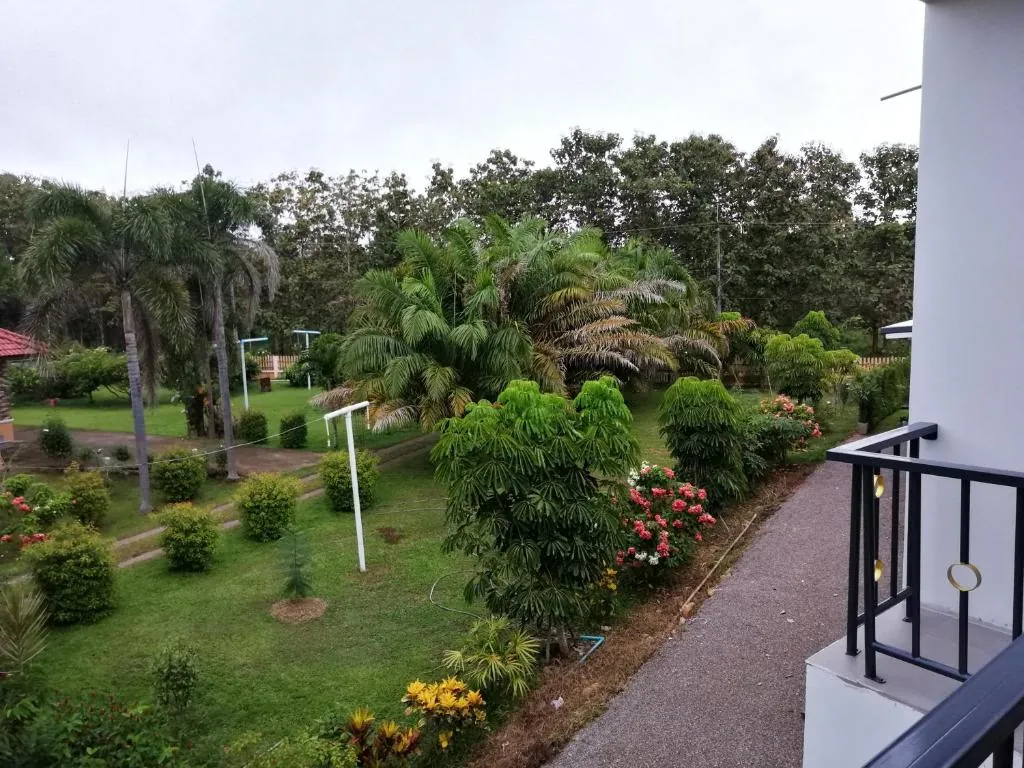
Aspiraya Resort
- Sleeps 2

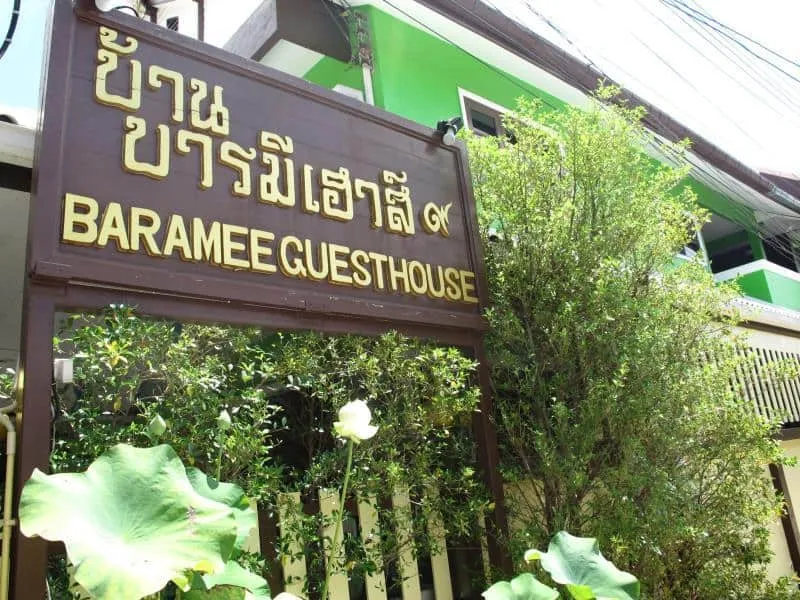
Baan Baramee
- Sleeps 1–2

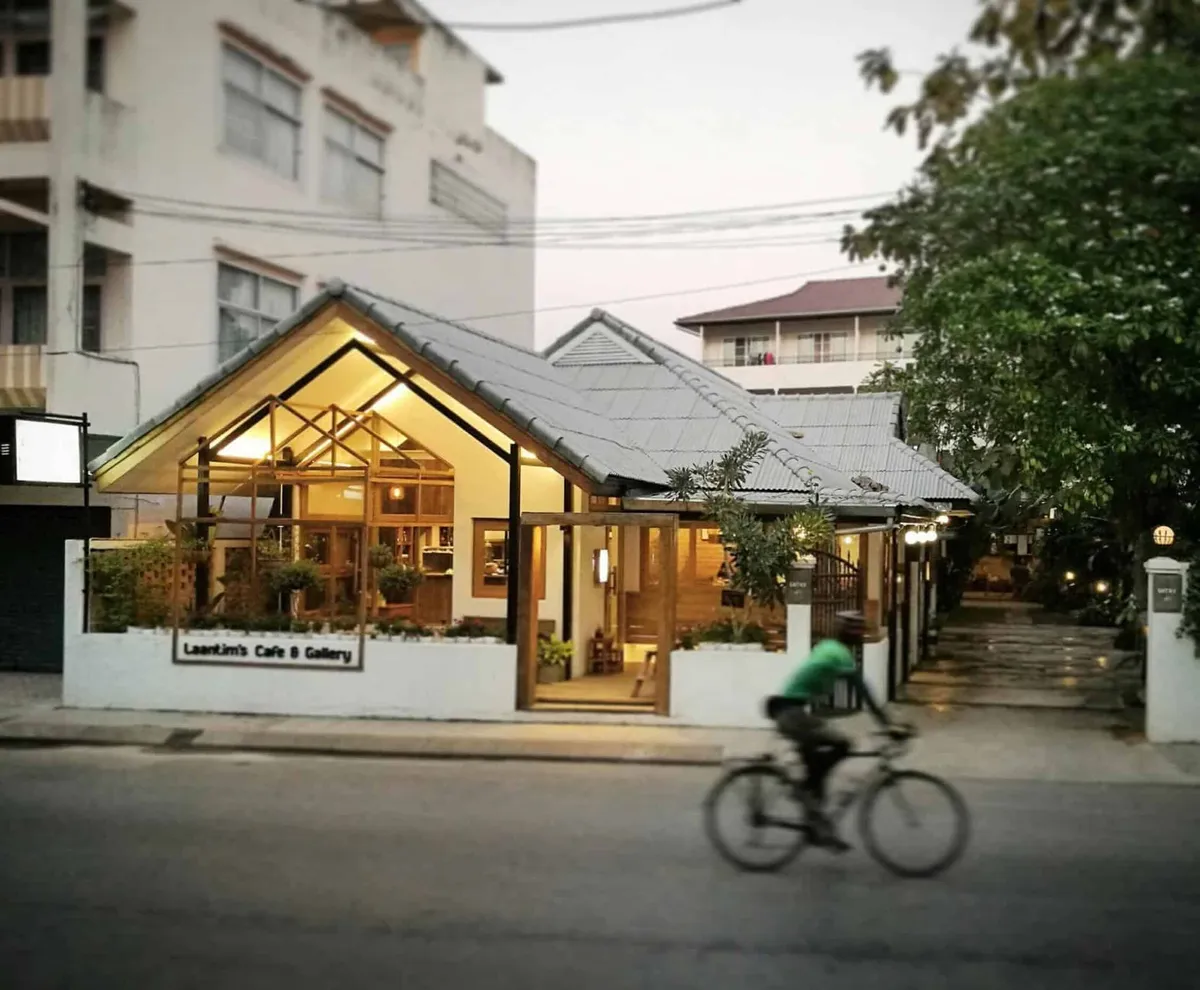
Baan Norn Plearn
- Sleeps 2

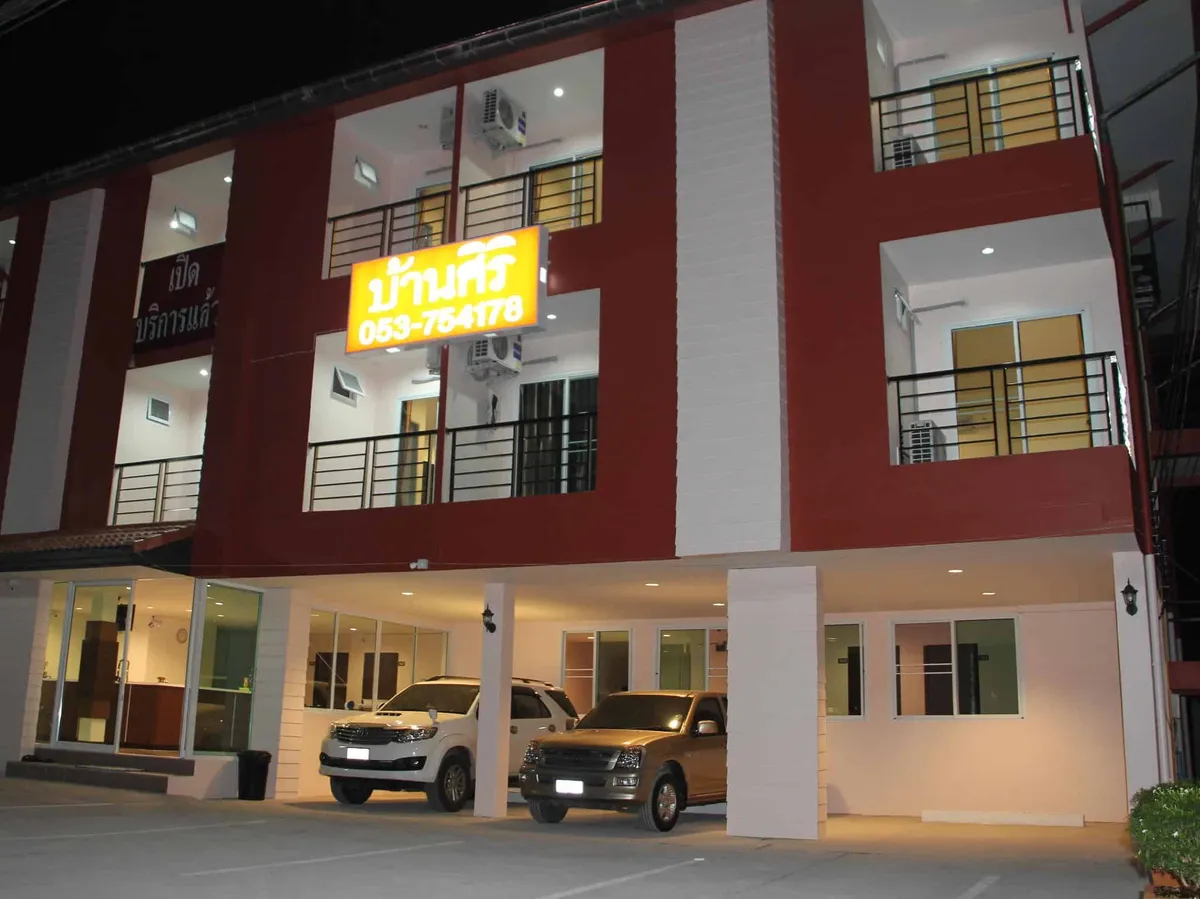
Baan Siri
- Sleeps 2

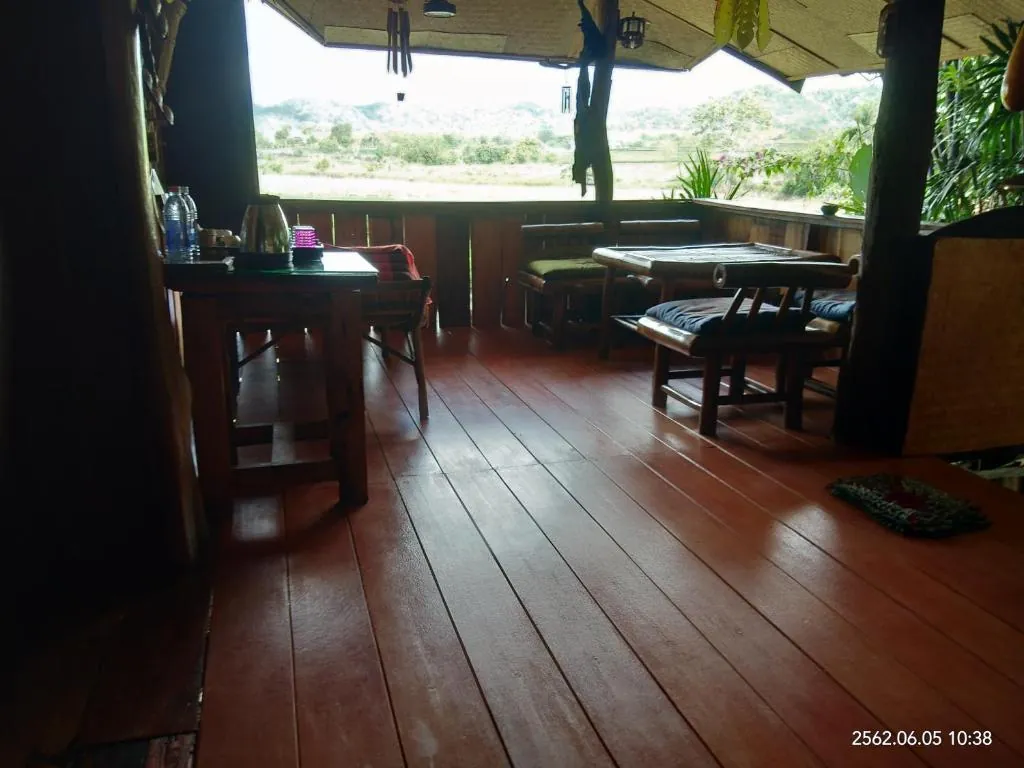
Baan Suan Jantra Home Stay
- Sleeps 2

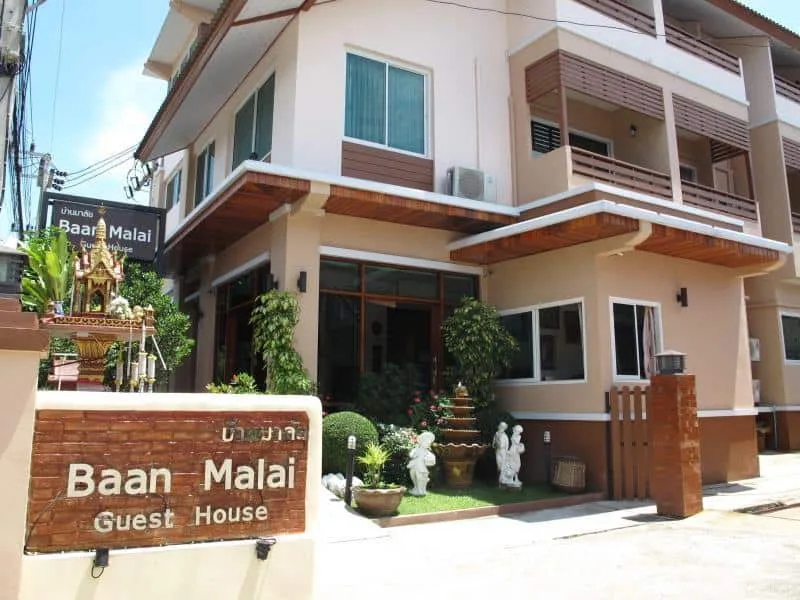
Baanmalai
- Sleeps 2–3

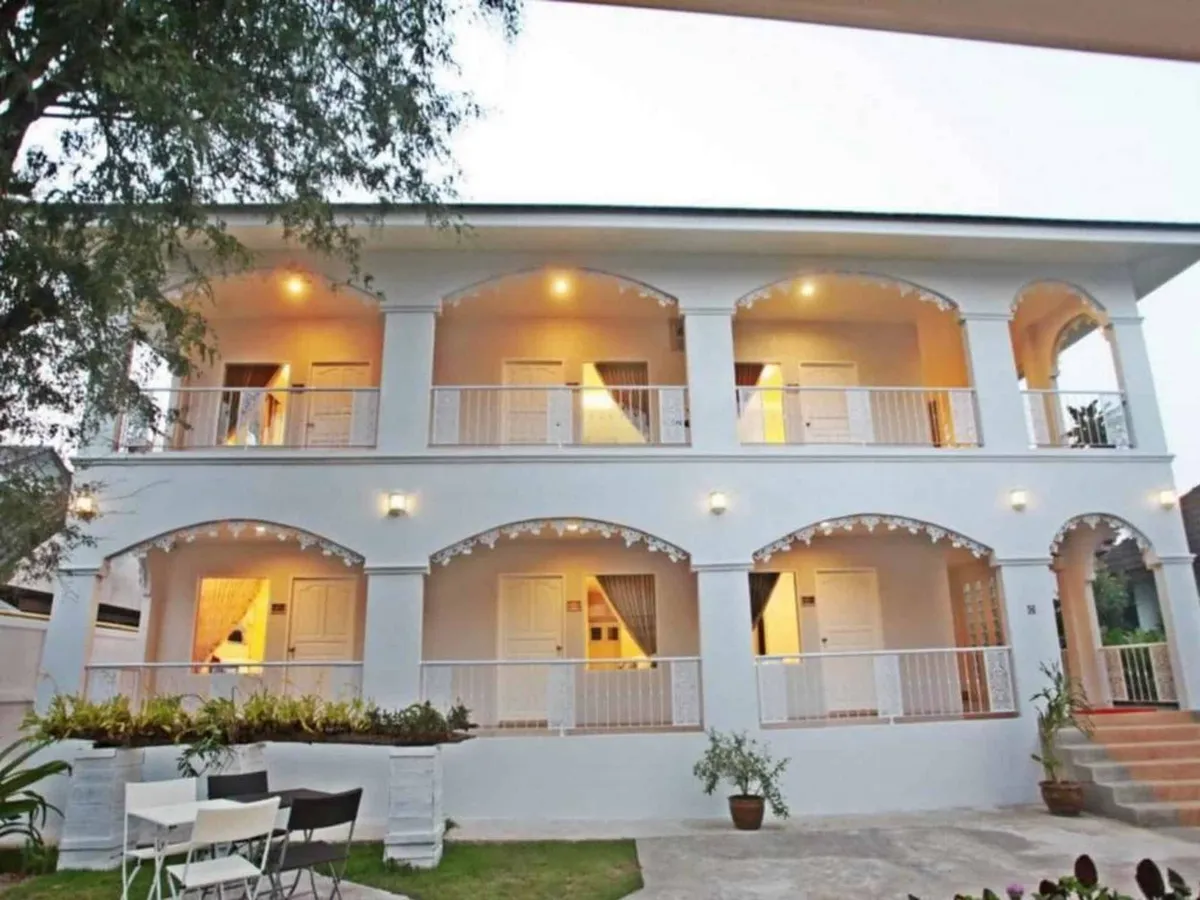
Banlomnow Hotel

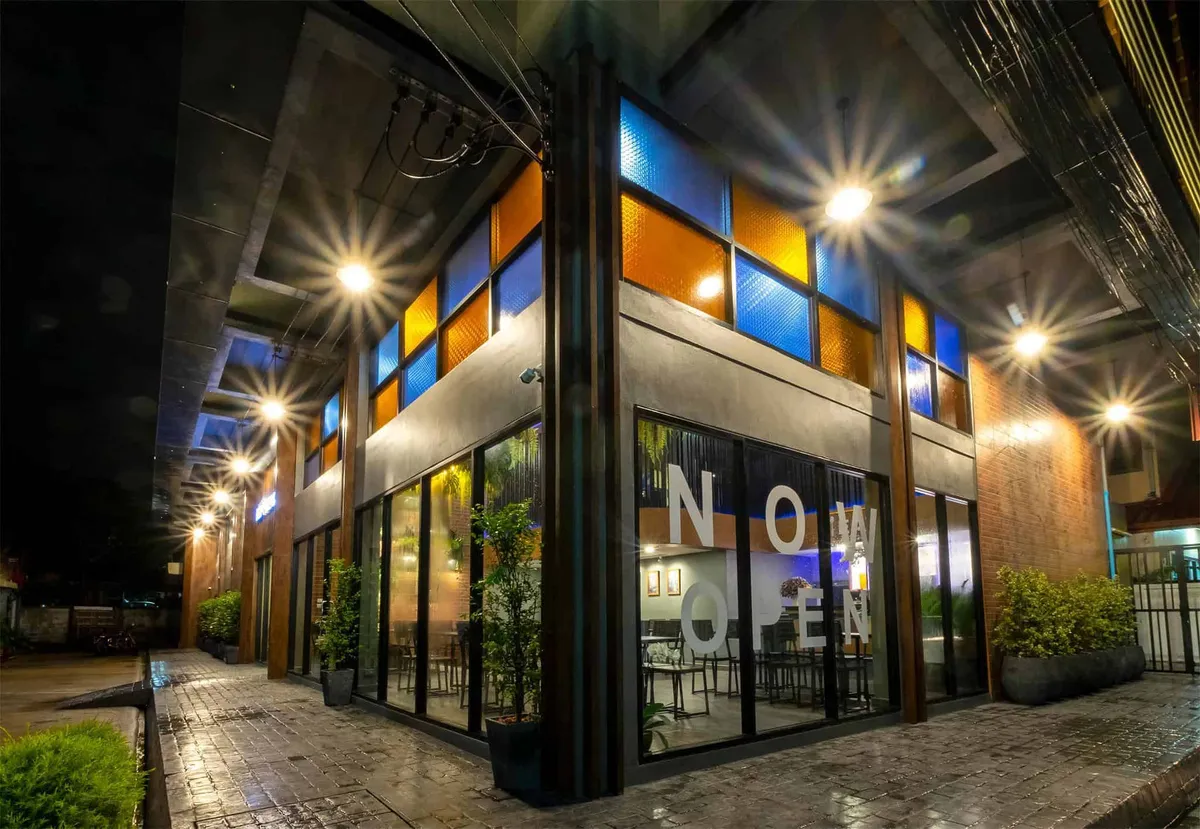
BED Friends Poshtel
- Sleeps 1–4

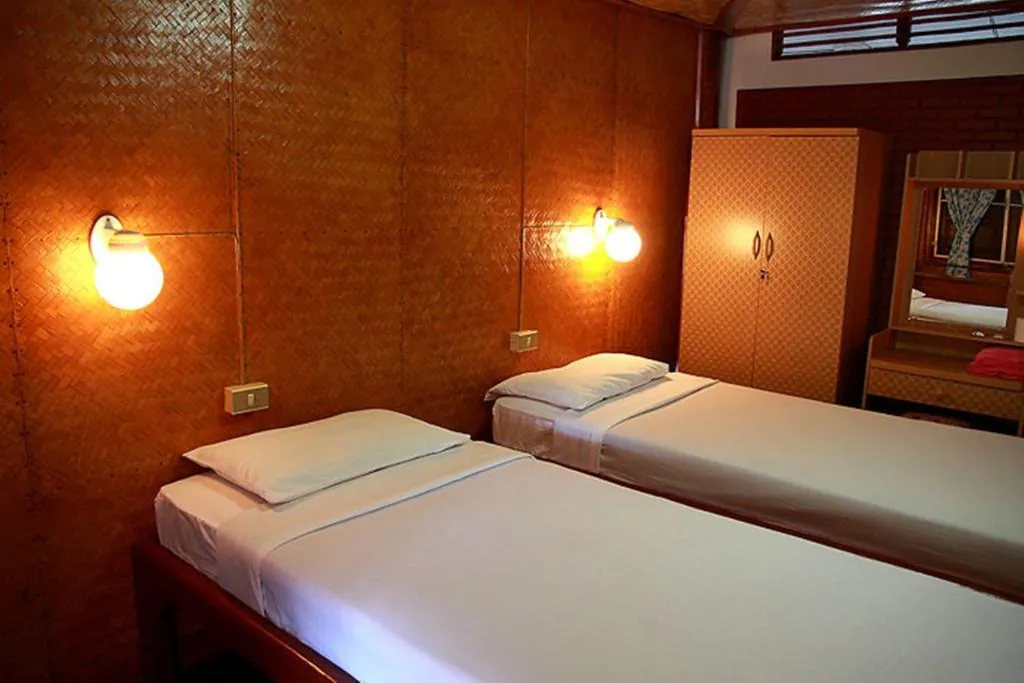
Ben Guesthouse
- Sleeps 1–2
Tours in Chiang Rai

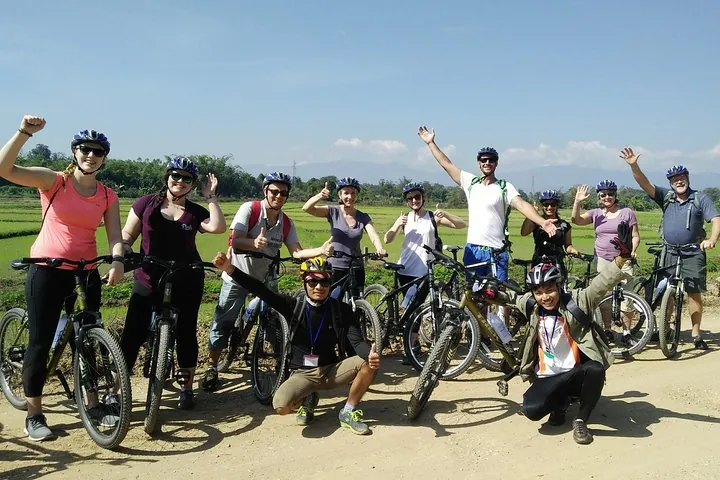
Chiang Rai Cycling Tour: Countryside & White Temple

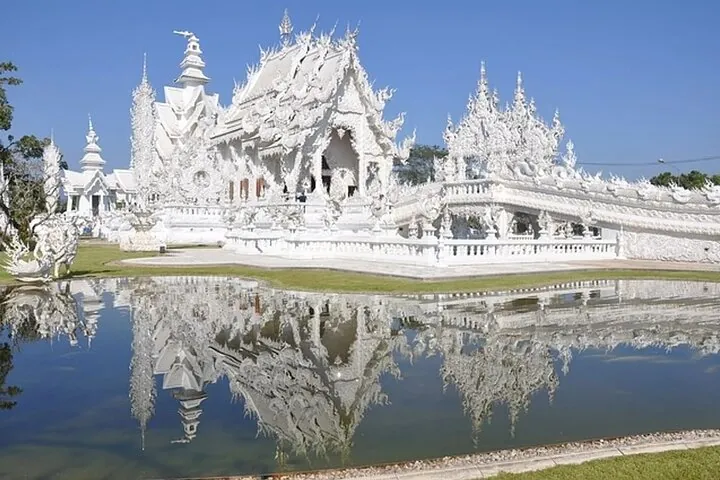
Full Day Group Tour in Chiang Rai

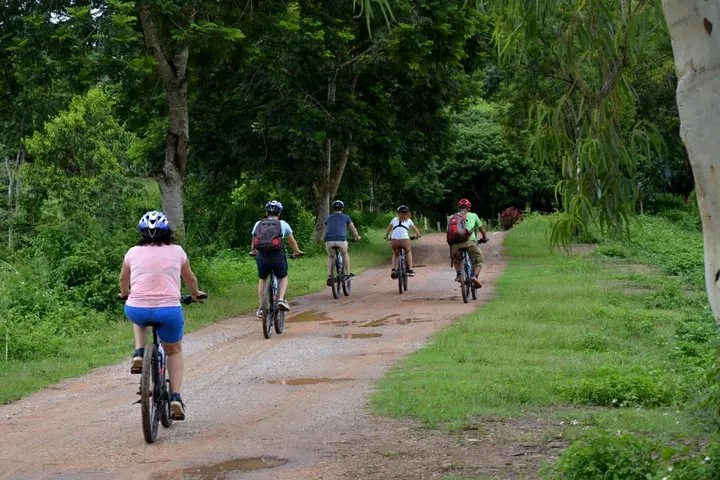
Half Day Cycling Tour to the White temple

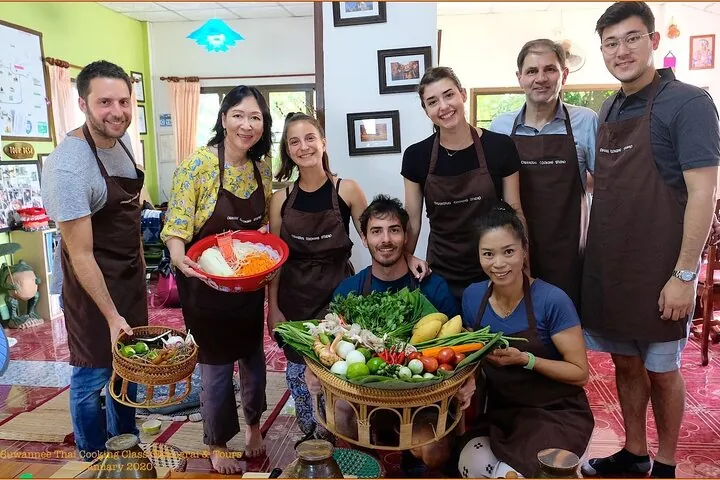
Chiang Rai Thai Cooking Class with Market Tour

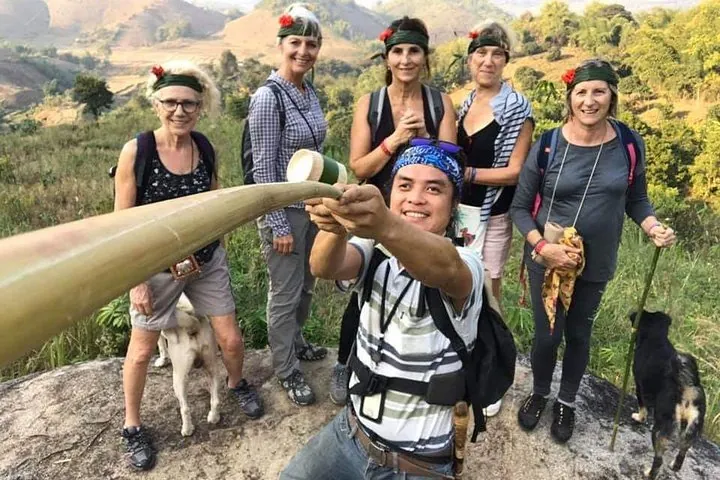
1 Day Trekking Group Tour With Bamboo Cooking / Chiang Rai

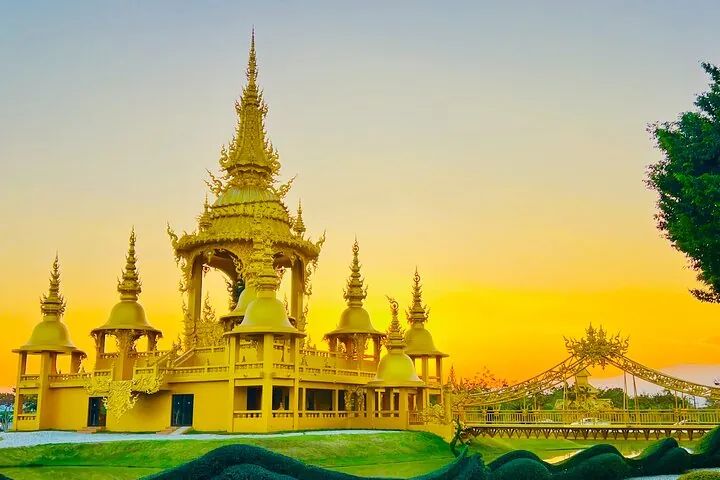
Chiang Rai: Discover 7 Must-See Spots & Lunch Buffet

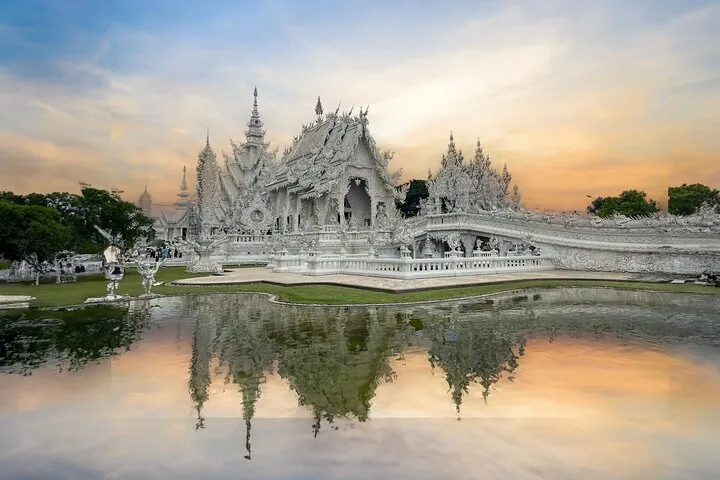
Chiang Rai Private Day Tour: White Temple and Black House
When to go
Nov–Feb The cool season is the best time to visit. Temperatures are comfortable, skies are clear, and mountain views are at their sharpest, ideal for trekking and temple visits.
Mar–Apr Smoke from agricultural burning blankets the north. Air quality can be genuinely poor, and mountain views disappear. Most outdoor activities are unpleasant during this period.
Jun–Oct The rainy season brings daily showers, though they rarely last all day. Temples and indoor cultural sites remain accessible; trekking in the hills gets muddy.
Events & Festivals
All events →
Itineraries Featuring Chiang Rai

From the blog
Chiang Rai guides & reading

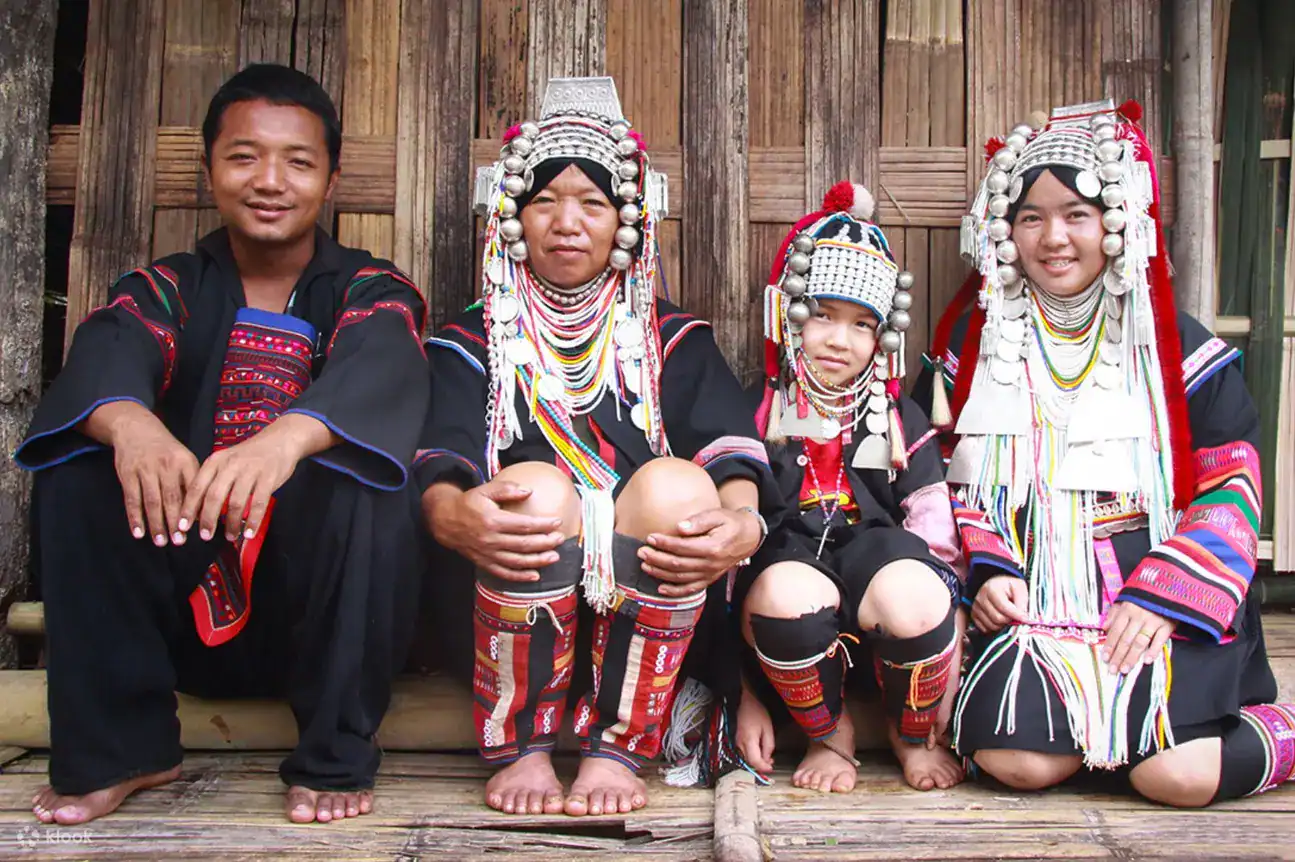
Chiang Rai Hill Tribes: Cultures & Traditions
Learn about the Akha, Hmong, Karen, Lahu, Lisu, Iu Mien and other ethnic communities around Chiang Rai, with practical advice for respectful visits.
Things to Do in Chiang Rai: Temples, Tea & Golden Triangle
White Temple at 8am before the buses, the free Blue Temple, Baan Dam's teak halls, Choui Fong tea and Mekong views, how to plan Chiang Rai properly.

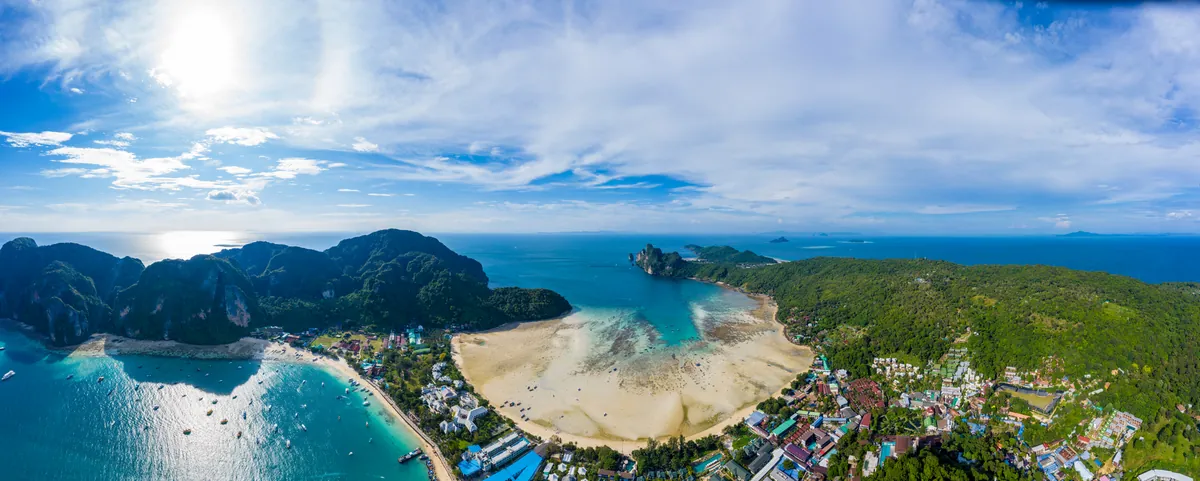
Best Viewpoints in Thailand: 11 Views Worth the Climb
Thailand's 11 best viewpoints for 2026: twin-bays, sea-of-mist sunrises, limestone bays and a 314m glass skywalk, with the honest word on timing and effort.

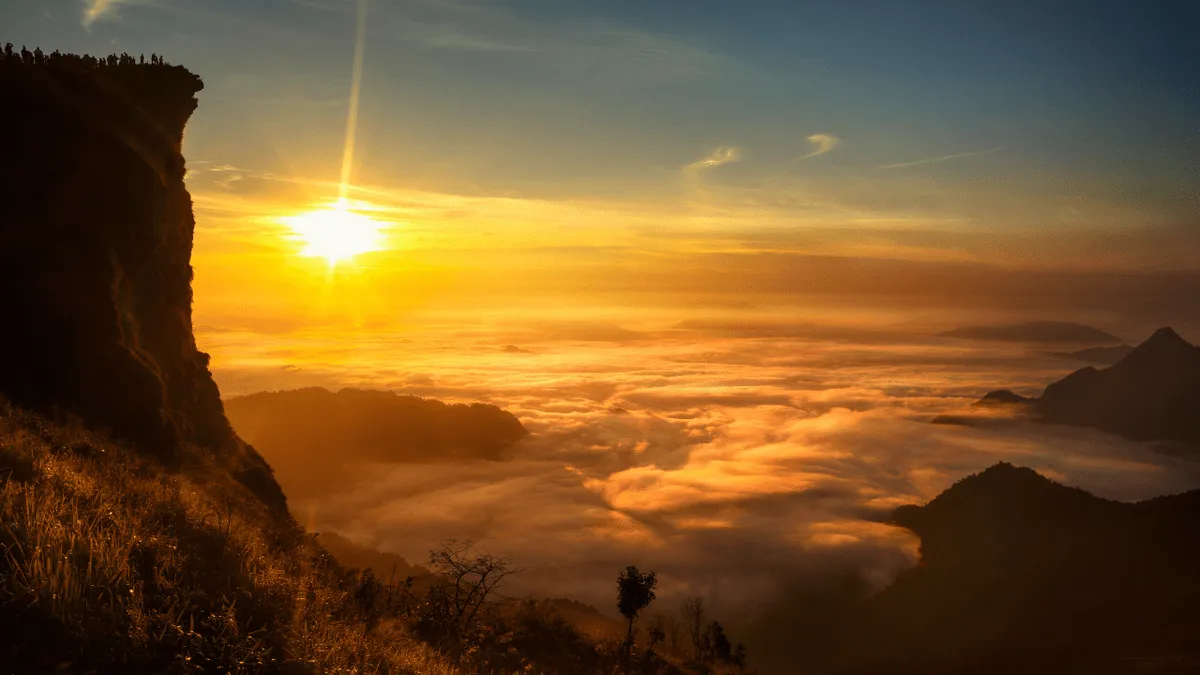
How to Catch the Sunrise at Phu Chi Fah, Chiang Rai
Phu Chi Fah is a 1,628m cliff in Chiang Rai with a pre-dawn climb to a sea-of-clouds sunrise. Best months, schedule, transport, and what to bring.


Thailand Health Advice: Vaccinations, Hospitals & Food Safety
Recommended vaccinations, top hospitals (Bumrungrad, Bangkok Hospital), street food safety, dengue prevention, and pharmacy basics for Thailand travellers.
Explore around Chiang Rai



About Chiang Rai
Last updated June 2026
This northern gem serves as your gateway to Thailand’s most diverse cultural landscape. Chiang Rai attracts travelers seeking authentic experiences beyond the typical tourist trail: think temple hoppers, culture enthusiasts, and adventure seekers drawn to mountain treks and hill tribe encounters. This corner of northern Thailand packs everything from ancient temples to tribal villages, making it perfect for those who want to dig deeper into Thai culture while enjoying cooler mountain air.
Top Things to Do
Temple enthusiasts will be in heaven with 47 temples to explore, including the world-famous White Temple that put Chiang Rai on the map. The city’s 28 mountains offer excellent trekking opportunities, while 22 local villages and hill tribe communities provide authentic cultural encounters you won’t find in Bangkok or the beach towns.
For a day-by-day plan covering the art temples, tea country and the Golden Triangle, see our full guide to things to do in Chiang Rai. History buffs can choose from 15 museums, and nature lovers have 15 national parks within reach. The 13 tropical gardens scattered around the area make for peaceful afternoon strolls. Plan temple-hopping mornings, afternoon village visits, and evening garden walks to make the most of your time. The mountain locations are perfect for sunrise hikes, while the cultural sites work better during cooler parts of the day.
Where to Stay in Chiang Rai: Best Areas
For a first trip, stay in the city centre around the Clock Tower: the temples, night market and bus station are close, and you can manage without a car. Couples and anyone wanting views should look at the Mae Kok riverside, while families and drivers get more space in the quieter southern outskirts. The hill areas (Doi Mae Salong, Doi Tung, Phu Chi Fa) suit one or two nights of cool air and early mornings, and the Golden Triangle is the splurge.
| Area | Best for | Trade-off |
|---|---|---|
| City Centre | First-timers, budget, no car | Little scenery, busier roads |
| Mae Kok Riverside | Couples, spa stays, river views | Short ride to the centre |
| Quieter Outskirts | Families, drivers, calm | You need wheels |
| Doi Mae Salong | Tea farms, cold nights, quiet | Long winding drive up |
| Doi Tung | Gardens, mountain retreats | Few places to eat after dark |
| Phu Chi Fa | Sunrise over the mist | Basic camps, remote |
| Golden Triangle | Luxury riverside splurge | Far from the city sights |
City Centre
The streets around the Clock Tower and Phahonyothin Road put cafes, the night bazaar and the bus terminal within walking distance. Most budget beds are here, and the hotels are easy to reach from the airport by taxi. The drawback is that it is a working town, so expect traffic noise and no view to speak of.
Picks: MORA Boutique Hotel for a central 5-star with a pool, Hi Chiangrai Hotel for in-room kitchens, BED Friends Poshtel for a hostel near the bus station.
Mae Kok Riverside
Resorts along the Kok River in Rim Kok and Kwaewai have garden grounds and river-facing rooms, a calmer evening than downtown. It suits couples and spa-minded travellers. Drawback: you will take a taxi or tuk-tuk into town each evening.
Picks: The Riverie by Katathani for 5-star riverside rooms, The Legend Chiang Rai Boutique River Resort & Spa for a boutique spa, The Imperial River House Resort for a 4-star resort.
Quieter Outskirts
South of the centre, in Rop Wiang, hotels sit on residential roads with larger grounds, parking and often a pool. This is the easy choice if you are renting a car or scooter for the White Temple and day trips. Drawback: restaurants are a drive away, so you will rely on your own transport.
Picks: La Maison Blanche Chiang Rai Resort for a hot tub and garden, Pan Kled Villa Eco Hill Resort for hillside villas, Maryo Resort Chiangrai for a 4-star residential setting.
Doi Mae Salong
Doi Mae Salong is a former Chinese Nationalist settlement with tea plantations, Yunnan food and nights that turn cold. Stay a night to see the plantations at dawn. Drawback: it is a winding mountain road each way, and rooms are mostly simple.
Picks: DoiMok DokMai Resort for adults-only with a mountain-view pool, Maesalong Villa for family rooms, Shin Sane Guest House for budget dorms.
Doi Tung
Doi Tung is a day trip of roughly 45 to 60 minutes’ drive from the city, but sleeping up the mountain gives you the gardens and summit without the round trip. It is the coldest air on a standard Chiang Rai itinerary. Drawback: after the daytime visitors leave, there is little around except your hotel.
Picks: 4000Dao Hilltop Hideaway for an adults-only retreat, Doi Tung Lodge for a 4-star lodge in the Development Project, Phahee Valley for a homestay with a cafe.
Phu Chi Fa
Phu Chi Fa is a cliff viewpoint roughly 95 km from the city, famous for a sea of mist at sunrise. Sleeping nearby is the only practical way to be there at dawn. Drawback: lodging is mostly camps and guesthouses, so do not expect resort comforts.
Picks: Naraview at Phu Chi Fa for glamping with a hot tub, Laksana Phu Chi Fa Resort 2 for mountain-view tents, Avahouse Phuchifa for a guesthouse terrace room.
Golden Triangle
Two luxury camps sit on the northern edge of the province, where Thailand, Myanmar and Laos meet at the Mekong. Book one if the stay is the point of the trip. Drawback: you are well away from the city temples and museums.
Picks: Four Seasons Tented Camp Golden Triangle and Anantara Golden Triangle Elephant Camp & Resort, both 5-star.
Insider Tip: Do the hills in one loop. Sleep in the city for your first nights, then spend one night at Doi Mae Salong or Doi Tung rather than driving up and back in a day.
For ready-made lists, see our budget hostels, boutique hotels and adults-only stays.
Getting There
Chiang Rai Airport connects to Bangkok, with several daily flights making the 1.5-hour journey. The airport sits about 10 kilometers from the city center, with taxis and airport buses providing easy transfers.
Overland travelers can catch buses from Bangkok (12 hours), Chiang Mai (3.5 hours), or other northern cities. The bus terminal connects well to local transport. Many visitors combine Chiang Rai with Chiang Mai, using it as a northern Thailand base for exploring the Golden Triangle region and nearby borders with Laos and Myanmar.
Best Time to Visit
Northern Thailand’s climate works in your favor from November through February when temperatures stay cool and comfortable, perfect for temple visits and mountain hikes. March through May brings heat, while the rainy season runs June through October. Agricultural burning brings haze and poor air quality roughly February–April, with March the worst month, a real reason to avoid outdoor activities during this window, not just the heat.
The cool season coincides with clear mountain views and ideal trekking conditions. Avoid the hot season (March-May) if you plan extensive outdoor activities, though temple visits remain doable with early starts.
Practical Tips
ATMs are widely available throughout the city center and near major attractions. Most locals speak basic English at tourist sites, but learning a few Thai phrases helps in villages and markets.
Rent a motorbike or use local songthaews (red trucks) to get around efficiently. Expect to visit several of those 47 temples, so pack long pants and something to cover your shoulders. Bring insect repellent for village and mountain excursions.
Insider Tip: Start your temple visits at sunrise to avoid crowds and heat, then head to hill tribe villages in the late morning when families are active and welcoming to visitors. The lighting for photos is also much better before noon.