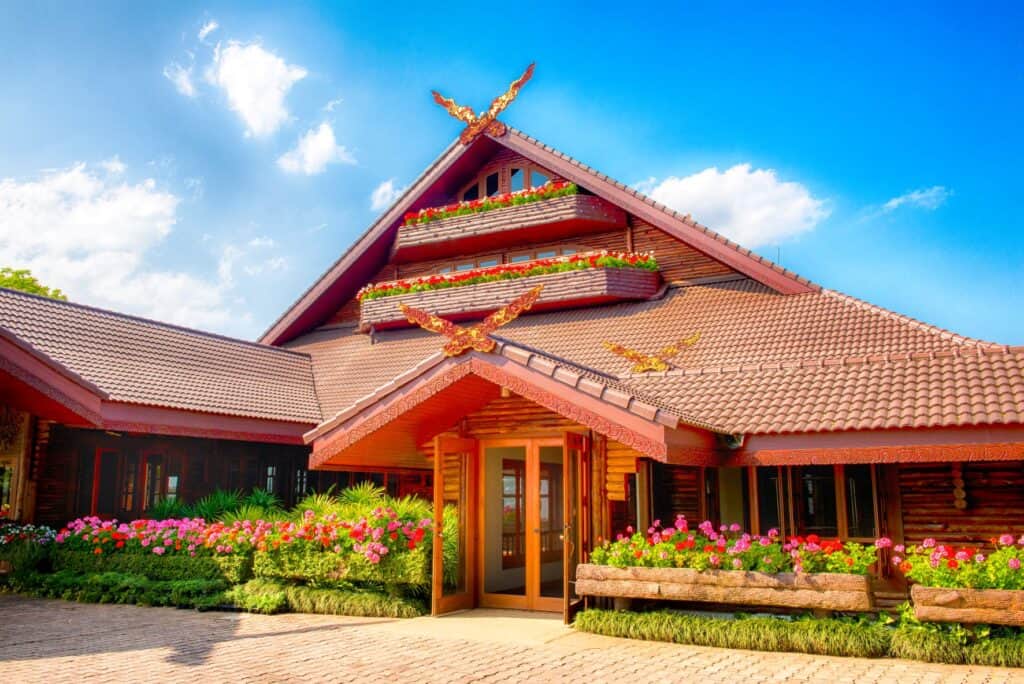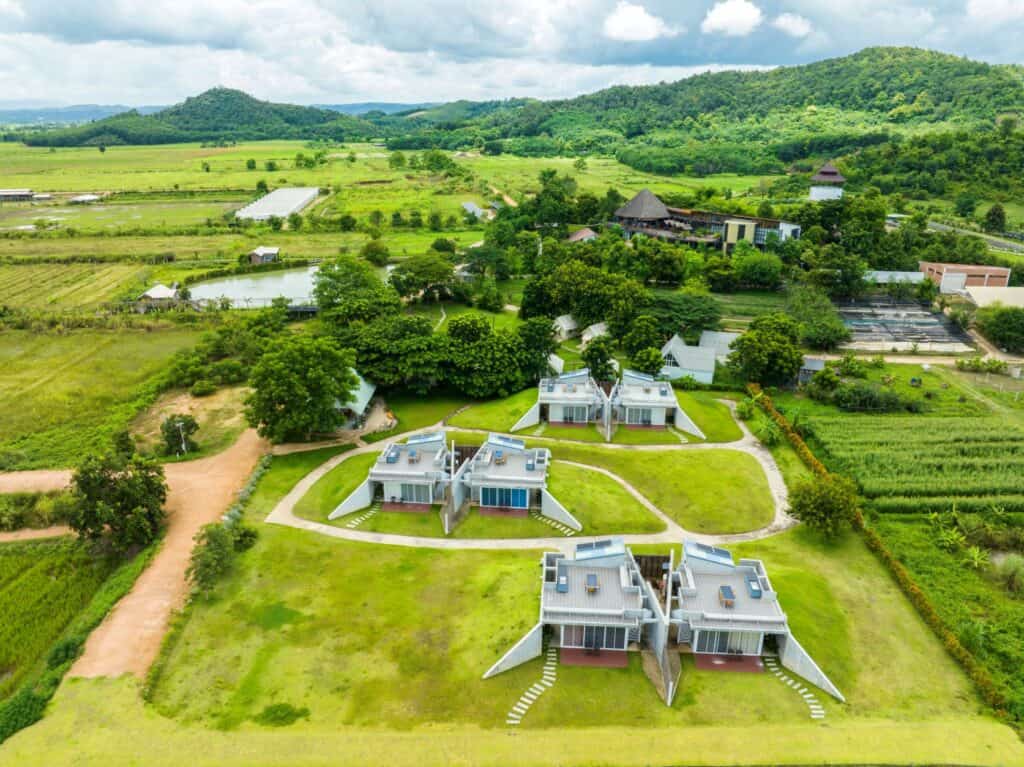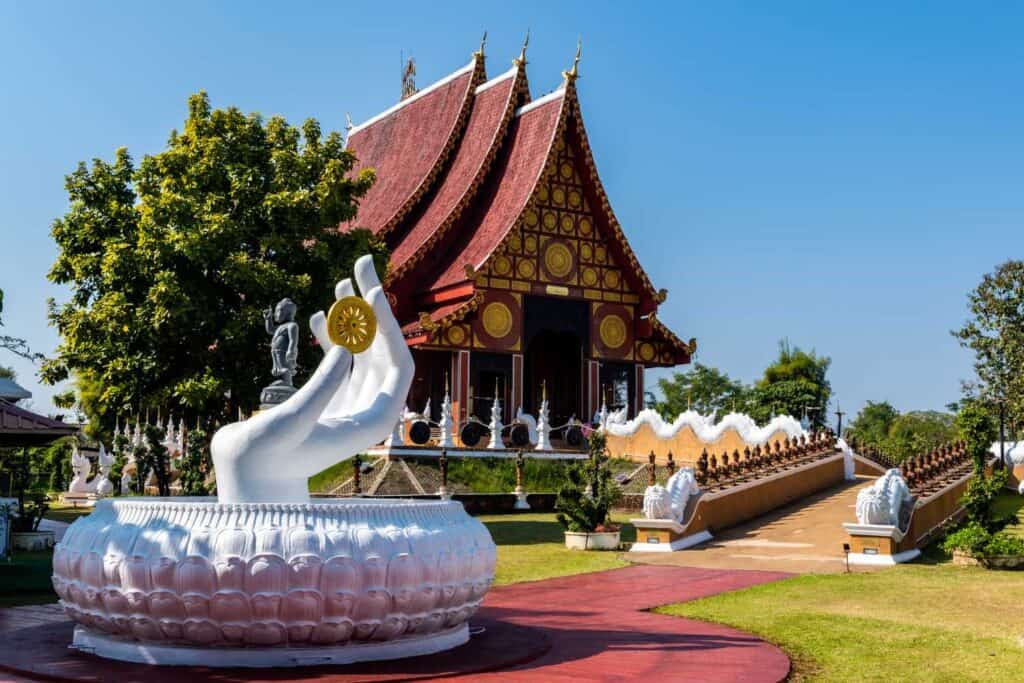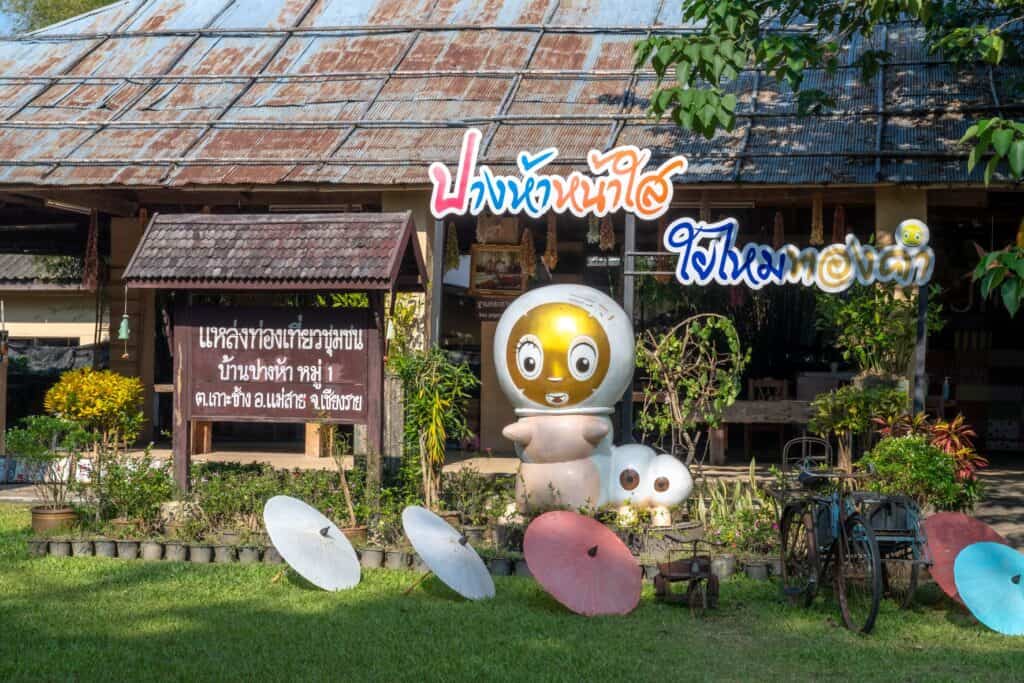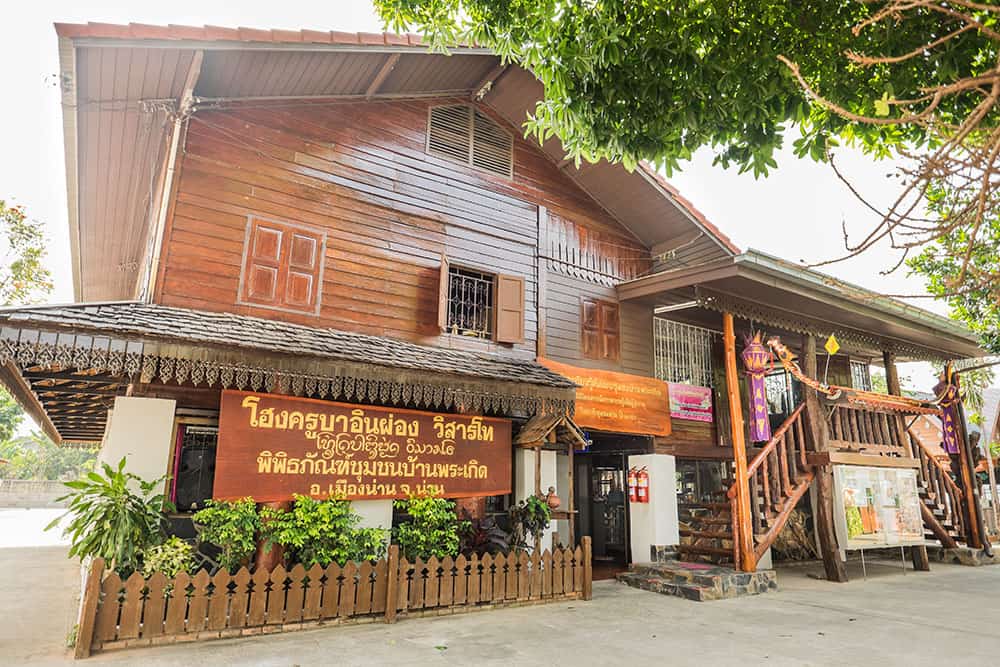
Ban Phra Koet Community Museum offers visitors a genuine glimpse into traditional Lanna village life through carefully preserved artifacts and local stories. This grassroots museum showcases the daily customs, agricultural practices, and cultural heritage of northern Thailand’s rural communities. Rather than polished displays, you’ll find authentic collections assembled by locals who want to share their ancestral knowledge with curious travelers seeking to understand Thailand beyond the tourist trail.
Traditional farming tools, handwoven textiles, and wooden household items fill the modest exhibition spaces, each piece telling stories of generations past. You’ll discover intricate silver jewelry worn during village ceremonies, examine ancient rice cultivation implements, and learn about traditional herbal medicine practices through displayed plants and preparation tools. Local guides often share personal anecdotes about how these objects were used in their grandparents’ time, bringing the exhibits to life with genuine warmth and knowledge. The museum also features rotating displays of local crafts, allowing visitors to see artisans at work creating bamboo baskets or traditional pottery.
Walking through this community-run space feels like visiting a beloved relative’s home rather than a formal museum. The intimate setting encourages conversation with local volunteers who eagerly share stories about their heritage and answer questions about rural Thai life. Children from the village sometimes visit during school trips, creating a lively multigenerational atmosphere where cultural knowledge passes naturally between young and old. The relaxed pace allows for meaningful connections with both the exhibits and the people who maintain this cultural treasure.
Plan to spend about an hour exploring the collections and chatting with local guides who speak basic English. The museum stays comfortably cool with fans rather than full air conditioning, so light, breathable clothing works best for your visit. Getting there requires a short drive from central Nan, easily arranged through local transport or as part of a village tour. Free admission makes this an accessible cultural experience that directly supports the local community’s preservation efforts.