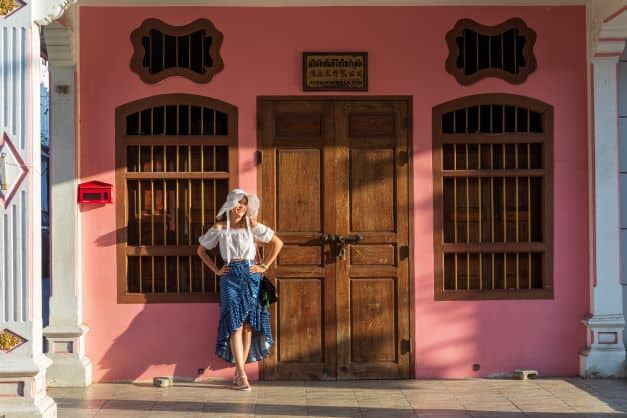
Phuket’s Peranakan Museum offers a fascinating glimpse into the rich cultural heritage of the Baba-Nyonya people, descendants of Chinese immigrants who settled in Southeast Asia centuries ago. This specialized museum showcases the unique blend of Chinese, Malay, and local Thai influences that created the distinctive Peranakan culture. The collection highlights how these communities preserved their traditions while adapting to local customs, creating something entirely unique in the process.
Step inside the air-conditioned galleries to discover an impressive array of traditional Peranakan artifacts, including intricately embroidered kebayas, ornate jewelry boxes inlaid with mother-of-pearl, and colorful Nyonya porcelain featuring delicate floral patterns. Interactive displays allow you to learn about traditional wedding ceremonies, complete with elaborate costumes and ceremonial items. The museum’s collection of vintage photographs brings the past to life, showing Peranakan families in their traditional dress. You’ll also find displays of traditional cooking utensils and serving ware that tell the story of Peranakan cuisine, known for its complex spice blends and unique fusion flavors.
Walking through the museum feels like stepping into a grandmother’s well-preserved home, where every object tells a story of cultural preservation and adaptation. The intimate setting creates a personal connection to the exhibits, making the Peranakan way of life feel immediate and relatable rather than distant history. The quiet, contemplative atmosphere encourages visitors to take their time examining the intricate details of each piece, from hand-stitched beadwork to carved wooden furniture.
Plan to spend about 1-2 hours exploring the collection thoroughly. The museum’s air conditioning provides welcome relief from Phuket’s tropical heat, making it an ideal midday activity. Early morning or late afternoon visits tend to be less crowded, allowing for a more leisurely experience. The museum is easily accessible by taxi or tuk-tuk from most areas in Phuket. Photography policies may vary, so check with staff upon arrival. This cultural experience offers valuable insight into an often-overlooked aspect of Southeast Asian heritage.