Authentic Thai Lue culture comes alive at Ban Nong Bua, where one of northern Thailand’s most distinctive ethnic communities maintains traditions dating back centuries. The Thai Lue people, originally from southern China’s Yunnan Province, settled in this peaceful village along the Sop Sai-Chiang Lae Road, creating a living museum of their rich heritage. Unlike touristy cultural shows, this village offers genuine interactions with families who still practice traditional crafts, speak their ancestral language, and live according to customs passed down through generations.
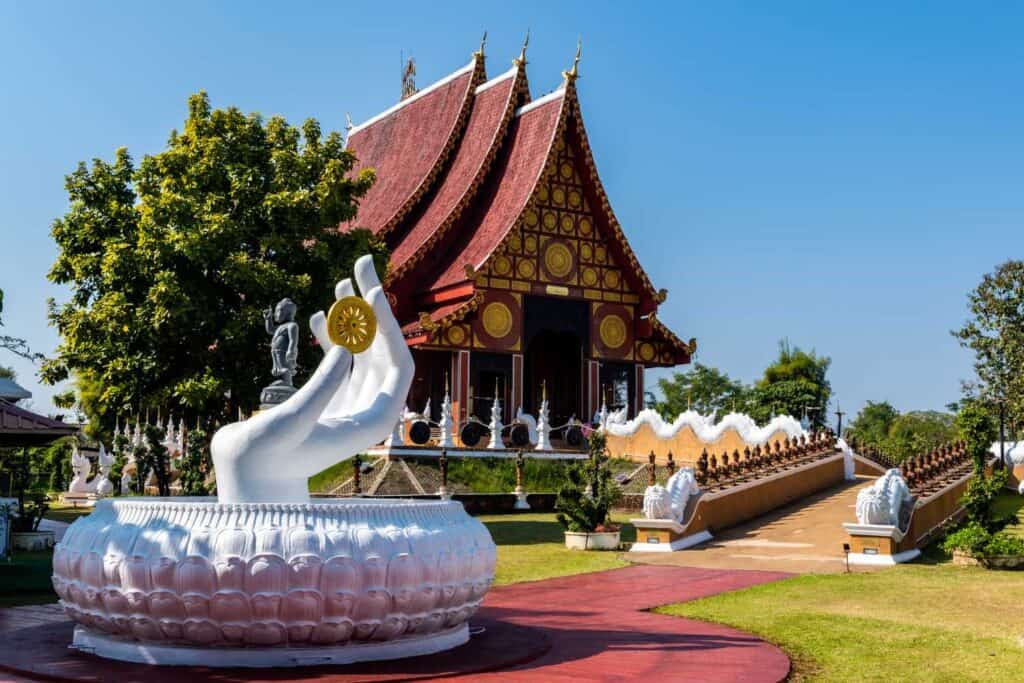
Traditional wooden houses on stilts line the village paths, their carved details and weathered teak telling stories of skilled craftsmanship. Watch elderly women work at wooden looms, creating intricate textiles with patterns that hold deep cultural meaning – the rhythmic clacking of the machines mingles with children’s laughter and the gentle sounds of rural life. Local artisans demonstrate bamboo weaving, pottery making, and traditional food preparation techniques. The village temple showcases distinctive Thai Lue architectural elements, while small gardens overflow with herbs and vegetables used in authentic regional cooking. Photography opportunities abound as daily life unfolds naturally around you.
Time moves differently here, following rhythms set by agricultural seasons rather than tourist schedules. Genuine warmth characterizes every interaction, as villagers share stories about their ancestors’ migration journey and explain the significance of their customs. The atmosphere feels refreshingly honest – no staged performances or manufactured experiences, just real people living their culture. Morning brings the sounds of roosters and temple bells, while evenings offer spectacular sunsets over rice fields stretching toward distant mountains.
Early morning visits between 8-10 AM offer the best glimpse of daily village routines, when families tend gardens and prepare traditional meals. The village lies approximately 20 kilometers from Chiang Rai city center, easily accessible by car or motorbike. Dress respectfully with covered shoulders and knees, especially when visiting the temple. Bring comfortable walking shoes for exploring dirt paths, and consider purchasing authentic textiles directly from the weavers – your purchase supports the community while preserving these ancient skills for future generations.