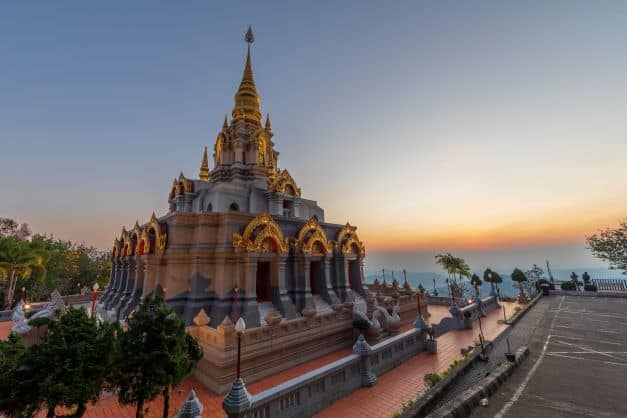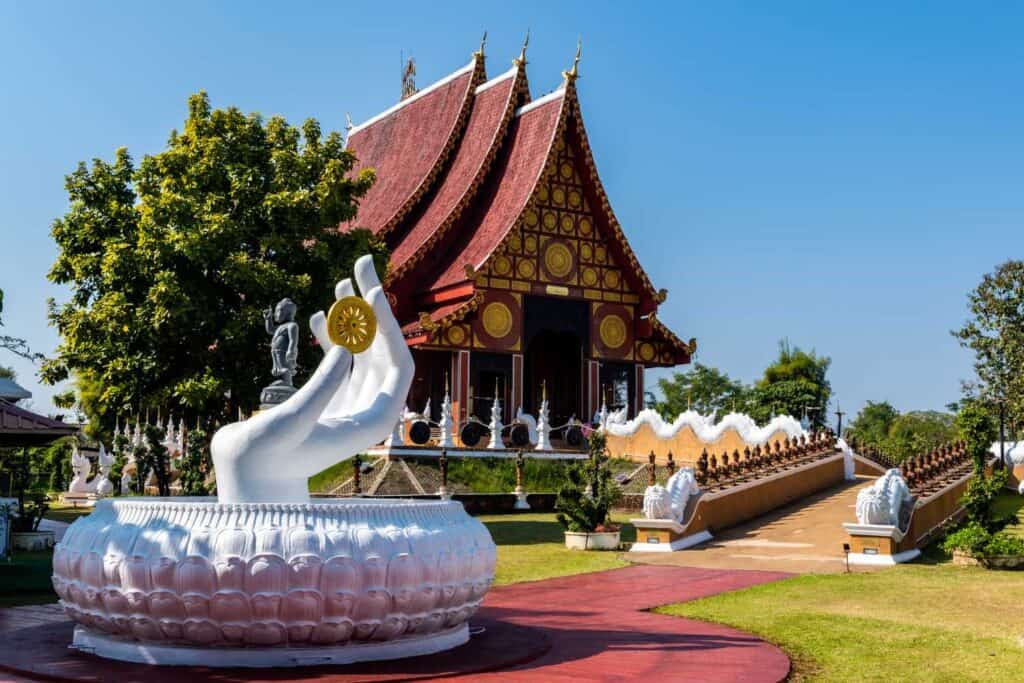
Ancient traditions meet modern devotion at Wat Ming Mueang, one of Chiang Rai’s most historically significant temples. This sacred site stands as a testament to the spiritual heritage that has shaped northern Thailand for centuries. Unlike the more touristed temples in the region, Wat Ming Mueang maintains its role as an active center of Buddhist worship, offering visitors an authentic glimpse into Thai religious life. The temple’s enduring importance to the local community makes it a compelling stop for those seeking to understand the cultural fabric of Chiang Rai.
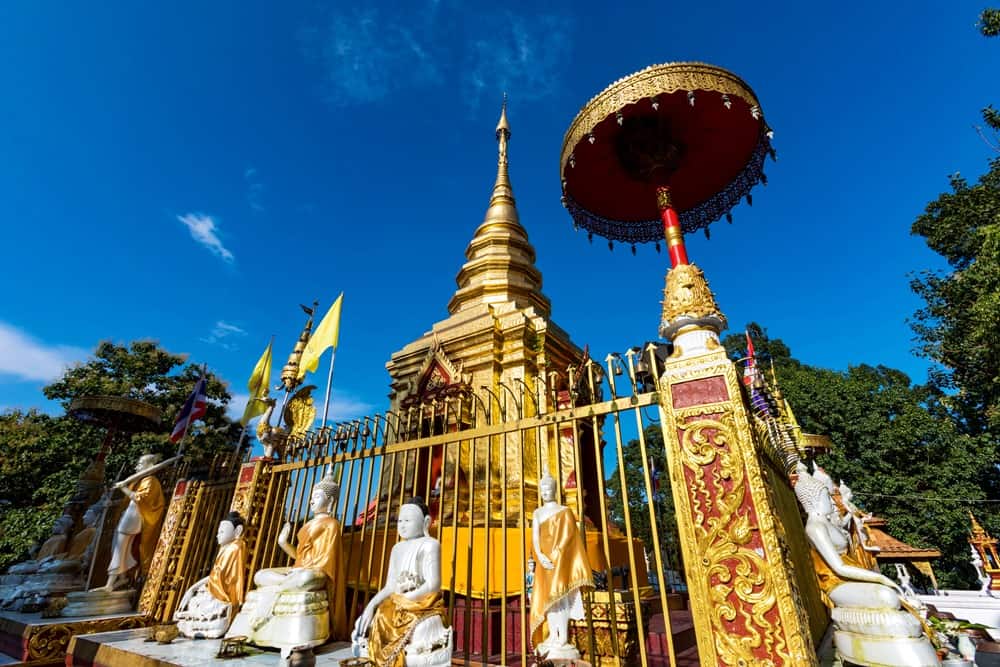
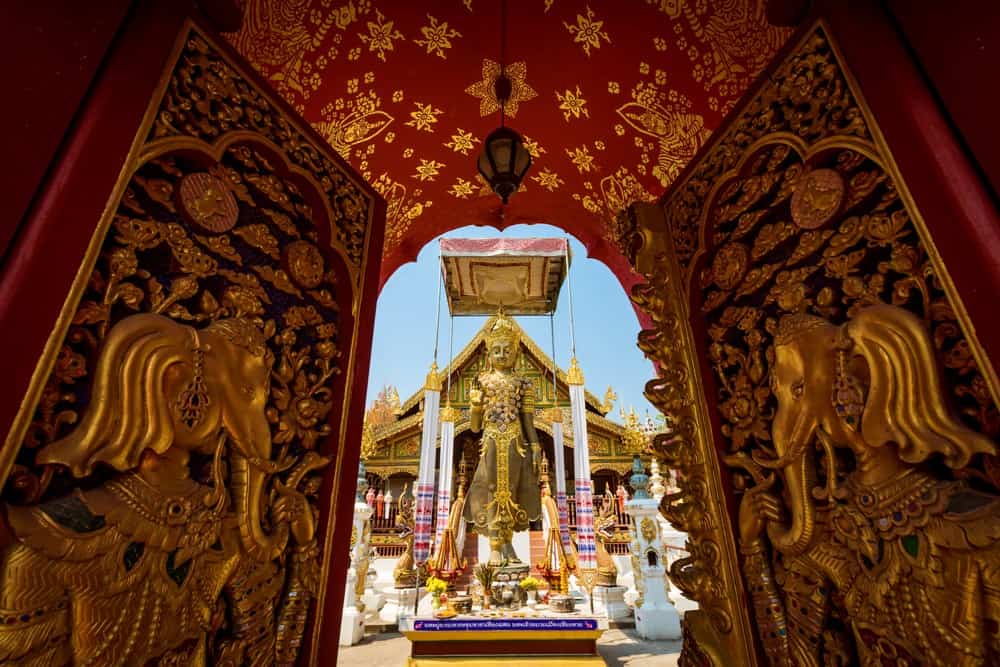
Walking through the temple grounds reveals layers of architectural detail and religious artistry that reflect centuries of Buddhist tradition. The main prayer hall houses ornate Buddha statues adorned with gold leaf, their serene expressions catching the filtered light that streams through traditional windows. Intricate murals depicting Buddhist teachings cover the interior walls, telling stories that have guided believers for generations. You’ll hear the gentle chanting of monks during prayer sessions, accompanied by the soft chime of temple bells and the rustle of prayer flags in the northern breeze. The sweet scent of burning incense mingles with tropical flowers from the temple gardens, creating a distinctly Thai sensory experience.
Tranquility permeates every corner of Wat Ming Mueang, from the quiet courtyards where locals come to meditate to the shaded areas where monks in saffron robes go about their daily routines. This peaceful environment offers respite from the bustling streets of Chiang Rai, allowing visitors to slow down and appreciate the contemplative aspects of Thai culture. The genuine devotion of regular worshippers creates an atmosphere of reverence that naturally encourages quiet reflection and cultural appreciation.
Early morning visits between 6-8 AM provide the best opportunity to witness daily Buddhist rituals and interact respectfully with the monastic community. The temple sits within central Chiang Rai, easily accessible by tuk-tuk, songthaew, or on foot from most downtown accommodations. Dress modestly with covered shoulders and long pants, and remove shoes before entering prayer halls. Bringing a small donation for the temple’s maintenance shows respect for this sacred space and supports the local Buddhist community’s continued stewardship of this important cultural site.