Before Chiang Mai became the cultural capital of northern Thailand, an earlier city thrived along the Ping River. Wiang Kum Kam represents the remains of this ancient settlement, predating the famous walled city by centuries. Archaeological discoveries here reveal a sophisticated urban center that once served as an important kingdom, complete with temples, residential areas, and intricate water management systems that supported a thriving civilization.
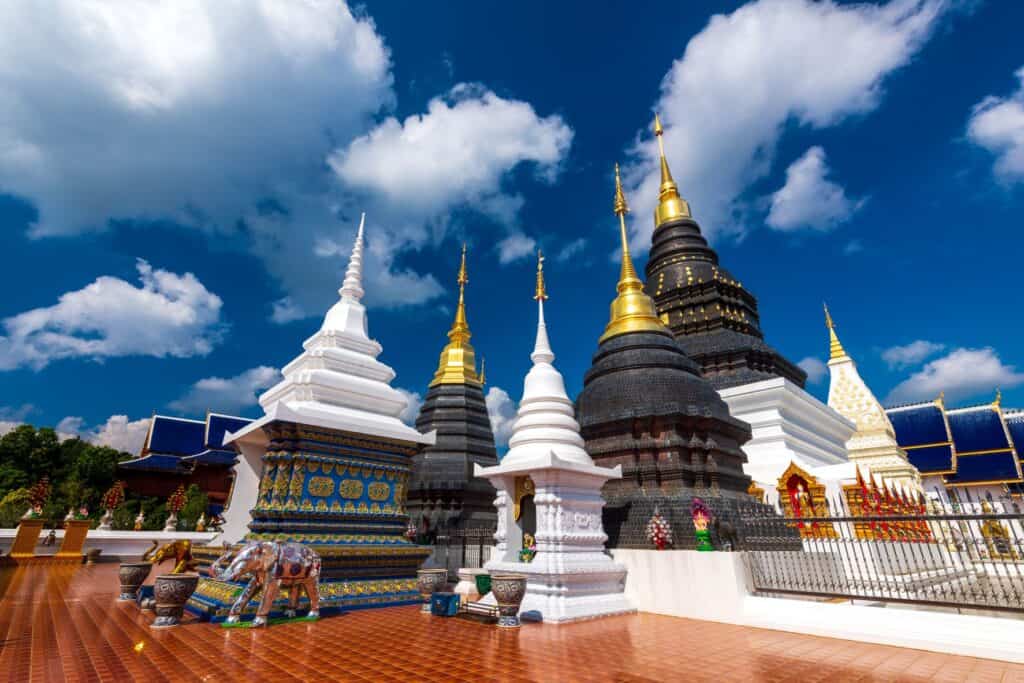
Scattered across the archaeological site, you’ll discover the weathered remnants of numerous temples and structures that tell the story of this forgotten city. The most impressive ruins include Wat Chedi Liem with its distinctive round chedi, and Wat E-Kang featuring well-preserved brick foundations and decorative elements. Walking between these ancient monuments, you’ll notice the intricate brickwork and stucco details that have survived centuries of monsoon rains and flooding. The site offers both walking tours and horse-drawn cart rides that wind through the excavated areas, allowing you to explore at a leisurely pace while guides explain the archaeological significance of each discovery.
Peace pervades this open-air museum where time seems suspended between past and present. Unlike busier historical sites, Wiang Kum Kam maintains an intimate atmosphere where you can contemplate the rise and fall of civilizations without crowds disrupting your thoughts. Local farmers still work the fields surrounding the ruins, creating an authentic rural backdrop that connects visitors to the agricultural heritage of the region. The juxtaposition of ancient stones against green rice paddies creates a contemplative environment perfect for photography and quiet reflection.
Early morning or late afternoon visits offer the most comfortable temperatures and ideal lighting for photography, while avoiding the midday heat. The site lies about 5 kilometers southeast of Chiang Mai’s city center, easily accessible by tuk-tuk, songthaew, or bicycle. Bring sun protection, comfortable walking shoes, and water, as shade is limited among the ruins. With free admission and relatively few tourists, this archaeological treasure provides an authentic glimpse into northern Thailand’s ancient past without the commercial atmosphere of more famous historical sites.
Location
Find a Place to Stay
More Chiang Mai Attractions