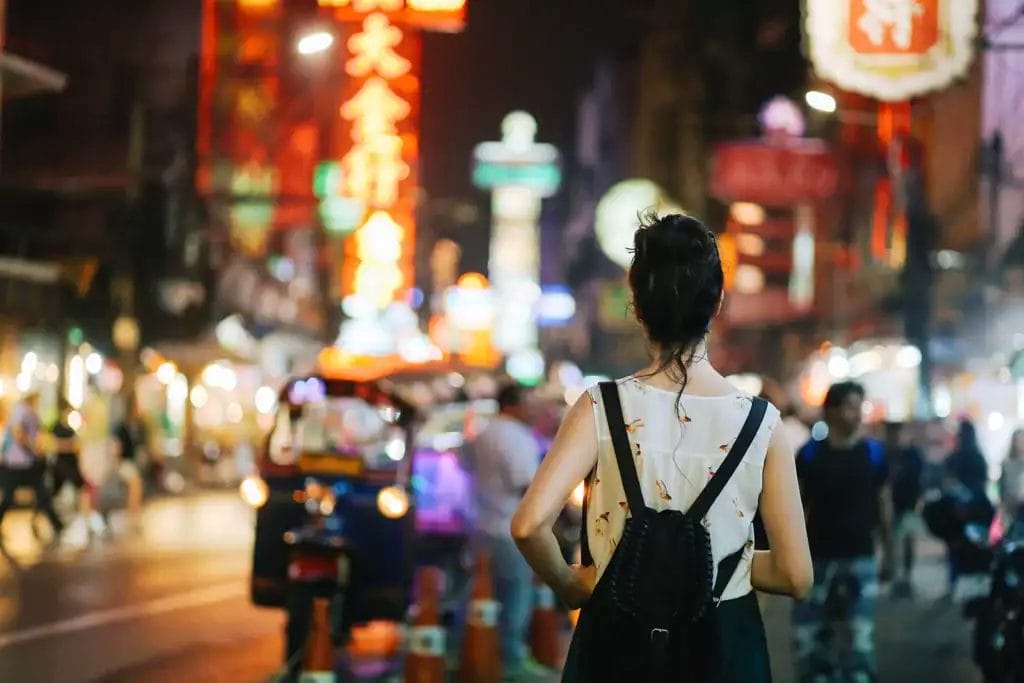
Thailand’s transport network is one of the best in Southeast Asia. Overnight sleeper trains, budget flights under $30, island ferries, and ride-hailing apps make it straightforward to get between cities, beaches, and mountains — even on a tight budget.
This guide covers every transport option available in 2026, with current prices, booking tips, and the scams to watch out for.
Thailand Transportation at a Glance
Sleeper Train BKK→CNX
From 300 THB (~$9)
Budget Domestic Flights
From 800 THB (~$23)
Bangkok BTS/MRT
17-42 THB per trip
Grab & Bolt
Nationwide ride-hailing
Island Ferries
200-800 THB per crossing
8 Transport Modes
Covered in this guide
Quick Cost Comparison
This table compares every transport mode in Thailand by cost, speed, and comfort to help you choose the right option for each journey.
| Transport Mode | Cost Range | Speed | Comfort | Best For |
|---|---|---|---|---|
| Domestic Flight | 800-3,000 THB | 1-1.5 hrs | High | Long distances (Bangkok-Phuket, Bangkok-Chiang Mai) |
| Sleeper Train | 300-1,500 THB | 8-16 hrs | Medium-High | Overnight travel, scenic routes |
| VIP Bus | 400-900 THB | 6-12 hrs | Medium | Budget long-distance, many routes |
| Minivan | 200-500 THB | 3-6 hrs | Low-Medium | Medium distances, smaller towns |
| Ferry/Speedboat | 200-800 THB | 1-4 hrs | Medium | Islands (Koh Samui, Koh Phangan, Phi Phi) |
| BTS/MRT (Bangkok) | 17-42 THB | — | High | Bangkok city travel |
| Grab/Bolt | 50-300 THB | — | High | Door-to-door, fixed pricing |
| Metered Taxi | 35 THB + 2/km | — | Medium | Bangkok (insist on meter) |
| Tuk-Tuk | 60-200 THB | — | Low | Short trips, the experience |
| Songthaew | 10-40 THB | — | Low | Cheapest local option outside Bangkok |
| Motorcycle Taxi | 20-100 THB | — | Low | Short hops, beating traffic |
Domestic Flights
Flying is the fastest way to cover long distances in Thailand. Bangkok to Chiang Mai takes just over an hour by air versus 10+ hours by train or bus. With four budget carriers competing on most routes, fares start as low as 800 THB ($23 USD) if you book 2-3 weeks ahead.
Major airlines:
- AirAsia — Largest budget carrier. Flies Bangkok (Don Mueang) to Chiang Mai, Phuket, Krabi, Hat Yai, Udon Thani, and more. Bags cost extra.
- Nok Air — Flies from Don Mueang. Similar routes to AirAsia with slightly better baggage allowances on some fares.
- Thai VietJet — Ultra-low-cost. Aggressive sales with fares sometimes under 500 THB. Flies from Suvarnabhumi.
- Thai Smile / Thai Airways — Full-service. Flies from Suvarnabhumi. Better for those wanting included baggage and meals.
- Bangkok Airways — Only airline flying direct to Koh Samui (monopoly route — fares are higher). Also covers Chiang Mai, Krabi, Sukhothai.
Tip: Bangkok has two airports. Don Mueang (DMK) handles most budget carriers. Suvarnabhumi (BKK) handles Thai Airways, Thai VietJet, and Bangkok Airways. Allow 60-90 minutes to transfer between them by bus or taxi if connecting.
Booking tips: Book directly on airline websites for the best fares. Use Skyscanner to compare prices across airlines. Domestic flights don’t require a passport for Thai nationals, but foreign visitors should carry theirs.
Trains
Thailand’s State Railway (SRT) network covers four main lines radiating from Bangkok’s Hua Lamphong and Krung Thep Aphiwat (Bang Sue Grand) stations. Trains are slow compared to flying, but overnight sleeper services let you save a night’s accommodation while traveling.
The four main lines:
- Northern Line — Bangkok → Ayutthaya → Phitsanulok → Chiang Mai (overnight sleeper, 10-13 hours)
- Northeastern Line — Bangkok → Nakhon Ratchasima (Korat) → Ubon Ratchathani or Nong Khai (Laos border)
- Eastern Line — Bangkok → Pattaya → Aranyaprathet (Cambodia border)
- Southern Line — Bangkok → Hua Hin → Chumphon → Surat Thani (for Koh Samui ferry) → Hat Yai → Malaysia border
Classes and fares:
- 1st Class Sleeper — Private 2-berth cabin with A/C. Bangkok to Chiang Mai from ~1,500 THB. Limited availability — book weeks ahead.
- 2nd Class Sleeper (A/C) — Open berths with curtains. Bangkok to Chiang Mai from ~800 THB. The most popular option for tourists.
- 2nd Class Seat — Fan-cooled or A/C day carriages. Comfortable for shorter trips (Bangkok to Ayutthaya, 1.5 hours, ~60 THB).
- 3rd Class — Hard bench seats, no A/C. Bangkok to Chiang Mai from ~300 THB. An experience in itself — bring snacks and patience.
How to book: Book through 12Go for English-language booking with e-tickets delivered to your email. The official SRT website (dticket.railway.co.th) also sells tickets online but the interface is less intuitive. Tickets go on sale 90 days before departure — sleeper berths on popular routes sell out 2-3 weeks ahead during peak season (December-February).
Scenic route: The Bangkok to Chiang Mai overnight sleeper is one of Thailand’s great travel experiences. Depart in the evening, have dinner from the food vendors who walk through the carriages, fall asleep to the gentle rocking, and wake up in the mountains. Request an upper berth for a bit more space and a window.
Book Thailand Train Tickets on 12Go
Compare schedules, classes, and prices for all Thai train routes. E-tickets delivered to your email — no printing needed.
Buses and Minivans
Thailand’s bus network reaches places trains don’t. Government-run buses depart from official terminals in every major city, while private VIP coaches offer more comfort on popular routes.
Bus classes:
- VIP/First Class (24 seats) — Wide reclining seats, A/C, blankets, snacks, onboard toilet. Bangkok to Chiang Mai ~550-700 THB.
- 2nd Class (A/C) — Standard coaches, 40+ seats. Most common for medium routes. Bangkok to Hua Hin ~200 THB.
- Minivans — 12-15 seats, faster than buses but less comfortable. Run to smaller destinations. Bangkok to Kanchanaburi ~130 THB. Drivers can be aggressive — not the most relaxing ride.
Booking: Buy tickets at bus stations, or book online through 12Go for guaranteed seats with English confirmation. Major companies include Nakhonchai Air (VIP), Sombat Tour (VIP), and Transport Co. (government). Avoid unmarked buses offered by touts outside stations — stick to the official ticket counters inside.
Warning: If someone at a bus station tells you “the bus station is closed” or “your bus is cancelled,” ignore them. This is a common scam to redirect you to a more expensive private minivan or travel agency. Walk inside the terminal and check the schedule yourself.
Ferries and Boats
Ferries connect Thailand’s mainland to its islands. Two main systems operate on opposite coasts, with different operators and seasons.
Gulf of Thailand (east coast):
- Lomprayah — High-speed catamarans connecting Chumphon/Surat Thani with Koh Samui, Koh Phangan, and Koh Tao. The fastest operator but sailings can be cancelled in rough weather.
- Seatran Ferry — Slightly slower but more stable ships on the same Gulf routes. Better for those prone to seasickness.
- Raja Ferry — Car ferries between Donsak and Koh Samui. The only option if you’re bringing a vehicle.
Andaman Sea (west coast):
- Phuket to Koh Phi Phi — Multiple daily ferries, 1.5-2 hours, from 400 THB.
- Krabi to Koh Lanta — Ferry + minivan combo, or speedboat.
- Pak Bara to Koh Lipe — Speedboats from Pak Bara pier (Satun province), 1.5 hours. Andaman routes operate November-May only.
Combined tickets: The easiest way to reach an island from Bangkok is a combined bus+ferry or train+ferry ticket. 12Go sells combined tickets that include the overland transfer and ferry in a single booking — you don’t need to arrange each leg separately.
Tip: Andaman Sea ferry services to Koh Lipe, Koh Lanta (from some piers), and smaller islands shut down during monsoon season (May-October) due to rough seas. Gulf of Thailand ferries to Koh Samui, Koh Phangan, and Koh Tao run year-round but may have reduced schedules in November.
Book Ferry & Combined Tickets on 12Go
Bus+ferry and train+ferry combo tickets to Thai islands — one booking covers the entire journey including transfers.
Bangkok Public Transport
Bangkok has the most developed public transport in Thailand. The rail network has expanded significantly, with new MRT lines opening in recent years.
Rail systems:
- BTS Skytrain — Two elevated lines (Sukhumvit and Silom) covering central Bangkok. Fares 17-47 THB. Covers Siam, Silom, Chatuchak, and Phrom Phong areas. Runs 6:00-midnight.
- MRT Blue Line — Underground loop connecting Hua Lamphong, Chatuchak, Bang Sue, and extends to the western suburbs. Fares 17-42 THB.
- MRT Purple Line — Connects Bang Yai (northwest suburbs) to Tao Poon, linking to the Blue Line.
- MRT Yellow Line — Monorail from Lat Phrao to Samrong, connecting the northeast to the BTS Sukhumvit Line.
- MRT Pink Line — Monorail from Khae Rai to Min Buri, serving the northern suburbs.
- Airport Rail Link (ARL) — Connects Suvarnabhumi Airport to Phaya Thai (BTS interchange) in 30 minutes. 15-45 THB.
- SRT Red Line — Commuter rail from Bang Sue to Rangsit (northern suburbs) and Taling Chan (west).
Mangmoom Card and Tickets
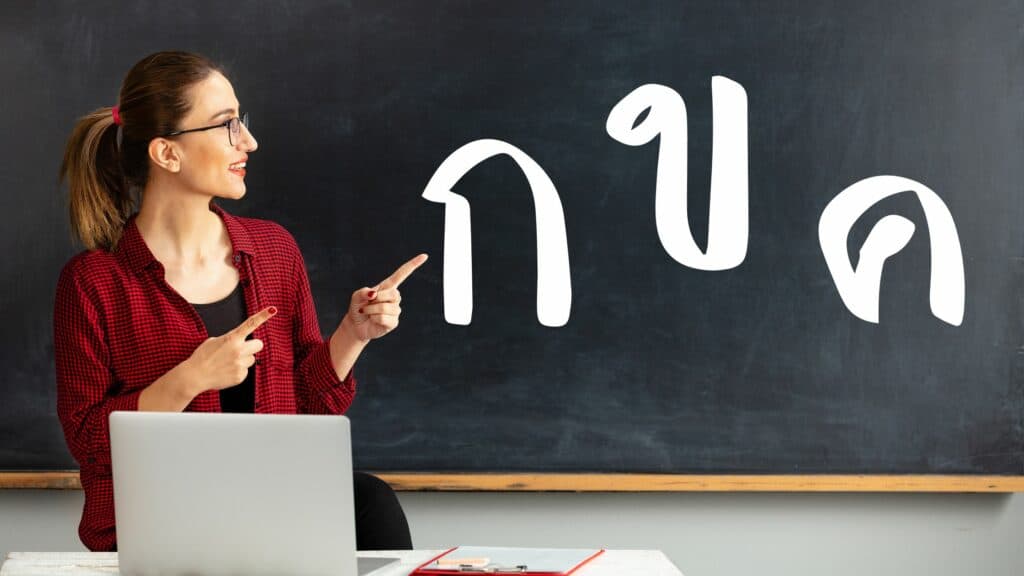
The Mangmoom card (แมงมุม, meaning “spider”) is Thailand’s interoperable transit card, launched in August 2025. It works on the MRT Blue, Purple, Yellow, and Pink lines, the Airport Rail Link, and SRT Red Line — but not on the BTS (which uses its own Rabbit card).
Buy a Mangmoom card at any MRT station (100 THB deposit + top-up). For the BTS, you’ll need a separate Rabbit card (200 THB, including 100 THB value) or single-journey tokens from machines at BTS stations.
Chao Phraya Express Boats: River boats run along the Chao Phraya River through central Bangkok. The orange-flag boats (15 THB flat fare) are the most useful for tourists — they stop at major attractions including the Grand Palace, Wat Arun, and Chinatown. Buy tickets at the pier before boarding.
Taxis and Ride-Hailing Apps
Ride-hailing apps have transformed getting around Thai cities. They’re safer and more convenient than street taxis for visitors who don’t speak Thai.
Grab vs Bolt
| Grab | Bolt | |
|---|---|---|
| Coverage | Bangkok, Chiang Mai, Phuket, and some other cities | 35+ cities including smaller towns |
| Price | Standard | Typically 10-20% cheaper |
| Car types | Car, Premium, motorbike (GrabBike) | Car, Economy, motorbike (Bolt Moto) |
| Payment | Cash, card, GrabPay | Cash, card |
| Food delivery | GrabFood (very popular) | Bolt Food |
| Wait times | 1-5 min in Bangkok | 1-5 min in Bangkok |
Tip: Save your hotel address in Thai on your phone. Even with ride-hailing apps, having the Thai name and address helps if drivers call to confirm the location. Screenshot the Thai text from Google Maps.
Metered taxis: Bangkok metered taxis start at 35 THB and charge about 2 THB per kilometre. Always insist the driver uses the meter — if they refuse, close the door and flag another one. Meter-refusal is most common at tourist hotspots and during rush hour.
MuvMi: An electric tuk-tuk ride-sharing app in Bangkok. Covers popular tourist areas around Silom, Sukhumvit, and university zones. Book via the MuvMi app for short trips at fixed prices (20-60 THB).
Tuk-Tuks
The iconic three-wheeled tuk-tuks are a Thailand experience, but they’re rarely the cheapest or fastest option. They don’t have meters, so you must agree on a price before getting in.
What to pay: A short hop (1-2 km) should cost 60-100 THB. Longer rides of 3-5 km run 100-200 THB. In tourist areas, drivers will often start at 200-300 THB — negotiate or walk away. A Grab ride on the same trip is almost always cheaper.
Scam alert: If a tuk-tuk driver offers you a ride for 20-50 THB “with one stop,” decline. The “stop” is usually a gem shop or tailor where the driver earns a commission. You’ll waste an hour being pressured to buy overpriced goods. This is Bangkok’s most persistent tourist scam.
Songthaew and Motorcycle Taxis
Songthaew (สองแถว, “two rows”) are converted pickup trucks with bench seats in the back. They operate as shared taxis on fixed routes in cities like Chiang Mai, Phuket, Pattaya, and most smaller towns. Flag one down on the road, tell the driver your destination, and hop on the back. Fares are typically 20-40 THB for in-town routes.
In Chiang Mai, red songthaew circle the old city for 30 THB per person. In Pattaya, blue songthaew run along Beach Road for 10 THB.
Motorcycle taxis (identified by orange vests) are the fastest way to cover short distances in traffic. Find them clustered at street corners and BTS/MRT stations in Bangkok. A typical 1-3 km ride costs 20-60 THB. They don’t always provide helmets — ask for one.
Popular Routes: How to Get There
These are the most-traveled routes in Thailand, with the best transport options for each.
Bangkok to Chiang Mai
| Option | Duration | Cost | Notes |
|---|---|---|---|
| Flight | 1 hr 15 min | 800-2,500 THB | Multiple daily flights on AirAsia, Nok Air, Thai VietJet |
| Sleeper Train | 10-13 hrs | 300-1,500 THB | Overnight departure ~18:00, arrives ~07:00. Book on 12Go |
| VIP Bus | 9-10 hrs | 500-700 THB | Nakhonchai Air departs Mo Chit terminal every 1-2 hours |
Best option: The overnight sleeper train is the most popular tourist experience. Fly if you’re short on time. The bus is the cheapest A/C option but also the slowest.
Bangkok to Phuket
| Option | Duration | Cost | Notes |
|---|---|---|---|
| Flight | 1 hr 20 min | 900-3,000 THB | Most frequent route in Thailand. All carriers operate it. |
| VIP Bus | 11-12 hrs | 600-900 THB | Overnight departure. Book on 12Go |
Best option: Fly. There’s no direct train to Phuket — the nearest train station is Surat Thani (5 hours by bus from Phuket). With flights regularly under 1,000 THB, the bus only makes sense if you enjoy long road trips.
Bangkok to Koh Samui
| Option | Duration | Cost | Notes |
|---|---|---|---|
| Flight (direct) | 1 hr 10 min | 2,500-6,000 THB | Bangkok Airways only — monopoly route, expensive |
| Flight to Surat Thani + Ferry | 3-4 hrs total | 1,200-2,500 THB | Budget airlines to Surat Thani, then ferry to Samui |
| Train + Ferry combo | 12-15 hrs | 600-1,200 THB | Overnight train to Chumphon/Surat Thani + morning ferry. Book combined ticket on 12Go |
| Bus + Ferry combo | 10-12 hrs | 500-800 THB | Cheapest option. Overnight VIP bus + morning ferry. |
Best option: The combined train+ferry ticket via 12Go offers the best value. Take the overnight sleeper to Chumphon, then catch the morning catamaran to Koh Samui. Direct flights on Bangkok Airways are convenient but expensive.
Bangkok to Krabi
| Option | Duration | Cost | Notes |
|---|---|---|---|
| Flight | 1 hr 20 min | 900-2,800 THB | AirAsia, Nok Air, Thai VietJet. Direct flights daily. |
| VIP Bus | 10-11 hrs | 600-800 THB | Overnight departure. Book on 12Go |
| Train to Surat Thani + Bus | 12-14 hrs | 500-1,000 THB | Indirect but scenic route |
Best option: Fly. Budget fares to Krabi are frequently under 1,000 THB. From Krabi, ferries and speedboats connect to Koh Phi Phi, Koh Lanta, and Railay Beach.
Island Hopping
Thailand’s islands cluster into two groups. Plan your route based on the coast you’re exploring:
Gulf of Thailand circuit: Koh Samui → Koh Phangan (30 min ferry) → Koh Tao (1.5 hr ferry). All three connected by frequent Lomprayah and Seatran ferries. Book Gulf ferries on 12Go.
Andaman Sea circuit: Phuket → Koh Phi Phi (1.5 hr ferry) → Krabi → Koh Lanta (1 hr ferry). From Koh Lanta, you can continue south to Koh Lipe during high season (Nov-May) via speedboat. Book Andaman ferries on 12Go.
Book Any Thailand Route on 12Go
Trains, buses, ferries, and combined tickets across Thailand. Compare operators, schedules, and prices in one search.
Driving and Motorbike Rental
Renting a car or motorbike gives you freedom to explore at your own pace, especially in rural areas and islands where public transport is limited. But Thailand drives on the left, traffic in cities is chaotic, and road safety standards are lower than in Western countries.
Requirements:
- International Driving Permit (IDP) — Required by law for driving any vehicle. Get one before leaving your home country (most auto clubs issue them for $20-30).
- Insurance — Confirm the rental includes comprehensive insurance. Many cheap motorbike rentals only include third-party liability, leaving you responsible for damage to the bike.
- Passport — Never leave your passport as a deposit. Offer a photocopy or cash deposit instead. Reputable rental shops won’t hold your passport.
Motorbike rental costs 200-350 THB/day for a 125cc scooter. Car rental starts around 800-1,500 THB/day. Always photograph the vehicle’s existing damage before riding away.
Safety note: Thailand has one of the highest road fatality rates in the world. If you’re not experienced on a motorbike, consider using ride-hailing apps instead. Always wear a helmet — it’s the law and Thai police do enforce it, especially on islands where checkpoints are common.
Essential Travel Apps
Download these before you arrive:
- Grab — Ride-hailing, food delivery, courier. The Southeast Asian equivalent of Uber. Works in all major Thai cities.
- Bolt — Ride-hailing alternative. Often cheaper than Grab, especially outside Bangkok. Covers 35+ Thai cities.
- Google Maps — Accurate for Thailand. Shows real-time transit routes for Bangkok BTS/MRT and some bus routes.
- ViaBus — Bangkok bus tracking app. Shows real-time locations of Bangkok’s public buses on a map. Essential if you want to use the city bus network.
- 12Go — Book trains, buses, and ferries across Thailand. Available as an app and website. Useful for comparing options and booking in advance.
- Google Translate — The camera feature reads Thai signs in real-time. Download the Thai language pack for offline use.
Tip: Most of these apps need mobile data. Set up an eSIM before you fly so you have data the moment you clear immigration.
Transport Scams to Avoid
Most Thai people are genuinely helpful, but tourist areas attract scams. Knowing these in advance saves you money and frustration.
- The gem shop tuk-tuk — A tuk-tuk offers a suspiciously cheap ride “with one stop” at a government gem store or factory outlet. There is no such thing. You’ll be pressured to buy overpriced, low-quality gems. Decline any ride that includes a stop.
- “The bus station is closed” — Someone at or near a bus station tells you the station is closed, your bus is cancelled, or there’s no bus today. They direct you to a more expensive private minivan. Ignore them and go inside the terminal.
- Taxi meter refusal — The driver says the meter is “broken” and quotes a flat fare (always higher). Close the door and find another taxi. In Bangkok, there’s always another one within 30 seconds.
- Motorbike damage scam — When you return a rented motorbike, the shop claims you caused pre-existing scratches and demands payment. Prevention: photograph every scratch and dent before you ride away, and email the photos to yourself with a timestamp.
- Pier overcharging — At ferry terminals, unofficial ticket sellers offer “VIP” tickets at inflated prices. Buy tickets from the official counter inside the terminal, or book online in advance through 12Go.
Budget Travel Tips
- Book trains and buses on 12Go — compare all operators on one screen and see exact departure times.
- Take overnight transport — sleeper trains and VIP buses save you a hotel night.
- Fly midweek — Tuesday and Wednesday flights are cheaper than Friday and Sunday.
- Use Bolt over Grab — consistently 10-20% cheaper on the same routes.
- Eat where the songthaew stops — Songthaew routes pass local markets and food stalls. Follow the drivers at lunchtime.
- Avoid private minivans from travel agents — they cost 2-3x the price of the same bus from the official terminal.
- Bangkok public transport — BTS and MRT are cheaper than taxis for distances over 3 km, with no traffic delays.
Frequently Asked Questions
What is the cheapest way to travel around Thailand?
Buses and 3rd class trains are the cheapest options. A 3rd class train from Bangkok to Chiang Mai costs about 300 THB ($9 USD), while VIP buses range from 400-700 THB. For short distances in cities, songthaew (shared pickup trucks) cost as little as 10-30 THB. Overnight trains and buses also save you a night’s accommodation.
Is it safe to travel by train in Thailand?
Yes, trains are one of the safest ways to travel in Thailand. The State Railway of Thailand (SRT) operates the network with a good safety record. Sleeper carriages are well-maintained and popular with families and solo travelers. Petty theft is rare but keep valuables close, especially in 3rd class.
Can I use Grab in Thailand?
Yes, Grab is widely used in Bangkok, Chiang Mai, Phuket, Pattaya, and other major cities. You can book cars and motorbikes, pay by cash or card, and the fare is set upfront — no haggling or meter issues. Bolt is a popular alternative that’s often cheaper.
Do I need an International Driving Permit to drive in Thailand?
Legally, yes. An International Driving Permit (IDP) is required for all foreign drivers, including motorbikes. Get one from your home country’s auto club before you travel (it usually costs $20-30 and is valid for one year). Without an IDP, your travel insurance may not cover you in an accident.
How do I get from Bangkok to Chiang Mai?
Three options: fly (1 hour 15 min, from 800 THB on budget carriers), take the overnight sleeper train (10-13 hours, from 300 THB in 3rd class or 800 THB for a 2nd class A/C berth), or ride a VIP bus (9-10 hours, 500-700 THB). The sleeper train is the most popular tourist experience. Book trains through 12Go for English e-tickets.
What is the Mangmoom card and where can I use it?
The Mangmoom (Spider) card is Thailand’s interoperable transit card, launched in August 2025. It works on the MRT Blue, Purple, Yellow, and Pink lines, the Airport Rail Link, and SRT Red Line. It does not work on the BTS Skytrain (which requires a separate Rabbit card). Buy one at any MRT station for a 100 THB refundable deposit plus your top-up amount.