


Koh Samui
เกาะสมุย
Big Gulf island, from lively Chaweng to the old Fisherman's Village at Bophut.
- Best time
- Jan–Sep (driest)
- From Bangkok
- 1h flight (USM)
- How long
- 5–7 days
- Getting around
- Songthaew, taxi, or hired scooter
Updated September 2026
Plan your trip
Recommended by us

Fisherman's Village Walking Street
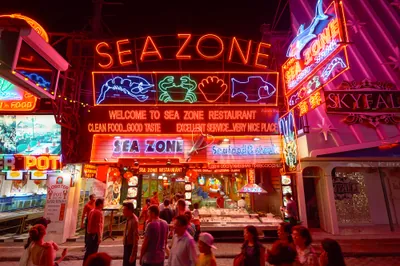
Bophut's Friday night market: old Chinese shophouses, decent food stalls, local crafts. The right-sized version of a Thai night market: busy enough to feel alive, not so packed you can't browse.

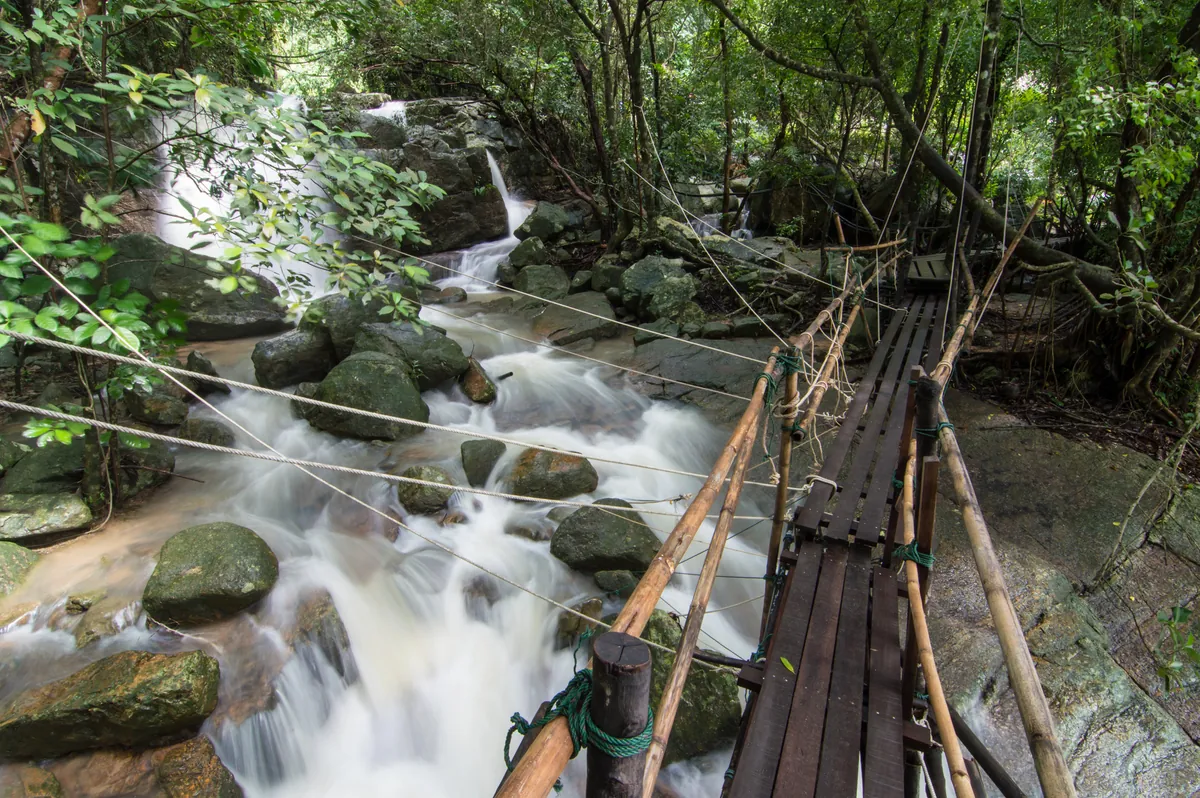
Na Muang Waterfall
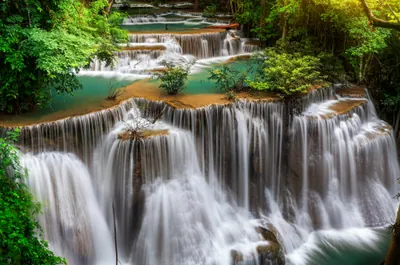
Samui's most accessible waterfall, inland from the south coast. The upper tier (Na Muang 2) is a 30-minute jungle walk and worth the extra effort; lower pools are fine for a swim.

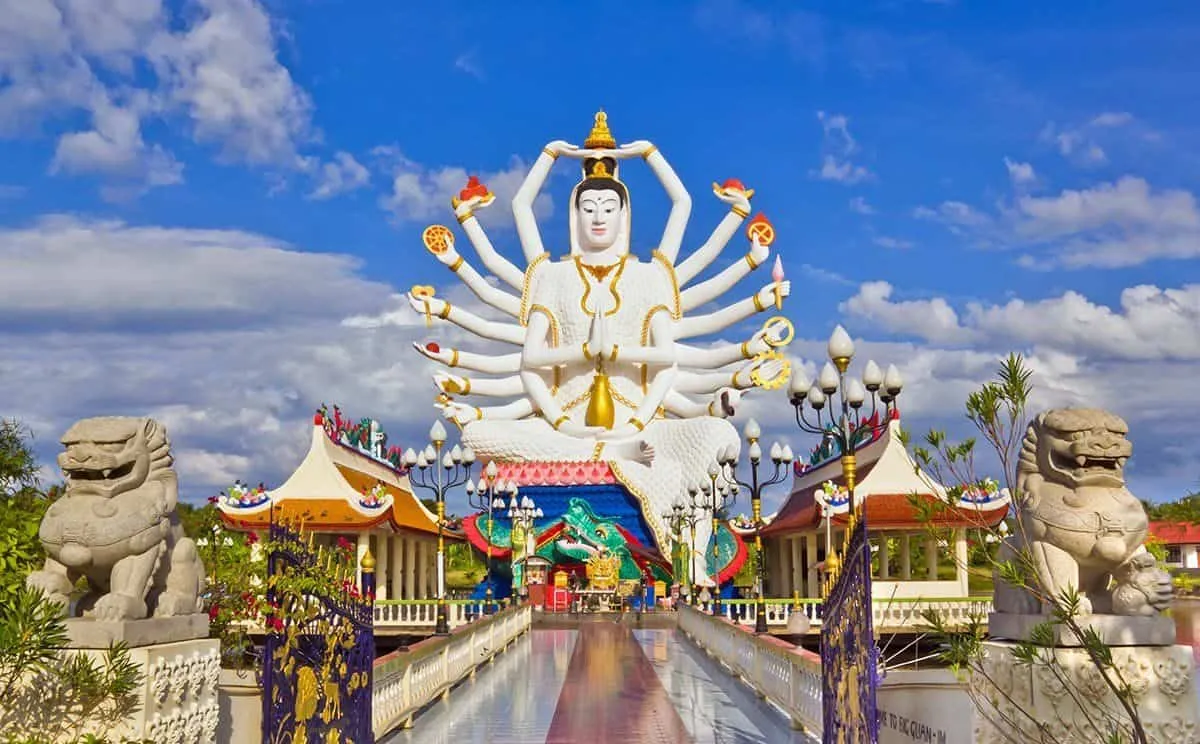
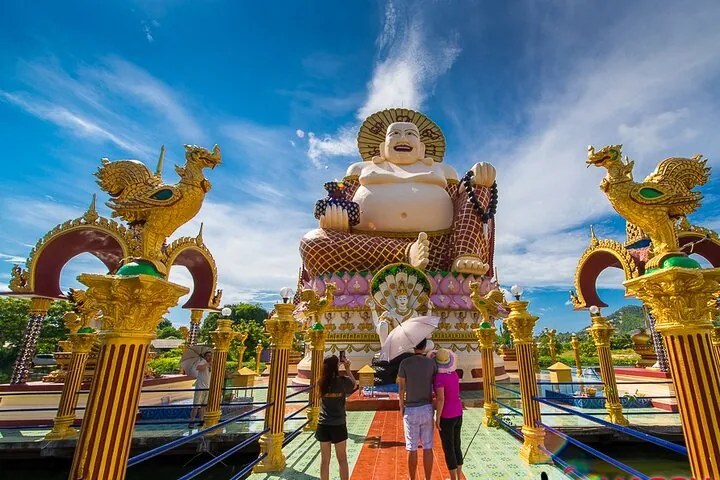
Wat Plai Laem
The temple on the lake in the northeast, with a 18-armed Guanyin statue and a giant laughing Buddha. Quieter than the Big Buddha next door and more photogenic at the right light.

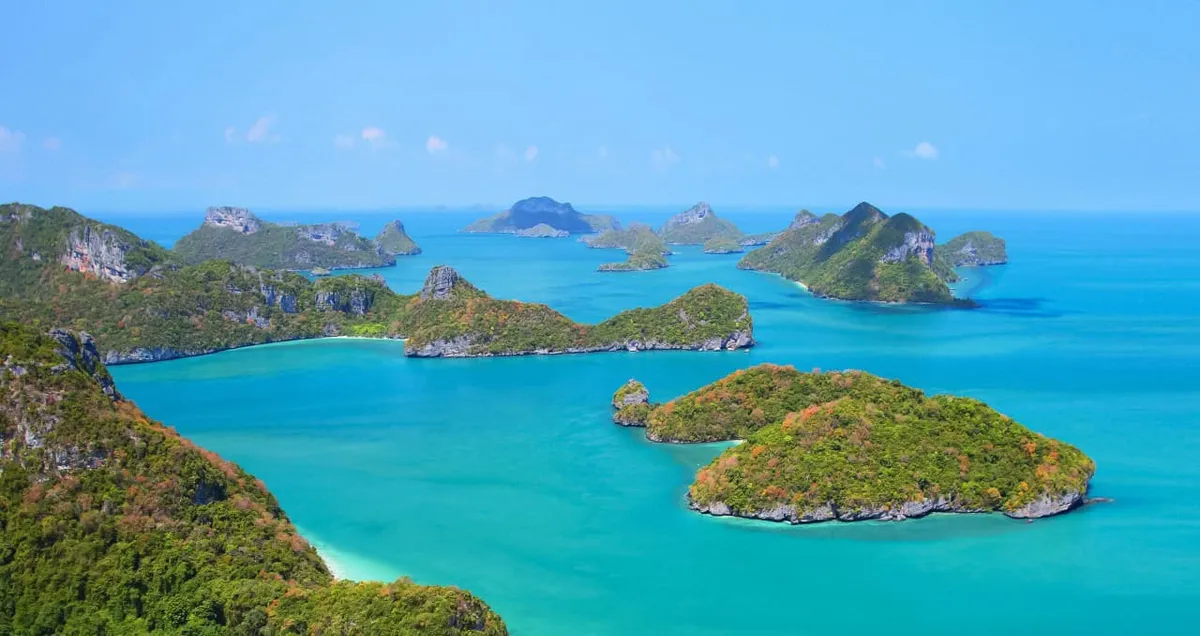
Ang Thong Marine Park
42 uninhabited islands a short boat ride from Samui. The emerald lagoon on Koh Mae Ko is what you've seen on every poster, and it actually looks like that.

Half-day Samui highlights
A 4.9 from 1,457 guests: covers the Big Buddha, Hin Ta Hin Yai rocks and Na Muang in a half day. Efficient if you're only here for a short stay.

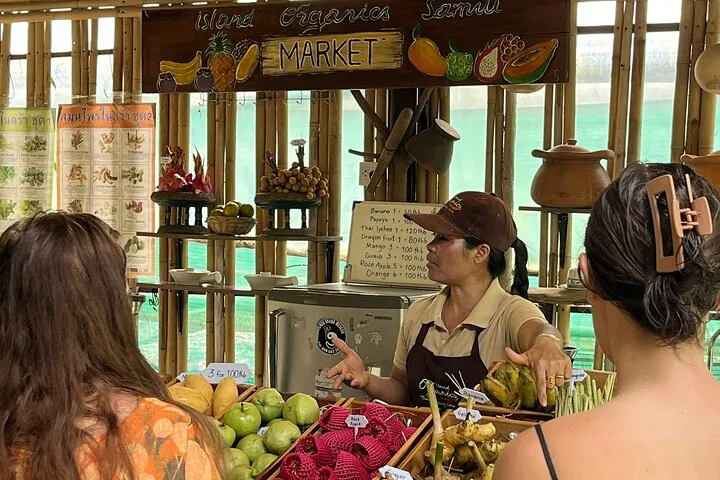
Farm-to-table cooking class
A clean 5.0 from 519 cooks. Running since 2012: market visit, herb picking on the farm, then you cook and eat. Genuine small-group feel.
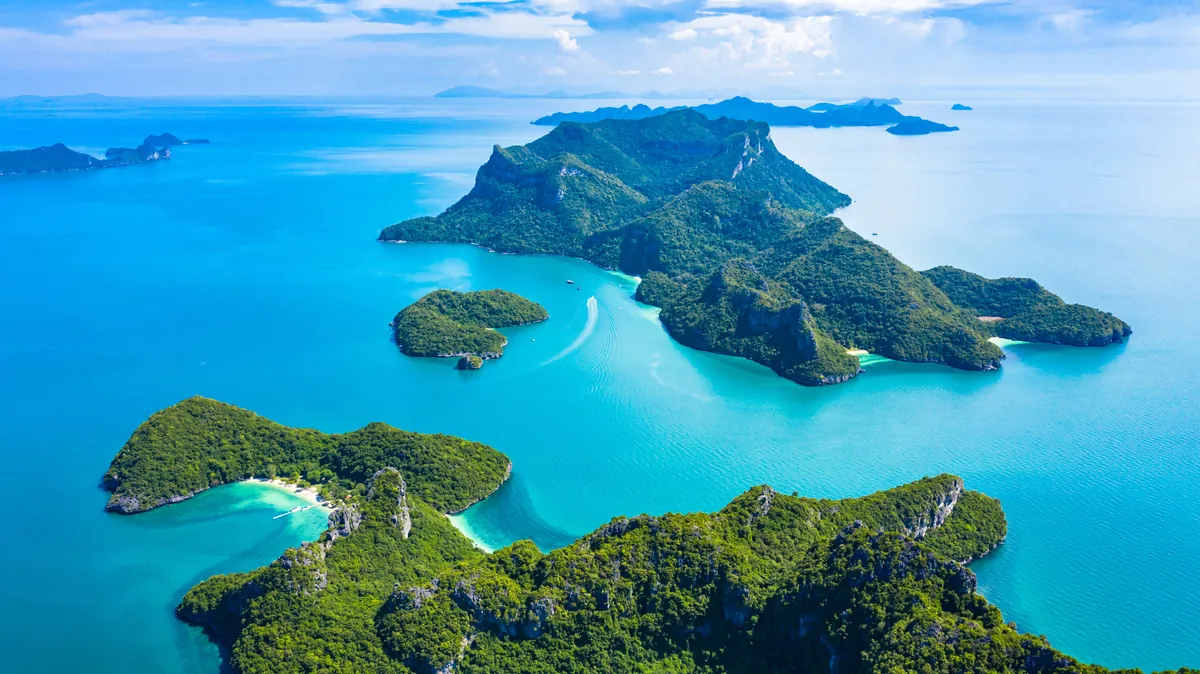
Get to Koh Samui
Flying direct from Bangkok takes about an hour. The sleeper train to Surat Thani then ferry is the cheap option. Budget half a day.

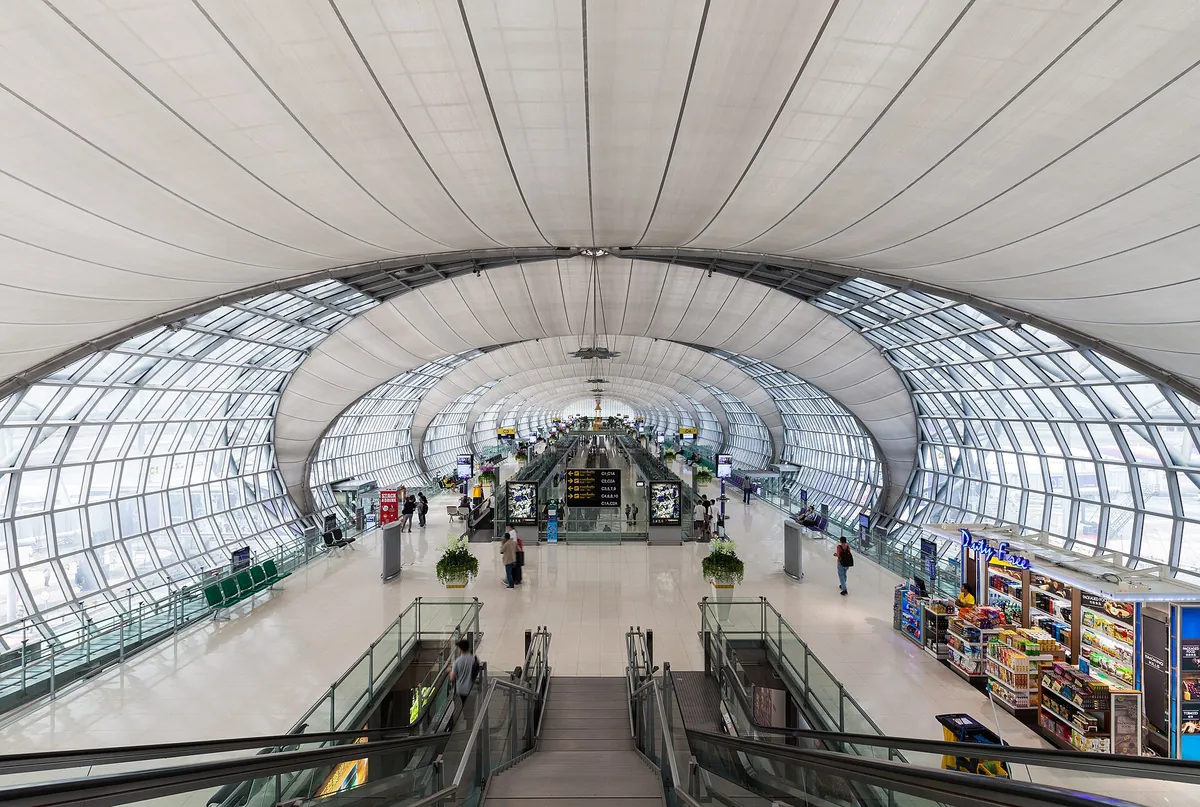
eSIM for Thailand
Land with data already working and skip the airport SIM queue. We tested six plans. Code THAIHOLIDAY saves 10%.

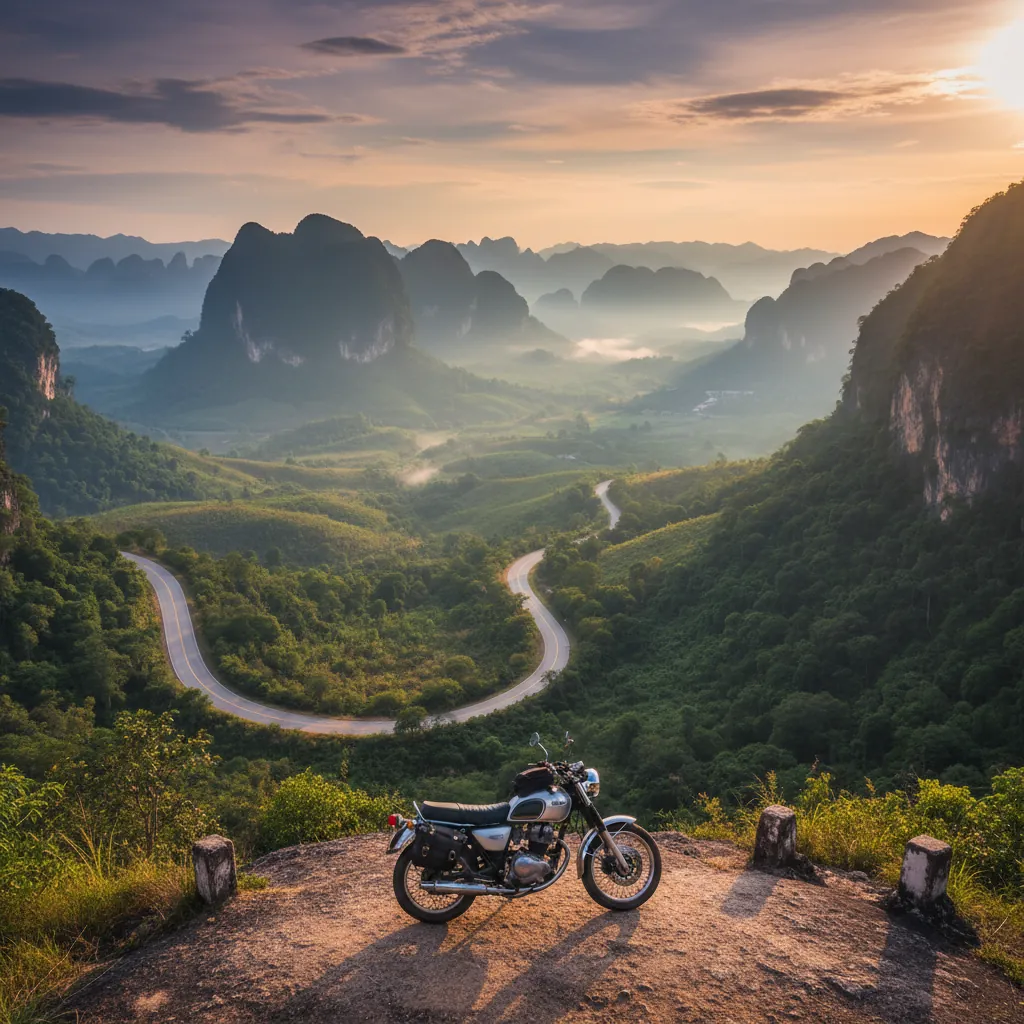
Travel insurance
Scooters, speedboats to Ang Thong and beach activities: sort cover before you go, and check the motorbike clause; most cheap policies exclude it.
Getting to Koh Samui
Compare buses, trains, ferries, and flights to Koh Samui.
Top sights & experiences
Things to do in Koh Samui

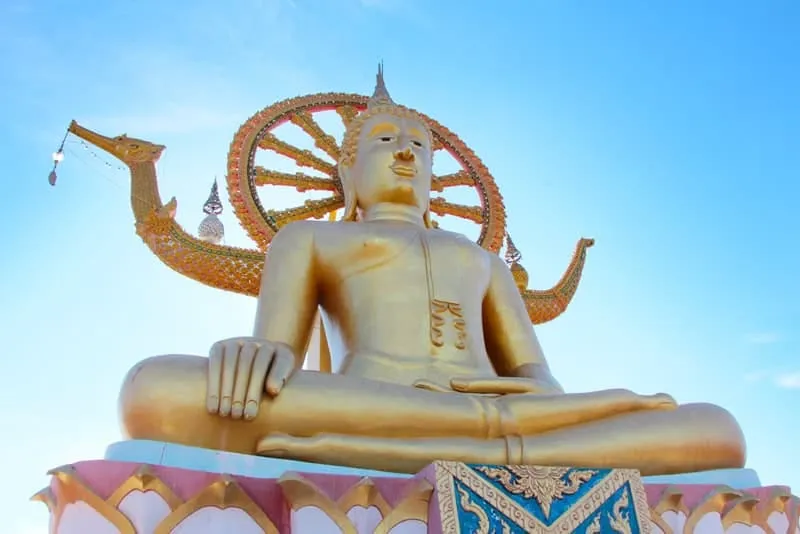
Phra Yai (Phra Phuttha Kho Dom)
พระใหญ่ เกาะสมุย (วัดพระยาย)

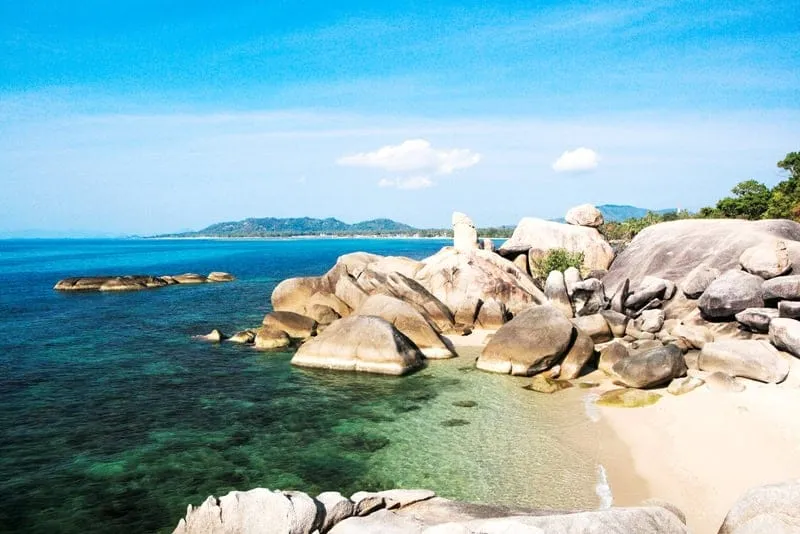
Hin Ta Hin Yai
หินตาหินยาย


Easykart Go-Karting
อีซี่คาร์ท สมุย

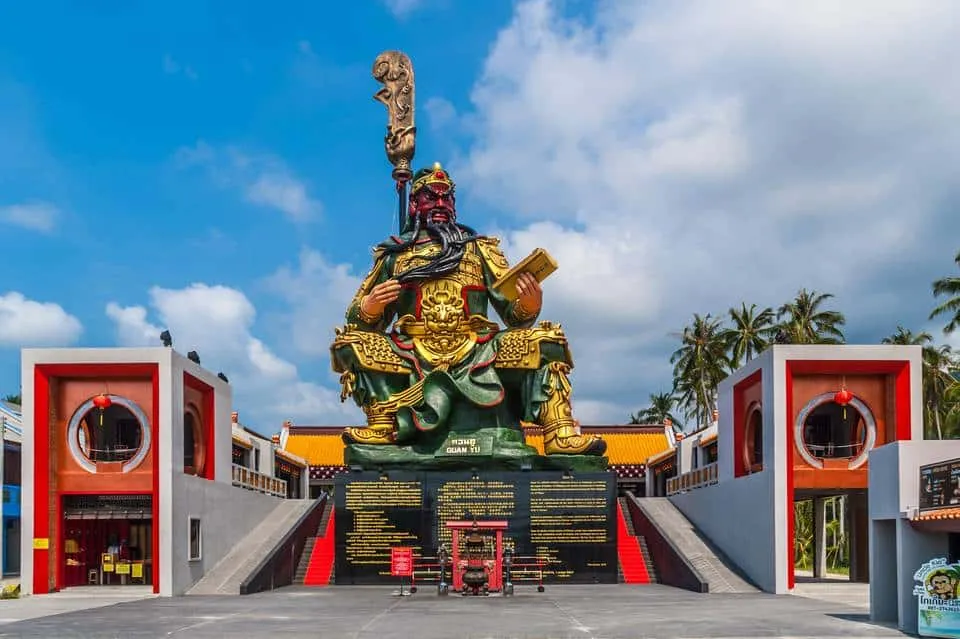
Guan Yu Shrine
ศาลเจ้ากวนอู

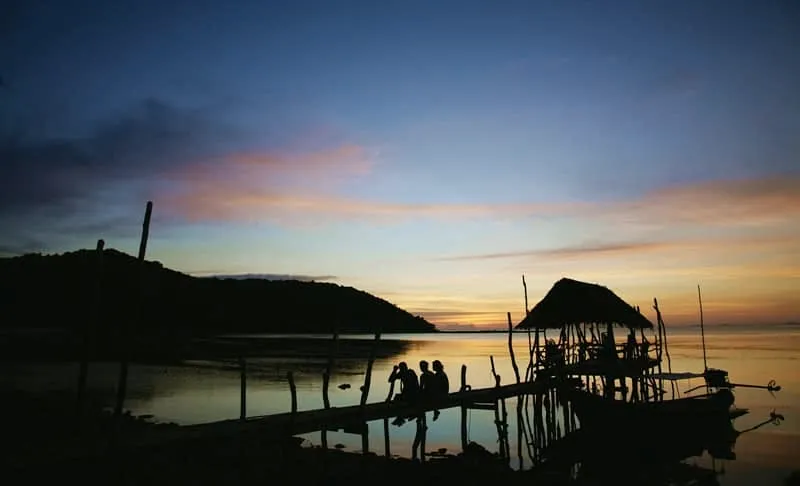
Koh Taen
เกาะแตน

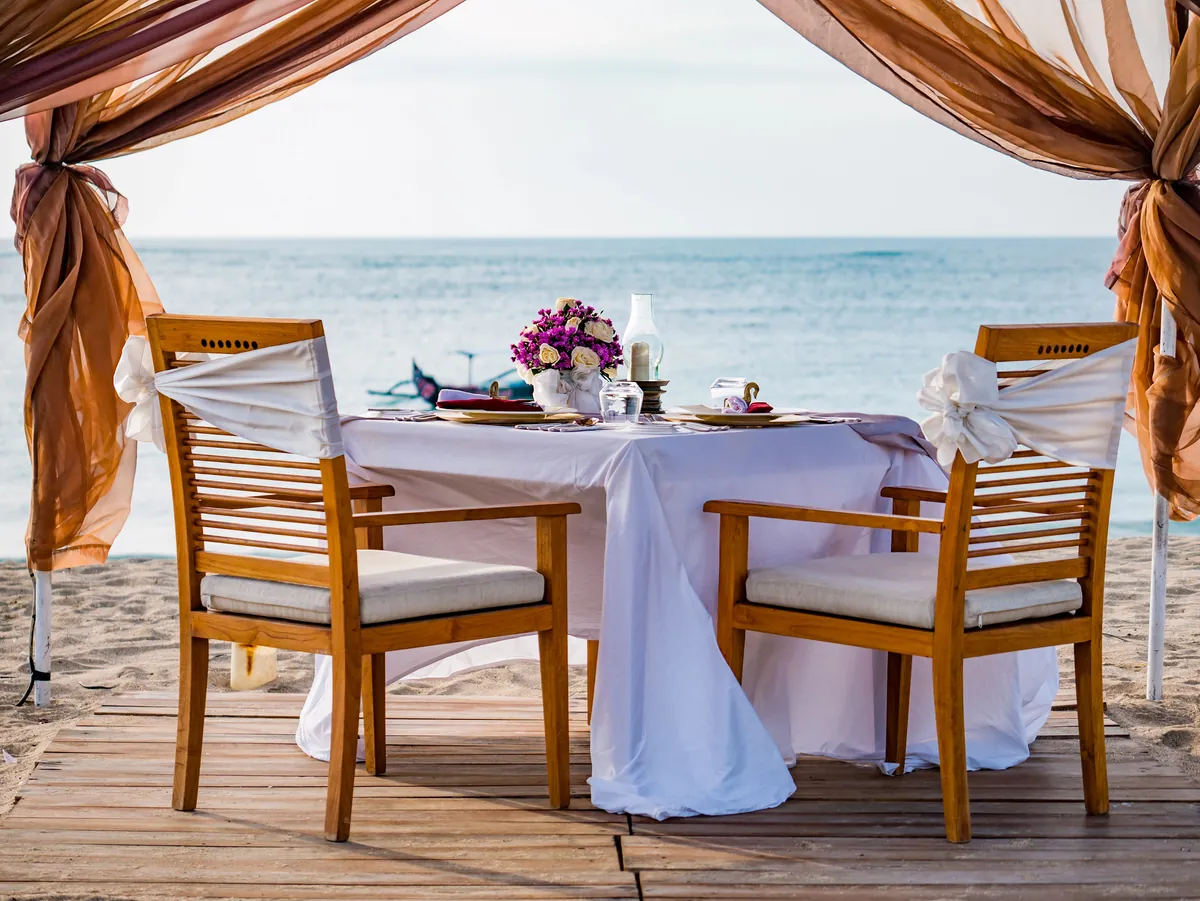
Krua Bophut (Koh Samui)
ครัวบ่อผุด


Phetchbuncha Muay Thai Stadium
สนามมวยเพชรบัญชา

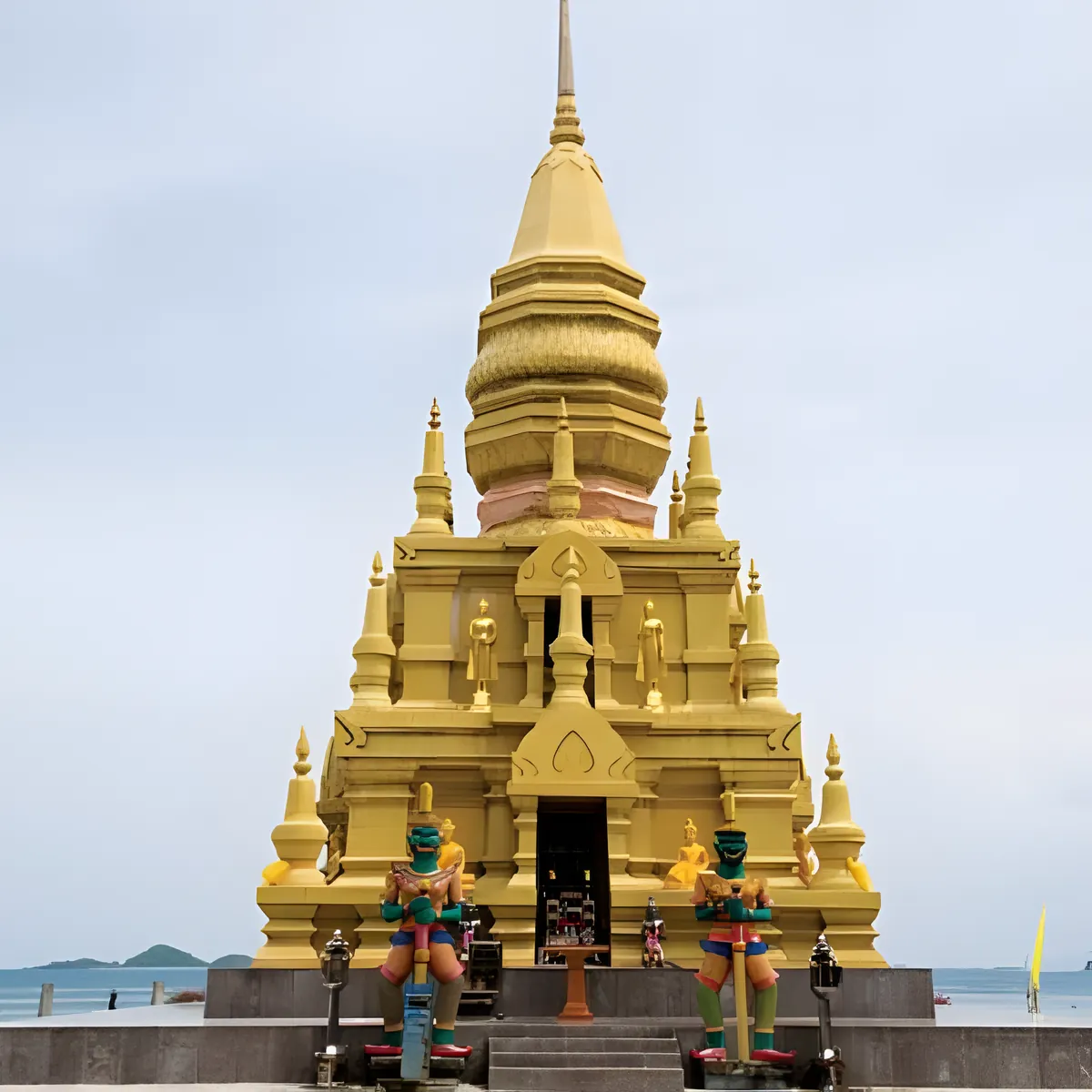
Phuttha Chedi Laem So
พุทธเจดีย์แหลมสอ


Samui Airport (USM)
ท่าอากาศยานสมุย


Samui Football Golf
สมุยฟุตบอลกอล์ฟ


Samui Quad

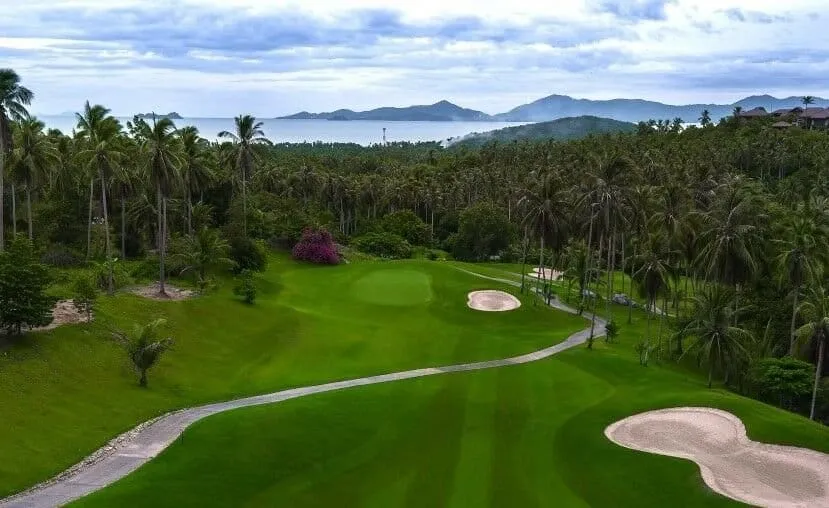
Santiburisamui Country Club
สันติบุรี สมุย คันทรี คลับ
Things to do on the map
Tap a pin for details. 16 places in Koh Samui plotted.
Which area to stay in
Chaweng Beach
The island's busiest beach, with bars, clubs and the widest choice of hotels. Best if you want nightlife within walking distance.
Lamai Beach
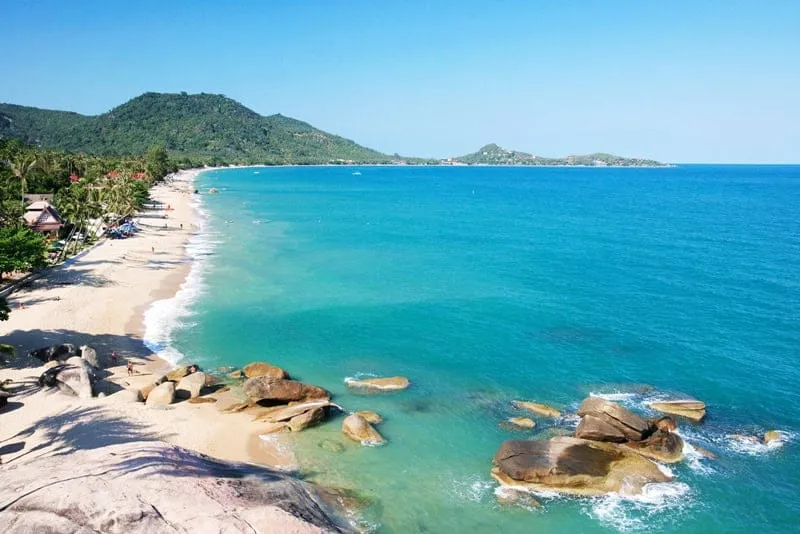
Slower than Chaweng, with local restaurants and the Grandfather and Grandmother rocks nearby. Good for relaxed beach days.
Bophut Beach
Fisherman's Village has old shophouses, seafood restaurants and a Friday market. Suits couples and food lovers.
Mae Nam Beach
A long, calm north-coast beach with a quiet feel. A good fit for families, with ferry links nearby.
Choeng Mon Beach
A sheltered bay on the northeast tip with shallow water and upscale resorts. Calm and family-friendly.
Bang Rak Beach
A quiet north-coast stretch near the Big Buddha. Modest beach, calm water and fewer crowds.
Editor shortlist
Where to stay in Koh Samui

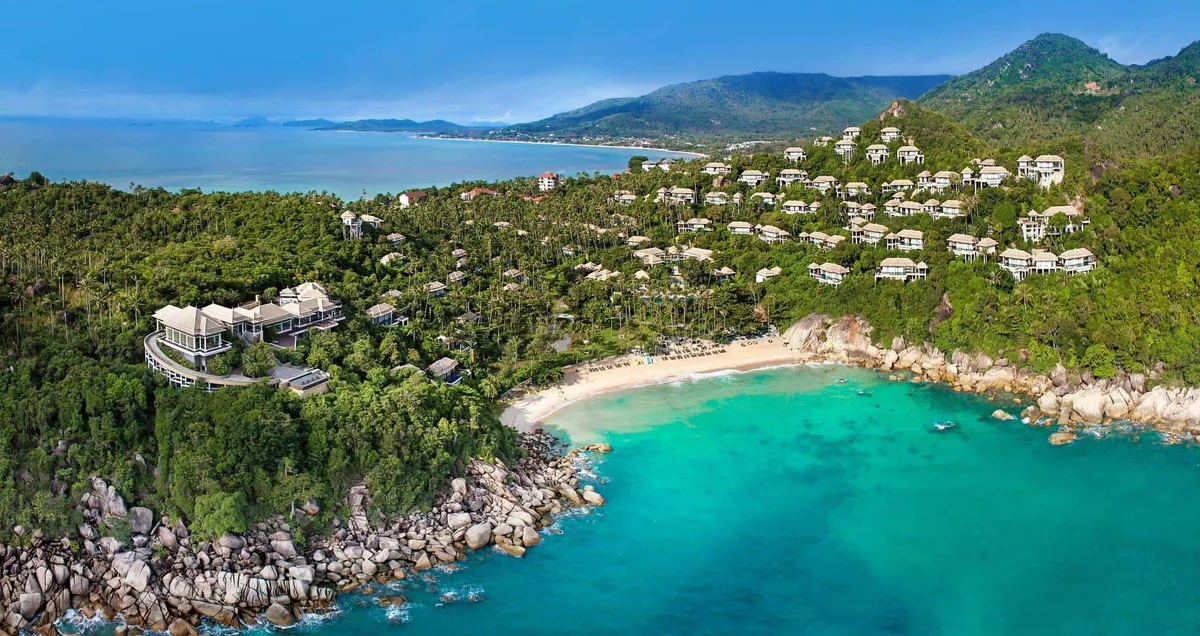

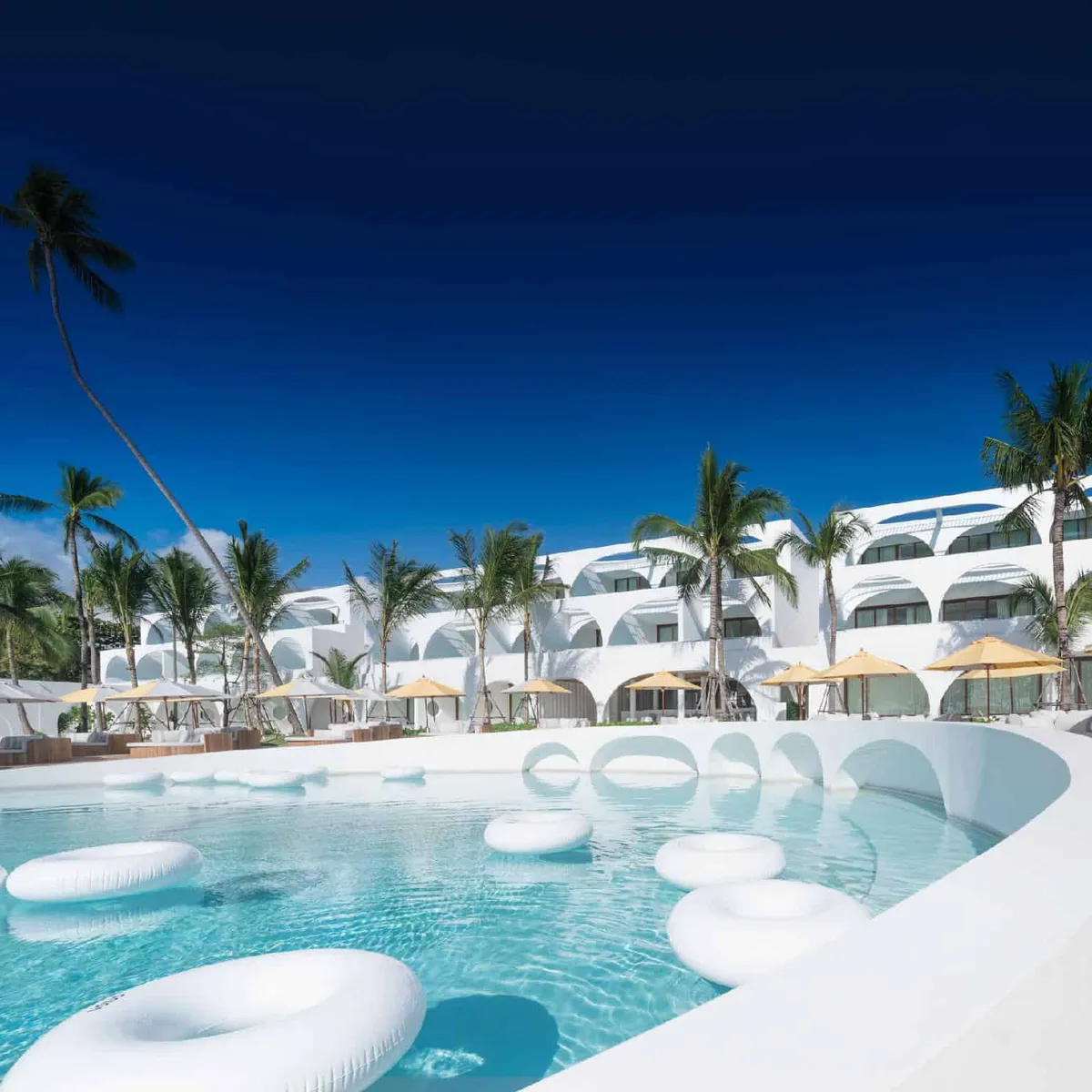

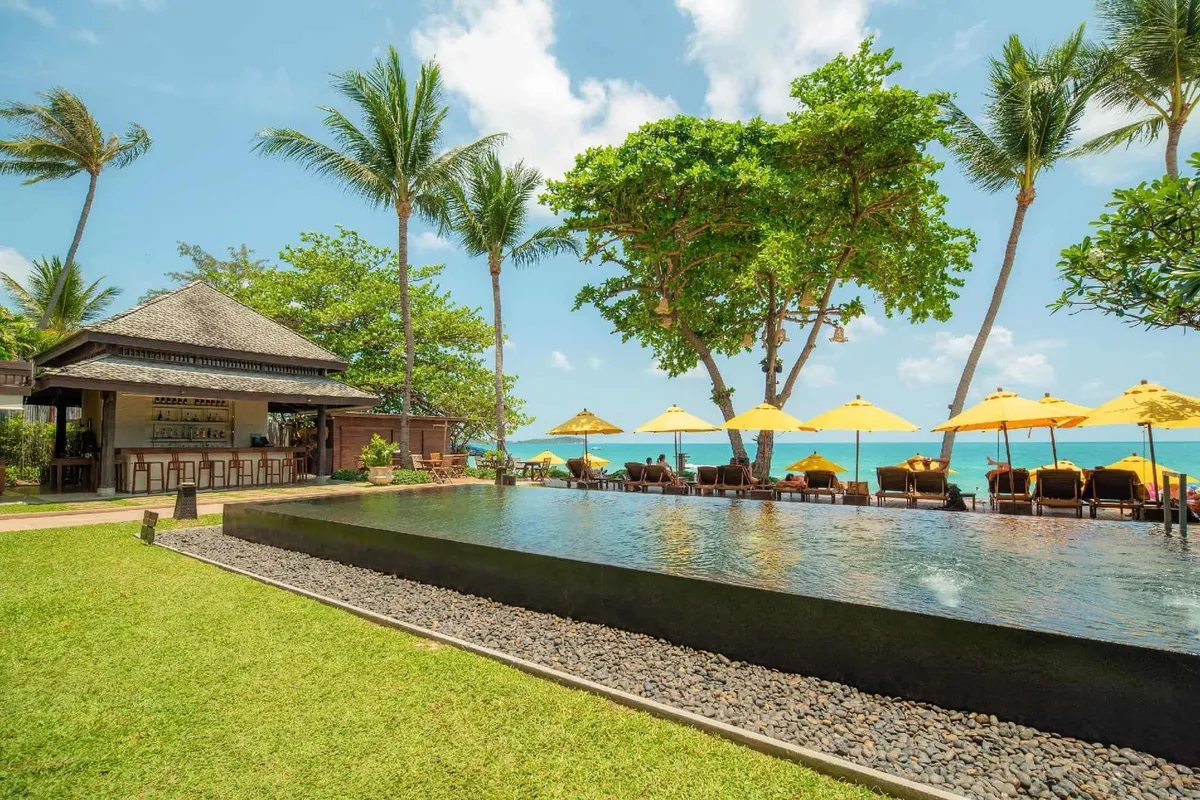

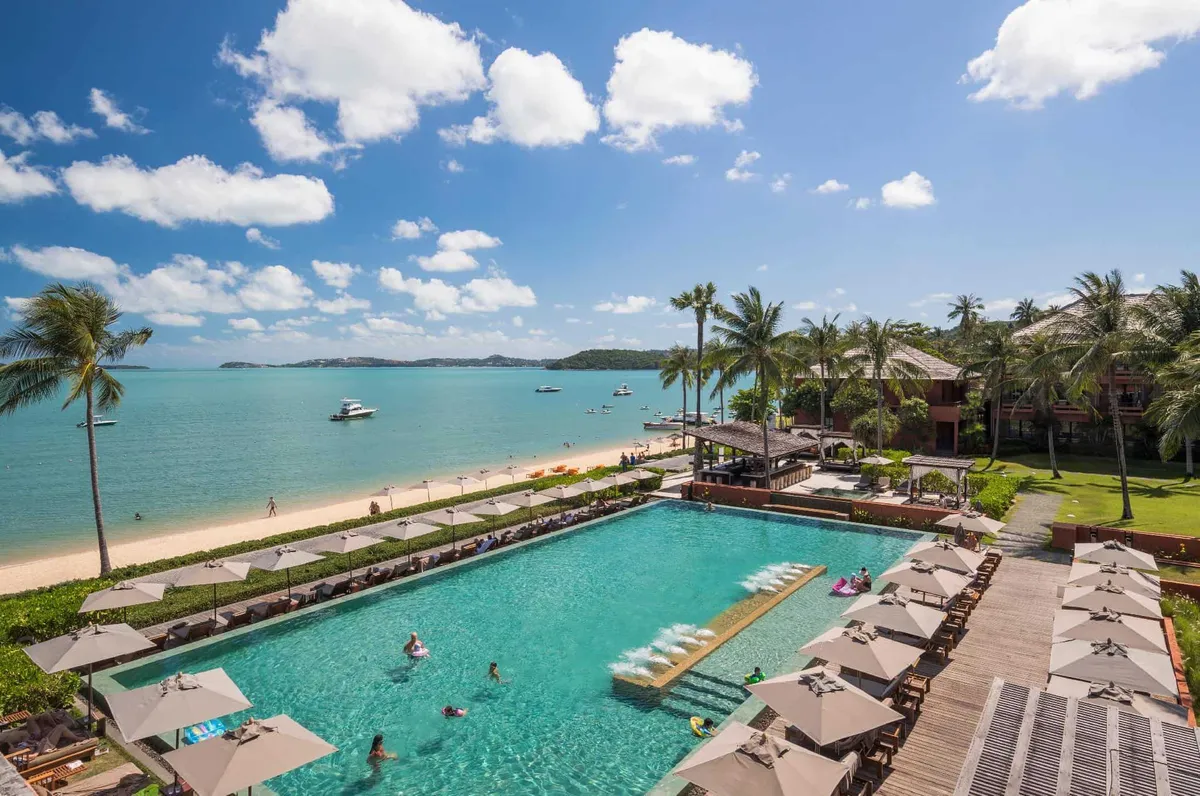

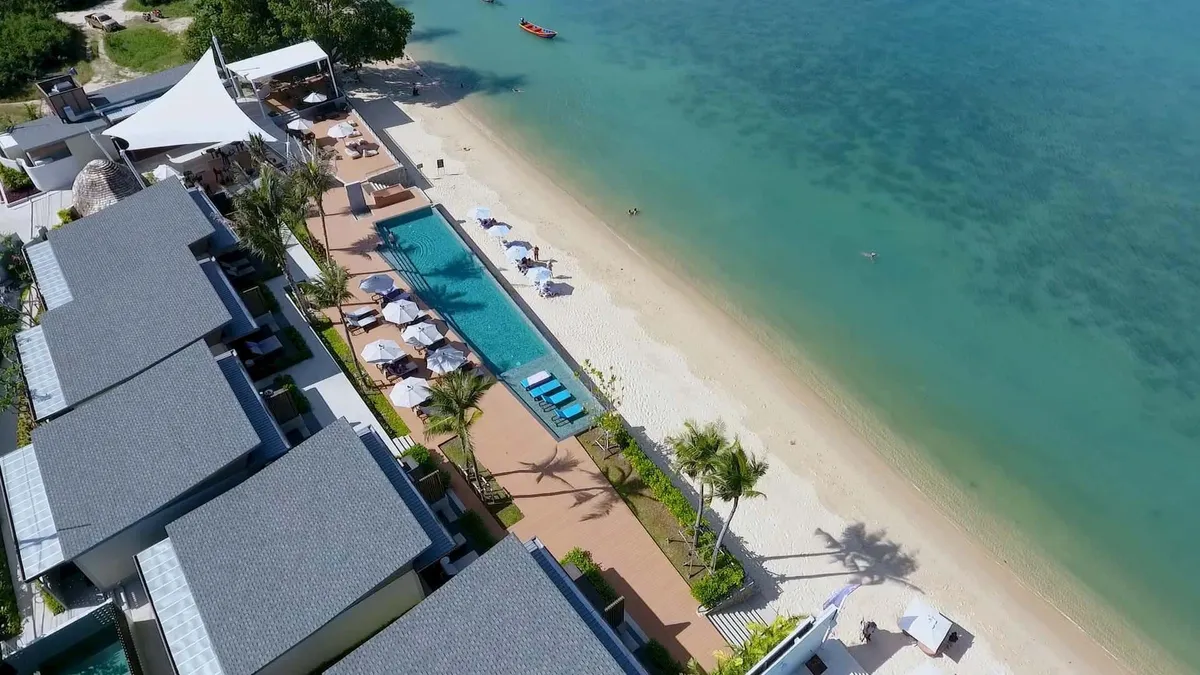


Staffed private villas
Private villas in Koh Samui
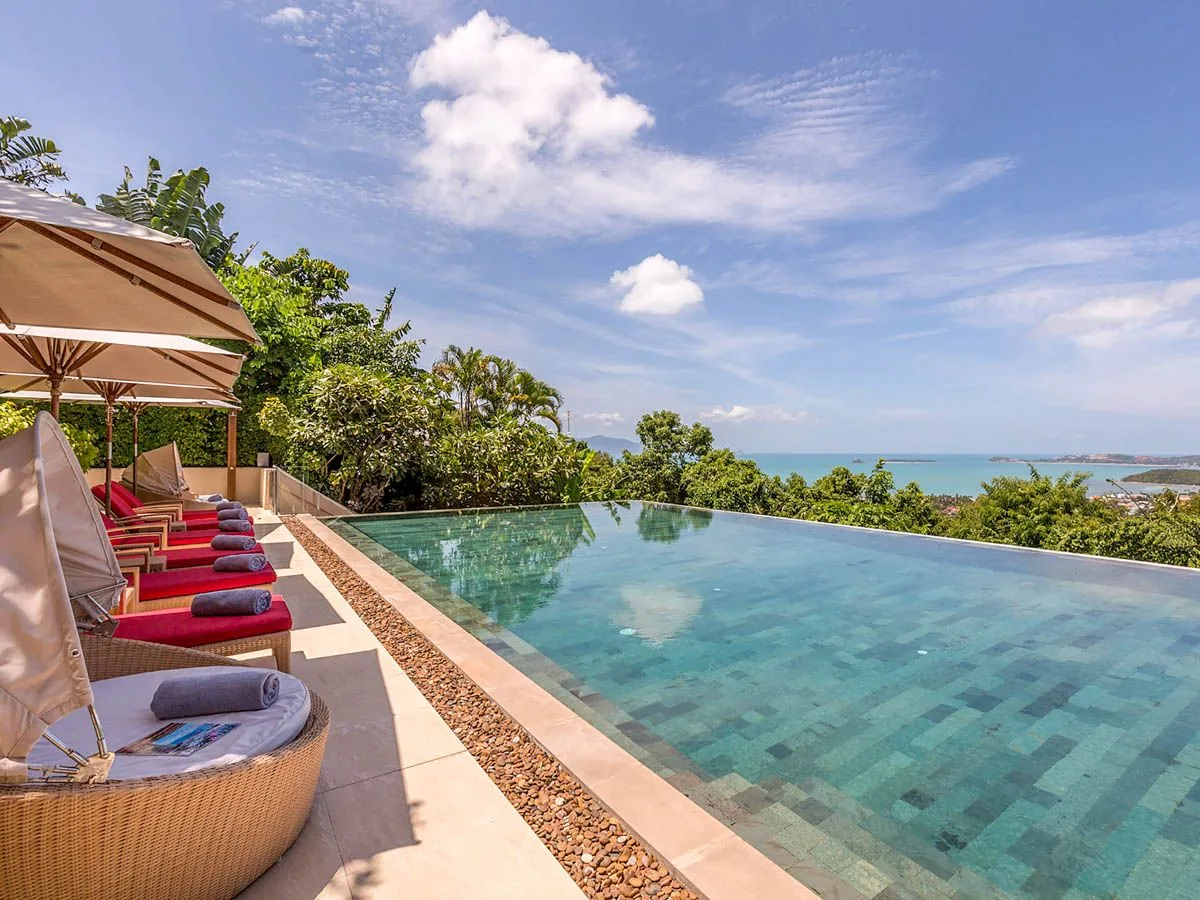
Avasara Residence
- 5 bedrooms
- Sleeps 10
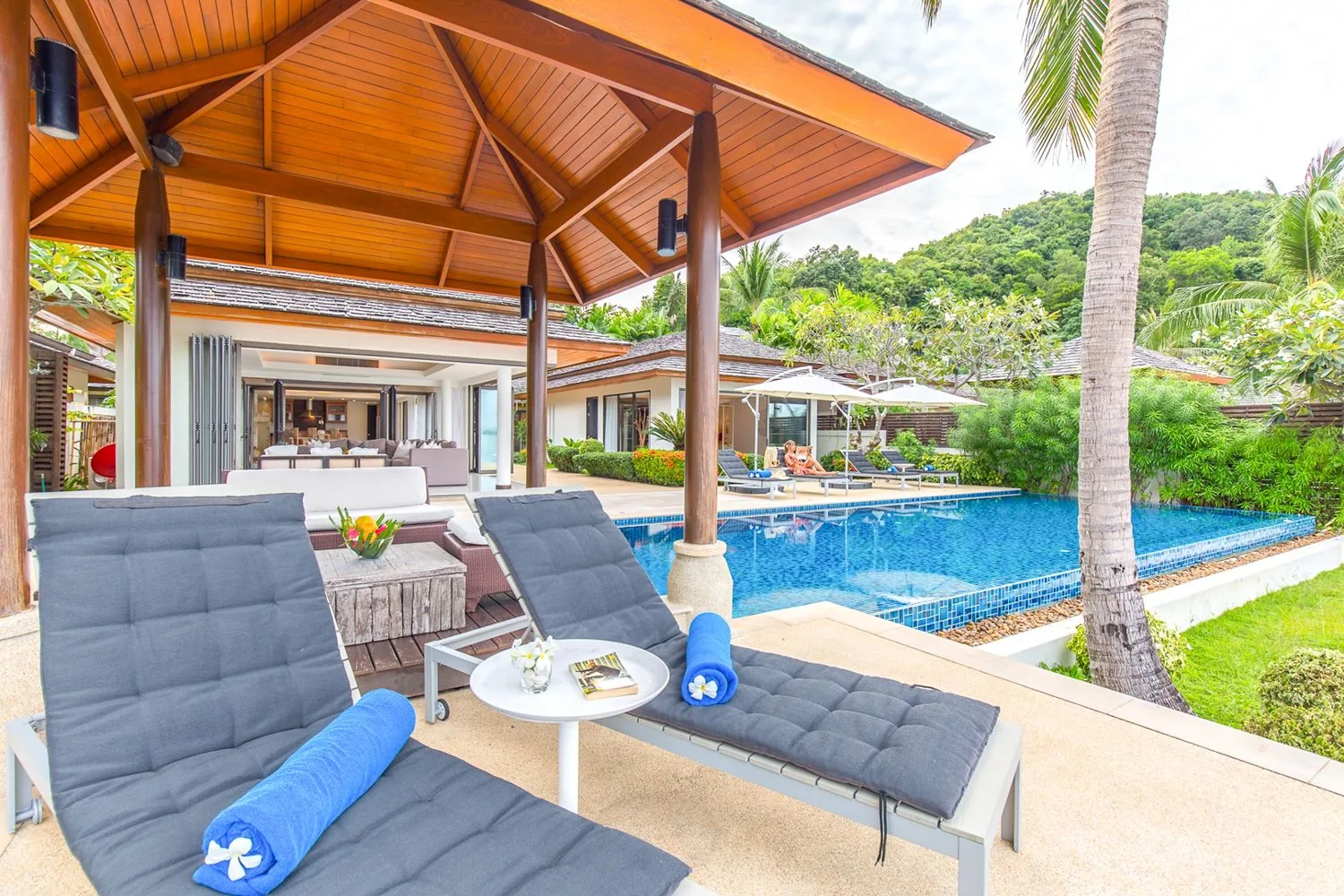
Baan Ban Buri
- 4 bedrooms
- Sleeps 8
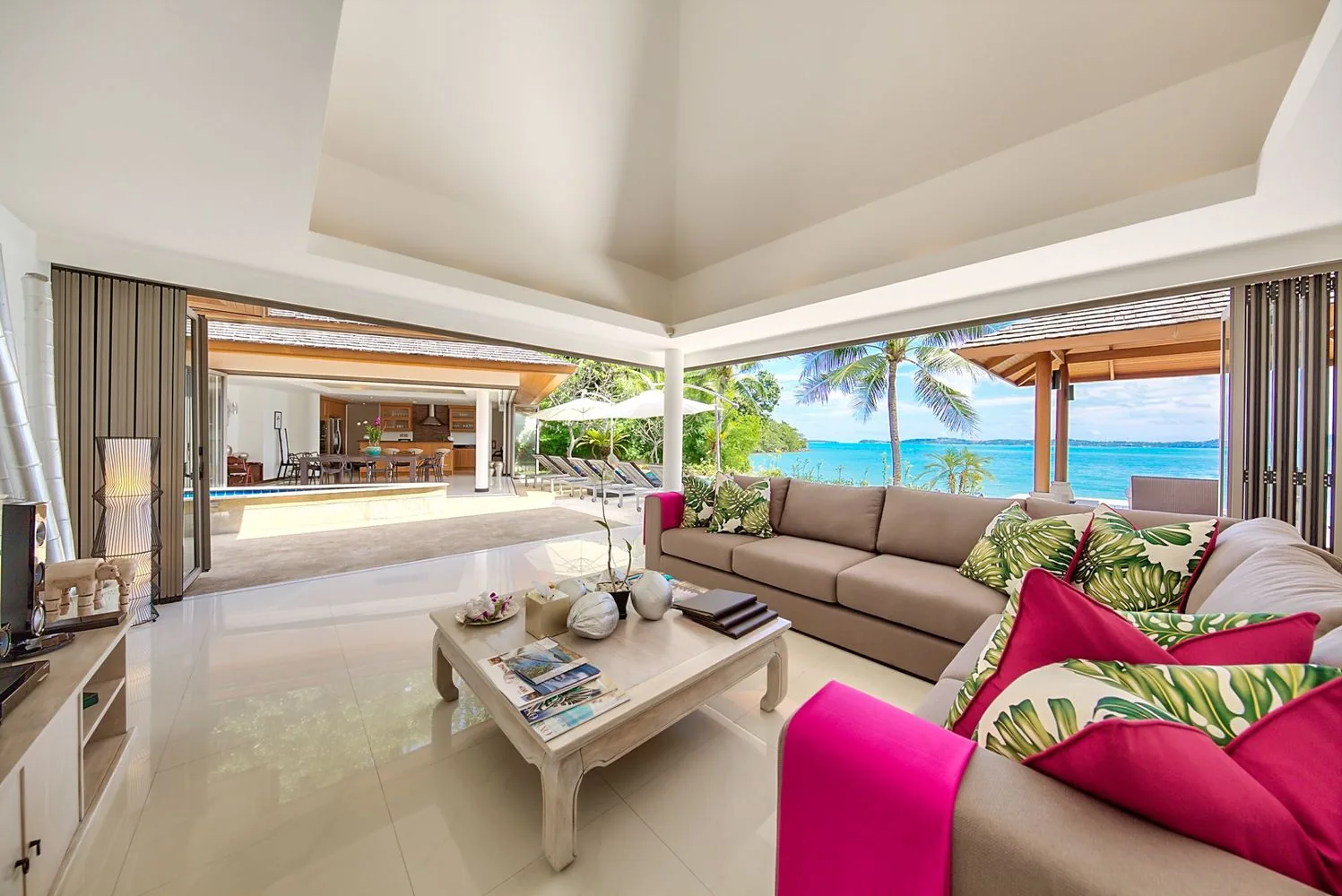
Baan Benjamart
- 4 bedrooms
- Sleeps 8
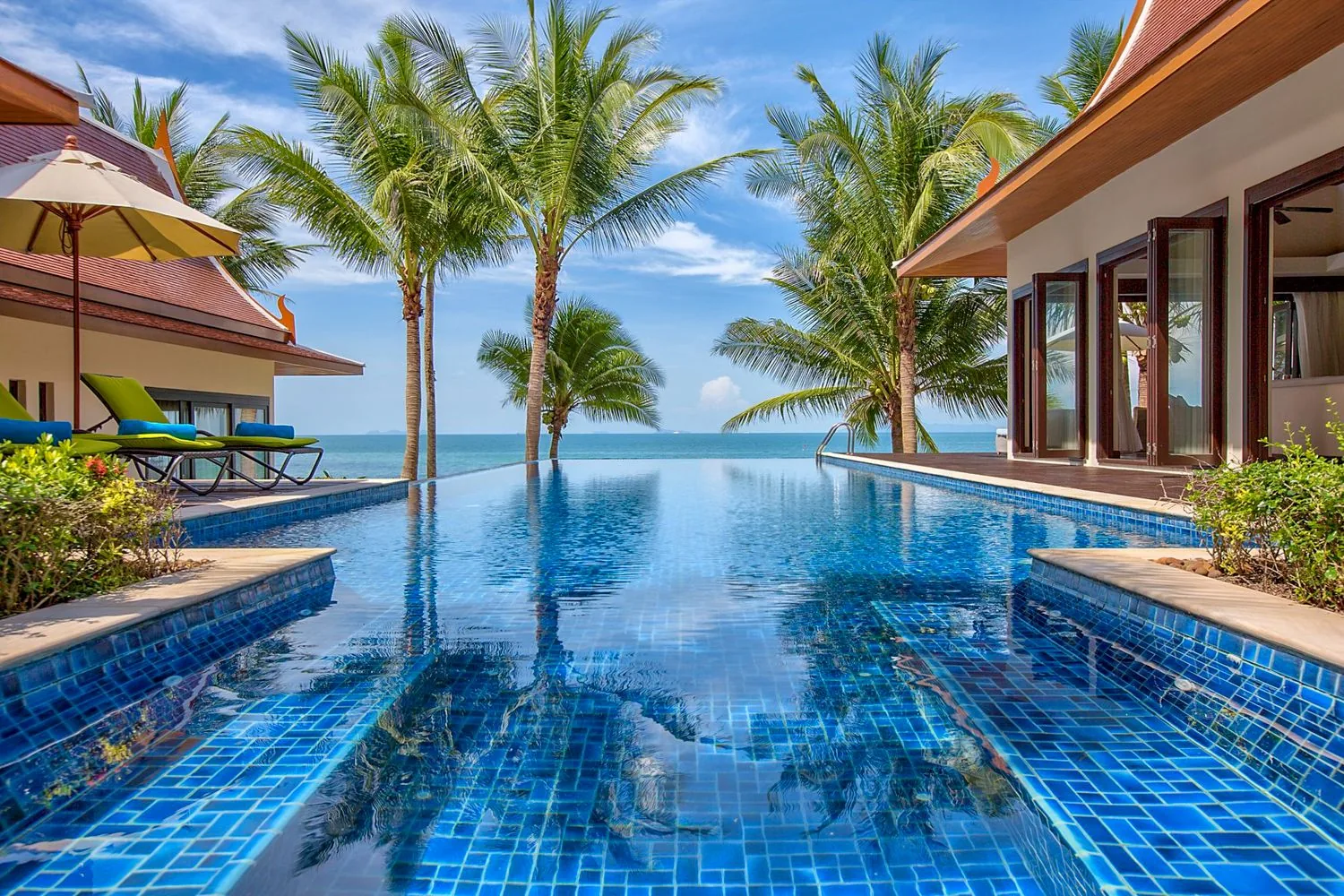
Baan Chang Samui
- 5 bedrooms
- Sleeps 10
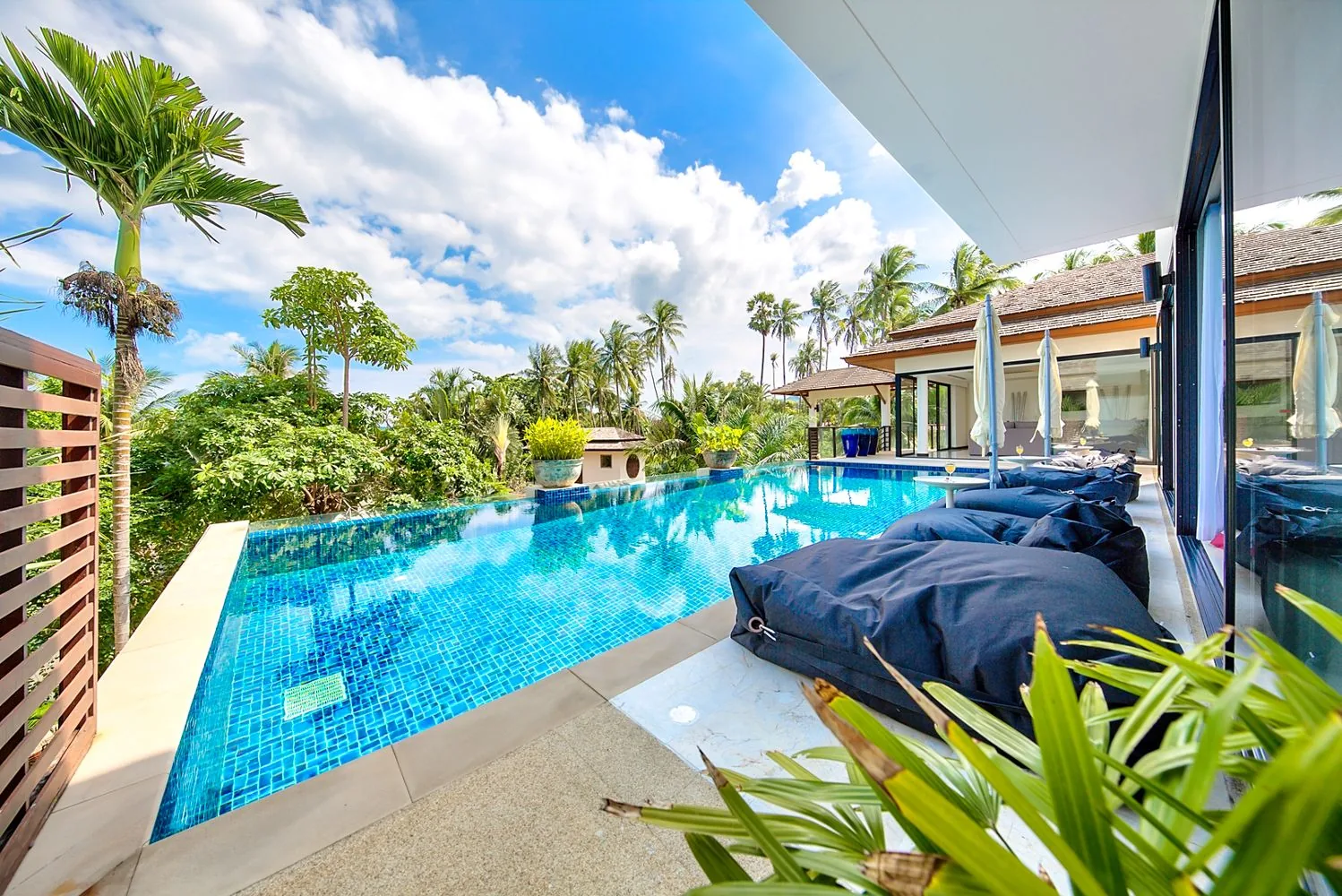
Baan Maliwan
- 3 bedrooms
- Sleeps 8
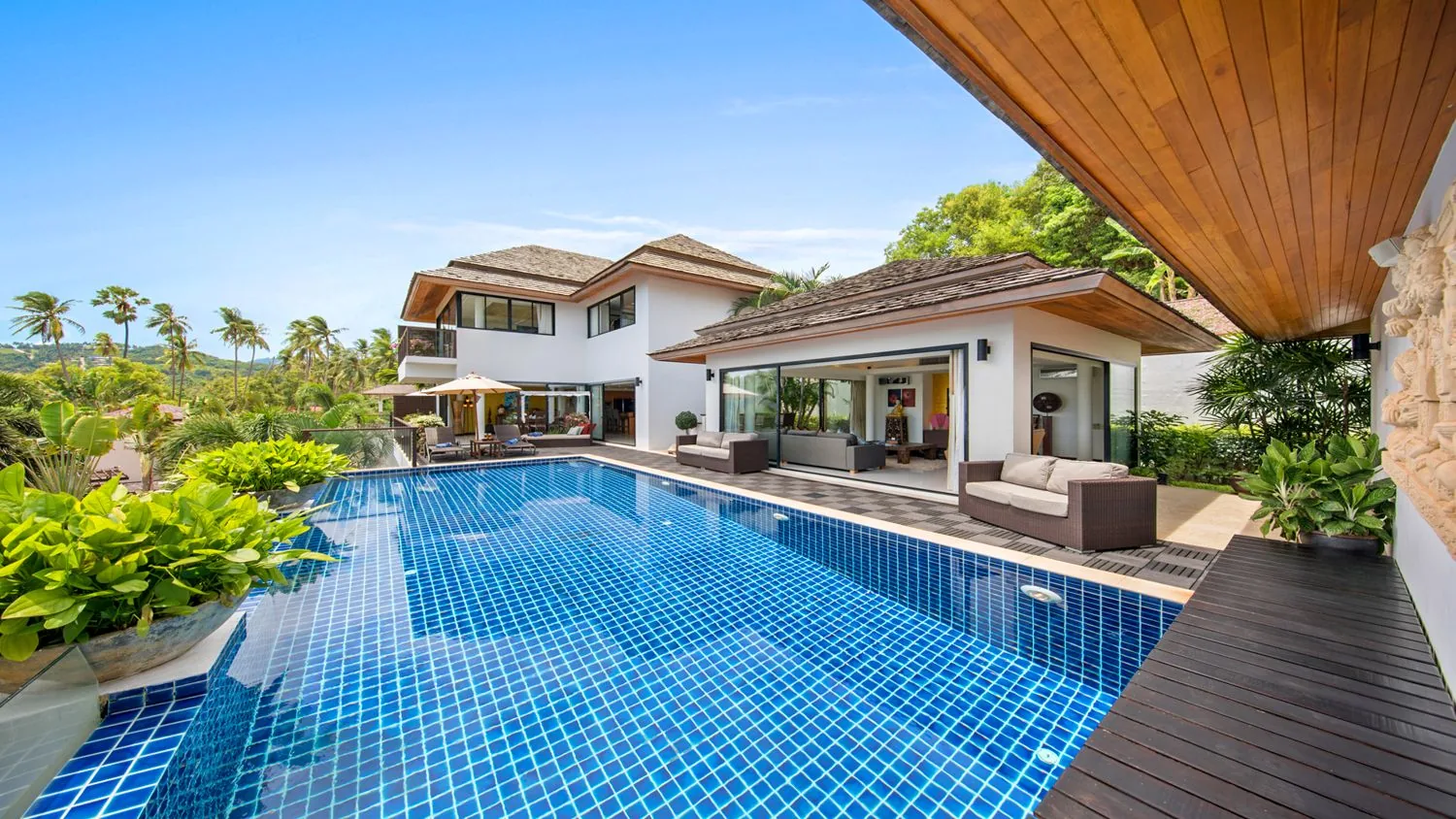
Baan Ratree Samui
- 4 bedrooms
- Sleeps 10
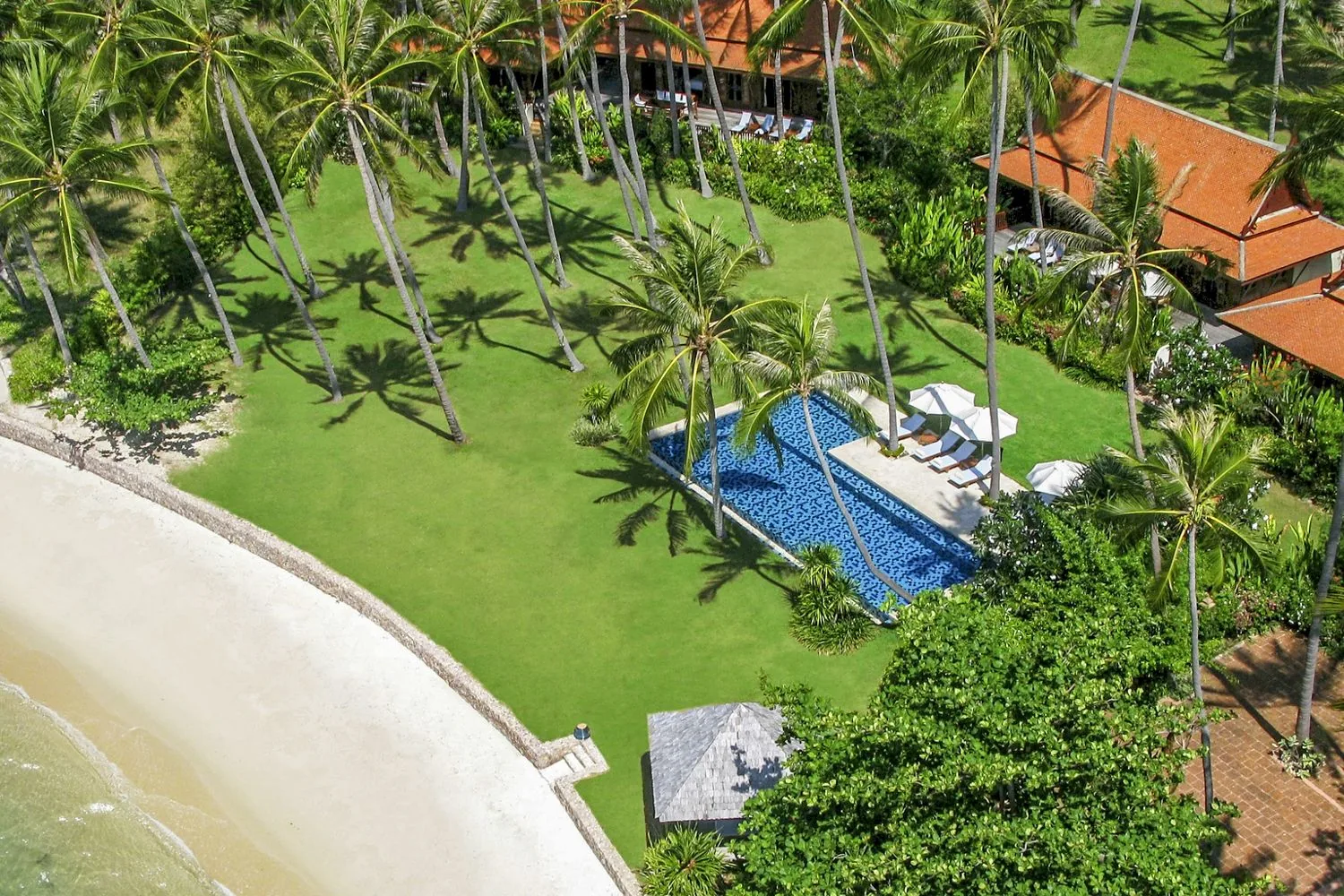
Baan Sairee
- 9 bedrooms
- Sleeps 16
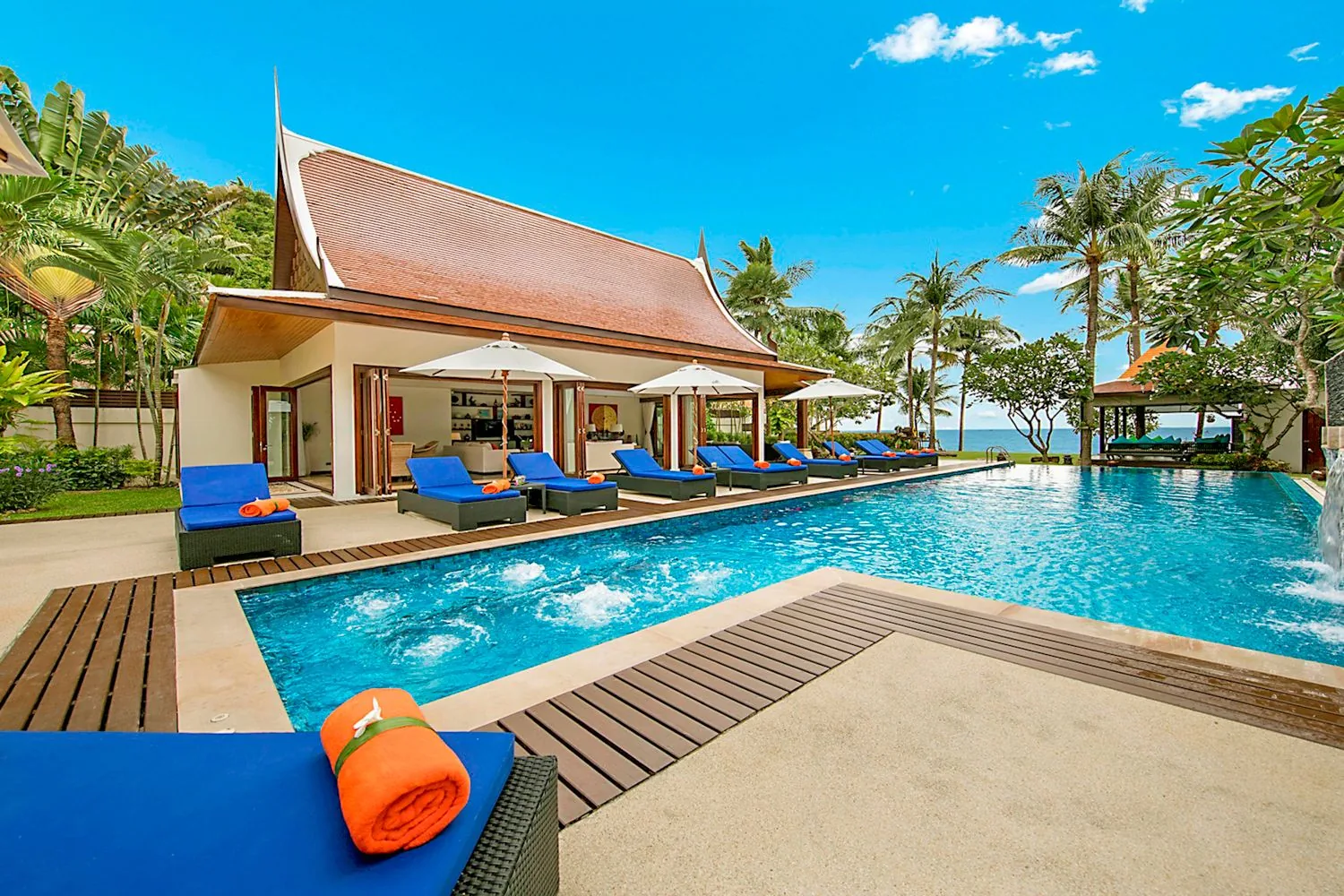
Baan Samlarn
- 5 bedrooms
- Sleeps 12
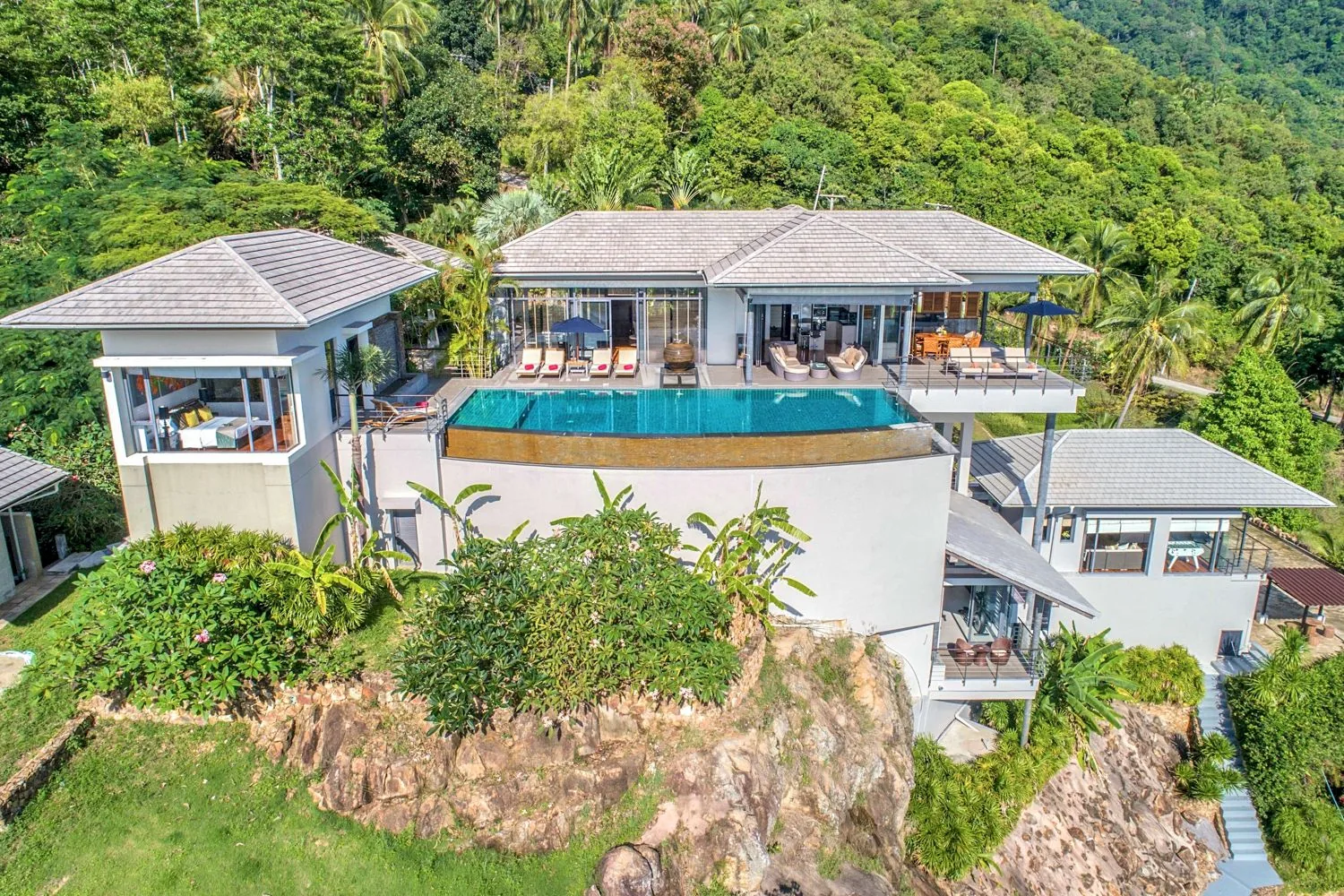
Baan View Talay
- 6 bedrooms
- Sleeps 16
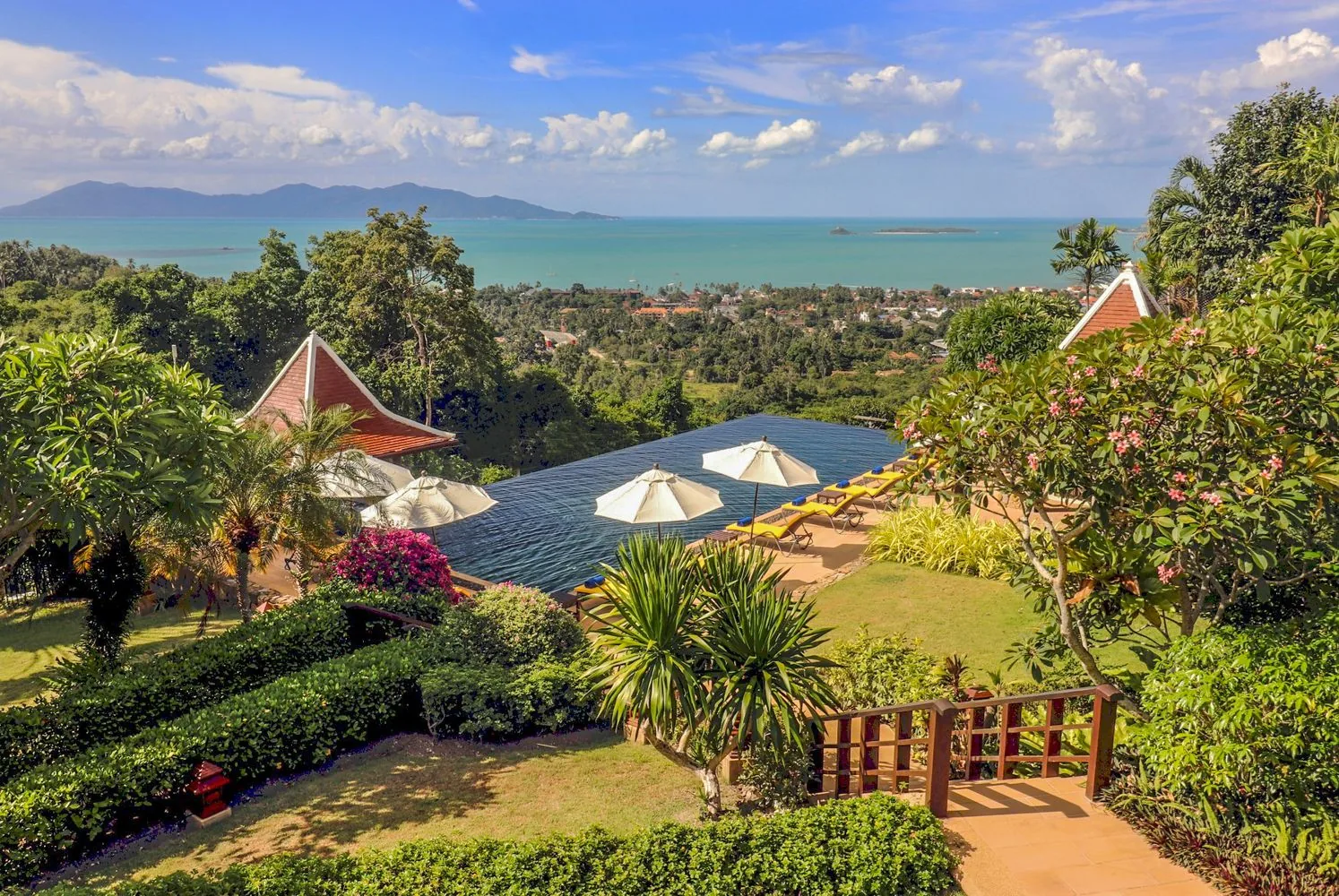
Ban Kinaree
- 5 bedrooms
- Sleeps 10
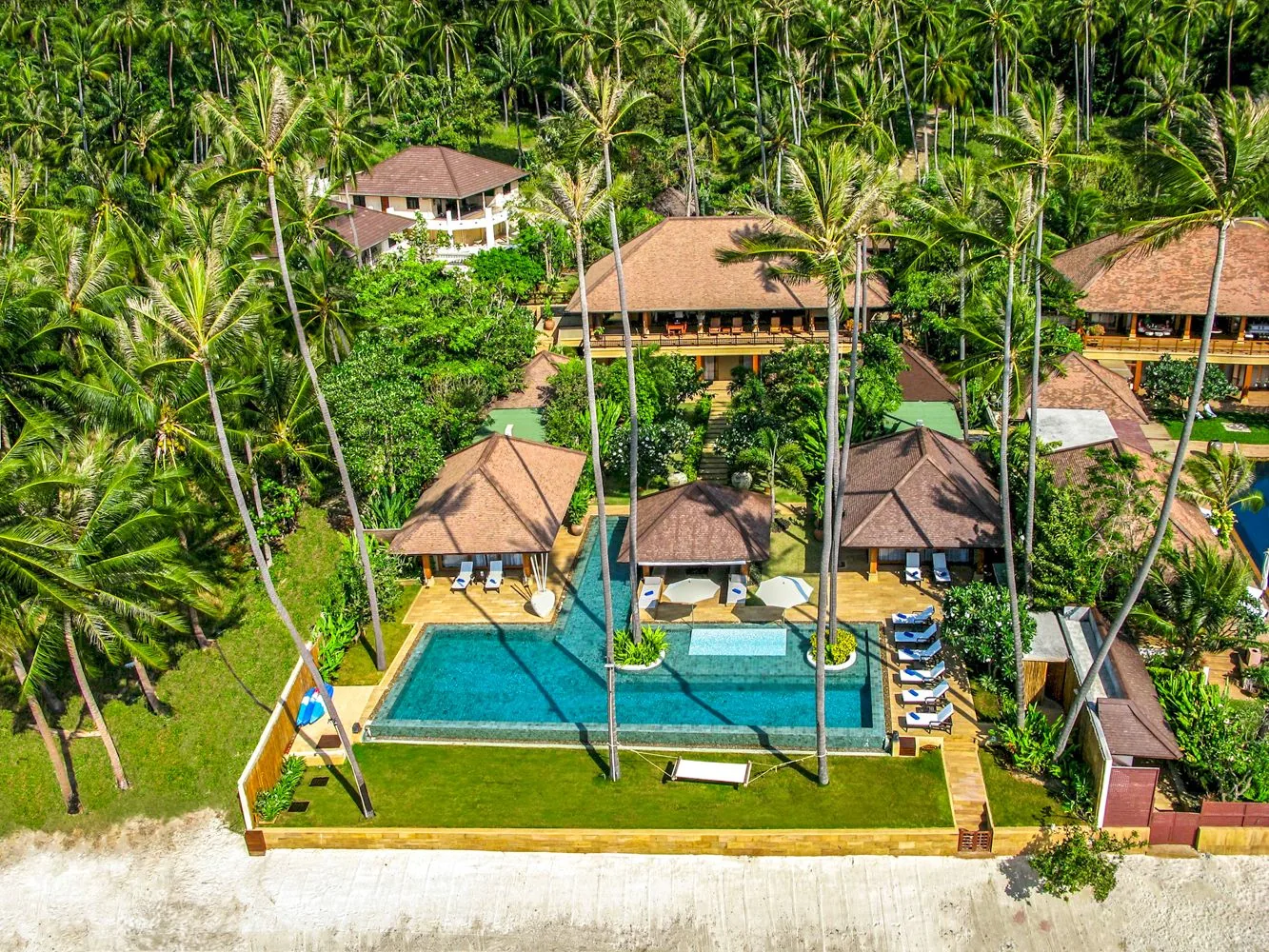
Ban Mekkala
- 6 bedrooms
- Sleeps 14
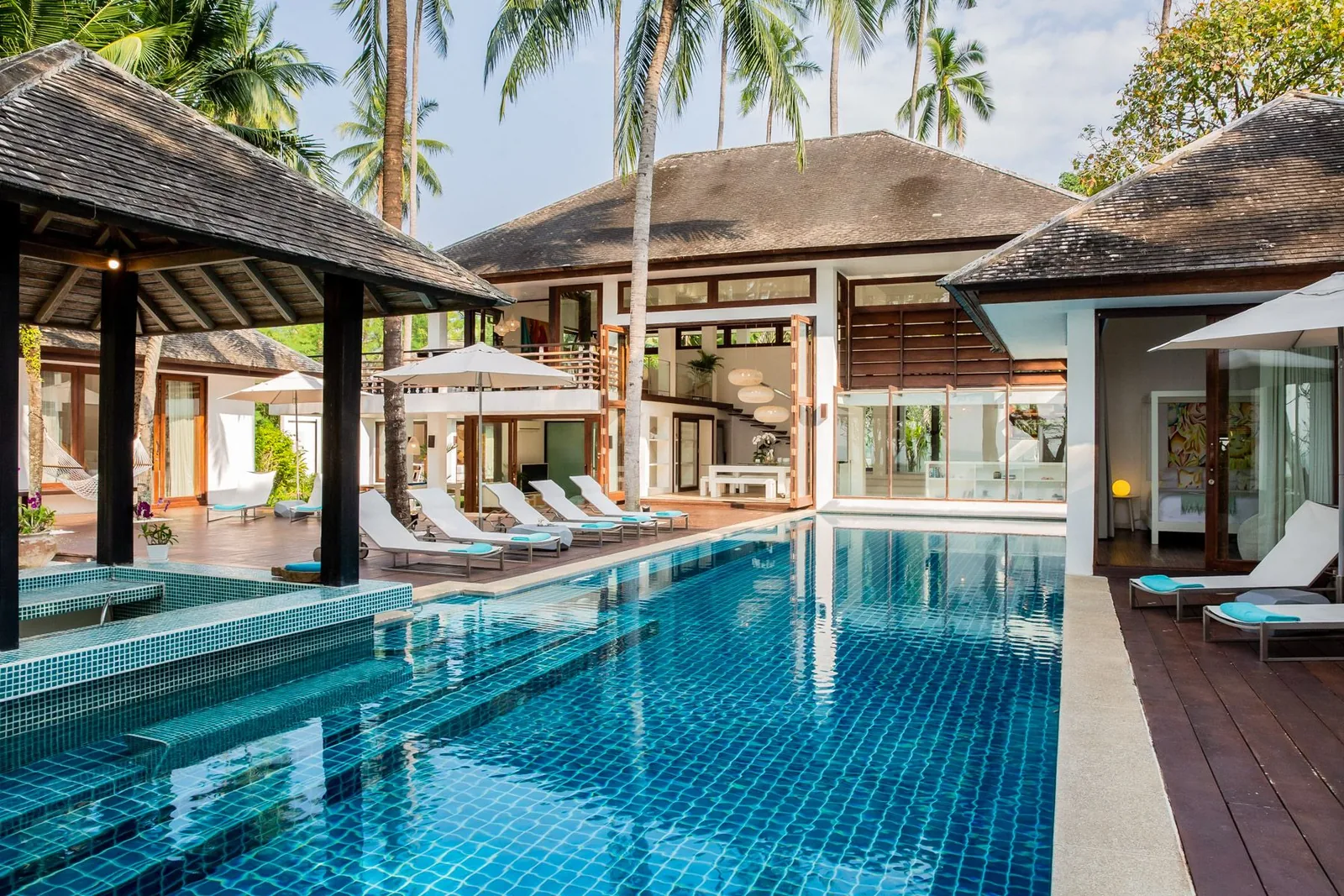
Ban Suriya
- 6 bedrooms
- Sleeps 15
Hotel comparisons
Editor shortlists for Koh Samui: compare stays by trip style before you pick an area or property.
- Cheap hotels on Koh SamuiBudget and mid-cheap stays by area (Lamai, Chaweng, Mae Nam, Bang Rak and Bophut).Open shortlist →
- Romantic hotels on Koh SamuiHoneymoon-style shortlist from Choeng Mon hideaways to Bophut and Chaweng.Open shortlist →
- Luxury hotels on Koh SamuiBeachfront luxury shortlist from Choeng Mon to Chaweng and beyond.Open shortlist →
Tours in Koh Samui

Ang Thong National Marine Park VIP Small Group Tour

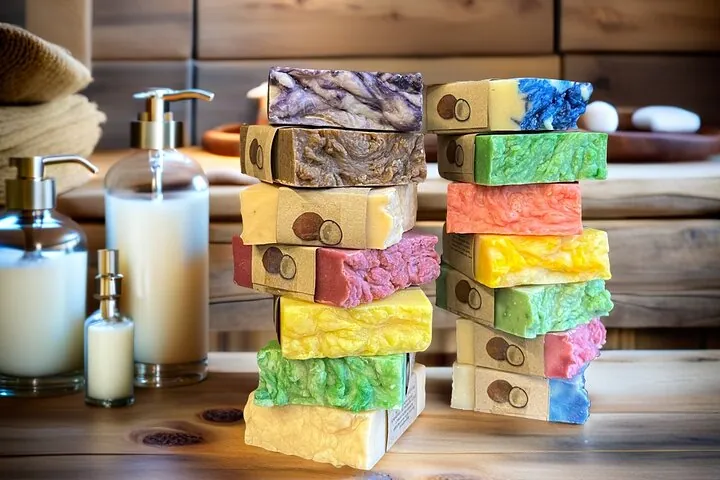
Koh Samui Coconut Soap Making Class

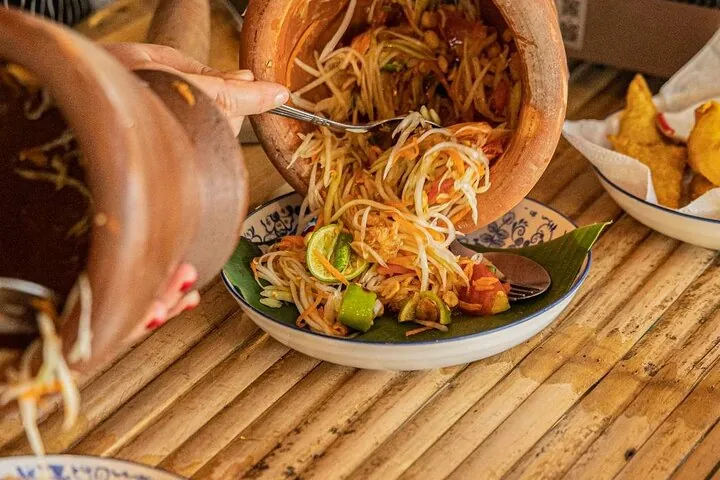
Cooking Class by Samui Native Instructor Geng and O Family


Koh Samui Footgolf & Botanical Gardens

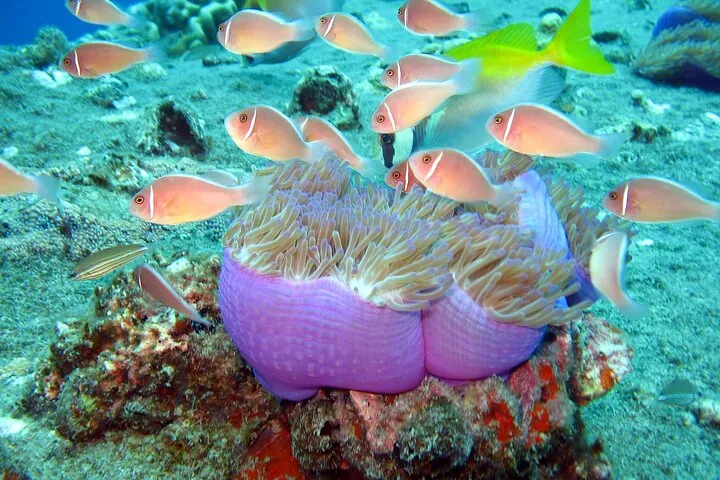
Koh Tao VIP Snorkelling Tour

Private Red Dragon Yacht to Ang Thong Marine Park

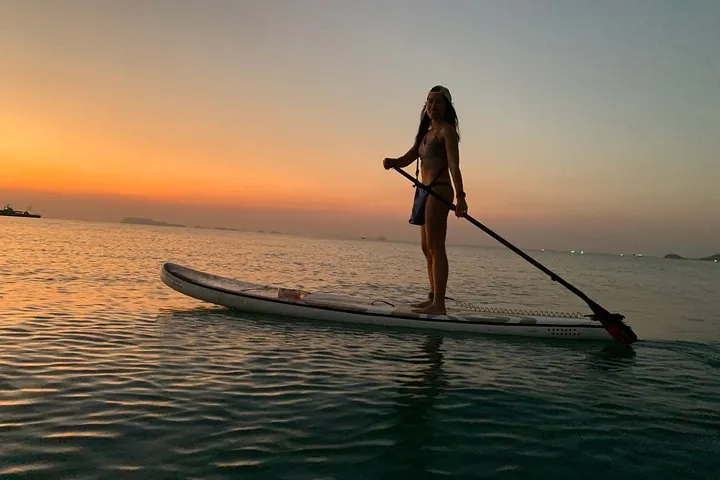
Sunset Stand Up Paddleboard (SUP) Tour in Koh Samui

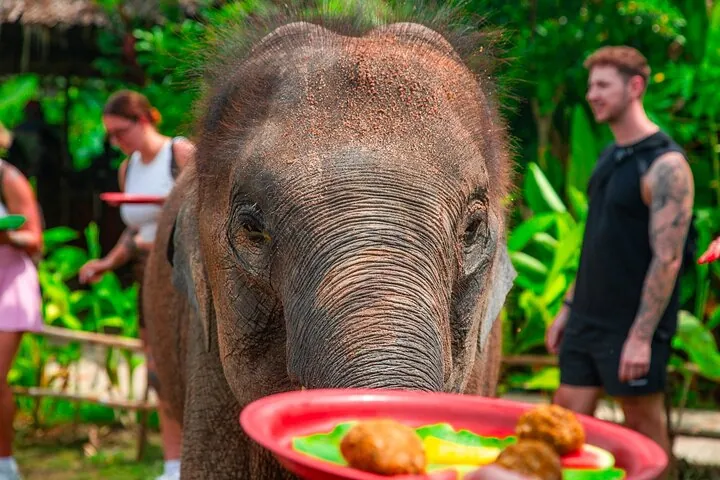
6 Hours Elephant Care and Jungle Tour by 4WD in Koh Samui

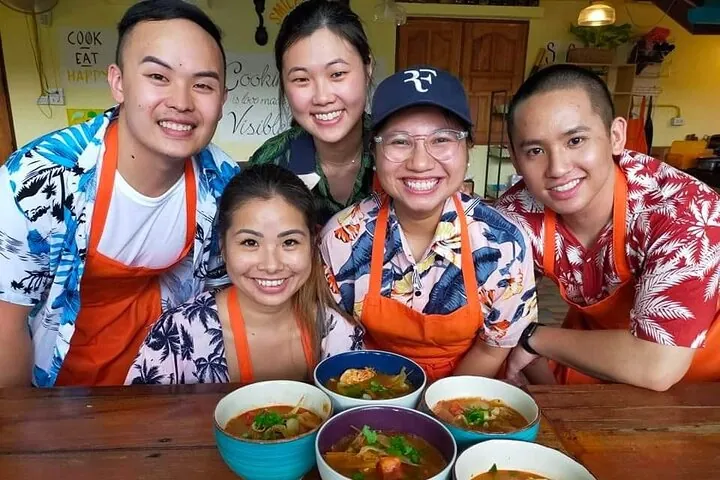
Cooking Class in Koh Samui for Small Group

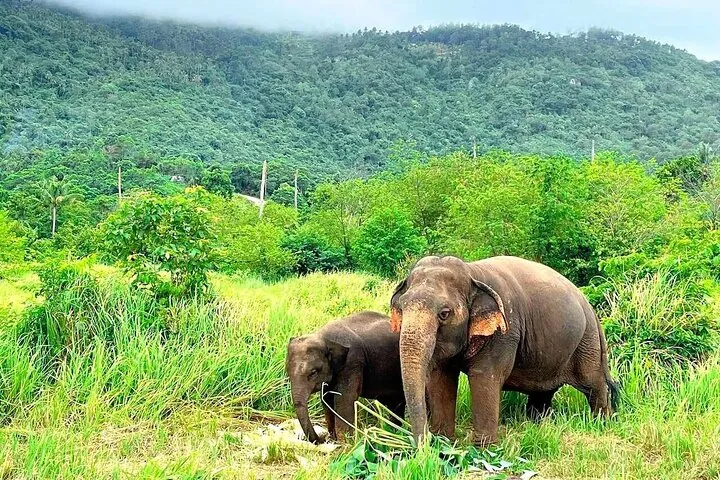
Koh Samui Elephant Nature Care Sanctuary Visit

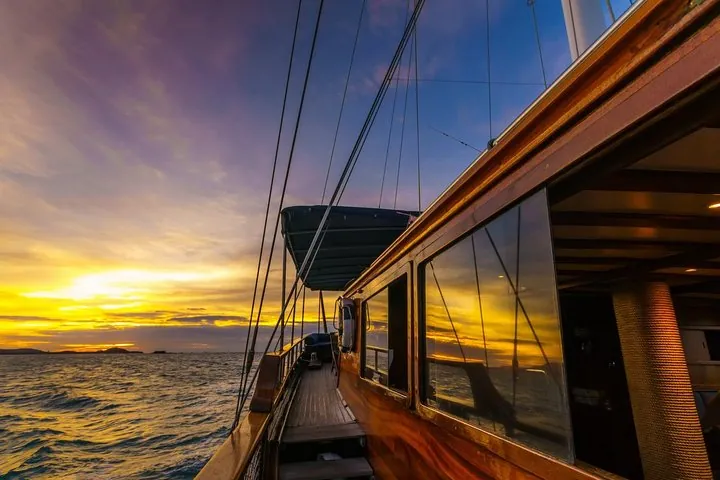
Full-Day Angthong Discovery Cruise from Koh Samui

Half Day Elephant Home Sanctuary in Samui
When to go
Koh Samui
Andaman coast · Phuket, Krabi, Khao Lak
In November and December, Koh Samui is in its rainy season while the Andaman coast has its best months. Compare the two coasts
Jan–Feb Peak season with the most comfortable temperatures, clear skies, and calm seas. Expect higher prices around Christmas and New Year, but February is the sweet spot (dry, cool, and less crowded) than January.
Mar–May Hot and reliably sunny, with temperatures pushing 35°C by April. Rainfall remains low and seas stay calm, making it good for beaches. Just come prepared for the heat and book early for Songkran.
Jun–Sep A quieter, better-value window with decent weather. Occasional afternoon showers but nothing sustained. Seas are generally calm, crowds thin out noticeably, and resorts offer better rates than peak months.
Oct–Dec The NE monsoon brings Samui's wettest period. November is the heaviest month, with short intense downpours and rougher seas. Some ferry services are disrupted. December improves, but book flexible accommodation.
Itineraries Featuring Koh Samui


From the blog
Koh Samui guides & reading
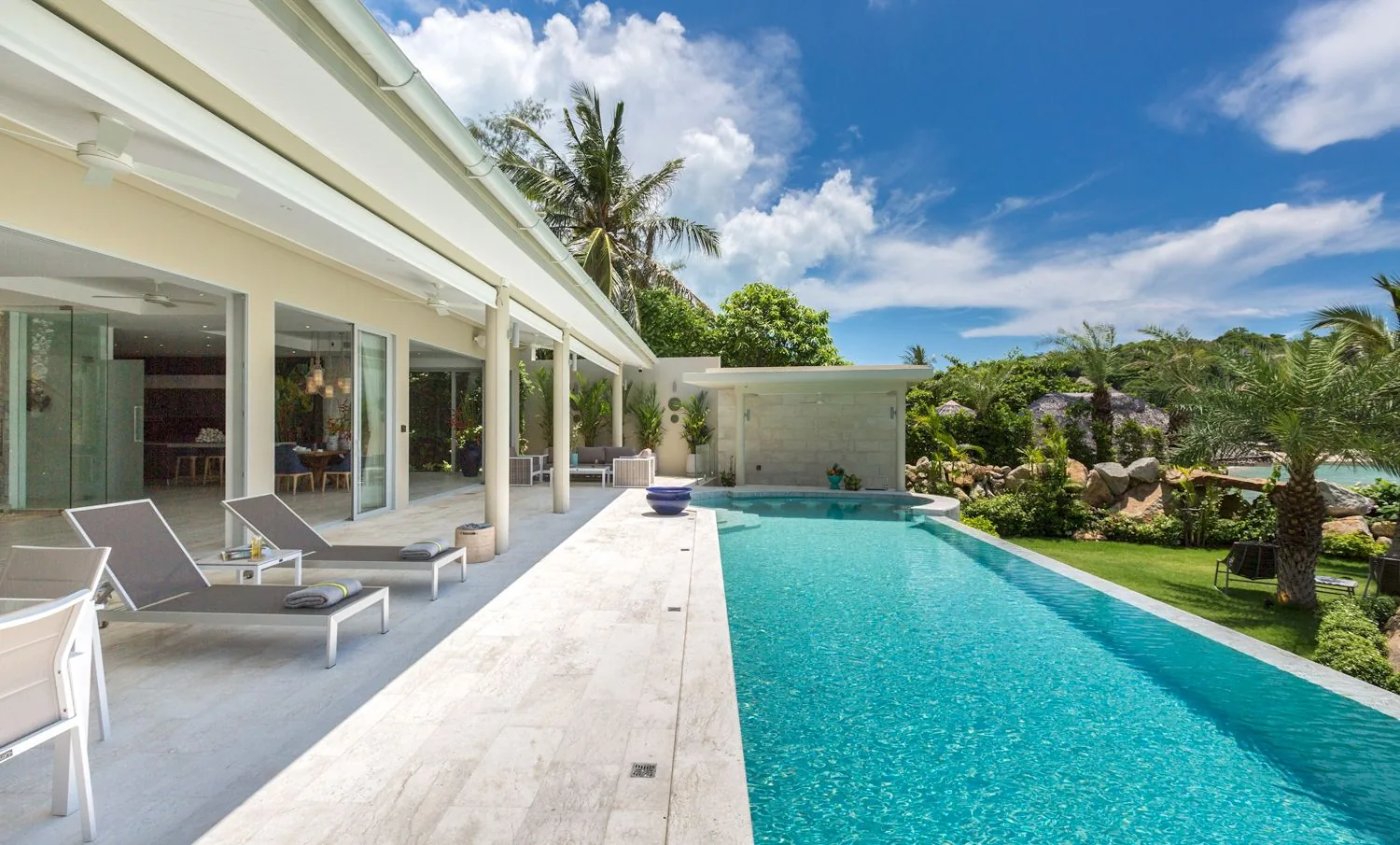
Koh Samui Villas: 13 Private Pool Villas Compared (2026)
Koh Samui private pool villas compared by coast, group size and beach, from Samujana and Plai Laem near the airport to 16-guest estates in the south.

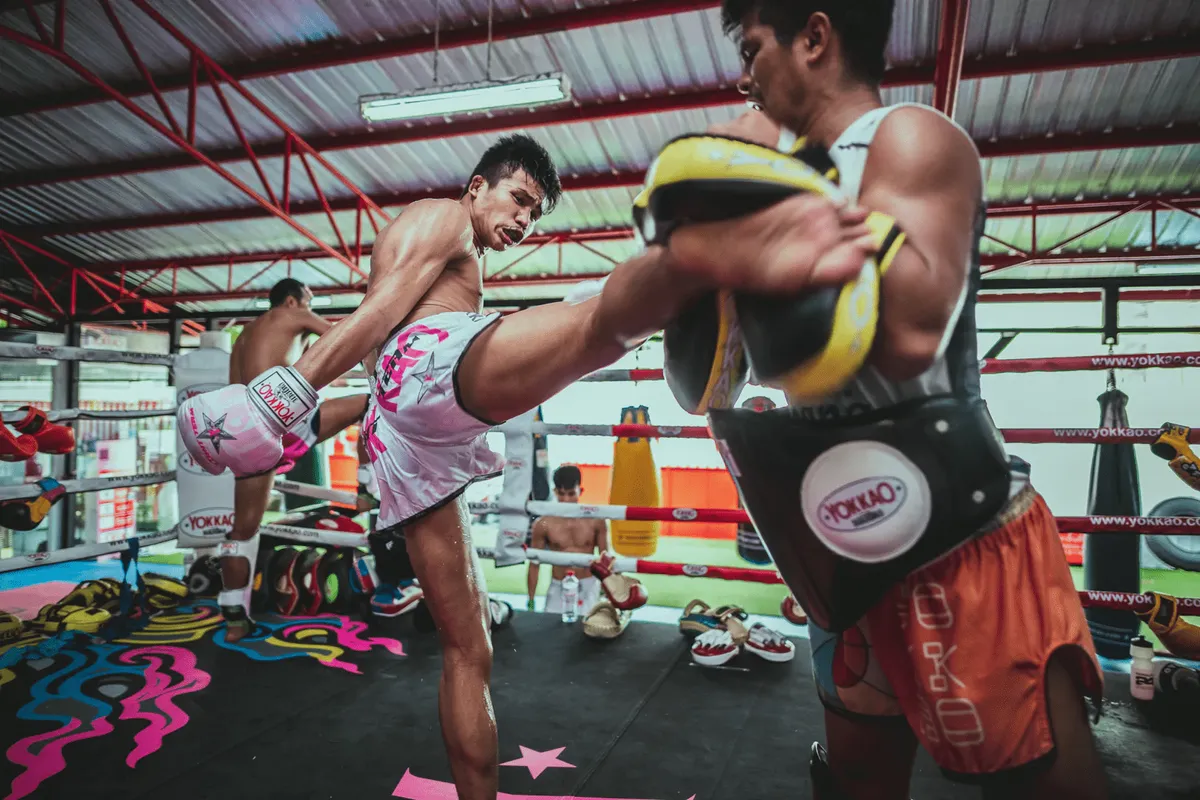
Best Muay Thai Camps in Thailand (2026): 24 Gyms and Stays Compared
Compare 24 Muay Thai camps in Thailand for 2026: day-rate gyms, residential camps and all-inclusive stays, with beginner picks and classes you can book online.

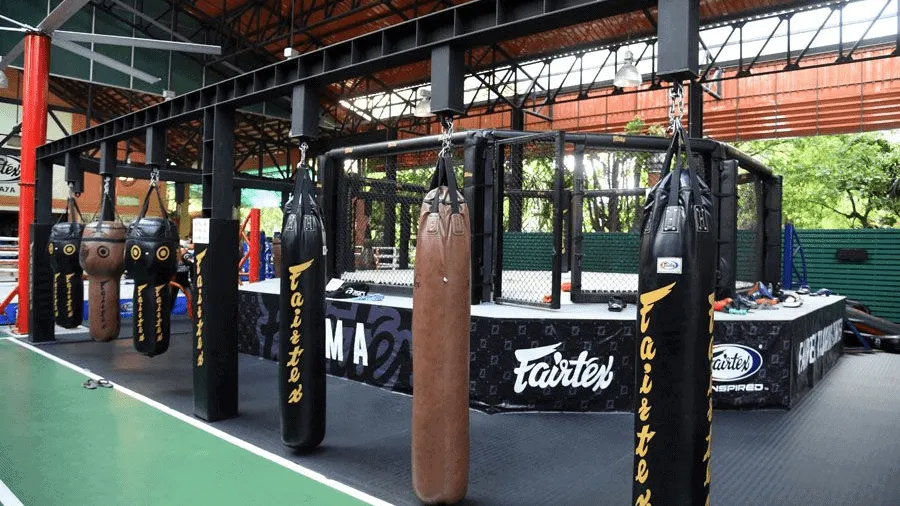
Best Muay Thai Gyms in Koh Samui 2026
Five Koh Samui Muay Thai gyms around Lamai: Lamai Muay Thai (WMC since 1998), Punch It Gym, Jun Muay Thai and SuperPro Samui. Addresses and booking links.

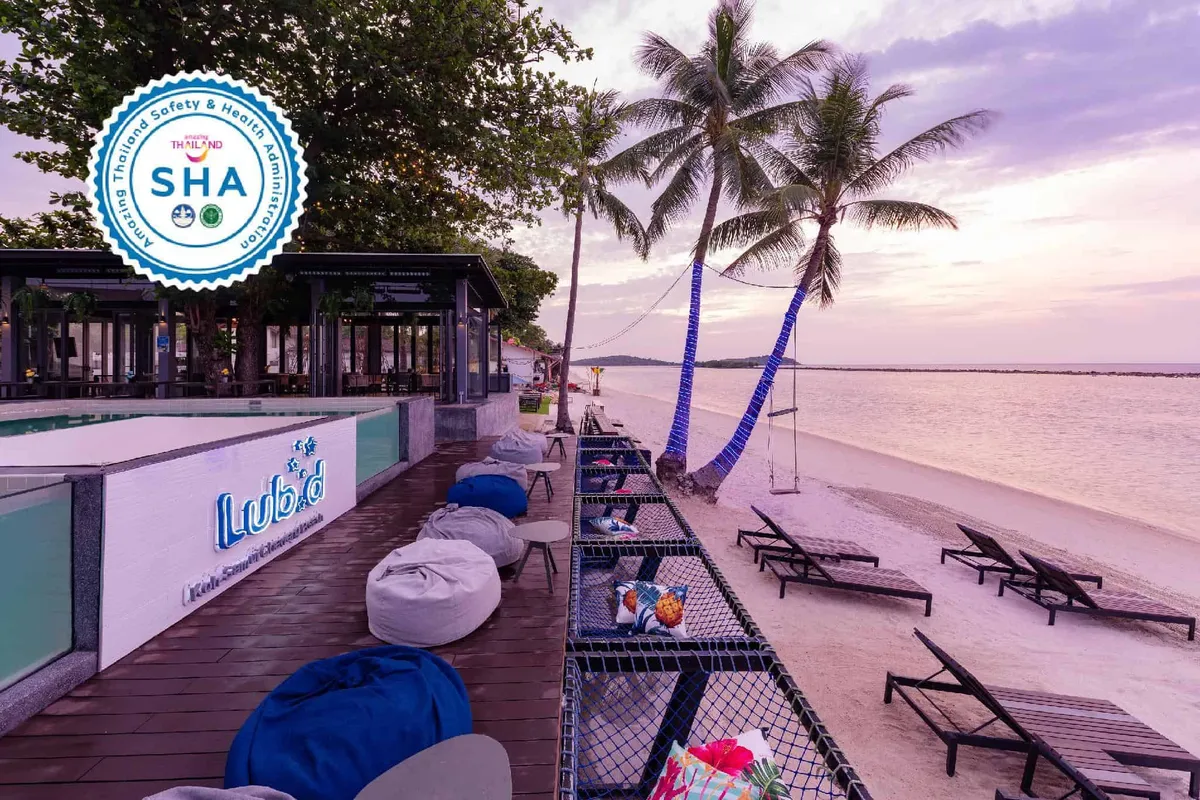
Cheap Hotels on Koh Samui: Lamai, Chaweng & Quiet North
Koh Samui budget and mid-cheap hotels by area: Lamai, Chaweng, Mae Nam, Bang Rak and Bophut, 12 linked picks with honest beach and nightlife tradeoffs.

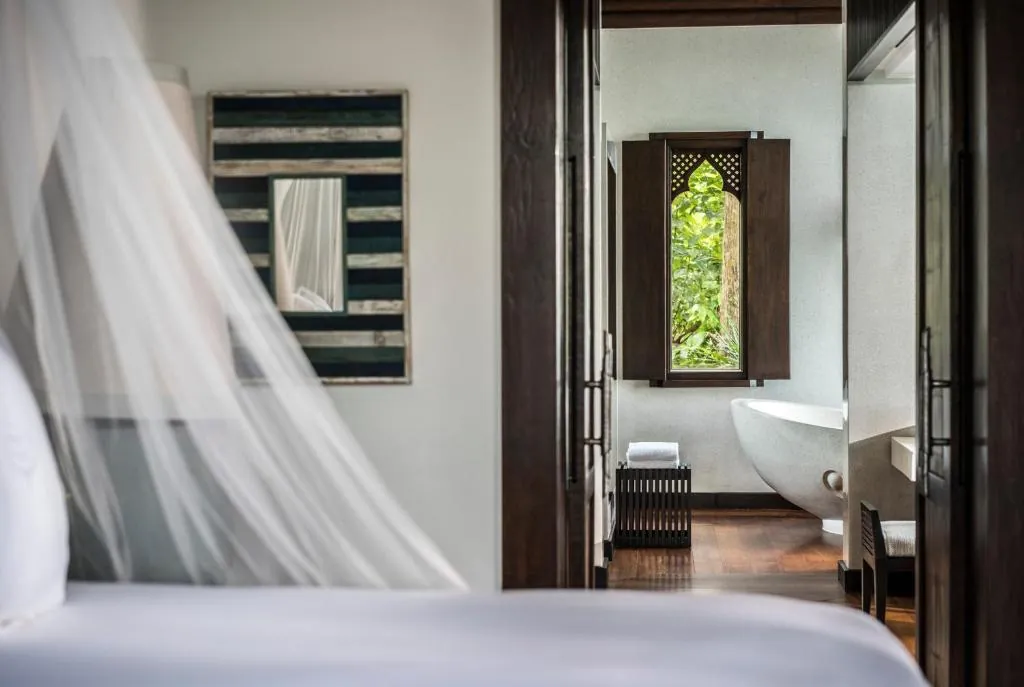
Best Luxury Hotels on Koh Samui (2026): Beach Resorts Compared
Compare the best luxury hotels on Koh Samui (Four Seasons, Centara Reserve, Anantara Lawana, SALA Chaweng and Avani+) by beach and coast tradeoffs.
Best Restaurants in Koh Samui: Beach Dining & Thai (2026)
10 top restaurants in Koh Samui for 2026 (beachfront seafood in Bophut, Thai kitchens in Lamai, beach clubs in Chaweng), with honest prices in THB.

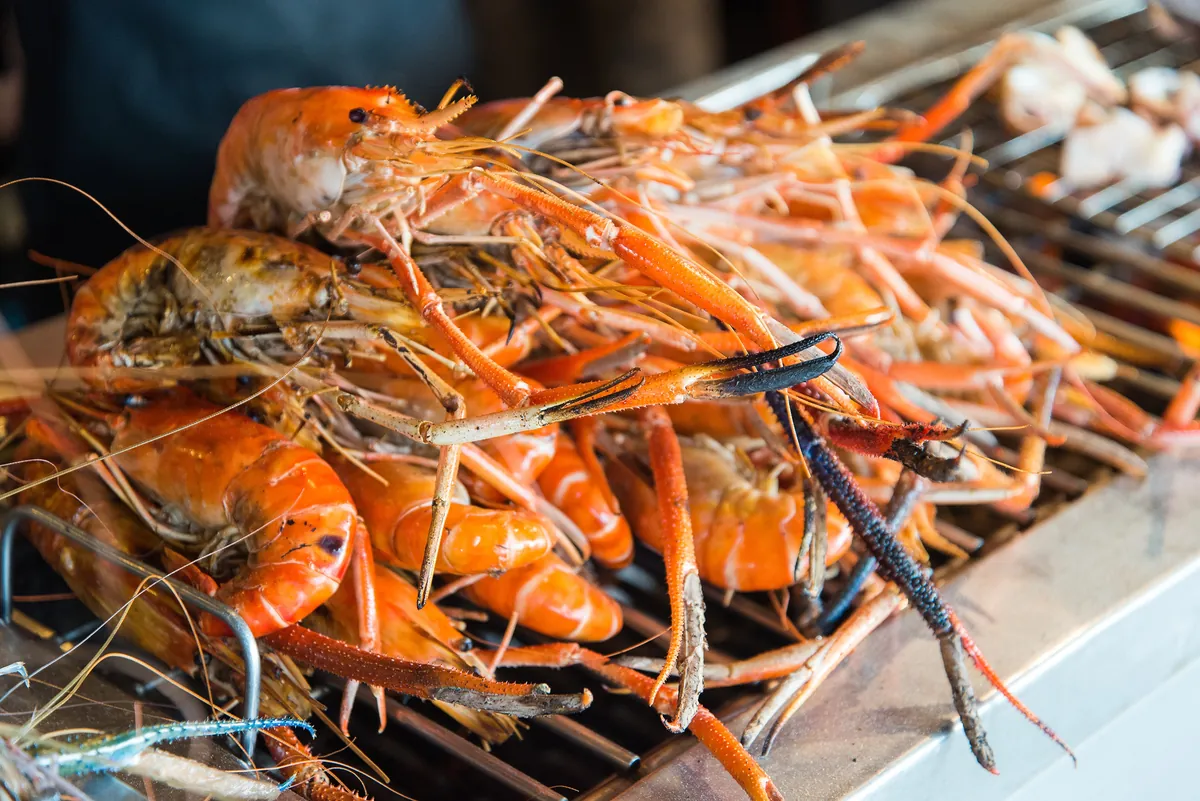
Best Food in Koh Samui: Local Eats, Seafood & Markets (2026)
Where to eat in Koh Samui, including the Friday market in Bophut, seafood on the Bang Po shoreline and southern Thai food around Hua Thanon.

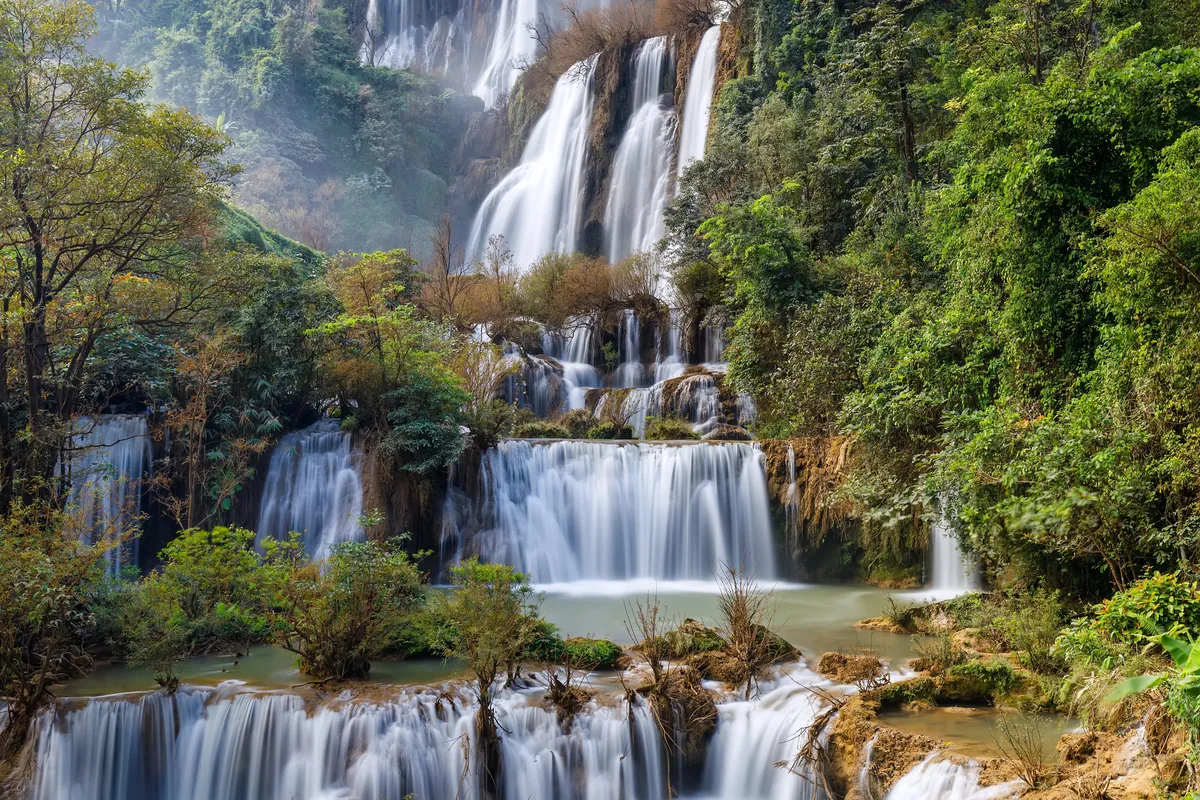
Best Waterfalls in Thailand: 11 Worth Chasing
Thailand's 11 best waterfalls for 2026, from swimmable pools at Erawan to remote Thi Lo Su, with practical advice on seasons, safety and access.
Explore around Koh Samui






About Koh Samui
Last updated September 2026
Overview
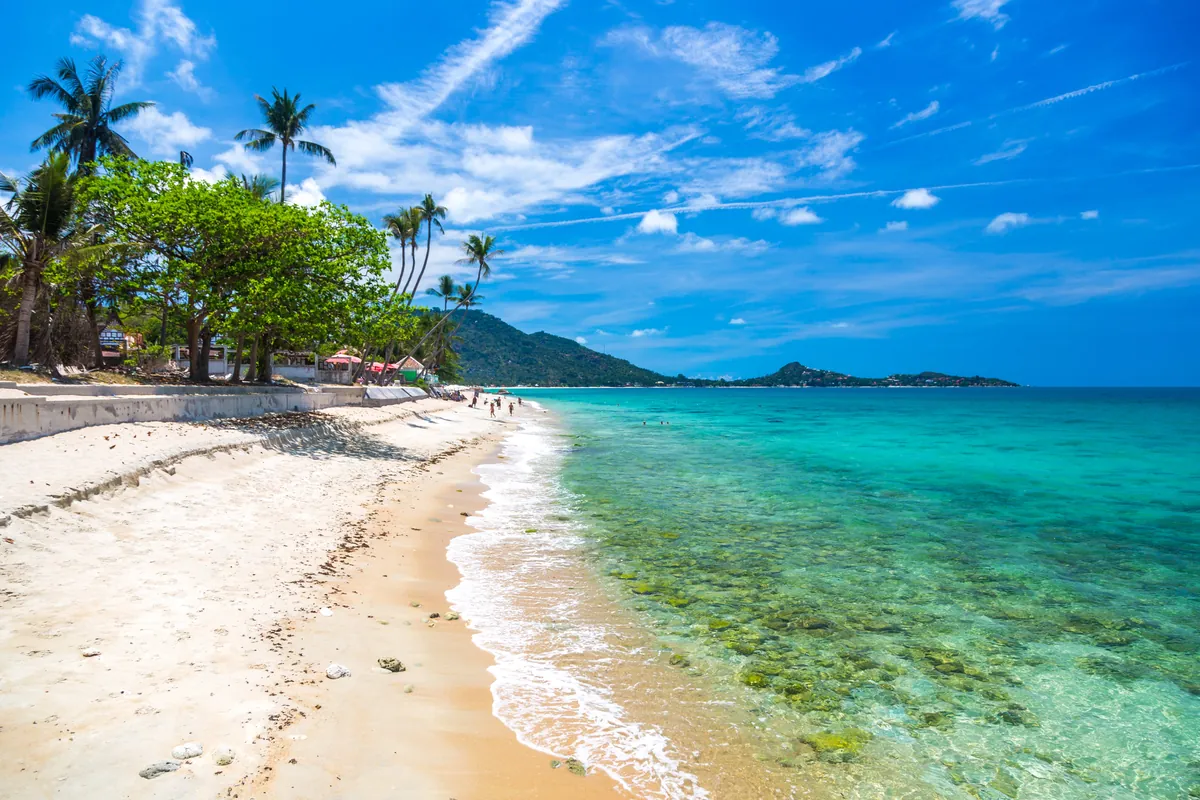
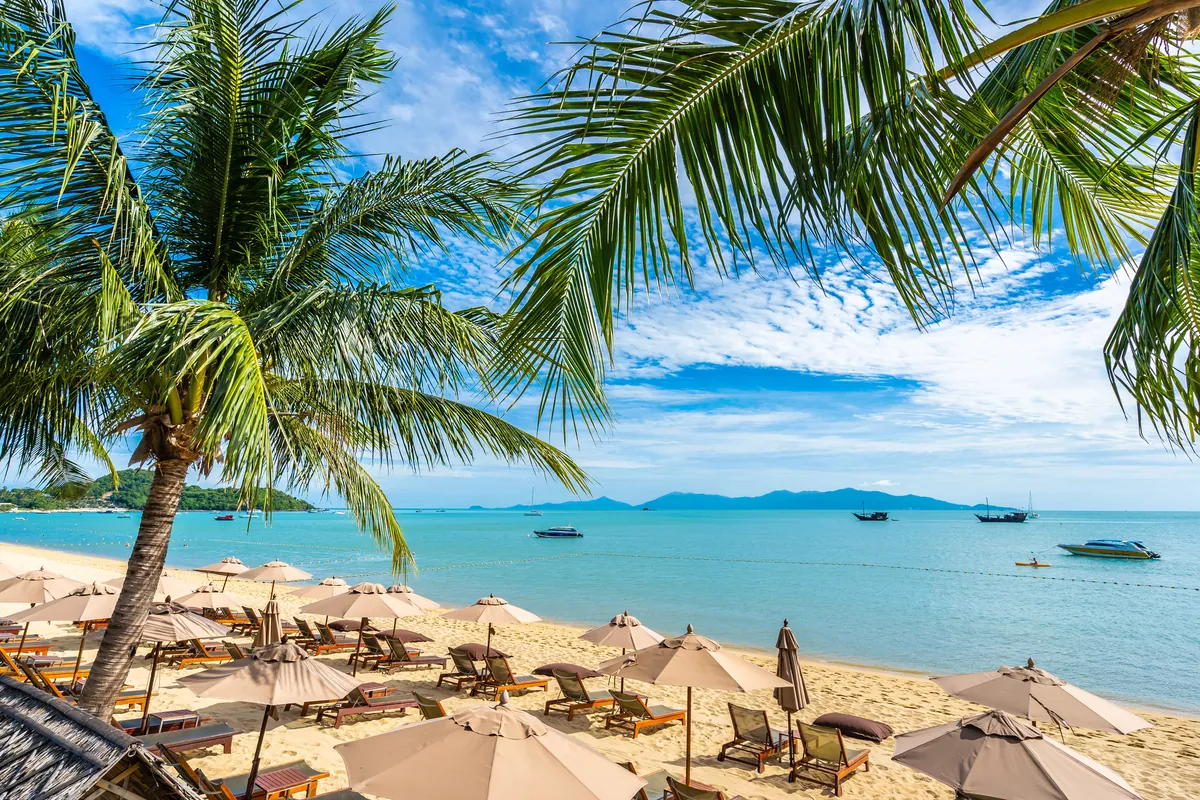
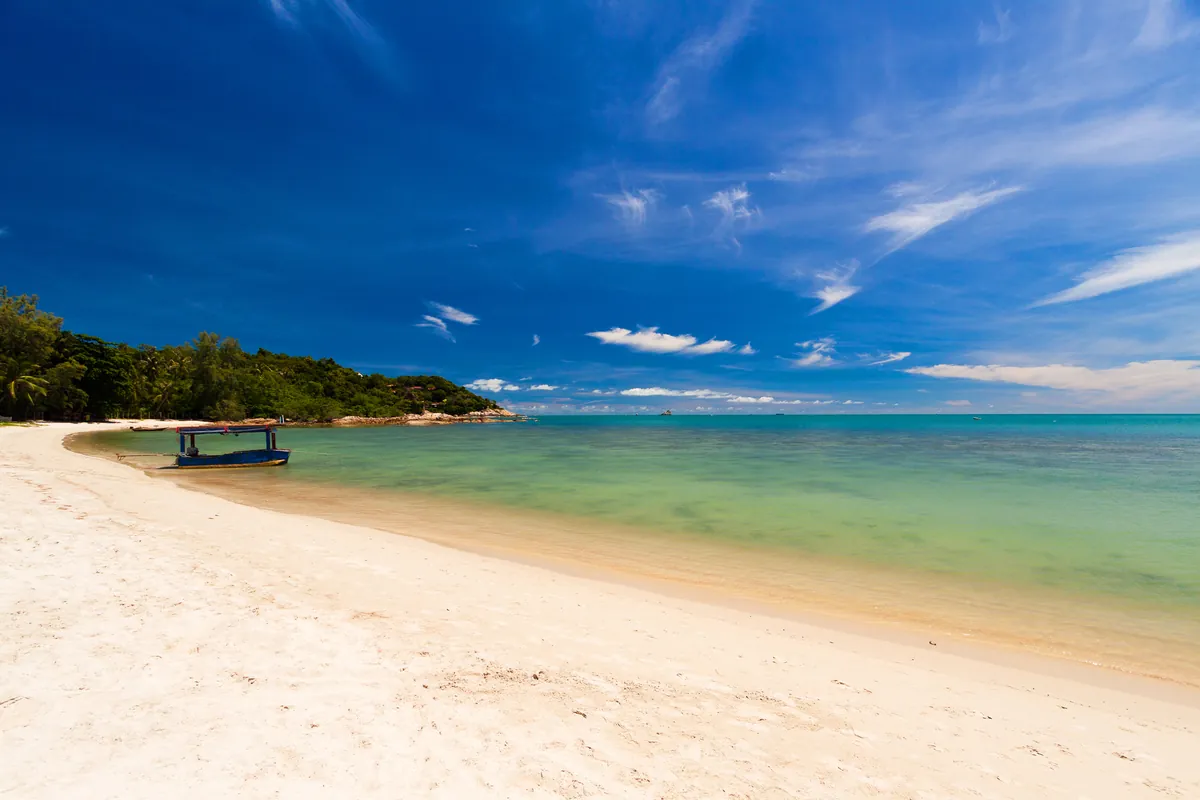
Koh Samui ranks as Thailand’s premier beach resort destination, drawing travelers seeking white sand beaches and turquoise waters along the Gulf of Thailand. This island in Surat Thani province has evolved into a sophisticated holiday spot that balances tropical relaxation with modern amenities. You’ll find everything from luxury beachfront resorts to spiritual retreats, making it equally appealing to honeymooners, families, and wellness seekers. The island maintains its natural beauty while offering polished tourism infrastructure: expect well-developed beaches, international dining, and activities ranging from temple visits to water sports. Koh Samui serves as the Gulf coast’s answer to Phuket, providing that classic Thai island experience with slightly less crowd density.
Top Things to Do
The island’s 8 main attractions span diverse interests, with 5 different islands offering excellent day trip opportunities for island hopping adventures. Water enthusiasts can choose from 3 sports activities, perfect for snorkeling, diving, or trying stand-up paddleboarding in those famous turquoise waters.
For cultural experiences, visit the island’s 3 temples to witness local Buddhist traditions and architecture. These provide peaceful respites from beach activities and offer insight into Thai spiritual life. Adventure seekers have 2 outdoor adventure options that typically include jungle trekking or zip-lining through the island’s interior.
Evening entertainment comes via 1 shows venue, likely featuring traditional Thai performances or cabaret entertainment. Golf enthusiasts can enjoy 1 golf course with tropical views. The variety means you can easily fill a week alternating between beach relaxation, cultural exploration, and active pursuits without leaving the island.
Where to Stay on Koh Samui: Best Areas
For a first trip, base yourself in Chaweng if you want nightlife and the longest beach, or Bophut if you would rather have a fishing-village feel with good restaurants. Families usually do better on the calmer north and northeast coast at Mae Nam or Choeng Mon. Couples should look at Choeng Mon, Bophut or the adults-only resorts on Mae Nam. Lamai is the easier-going alternative to Chaweng, and Bang Rak suits anyone who wants a quiet base near the Big Buddha.
| Area | Best for | Trade-off |
|---|---|---|
| Chaweng | Nightlife, first-timers, big choice of hotels | Busiest and noisiest beach on the island |
| Lamai | Relaxed beach days with bars and restaurants | Less polished than Chaweng or Bophut |
| Bophut | Couples, food, boutique stays | Beach is narrower and the village is lively on market night |
| Mae Nam | Families, quiet, ferry links | Few evening options beyond the beachfront road |
| Choeng Mon | Calm water, upscale resorts, families | Quiet at night, so you will take taxis for variety |
| Bang Rak | Quiet base near the Big Buddha | Modest beach, thinner choice of hotels |
Chaweng
Chaweng is Samui’s social centre: a long beach backed by bars, clubs and restaurants, with the widest range of hotels on the island. Stay here if you want to walk from the sand to dinner to a late drink. The drawback is noise, since the beach road stays busy after dark. SALA Samui Chaweng Beach Resort is a 5-star right on the sand, Chaweng Regent Beach Resort has kitchen-equipped rooms that suit families, and Lub D Koh Samui Chaweng Beach is the social, budget-friendly pick.
Lamai
Lamai is the second-largest beach and feels slower than Chaweng, with the Grandfather and Grandmother rocks nearby and plenty of local restaurants along the beach road. It works for travellers who want a bar or two but not a party strip. The downside is that the town side is a little scruffy in places. Try Pavilion Samui Villas & Resort for villa-style rooms on the beach, Ammatara Pura Pool Villa for a 5-star pool-villa stay, or Lamai Coconut Beach Resort for a simpler beachfront budget option.
Bophut and Fisherman’s Village
Bophut centres on Fisherman’s Village, a lane of old Chinese shophouses turned into cafes, seafood restaurants and boutique hotels, with a Friday Walking Street market. It suits couples and anyone who cares about where they eat. The drawback is that the beach is narrower than Chaweng’s, and market night brings crowds to the village. Hansar Samui Resort is a beachfront 5-star at the edge of the village, Bandara Spa Resort & Pool Villas has pool villas with kitchens that suit families, and Smile House is a simpler 3-star on the beach by Fisherman’s Village.
Insider Tip: Match the coast to your dates. The north coast beaches (Mae Nam, Bophut, Bang Rak, Choeng Mon) face the mainland and are usually the calmer swimming choice, while the Gulf monsoon hits roughly October to December. If you are catching a ferry to Koh Phangan or Koh Tao, sleeping on the north coast saves a long transfer.
Mae Nam
Mae Nam has a long, calm, shallow beach, local longtail boats on the sand and a low-key feel, which is why families like it. Expect massage huts and seafood restaurants rather than clubs. The trade-off is that nights are very quiet. Santiburi Koh Samui is the established beachfront 5-star, Explorar Koh Samui is an adults-only pool-villa resort, and Escape Beach Resort offers beachfront rooms with kitchens at a lower budget.
Choeng Mon
Choeng Mon is a sheltered, crescent-shaped bay on the northeast tip with protected, shallow water and several of the island’s top resorts. It is a strong pick for families and honeymooners who value calm over choice. You will be paying resort prices and taking taxis for anything beyond the beach. The Ritz-Carlton, Koh Samui is the headline luxury name, Royal Muang Samui Villas is villa-style, and SALA Samui Choengmon Beach is a 5-star on the same coast.
Bang Rak
Bang Rak is a quiet north-coast stretch near the Big Buddha, with fishing boats on the shore and calm water. It is good if you want to be out of the way but still close to Bophut’s restaurants. The beach is modest, and there are fewer hotels to choose from. The Culture Samui is a 5-star on the beach, The Privilege Hotel Ezra Beach Club has a beach-club feel, and Chi Samui Resort is a 4-star within walking distance of the sand.
To compare more options, see our editor shortlists of romantic hotels on Koh Samui and luxury hotels on Koh Samui. Groups who want a whole house with its own pool should read our guide to Koh Samui villas, compared by coast and group size, or browse luxury villas, and wellness fans can try Prana Resort Nandana in Bophut. Check live rates before you book, as they shift with the season.
Muay Thai training
Koh Samui pairs Muay Thai with beach recovery: morning pads near Lamai, afternoon sand. Our shortlist of best Muay Thai gyms in Koh Samui covers Lamai Muay Thai (WMC-supported since 1998) and Punch It Gym. For camps across Thailand, see Muay Thai gyms in Thailand.
Getting There
Koh Samui International Airport receives direct flights from Bangkok, major Asian cities, and some international destinations, making it one of Thailand’s most accessible islands. The airport sits right on the island, eliminating ferry transfers required for many other Thai islands.
Alternatively, fly into Bangkok and take a connecting flight, or travel overland to Surat Thani province and catch ferries from Don Sak pier. The ferry route works well if you’re already exploring southern Thailand or prefer surface transport. Flight connections from Bangkok run frequently throughout the day, with the journey taking about 1 hour and 20 minutes.
Best Time to Visit
Koh Samui sits on the Gulf of Thailand coast, meaning its wet season runs October through December, opposite to the Andaman coast’s monsoon pattern. Plan your visit between January and September for the driest weather and calmest seas.
March through May brings the hottest temperatures but reliable sunshine. January and February offer the most comfortable temperatures with minimal rainfall. Even during wet season, rain typically comes in short, heavy bursts rather than all-day downpours, so October-December travel remains possible with flexible planning.
Practical Tips
ATMs are widely available near beaches and in town centers, accepting international cards. Most resort and restaurant staff speak English, though learning basic Thai phrases helps with local interactions.
Rent a scooter for easy island exploration, but drive carefully on hilly roads. Songthaews (shared trucks) provide budget transport between beaches. When visiting temples, cover shoulders and knees. Keep a sarong handy for easy coverage over beach clothes.
Insider Tip: Book spa treatments at retreat properties even if you’re staying elsewhere: with so many wellness retreats on the island, competition keeps prices reasonable while maintaining high quality standards.