Few museums in Thailand offer visitors the chance to explore local environmental heritage through the eyes of the community itself. Changthun Eco-Museum in Trat province represents a grassroots approach to conservation education, where traditional knowledge meets modern environmental awareness. This community-driven initiative showcases the delicate relationship between local people and their natural surroundings, making it particularly relevant for travelers interested in sustainable tourism and authentic cultural experiences.
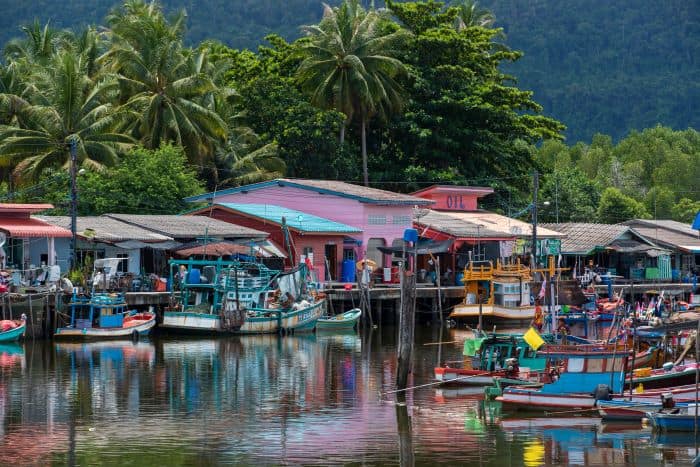
Walking through the museum’s exhibits reveals the intricate connections between Trat’s communities and their coastal environment. You’ll discover traditional fishing methods, agricultural practices adapted to the region’s unique geography, and conservation efforts led by local residents. Interactive displays demonstrate how villagers have historically managed natural resources, from mangrove forests to fishing grounds. The museum features local artifacts, photographs documenting environmental changes over time, and educational materials about the area’s biodiversity. Fresh sea breezes often drift through the space, while sounds of daily village life create an authentic backdrop to your visit.
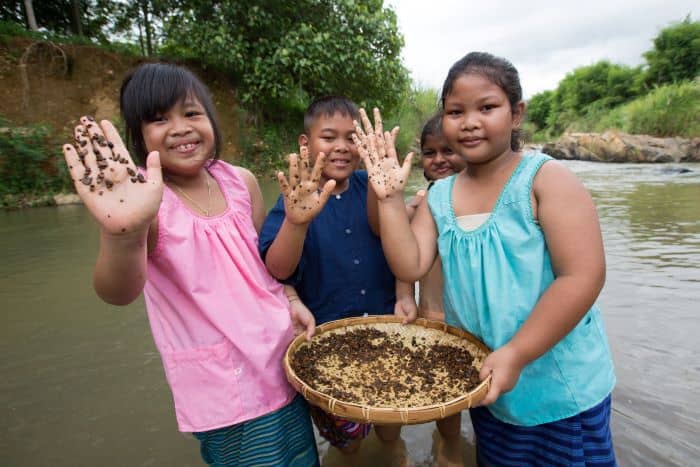
Visitors often describe a sense of genuine connection to the local community during their time here. The museum’s intimate scale encourages meaningful engagement with the exhibits and any local guides who may be present. Rather than feeling like a formal institution, the space maintains the warmth of community involvement, where education happens through storytelling and shared experiences. The peaceful environment allows for thoughtful reflection on environmental challenges and solutions developed by people who live closely with nature.
Plan your visit during weekday mornings when the museum tends to be quieter and community members are more likely to be available for informal conversations. Getting there typically involves traveling to the village by local transport from Trat town center. Bring comfortable walking shoes and perhaps a notebook if you’re interested in documenting traditional practices. The free admission makes this an accessible stop while exploring Trat province, offering valuable context for understanding the region’s environmental and cultural landscape.
Location
Contact Information
Find a Place to Stay
More Trat Attractions