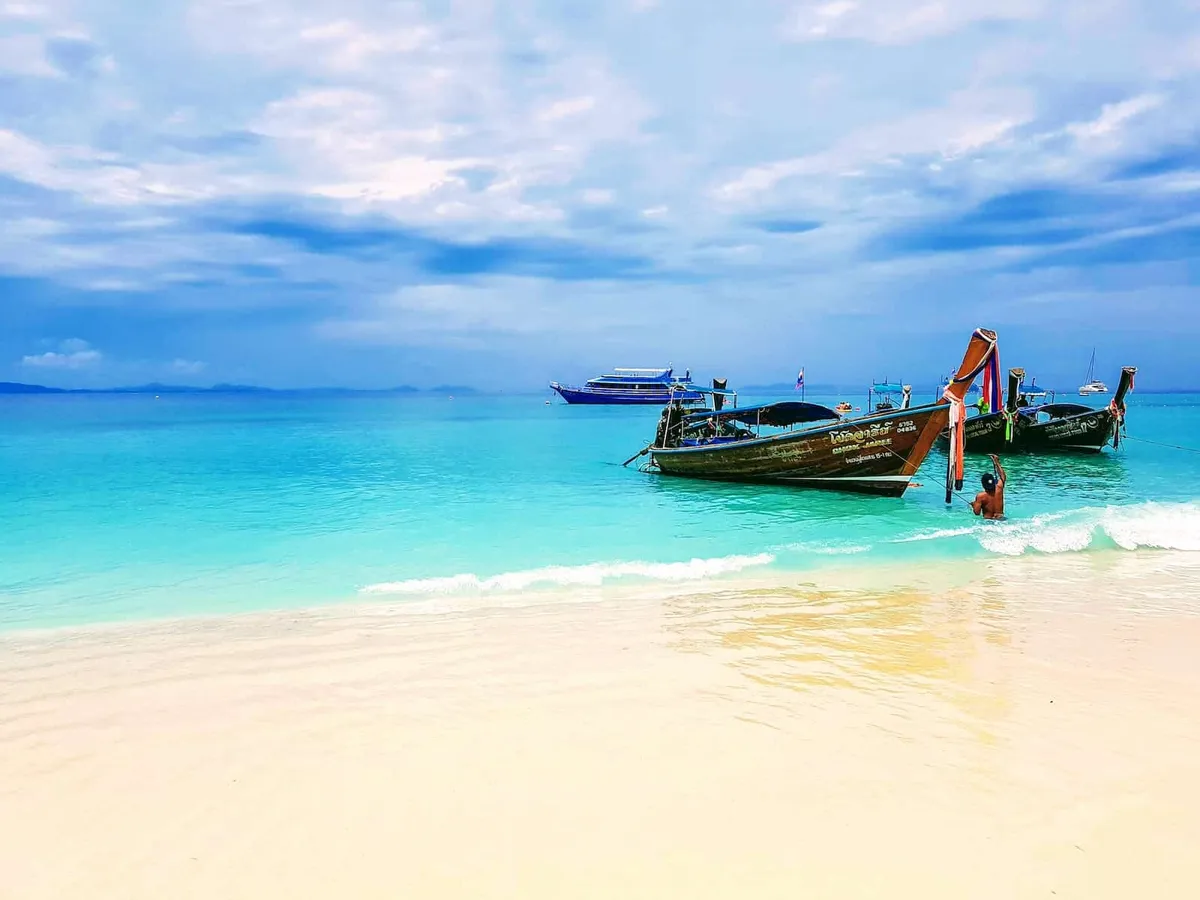




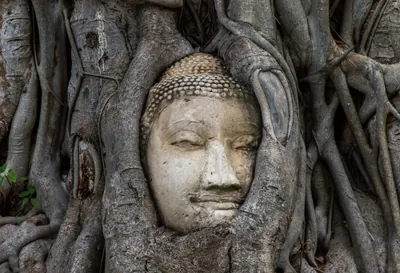




Thailand is not one climate. The “best time to visit” depends on whether you want cool mornings in Chiang Mai, calm Andaman seas around Phuket and Krabi, or a Koh Samui beach week when the west coast is wetter. Use this guide to match region and goal first — then confirm the current season and marine forecasts before you book fixed boat days.
Quick answer
For most first trips that mix cities and Andaman beaches, November to February is the easiest answer: cooler weather in the north, lower rain risk in many areas, and stronger west-coast beach conditions. March to May is hotter (and the north can see smoke haze in some years). May/June to October is often better value but wetter on the Andaman side. Gulf islands (Koh Samui, Koh Phangan, Koh Tao) follow a different rhythm — often more useful in parts of the northern-hemisphere summer, with a stormier stretch commonly later in the year.
| Best for | Pick | Area / context | Why it belongs | Main tradeoff |
|---|---|---|---|---|
| Easiest first trip | November–February | Most of Thailand + Andaman beaches | Cooler north, drier feel, calmer west-coast seas | Peak prices and crowds |
| Andaman beaches & boats | November–April | Phuket, Krabi, Khao Lak, Lanta | Stronger dry-season window for swimming and island trips | Book popular stays earlier in Dec–Mar |
| Gulf islands | February–September (check week) | Samui / Phangan / Tao | Often better when Andaman is wet | Oct–Dec can be stormier; confirm marine conditions |
| Cool season / north | November–February | Chiang Mai and the north | Comfortable mornings; clearer views in good years | Peak demand; festivals pack hotels |
| Shoulder / value | May–June or September | Many resort areas | Softer demand, fewer people | Heat or rain risk; keep boat days flexible |
| Songkran | Mid-April | Nationwide | Thailand’s biggest water festival | Heat + transport and hotel spikes |
| Honeymoon beaches | Match coast to season | Phuket / Krabi / Samui | Align romantic stay with the right sea window | See honeymoon guide |
How we picked these travel seasons
We compare Thailand by region and goal, not a single nationwide weather calendar. Rainfall timing, heat, sea conditions, smoke haze, festival crowds, and hotel demand all shift by coast and month.
We do not invent exact rainfall millimetres, traffic counts, hotel prices, or affiliate IDs. Where climate is discussed, we stay qualitative and point you to official or public forecasts (especially Thai Meteorological Department advisories) and our destination hubs. Confirm the current season and marine conditions for your exact dates before locking boats, dive days, or outdoor-only itineraries.
How to choose
- Pick the coast or region first — Andaman vs Gulf vs north vs Bangkok — then the month.
- If dates are fixed, choose the region that fits the pattern (for example, Gulf beaches when Andaman is wet).
- If the region is fixed, aim for that coast’s stronger window and keep one indoor or city backup day.
- Short trips should stick to one climate zone; long trips can sequence cool-season north + Andaman dry season, or summer Gulf + Bangkok.
Fly into the gateway that matches the plan: Suvarnabhumi for Bangkok, Phuket International Airport for the Andaman, or Chiang Mai International Airport for the north. See also flights to Thailand.

Thailand’s seasons (and why coasts disagree)
Mainland Thailand is often described with three seasons — cool (roughly November–February), hot (roughly March–May), and wet (roughly May/June–October) — driven by monsoon shifts. That framework helps for Bangkok and much of the north and centre, but the south has two seas:
- Andaman Sea (west): Phuket, Krabi, Khao Lak, Koh Lanta, Phi Phi — generally easiest in the dry Andaman window (~November–April).
- Gulf of Thailand (east of the peninsula): Samui, Phangan, Tao — often wetter later than Phuket; useful beach windows can sit inside the Andaman wet season.
- Eastern Gulf islands such as Koh Chang lean closer to a May–October wetter pattern — check the island, not a generic “south Thailand” label.
Rain in the wetter months is often showers rather than an all-day washout, but rough seas cancel boats and some marine parks or routes pause on seasonal schedules. Treat “open” vs “closed” as operator- and park-specific, not country-wide.
Best time by region
Bangkok
Bangkok is warm to hot year-round. November–February usually feels most comfortable for walking temples, markets, and river ferries. March–May is hotter and more humid; plan indoor museums, malls, and early starts. May/June–October brings more rain showers — floods can affect low-lying roads in heavy years, so leave buffer time for airport transfers.
| Goal | Prefer | Notes |
|---|---|---|
| Sightseeing comfort | Nov–Feb | Cooler evenings; still busy at major temples |
| Food + nightlife | Any month | Rain is usually manageable with flexible evenings |
| Avoid peak heat | Skip midday outdoor walks in Mar–May | Early mornings and late afternoons work better |
| Value | Shoulder / wetter months | Compare live hotel rates; events still spike demand |
Chiang Mai and the north
Chiang Mai shows the three-season pattern most clearly. November–February is the classic cool season for temples, old city walks, and mountain trips. March–April is hottest; some years bring smoke haze from regional burning — check current air-quality reports if that matters to you. Wet season greenery is lovely, but trails and rural roads can be muddy.
| Goal | Prefer | Notes |
|---|---|---|
| Cool weather | Nov–Feb | Peak tourism and festival demand |
| Flower / cool-season events | Early year window | Confirm that year’s dates |
| Avoid haze risk | Be cautious Mar–Apr | Conditions vary year to year |
| Quieter temples | Shoulder / wetter weeks | Bring a rain layer |
Phuket and the Andaman (incl. island day trips)
For beach weather and boat reliability, follow the Andaman dry season. Our Phuket weather guide goes deeper on month patterns, packing, and marine planning. Broadly: November–April is the easier beach window; December–March is busiest; May–October needs flexible boat plans and respect for flags and swell.
| Goal | Prefer | Notes |
|---|---|---|
| Beach + island hopping | Nov–Apr | Confirm operator and park schedules |
| First-time Phuket | Dec–Mar for reliability | Higher demand; book stays earlier |
| Flexible value trip | May–Jun or Sep | Rain and rough seas possible |
| Couples / honeymoon | Dry-season beaches | See romantic hotels in Phuket and the honeymoon guide |
Krabi
Krabi (Ao Nang, Railay, island day trips) tracks the Andaman pattern: stronger roughly November–April. Limestone cliffs, kayaking, and longtail days feel easiest when seas are calmer. In wetter months, keep Railay and island plans refundable and watch local advisories.
| Goal | Prefer | Notes |
|---|---|---|
| Beaches + boat days | Nov–Apr | Same Andaman logic as Phuket |
| Scenery + quieter pace | Shoulder edges (e.g. Nov, Apr) | Still confirm rain and wind |
| Climbing / outdoors | Dry months when possible | Rock can be slippery after rain |
Khao Lak
Khao Lak is an Andaman mainland base popular for quieter beaches and access toward the Similan / Surin season (operator and park calendars decide open windows — confirm the year you travel). Prefer November–April for beach days; wet season suits travellers who want space and flexible plans rather than guaranteed boat days.
| Goal | Prefer | Notes |
|---|---|---|
| Calm beach base | Nov–Apr | Quieter feel than Phuket town strips |
| Dive / snorkel season | Dry Andaman window | Check park and liveaboard schedules |
| Low-key wet-season stay | May–Oct | Bring indoor / spa backups |
Koh Samui (Gulf)
Koh Samui does not share Phuket’s calendar. Many travellers find useful beach weather in February–September, while October–November (and sometimes into December) is often stormier on the Gulf. Always check the week’s marine forecast rather than a single “best month” claim.
| Goal | Prefer | Notes |
|---|---|---|
| Resort beach week | Feb–Sep (verify week) | Strong honeymoon / resort scene |
| Avoid stormier stretch | Be cautious Oct–Dec | Flights still operate; boats may not |
| Couples | Match to Gulf window | Romantic hotels on Koh Samui |
Koh Phangan and Koh Tao
Koh Phangan and Koh Tao follow Gulf patterns similar to Samui. Phangan’s party calendar (including Full Moon periods) can dominate accommodation demand regardless of weather — book with the event calendar in mind. Tao is dive-oriented: visibility and course schedules vary; wet or windy weeks matter more than average air temperature.
| Goal | Prefer | Notes |
|---|---|---|
| Beach / boat (Gulf) | Often better away from late-year storms | Confirm ferries and weather |
| Dive focus (Tao) | Ask shops about current conditions | Don’t rely on a single “best month” blog claim |
| Festival / party timing | Check event dates first | Weather is secondary to demand spikes |
Crowds, prices, and honesty checks
- Peak demand usually aligns with cool/dry comfort: roughly November–February nationwide interest, plus Christmas–New Year and Chinese New Year weeks in popular hubs.
- Shoulder and wetter months often mean softer hotel demand and fewer crowds in resort areas — but major festivals, long weekends, and school holidays still fill rooms.
- We do not publish invented room rates or “% cheaper” claims. Compare live prices for your dates on your preferred booking sites, and favour refundable fares if monsoon timing worries you.
- Boats and marine parks can pause or reroute regardless of what your hotel quote says. Build slack into island itineraries.

When rain or heat is still worth it
Visiting in the wetter Andaman months or the hot season can still work if you:
- Keep boat and outdoor days movable
- Base in places with good food, spa, or old-town options for wet afternoons
- Start early, rest midday in March–May heat
- Watch official forecasts and advisories (Thai Meteorological Department) and operator notices close to travel
Gulf travellers in northern-hemisphere summer often find the opposite tradeoff: usable beach time while Phuket marketing is deep in “rainy season” language — another reason not to treat Thailand as one climate.
Festivals and holidays (plan dates, then weather)
Festival timing can override weather preferences because hotels and transport spike.
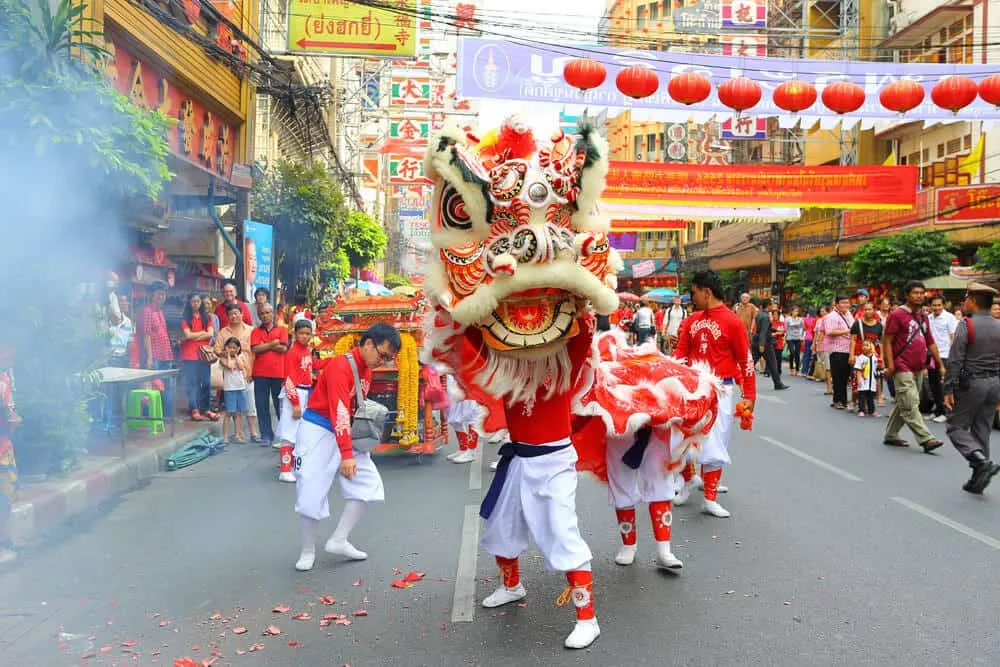
- Chinese New Year (Jan/Feb, lunar): busy Bangkok Chinatown and travel peaks — Chinese New Year
- Songkran (mid-April): nationwide water festival — hot season + huge demand — Songkran
- Chiang Mai Flower Festival (early year, confirm dates) — Flower Festival
- Phuket Vegetarian Festival (late Sep/Oct, lunar) — Vegetarian Festival
- Yi Peng (north) and Loy Krathong (nationwide, usually November) — Yi Peng, Loy Krathong. Public celebrations differ from private ticketed lantern events; follow that year’s local rules.
Full overview: festivals in Thailand.
Island-hopping timing

- Andaman hopping (Phuket, Phi Phi, Lanta, Krabi islands): generally easiest November–April.
- Gulf hopping (Samui–Phangan–Tao): often stronger in parts of Feb–Sep; treat late-year weeks carefully.
- Wet months are not a nationwide shutdown — many resorts stay open — but rough seas and park rules decide what runs.
Confirm the specific island and operator; do not assume one coast’s “open season” applies to the other.
Sample trip logics (not fixed itineraries)
| Trip idea | Stronger window | Why |
|---|---|---|
| Bangkok + Chiang Mai culture | Nov–Feb | Cooler walking weather |
| Phuket / Krabi / Khao Lak beaches | Nov–Apr | Andaman dry-season logic |
| Samui + Tao diving / beaches | Often Feb–Sep | Gulf pattern vs Andaman |
| Festival-led (Songkran) | Mid-April | Experience first; accept heat and crowds |
| Honeymoon one-island | Match coast to season | Keep transfers few — honeymoon guide |
Quick destination links
- Cities & north: Bangkok, Chiang Mai
- Andaman: Phuket, Krabi, Khao Lak, Koh Lanta, Phuket weather
- Gulf: Koh Samui, Koh Phangan, Koh Tao
- Couples: Thailand honeymoon guide, romantic hotels in Phuket, romantic hotels on Koh Samui
- Practical: festivals in Thailand, flights to Thailand
Bottom line
The best time to visit Thailand is the month that fits your region and goal. For a classic first trip with Andaman beaches, start with November–February. For Gulf islands, do not copy Phuket’s calendar. For value, accept heat or rain risk and keep plans flexible. Always re-check forecasts, air quality (north, hot season), and boat operations close to departure — seasons describe patterns, not guarantees.