


DepositPhotos (standard license)
Lamphun
ลำพูน
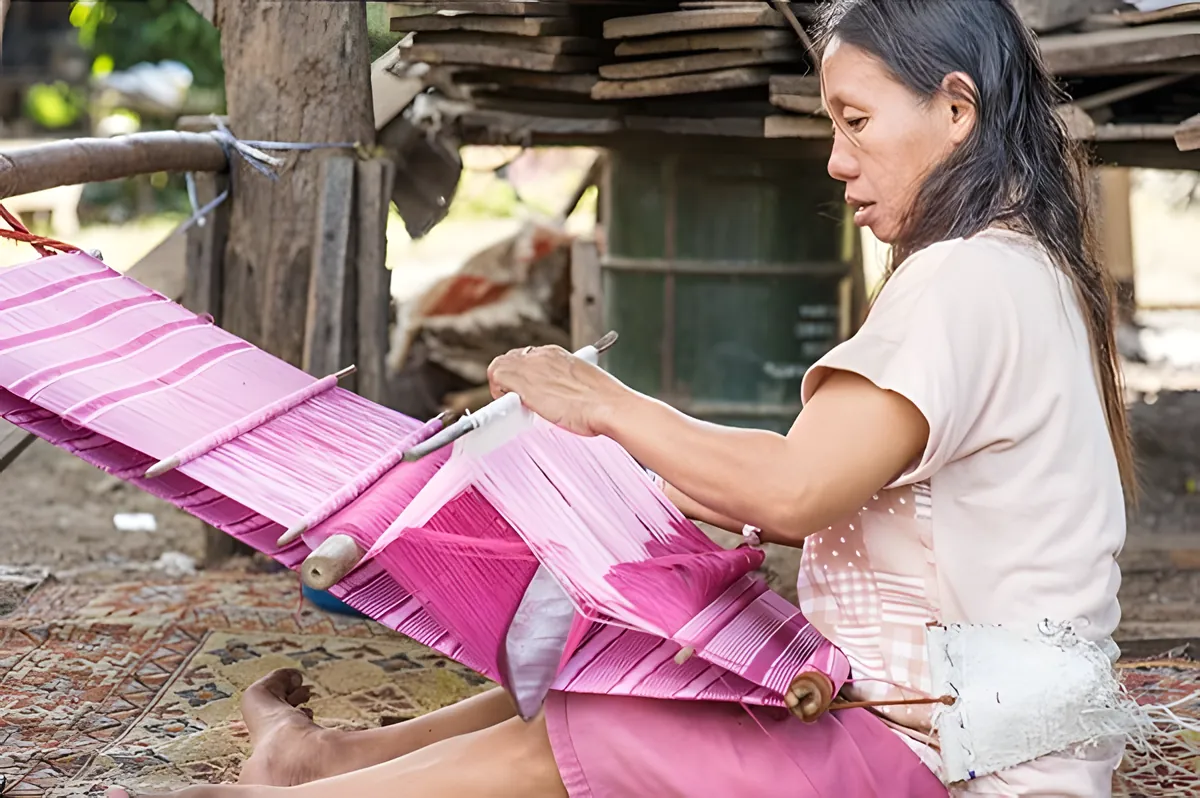
Ancient Haripunchai kingdom with stunning temples, traditional weaving villages, and longan orchards.
Recommended by us

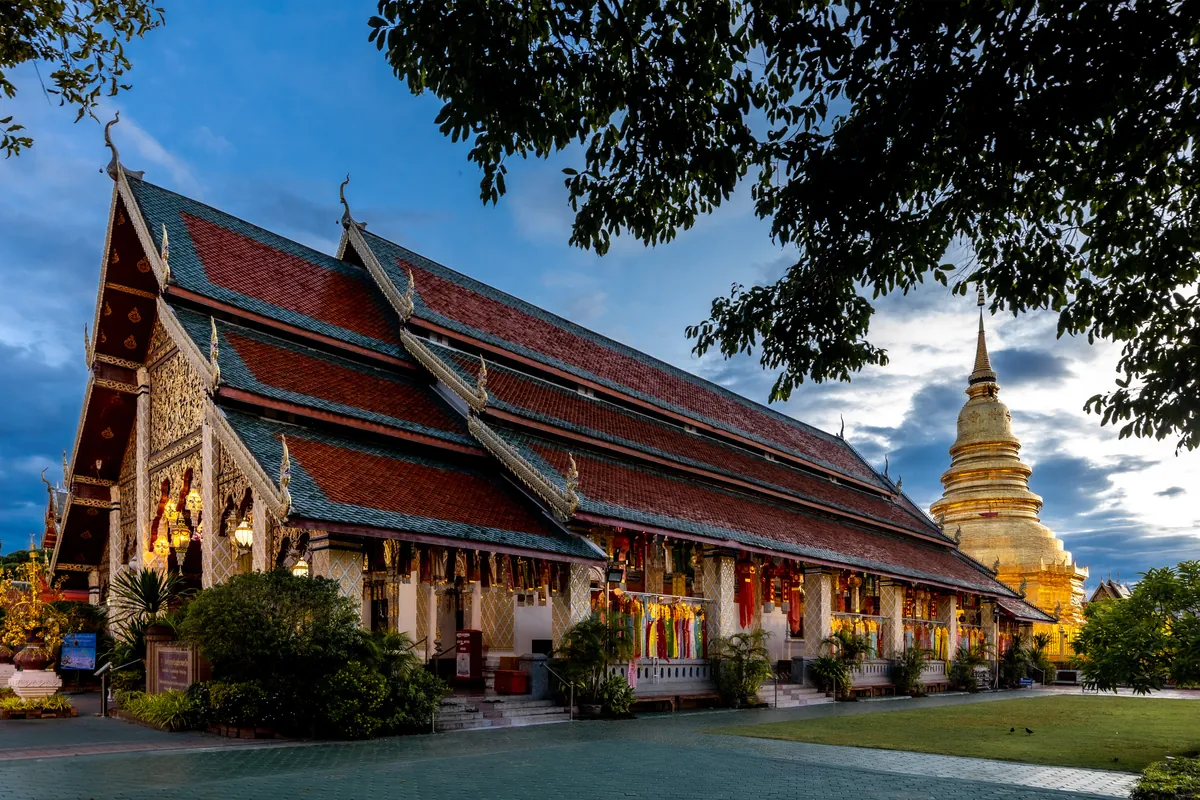
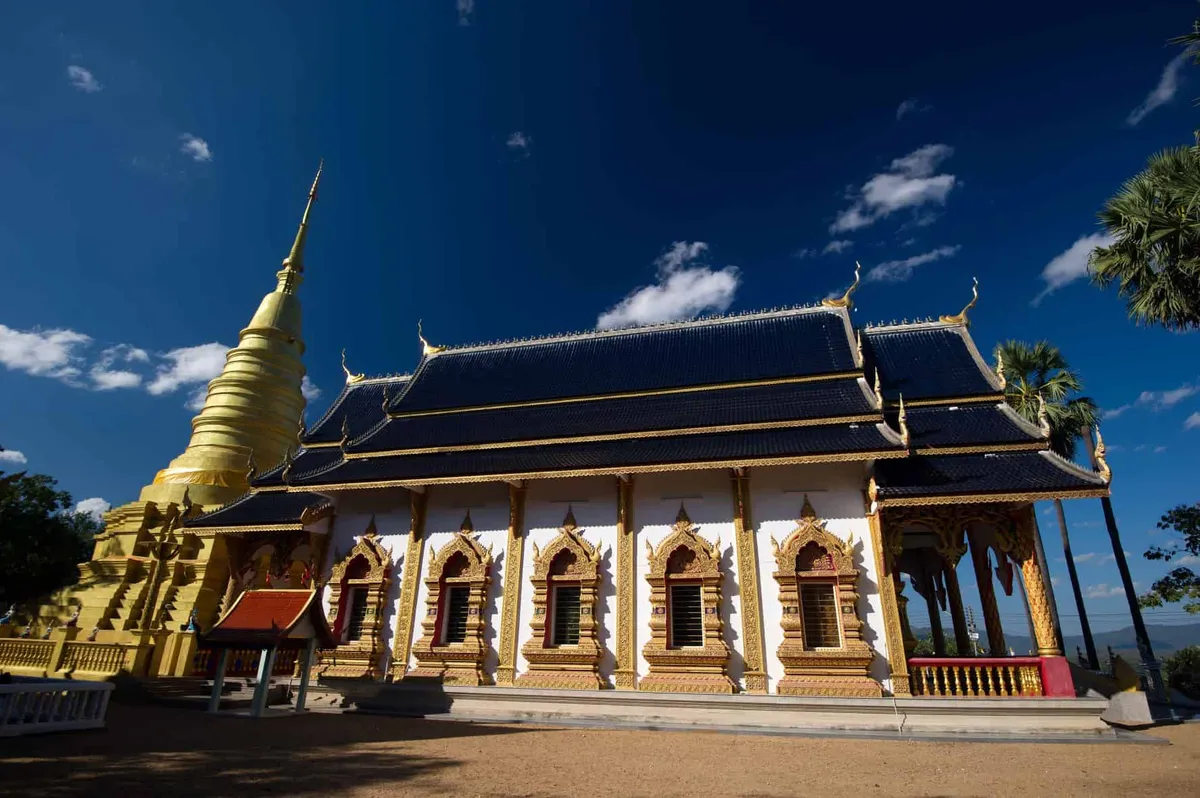
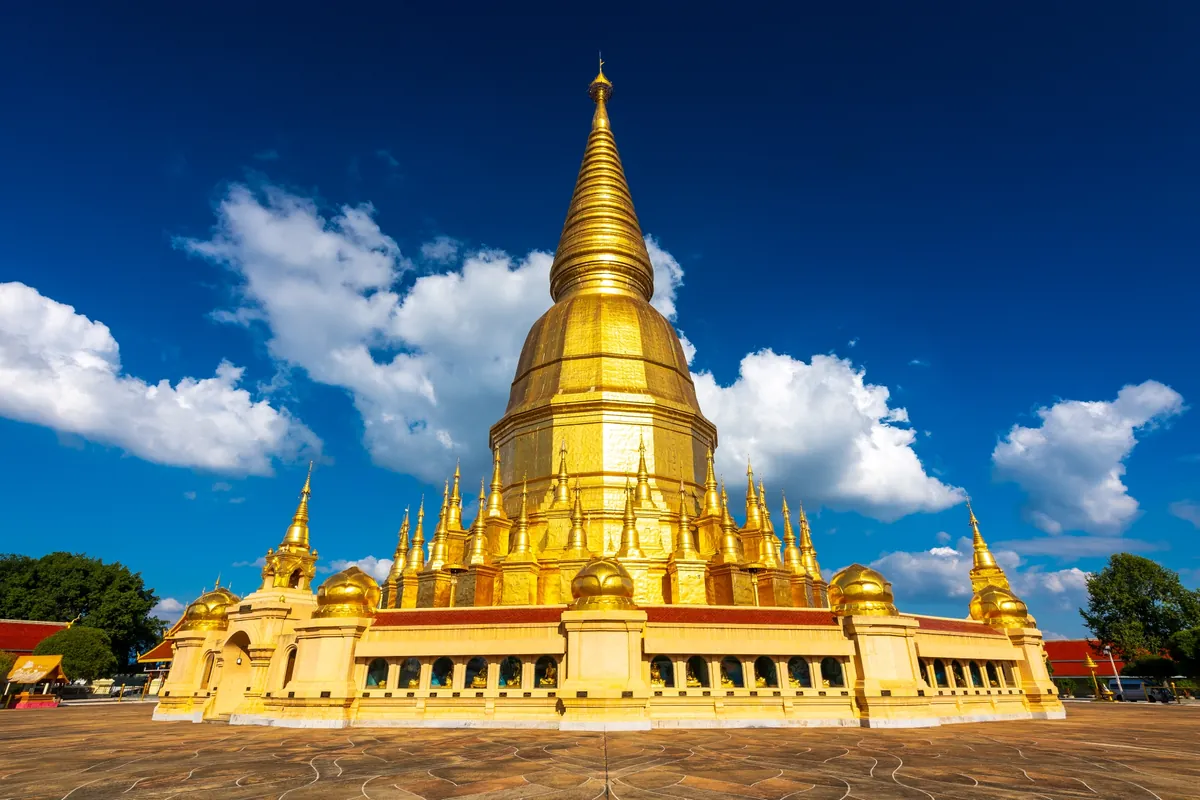
Wat Phra That Hariphunchai
Lamphun's centrepiece — a working royal temple whose 46-metre gilded chedi has anchored this ancient town for over a thousand years. Quieter and more authentic than the Chiang Mai temples, and it's only 25km away.

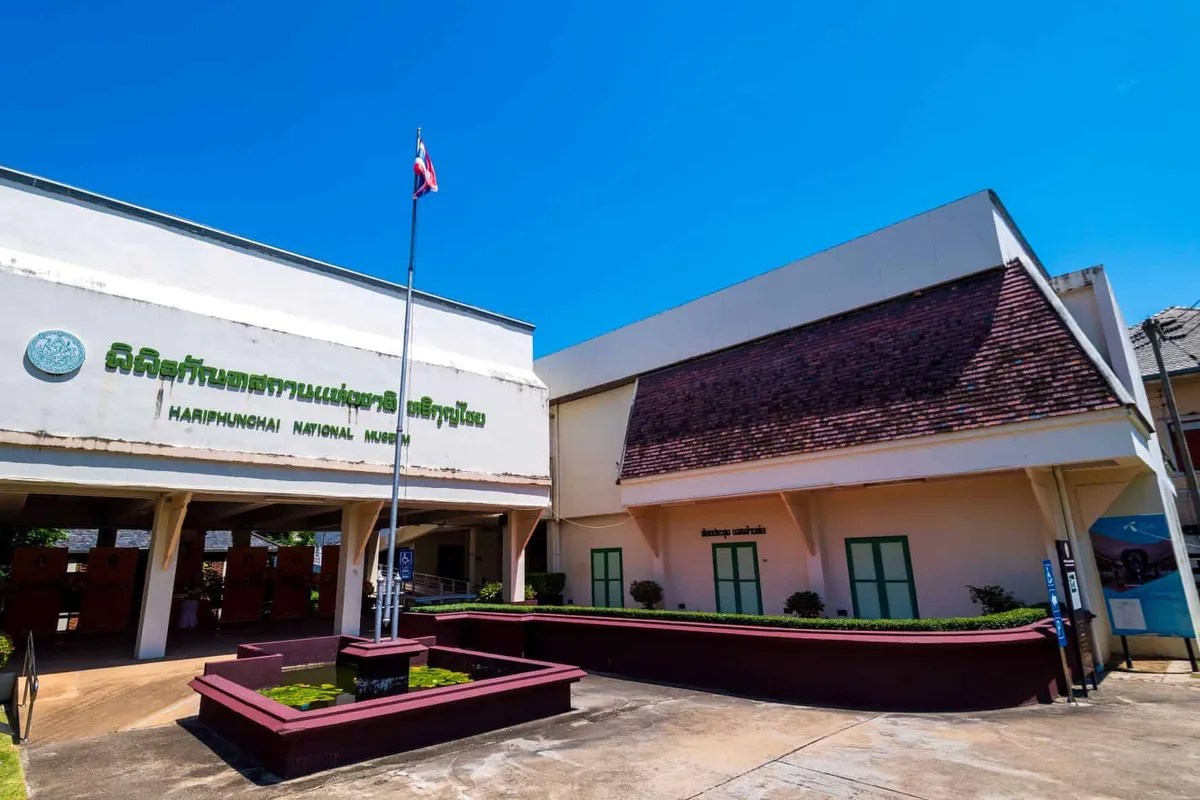
Hariphunchai National Museum
The best place to understand the Haripunchai kingdom that predates Chiang Mai. Small, well-curated, and almost always uncrowded — allow an hour.

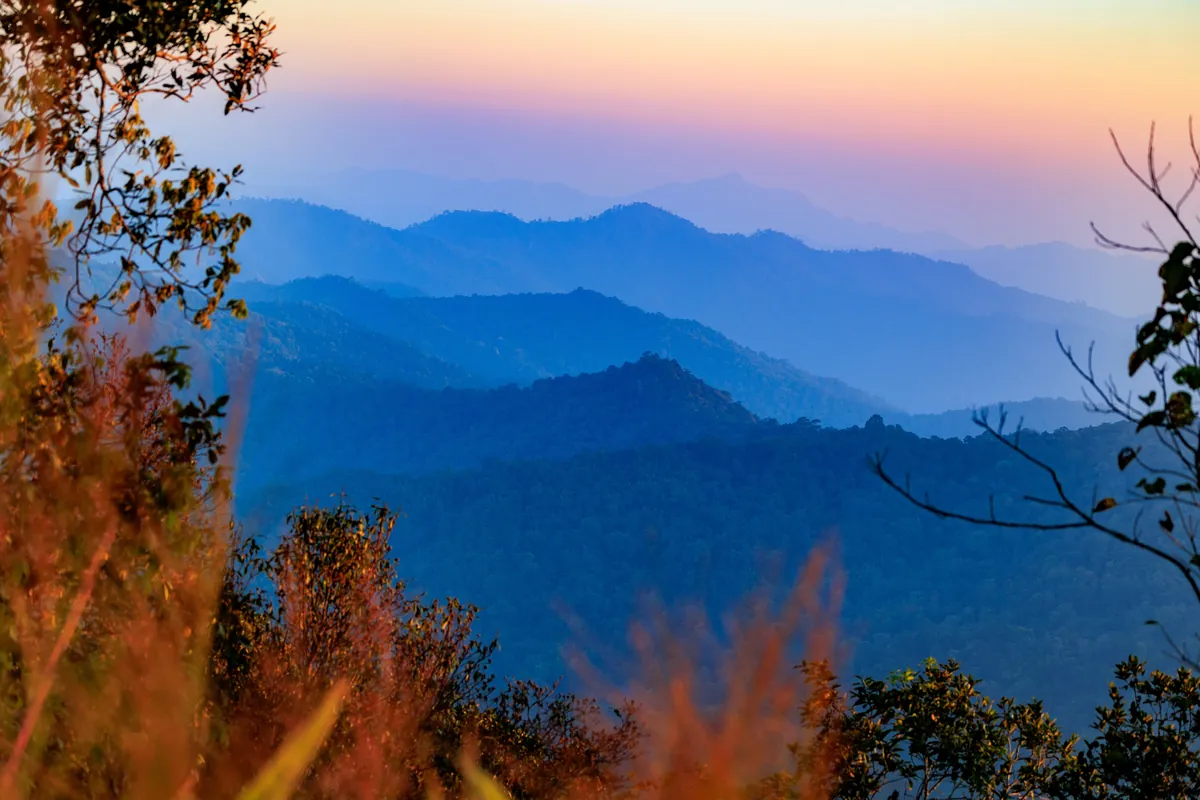
Doi Khun Tan National Park
A forested ridge accessible only by train — the Khun Tan tunnel station puts you at the trailhead. Cool enough for a proper hike even in the dry season; camping available at the summit.

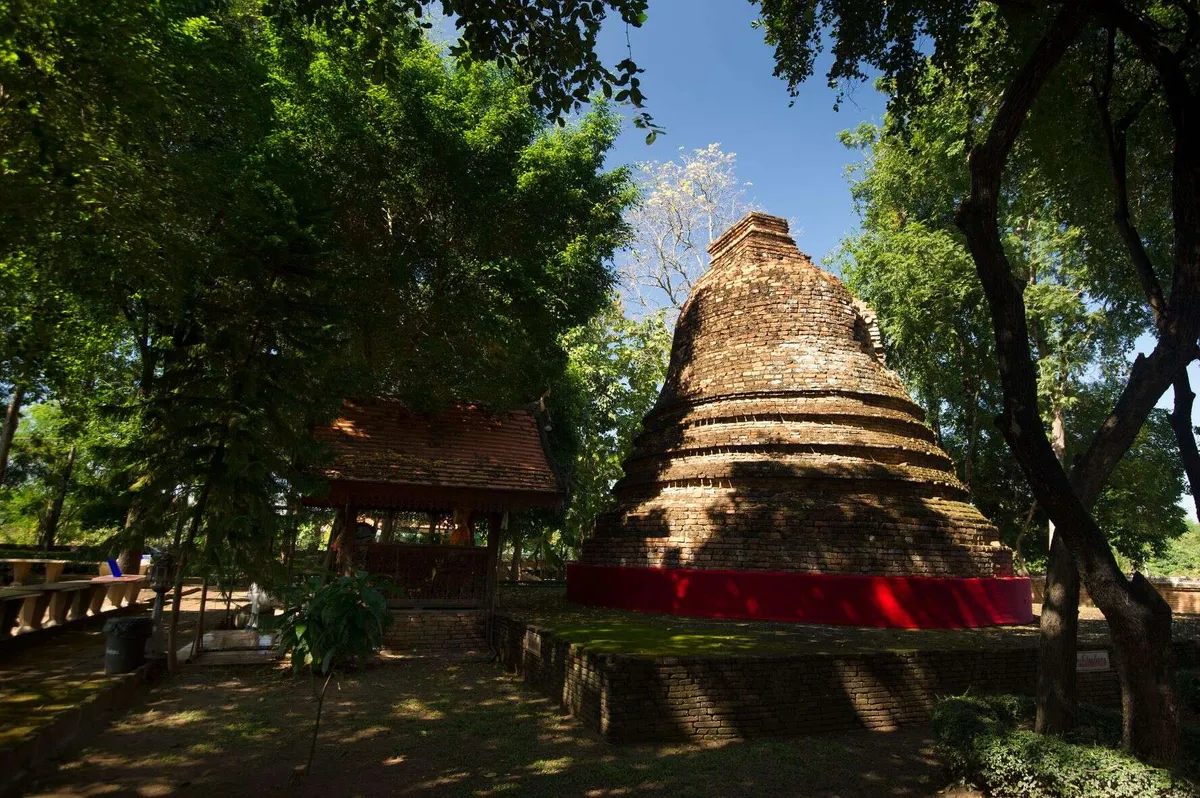
Ku Chang-Ku Ma
Ancient Haripunchai-era chedis in a quiet garden — said to mark the burial place of a royal elephant and horse. One of the most atmospheric small historical sites in northern Thailand.

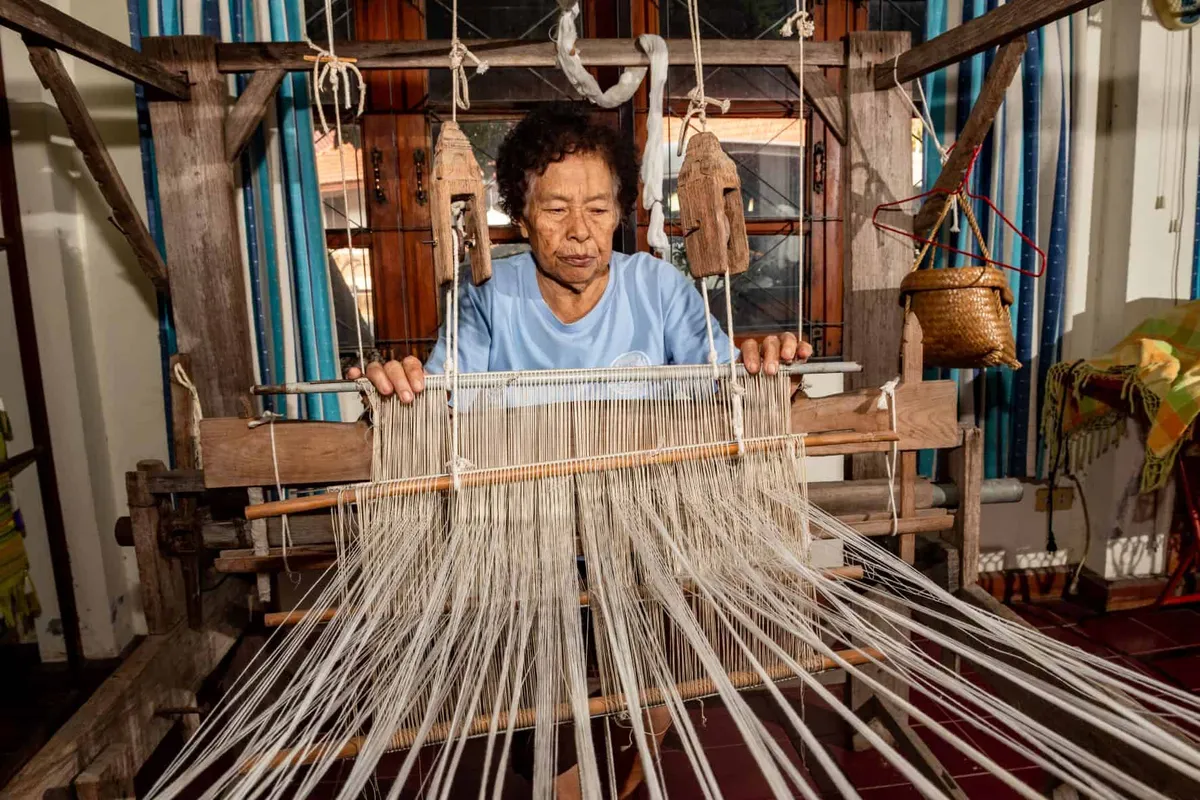
Get to Lamphun
Most visitors come from Chiang Mai — it's 25km south, about 40 minutes by minivan or local bus. The train from Bangkok stops at Khun Tan, one station before Lamphun.

eSIM for Thailand
Land with data already working and skip the airport SIM queue. We tested six plans — code THAIHOLIDAY saves 10%.

Travel insurance
Trekking in national parks and scooters on quiet mountain roads — sort cover before you travel. Check the motorbike clause if you plan to ride.
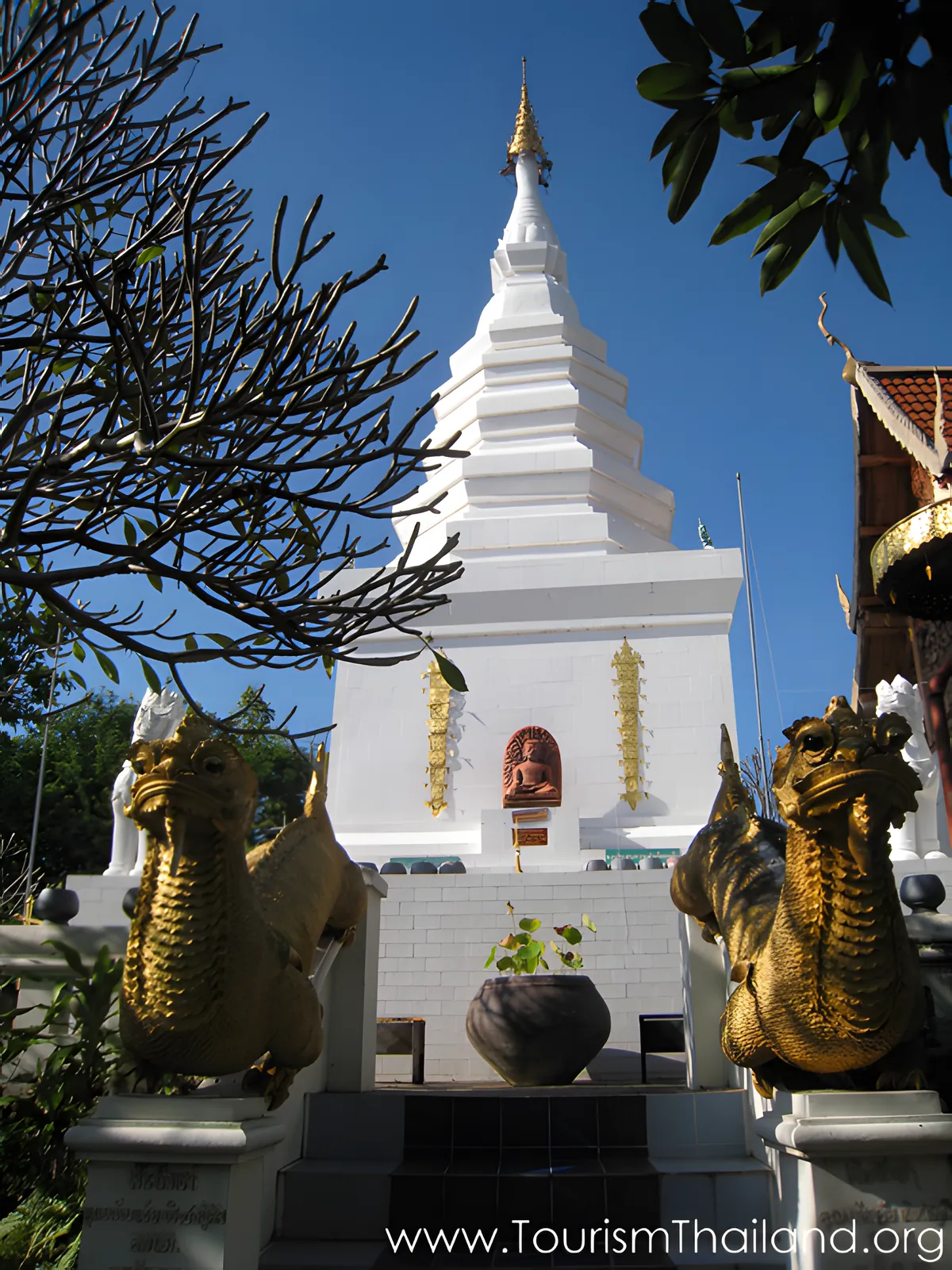
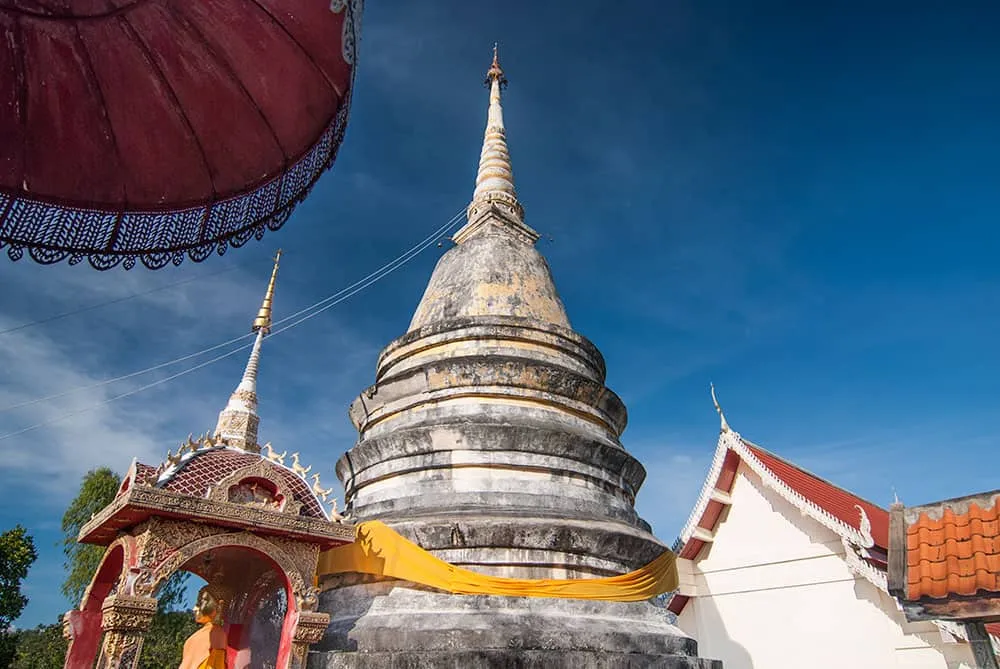
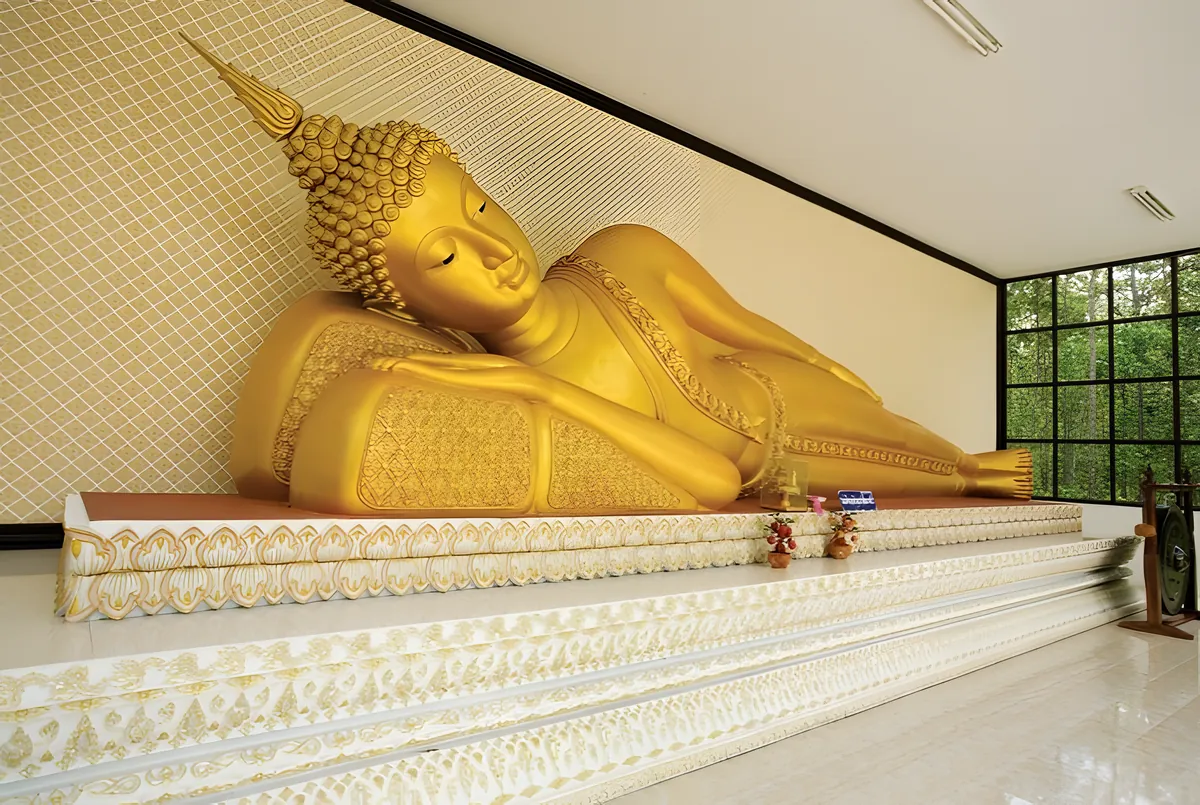
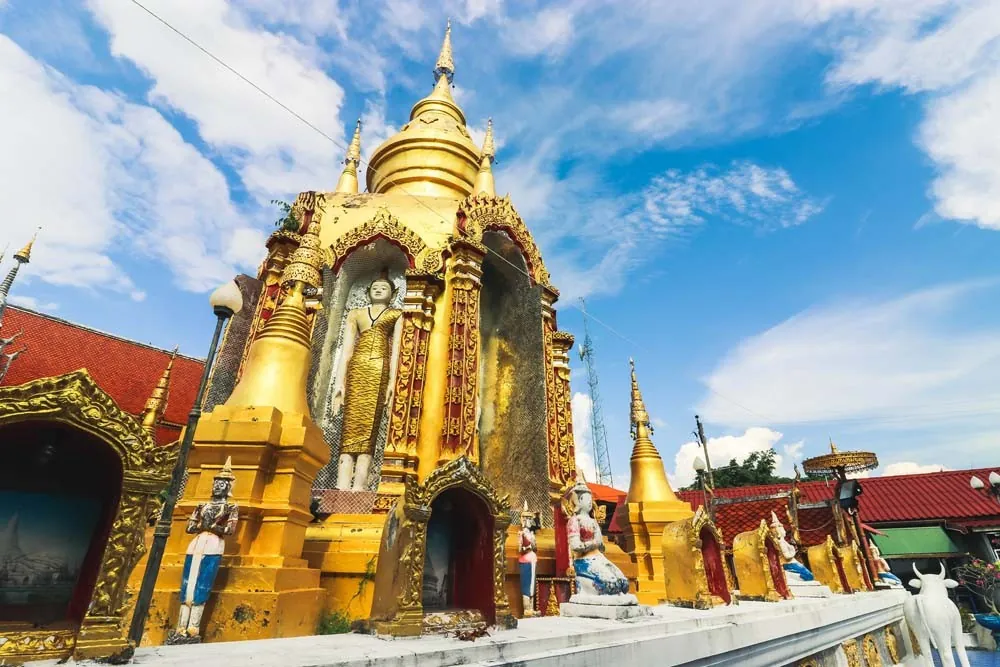
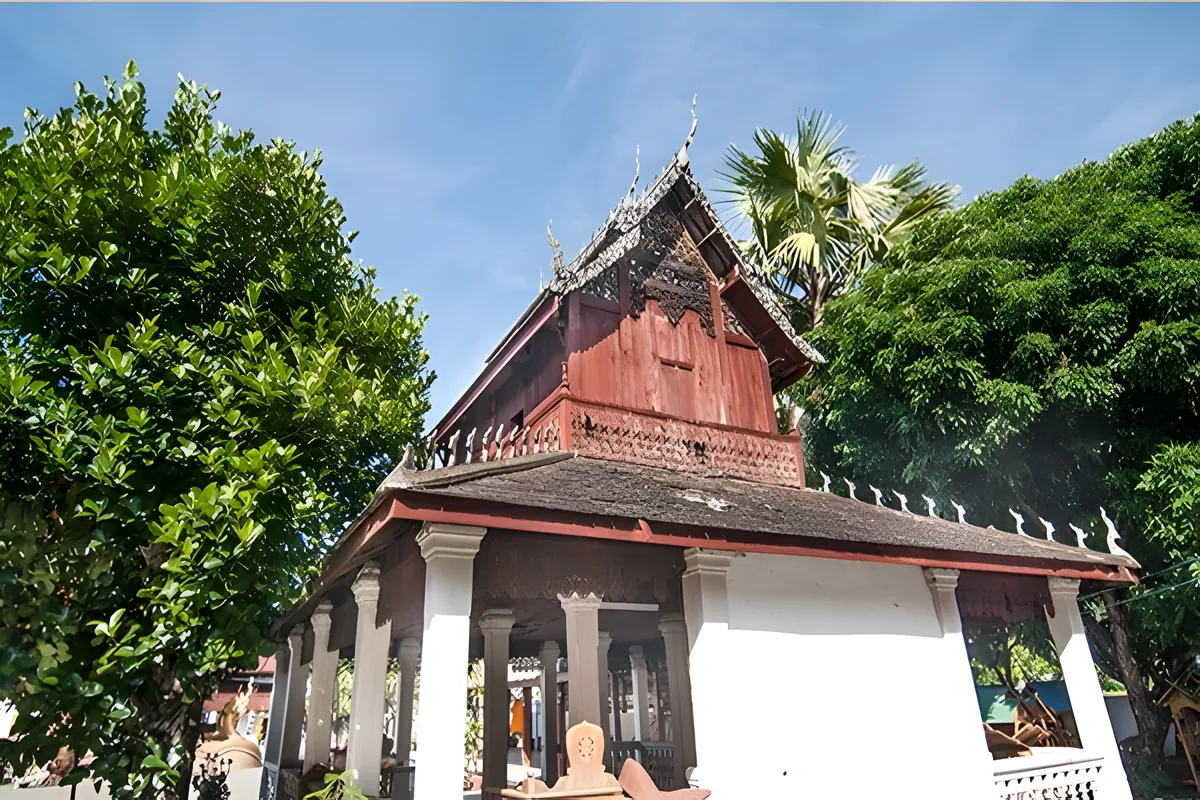
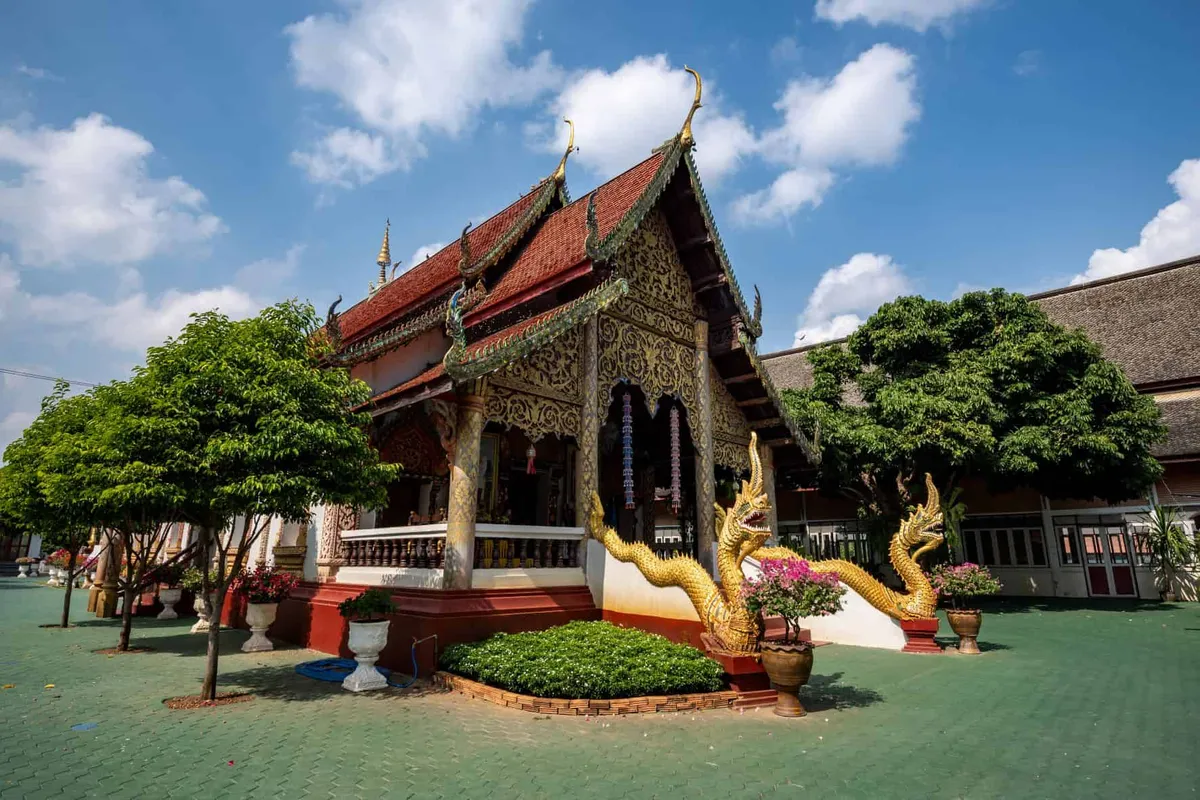
Wats, shrines & spiritual sites
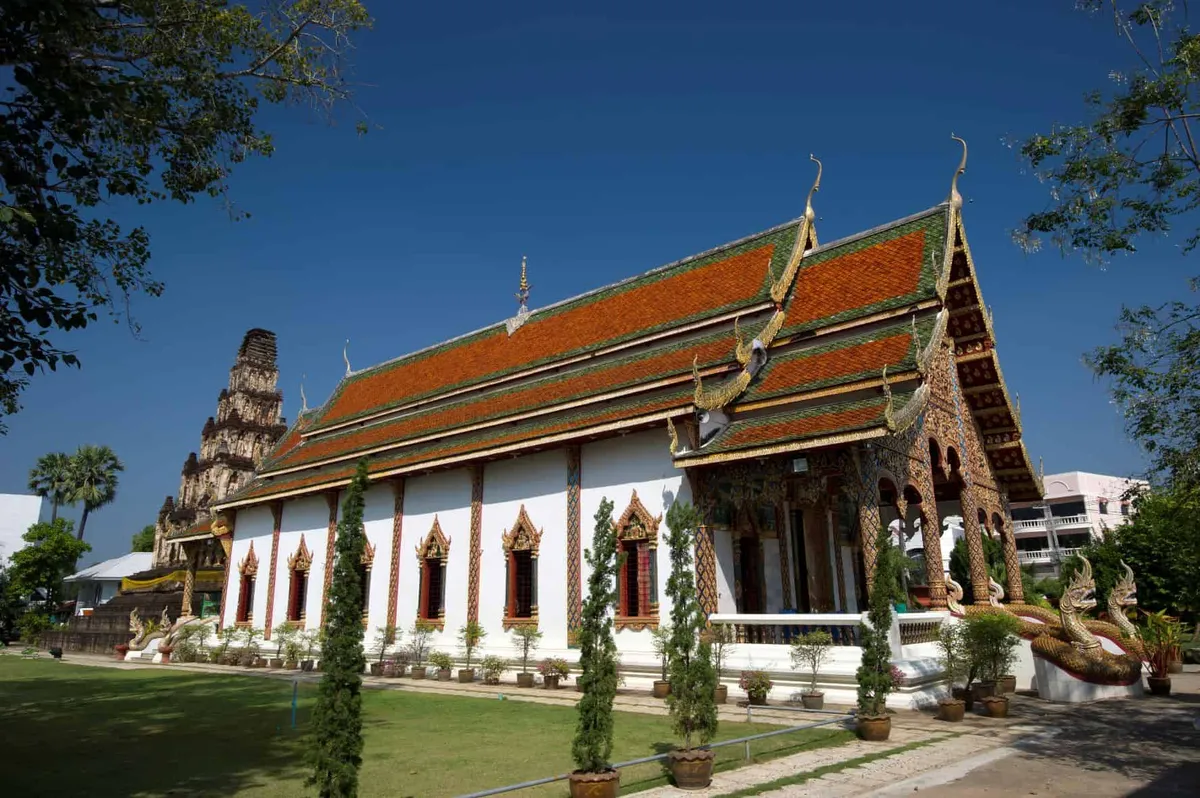
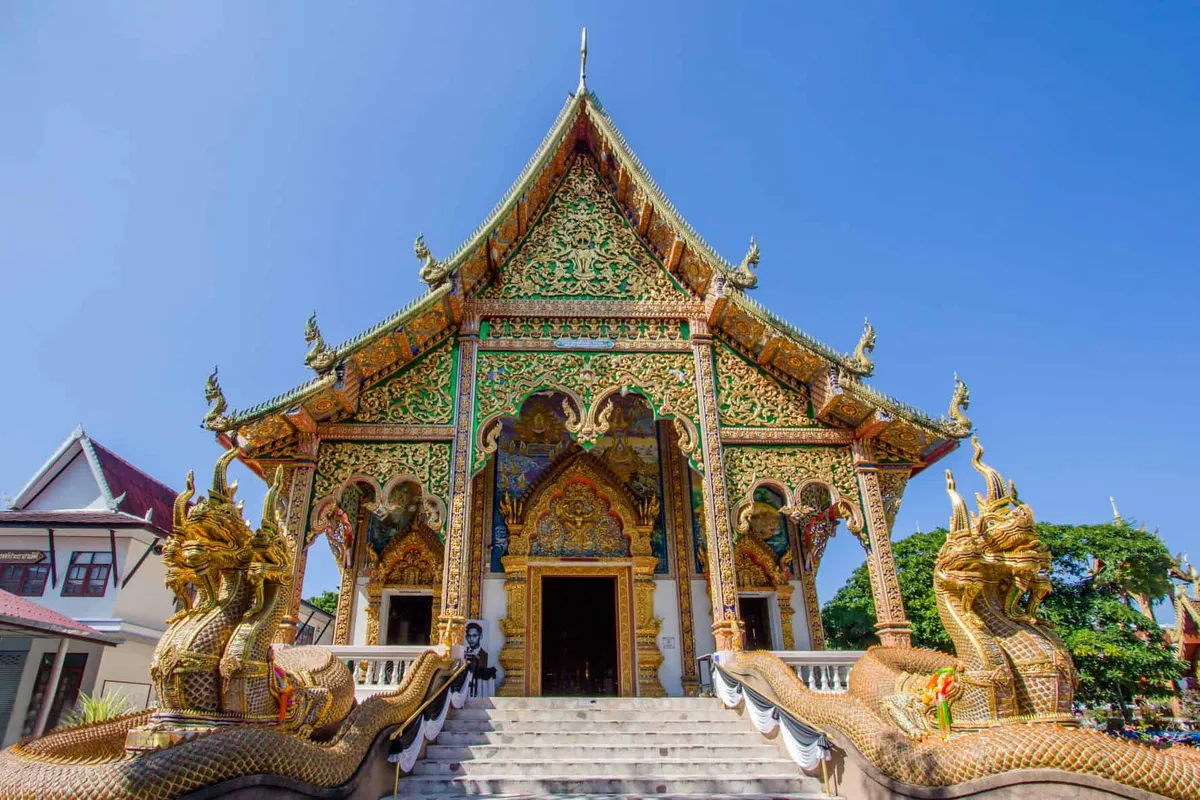
Temples in Lamphun












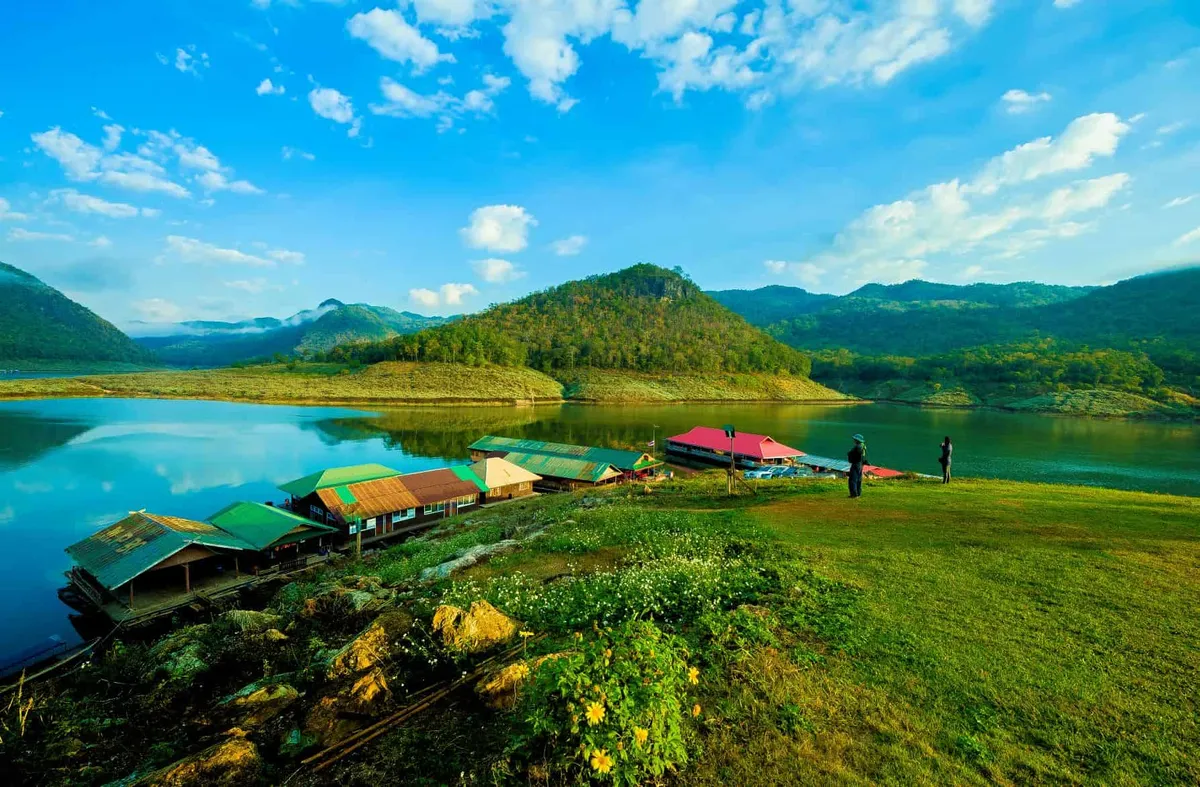
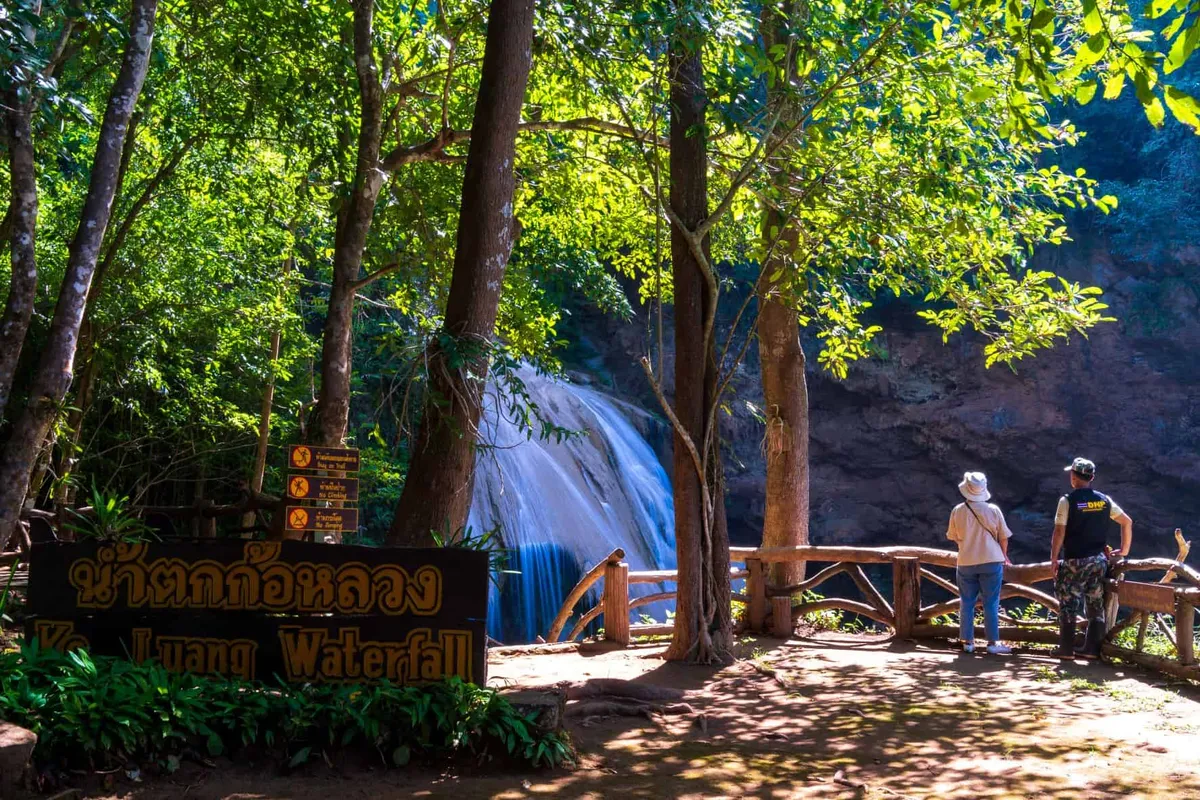
Waterfalls, peaks, caves & parks
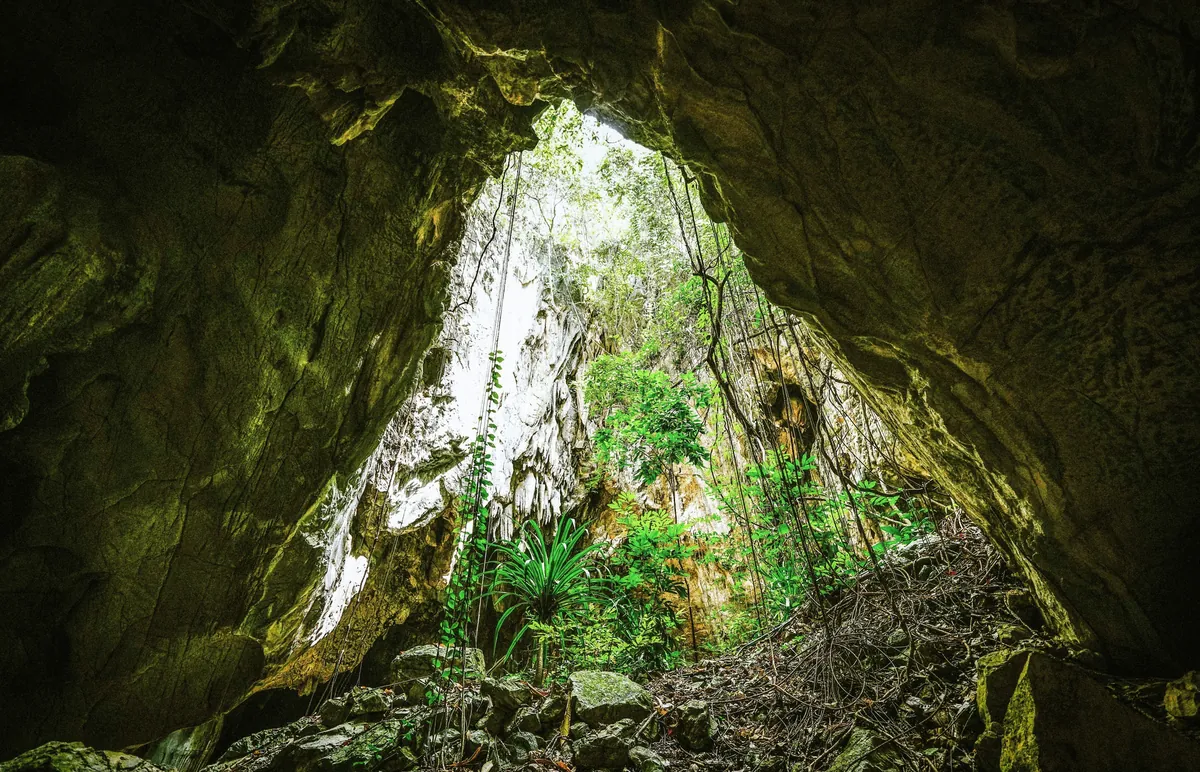
Nature & outdoors around Lamphun






Museums, history & heritage
Museums & culture in Lamphun

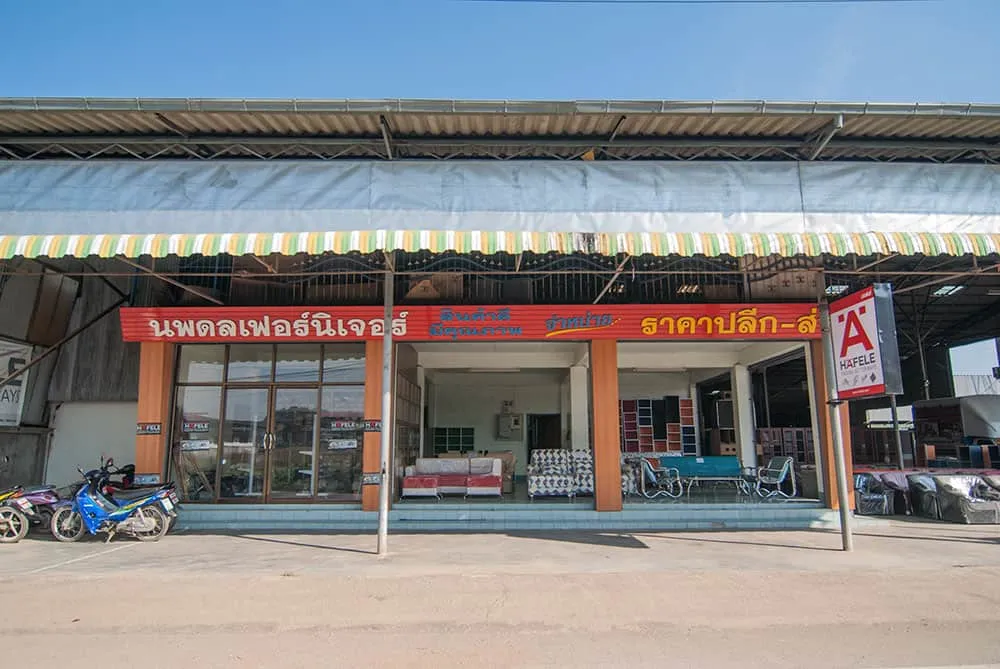
Ban Ma, Lamphun

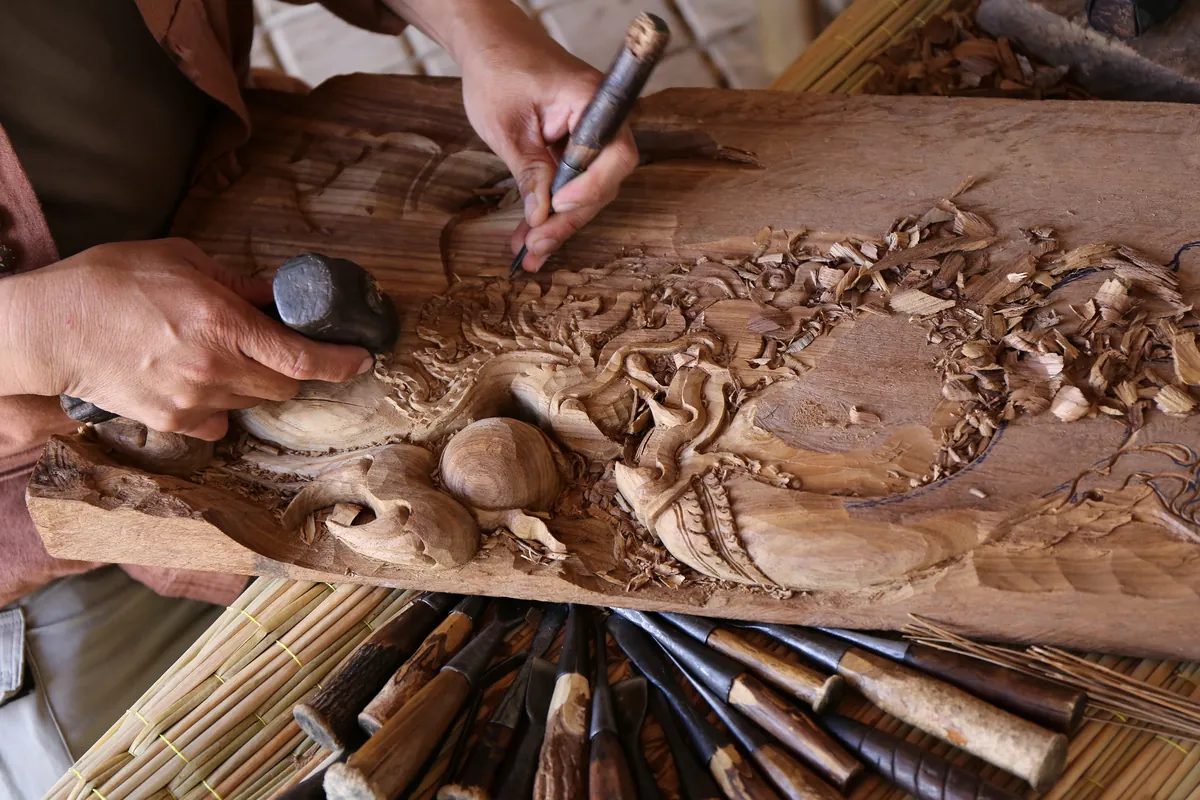
Carving Village in Mae Tha District

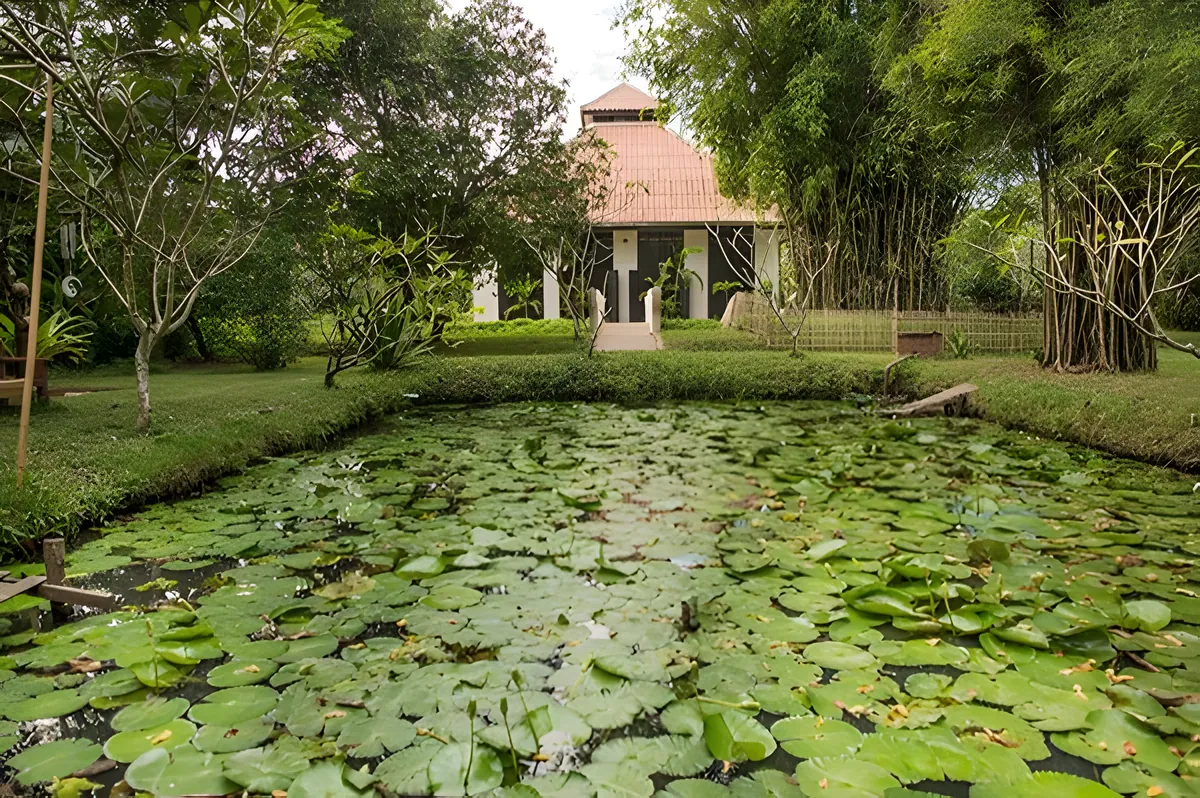
Dhamma Park and Arts Chamber

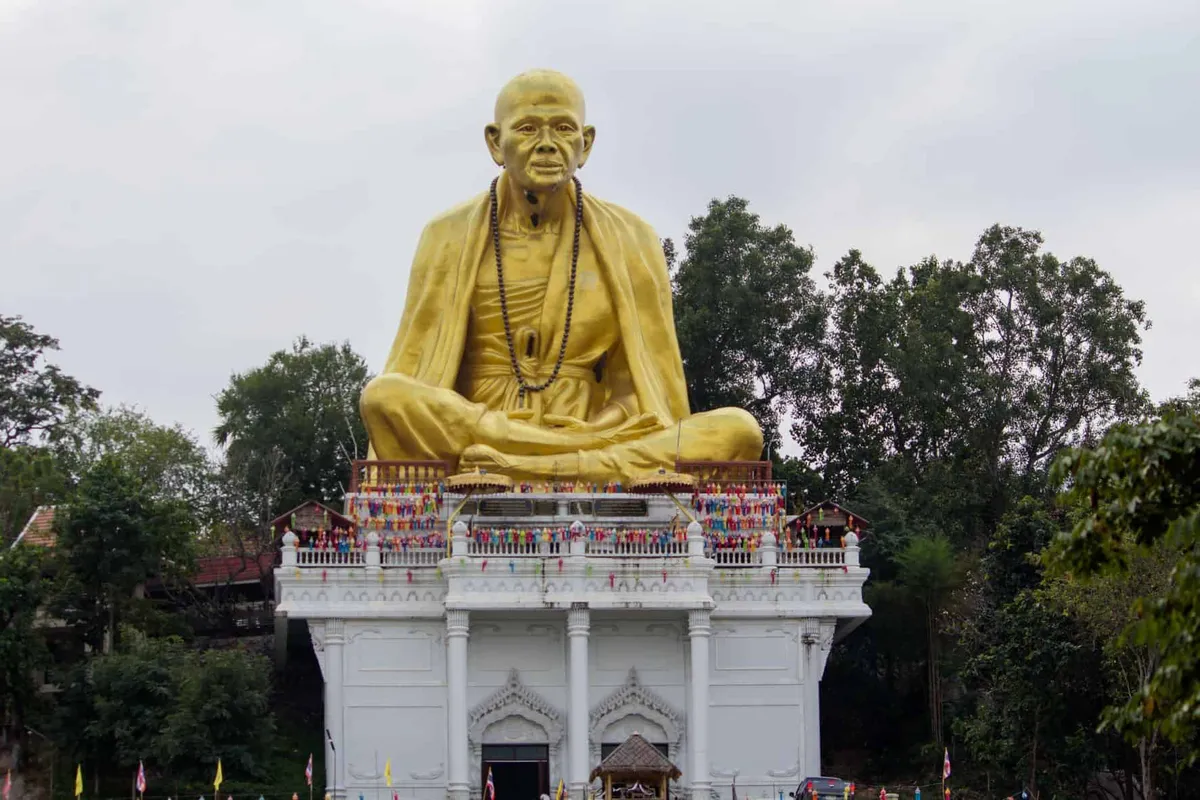
Khruba Sriwichai Monument

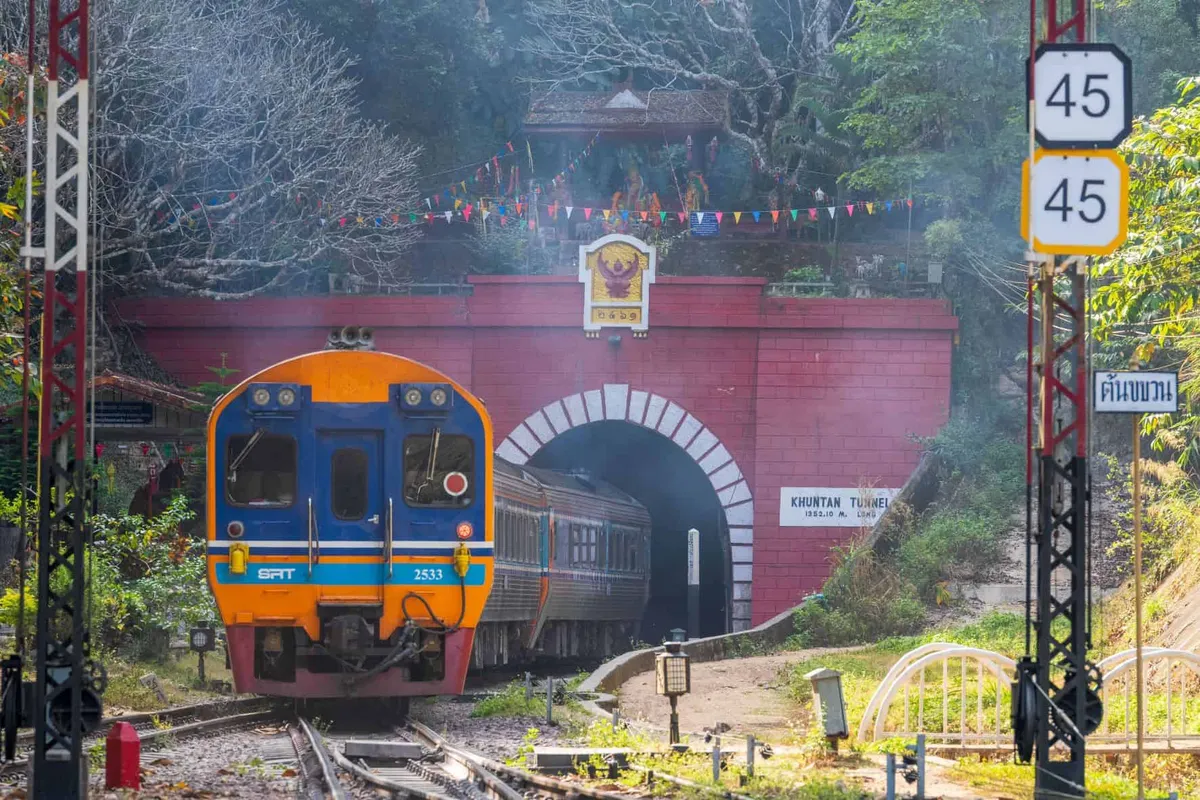
Khun Tan Tunnel

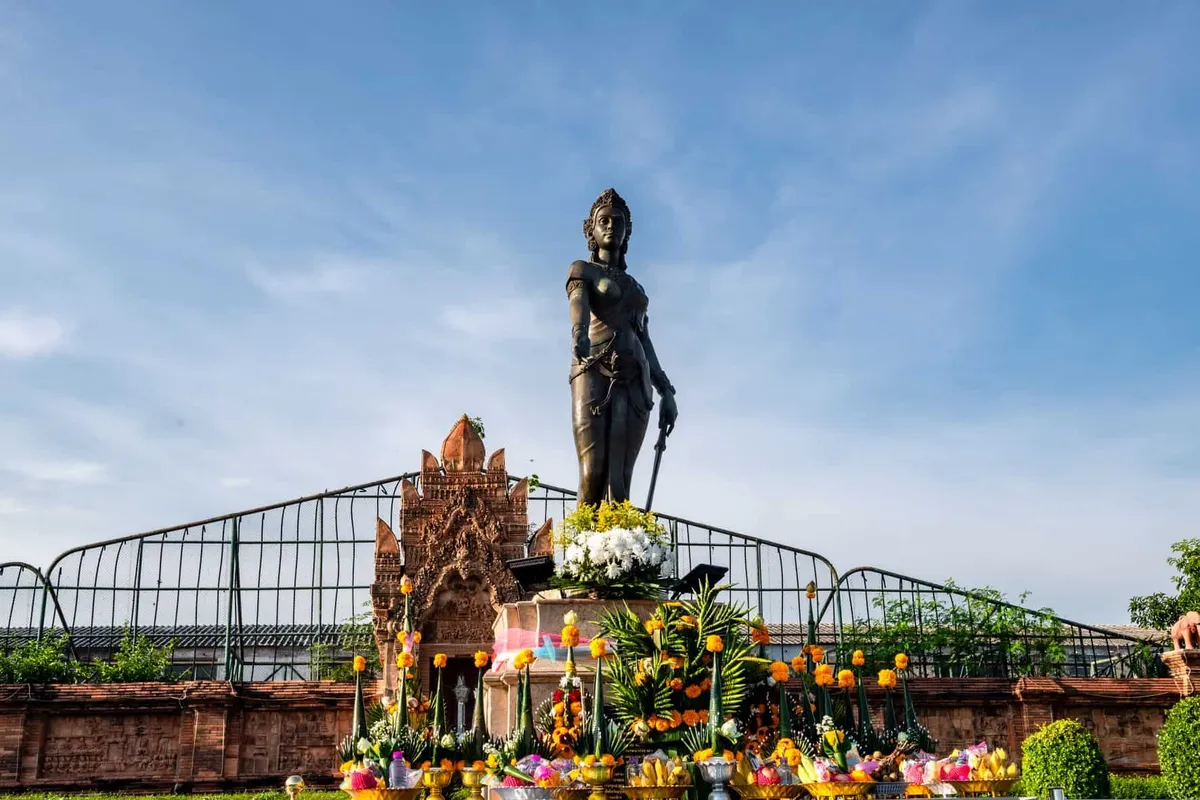
Statue of Queen Chamadevi

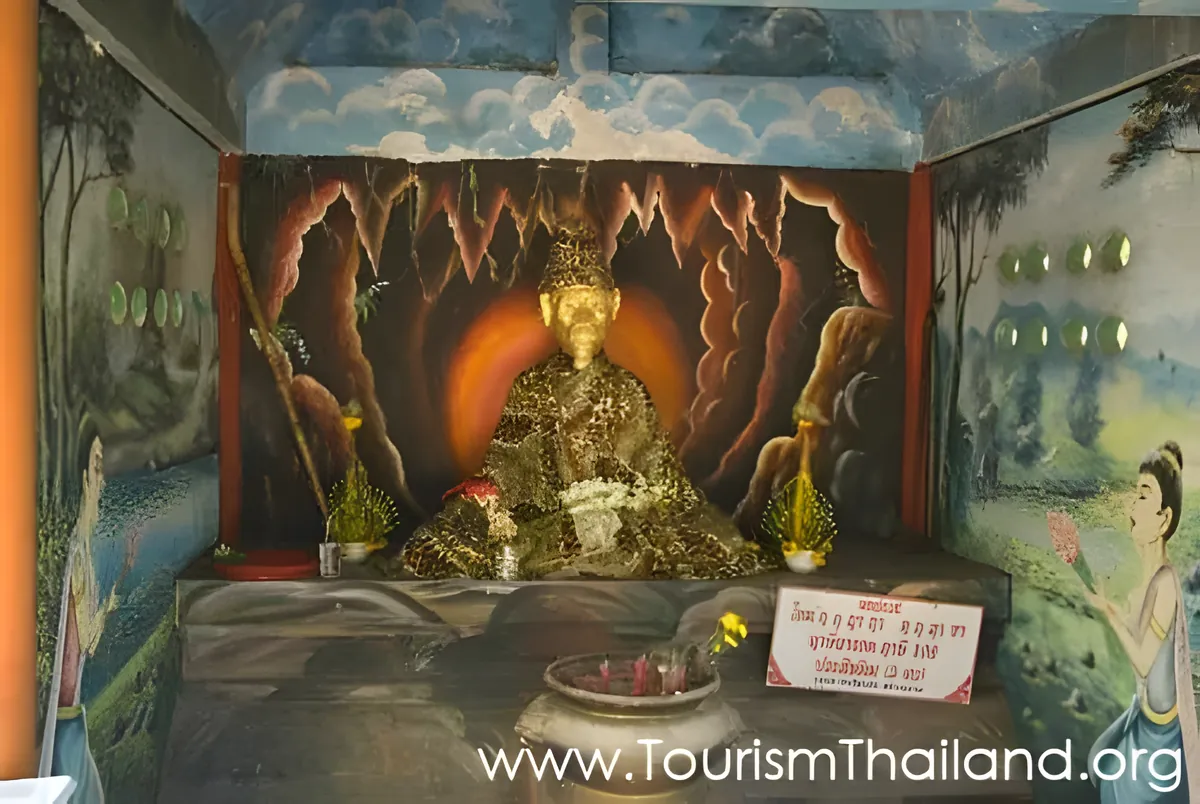
Suthewa Hermit

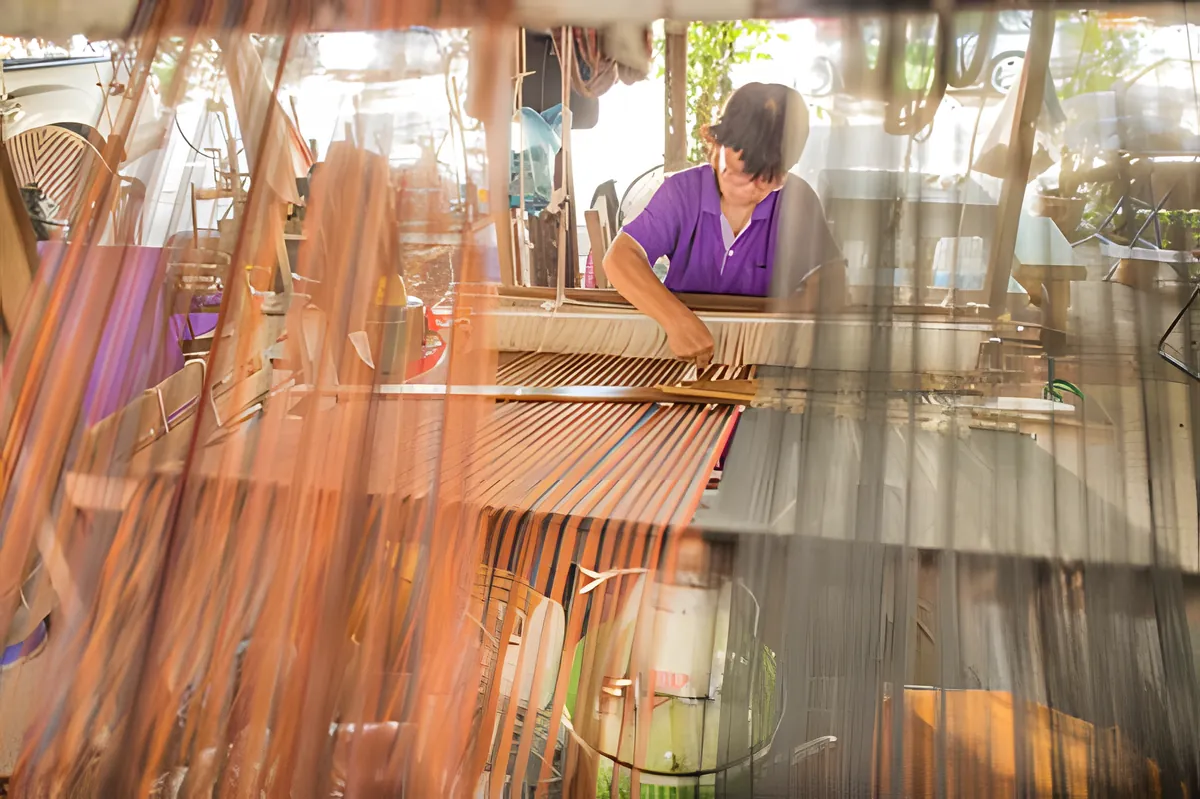
Tambon Wiang Yong Fabric Center

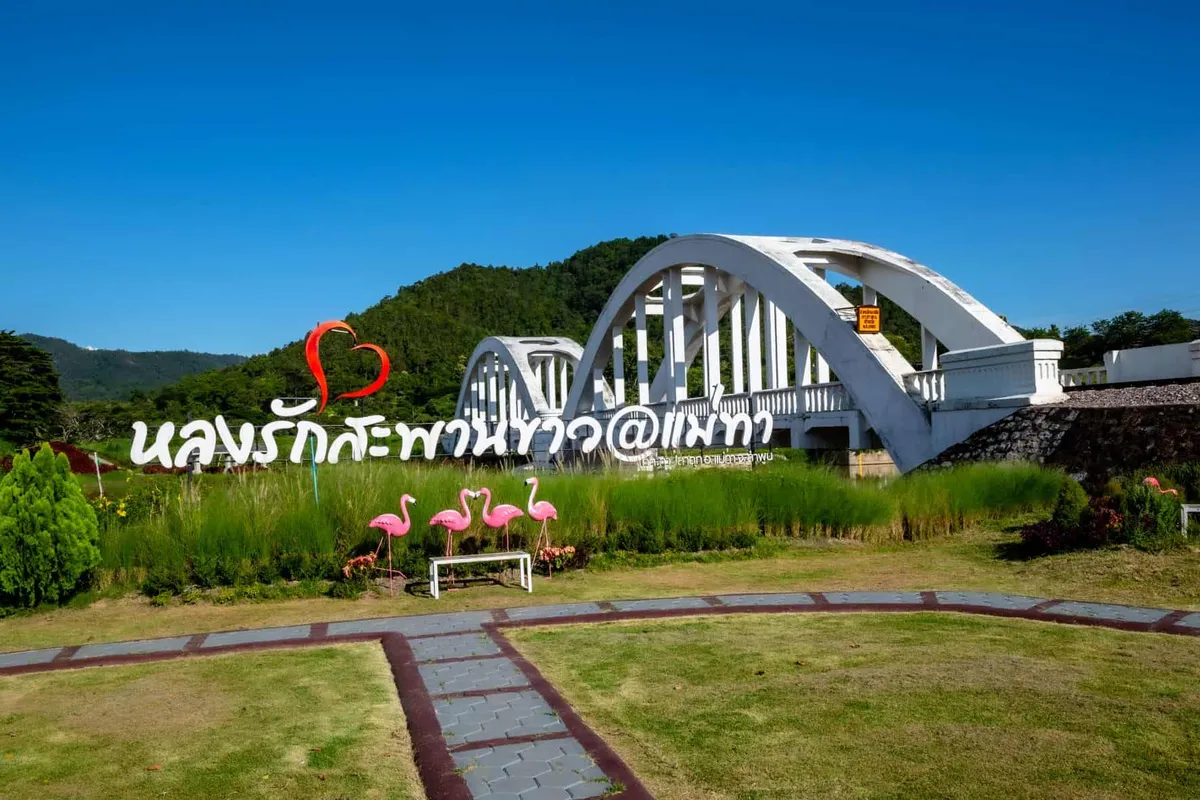
Tha Chomphu Bridge

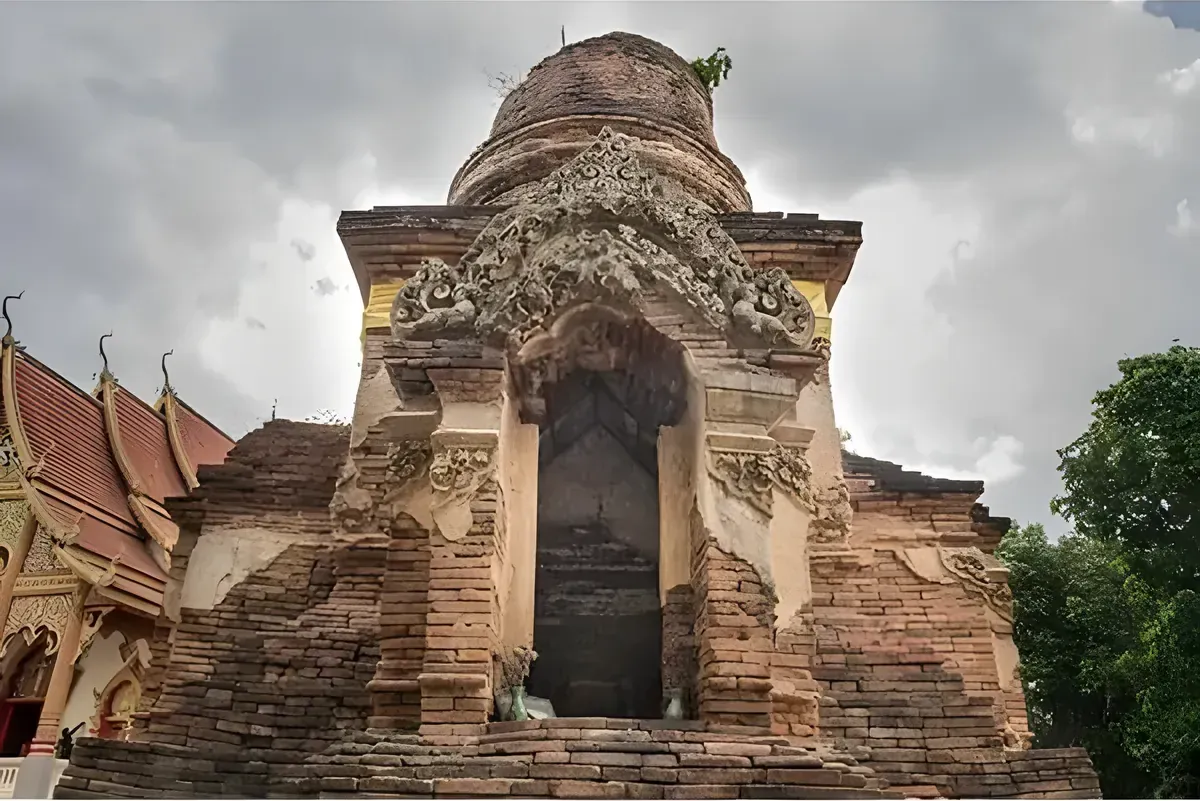
The archaeological site of Kho Klang temple

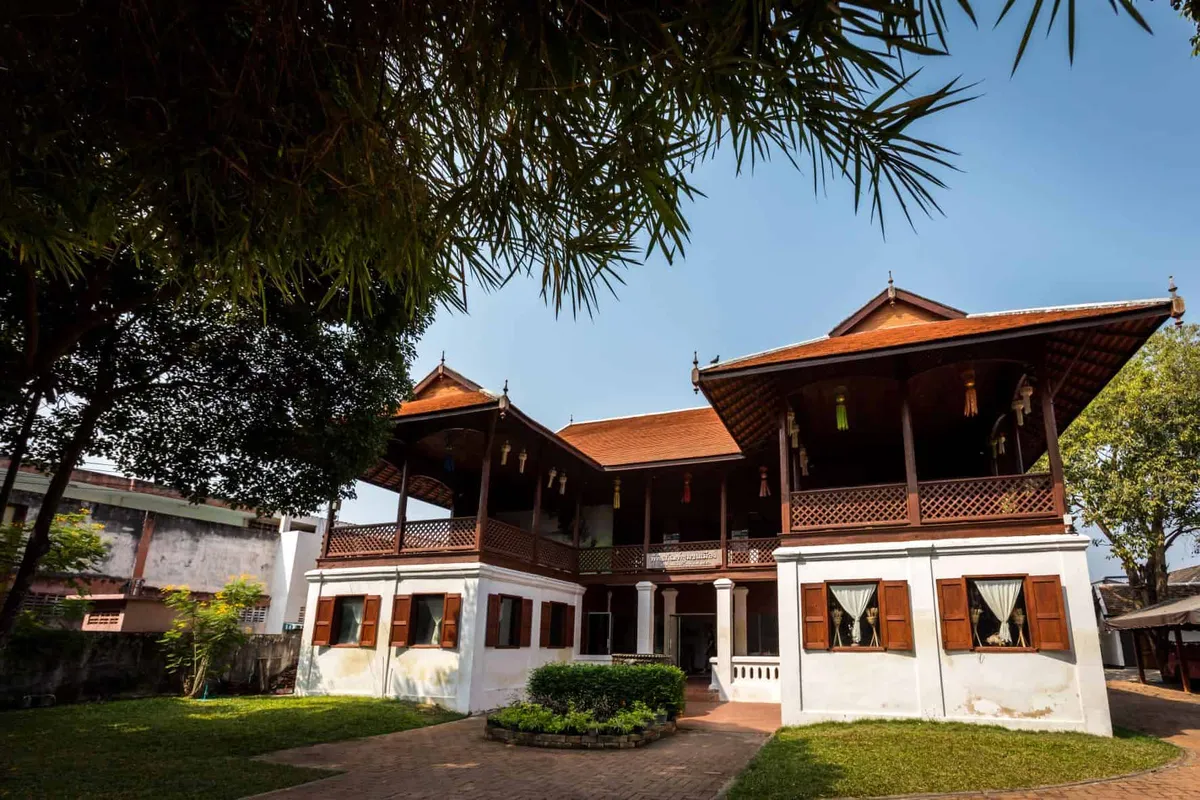
Urban Lamphun Museum

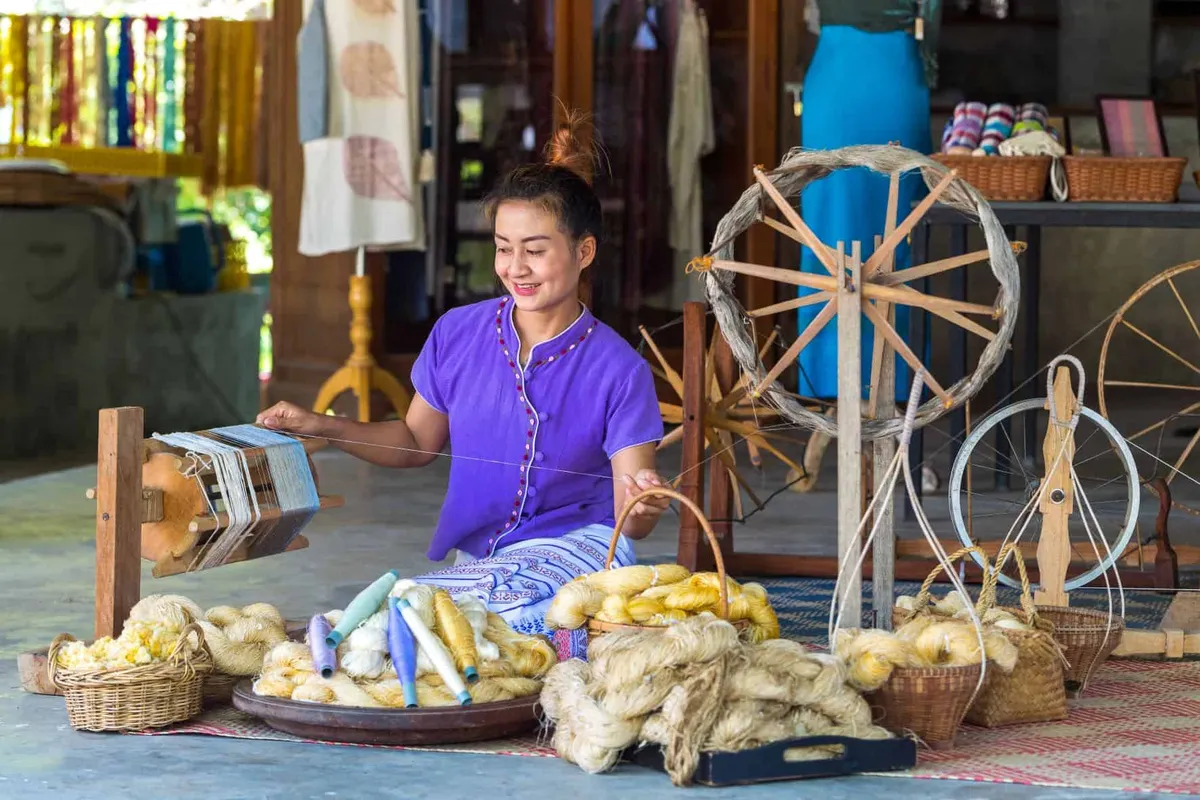
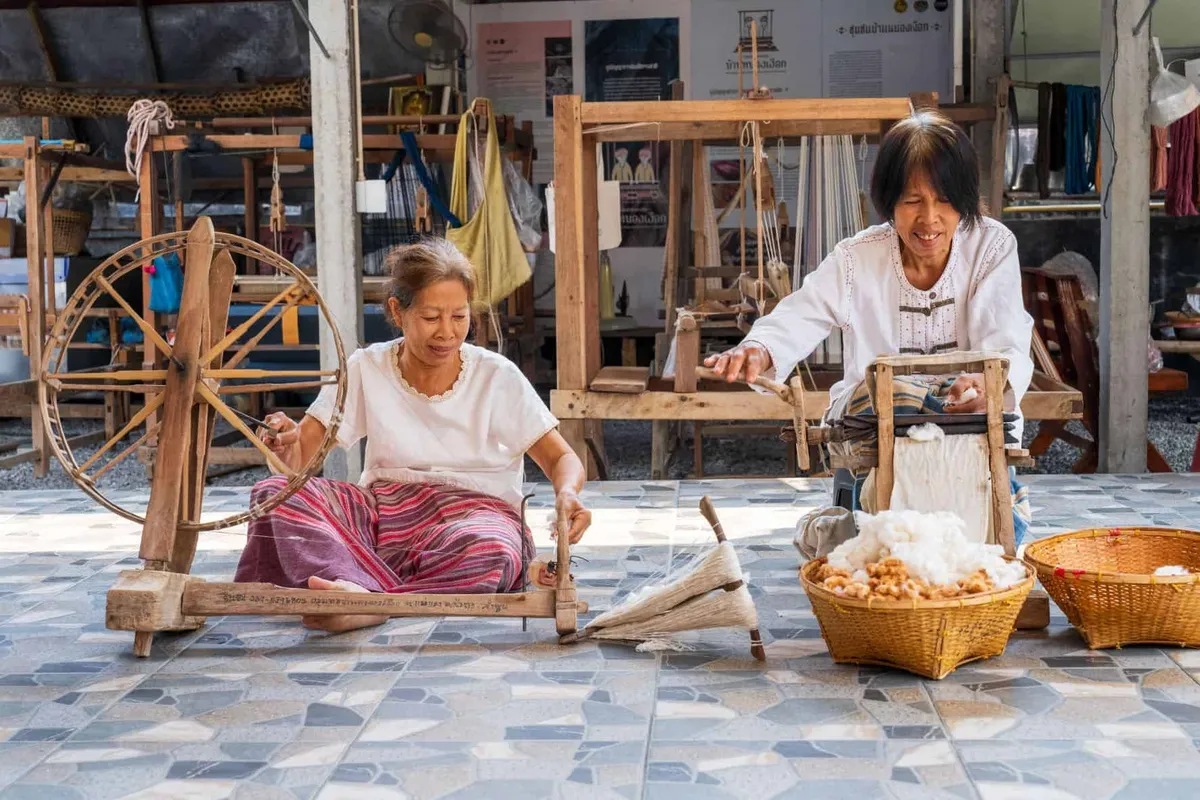
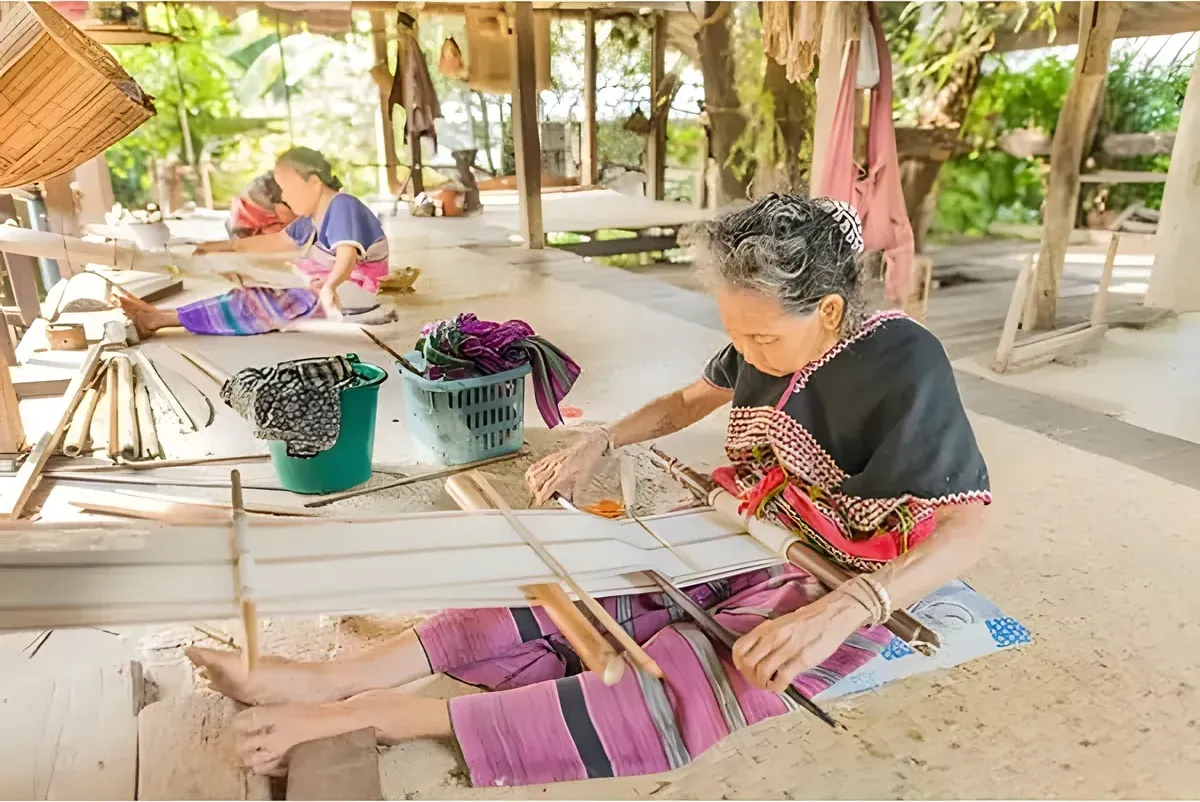
Yok Dok Lamphun Thai Cloth Learning and Conservation Centre
Crafts, communities & farms
Villages & countryside around Lamphun





Things to do on the map
Tap a pin for details — 40 places in Lamphun plotted.
When to go
Nov–Feb Cool, clear skies and low humidity make this the most comfortable time for temple visits. The best window for a day trip from Chiang Mai.
Mar–Apr Burning season brings haze across the north and air quality can deteriorate sharply. Temples are still accessible but visibility suffers and outdoor time is less pleasant.
Jun–Oct Monsoon brings regular afternoon rain. Lamphun's rainfall is milder than the deep south, and mornings often stay clear. August is worth timing for the Longan Festival.
About Lamphun
Last updated September 2026
Lamphun is the quiet neighbour to Chiang Mai — just 26km south but an entirely different pace. It was the capital of the ancient Hariphunchai kingdom, one of the oldest Mon settlements in Thailand, and that heritage shows in its temples and city layout. With 62 attractions and almost zero tourist infrastructure, Lamphun is a genuine day trip from Chiang Mai that most visitors never make.
What to See & Do
Wat Phra That Hariphunchai is the centrepiece — a Mon-era temple with a 46-metre golden chedi, said to contain a relic of the Buddha. It’s one of the most revered temples in northern Thailand. The monastery compound includes a small museum with Hariphunchai-era artefacts.
Lamphun’s second major temple, Wat Chamadevi (Wat Ku Kut), contains two distinct chedis that are among the finest surviving examples of Mon-Dvaravati architecture in Thailand. The larger Suwan Chang Kot chedi (around 21 metres) has a square base rising through five diminishing tiers, each face set with three Buddha niches — a form built to commemorate a Hariphunchai victory over a Khmer army around 1150. Beside it stands the smaller octagonal Ratana Chedi from the early 13th century, its standing Buddha figures characteristic of Mon craftsmanship. Neither chedi was restored in the heavy-handed manner that mars several northern temples; the weathered stone is close to its original state. The surrounding old town is compact and walkable, with crumbling city walls and a moat that predates Chiang Mai’s.
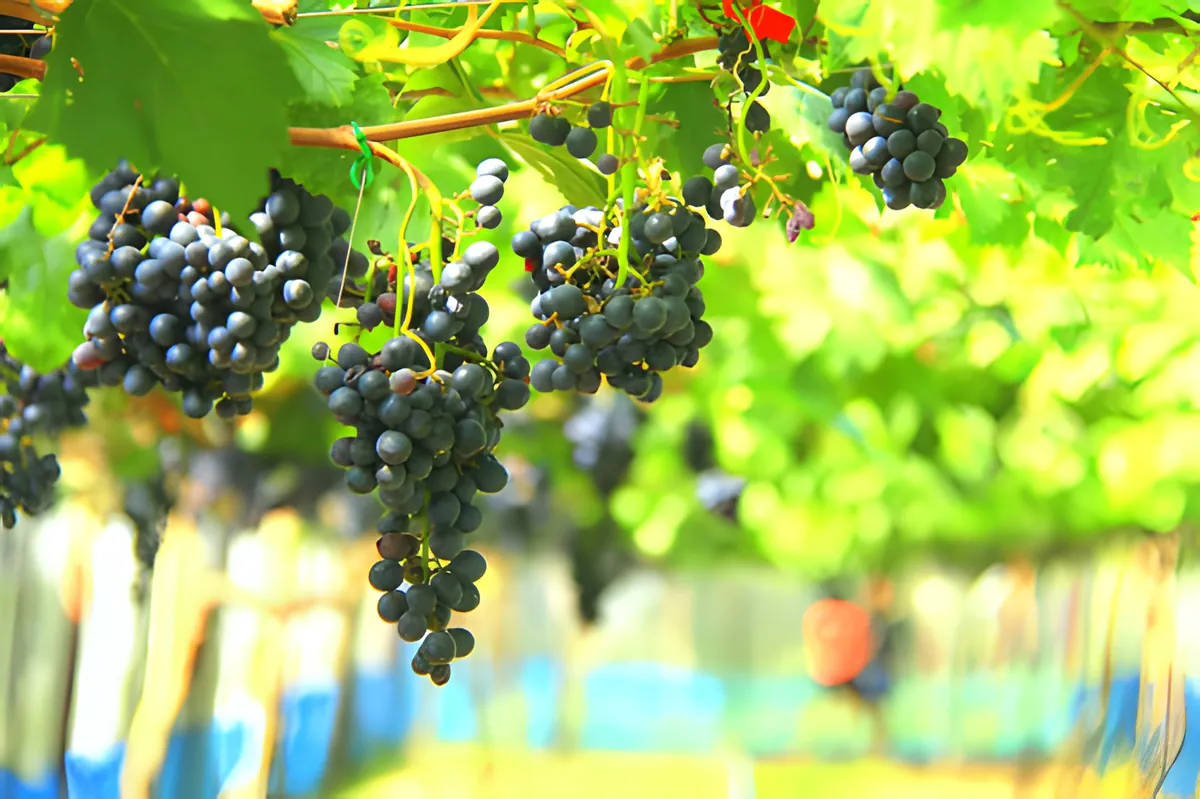
Outside town, the longan orchards are a key part of the local economy — Lamphun is Thailand’s single largest longan-producing province, accounting for roughly 37% of the national planted area. The annual Longan Festival (usually August) fills the streets with fruit stalls, beauty pageants and parades. Fresh longan is available from roadside vendors along Route 106 from June through August.
Where to Stay
Most visitors base in Chiang Mai and day-trip to Lamphun. Local accommodation is limited to a handful of small hotels and guesthouses in the 300-600 baht range.
Getting There
Blue songthaews run from Chiang Mai’s Warorot Market to Lamphun every 20 minutes (30 baht, 40 minutes). By car or motorbike, take Route 106 south — a straight, tree-lined road flanked by towering yang trees that’s one of the most scenic short drives in the north.
Best Time to Visit
November to February is cool and ideal for temple visits. August brings the Longan Festival. March-April has burning season haze. The monsoon is mild compared to the deep south.
Insider Tip: The Route 106 road from Chiang Mai to Lamphun, lined with 100-year-old yang (dipterocarp) trees, is worth the drive alone. Stop at the roadside fruit stalls midway for seasonal longan, lychee and mango.
Frequently Asked Questions about Lamphun
How do I get from Chiang Mai to Lamphun?
How long do I need in Lamphun?
When is the best time to visit Lamphun?
What is Wat Phra That Hariphunchai?
Is there anything to do in Lamphun besides temples?
Spotted something out of date or incorrect? Let us know
Plan your
Lamphun trip