






Thailand’s hiking ranges from short forest boardwalks to regulated summit routes that require a guide or overnight stay. Use this guide to compare trail effort, seasonal access, transport, and the gear you need before setting out.
Quick answer
Choose a trail by current access rules, weather, and fitness level. Short options such as Ang Ka work well for an easy outing; longer national-park routes may require registration, a guide, or a seasonal opening.
| Best for | Pick | Why it belongs | Main tradeoff |
|---|---|---|---|
| Short forest walk | Ang Ka, Doi Inthanon | 360-metre boardwalk | Cool, wet surfaces can be slippery |
| Marked park trails | Khao Yai | Several designated routes | Register and check route rules first |
| Guided mountain trail | Kew Mae Pan, Doi Inthanon | Roughly 3 km with ridge views | Seasonal and guide-required |
| Overnight summit trip | Phu Kradueng | Established climb and plateau stay | Closed June through September |
| Remote park visit | Khun Nan | Steep, forested headwaters | Confirm current visitor routes directly |
How we picked these stops
The routes cover different levels of effort, from a 15- to 20-minute boardwalk to a regulated overnight climb. We prioritised routes with identifiable park guidance and tell you where seasonal opening, registration, or a guide matters.
Best Hiking Trails in Thailand
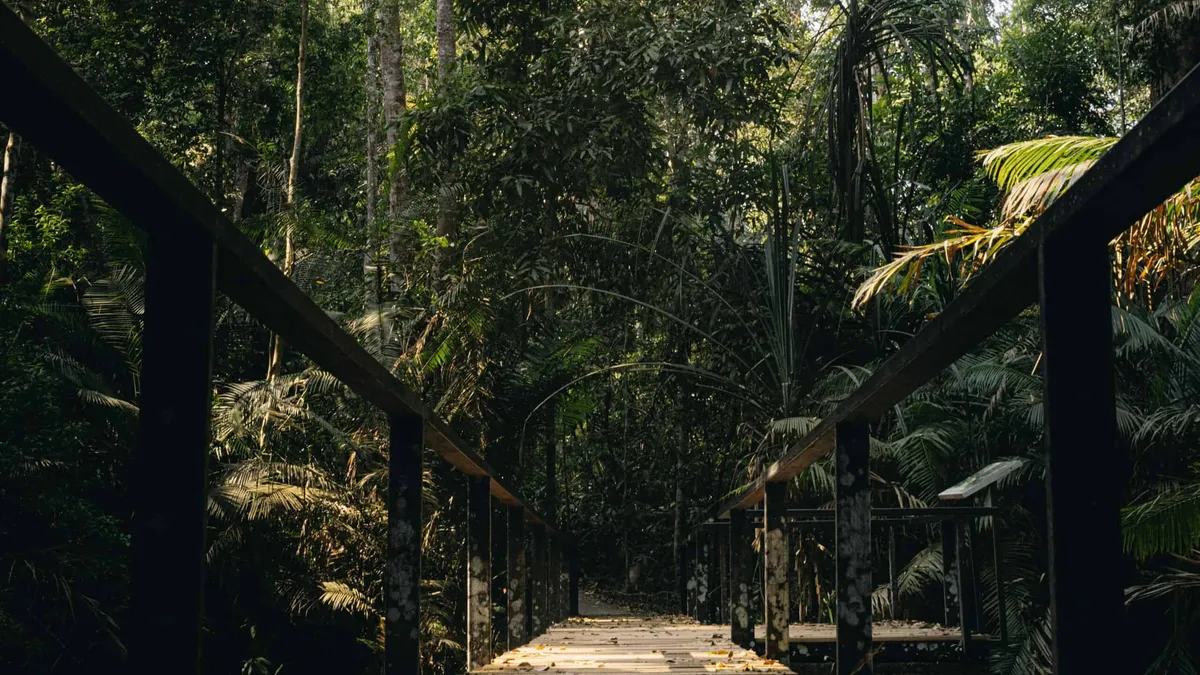
Trail conditions can change quickly after rain, and each park sets its own access rules. Confirm the route with the park before making a long transfer.
Khao Yai National Park
Khao Yai has seven designated nature trails, ranging from short walks to longer forest routes. Contact the visitor centre to register and request permission for your chosen trail; guide requirements vary by route. A full-day Khao Yai tour from Bangkok is one transport option if you do not want to drive.
Doi Inthanon National Park
Doi Inthanon has two useful visitor trails near the upper mountain. Ang Ka is a 360-metre raised boardwalk that usually takes 15-20 minutes. Kew Mae Pan is roughly 3 km, has steep sections, requires a local guide, and opens seasonally. A private Doi Inthanon trek with lunch from Chiang Mai can combine transport with a guided walk, but check which trail the product uses.
Koh Chang
Koh Chang has forest and waterfall access inside Mu Koh Chang National Park, but paths can close or become unsafe after heavy rain. Ask park staff which routes are open rather than relying on a fixed walking time for Khlong Plu or Than Mayom.
Khun Nan National Park
This remote park in Nan province protects steep, forested headwaters near the Lao border. Published visitor-route information is limited, so contact the park before travelling and do not assume a cave or viewpoint route is open.
Phu Kradueng National Park
Phu Kradueng in Loei is an established climb to a high plateau with camping and walking routes at the top. The summit tourism and camping area closes every year from 1 June through 30 September, then normally reopens from 1 October through 31 May. Check the latest park notice because wildlife or weather can close individual plateau routes.
If you prefer organised transport, you can browse trekking tours from Chiang Mai on Viator. Check the named route, guide arrangement, cancellation policy, and park entry before booking.
What to Pack for a Hike in Thailand
Pack for the route rather than relying on one national season. Rain, heat, fire risk, and annual closures vary between northern mountains, central forests, and southern islands. Check both the park notice and local forecast shortly before the hike.

Clothing: Make sure your clothes are lightweight and breathable so they don’t trap heat or sweat against your skin. Long pants and long sleeves help protect against insects as well as sunburns. A hat with a brim helps shield your face from direct sunlight too. It’s also a good idea to bring an extra layer of clothing in case the temperature drops at night or if there are unexpected rain showers along the way.
Footwear: Sturdy shoes with good grip are essential for any hike in Thailand – flip flops won’t cut it. Make sure they fit properly so that you have enough support while walking over uneven terrain; this could mean investing in some proper hiking boots if necessary.
Sunscreen & Insect Repellent: Sun protection is key when out on hikes in Thailand due to its tropical climate; make sure you apply sunscreen regularly throughout the day even if it’s cloudy outside as UV rays can still penetrate through clouds. Also, insect repellent is essential since mosquitoes thrive here – especially during monsoon season – so pack plenty of bug spray just in case.
Food and Water: Hydration is key when hiking anywhere, but particularly important when doing activities outdoors under hot conditions like those found in Thailand. Always carry water bottles with you filled up before leaving home, hotel, hostel etc., plus snacks such as energy bars which provide quick boosts of energy throughout your journey without weighing down your bag too much.
First Aid Kit: Accidents can happen no matter how careful we try to be, so it is important to always have basic first aid supplies such as bandages, antiseptic wipes/creams, and painkillers in your backpack. This way you are prepared for any unexpected incidents that may occur while out on the trails.
Match the pack to the route length, elevation, and current forecast.
Safety Tips for Hiking in Thailand
Park rules and weather matter more than the difficulty label on a travel listing.
Stay on Marked Trails: Register where required, follow signs, and turn back if the route is closed or difficult to follow. Do not create shortcuts around wet or damaged sections.
Keep Away from Wildlife: Do not approach, feed, or block wild animals. Follow ranger instructions and leave the area calmly if an animal is near the trail.
Check Weather Conditions: Review the forecast and park notices before leaving. Heavy rain can make streams, waterfalls, ridges, and steep paths unsafe even when the trail was open the previous day.
Bring Water and Food: Carry enough for the route plus a delay. Remote trailheads may have no reliable shop or safe refill point.
Wear footwear with grip and carry a light rain layer. If a landslide, flash-flood warning, or severe storm affects the area, postpone the hike rather than relying on equipment.
Check that your travel insurance covers the route, elevation, guide arrangement, and any overnight stay. SafetyWing’s Nomad Insurance is one option, but review its current exclusions and purchase terms before relying on it.
It is important to take safety precautions when hiking in Thailand, so make sure you are prepared and aware of the potential risks. Now let’s look at some accommodation options near popular hiking trails.
Accommodation Options Near Popular Hiking Trails
Accommodation near Thailand’s hiking trails ranges from hotels and hostels to camping sites and guesthouses. Choose by trail access first; a nicer room is less useful if it adds an early-morning transfer.
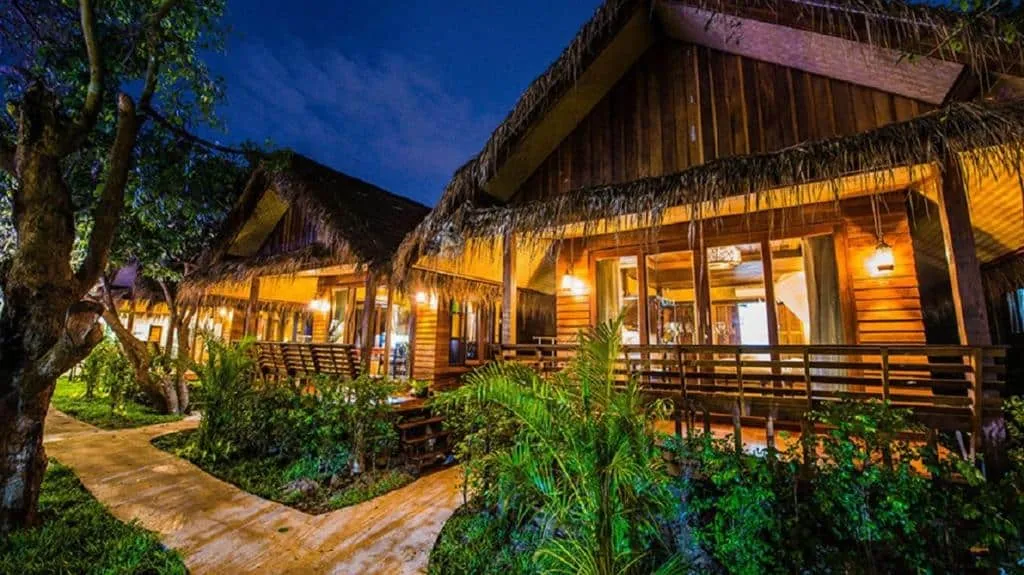
Hotels: A hotel can help arrange a driver or early breakfast, but confirm those services before booking.
Hostels: Check reception hours, luggage storage, and whether late return is possible after the hike.
Camping Sites: Use designated campsites and confirm opening, booking, equipment rental, food, water, and bathroom facilities with the park.
Guesthouses: A guesthouse near the park can reduce the morning transfer. Confirm transport because “near” may still mean several kilometres from the trailhead.
Choose access before amenities. An early start is easier when the driver, gate opening, and trail registration have already been confirmed.
How to Get Around While Hiking in Thailand
But getting around while hiking can be tricky, especially if you don’t have your own vehicle. Fortunately, there are plenty of options for transportation that will help make your journey easier.
**Public Transportation: **Public buses are available throughout Thailand and provide an inexpensive way to get from one place to another. However, they may not always go directly where you want to go or take the most direct route so it’s important to plan ahead and check timetables before leaving on your hike. Some routes require multiple transfers which can add time to your journey, so factor this into your plans.
Car Rental Services: A rental car can make remote park access easier, but stay on roads open to visitors. Drivers need a licence accepted in Thailand, commonly their home licence together with an International Driving Permit, and insurance that covers the vehicle and intended route.
Taxi Services: For remote trailheads, arrange the fare or meter use and the return pickup before leaving town. Mobile coverage can be weak at the end of a trail, so keep the driver’s number and do not assume another car will be waiting.
Motorbike Rentals: Motorbikes are available in many hiking areas, from scooters to larger bikes for two people. Wear a helmet, check your insurance, and be cautious on rural roads, especially after rain.
Final checks
Thailand has hikes for many skill levels, but the basics matter: pack for heat and rain, check trail conditions, carry enough water, and stay near the trailhead if you need an early start.
Thailand has short boardwalks, registered forest trails, and overnight climbs. Confirm the current route, carry suitable gear, and follow park staff when weather or wildlife changes the plan.
How to choose what to do first
Choose by time of day, weather, and transport first. Thailand rewards early starts, and the best-looking stop on a map can be the wrong one if it puts you in midday heat or cross-town traffic.