









Thailand has established charter bases on the Andaman coast and in the Gulf. Phuket and Krabi work well for Andaman routes, while Koh Samui is a practical Gulf base. Weather patterns, park seasons and charter inclusions differ, so build the trip around one coast and request a quote for the exact vessel and dates.
Quick answer
Choose the coast first, then decide between a crewed charter and a bareboat. The Andaman generally has its more dependable sailing window from roughly November to April; Gulf conditions follow a different rainfall pattern. Confirm the local forecast, route access and complete price before paying.
| Best for | Base or route | Why it works | Main tradeoff |
|---|---|---|---|
| Broad Andaman choice | Phuket | Several marinas and routes toward Phang Nga and nearby islands | Longer routes add fuel and open-water time |
| Krabi coast | Krabi | Useful for limestone-island itineraries | Vessel choice depends on the departure marina |
| Gulf islands | Koh Samui | Base for Samui, Phangan and nearby islands | Rainfall pattern differs from the Andaman |
| Seasonal diving route | Similan Islands | Offshore national-park route | Open 15 October-15 May under normal schedules |
How we picked these stops
We compared charter bases, regional weather, vessel type, crew requirements, route restrictions and common exclusions. Prices and access rules change, so this guide focuses on the checks to make with the operator.
What Is a Yacht Charter?
A yacht charter is the rental of a sailing or motor yacht for a set period. A crewed charter includes a captain and may include additional crew; a bareboat places operation of the vessel with an approved skipper from your group.
Phuket, Krabi and Koh Samui are established coastal bases; charter guests usually bookend the trip with a resort night, and luxury hotels in Phuket and luxury hotels on Koh Samui cover the 5-star options on each coast. Bangkok river cruises are a different product and should not be treated as an alternative base for an island sailing charter.
Plan the itinerary around sea conditions, permitted routes, your group’s swimming ability and realistic travel times. Water sports, fishing and landings are subject to the specific location’s rules and the equipment carried by the vessel.
Compare written quotes for the same vessel class and route. Check whether fuel, food, drinks, transfers, taxes, marina costs, park fees, insurance and a security deposit are included.
A yacht charter gives a group more control over timing and stops than a shared tour, within the limits set by weather, access rules and the captain.
Why Choose Thailand for Your Yacht Charter Holiday?
Thailand has established charter bases, marinas and island routes on both coasts.
The Andaman has limestone islands, sheltered bays and several established marinas. Routes around Phuket, Phang Nga and Krabi differ in distance and exposure, so ask the captain or base staff what is realistic for the charter length.
The Similan Islands normally accept visitors from 15 October to 15 May and close from 16 May to 14 October. Access also depends on park approval and sea conditions. Wildlife encounters are possible but never guaranteed.
Compare written quotes for the same charter type and route. A broker can help with the search, but confirm the actual operator and contract before paying.
The Best Places to Visit by Yacht in Thailand
The Andaman Sea:
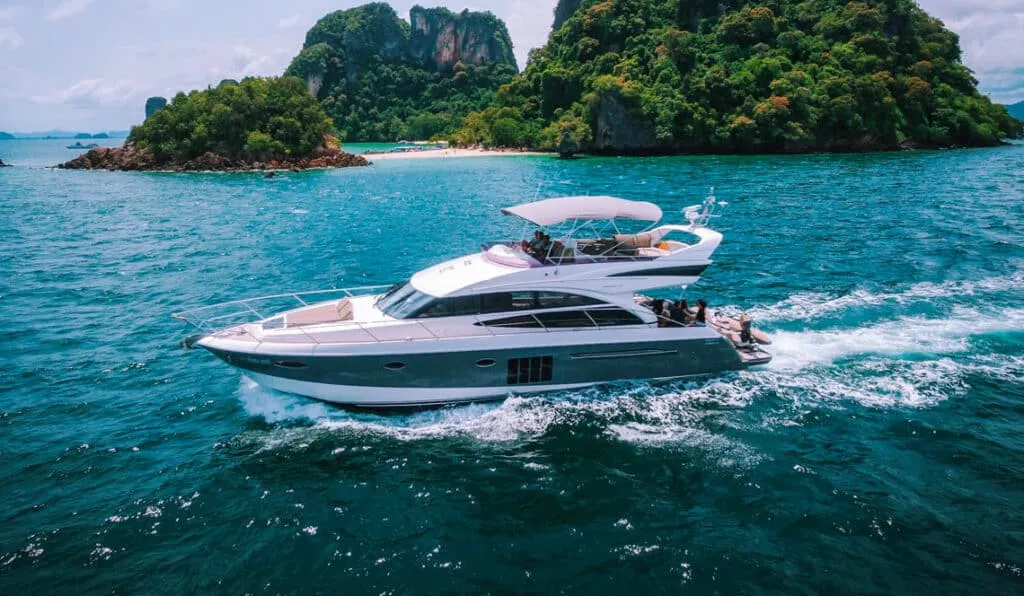
Common Andaman routes include Phuket, Phang Nga Bay, Krabi and Phi Phi. The Similan Islands require a longer open-water passage and are seasonal. If a full charter is more than you need, compare current day-boat itineraries from Phuket, including their park fees and weather terms.
Koh Samui:
Koh Samui is a Gulf base for trips around Samui, Phangan and nearby islands. Mu Ko Ang Thong has its own annual closure and local access rules.
Gulf Of Thailand:
The Gulf covers several separate cruising areas rather than one compact route. Samui, the eastern islands around Koh Chang, and the Pattaya-Sattahip coast require different bases and weather planning. Military and port areas have separate navigation restrictions.
Khao Lak
Khao Lak is on the Andaman mainland north of Phuket and is a common departure area for seasonal Similan trips. It is not a substitute for checking whether the park is open and whether the vessel is licensed for the intended route.
How to choose what to do first
Choosing Your Yacht Charter Destination
When planning your yacht charter holiday in Thailand, the first step is to decide on a destination. The country has an abundance of striking coastline and islands to explore, so it can be hard to narrow down your choices. Popular destinations include Phuket, Koh Samui, Krabi and the Similan Islands. Consider factors such as weather conditions and time of year when deciding where you want to go.
Planning Your Itinerary
Once you have chosen the base, plan activities with the captain or operator. Fishing can be prohibited in national parks and other protected waters. Landings, diving, mooring and anchoring rules also vary by location.
Booking Accommodation
If the charter does not include overnight accommodation, choose a hotel near the departure marina and allow time for the operator’s briefing. Availability tightens around major holidays.
Finding Experienced Crew Members
For a crewed charter, verify the operating company, vessel licence, licensed captain and legal passenger capacity. For a bareboat, expect the operator to assess the proposed skipper’s experience and possibly require a sailing resume, practical check or paid skipper.
Booking for Value
Compare the full contract rather than the headline rate.
Time of Year:
The Andaman generally has its easier charter window from roughly November to April. Gulf rainfall peaks later in parts of the region. A lower off-season quote is not equivalent if routes are closed or sea conditions are unsuitable.
Book Early:
Book early for major holiday dates or a specific vessel, while retaining enough flexibility for weather changes.
Size Matters:
Choose the smallest vessel that safely fits the group, luggage, sleeping plan and intended route. More space usually means higher fuel and operating costs.
Location & Duration:
Keep the route realistic for the charter duration. Longer passages consume time and fuel and may be unsuitable in marginal conditions.
Before committing to any particular company or boat, take time to research online reviews from previous customers. This gives real insight into service quality and pricing. Factor in other costs such as food and drink onboard, which can add up quickly depending on how much eating out is planned.
Why Consider Chartering a Yacht in Thailand?
Charters range from sailing boats to crewed motor yachts. The practical advantages are privacy and some control over timing, subject to weather, access rules and the captain’s decisions.
Types of Yachts Available:
Available vessels include monohull sailboats, catamarans and motor yachts. Compare passenger capacity, cabins, shade, bathroom facilities, speed, fuel use and crew requirements.
Cost of Yacht Charters:
Cost depends on the exact vessel, dates, route, group size and inclusions. Request an itemised quote and do not trade away licensing, legal capacity or safety equipment for a lower price.
Privacy and Freedom:
Private charters avoid sharing the vessel with another group. The route remains subject to weather, protected-area rules, vessel range and the captain’s safety decision.
Planning Your Trip
Plan the route, contract and safety checks before travelling to the marina.
Choosing a Destination:
When selecting where you want to go on your yacht charter, consider factors such as climate, attractions, and amenities available in each area. Popular destinations for yachting include Phuket, Krabi, Koh Samui and Pattaya. Research the different ports of call so that you can make an informed decision about which one is right for you.
Booking Accommodations and Activities:
Check whether snorkelling, diving or other activities are included and permitted on the route. Book shore accommodation according to demand for your dates rather than a fixed two-week rule.
Ask the operator which identification and documents apply to your charter type. The operator should hold the vessel registration and licences; a bareboat customer may also need to provide evidence of sailing experience accepted by that company.
Once you have planned your trip and booked the necessary accommodations and activities, it’s time to move on to the next step: finding a yacht charter in Thailand.
Onboard Amenities and Services
Amenities and services are vessel- and package-specific. Confirm every inclusion in writing.
Food and Beverage Options:
Meals, drinks and provisioning may be included, prepaid or charged separately. Ask about dietary requests, drinking water and whether outside food is allowed.
Entertainment Options:
Water toys and entertainment equipment vary by vessel. Check what is available, whether instruction is provided and whether use is permitted on the planned route.
Safety Equipment:
Before departure, ask to see correctly sized life jackets, fire equipment, first aid supplies, distress equipment and emergency communications appropriate to the vessel and operating area. Follow the captain’s safety briefing and life-jacket instructions.
Regulations and Restrictions for Yacht Charters in Thailand
Rules depend on the vessel, waterway and destination. Confirm them with the operating company or marina rather than relying on one nationwide summary.
Documentation Requirements for Foreigners:
Identification requirements differ between passenger trips, crewed charters and bareboats. Ask what each traveller and the proposed skipper must provide before paying the deposit.
Rules and Regulations for Boating in Thailand Waters:
There is no useful universal 8-knot rule for every Thai waterway. Follow posted and charted limits, harbour instructions and the captain’s directions. Do not fish in protected areas unless the responsible authority confirms it is permitted, and use designated moorings instead of anchoring on coral.
National parks and marine protected areas are not all closed to boats. Each controls admission, fees, landing, diving, mooring and anchoring separately. Military areas and commercial shipping lanes have different restrictions.
It is important to be aware of the regulations and restrictions for yacht charters in Thailand before embarking on a sailing adventure.
More Tips for an Enjoyable Yacht Charter Experience in Thailand
For a crewed charter, verify the captain’s licence and the operator’s credentials. Also check passenger-liability cover, charter-insurance exclusions and the contract’s damage and deposit terms.
Packing essentials for the trip is also important when chartering a yacht in Thailand. Be sure to bring plenty of sunscreen, hats, sunglasses, insect repellent, beach towels and other items you may need while out at sea or on shore excursions. Pack some extra clothing in case you get wet or dirty during your voyage.
Staying safe on board should be the top priority when chartering a yacht in Thailand. Wearing life jackets while out in open water is essential, and all safety equipment must be functioning properly before setting sail each day. It is also important to check weather conditions prior to departure as storms can quickly arise at sea; therefore, it is wise to plan accordingly with plenty of time available for return trips back to port if needed.
By following the tips outlined in this article, you can ensure that your yacht charter experience in Thailand is both enjoyable and safe. Next up, we’ll look at some of the best destinations for yacht charters in Thailand.
Choose one coast, confirm the seasonal conditions, and compare itemised quotes for the same charter type. The contract should identify the operating company, exact vessel, captain or bareboat requirements, legal passenger limit, insurance, cancellation policy and every major inclusion.