


7 Days in Northern Thailand: Chiang Mai, Pai & Chiang Rai
Chiang Mai, Pai, and Chiang Rai in one week — temple trails, mountain scenery, night markets, and the White Temple.
Duration
7 days
Pace
moderate
Best For
culture lovers, backpackers, nature lovers, photographers
Budget
4,200–35,000 THB per person
Best Months
Nov, Dec, Jan, Feb
Trip Cost Breakdown
| Category | Budget | Mid-Range | Luxury |
|---|---|---|---|
| Flights | 1,200 THB (departure only) | 2,000–3,000 THB | 3,000–5,000 THB |
| Accommodation | 1,400–3,500 THB (7 nights) | 7,000–14,000 THB | 21,000–42,000 THB |
| Food & Drink | 1,400–2,100 THB | 3,500–5,600 THB | 8,000+ THB |
| Activities & Tours | 500–1,500 THB | 2,000–4,000 THB | 6,000–12,000 THB |
| Local Transport | 700–1,000 THB (minivans) | 1,000–2,000 THB | 3,000+ THB (private car) |
| Total Estimate | 4,200–35,000 THB per person | ||
Day-by-Day Itinerary
Tap each day for details, booking links, and tips.
1 Arrive in Chiang Mai — Old City Exploration
chiang mai
Arrive in Chiang Mai — Old City Exploration
chiang mai
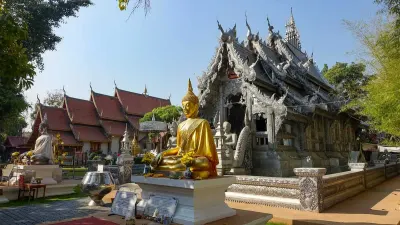
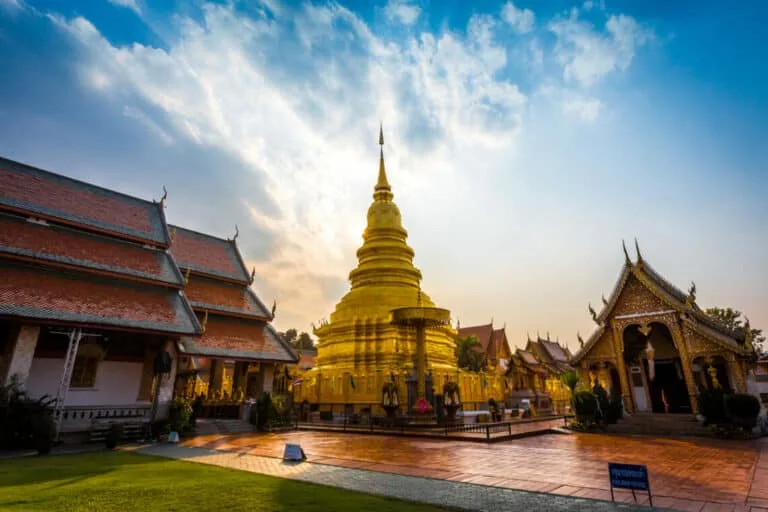
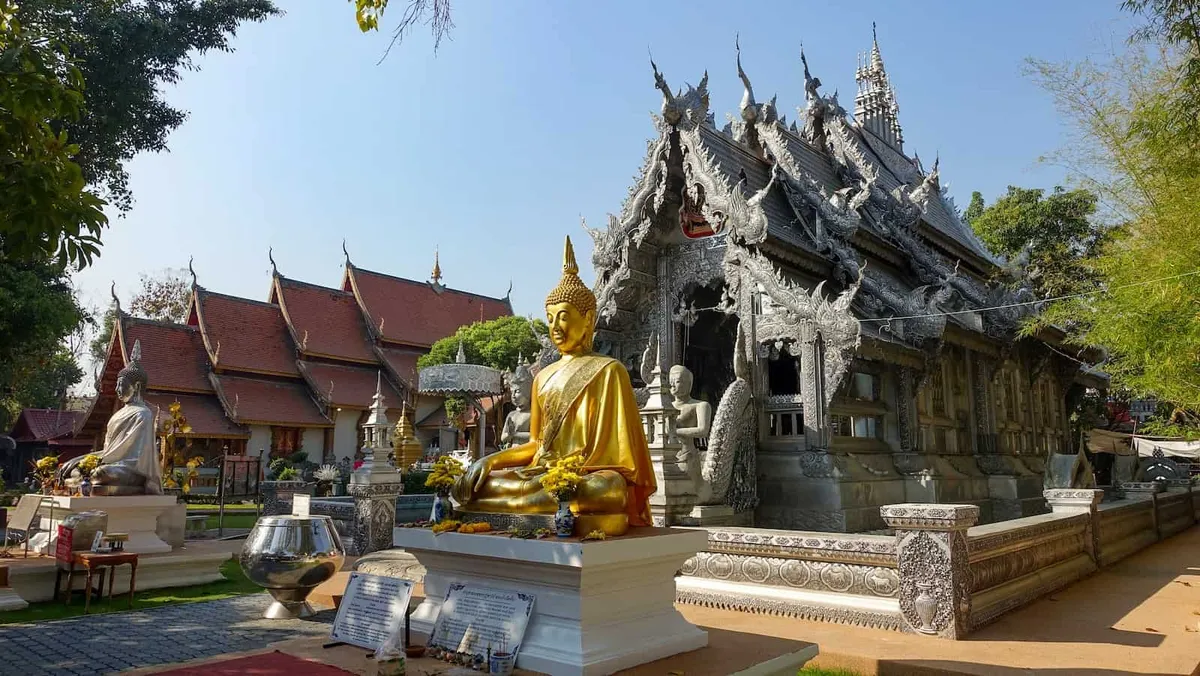
Touch down at Chiang Mai airport and grab a red songthaew or taxi straight to your Old City hotel — aim to arrive by early afternoon to make the most of your first day. Drop your bags and start with the iconic Tha Phae Gate on the eastern side, where locals feed pigeons and tourists snap photos against the weathered brick backdrop. The Old City sits perfectly within ancient walls and a square moat, making it impossible to get truly lost. The real magic happens as you wander the narrow sois between temples in the midday heat. With over 30 wat within these ancient walls, you'll stumble across golden spires, intricate woodcarvings, and the soft chanting of monks every few blocks. Wat Chedi Luang's massive ruined chupa dominates the skyline, while Wat Phra Singh houses some of the north's most beautiful Lanna architecture. The afternoon heat can be intense, so wear light, covered clothing and carry water. As the sun starts to soften, the streets come alive with the buzz of motorbikes and the aroma of street food wafting from every corner. Head to the Night Bazaar along Chang Khlan Road for souvenir browsing, though prices start high — gentle haggling is expected and part of the fun. The covered market offers relief from any lingering heat while you browse handicrafts and textiles. Cap off your arrival with a steaming bowl of khao soi at Khao Soi Khun Yai or grab a Northern Thai set meal at Huen Phen (50–300 THB). The rich, coconut curry noodles topped with crispy egg noodles define Chiang Mai's food scene perfectly.
Where to Eat
Where to Stay
Old City (inside the moat)
from 300 THB
from 1,200 THB
from 4,000 THB
2 Doi Suthep, Temples & Cooking Class
chiang mai
Doi Suthep, Temples & Cooking Class
chiang mai
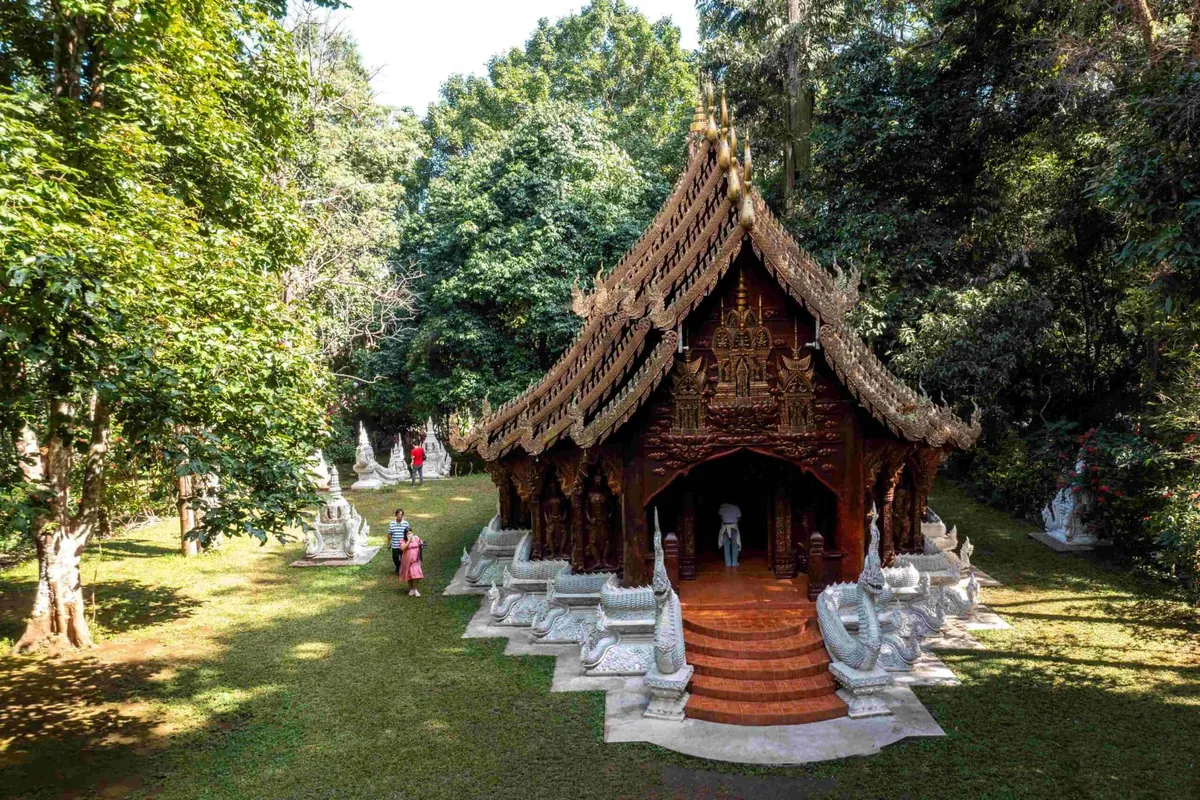
Start early with a 7am songthaew ride to Doi Suthep — the golden temple perched high above Chiang Mai. The red trucks gather near Chang Puak Gate and cost around 50 baht per person for the winding journey up the mountain. Climb the 306 naga-flanked steps to reach Wat Phra That Doi Suthep, where morning mist often clings to the surrounding peaks and the city sprawls below like a patchwork quilt. Arrive before 8am to beat the tour groups and catch the temple in peaceful morning light. Return to the old city by midday to explore two of Chiang Mai's most significant temples. Wat Chedi Luang houses the massive ruined pagoda that once held the Emerald Buddha, while nearby Wat Phra Singh showcases exquisite Lanna architecture and intricate wood carvings. The contrast between the ancient crumbling stones and gleaming golden Buddhas tells centuries of northern Thai history. The scent of incense mingles with frangipani blossoms as monks in saffron robes glide silently across weathered courtyards. Your afternoon cooking class transforms you from tourist to temporary local as you learn to balance sweet, sour, salty, and spicy in pad Thai, green curry, and mango sticky rice. Most classes start with a market visit to select ingredients like galangal, lemongrass, and palm sugar. Choose a class that provides recipe cards to take home, and dress modestly with covered shoulders and knees for the temple visits earlier. End your temple and cooking adventure with khao soi at Khao Soi Mae Sai on Rachadamnoen Road — this coconut curry noodle soup perfectly caps a day of cultural immersion. The crispy egg noodles on top add texture to the rich, creamy broth that's become Chiang Mai's signature dish.
Where to Stay
Same hotel
3 Elephant Sanctuary & Doi Inthanon
chiang mai
Elephant Sanctuary & Doi Inthanon
chiang mai
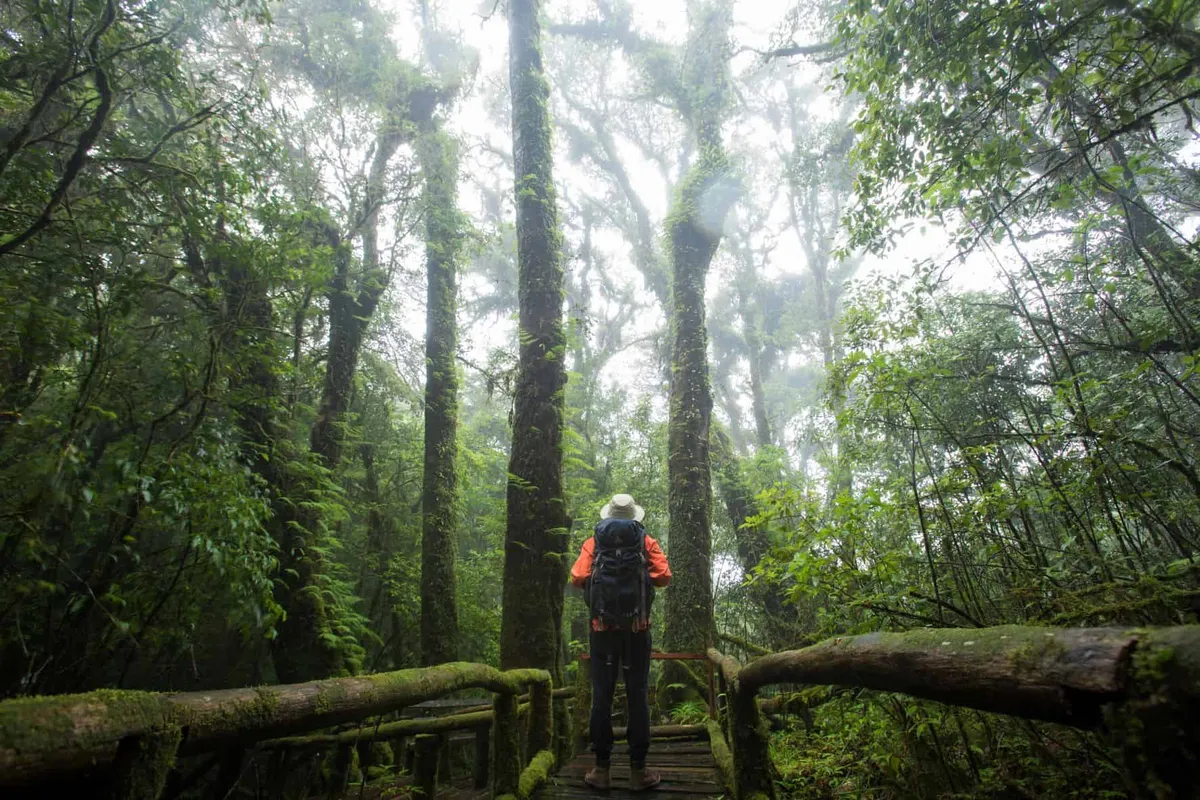
Start early with 8am pickup for an ethical elephant sanctuary — no riding, no tricks, just walking alongside these incredible animals in their natural habitat. The best sanctuaries sit about 45 minutes from central Chiang Mai, and morning visits mean cooler temperatures and more active elephants. You'll help prepare their breakfast, learn about conservation efforts, and watch them splash around in mud baths. Book through your hotel to avoid the aggressive touts downtown. After lunch, make the hour-long drive up winding mountain roads to Doi Inthanon, Thailand's highest peak at 2,565 meters. The temperature drops noticeably as you climb — expect it to be 10-15 degrees cooler than in the city. The twin pagodas dedicated to the King and Queen offer panoramic views across the misty mountains, while the cloud forest boardwalk takes you through an otherworldly landscape of twisted trees and hanging moss. The boardwalk can get slippery, so wear shoes with decent grip. Late afternoon brings a visit to nearby Karen hill tribe villages, where you can observe traditional weaving and farming practices. Women work on backstrap looms creating intricate textiles while men tend terraced gardens carved into the mountainside. Bring a light jacket even in hot season — the elevation makes evenings surprisingly chilly, and the drive down takes about an hour. Back in Chiang Mai by early evening, head to Huen Phen on Ratchamankha Road for authentic northern Thai dishes like khao soi and nam prik ong. This local institution has been serving traditional Lanna cuisine since 1957, and the evening atmosphere buzzes with families sharing multiple dishes. Arrive before 8pm for the best selection.
Where to Stay
Same hotel
4 Drive to Pai — Scenic Mountain Road
pai
Drive to Pai — Scenic Mountain Road
pai
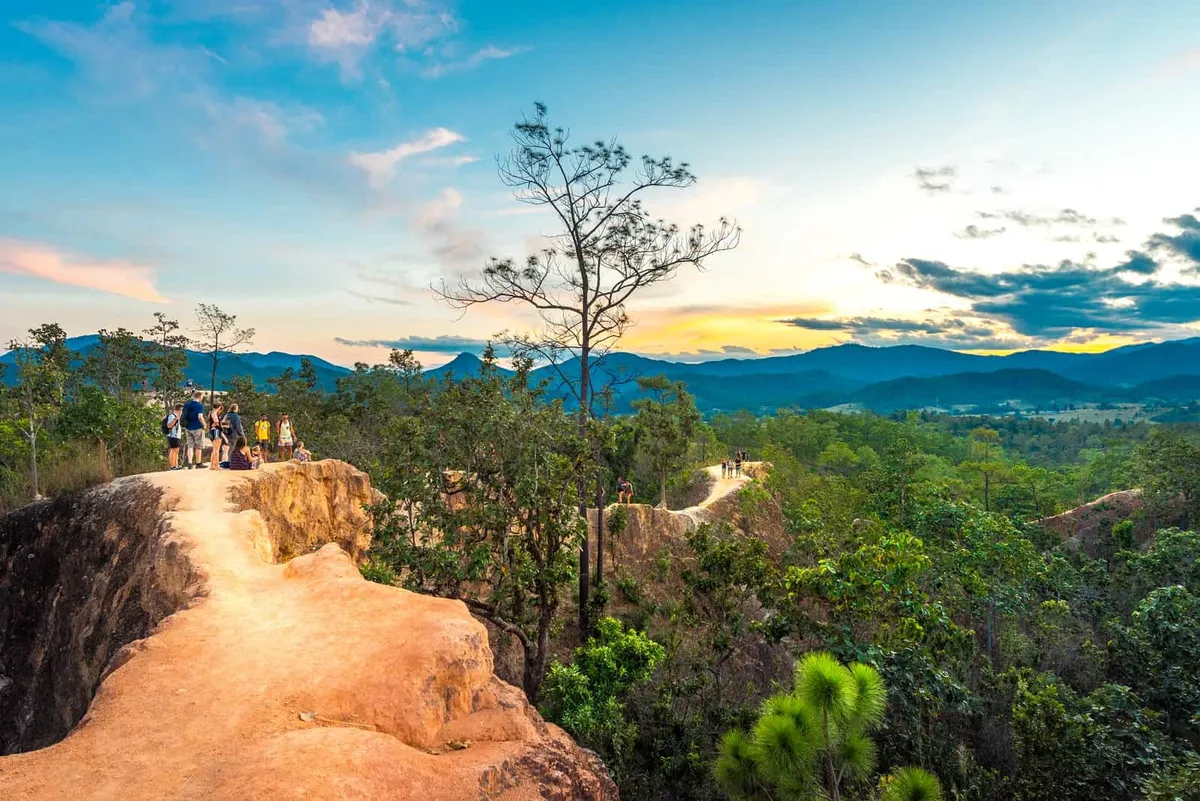
The famous 762-curve road from Chiang Mai to Pai takes 3 hours through mountain scenery that shifts from forest to rice terraces. Book the front seat of your minivan if you're prone to motion sickness — the winding route can be challenging. Once you arrive in Pai's tiny town center around midday, head straight to rent a scooter from one of the many shops along the main road for 150-200 baht per day. Your first stop should be Pai Canyon, just 8km southeast of town. The narrow ridges and deep gorges create dramatic photo opportunities, especially when the afternoon light hits the red soil formations. The walk along the rim takes about an hour, but wear good shoes — the paths can be slippery and there are steep drops on both sides. The orange-red clay contrasts sharply with the green valley below, making this one of northern Thailand's most photographed spots. Late afternoon calls for unwinding at Tha Pai Hot Springs, where natural mineral pools are set among bamboo groves. The water temperature stays around 80°C year-round, perfect for sore muscles after the long journey. Follow this with sunset at the bamboo bridge near Kung Mai Sak village — the golden hour light filtering through the bamboo creates magical silhouettes. Bring a sarong or towel for the hot springs, as facilities are basic. Evening brings Pai's Walking Street market to life with live music, handicrafts, and street food. Try khao soi from the northern Thai stall or fresh fruit smoothies while browsing locally made soaps and textiles. The vibe stays relaxed and friendly, perfect for your first night in this mountain retreat.
Where to Stay
Pai town centre
from 200 THB
from 800 THB
from 2,500 THB
Pai is tiny and cheap. Even mid-range gets you a beautiful bungalow with mountain views.
5 Pai — Waterfalls, Rice Fields & Village Life
pai
Pai — Waterfalls, Rice Fields & Village Life
pai
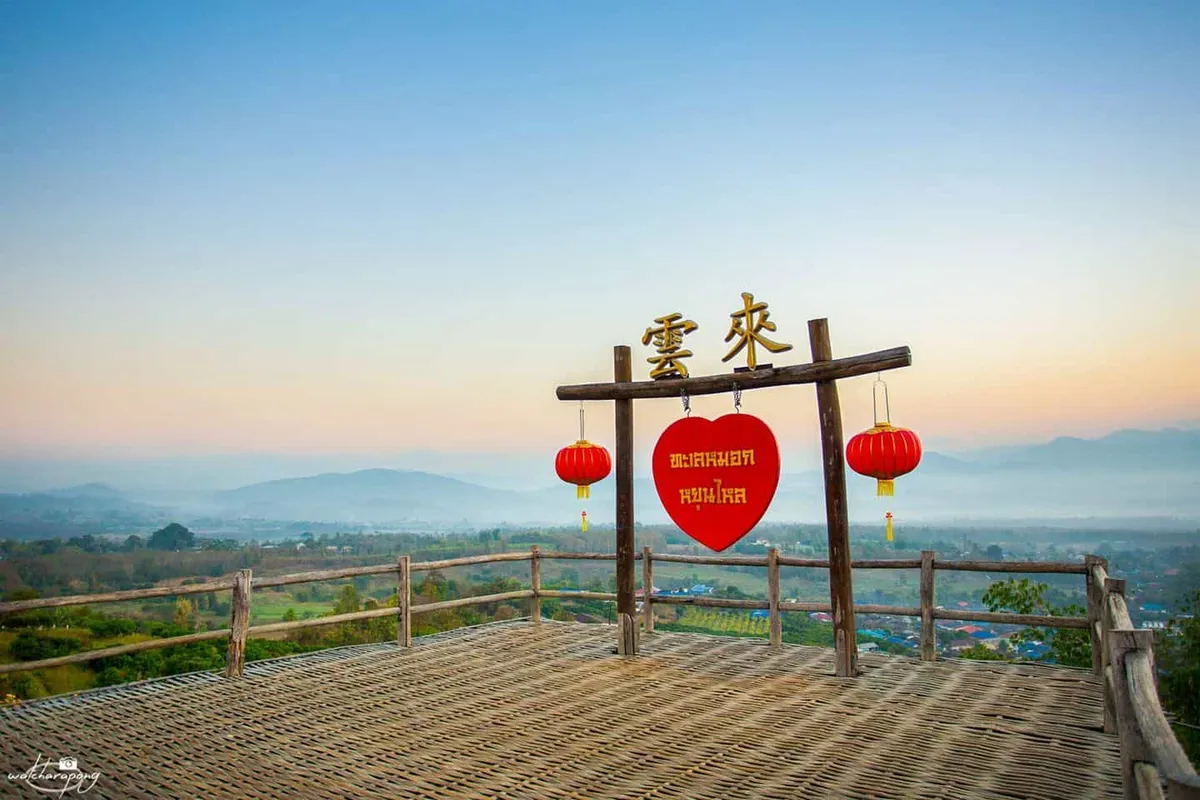
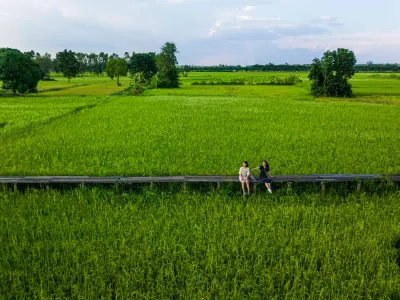
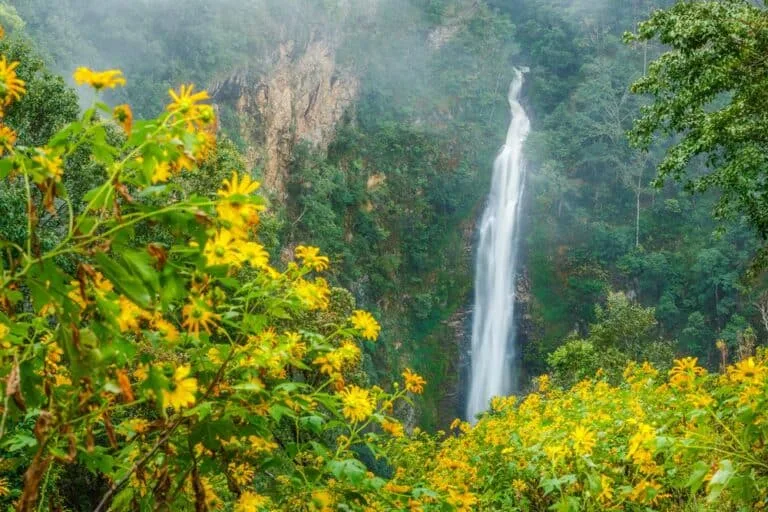
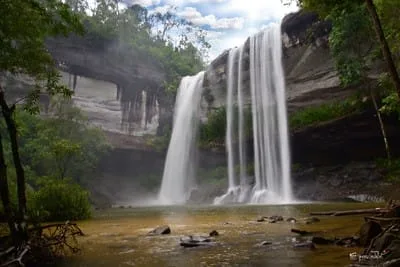
Start early with a scooter rental from town and head straight to Pam Bok waterfall around 9am before it gets crowded. The 20-minute ride takes you through winding mountain roads with glimpses of the valley below. The waterfall isn't massive, but the natural pool at the bottom is perfect for a refreshing swim. Bring a towel and water shoes since the rocks can be slippery. Cruise through Pai's famous rice paddies on your way to the Chinese Village (Santichon) – the roads cut right through emerald-green fields where you'll see farmers in wide-brimmed hats tending their crops. The smell of wet earth and growing rice fills the air, especially if it rained the night before. The Chinese Village feels like stepping into Yunnan province, complete with tea houses and traditional architecture. Try the green tea and Chinese pastries while taking in the mountain views. Make your afternoon stop at the Pai World War II Memorial Bridge, a simple steel structure with surprising historical significance. It's photogenic but small, so don't expect to spend more than 15 minutes here. Save energy for the sunset viewpoint climb – there are several options, but most require a short hike up steep paths. Wear good shoes and bring water for the climb up. Wind down with dinner at Na's Kitchen or Charlie & Lek for excellent Thai-fusion dishes (80–200 THB). The pad thai with tamarind sauce and cashew stir-fry are local favorites. Both restaurants fill up quickly after 7pm, so arrive early or be prepared to wait. This is the most relaxed day on the trip.
Where to Eat
Where to Stay
Same hotel
6 Pai to Chiang Rai
chiang rai
Pai to Chiang Rai
chiang rai
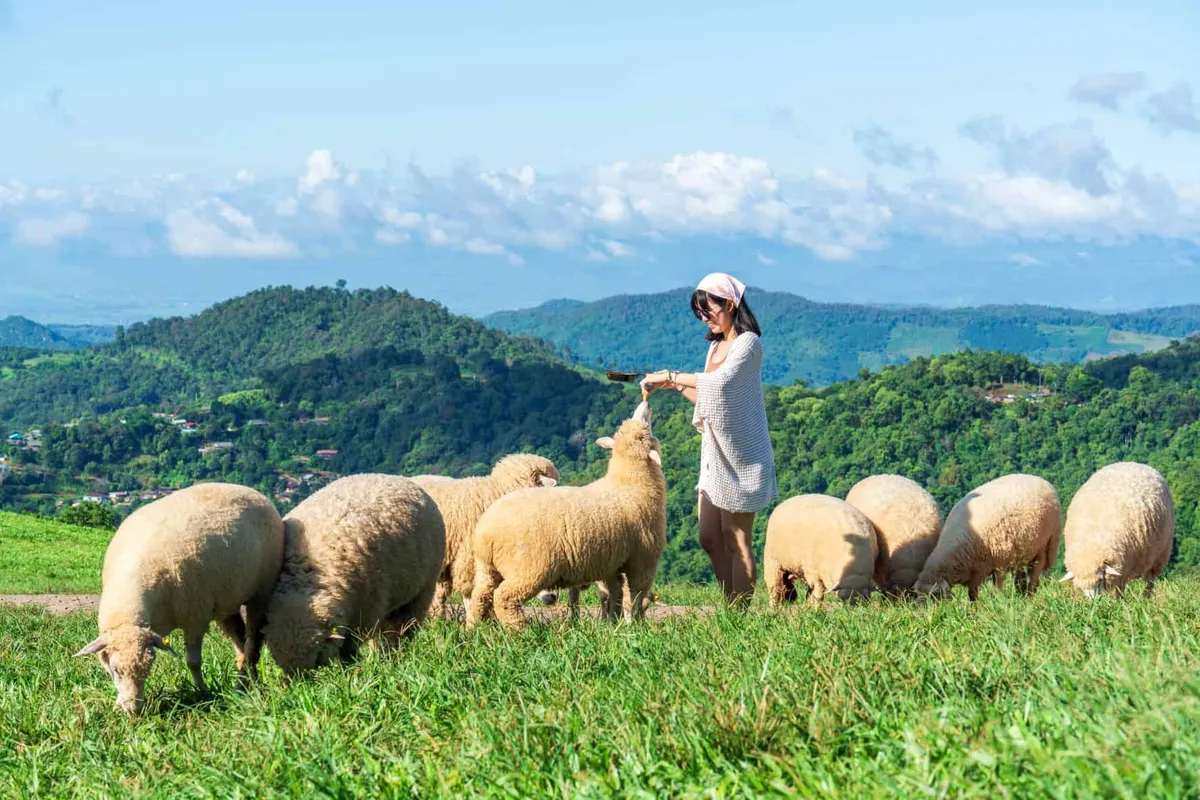
Catch a morning minivan from Pai back to Chiang Mai (3 hours), then transfer to another minivan heading north to Chiang Rai (another 3 hours) — though some operators offer direct routes if you book ahead. The winding mountain roads can be tough on sensitive stomachs, so grab some motion sickness tablets from a pharmacy before departure and aim to leave by 8am to reach Chiang Rai by mid-afternoon. The six-hour journey takes you through some of northern Thailand's most dramatic landscapes, from Pai's valley views to the flatter plains approaching Chiang Rai. Rice paddies stretch endlessly on both sides as you descend from the mountains, and small roadside villages offer glimpses of rural Thai life. The air conditioning in these minivans runs cold, so pack a light jacket even on hot days. Check into your accommodation in Chiang Rai's compact town centre and spend the late afternoon recovering from the road trip. The city moves at a slower pace than Chiang Mai, with wide streets and a more provincial feel. Most guesthouses and hotels are within walking distance of the main attractions, making it easy to explore on foot without rushing. Take time to stretch your legs with a gentle walk around the quiet streets before the evening activities begin. Don't miss the Clock Tower Light Show at 7pm, 8pm, or 9pm — the ornate golden tower comes alive with coloured lights and music in a surprisingly elaborate display. Afterwards, wander through the adjacent night market for dinner, where vendors serve excellent khao soi and grilled meats alongside the usual tourist fare. The market stays open until around 10pm, giving you plenty of time to sample different stalls.
Where to Stay
Chiang Rai town centre
from 300 THB
from 1,000 THB
from 3,000 THB
7 Chiang Rai — White Temple, Blue Temple & Black House
chiang rai
Chiang Rai — White Temple, Blue Temple & Black House
chiang rai
Chiang Rai → Bangkok
Chiang Rai airport has direct flights to Bangkok. Alternatively, bus to Chiang Mai (3h) and fly from there.
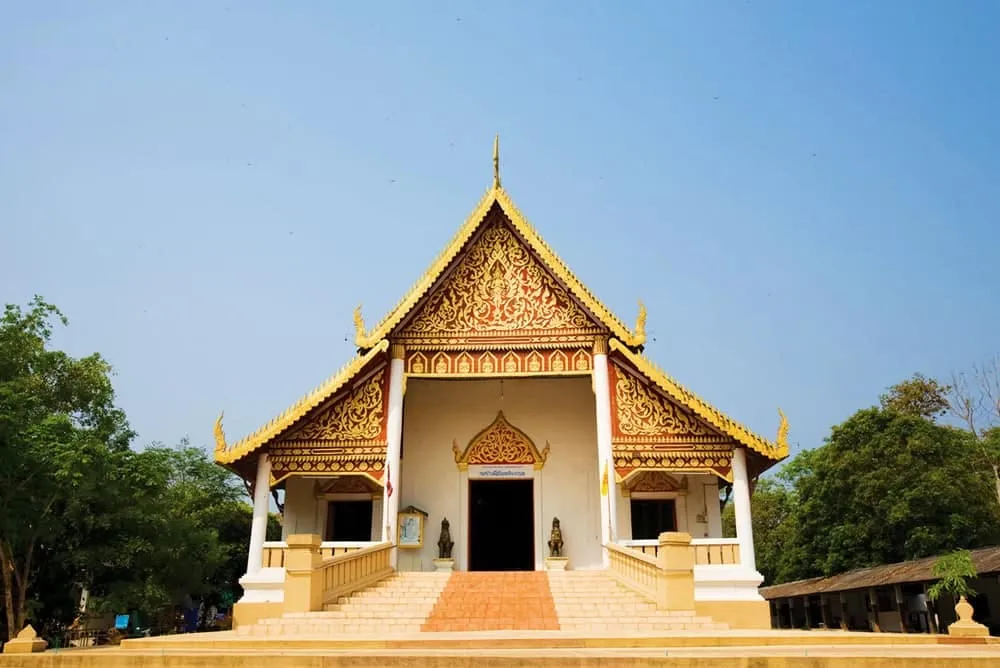
Book on 12go.asiaStart early at Wat Rong Khun (White Temple) to beat the crowds and harsh midday sun. The temple opens at 8am, and arriving by 9am gives you the best light for photos without tour buses blocking your shots. A tuk-tuk from central Chiang Rai costs around 100-150 baht. The intricate white facade and mirrored details create an almost otherworldly effect in the morning light. Head to Wat Rong Suea Ten (Blue Temple) next, just 15 minutes away by taxi. The deep cobalt blue exterior and golden Buddha statue inside create a striking contrast to the White Temple's minimalist aesthetic. The temperature inside stays cool even during hot afternoons, making it a perfect midday stop. Photography is allowed inside, but remove your shoes and dress modestly — no shorts or sleeveless tops. Spend your afternoon at Baan Dam Museum (Black House), artist Thawan Duchanee's collection of dark wooden structures filled with animal bones, pelts, and haunting artwork. The 40 buildings scattered across landscaped grounds take 2-3 hours to explore properly. Bring water and wear comfortable walking shoes as there's minimal shade between buildings. For your final Northern Thailand dinner, try Chivit Thamma Da Coffee House for their famous tom kha gai and mango sticky rice, or grab late-night khao soi at Pho Chai Commercial Area before your flight to Bangkok. Pack light since you'll be heading to the airport for your 1 hour 30 minute flight south.
Before You Go
Visa
Most nationalities get 60-day visa-free entry. Check your eligibility at thaiembassy.com. Digital nomads can apply for the DTV (Destination Thailand Visa) for longer stays.
Currency
Thai Baht (THB). 1 USD ≈ 34 THB. ATMs everywhere (180 THB foreign fee per withdrawal). Cards accepted at hotels and malls, but carry cash for street food, markets, and transport.
Connectivity
Get a Thai eSIM or SIM at the airport (AIS or TrueMove — 300-600 THB for 15-30 days). 4G/5G coverage is excellent everywhere except remote mountains.
Best eSIM for Thailand →Safety
Thailand is very safe for tourists. Main risks: scooter accidents (wear a helmet), petty theft in tourist areas, and heat exposure. Drink bottled water. Travel insurance is essential.
Language
Thai. English is widely understood in tourist areas. Learn 'sawadee krap/ka' (hello), 'khob khun' (thank you), and 'mai pet' (not spicy). Google Translate works well.
Northern Thailand is where you slow down. This isn’t about ticking off beach clubs or island hopping — it’s about mountain temples at dawn, elephants in the forest, cooking lessons in someone’s garden, and conversations with hill tribe communities who’ve lived in these mountains for centuries.
Route Overview
Chiang Mai (3 nights) — ancient city, temples, elephants, cooking Pai (2 nights) — mountain valley, waterfalls, hippie vibes Chiang Rai (1 night) — White Temple, Blue Temple, Black House
The Northern Thailand Difference
The North runs on a different clock. Restaurants don’t rush you. Temples are empty at sunrise. Markets sell handicrafts made by the person behind the table. The food is different too — khao soi (curry noodles), sai oua (herbal sausage), and nam prik noom (green chili dip) are Northern specialities you won’t find in Bangkok or the islands.
Frequently Asked Questions
Is Pai worth the 762-curve drive?
Absolutely. The drive itself is scenic (if you're not motion-sick), and Pai is one of Thailand's most special places — a tiny mountain town with hot springs, waterfalls, and a creative community. Two nights is the sweet spot.
Do I need to rent a scooter in Pai?
Strongly recommended. Pai's attractions are spread across the valley and there's no public transport. Rental is 150-250 THB/day. Drive carefully — the roads are hilly and accidents are common among tourists.
What's the weather like in Northern Thailand?
November-February is cool (15-25°C, can drop to 10°C at night in Pai). March-May is hot and smoky (burning season — avoid if you have respiratory issues). June-October is rainy but green.
Can I extend this to include Chiang Dao or Doi Inthanon?
Yes — add 1–2 days in Chiang Mai at the start. Chiang Dao is 90 minutes north (caves, trekking), Doi Inthanon is 90 minutes south (Thailand's highest peak, twin pagodas). Both make excellent day trips or overnight stays.
What should I buy in Chiang Mai's markets?
Hand-woven textiles, hill tribe silver jewellery, Thai silk, coconut oil products, and locally grown coffee. The Sunday Walking Street on Ratchadamnoen Road has the best selection. Bargain respectfully — start at 60% of asking price.