


2 Weeks in Thailand Itinerary: Route, Costs & Tips
A 2-week Thailand itinerary covering Bangkok, Chiang Mai and the Andaman coast, with real transport times and how to flip the route for monsoon season.
Facts checked Jun 2026
Duration
14 days
Pace
moderate
Best For
first-timers, couples, photographers
Budget
14,000–140,000 THB per person
Best Months
Nov, Dec, Jan, Feb
Trip Cost Breakdown
| Category | Budget | Mid-Range | Luxury |
|---|---|---|---|
| Flights | 3,000–5,000 THB (3 internal) | 5,000–9,000 THB | 9,000–15,000 THB |
| Accommodation | 4,200–7,000 THB (14 nights) | 21,000–42,000 THB | 70,000–140,000 THB |
| Food & Drink | 4,200–5,600 THB | 8,400–14,000 THB | 21,000+ THB |
| Activities & Tours | 2,000–4,000 THB | 6,000–10,000 THB | 15,000–30,000 THB |
| Local Transport | 1,500–2,500 THB | 3,000–5,000 THB | 8,000+ THB |
| Total Estimate | 14,000–140,000 THB per person | ||
Route Map
4 stops in travel order. Tap a pin for the destination guide.
Day-by-Day Itinerary
Tap each day for details, booking links, and tips.
1Arrive in Bangkok
bangkok
Arrive in Bangkok
bangkok

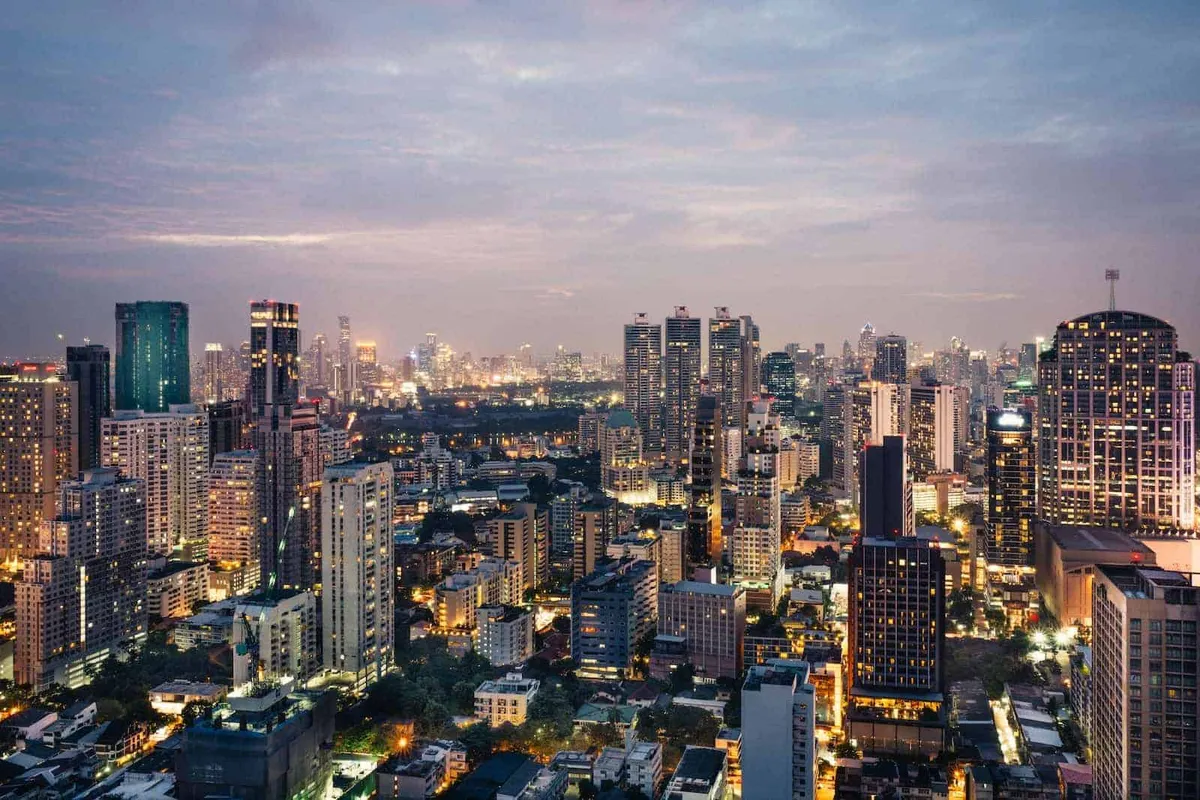
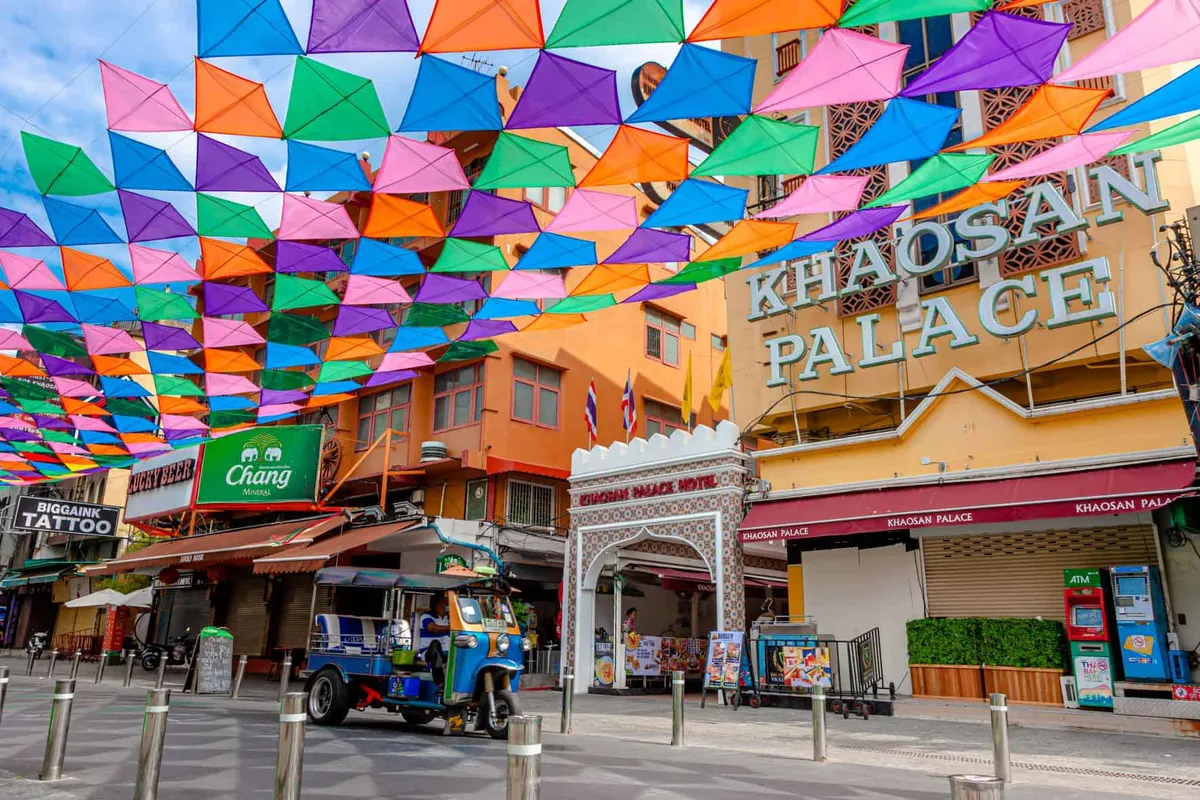
Arrive at Suvarnabhumi or Don Mueang airport and grab an official taxi or Airport Rail Link to your hotel in Khao San, Rattanakosin, or Riverside area. Most flights land in the morning, so you'll have the full day ahead despite any jet lag. Head straight to your accommodation to drop bags and freshen up. Don't try to do too much on arrival day.
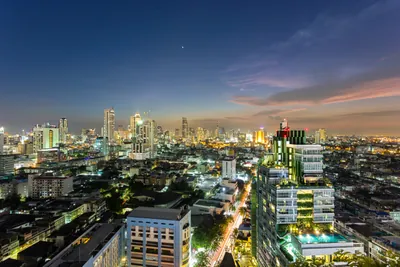
Take your first steps into Bangkok with a gentle riverside walk along the Chao Phraya. The wide brown river, busy with longtail boats and ferries, gives you an immediate sense of the city's energy. Traditional wooden boats weave between modern express ferries while the smell of river water mixes with incense from nearby shrines. This is Bangkok's lifeline, and watching the controlled chaos from the walkways near your hotel helps ease you into the city's rhythm.
Spend the afternoon settling in and exploring your immediate neighborhood on foot. Khao San Road buzzes with backpackers, street vendors, and massage parlors, while Rattanakosin offers temple glimpses and quieter streets. Wear comfortable walking shoes and bring a small bottle of water. Bangkok's heat hits newcomers hard. Keep your first day light with just neighborhood wandering rather than major sightseeing.
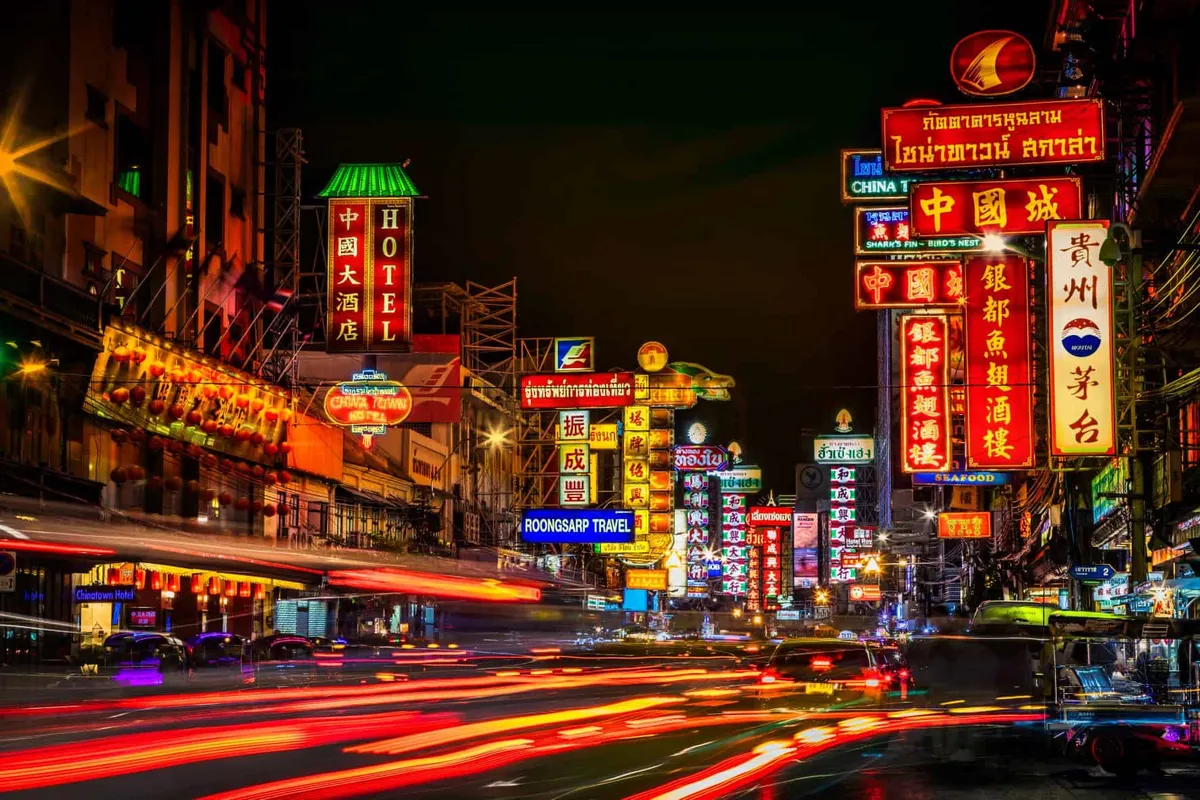
Evening calls for your first proper Thai street food experience. Head to Yaowarat (Chinatown) for char siu pork and dim sum, or stick closer to Khao San Road for pad thai and mango sticky rice from roadside stalls. The vendors start setting up around 6 PM, and pointing at what looks good works perfectly when language fails.
Where to Stay
Khao San / Rattanakosin or Riverside
- BudgetBangkok Loft InnOn the Thonburi side of the river, an 11-minute walk from Wongwian Yai BTS.
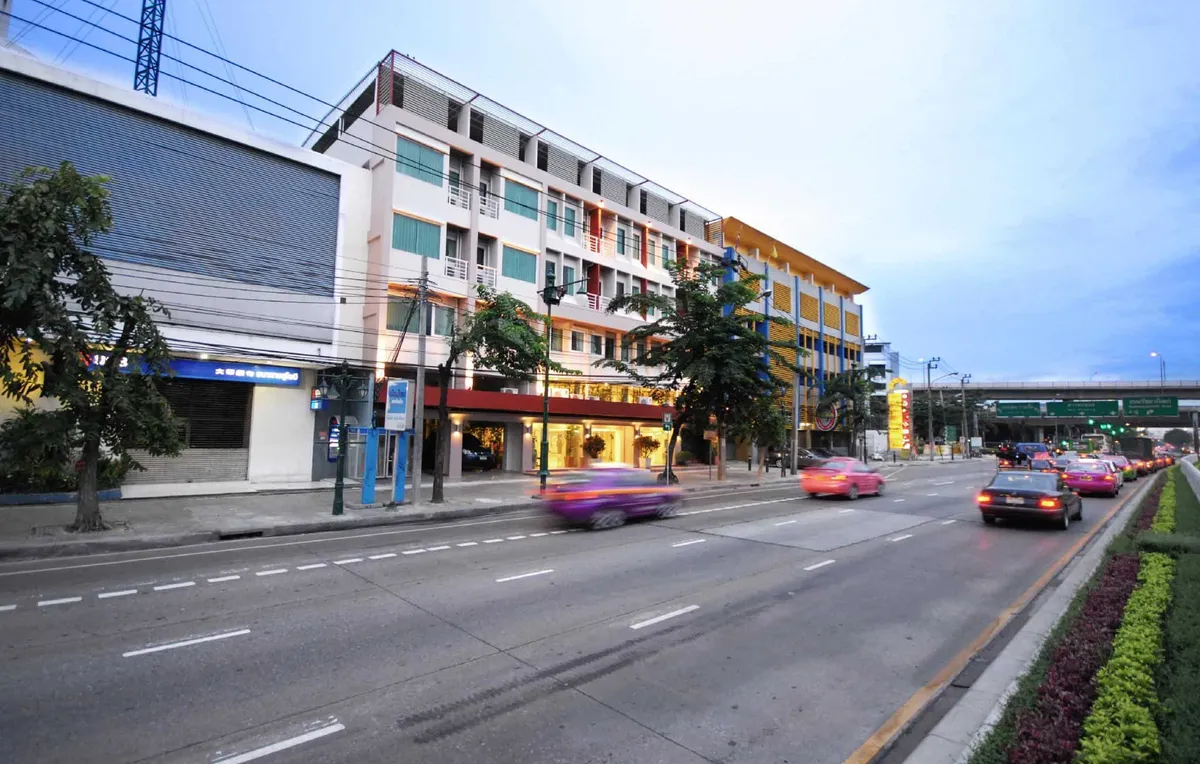
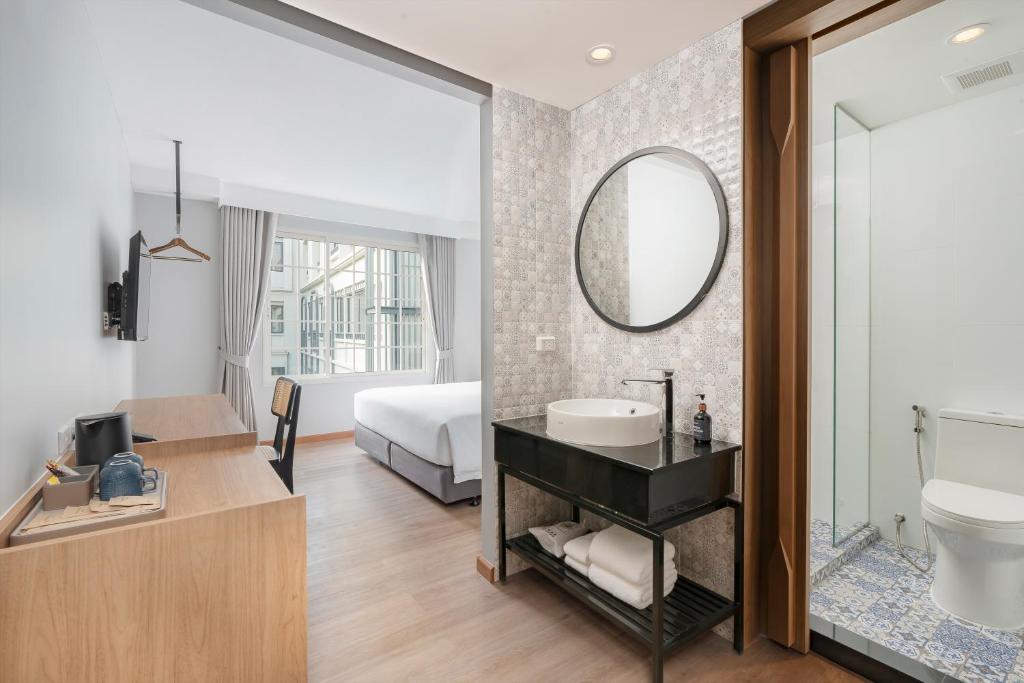
- Mid-rangePranakorn Heritage HotelA restored heritage building on Prachathipatai Road in Phra Nakhon, a short walk from Khao San Road and the old-city temples.
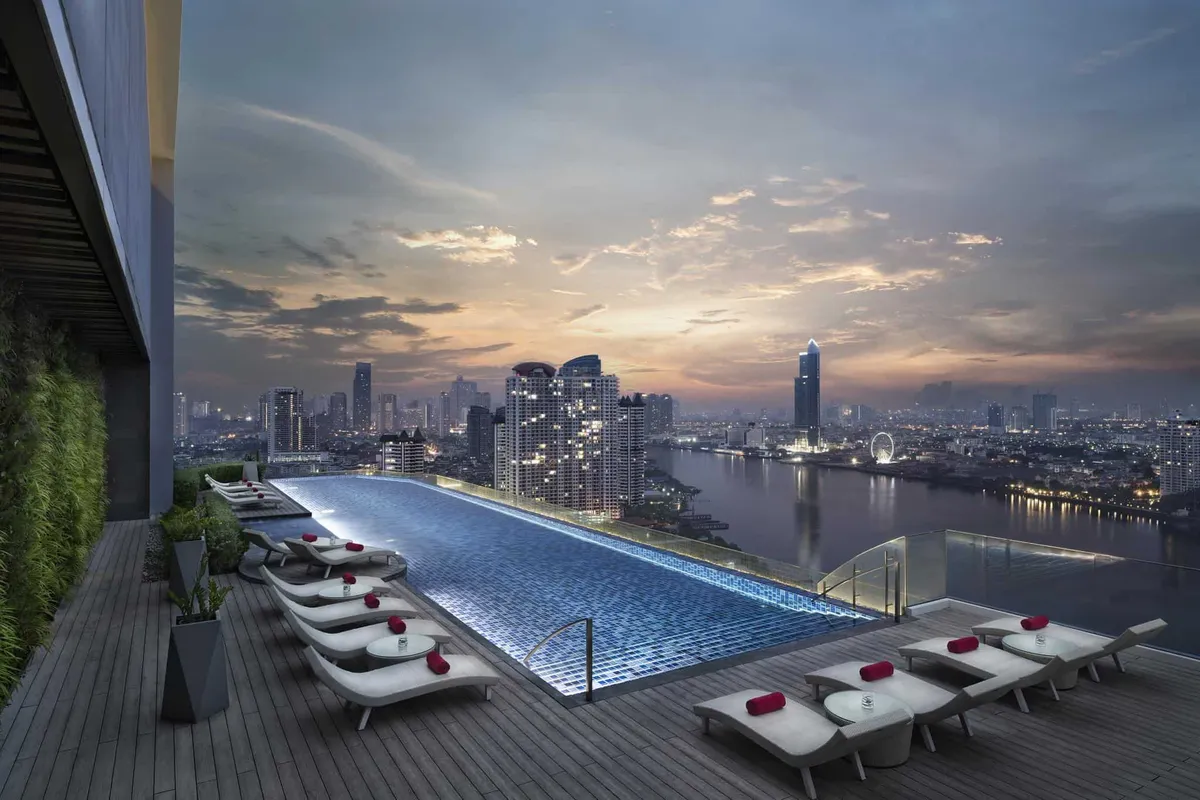
- LuxuryAvani+ Riverside Bangkok HotelA 5-star riverside property on the Chao Phraya in Thonburi, a short boat hop from the old-town temples.


from 350 THB
from 1,500 THB
from 5,000 THB
2Bangkok, Grand Palace, Wat Pho & Wat Arun
bangkok
Bangkok, Grand Palace, Wat Pho & Wat Arun
bangkok

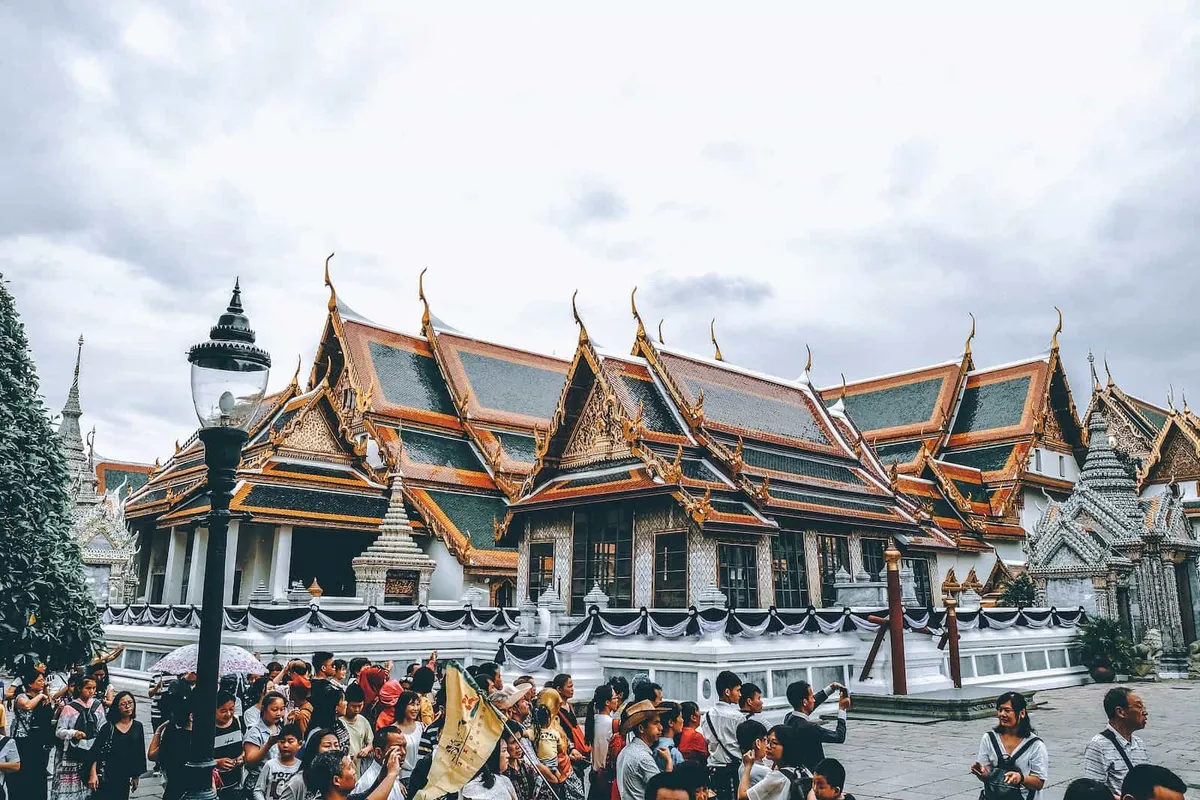
Start at the Grand Palace and Wat Phra Kaew at 8:30am before the heat becomes unbearable and tour groups arrive. Take the BTS to Saphan Taksin, then catch an express boat to Tha Chang pier. It's faster than fighting Bangkok traffic. The golden spires and intricate details of the Emerald Buddha temple are worth the early wake-up call, plus you'll have better photo opportunities without crowds blocking every shot.
Walk five minutes to Wat Pho to see the massive reclining Buddha, stretching 46 meters long and covered in gold leaf. The soles of his feet are inlaid with mother-of-pearl depicting Buddhist symbols, and the temple grounds buzz with the gentle chanting of monks. The complex also houses Thailand's first university and remains the country's leading school of traditional massage. Wear long pants and covered shoulders. They're strict about the dress code and won't let you rent coverings here.
Cross the Chao Phraya by ferry (a few baht) to Wat Arun, climbing the steep steps of the central prang for river views. Time your visit for late afternoon when the setting sun illuminates the temple's ceramic-encrusted towers. For lunch, head to Thip Samai for their legendary pad Thai (60–100 THB). They've been perfecting the recipe since 1966.
Cap off your temple day with sunset drinks at Sky Bar at Lebua or Octave at Marriott (300–800 THB). Both offer spectacular city views, though Sky Bar has the famous three-level outdoor terrace you've seen in movies. Book ahead or arrive early to secure a good spot before the crowds descend.
Where to Eat
Where to Stay
Same hotel
3Bangkok, Chatuchak, Chinatown & Night Markets
bangkok
Bangkok, Chatuchak, Chinatown & Night Markets
bangkok

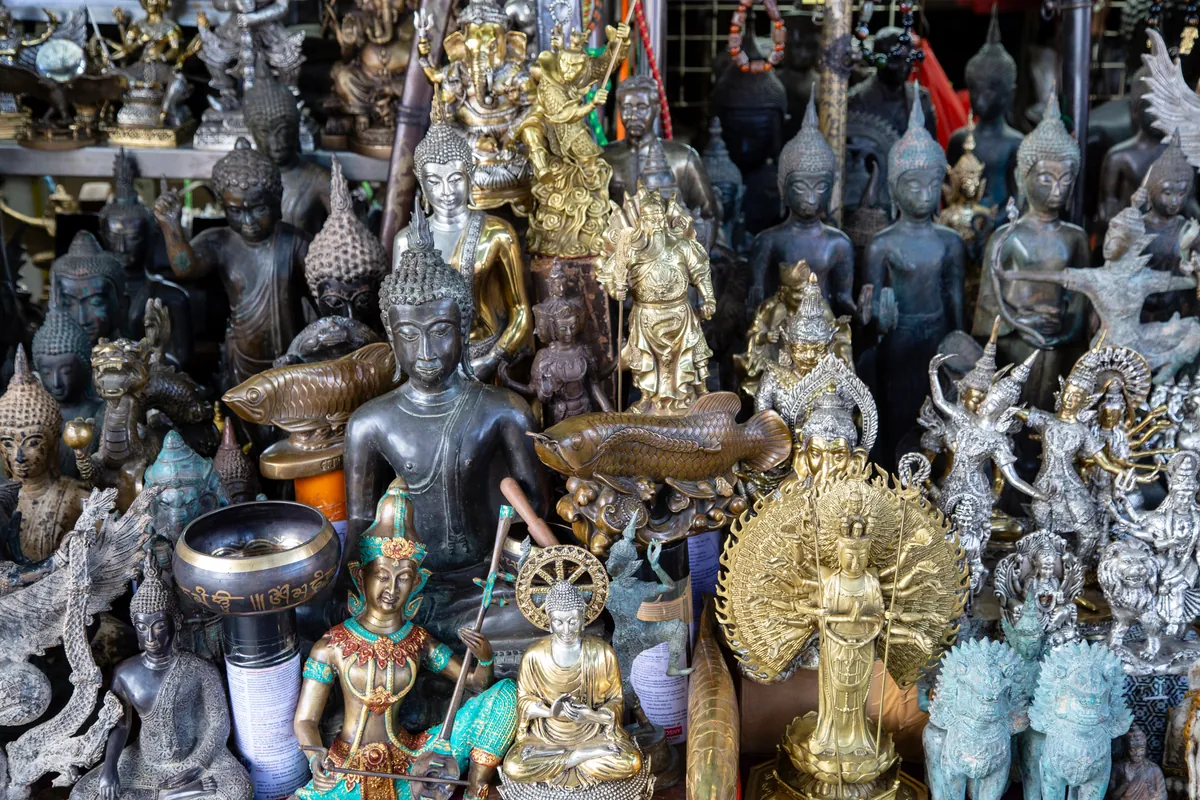
Start early if it's a weekend. Chatuchak Market opens at 9am and you'll want to beat the crowds and heat. Take the BTS to Mo Chit station (exit 1) and follow the signs. With over 15,000 stalls spread across 27 sections, this is shopping chaos at its finest. Arrive with an empty stomach and comfortable shoes, plus bring cash since most vendors don't take cards.
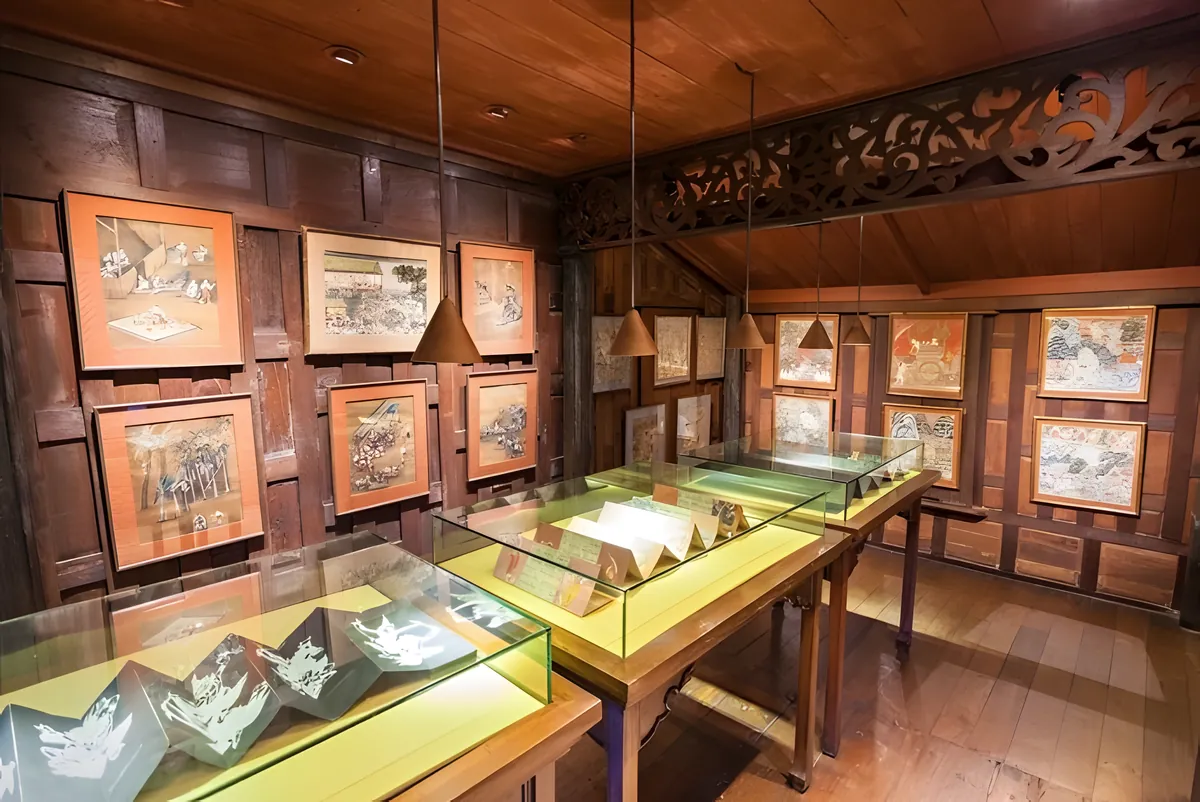
If it's a weekday, head to Jim Thompson House instead, or the quirky Art in Paradise museum for Instagram-worthy 3D art photos. Both offer air-conditioned relief and fascinating glimpses into Thai culture and creativity. Jim Thompson's traditional teak houses tell the story of the American silk entrepreneur who disappeared mysteriously in Malaysia. The guided tours run every 30 minutes and give you stories you won't find in guidebooks.
Afternoon calls for Chinatown exploration along Yaowarat Road's narrow side streets. Duck into century-old gold shops where serious business happens behind glass counters, and browse traditional medicine stores selling everything from dried seahorses to ginseng. The Temple of the Golden Buddha houses a 5.5-ton solid gold statue. Wear long pants and covered shoulders for temple visits, and don't point your feet toward the altar.
Evening transforms Yaowarat into Asia's best street food scene. Hunt down boat noodles at tiny plastic stools, crispy pork belly over rice, and mango sticky rice from cart vendors. The sensory overload of sizzling woks, shouting vendors, and neon signs creates pure Bangkok magic. Come hungry. You'll need multiple stops to sample everything properly.
Where to Stay
Same hotel
4Fly to Chiang Mai
chiang mai
Fly to Chiang Mai
chiang mai

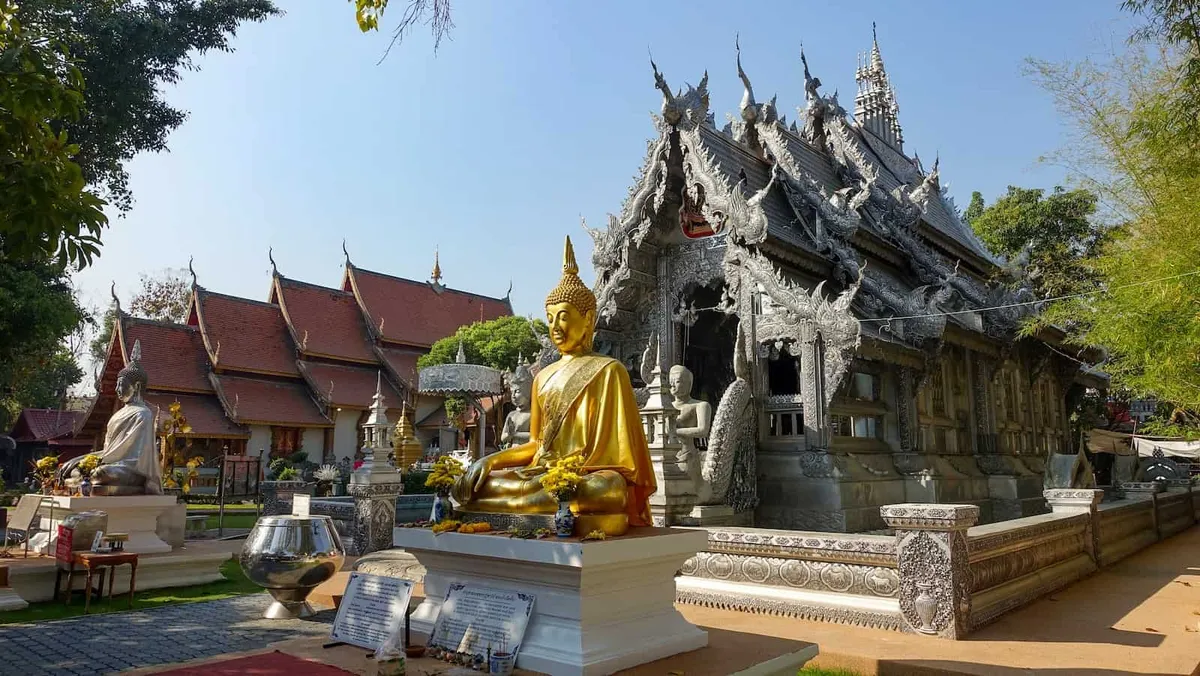
Catch the morning flight to Chiang Mai. The 1 hour 15 minute journey puts you in Thailand's cultural capital before lunch. Book your flight for around 9am departure to maximize your afternoon exploration time. Head straight to your Old City hotel to drop bags and get oriented within the ancient square moat that defines this historic quarter.
The Old City reveals itself best on foot, with centuries-old temples appearing around every corner within the ancient walls. Wat Chedi Luang's massive ruined pagoda dominates the skyline, while the intricate woodwork at Wat Phan Tao catches afternoon light beautifully. Walk to the iconic Tha Phae Gate, the restored eastern entrance where locals gather and tuk-tuks wait. It's the perfect landmark to orient yourself from.
Spend the late afternoon wandering the grid of narrow streets, discovering smaller temples tucked between guesthouses and cafes. The Old City covers just one square kilometer, making it impossible to get seriously lost. Wear comfortable walking shoes as the uneven pavements and temple steps can be tricky in flip-flops.
As darkness falls, make your way to the famous Night Bazaar along Chang Khlan Road for dinner and shopping. Try khao soi, Chiang Mai's signature curry noodle soup, at one of the street-side restaurants before browsing the endless stalls selling everything from hill tribe textiles to wooden elephants. The bazaar stays lively until midnight, but arrive by 7pm for the best food selection.
Where to Stay
Old City
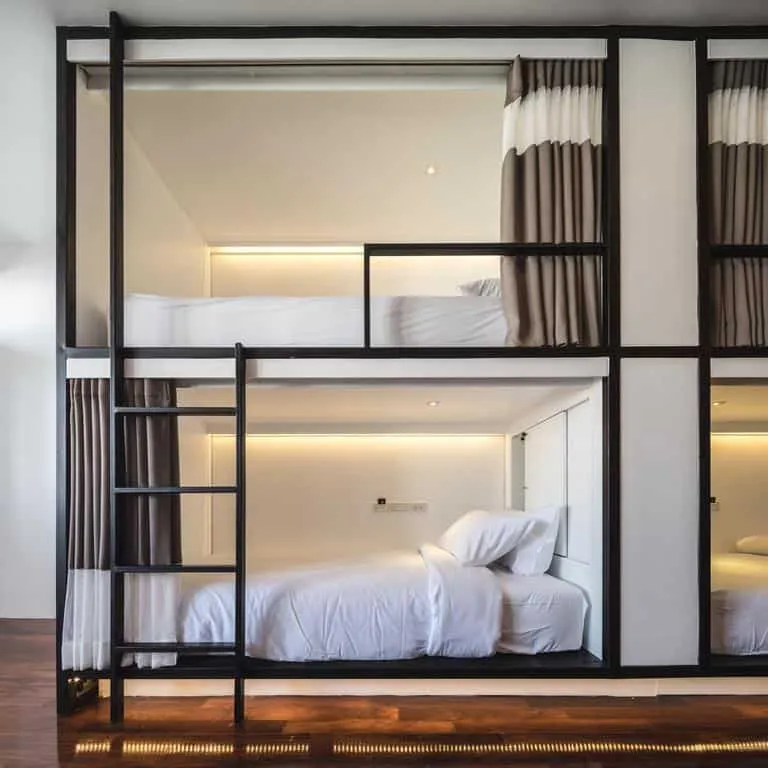
- BudgetThe Common Hostel (Adult Only)An adults-only hostel on Singharat Road, a quieter residential stretch that still reaches the old city's temples and night markets on foot.
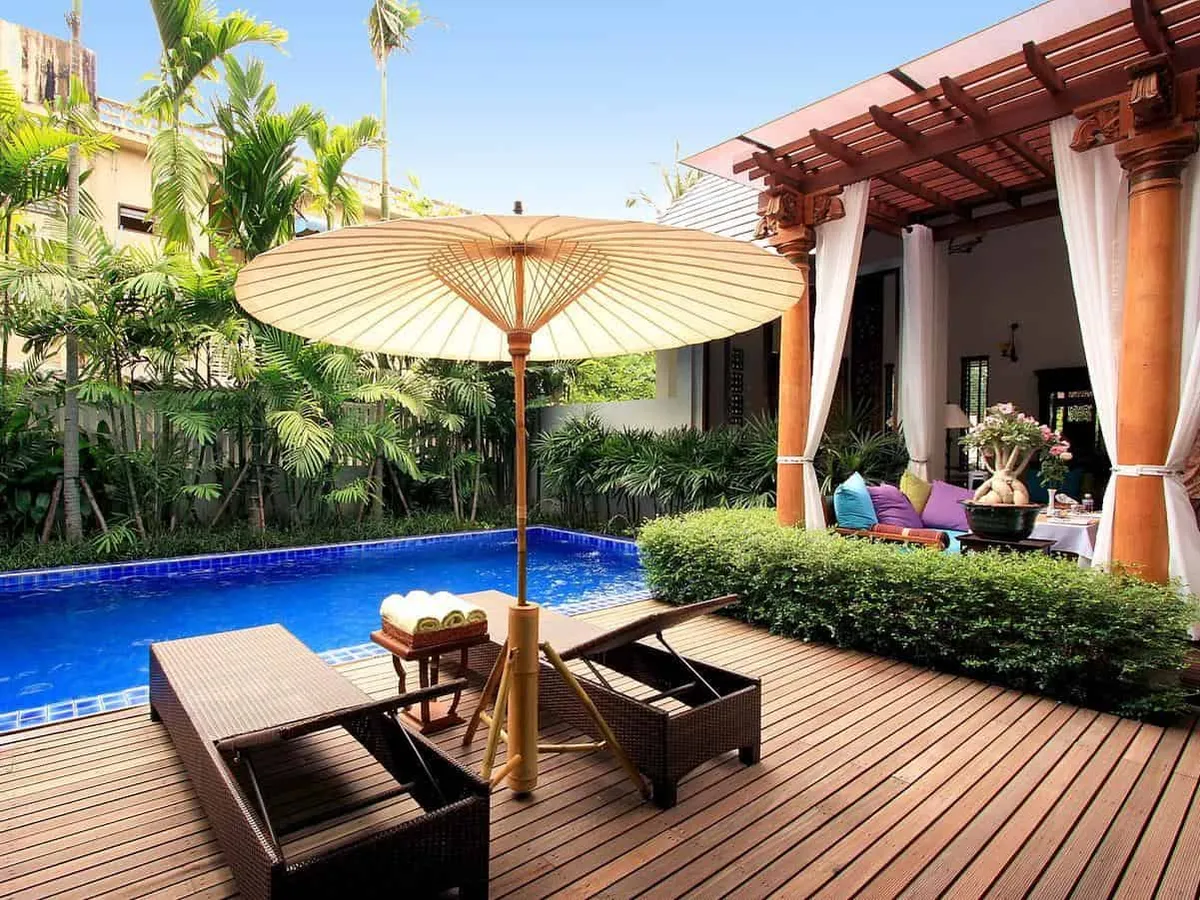
- Mid-rangeBaan Klang Wiang HotelSits near Chiang Mai Gate, close enough to walk into the historic centre but on a quieter soi away from the main tourist crush.
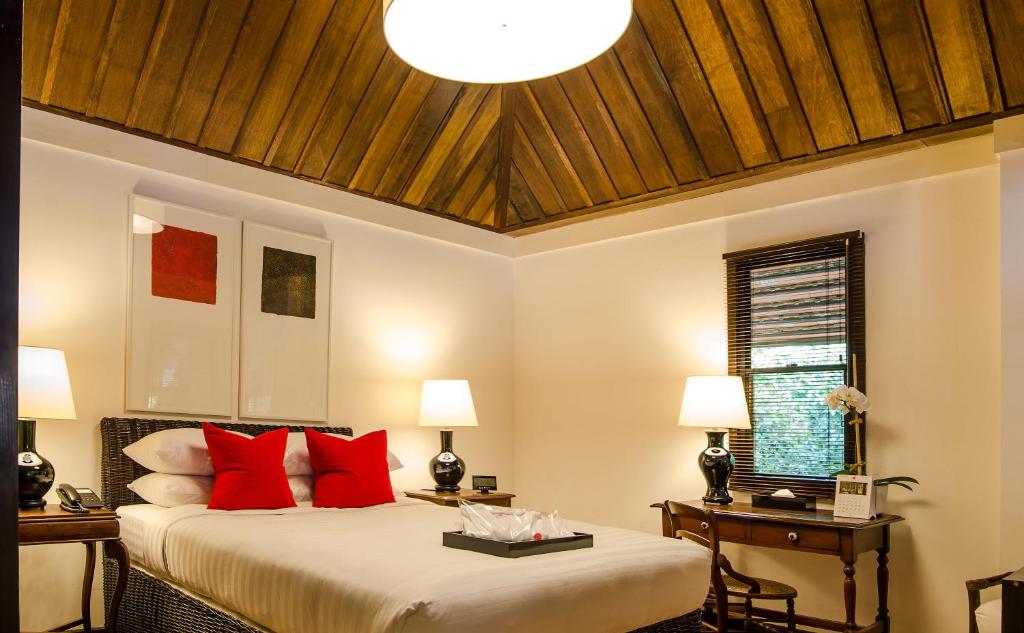
- LuxuryRachamankha HotelIn the Phra Singh district, walking distance from Wat Phra Singh and the old quarter's galleries and cafes.


from 300 THB
from 1,200 THB
from 4,000 THB
5Chiang Mai, Doi Suthep & Temple Trail
chiang mai
Chiang Mai, Doi Suthep & Temple Trail
chiang mai

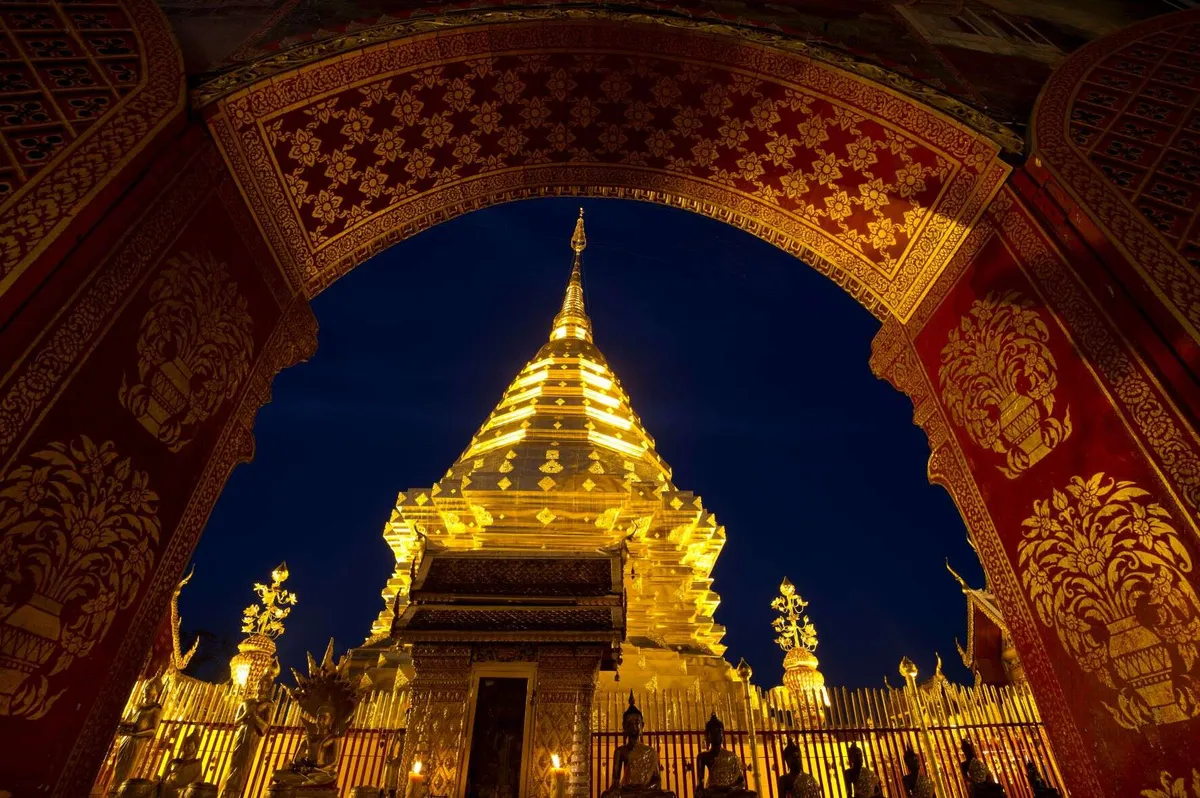
Start early with the songthaew ride up to Wat Phra That Doi Suthep. The red trucks gather near Chang Phueak Gate and charge around 40 baht per person. The 306-step climb to the temple rewards you with panoramic views over Chiang Mai, plus the golden chedi gleaming in the morning light. Arrive by 8am to beat both the heat and tour groups.
The real temple magic happens back in the old city at Wat Chedi Luang, where the massive 15th-century ruins tower above you like an ancient skyscraper. The partially collapsed chedi tells stories of earthquakes and time, while resident monks often chat with visitors in the courtyard. The elephant sculptures at the base have been lovingly restored, their details sharp against the weathered brick.
Continue your temple trail to Wat Phra Singh with its intricate Lanna architecture, then finish at Wat Sri Suphan, the silver temple that photographs beautifully in afternoon light. The silverwork is genuinely impressive up close, though women can only admire from outside the main hall. Wear long pants and cover your shoulders. Temple dress codes are strictly enforced at all sites.
If it's Sunday, the Walking Street market transforms Ratchadamnoen Road into food heaven. Try khao soi from street vendors, browse handmade crafts, and grab a Chang beer. The market runs until 10pm, perfect for dinner and souvenir hunting in one go. On other nights, head to the Night Bazaar for similar eats and shopping.
Where to Stay
Same hotel
6Chiang Mai, Elephants & Cooking Class
chiang mai
Chiang Mai, Elephants & Cooking Class
chiang mai
Set your alarm early. Most ethical elephant sanctuaries pick you up between 7:30-8:30am from your hotel. Book through your hotel or a reputable tour company to avoid places that still offer elephant rides. The drive takes about an hour through mountain roads, so grab motion sickness pills if you're prone to car sickness.
The real magic happens when you're standing knee-deep in a river, helping bathe a 4-ton elephant who's clearly enjoying the attention. You'll spend the morning feeding, bathing, and walking with rescued elephants in their natural habitat, watching these gentle giants splash in mud baths and munch on bananas. These intelligent animals have distinct personalities. Some are playful, others more reserved. You'll hear their rumbling communications and feel the surprising coarseness of their skin before returning to the city by 3pm.
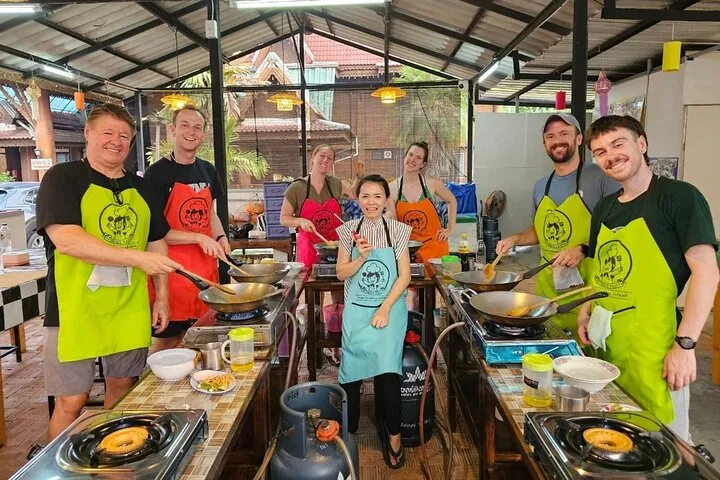
Your afternoon Thai cooking class starts with a trip to a local market, where you'll learn to identify galangal from ginger, smell the difference between Thai basil varieties, and haggle for the freshest vegetables. Then it's hands-on cooking time. Expect to make pad thai, green curry, mango sticky rice, and som tam. Wear clothes you don't mind getting splattered with coconut milk, and bring an appetite for both cooking and eating.
After devouring everything you've cooked, you'll probably be too full for dinner. If hunger strikes later, grab light bites at food stalls along Chang Khlan Road or treat yourself to a proper bowl of khao soi at a local noodle shop. The rich coconut curry broth makes the perfect end to an active day.
Recommended Tours
Where to Stay
Same hotel
7Chiang Mai, Doi Inthanon or Sticky Falls
chiang mai
Chiang Mai, Doi Inthanon or Sticky Falls
chiang mai

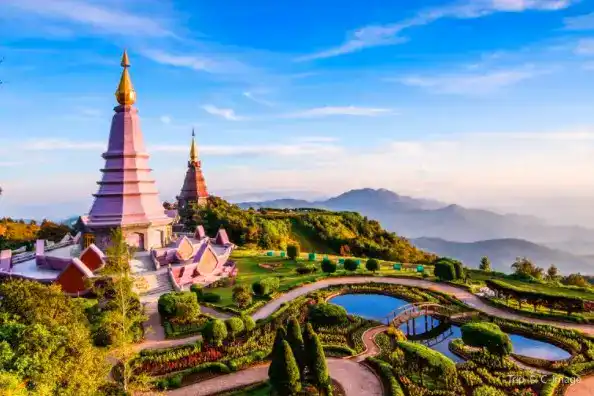
Start your adventure early with a 7am pickup for either Doi Inthanon National Park or the Bua Tong Sticky Waterfall. Both require a full day to appreciate properly. Most tours include hotel pickup, or you can rent a motorbike for the scenic 90-minute ride to either destination. Book your tour the night before to secure your spot, as popular operators fill up quickly during peak season.
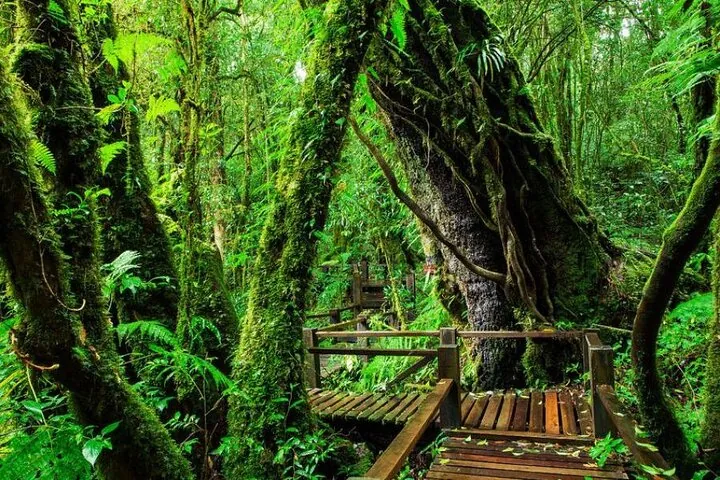
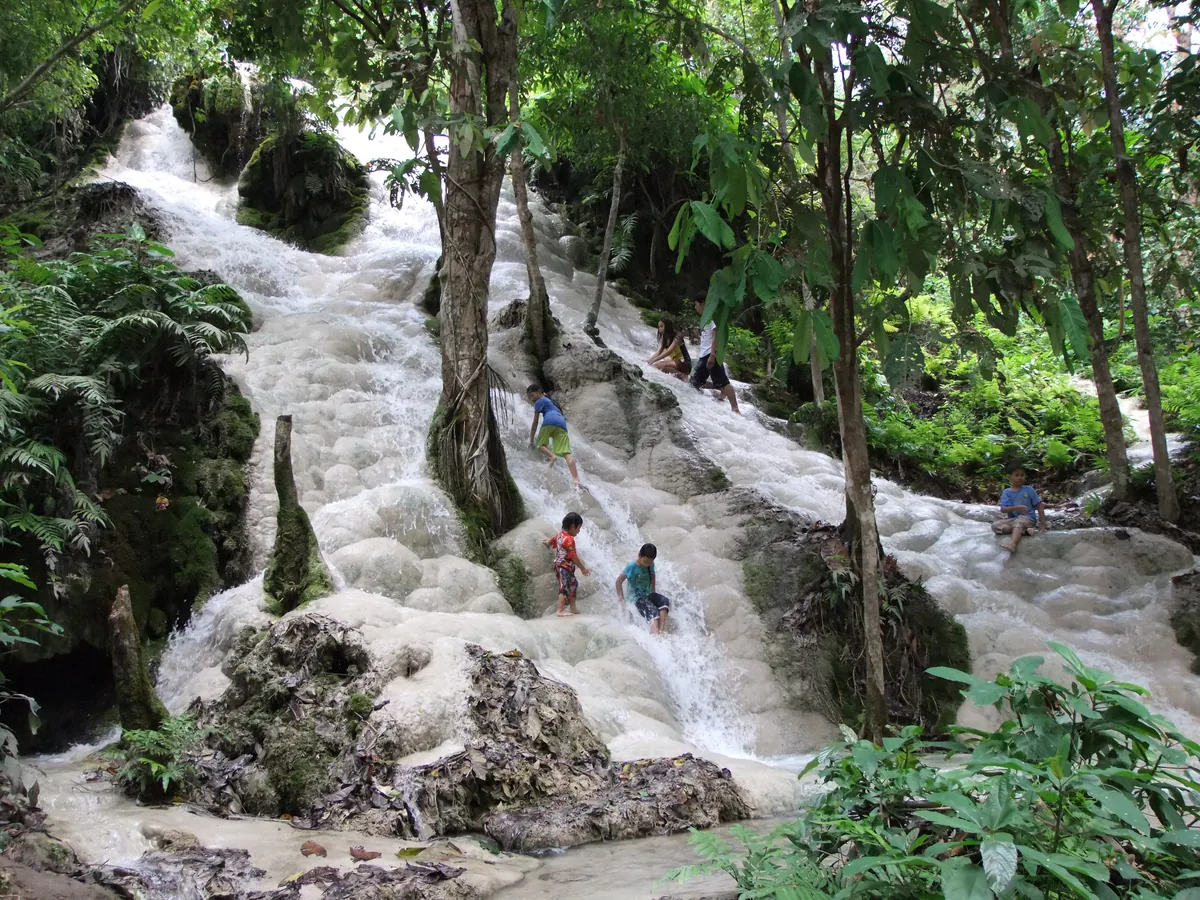
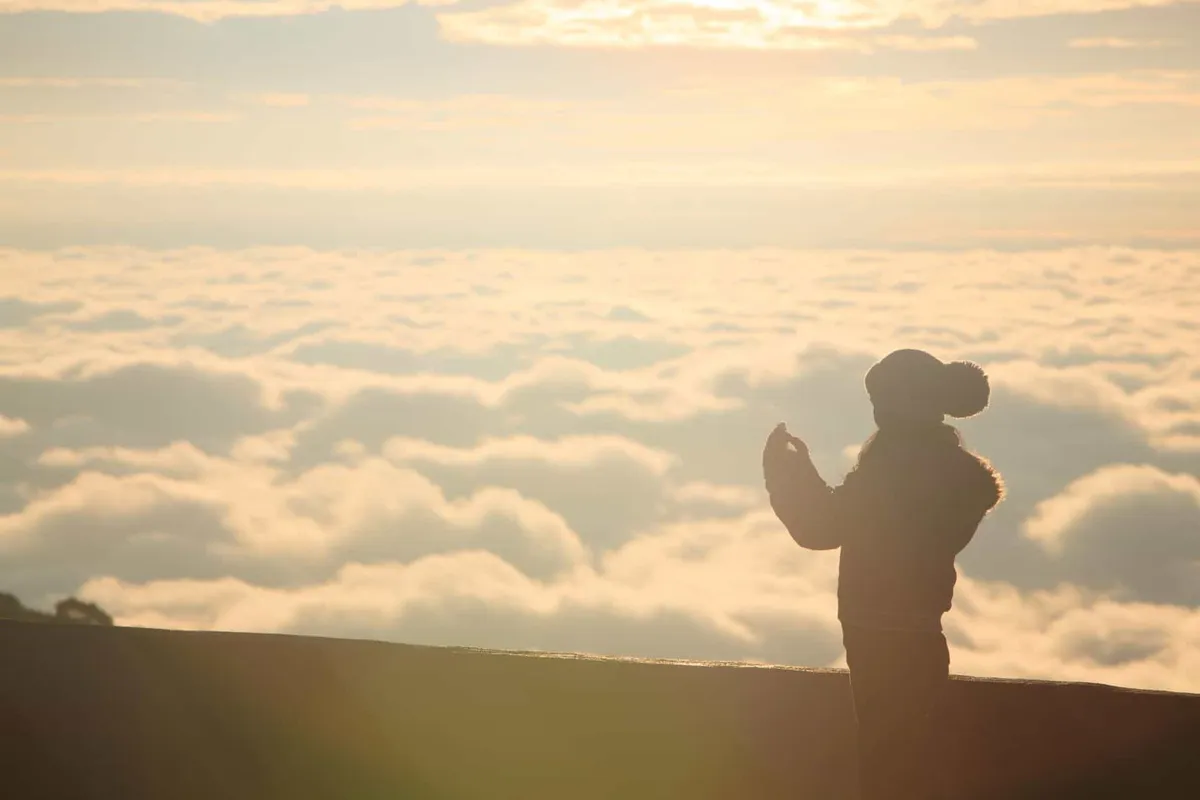
At Doi Inthanon, Thailand's highest peak, the twin pagodas offer panoramic views across misty valleys, while the cloud forest trails wind through moss-covered trees and exotic bird calls. The hill tribe villages showcase traditional Hmong and Karen cultures, with locals selling handwoven textiles and explaining their agricultural techniques. Alternatively, Bua Tong's limestone cascade creates a unique non-slip surface that lets you literally walk up the waterfall. The mineral deposits feel like rough concrete under your feet.
Spend your afternoon exploring the royal gardens at Doi Inthanon or cooling off in the natural pools below Sticky Falls. Pack layers for the mountain's cooler temperatures (it can drop 10 degrees from Chiang Mai), and wear proper hiking shoes with grip for the waterfall climbs. The return journey takes about two hours, getting you back to the city by late afternoon.
Cap off your Northern Thai experience with dinner at Huen Phen for their famous khao soi and nam prik ong, or try the weekend walking street food stalls for sai ua sausage and sticky rice. Many restaurants close early, so aim for dinner by 7pm to get the full menu selection.
Recommended Tours
Where to Stay
Same hotel
8Fly to Phuket, Beach Afternoon
phuket
Fly to Phuket, Beach Afternoon
phuket

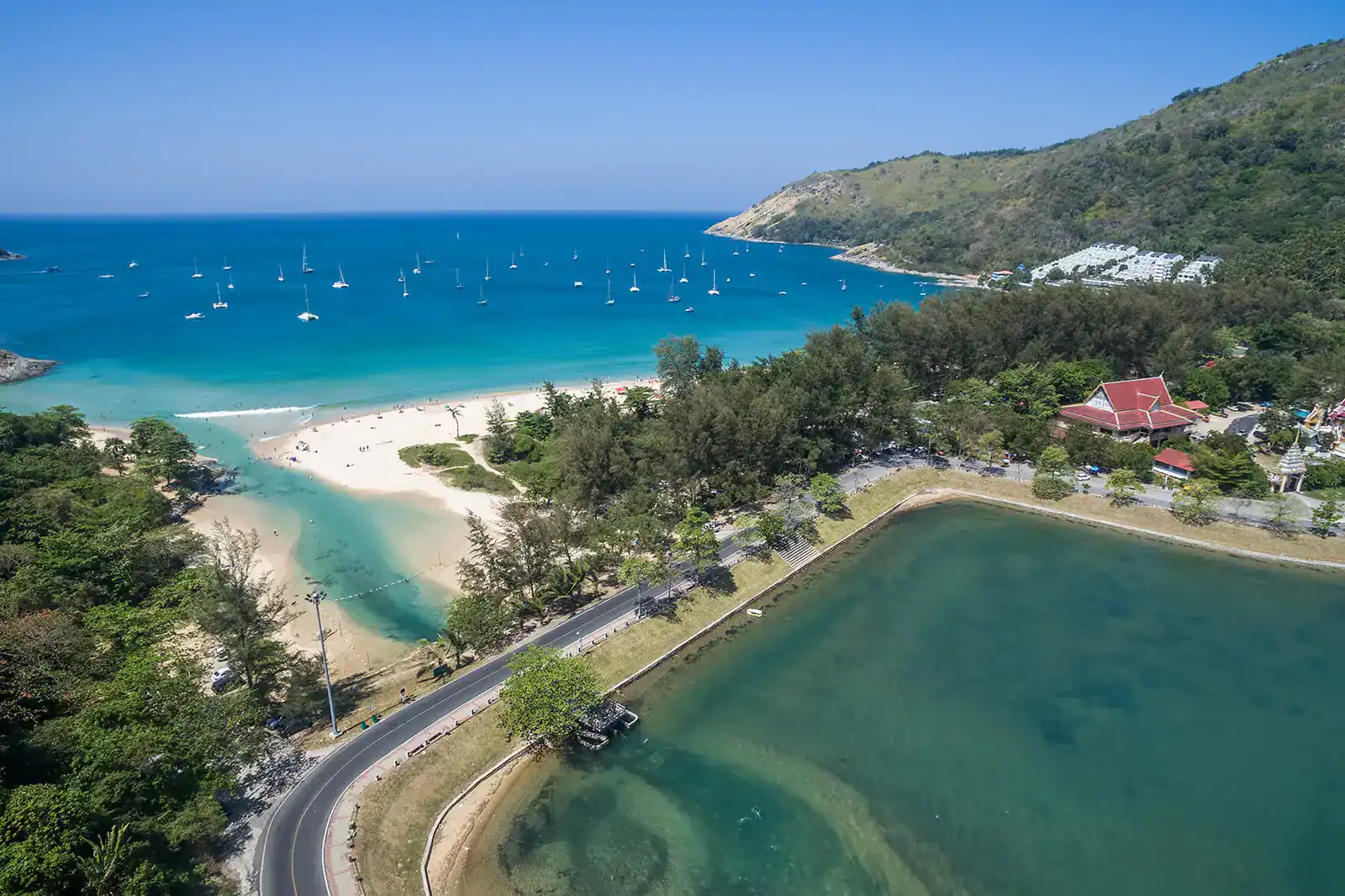
Morning flight from Chiang Mai to Phuket takes about two hours, and the landscape shifts dramatically as mountains give way to tropical coastline. Book flights departing around 9-10am to maximize your beach time. The airport is modern and efficient. Grab a taxi or airport bus to your accommodation in Kata Beach or Karon. Both areas are about 45 minutes from the airport, with Kata being slightly closer and more compact.
Check into your hotel and immediately head to the beach for that first taste of Phuket's coastline. The contrast from northern Thailand is immediate. Salt air replaces mountain mist, and palm trees sway where rice paddies once stretched. Kata Beach offers the best swimming conditions with its protected bay and gentle waves, while Surin caters to the luxury crowd with upscale beach clubs. Karon provides more space to spread out, especially if you're traveling during peak season.
Spend the afternoon settling into beach mode. The sand here is softer than you'd expect, and the water temperature stays warm year-round. Rent a sun lounger for 100-200 baht, or bring your own towel and find a spot under the casuarina trees. Apply sunscreen religiously. The tropical sun is stronger than it appears, and you'll burn faster than you think near the reflective water.
Evening calls for sunset drinks at one of the beachfront bars. Try som tam (papaya salad) and grilled seafood at a local restaurant along the beach road. The night markets near Kata and Karon offer excellent pad thai and mango sticky rice for dessert. Most beachside restaurants stay open late, perfect for easing into island time.
Where to Stay
Kata Beach or Karon
- BudgetKata Poolside ResortOn Kata Road, within easy walking distance of the beach and local restaurants.
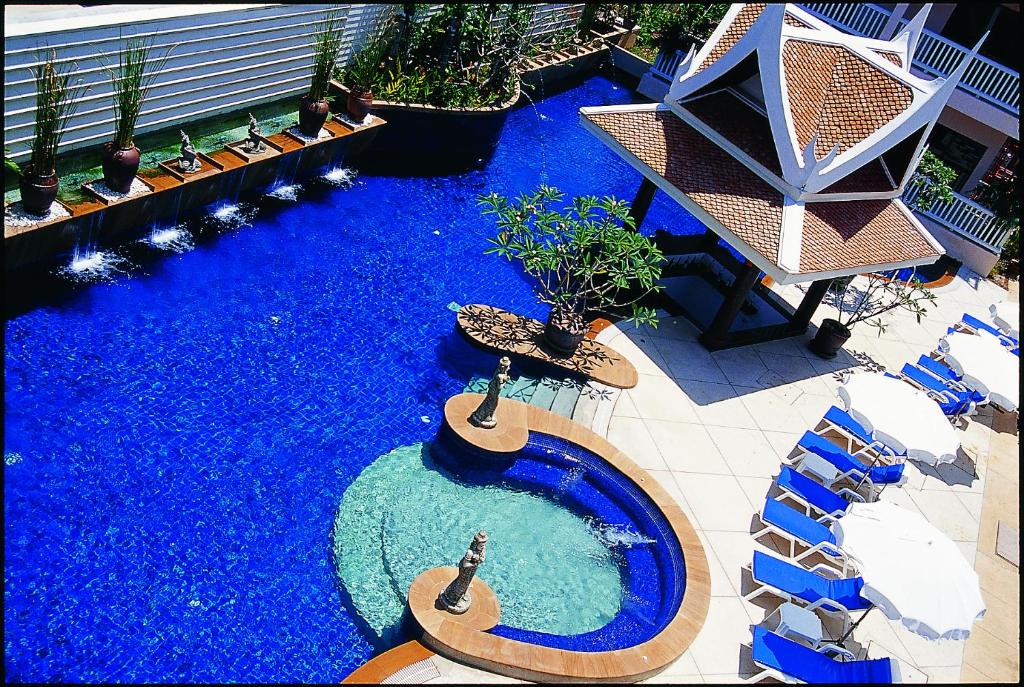
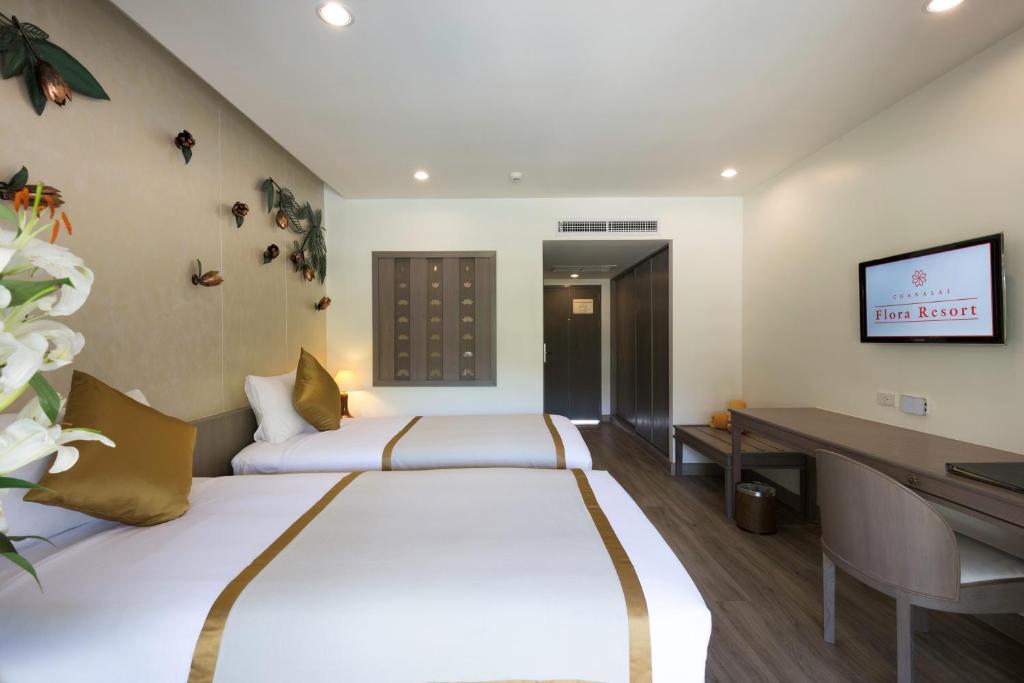
- Mid-rangeChanalai Flora Resort, Kata BeachTwo swimming pools with swim-up bars and a kids' pool, on Kata Beach.
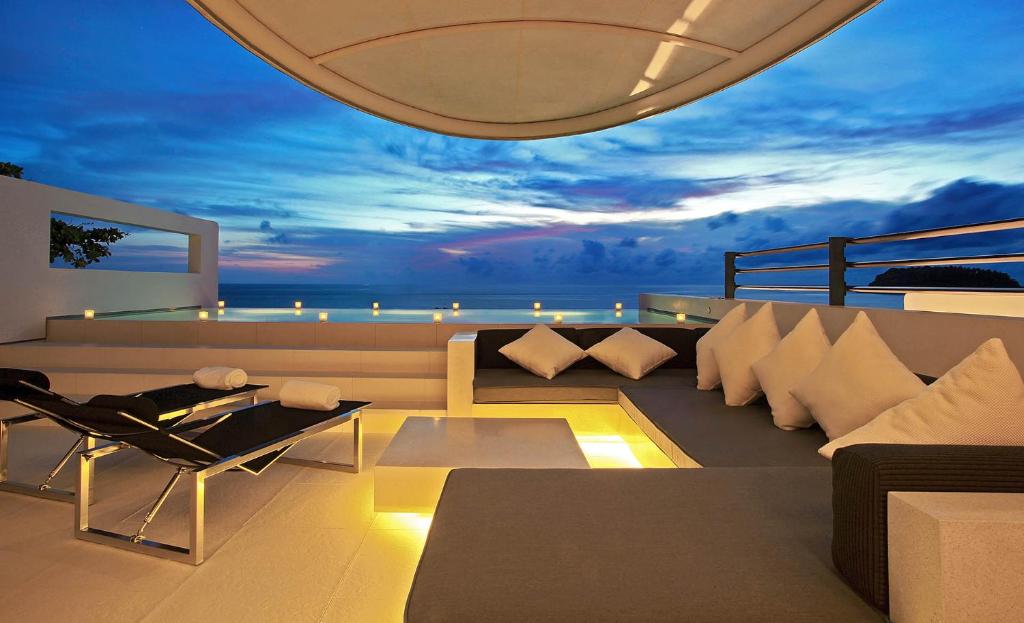
- LuxuryKata RocksClifftop between Kata and Karon, with infinity pools cascading down the hillside toward the Andaman Sea.


from 500 THB
from 2,000 THB
from 8,000 THB
9Phuket, Old Town & Big Buddha
phuket
Phuket, Old Town & Big Buddha
phuket

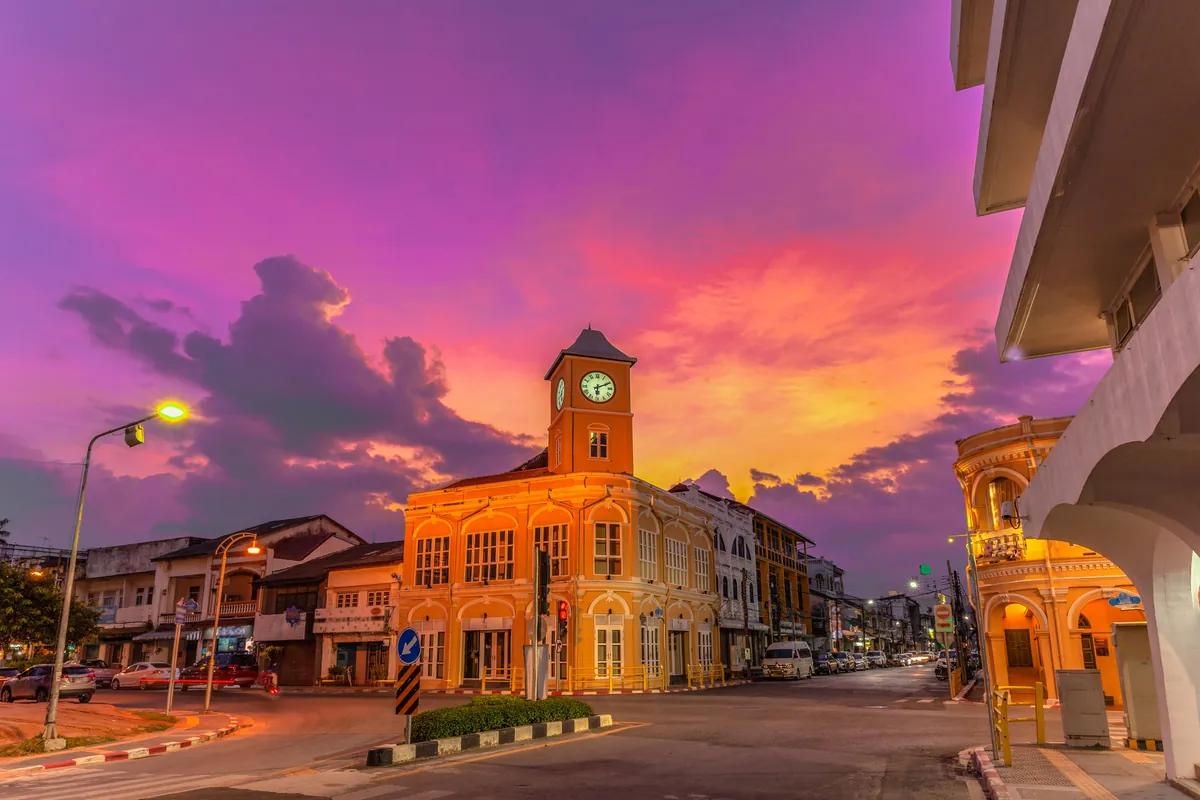
Start your day early in Phuket Old Town around 9am to beat the heat and crowds. The Sino-Portuguese architecture tells the story of Chinese merchants who settled here decades ago, their influence visible in every ornate shophouse facade. Wander down Thalang Road and Soi Romanee, where street art murals blend seamlessly with century-old buildings. Arrive by songthaew from Patong for about 30 baht, or grab a taxi for more comfort.
The Big Buddha sits majestically atop Nakkerd Hills, offering panoramic views across the island's southern tip. This 45-meter white marble statue took nearly a decade to complete, and the site buzzes with the gentle chiming of bells left by visitors making wishes. The climb up the hill road can be steep, but the cool breeze at the summit and sweeping vistas make it worthwhile. Dress modestly with covered shoulders and knees, as this is an active religious site.
Make your way to Karon Viewpoint in the late afternoon for the famous three-beach panorama spanning Kata Noi, Kata, and Karon beaches. The elevated position shows off the dramatic coastline where turquoise water meets white sand. This spot gets busy around sunset, so arrive by 4pm for the best photo opportunities and parking. Keep your camera ready for the classic Phuket postcard shot.
Head to Rawai for dinner where the seafood is fresh and prices are reasonable. The beachfront restaurants serve excellent tom yum goong and grilled fish, often caught that same day. Try the local favorite som tam (papaya salad) paired with sticky rice, or go for the seafood platter if you're sharing. The atmosphere is laid-back with fairy lights strung between palm trees and the sound of waves lapping nearby.
Where to Stay
Same hotel
10Phuket, Phang Nga Bay
phuket
Phuket, Phang Nga Bay
phuket

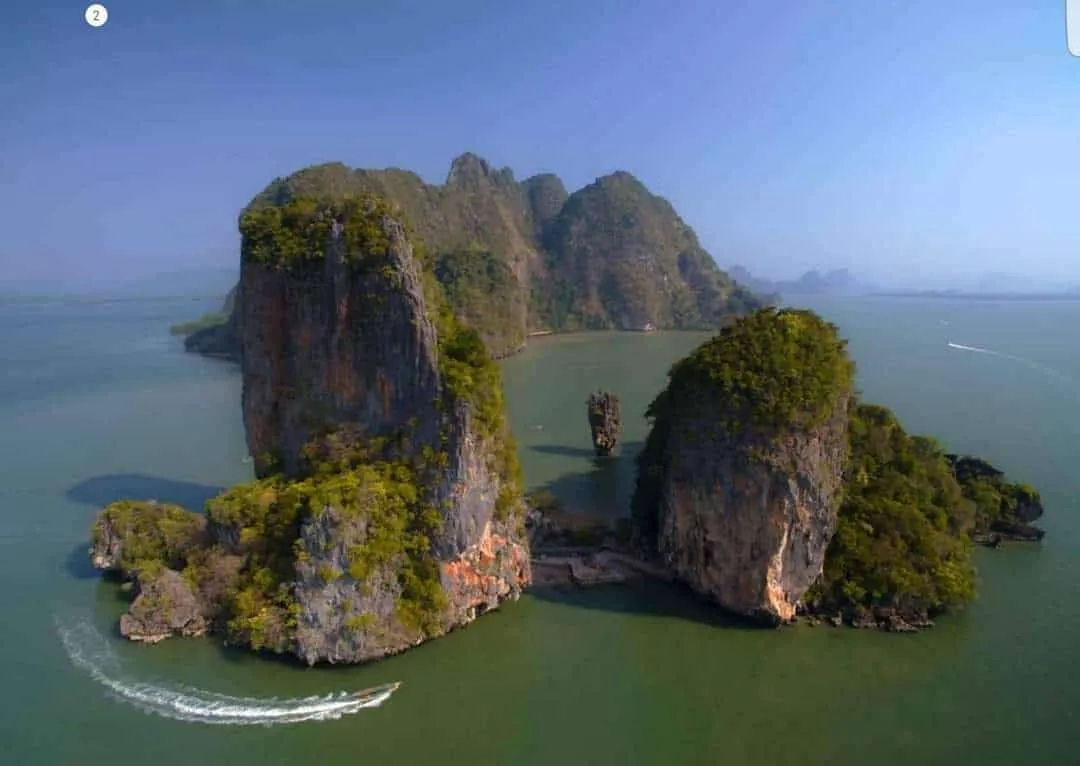
Your Phang Nga Bay adventure starts early. Most boats depart around 8am from Chalong Pier, so book through your hotel the night before to secure the best deals. The hour-long journey gives you time to grab coffee and pastries on board while Phuket's coastline fades into the distance. Pack sunscreen and a hat since there's limited shade once you're out on the water.
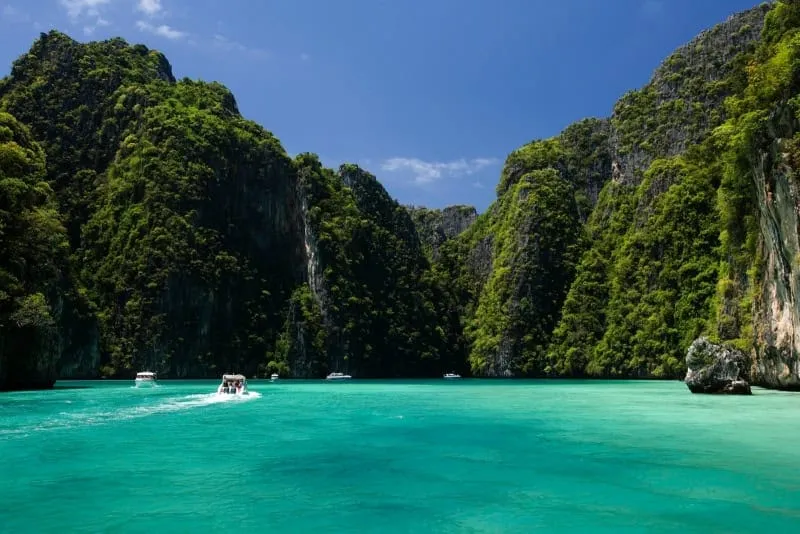
The towering limestone karsts rising from emerald water create one of Thailand's most iconic seascapes. James Bond Island, famous from "The Man with the Golden Gun," features that needle-like rock formation jutting 20 meters from the sea. While crowded with tourists snapping photos, the surrounding caves and secret lagoons more than make up for the chaos. The limestone cliffs echo with the sound of longtail boat engines and excited chatter in a dozen languages.
Sea cave kayaking comes next, where guides expertly navigate you through narrow passages carved into ancient cliffs. These dark tunnels suddenly open into hidden lagoons surrounded by towering walls draped in jungle vegetation. Wear quick-dry clothes and water shoes. You'll definitely get wet. The final stop is Koh Panyee, a floating village built entirely on stilts where Muslim fishermen have lived for generations.
Back in Phuket by late afternoon, head to Kan Eang@Pier in Chalong for fresh seafood with bay views. Their grilled snapper with tamarind sauce and tom yum goong hit the spot perfectly after a day on the water, while longtail boats drift past in the golden evening light.
Recommended Tours
Where to Stay
Same hotel
11Ferry to Krabi, Railay Beach
krabi
Ferry to Krabi, Railay Beach
krabi
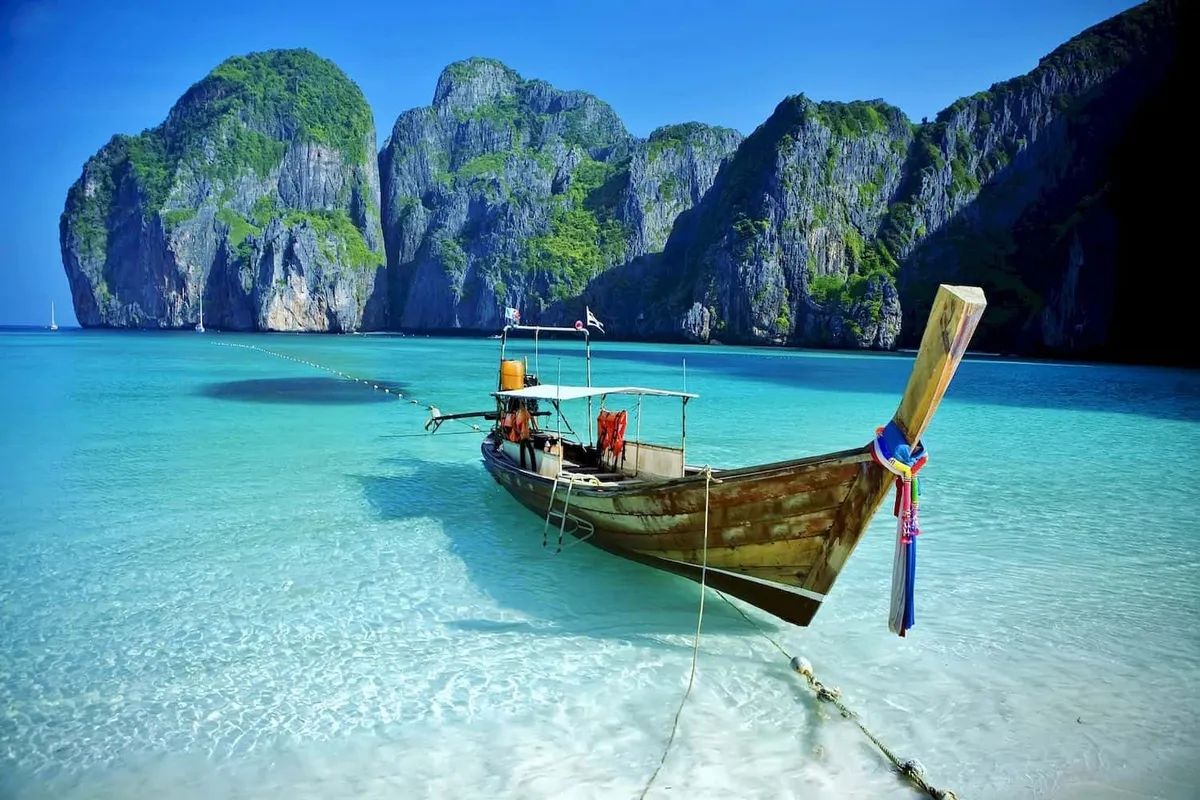
Catch the morning ferry from Rassada Pier in Phuket to Krabi (about 2h, departures from around 8:30am). Book your ticket the night before to secure the early departure and avoid afternoon crowds. The journey through emerald waters past towering limestone karsts gives you a preview of what's coming. Once you reach Krabi, hop straight onto a longtail boat for the final stretch to Railay Beach.
Railay Beach hits you immediately when you step off the boat. Dramatically enclosed by limestone cliffs and only accessible by water, it feels like stepping into another world. The white sand crunches underfoot while massive rock formations create natural walls around the bay. The calm, clear water stays perfect for swimming without the waves that batter Phuket's western beaches.
Spend your afternoon rock climbing on the famous limestone cliffs or exploring Phra Nang Cave Beach, just a 10-minute walk around the headland. The cave shrine sits inside a dramatic grotto filled with wooden phallus offerings left by local fishermen for good luck. Wear reef shoes for the rocky sections and bring plenty of water. There's limited shade once you start climbing the cliff faces.
When evening arrives, grab dinner at one of the beachfront restaurants in Ao Nang or Railay. Try the grilled fish with som tam (papaya salad) while watching fire dancers perform on the sand. Most places close early here, so eat by 8pm and enjoy the peaceful night sounds of waves and cicadas.
Where to Stay
Ao Nang or Railay
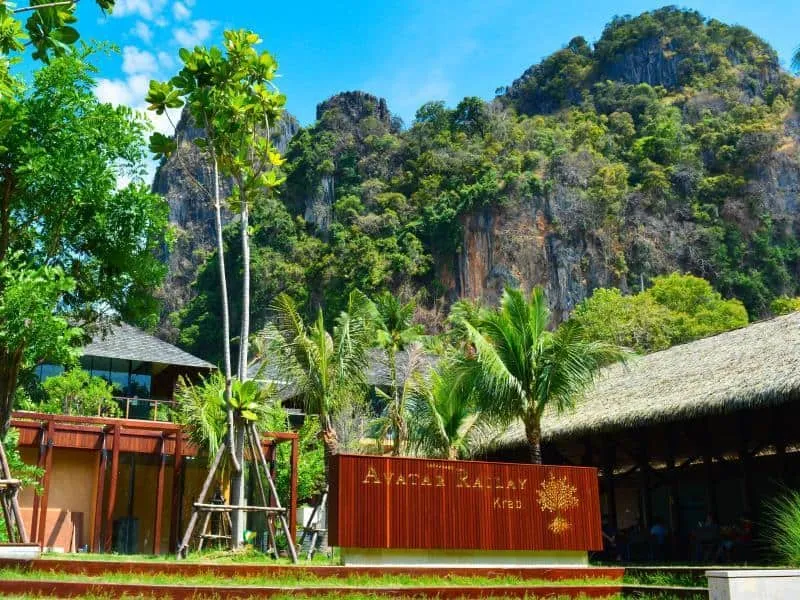
- BudgetAvatar Railay ResortOn East Railay, walking distance to the rock-climbing walls and the lagoon viewpoint.
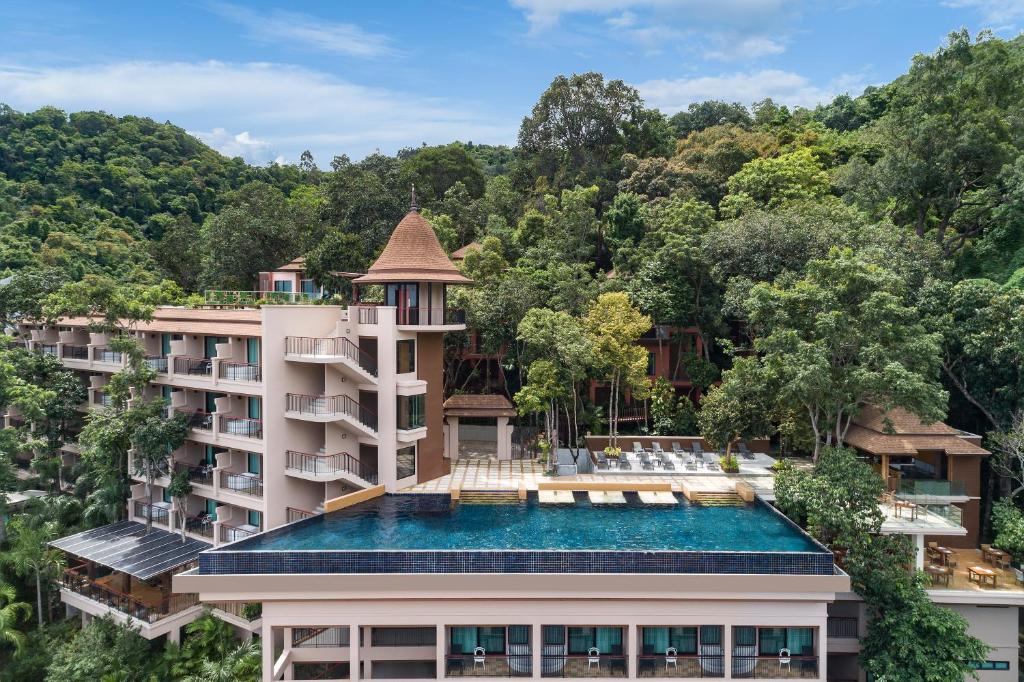
- Mid-rangeAvani Ao Nang Cliff Krabi ResortClimbs the hillside above Ao Nang Beach; five minutes downhill puts you on the sand.
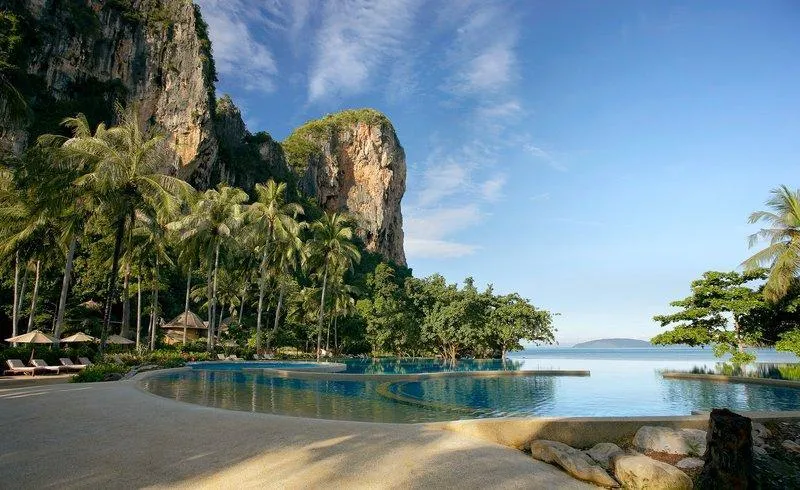
- LuxuryRayavadee HotelSet among the limestone cliffs of the Railay peninsula, with Railay's beaches as the backdrop.


from 500 THB
from 2,000 THB
from 6,000 THB
12Krabi, Four Islands Tour
krabi
Krabi, Four Islands Tour
krabi

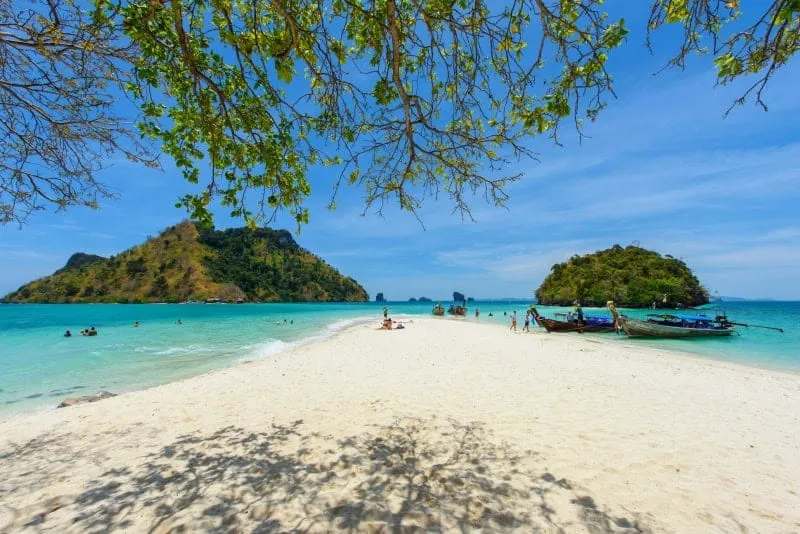
Wake up early and head to Ao Nang Beach by 8:30 AM to catch your longtail boat for the Four Islands tour. Most operators pick up directly from the beach, so grab a quick breakfast at one of the beachfront cafes first. Book your tour the day before to secure the best departure times and avoid the afternoon crowds that arrive after 11 AM.
The longtail boat putters between four gorgeous limestone karsts rising from turquoise water, the engine's rhythm mixing with gentle waves lapping the hull. At Tup Island, walk across the exposed sandbar that connects three small islands during low tide. The sand feels like powder between your toes. Chicken Island gets its name from the rock formation that looks like a rooster's head, and the snorkeling here reveals colorful parrotfish and coral gardens just meters from shore.
Poda Island offers the perfect swimming spot with its white sand beach and crystal-clear water that's ideal for floating. The coral waters around Phra Nang Cave Beach provide excellent snorkeling opportunities where you can spot angelfish and butterflyfish darting between brain corals. Pack reef-safe sunscreen, a waterproof phone case, and flip-flops that won't slip on wet rocks when climbing back into the boat.
Return to Ao Nang around 4 PM and head to Lae Lay Grill for dinner with cliff-top views over the Andaman Sea. Try their grilled red snapper with garlic and pepper, or the spicy tom yum goong that arrives bubbling hot in a clay pot. The sunset views here are spectacular, and the sea breeze provides perfect relief after a day on the water.
Recommended Tours
Where to Stay
Same hotel
13Krabi, Hong Island or Tiger Cave Temple
krabi
Krabi, Hong Island or Tiger Cave Temple
krabi

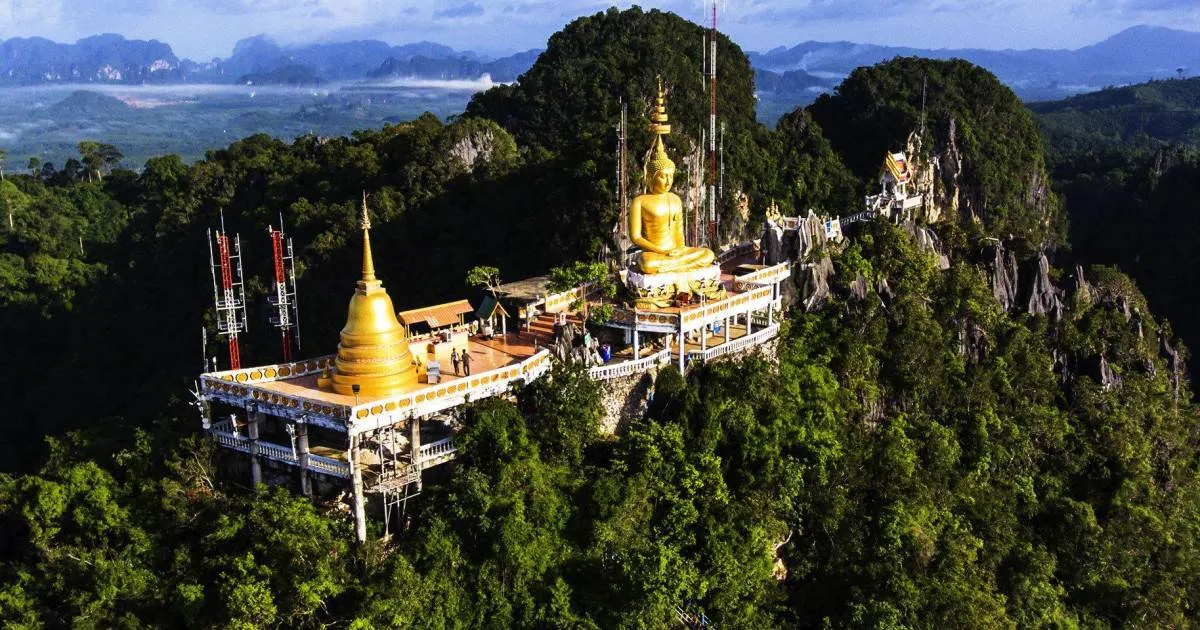
Start early around 8am to beat the crowds and heat for whichever adventure you choose. For Hong Island, catch a speedboat from Ao Nang Beach. The 30-minute ride costs around 1,500 baht for a day trip. If you're picking Tiger Cave Temple instead, grab a songthaew from Krabi town for 50 baht and prepare for a serious workout. Book your boat trip the evening before to secure the best departure times.
Hong Island has the emerald lagoon ringed by towering limestone cliffs that appears in every Krabi photo, plus decent snorkeling if you brought gear. The water stays surprisingly cool even at midday, and you'll hear nothing but gentle lapping against the rocks and occasional longtail boat engines in the distance. Tiger Cave Temple means hauling yourself up 1,237 steep steps through jungle. Your legs will hate you, but the panoramic views over Krabi's karst landscape make every burning muscle worth it.
Head back to your hotel by 2pm for a proper rest and that final Thai massage you've been putting off. Book ahead at a reputable spa rather than the beachside stalls. Your body deserves the upgrade after nearly two weeks of adventures. Wear something comfortable and leave valuables at the hotel. A 90-minute traditional Thai massage runs about 800-1,200 baht at quality establishments.
Tonight, wander through Ao Nang's night market for dinner rather than another restaurant meal. Try the mango sticky rice, grilled satay skewers, and pad see ew from different stalls. The whole experience costs less than a single restaurant meal and gives you one last taste of authentic Thai street life. Start at the back stalls where prices drop significantly compared to the entrance vendors.
Recommended Tours
Where to Stay
Same hotel
14Depart from Krabi
krabi
Depart from Krabi
krabi
Wake up early for that final morning swim while the beaches are still quiet and the water perfectly calm. The gentle waves at Ao Nang or Railay make for a peaceful last taste of the Andaman Sea. Pack your swimwear the night before so you can slip out by 7 AM before the day heats up. The longtail boats won't start their engines for another hour, giving you this serene moment to yourself.
Head to Krabi Town's Walking Street market around 10 AM for last-minute souvenir shopping. The covered stalls sell everything from elephant pants to local spices at reasonable prices. The air fills with the sweet aroma of grilled bananas and the chatter of vendors arranging their wares. Try some fresh mango sticky rice or coconut ice cream while browsing the handicrafts. Don't forget to haggle gently. Vendors expect it and often give discounts for multiple items.
Check out of your hotel by noon and grab lunch at one of Krabi Town's riverside restaurants before your airport transfer. The scenic drive takes about 30 minutes, giving you time to watch the dramatic limestone karsts fade in the distance. Book your airport transfer the day before to avoid any last-minute stress, especially during peak season. Keep your passport and boarding pass easily accessible for the security checks ahead.
Krabi Airport is small but efficient, with a decent food court upstairs if you need a pre-flight meal. The direct flight to Bangkok takes just 1 hour 20 minutes, connecting smoothly to international departures. Save some Thai baht for airport coffee. You'll want that final taste of authentic Thai iced coffee before heading home.
Before You Go
Visa
Since 15 September 2026, passport holders from 60 listed countries get 30 days visa-free under the Royal Gazette framework (Mauritius & Seychelles 15 days). Check the current rule before travel. Longer stays need a visa such as the DTV (Destination Thailand Visa).
Currency
Thai Baht (THB). Thai ATMs charge foreign cards a flat fee on every withdrawal, so take out larger sums less often. Cards work at hotels and malls; carry cash for street food, markets and local transport.
Connectivity
Get a Thai eSIM before you fly, or a SIM at the airport from AIS or TrueMove. 4G/5G coverage is good everywhere except remote mountains and open sea.
Best eSIM for Thailand →Safety
Thailand is safe for tourists. The main risks are scooter accidents (wear a helmet), petty theft in crowded areas and heat. Drink bottled water and travel with insurance.
Language
Thai. English is widely understood in tourist areas. Learn 'sawadee krap/ka' (hello), 'khob khun' (thank you) and 'mai pet' (not spicy). Google Translate works well.
Power
Type A, B and C sockets, 220V. Most hotels have universal outlets; one adapter covers the trip.
Two weeks in Thailand covers three genuinely different countries in one trip: Bangkok’s river and temples, Chiang Mai’s mountains and Buddhism, and the Andaman coast’s islands and cliffs. This route runs Bangkok to Chiang Mai to Phuket to Krabi, three domestic flights and one ferry connecting the dots, with enough nights at each stop to go past the highlight reel.
Route at a Glance
| Days | Base | How You Get There | Nights |
|---|---|---|---|
| 1-3 | Bangkok | International flight in | 3 |
| 4-7 | Chiang Mai | Flight from Bangkok, 1h 15min | 4 |
| 8-10 | Phuket | Flight from Chiang Mai, 2h | 3 |
| 11-14 | Krabi | Ferry from Phuket, 2h | 3 |
Day 14 ends with a short flight back to Bangkok (1h 20min) to connect to an international departure.
Why This Order
North before islands is the deliberate choice here, not just habit. Chiang Mai’s temple-hopping and hill-tribe day trips work best in the cooler morning air, and doing that first means the heat of the Andaman coast reads as a reward rather than an obstacle you’re fighting through before a flight. Bangkok as the opener also gives you a jet-lag buffer: the city rewards short bursts of sightseeing between naps in a way a beach doesn’t.
The order is also a bet on the dry season. Peak months (November to February) keep both halves of the country dry, so the sequence barely matters then. Outside that window, the two coasts move on different clocks. The Andaman side (Phuket, Krabi) takes its heaviest rain roughly May to October, with the Similan Islands closed for the whole period. The Gulf islands (Koh Samui, Koh Phangan) get their wet stretch later, closer to October through December. If you’re travelling October to December, swap the Andaman leg here for a Gulf itinerary instead, such 5 Days: Koh Samui & Koh Phangan or 10 Days: Gulf Islands, and keep Bangkok and Chiang Mai as they are.
How to Cut It to 10 Days
Losing four days means losing a full stop, not shaving a day from each. Two ways to do it:
- Drop Krabi, keep Phuket. You lose Railay’s limestone cliffs and the Four Islands tour, but Phuket alone covers beach time, Phang Nga Bay, and Old Town. See 7 Days: Phuket for how a Phuket-only trip fills its days.
- Drop the Andaman coast, keep the North. If temples and mountains matter more than beaches, cut both Phuket and Krabi and add the extra nights to Chiang Mai and a side trip. 7 Days: Northern Thailand shows what that looks like extended.
Either way, keep Bangkok at 2 nights minimum. Compressing it to one night means skipping either the temples or the food, and both are why people come back to this city.
How to Stretch It to 3 Weeks
The extra week is best spent one of three ways: add Koh Phi Phi or Koh Lanta onto the Krabi leg by boat (both are day-trip or overnight distance from Ao Nang), add a loop through Isan for a slower, far less touristed side of the country (see 7 Days: Isan), or slow the whole pace down and add a rest day at each stop rather than a new destination. If budget backpacking is more your style than the moderate pace here, 2 Weeks: Backpacker Thailand covers similar ground with hostels and buses instead of flights and hotels.
Which Island Group to Pick, By Month
- November to April: Andaman coast (Phuket, Krabi). Dry, calm seas, the Similan Islands open (they close May to October). This is what the route above assumes.
- May to October: Gulf islands (Koh Samui, Koh Phangan) are the better bet. The Andaman side is in its wettest stretch and boat trips to outer islands get cancelled more often in rough swells.
- December: shoulder month for both coasts. Either works; book accommodation earlier since this overlaps peak season pricing.
The Transport Legs
Three flights and a ferry hold this whole route together:
- Bangkok → Chiang Mai: 1h 15min flight. AirAsia and Nok Air fly from Don Mueang; Thai Airways from Suvarnabhumi.
- Chiang Mai → Phuket: 2h flight, usually with a change of airline group depending on schedule.
- Phuket → Krabi: 2h ferry from Rassada Pier to Krabi town, then a short longtail boat if you’re staying on Railay itself (Railay has no road access).
- Krabi → Bangkok: 1h 20min flight for the international connection home.
Book all three domestic flights when you book the international ticket. Prices on these routes climb fast in the final two weeks before departure, and during high season (November-February) seats sell out entirely on the earliest, most convenient departures.
What First-Timers Get Wrong
Treating transition days like sightseeing days. A flight day plus check-in plus getting oriented in a new city already fills the daylight hours. Planning major sightseeing on top of a travel day is how people arrive at their first temple exhausted and irritable.
Booking activities on arrival instead of ahead. Ethical elephant sanctuaries near Chiang Mai and popular boat tours out of Ao Nang fill up, especially the early departures that beat both the heat and the crowds. Book the night before at minimum; for the elephant sanctuary, a few days ahead is safer in high season.
Ignoring the dress code at temples. Wat Phra That Doi Suthep, the Grand Palace, and every working temple on this route enforce covered shoulders and knees. Sarong rental is usually available at the gate, but it’s one more queue you don’t need.
Assuming ferries run on schedule in rough weather. Andaman ferries and longtail boats to Railay and the outer islands suspend service in heavy swells, most likely during the shoulder months either side of the wet season. Build a spare half-day into the Krabi leg if you’re travelling April-May or October-November.
Packing for one climate. Chiang Mai’s evenings in December can drop noticeably cooler than the coast, and the mountain sections of Doi Inthanon National Park run 10°C or more below the city. Bring a layer even if the rest of the trip is beachwear.
Trying to see all of Bangkok in one pass. Old-town Rattanakosin (Grand Palace, Wat Pho, Wat Arun) and the modern Sukhumvit corridor (malls, rooftop bars, BTS access) sit on opposite sides of the river and don’t mix well in a single day. This itinerary keeps Day 1 light for jet lag, then dedicates Day 2 to the temple cluster and Day 3 to markets and Chinatown, so you’re not crossing the city twice chasing the same neighbourhood.
Bangkok as More Than a Gateway
It’s tempting to treat Bangkok as the airport city and rush to Chiang Mai, but three nights here earns its place. The Grand Palace and Wat Pho cluster is walkable in half a day if you start by 8:30am, before both the heat and the tour buses arrive. Chatuchak Weekend Market only runs Saturday and Sunday. If your Day 3 falls midweek, swap it for Jim Thompson House or the Art in Paradise museum instead, both fully air-conditioned and a fair trade for the market’s chaos.
Before You Fly
- Get a Thai eSIM at the airport on Day 1. It’s essential for Grab, maps, and translation from the moment you land.
- Travel insurance is non-negotiable. A hospital visit in Thailand can run 50,000+ THB without it, and most scooter-accident claims are void without a local licence and helmet.
- Pack light. You’re on three domestic flights; one carry-on bag keeps every transfer simple.
Frequently Asked Questions
Is 2 weeks enough for Thailand?
Should I do the North or the islands first?
What's the total cost for 2 weeks in Thailand?
Do I need to book internal flights in advance?
What's the best time to visit Thailand?
Do I need a visa for Thailand?
Places Featured in This Itinerary





Tours Used in This Itinerary

Chiang Mai Morning Cooking Class & Market Tour, Half-Day

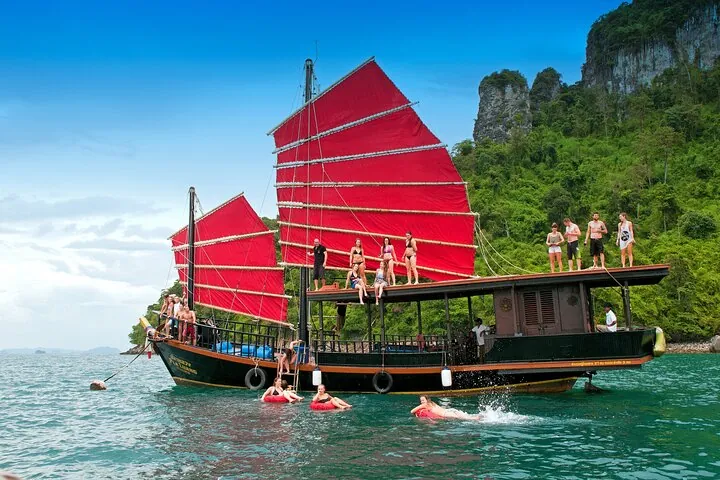
Krabi 4-Island Morning Cruise: Snorkeling and Breakfast

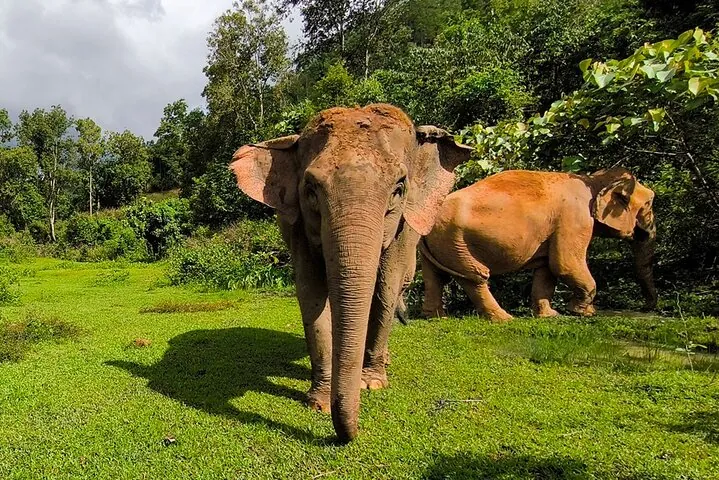
Chiang Mai Elephant Sanctuary Observation and Bamboo Rafting