


2 Weeks Thailand on a Budget: The Backpacker Route
Two weeks through Thailand on a budget — Bangkok, Chiang Mai, Pai, and the gulf islands with hostels, street food, and local transport.
Duration
14 days
Pace
active
Best For
backpackers, solo travellers, budget travellers
Budget
8,400–28,000 THB per person
Best Months
Nov, Dec, Jan, Feb, Mar
Trip Cost Breakdown
| Category | Budget | Mid-Range | Luxury |
|---|---|---|---|
| Flights | 0 THB (trains/buses only) | 1,200–2,500 THB (1 flight) | N/A |
| Accommodation | 2,800–4,200 THB (12 nights, 2 on transport) | 6,000–12,000 THB | N/A |
| Food & Drink | 4,200–5,600 THB | 7,000–10,000 THB | N/A |
| Activities & Tours | 2,000–3,000 THB | 4,000–6,000 THB | N/A |
| Local Transport | 3,000–4,000 THB (trains, buses, ferries) | 4,000–6,000 THB | N/A |
| Total Estimate | 8,400–28,000 THB per person | ||
Day-by-Day Itinerary
Tap each day for details, booking links, and tips.
1 Arrive Bangkok — Khao San Road
bangkok
Arrive Bangkok — Khao San Road
bangkok
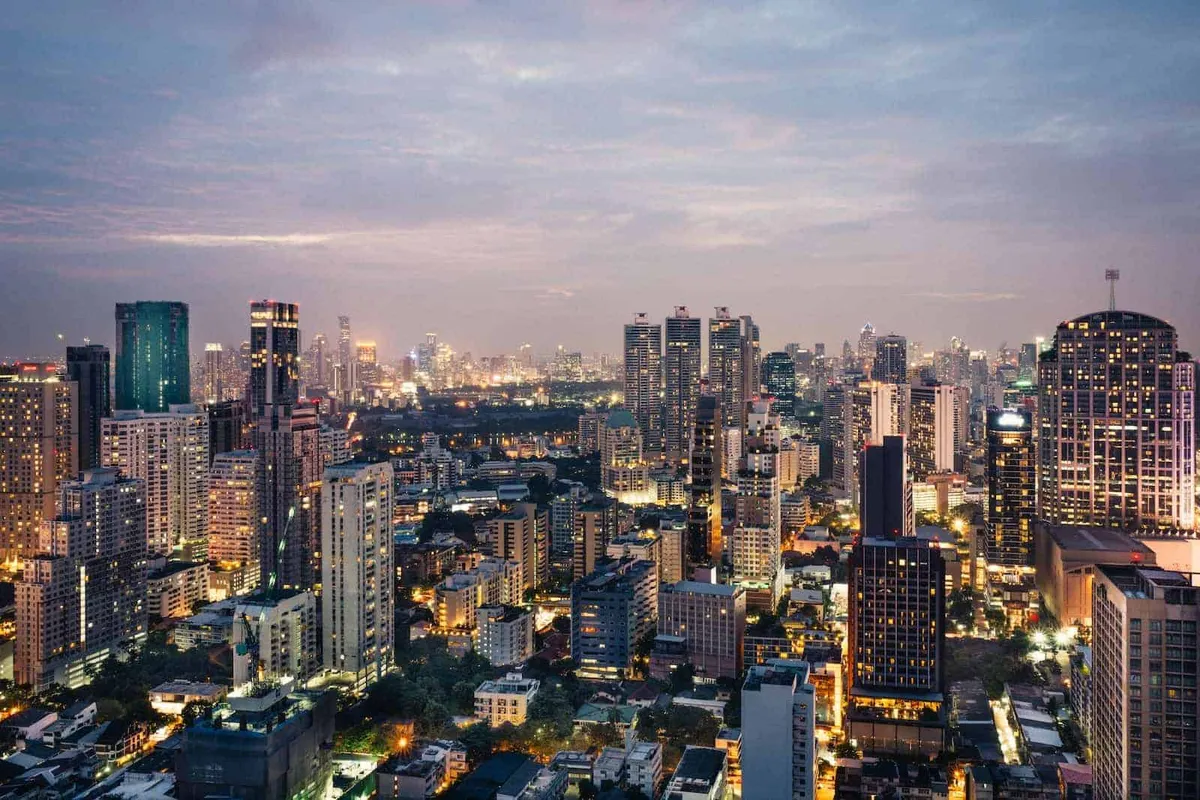
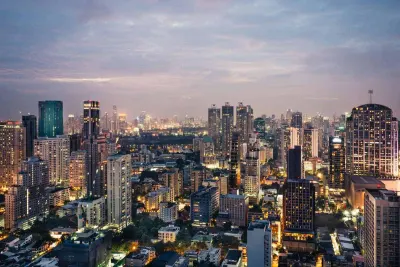
Land at Don Mueang (budget airlines) or Suvarnabhumi and resist the taxi touts — they'll quote you 500 THB for what costs 75 THB by public transport. Take the A1 bus (30 THB) or Airport Rail Link (45 THB) to the city, then grab a tuk-tuk for the final stretch to Khao San Road. Check into NapPark Hostel, Bed Station, or Suneta Hostel — all clean, social, and under 400 THB for a dorm. Book online the night before to guarantee a bed. The midday heat hits hard, so duck into one of Khao San's air-conditioned cafes for iced Thai tea while you get your bearings. The street buzzes with backpackers haggling over fake designer goods, street artists painting portraits, and the constant hum of motorbikes weaving between food carts. The smell of grilling satay mingles with incense from nearby shrines. Grab a fresh coconut (30 THB) from a cart — the vendors hack it open with machetes right in front of you. Spend the afternoon exploring the side alleys off Khao San where locals actually live. Rambuttri Road runs parallel and feels less touristy, with cheaper beer and better people-watching. The heat becomes unbearable around 2-3 PM, so find shade or retreat to your hostel's common area. Wear lightweight clothes and bring a small towel — you'll sweat more than expected. Evening brings the real magic as food stalls fire up their woks. Start your street food crawl with pad Thai from the cart near Burger King (40 THB), then work your way to mango sticky rice (50 THB) for dessert. If you're feeling adventurous, try the fried insects from the corner vendor (20 THB) — they taste like crunchy peanuts. Wash it down with a Chang beer (60 THB) and watch the nightly chaos unfold.
Where to Stay
Khao San Road
from 200 THB (dorm bed)
NapPark Hostel, Bed Station, or Suneta Hostel — all clean, social, and under 400 THB for a dorm.
2 Bangkok — Temples (Free & Cheap)
bangkok
Bangkok — Temples (Free & Cheap)
bangkok
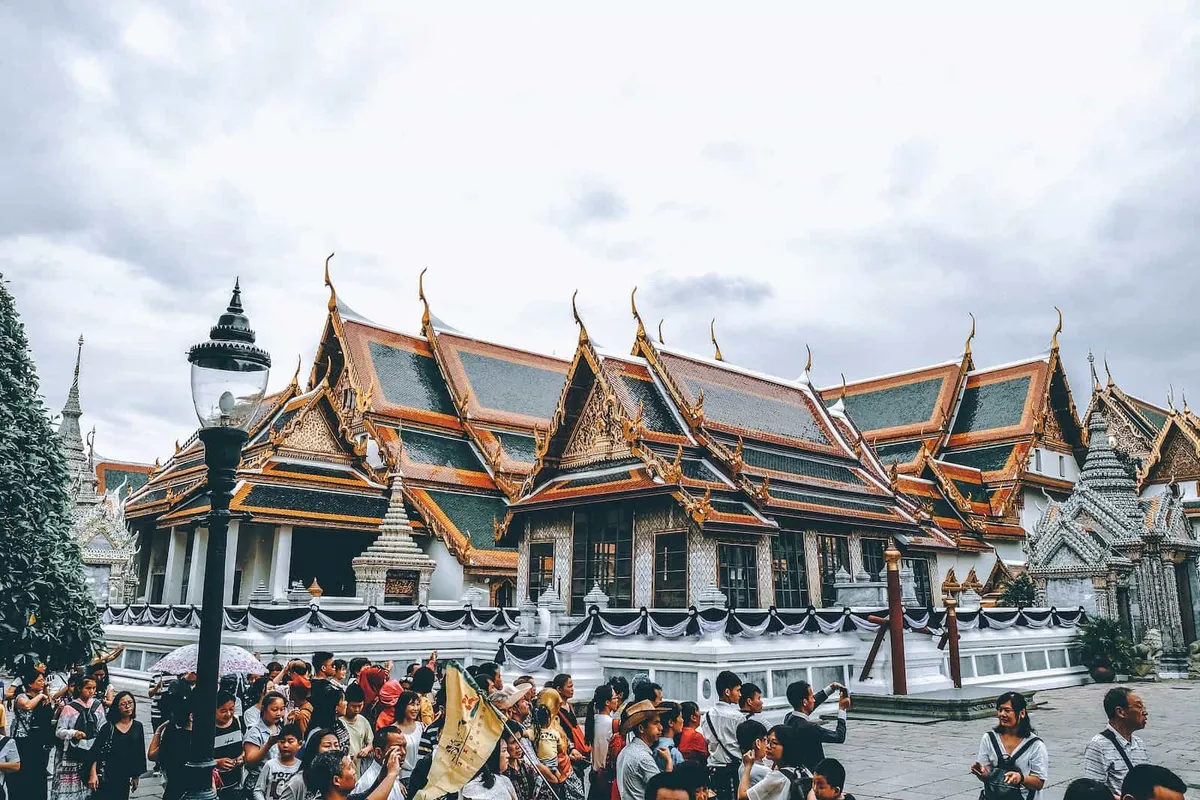
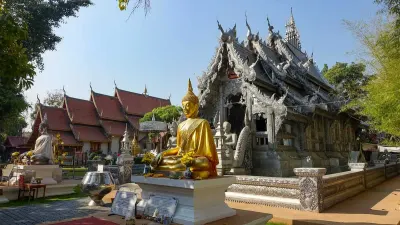
Start early at the Grand Palace (8:30am opening) to beat crowds and heat. Yes, 500 THB stings the budget, but you'll only do this once. Walk over to Wat Pho afterward for 200 THB — home to the massive reclining Buddha and traditional massage school. Both require covered shoulders and long pants, so dress appropriately or rent sarongs at the entrance. Take the Chao Phraya express boat to Tha Chang pier, then it's a five-minute walk to the palace gates. The Golden Mount (Wat Saket) makes for a perfect midday climb when the morning temple crowds thin out. The 318 steps wind past bells, shrines, and frangipani trees, with that sweet temple incense mixing with Bangkok's urban buzz. The 50 THB donation gets you panoramic views across the city's chaotic rooftops. It's less crowded than the major temples, giving you space to actually breathe and take photos without dodging tour groups. Grab the free Chao Phraya express ferry across to Wat Arun's towering spires for your afternoon temple fix. The 100 THB entry includes climbing the steep central prang — hold the handrails tight, these steps are ancient and unforgiving. Late afternoon light hits the temple perfectly for photos. The ferry ride back offers great river views and a chance to rest tired feet before dinner. Chinatown's Yaowarat Road transforms into food paradise after dark. Hunt down a plastic stool at any noodle cart — boat noodle soup runs 40 THB, while grilled prawns and fish start around 100 THB. The chaos, smoke, and sizzling woks create Bangkok's cheapest and most authentic dinner theater.
Where to Eat
Where to Stay
Same hostel
3 Overnight Train to Chiang Mai
bangkok
Overnight Train to Chiang Mai
bangkok
Bangkok (Hua Lamphong) → Chiang Mai
Book 2+ weeks ahead — sleeper berths sell out. Lower berth is better (wider, has a window). Train departs around 6pm, arrives 7am.
Book on 12go.asiaStart your morning with coffee and a plan — if it's Saturday or Sunday, head straight to Chatuchak Market by 9am before the weekend crowds turn it into a sweaty maze. Take the BTS to Mo Chit station and follow the signs through the chaos of 15,000 stalls selling everything from vintage band tees to deep-fried insects. Bring cash and wear comfortable shoes for the concrete marathon ahead. On weekdays, skip the closed market and hop on the Khlong Saen Saep canal boat instead. These long-tail boats chug through Bangkok's backstreets past wooden houses and temples you'd never stumble across on foot. The spray can be intense, so sit away from the sides unless you want a free shower courtesy of Bangkok's murky waterways. At 15 baht and running every 10 minutes, it beats fighting traffic hands down. Spend your afternoon wandering whichever area you chose, then circle back to collect your bags from the hostel. The night train to Chiang Mai departs Hua Lamphong station around 6-7pm, so arrive an hour early to navigate the platform maze. Second-class sleeper hits the sweet spot — air-con, fold-down bed, and window seats for countryside views before darkness swallows the scenery. Grab dinner at the station's food court or pack snacks for the 13-hour journey ahead. The train's restaurant car serves decent pad thai and fried rice, but smart travelers bring backup mango sticky rice just in case. You've got a full night of rails clicking beneath you, most of which you'll thankfully sleep through.
Where to Stay
On the train
4 Arrive Chiang Mai — Old City
chiang mai
Arrive Chiang Mai — Old City
chiang mai
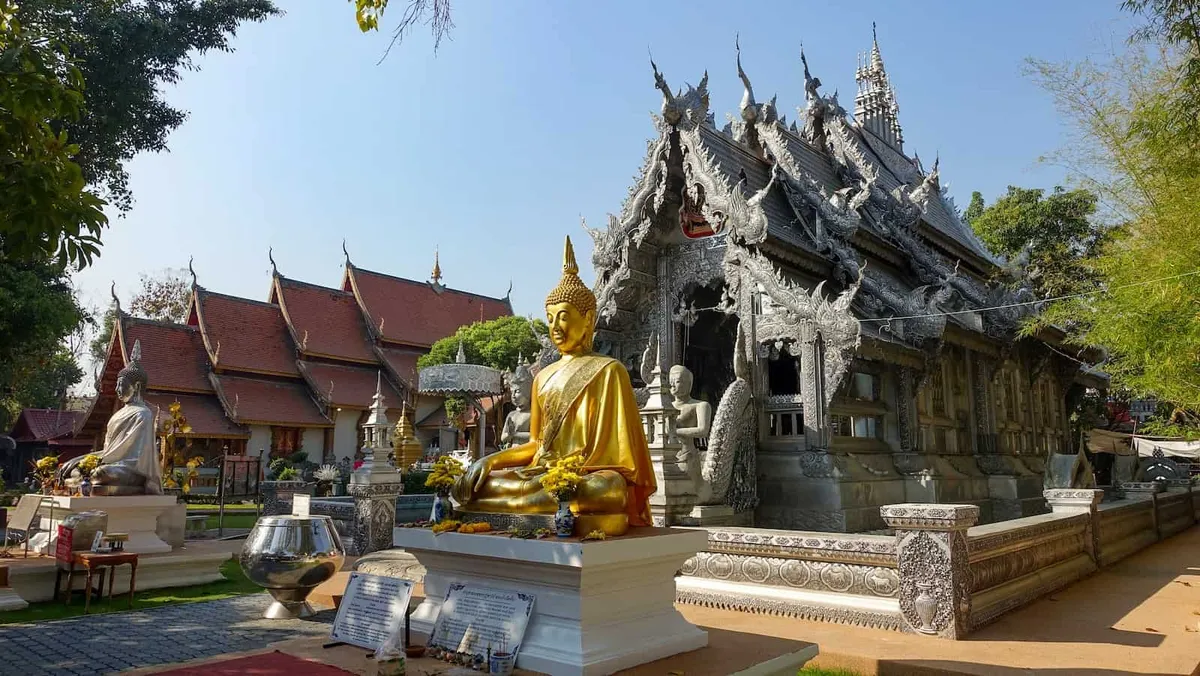
Arrive 7am, fresh from the train and ready to dive straight into Chiang Mai's charm. Check into an Old City hostel — Stamps Backpackers, Hug Hostel, or Green Sleep are all perfectly positioned within walking distance of everything. Grab a quick coffee from a street cart (20 THB) and rent a bicycle (50 THB/day) from your hostel or nearby shop. The Old City's flat, grid-like streets make navigation foolproof, even when you're running on train sleep. Spend your midday pedaling between the ancient temples scattered throughout the walled city. Wat Chedi Luang's towering ruins and Wat Phra Singh's intricate woodwork cost nothing to admire, and the gentle chanting of monks creates an unexpectedly peaceful soundtrack to your exploration. The temple courtyards offer perfect shade breaks when the sun gets intense — which it will around noon. Remember to cover shoulders and knees before entering any temple grounds, though most have sarongs available at the entrance. By afternoon, treat those train-stiff muscles to a proper 200 THB Thai massage at one of the many traditional shops lining the narrow sois. Your legs will thank you after all that cycling. Stick to places displaying certificates on the wall, and remember that shorts and t-shirts are fine — they'll provide loose clothing if needed. The combination of temple hopping and cycling makes this recovery time essential. Evening calls for the ultimate Northern Thai experience: khao soi. Head to any local shophouse restaurant and slurp the best curry noodles of your life for just 50 THB. Wash it down with a Chang beer and plan tomorrow's adventures from your hostel's common area.
Where to Stay
Old City
from 200 THB (dorm)
Stamps Backpackers, Hug Hostel, or Green Sleep — all walkable Old City locations.
5 Chiang Mai — Doi Suthep & Monk Chat
chiang mai
Chiang Mai — Doi Suthep & Monk Chat
chiang mai
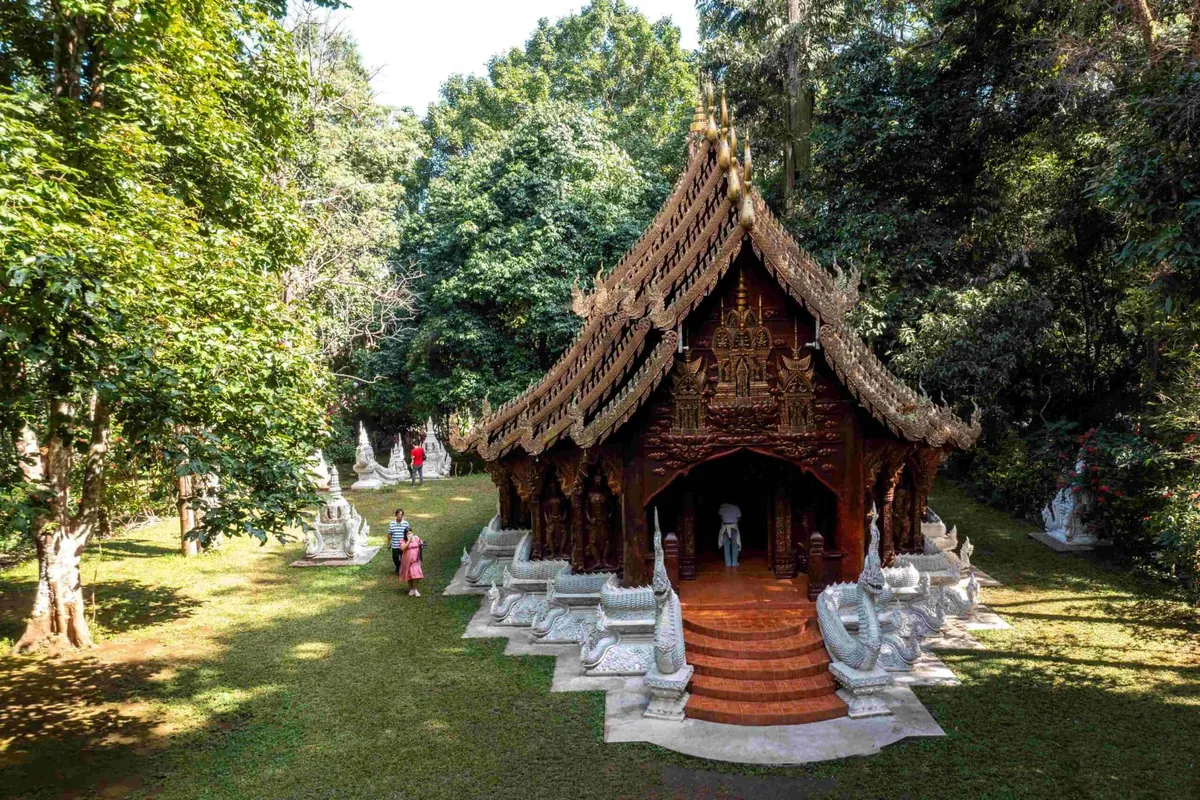
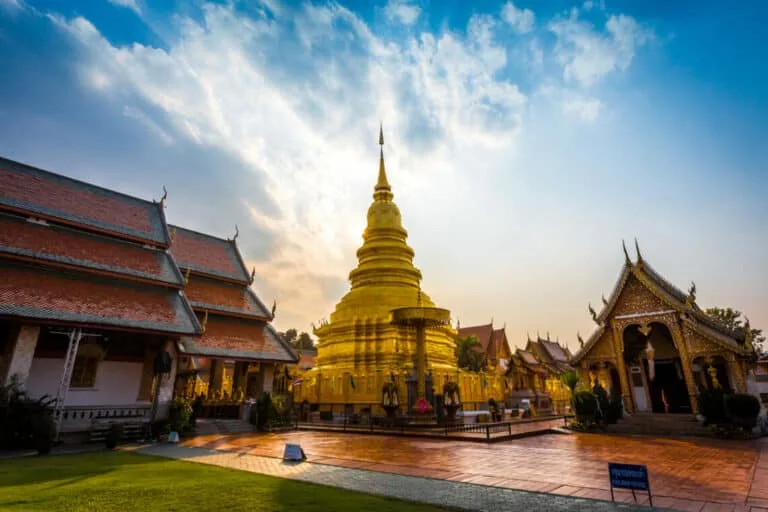
Start early for Doi Suthep to beat the crowds and heat. Head to the red songthaew stand near Chang Phueak Gate around 8am — they leave when full with 10 passengers, costing 40 THB each way. The 30-minute winding journey up the mountain gets busy after 10am, so early departure means better photos and cooler weather. The golden temple gleams against the mountain backdrop, with the famous 309-step Naga staircase leading up from the parking area (or take the cable car for 20 THB if you're feeling lazy). Entry costs 30 THB for foreigners. The panoramic views over Chiang Mai city sprawl below, especially from the western terrace. Monks in saffron robes pad quietly around the complex, and the constant tinkle of temple bells creates an almost hypnotic atmosphere. Return to the city for the afternoon Monk Chat at Wat Chedi Luang. Young monks practice their English while sharing insights about Buddhism, meditation, and daily temple life. It's genuinely fascinating and completely free. The sessions run from 2-6pm most days — just turn up and join a circle. Dress respectfully with covered shoulders and long pants, as temple staff will turn away inappropriately dressed visitors. If it's Sunday, the Walking Street market along Rachadamnoen Road comes alive with Thailand's finest street market. Try khao soi from any street vendor (around 40 THB) — the coconut curry noodles are Chiang Mai's signature dish. For dinner, splurge on authentic Northern Thai dishes at Huen Phen, where locals pack in for nam prik ong and sai ua sausages.
Where to Stay
Same hostel
6 Minivan to Pai
pai
Minivan to Pai
pai
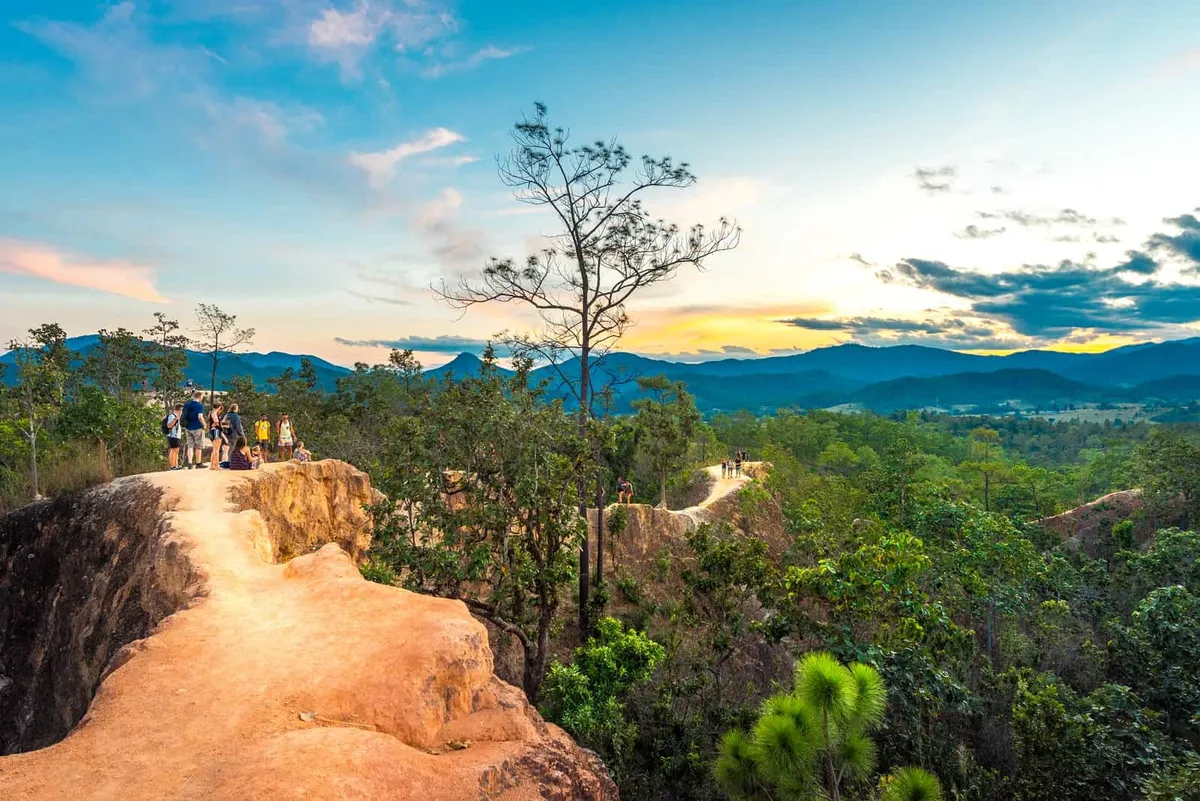
Catch the 150 THB minivan from Chiang Mai around 8am for the legendary 762-curve journey to Pai. The three-hour ride is half the adventure — hairpin turns reveal mountain views that'll have you glued to the window. First priority after arriving: rent a scooter (150 THB/day) from one of the shops near the bus station, since it's genuinely the only practical way to explore Pai's scattered attractions. Book your scooter before 10am when the good ones are still available. Head straight to Pai Canyon for the main event. The red clay formations look like mini Grand Canyon walls, and you can walk along the narrow ridges for killer photo ops. Follow the main trail for 20 minutes to reach the best viewpoints — locals call it "Kong Lan" if you need directions. The rock gets scorching hot by midday, so morning visits mean cooler surfaces and better lighting. Afternoon calls for waterfall hopping or hot springs. Mo Paeng Falls sits 8km from town and offers proper swimming holes, while the hot springs (40 THB entry) are perfect for sore muscles after all that scooter riding. Wear decent shoes — flip-flops won't cut it on the slippery rocks around the falls, and bring a towel if you're planning to swim. Walking Street market kicks off around 5pm with Thailand's cheapest street food. Try khao soi for 30 THB or fresh spring rolls for 20 THB. After dinner, grab a 40 THB Beer Lao and head back to Pai Canyon for sunset — the golden hour transforms those red cliffs into something magical.
Where to Stay
Pai town
from 150 THB (bungalow)
Pai has some of Thailand's cheapest accommodation. Fan bungalows with garden views from 150-300 THB.
7 Pai — Waterfalls & Hot Springs
pai
Pai — Waterfalls & Hot Springs
pai
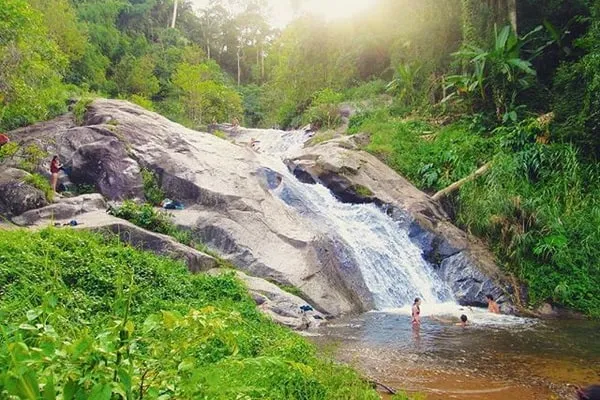
Rent your scooter early and head out by 9am to beat the heat and crowds. First stop is Pam Bok waterfall, about 8km from town center — follow the signs and ask locals if you get lost. The ride through winding mountain roads takes about 20 minutes, and you'll pass several other waterfalls along the way that aren't worth the detour. Pam Bok is completely free and perfect for swimming in the natural pools carved into the rock. The water stays cool year-round, fed by mountain springs that cascade down multiple tiers. You'll hear the rush of water before you see it, and the mist creates rainbows in the morning sunlight. Bring a waterproof bag for your phone — the mist from the falls reaches everywhere and the rocks can be slippery, so wear shoes with good grip rather than flip-flops. After drying off, ride 15 minutes to Tha Pai hot springs (300 THB entry). These natural mineral pools sit right next to a rushing river, creating the perfect temperature contrast between the warm mineral water and cool mountain air. From here, take the scenic route back through endless rice paddies and stop at the WWII Memorial Bridge — more Instagram photo op than historical site, but the views across the valley are solid. The bridge gets packed after 4pm, so time your visit earlier. Catch sunset from the Big Buddha viewpoint with free parking, then head back to town for dinner. Every meal in Pai runs under 80 THB — try the rich, coconut-heavy khao soi at Nong Beer restaurant or grab pad thai from any walking street vendor near the night market. The night market runs from 6pm until late, perfect for cheap eats and people-watching.
Where to Stay
Same place
8 Pai → Bangkok → Surat Thani (travel day)
pai
Pai → Bangkok → Surat Thani (travel day)
pai
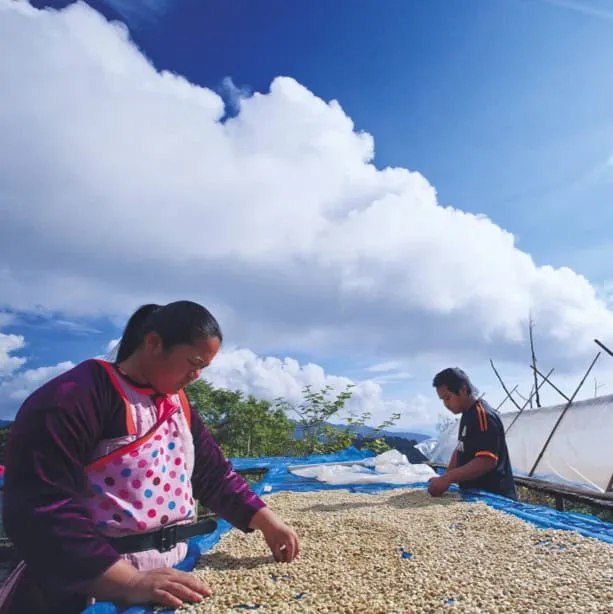
Pai (via Chiang Mai) → Surat Thani
Options: 1) Fly Chiang Mai → Surat Thani (from 1,200 THB, saves a day). 2) Night bus from Chiang Mai (budget choice). 3) Train to Bangkok, then overnight to Surat Thani.
Book on 12go.asiaThe long transit south starts early — catch the 9am minivan from Pai to Chiang Mai to maximize your connection options. Pack snacks and water for the winding mountain road; motion sickness tablets are a wise investment if you're prone to car sickness. The three-hour journey through mountain curves delivers you to Chiang Mai's arcade bus station, where you'll plot your route to the Gulf coast. From Chiang Mai, you've got choices: a budget flight to Surat Thani if you find deals under 2,000 baht, or the classic backpacker combo of train plus bus. Use your afternoon layover to explore the station food court — the pad thai here rivals street stalls at half the price. The overnight sleeper train to Bangkok leaves around 6pm, and second-class sleeper berths cost around 600 baht with bedding included. If flying isn't in budget, embrace the overland adventure. The train rocks gently through rice paddies as vendors hawk som tam and grilled chicken at station stops. Bring an eye mask and earplugs; Thai trains aren't exactly quiet. From Bangkok's Hualamphong station, catch the connecting bus to Surat Thani — the whole journey takes 12-14 hours total. This is the backpacker rite of passage between North and South Thailand. Stock up on instant noodles and accept that comfort isn't the point; the stories you'll collect from fellow travelers cramped in that sleeper car are worth the temporary discomfort.
Where to Stay
On the bus/train
9 Ferry to Koh Phangan
koh phangan
Ferry to Koh Phangan
koh phangan
Surat Thani (Donsak) → Koh Phangan
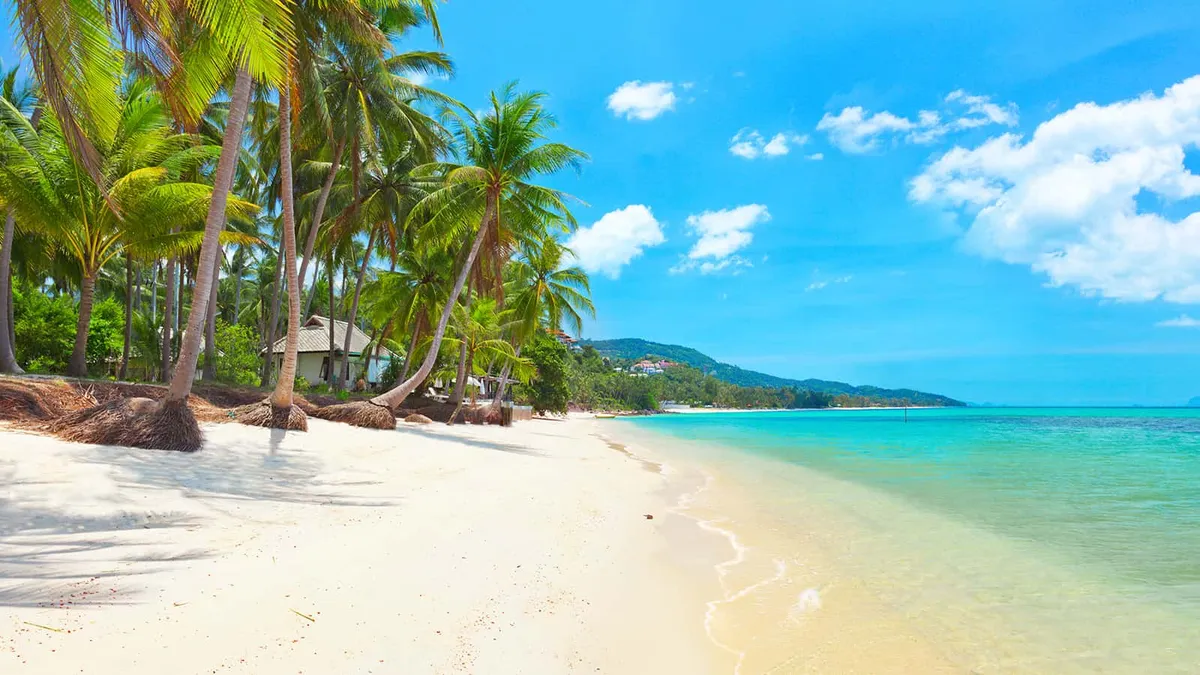
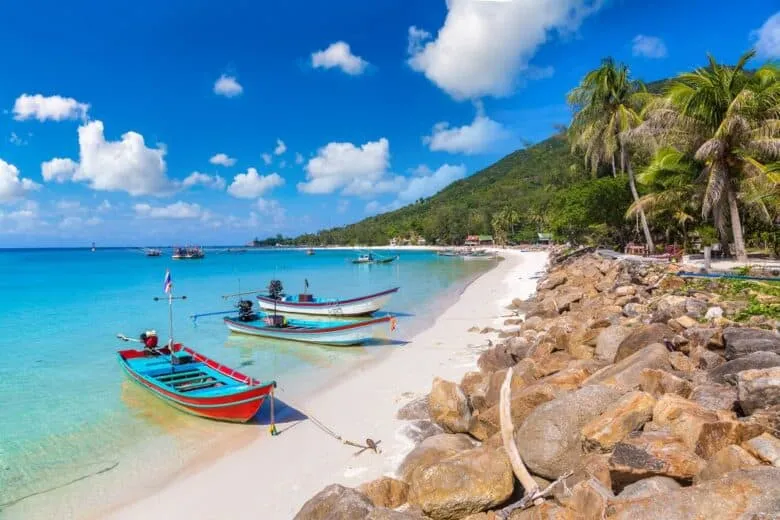
Catch the morning ferry from Surat Thani's Donsak pier — the bus connection is included with most ferry tickets, so don't pay extra. The 2-3 hour crossing gives you time to recover from yesterday's temple hopping while watching the mainland disappear behind you. Arrive at Thong Sala pier around midday and grab a songthaew to your chosen beach. Book your return ferry ticket now to avoid disappointment later. Head straight to your beach bungalow in Haad Rin or the quieter Srithanu area. Haad Rin puts you near the Full Moon Party action, while Srithanu offers a more chilled vibe with yoga studios and healthier food options. Drop your pack, change into swimwear, and hit the sand immediately. The contrast between Bangkok's chaos and this turquoise water feels almost surreal — you've definitely earned this moment. Spend the afternoon floating in the warm Gulf waters or sprawled under a palm tree. The beach recovery mode is real after a week of temples, markets, and constant movement. Bring reef-safe sunscreen — the tropical sun here is no joke, and many beaches are trying to protect their coral. A sarong works perfectly as both towel and shade maker. As sunset approaches, grab a Chang beer and some pad thai from the beachfront restaurants. Try the island's famous coconut curry with fresh fish — it tastes completely different when you're eating it with sand between your toes. Most places here close early, so enjoy the simple pleasure of sleeping to the sound of waves.
10 Koh Phangan — Beaches & Yoga
koh phangan
Koh Phangan — Beaches & Yoga
koh phangan
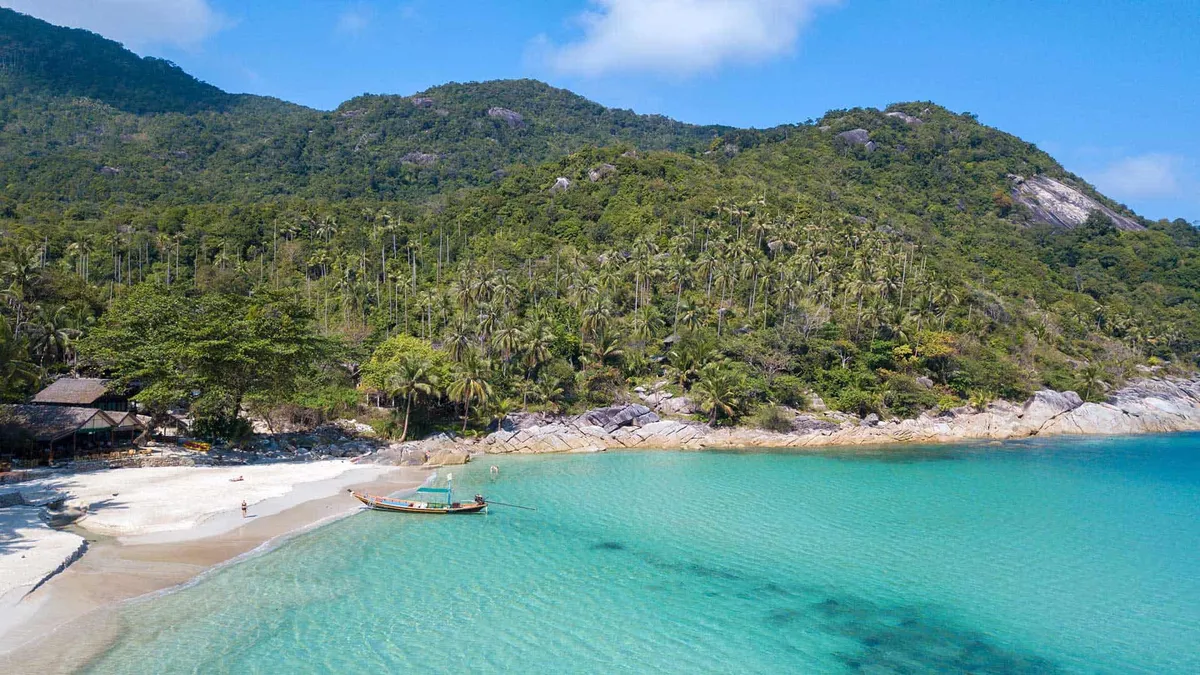
Start early with your scooter ride to Bottle Beach — that 30-minute jungle hike becomes brutal after 10am when the sun cranks up. Park at the trailhead near Ban Tai and follow the rocky path down to this secluded white sand stretch. Longtail boats from Chaloklum cost 100 THB per person if hiking isn't your thing, but you'll miss half the adventure trudging through the jungle. The crystal-clear water at Bottle Beach stays glassy calm most mornings, perfect for floating while hermit crabs scuttle across the sand. After your swim, ride over to Than Sadet waterfall where Thai kings once bathed in the granite pools. The smaller upper pools offer more privacy than the main swimming hole where day-trippers cluster, though everything gets slippery when wet so watch your footing on those rocks. Afternoon calls for Haad Salad's quiet shoreline before heading to nearby Srithanu for a yoga session. Drop-in classes run 200-300 THB with most studios welcoming walk-ins around 4pm. Bring a sarong if you're missing yoga gear — the beach vibes here flow with whatever works. If tonight's Full Moon Party night, grab a proper nap back at your accommodation first. Dinner at Fisherman's Restaurant in Srithanu serves excellent massaman curry and whatever's the fresh catch today. If the Full Moon Party's happening, fuel up with their pad kra pao — you'll need serious energy for dancing until sunrise on Haad Rin beach where things get properly rowdy after midnight.
Where to Stay
Same place
11 Ferry to Koh Tao
koh tao
Ferry to Koh Tao
koh tao
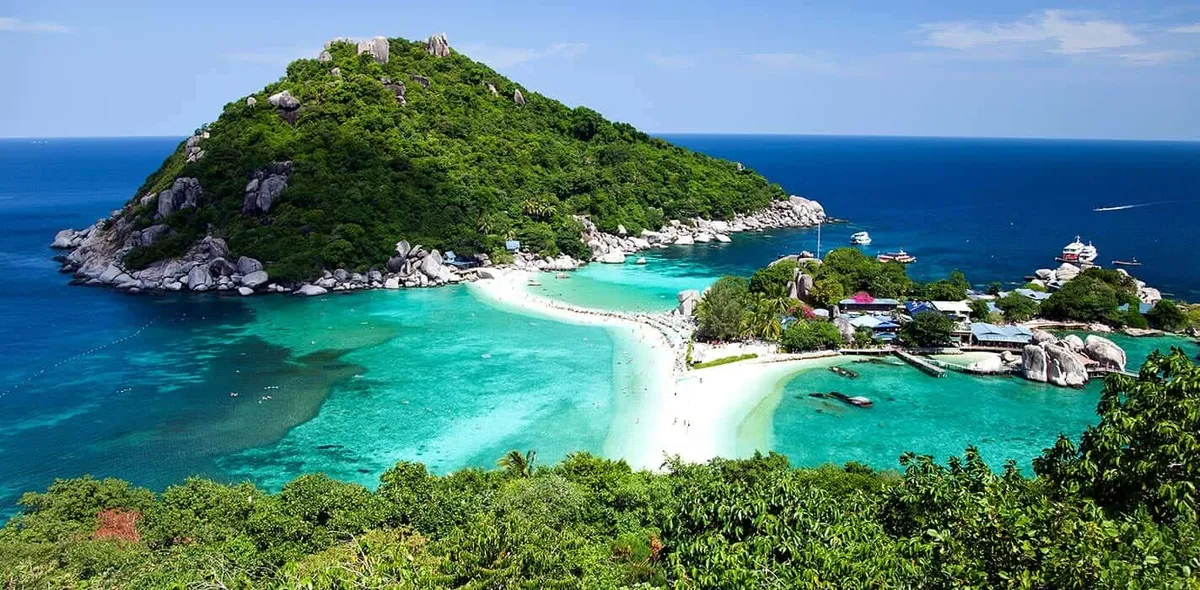
Catch the morning ferry to Koh Tao (1-2h) and head straight to Sairee Beach to drop your bags. Budget hostels start around 400 baht per night, and checking in early gives you first pick of the dorm beds. Don't feel pressured to book diving courses immediately – walk the beach first to compare dive shop prices and read reviews posted outside, as they vary more than you'd think. The main strip along Sairee Beach buzzes with dive shops, massage parlors, and smoothie bars, but the real action is underwater. Even if you don't dive, the snorkeling here is world-class and free. Grab a mask and fins from any shop (100-150 baht rental) and wade out from the beach – the coral starts just 20 meters from shore, and you'll spot parrotfish and angelfish within minutes. Spend your afternoon exploring beyond Sairee Beach. The viewpoint hike takes 30 minutes and offers panoramic views over the island's three main bays, though you'll want proper shoes since the trail gets slippery and rocky toward the top. Alternatively, rent a motorbike (200 baht/day) and cruise to the quieter Tanote Bay for more snorkeling without the crowds. For dinner, try the chicken pad kra pao at Pranee's Kitchen or fresh grilled fish at the beachfront restaurants. The fire shows start around 9pm, and drinks flow freely into the early hours along the beach bars – Chang beer runs about 80 baht, cocktails around 150-200 baht depending on how touristy the spot.
12 Koh Tao — Diving or Snorkeling
koh tao
Koh Tao — Diving or Snorkeling
koh tao
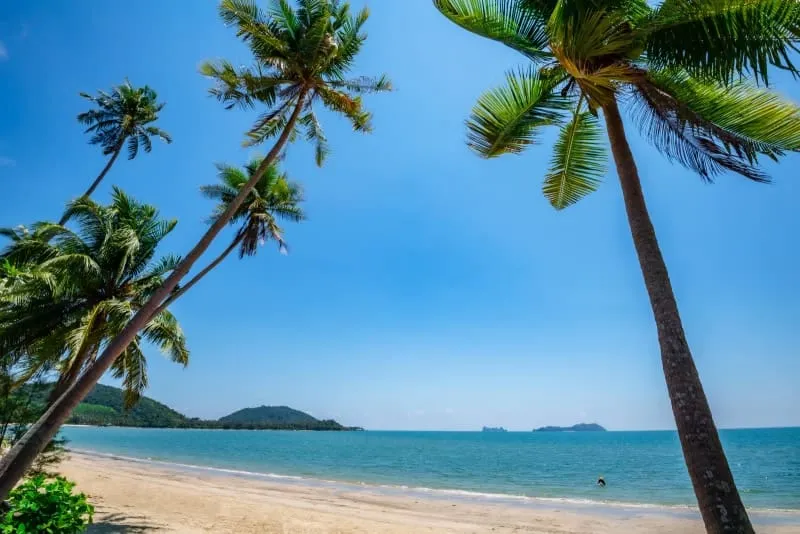
Start early at 8am with a fun dive (1,000 THB) to beat the crowds and catch the best visibility. The dive shops line up along Sairee Beach — most offer hotel pickup, but walking takes just 10 minutes from anywhere in town. If you're starting your Open Water course (9,000-11,000 THB for 3 days), today's your theory and confined water day before tomorrow's open water dives. By midday, even non-divers can experience Koh Tao's underwater world. Walk 15 minutes south to Shark Bay where blacktip reef sharks cruise the shallows — completely free and often just knee-deep water. The sharks are harmless and used to snorkelers, but the real magic happens when schools of barracuda form silver tornadoes around you. Snorkel gear rental costs 150 THB from beachside vendors. Afternoon calls for Japanese Gardens, Koh Tao's most colorful coral garden. The swim out takes 10 minutes from the beach, or grab a longtail for 50 THB. Hin Wong Bay on the east coast offers calmer waters and fewer crowds. Bring reef-safe sunscreen — regular stuff kills the coral and gets you dirty looks from dive masters. The water stays warm all day, but a rash guard prevents sunburn during long snorkeling sessions. Sairee Beach Road comes alive after sunset with cheap eats. Try pad see ew at Whitening Restaurant (80 THB) or fresh grilled fish at the night market stalls (120-150 THB). Lotus Bar serves strong buckets if you're up for Koh Tao's legendary backpacker nightlife.
13 Koh Tao — Viewpoints & Last Beach Day
koh tao
Koh Tao — Viewpoints & Last Beach Day
koh tao
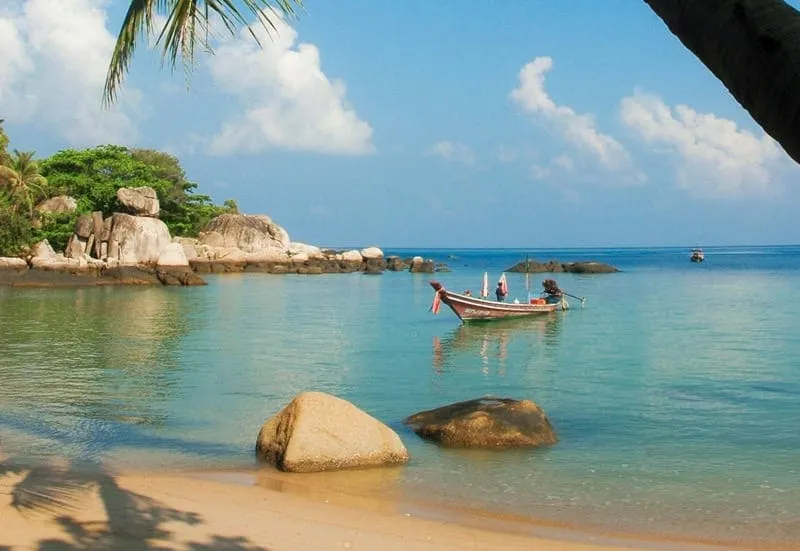
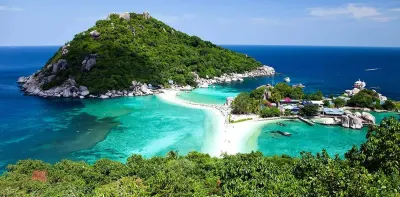
Wake up early and tackle the hike to John Suwan Viewpoint before the heat kicks in — aim for 7am departure. The trail starts near Mae Haad and takes about 45 minutes of moderate climbing through jungle paths. Pack plenty of water and wear proper shoes since the rocks get slippery. The classic Koh Tao panorama from the top shows the island's guitar shape perfectly, with turquoise bays stretching in every direction. Grab a quick breakfast and head out on the water to Freedom Beach by kayak. The paddle takes around 30 minutes from Sairee, hugging the coastline past smaller coves. This secluded strip of sand feels like your own private slice of island life, with clear water perfect for snorkeling. The beach stays shaded until late morning, making it ideal for a midday escape from the crowds. Tanote Bay becomes your afternoon playground for some serious cliff jumping action. The crystal-clear water here runs deep enough for safe jumps from the rocky outcrops — start small and work your way up to the higher ledges. Bring water shoes since the rocks can be sharp, and check the tide times as lower water means shallower landing spots. End your final Koh Tao day with sunset beers at one of Sairee's beach bars. Lotus Bar does excellent pad see ew and cold Singhas right on the sand. The Fire Show usually starts around 9pm if you want some entertainment with your dinner. Book a table early since the prime sunset spots fill up quickly during peak season.
Where to Stay
Same place
14 Depart
koh tao
Depart
koh tao
Koh Tao → Bangkok (via Chumphon)
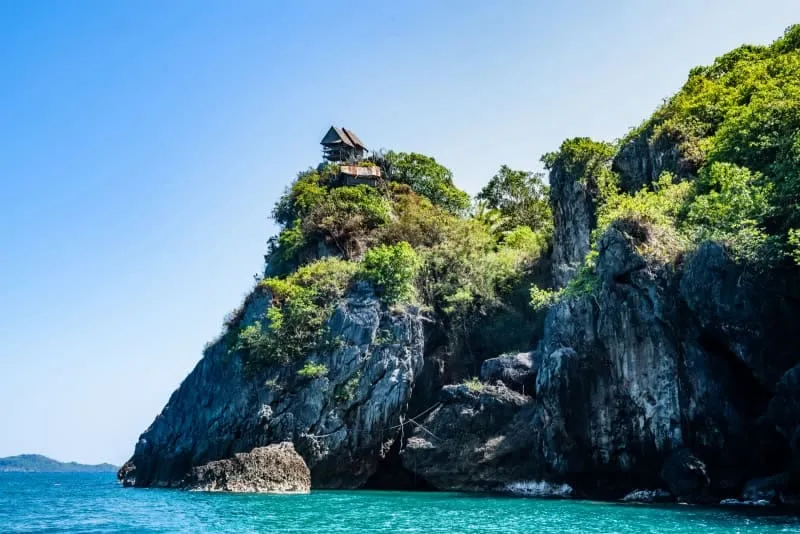
Pack up early and grab one last Thai iced coffee before heading to Mae Haad Pier by 8 AM. The morning ferries fill up quickly, especially during high season, so arrive at least 30 minutes before departure. If you're taking the Chumphon route, the Lomprayah combo ticket (ferry + bus) gets you to Bangkok for about 1,000 THB — book this the night before to secure your spot. The two-hour ferry ride to Chumphon gives you final views of the Gulf of Thailand's turquoise waters and scattered islands. Sit on the upper deck if the weather's clear, but bring a light jacket as the sea breeze gets chilly once you're moving. The boat stops briefly at Koh Phangan, where you'll see the infamous Full Moon Party beaches from the water. Once you dock in Chumphon around midday, there's usually a 30-minute wait before the air-conditioned bus continues to Bangkok. Stock up on snacks and water at the port — the 8-hour bus journey has limited food stops. The seats recline decently, but bring earplugs as Thai buses love their entertainment systems. Download offline entertainment since WiFi is spotty once you leave town. You'll roll into Bangkok's southern bus terminal around 10 PM, tired but with two weeks of incredible memories. The BTS and MRT stop running around midnight, so factor in taxi costs to your final destination. Alternatively, take the ferry to Koh Samui airport (2 hours) if you're flying out the same day.
Before You Go
Visa
Most nationalities get 60-day visa-free entry. Check your eligibility at thaiembassy.com. Digital nomads can apply for the DTV (Destination Thailand Visa) for longer stays.
Currency
Thai Baht (THB). 1 USD ≈ 34 THB. ATMs everywhere (180 THB foreign fee per withdrawal). Cards accepted at hotels and malls, but carry cash for street food, markets, and transport.
Connectivity
Get a Thai eSIM or SIM at the airport (AIS or TrueMove — 300-600 THB for 15-30 days). 4G/5G coverage is excellent everywhere except remote mountains.
Best eSIM for Thailand →Safety
Thailand is very safe for tourists. Main risks: scooter accidents (wear a helmet), petty theft in tourist areas, and heat exposure. Drink bottled water. Travel insurance is essential.
Language
Thai. English is widely understood in tourist areas. Learn 'sawadee krap/ka' (hello), 'khob khun' (thank you), and 'mai pet' (not spicy). Google Translate works well.
This is the route that put Thailand on the backpacker map — and it’s still the best budget trip in Southeast Asia. Two weeks, five destinations, one incredible country, and enough change from 30,000 THB to buy souvenirs.
The secret to budget Thailand: eat street food (the best food in the country is the cheapest), take night trains (saves a hotel night AND transport cost), and remember that the most beautiful temples, waterfalls, and beaches are often free.
Budget Breakdown (Per Day)
- Accommodation: 200-500 THB (dorm beds, fan bungalows)
- Food: 300-500 THB (3 street food meals + snacks + drinks)
- Transport: Varies by day (50-800 THB)
- Activities: 0-500 THB (many things are free)
- Beer: 60-80 THB per Chang/Leo from 7-Eleven
Money-Saving Tips
- Fly into Don Mueang (DMK), not Suvarnabhumi — budget airlines use DMK
- Night trains save a hotel night AND a travel day
- Street food > restaurants. Always. It’s also better food.
- 7-Eleven is your friend — cheap water, snacks, SIM cards
- Negotiate at markets but not at food stalls (it’s rude)
- Scooter rental is almost always cheaper than taxis for a full day
Frequently Asked Questions
Can I really do 2 weeks in Thailand for under 30,000 THB?
Yes. Budget breakdown: transport ~4,000 THB (trains, buses, ferries), accommodation ~4,200 THB (300/night average), food ~5,600 THB (400/day), activities ~3,000 THB, buffer ~3,000 THB. Total ~20,000 THB ($580). Very doable if you stick to street food, dorms, and local transport.
Is the overnight train safe?
Very safe. The Bangkok-Chiang Mai sleeper is one of the most popular routes in Southeast Asia. Second-class sleeper has curtains for privacy, air conditioning, and a fold-down bed. Keep valuables close, just like any public transport.
Solo traveller — will I meet people?
Thailand is the easiest country in the world for solo travel. Khao San Road, Pai, Koh Phangan, and Koh Tao are social hubs where you'll meet people in minutes. Hostels organize group activities. The backpacker trail exists precisely because so many people do this route.
What should I pack for 2 weeks backpacking Thailand?
Light, quick-dry clothes, a good daypack, reef-safe sunscreen, mosquito repellent, a microfibre towel, and a padlock for hostel lockers. Keep it under 40L — you'll thank yourself on ferry transfers and bus rides.
Is Thailand safe for solo female backpackers?
Thailand is one of the safest countries in Southeast Asia for solo female travellers. Standard precautions apply: avoid walking alone late at night, watch your drinks, and trust your instincts. The backpacker trail is well-worn and you'll meet other travellers everywhere.
Do I need vaccinations for Thailand?
No vaccinations are legally required (unless coming from a yellow fever zone). Recommended: Hepatitis A & B, Typhoid, and Tetanus. Consult your GP 6–8 weeks before travel. Malaria prophylaxis is only needed for remote border areas.