


3 Days in Bangkok: A Day-by-Day City Itinerary
A 3-day Bangkok itinerary grouped by area (old-town temples, Sukhumvit nightlife, canals and markets) so you spend less time crossing town.
Facts checked Jun 2026
Duration
3 days
Pace
active
Best For
city lovers, foodies, first-timers, weekend trips
Budget
2,400–24,000+ THB per person
Best Months
Nov, Dec, Jan, Feb, Mar
Trip Cost Breakdown
| Category | Budget | Mid-Range | Luxury |
|---|---|---|---|
| Accommodation | 600–1,200 THB (2 nights) | 3,000–6,000 THB | 10,000–20,000 THB |
| Food & Drink | 600–900 THB | 1,500–2,400 THB | 4,000+ THB |
| Activities & Tours | 700–1,000 THB | 1,500–2,500 THB | 4,000–8,000 THB |
| Local Transport | 300–500 THB | 500–1,000 THB | 2,000+ THB |
| Total Estimate | 2,400–24,000+ THB per person | ||
Day-by-Day Itinerary
Tap each day for details, booking links, and tips.
1Temples & Riverside
bangkok
Temples & Riverside
bangkok
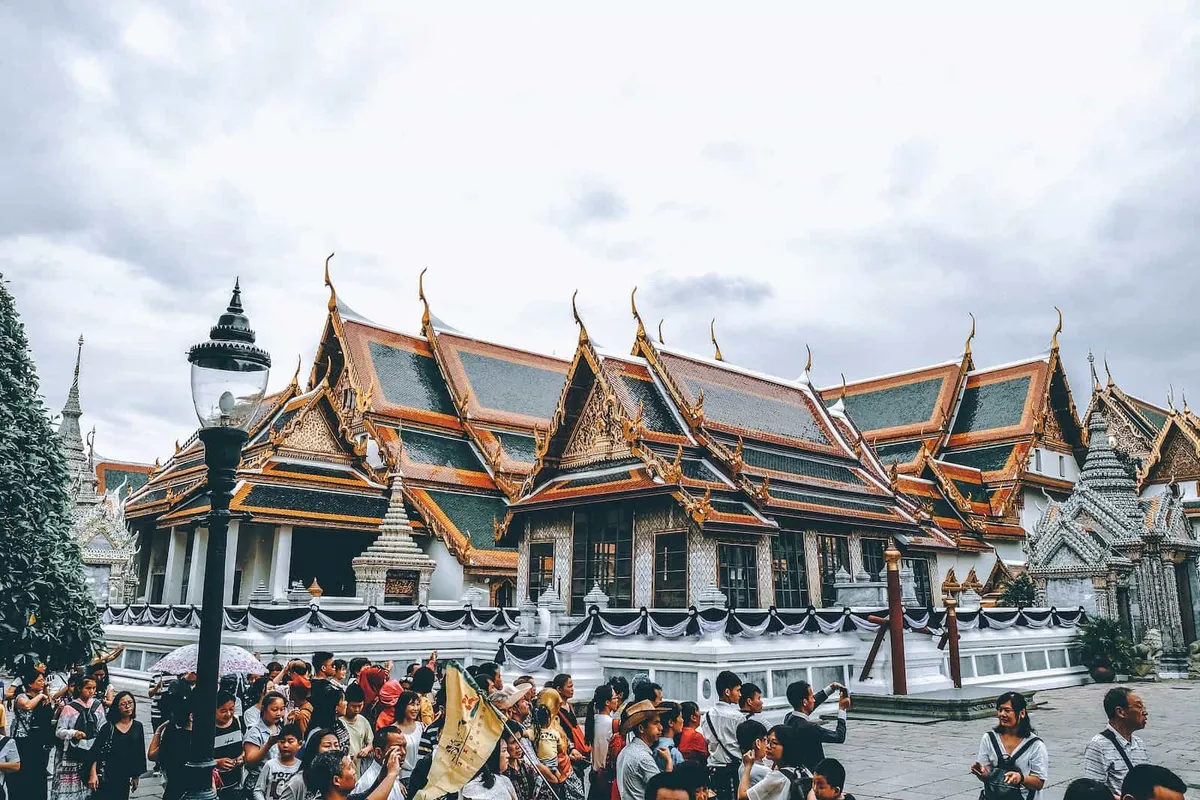
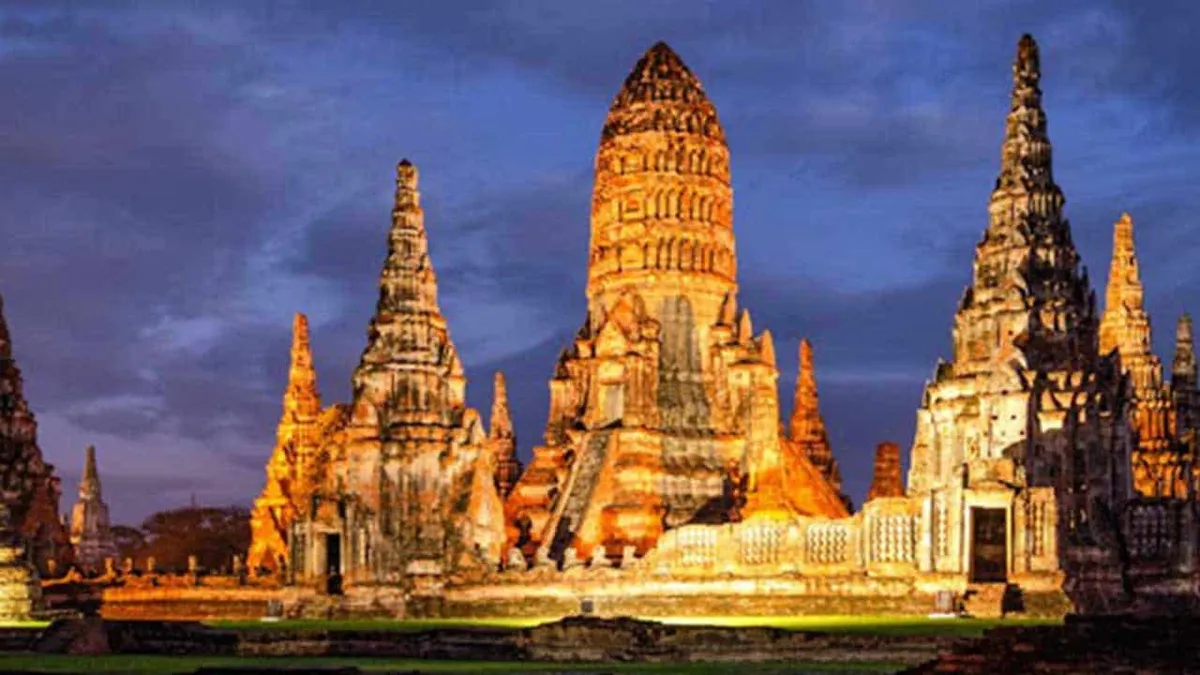
Start early at the Grand Palace and Wat Phra Kaew. Doors open at 8:30am so arrive by 8:15 to beat the tour groups. Take the BTS to Saphan Taksin then the blue-flag tourist boat to Tha Chang pier (the cheaper orange-flag express runs on weekdays only). The complex gets swelteringly hot by 10am, and the intricate murals and golden spires of the Emerald Buddha Temple are best appreciated before the crowds thicken.
Walk 10 minutes south to Wat Pho, home to Bangkok's famous 46-metre reclining Buddha. The gilt statue fills an entire hall, and you can hear the clink of coins as visitors drop them into bronze bowls for good luck. The temple also houses Thailand's first university and remains the country's leading school of traditional massage. Dress modestly (shoulders and knees covered) or rent a sarong at the entrance for 100 THB.
Take the cheap cross-river ferry (a few baht) across the Chao Phraya River to Wat Arun, the Temple of Dawn. Climb the steep central prang for river views, though the steps are narrow and can be nerve-wracking. The temple's surface is decorated with colorful porcelain fragments that catch the afternoon light. For lunch, head to Thip Samai near the Grand Palace for pad thai served in an egg wrapper (60–100 THB).
Stay riverside as evening falls and watch the temples illuminate across the water. Sala Rattanakosin offers front-row views of Wat Arun, while Supanniga Eating Room serves refined Thai dishes in a colonial-style setting (200–600 THB). Book ahead for window tables. The golden reflection of lit temples on the river is worth the planning.
Where to Eat
Where to Stay
Khao San Road area or Riverside
- BudgetBangkok Loft InnOn the Thonburi side of the river, an 11-minute walk from Wongwian Yai BTS.
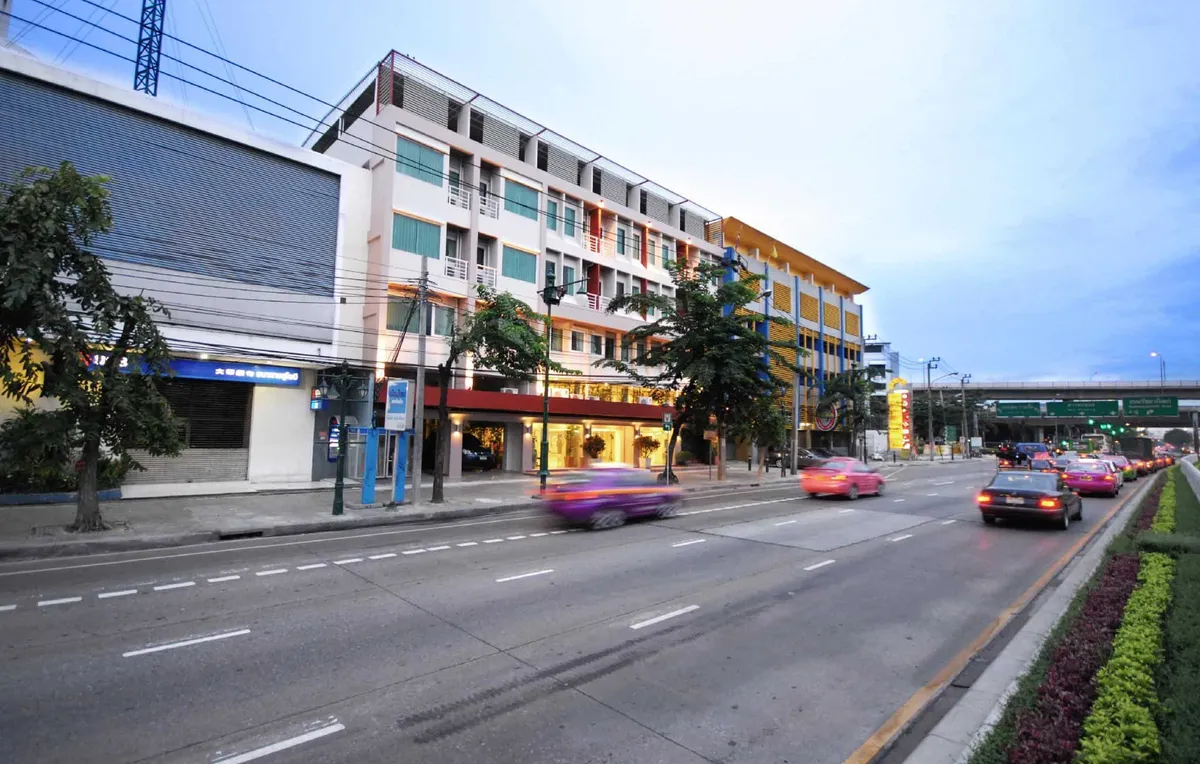
- Mid-rangePranakorn Heritage HotelA restored heritage building on Prachathipatai Road in Phra Nakhon, a short walk from Khao San Road and the old-city temples.
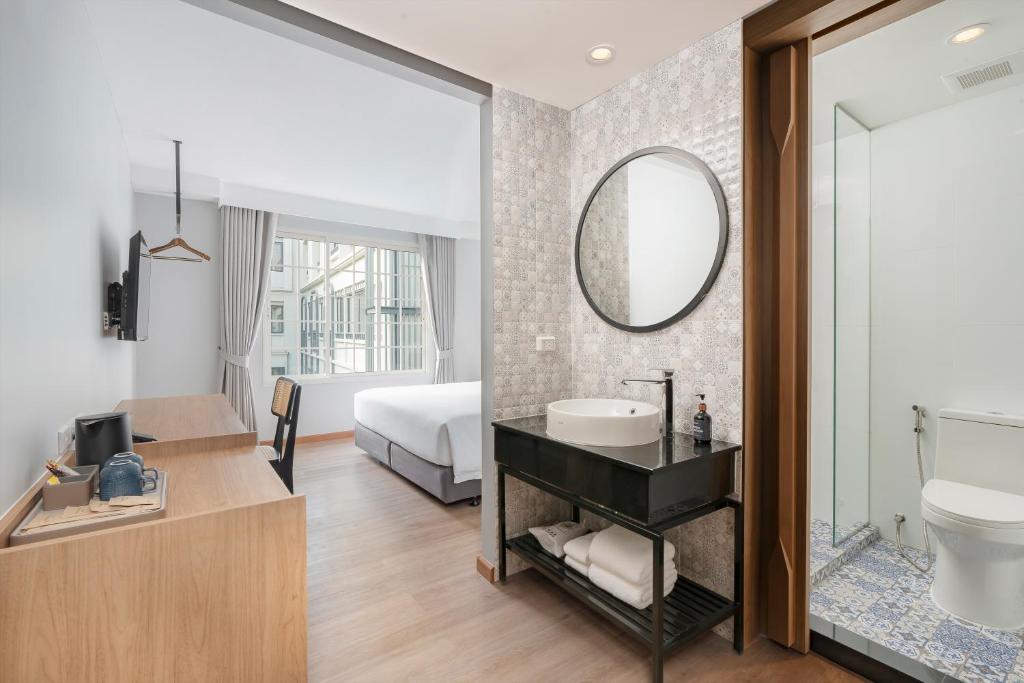
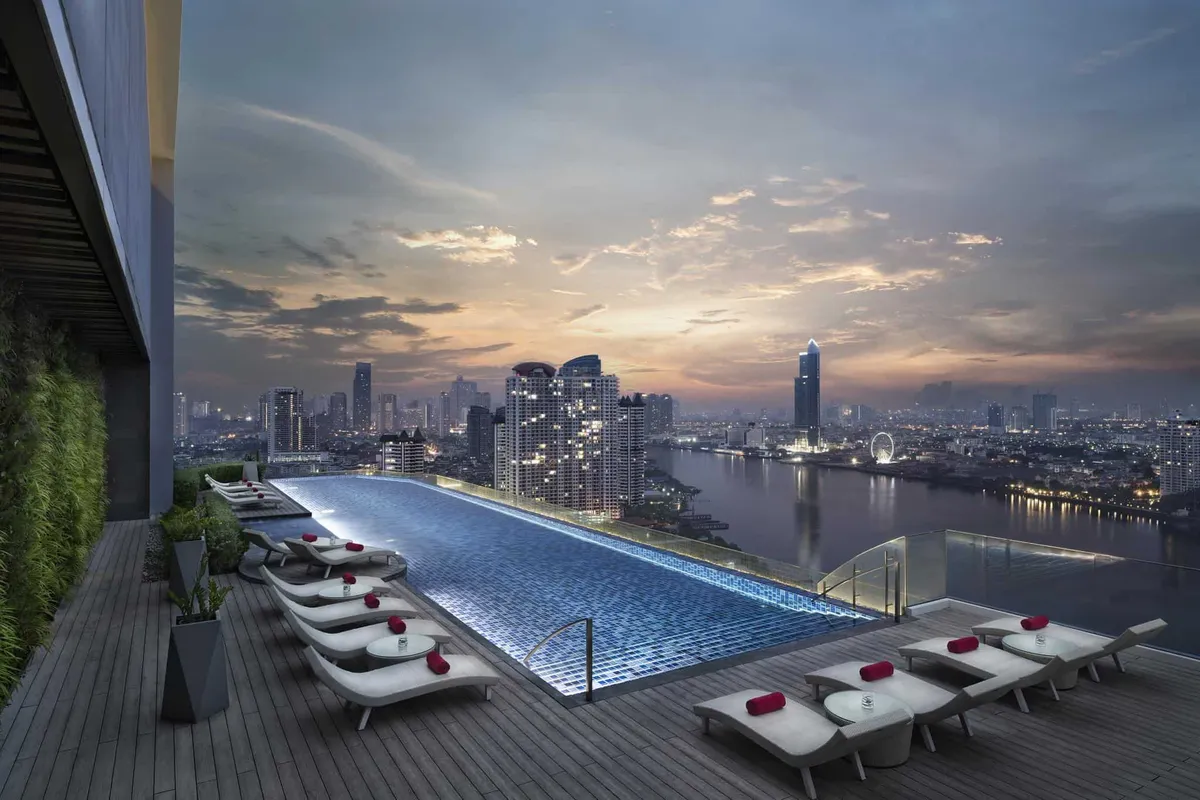
- LuxuryAvani+ Riverside Bangkok HotelA 5-star riverside property on the Chao Phraya in Thonburi, a short boat hop from the old-town temples.


from 350 THB
from 1,500 THB
from 5,000 THB
Stay near the river for Day 1. Move to Sukhumvit for Days 2-3 if you want nightlife.
2Markets, Chinatown & Sky Bars
bangkok
Markets, Chinatown & Sky Bars
bangkok

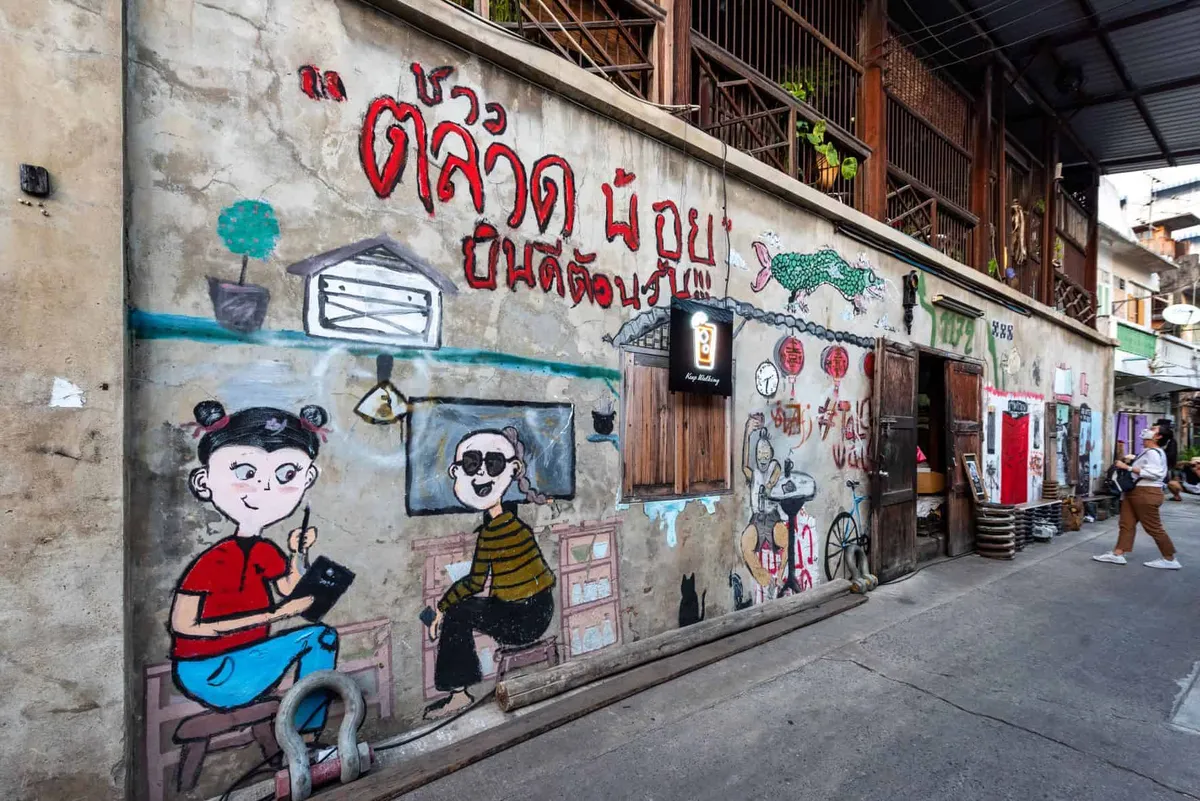
Start early at Chatuchak Weekend Market (Saturday-Sunday only) or the Railway Market any other day. Both get swelteringly hot after 11am. Take the BTS to Mo Chit for Chatuchak's maze of 15,000 stalls, where you'll find everything from vintage band tees to fighting fish in plastic bags. Grab coconut ice cream, som tam, and moo ping (grilled pork skewers) as you browse, budget 100-300 THB for grazing.
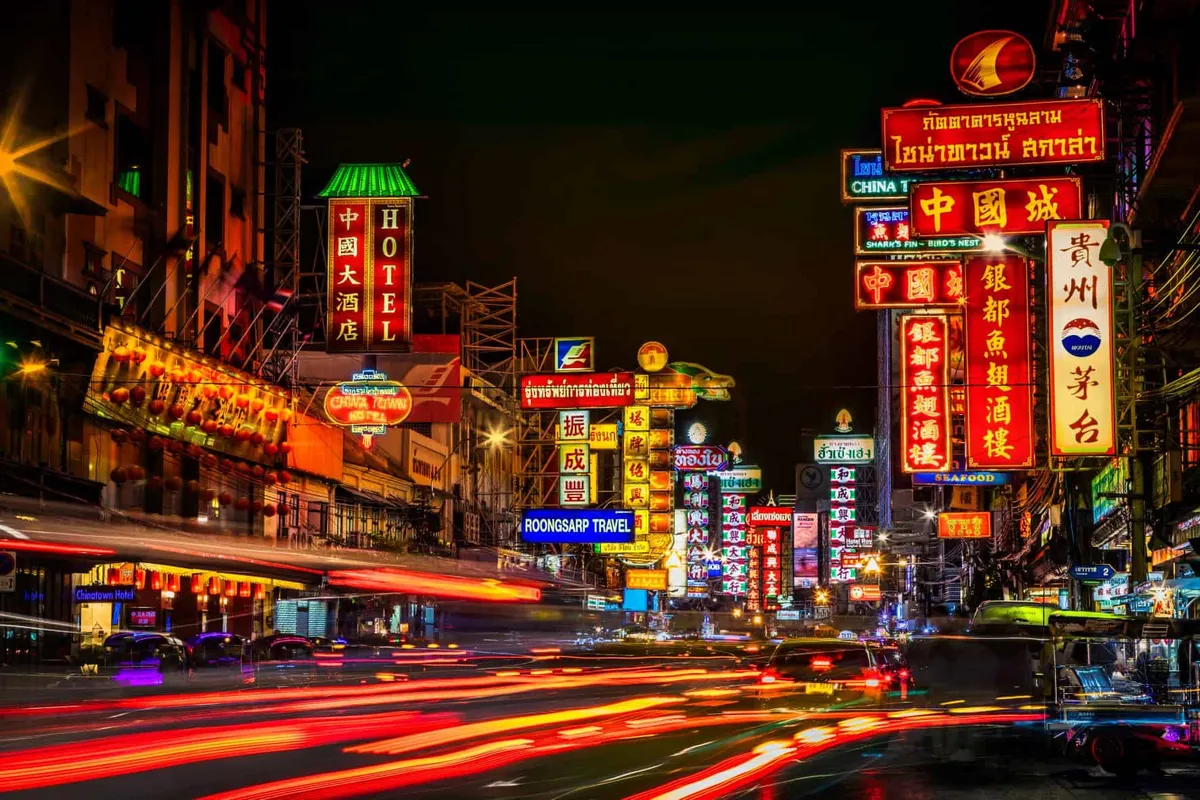
By afternoon, escape to Chinatown via MRT to Wat Mangkon. The narrow alleys buzz with gold shop owners weighing precious metals while incense drifts from doorway shrines. Duck into Wat Traimit to see the 5.5-ton Golden Buddha, then get wonderfully lost among the herb sellers and dim sum carts. The maze of century-old shophouses creates a sensory overload. Dried seahorses hang next to lucky bamboo while Teochew opera crackles from transistor radios.
Wear comfortable shoes for these uneven streets that weren't built for flip-flops. The afternoon heat bounces off the narrow alleyways, so duck into air-conditioned gold shops when you need a break. Temple-hopping provides another respite, with Wat Traimit's cool marble floors offering relief from the pavement-pounding exploration.
As the sun sets, Yaowarat Road transforms into Asia's ultimate street food theater. The smell of wok hei (breath of the wok) fills the air while vendors flip noodles over roaring flames. Hit T&K Seafood for their famous crab omelette, or just wander and point at whatever looks good. You'll spend 150-500 THB for a feast. Cap the night at a rooftop sky bar back in Sukhumvit, where the BTS makes the journey easy and those city lights never looked so good.
Where to Eat
Where to Stay
Sukhumvit (BTS accessible)
- BudgetBizotel BangkokOn Rangnam Road in Ratchathewi, a practical BTS-line base without the tourist-strip prices.
- Mid-rangeHotel Clover Asoke BangkokOn Soi Sukhumvit 16, close to both Asoke and Phrom Phong BTS stations but off the main-road noise.
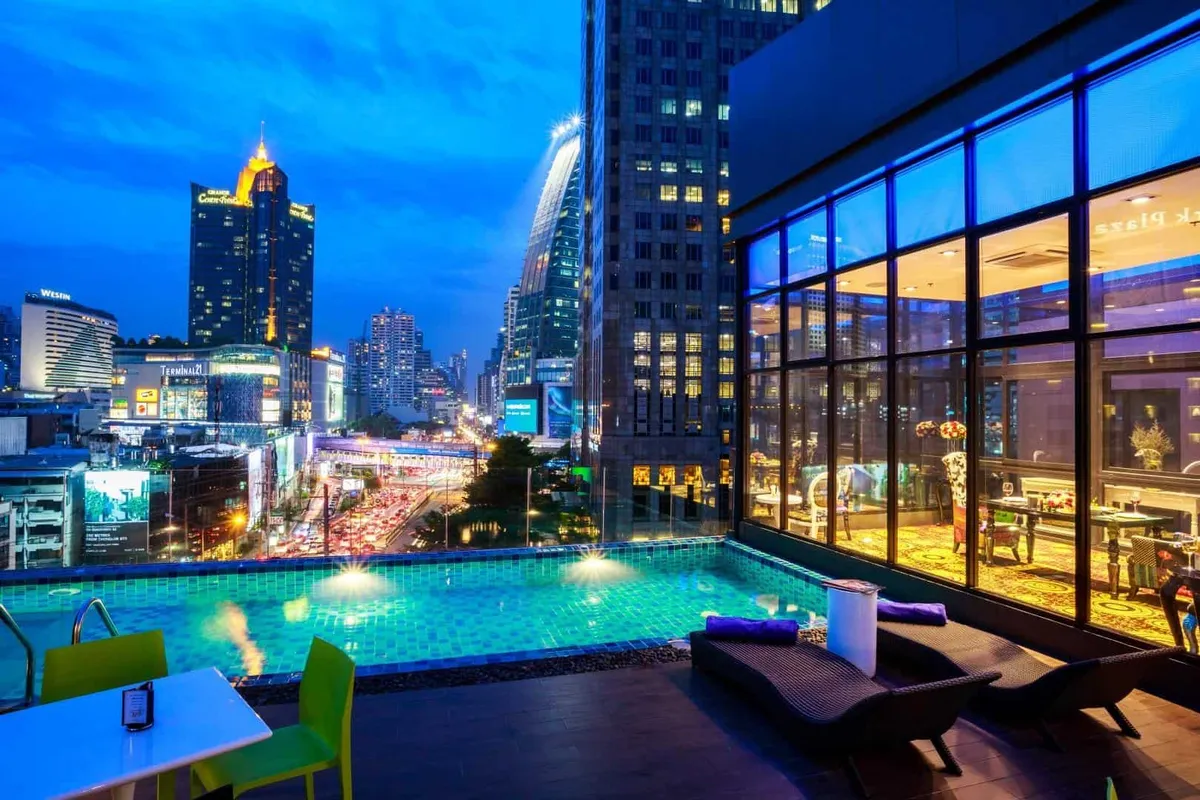
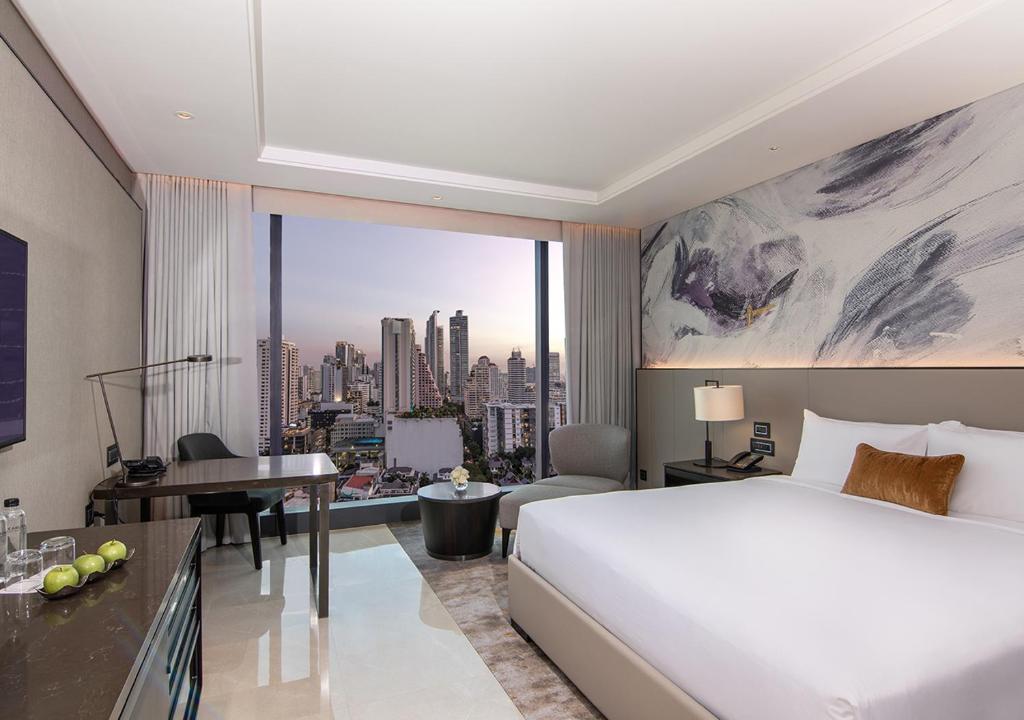
- LuxuryCarlton Hotel Bangkok SukhumvitOn Sukhumvit Road itself, at the crossroads of the BTS line, malls and street food.


from 400 THB
from 2,000 THB
from 6,000 THB
3Canals, Shopping & Departure
bangkok
Canals, Shopping & Departure
bangkok
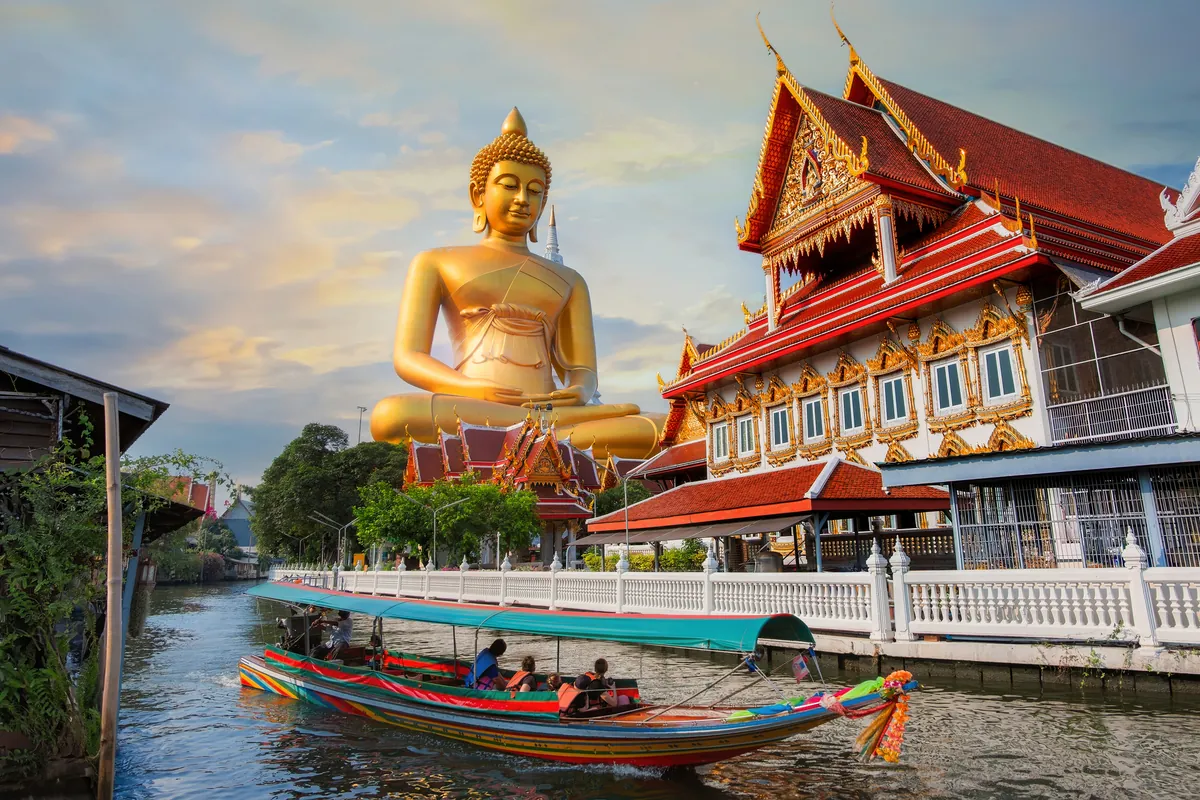
Start early with a longtail boat through the Thonburi canals to beat the heat and crowds. 8am departures work best. The 'Venice of the East' side of Bangkok reveals wooden houses on stilts and locals going about their morning routines, a world away from the skyscrapers across the river. Stop at Wat Arun from the water for photos of its towering spires. Catch boats from Tha Chang pier near the Grand Palace, and negotiate the price beforehand to avoid tourist markup.
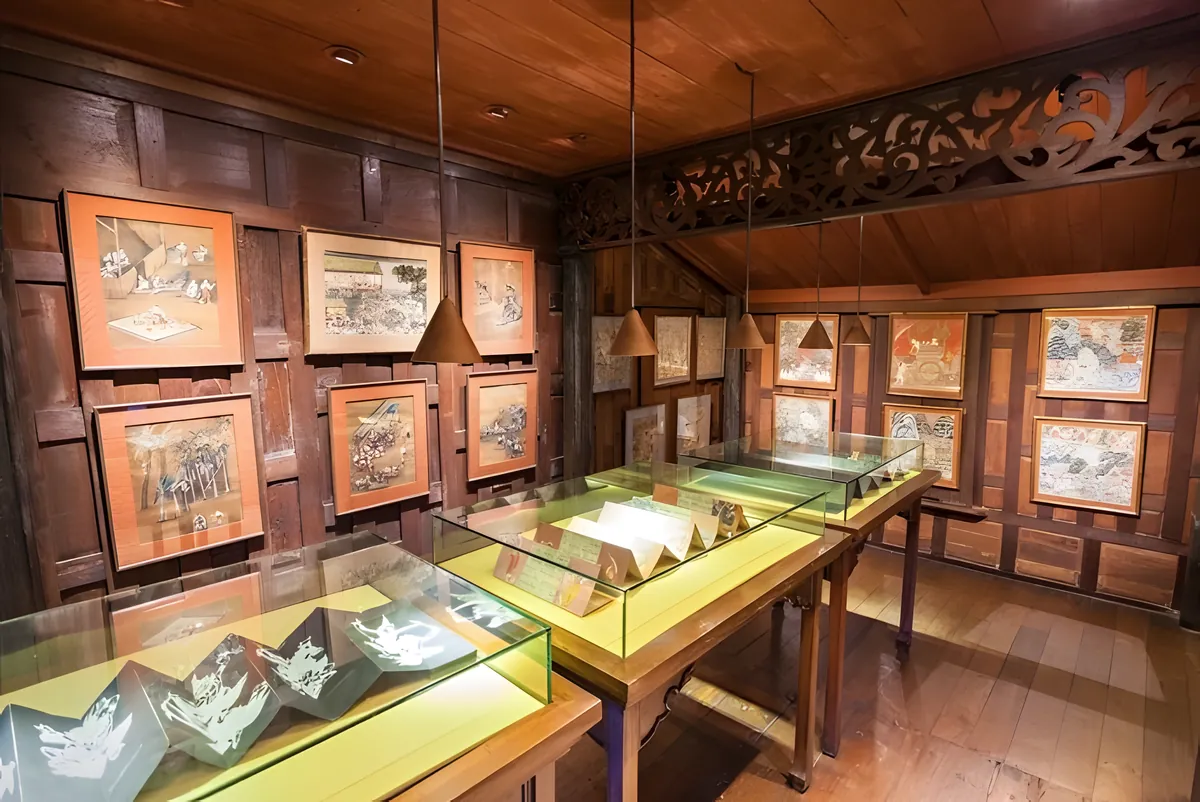
After the canal tour, duck into the Jim Thompson House to escape the midday sun. The silk merchant's traditional teak house collection tells the story of Bangkok's transformation, with guided tours revealing how he mysteriously disappeared in Malaysia in 1967. The tropical garden provides a cool respite filled with the sounds of chirping birds and rustling bamboo, and you'll understand why this American expat fell in love with Thai architecture. The wooden floors creak underfoot as you move through rooms displaying his art collection.
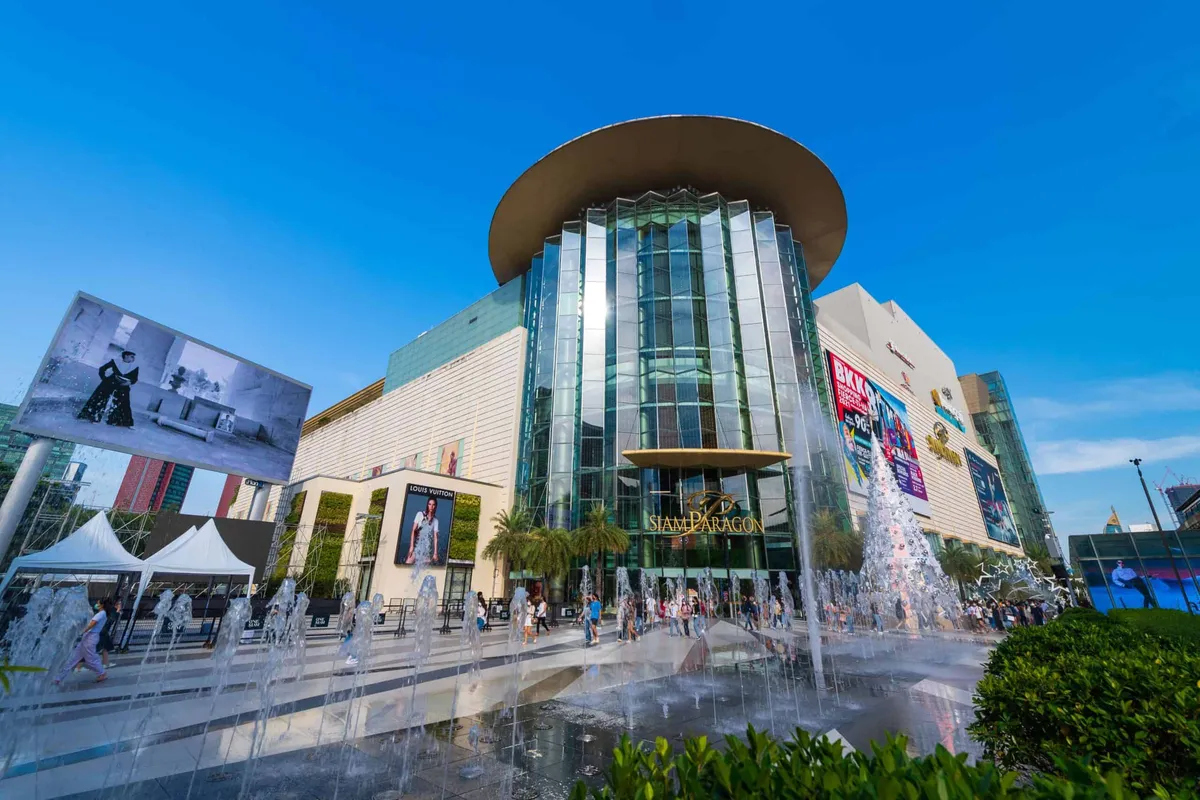
Spend your afternoon shopping at MBK Center, Siam Paragon, or Terminal 21. Each floor of Terminal 21 is themed as a different world city, from Tokyo to Istanbul. The air conditioning feels incredible after the morning's humidity. For lunch, try Jim Thompson restaurant or head to MBK's 5th floor food court for incredible value meals (80–400 THB). Bring a sweater as the malls blast AC cold enough to store meat.
Before heading to the airport, grab one final bowl of Tom Yum soup from a street vendor. The sour, spicy broth with prawns and lemongrass is Thailand's signature dish. Let it be your last taste memory of Bangkok.
Recommended Tours
Where to Eat
Where to Stay
Depart
Before You Go
Visa
Since 15 September 2026, passport holders from 60 listed countries get 30 days visa-free under the Royal Gazette framework (Mauritius & Seychelles 15 days). Check the current rule before travel. Longer stays need a visa such as the DTV (Destination Thailand Visa).
Currency
Thai Baht (THB). Thai ATMs charge foreign cards a flat fee on every withdrawal, so take out larger sums less often. Cards work at hotels and malls; carry cash for street food, markets and local transport.
Connectivity
Get a Thai eSIM before you fly, or a SIM at the airport from AIS or TrueMove. 4G/5G coverage is good everywhere except remote mountains and open sea.
Best eSIM for Thailand →Safety
Thailand is safe for tourists. The main risks are scooter accidents (wear a helmet), petty theft in crowded areas and heat. Drink bottled water and travel with insurance.
Language
Thai. English is widely understood in tourist areas. Learn 'sawadee krap/ka' (hello), 'khob khun' (thank you) and 'mai pet' (not spicy). Google Translate works well.
Power
Type A, B and C sockets, 220V. Most hotels have universal outlets; one adapter covers the trip.
Bangkok rewards those who dive in. In three days, you’ll eat food that ruins you for Thai restaurants back home, stand in front of temples that make your jaw drop, and discover that the chaos of this city has its own irresistible rhythm.
Three days is the right amount for a first visit to Bangkok. It’s enough to cover the essential contrasts (the old-town Rattanakosin island with its royal temples and river life versus the gleaming Sukhumvit corridor of sky bars, malls, and BTS trains) without burning out on sensory overload. Longer trips often lead to temple fatigue by day four, while anything shorter means skipping either the cultural or the modern side entirely. This itinerary gives you both.
Where to Base Yourself
Split your nights rather than picking one hotel for all three. Day 1’s temple route (Grand Palace, Wat Pho, Wat Arun) sits on or near the river, so a Khao San Road or riverside hotel puts you walking distance from the first day’s sights and the evening’s riverside dinner. For Days 2 and 3, move to Sukhumvit: it’s BTS-connected to Chatuchak, Chinatown, and the shopping malls, and it’s where the rooftop bars and late-night options cluster. One hotel for the whole trip works if you don’t mind a longer commute on Day 1, but splitting the stay cuts the most cross-town travel for the least effort.
Getting Around
The BTS Skytrain and MRT are your best friends. Buy a Rabbit card at any BTS station (200 THB, which covers a 100 THB card fee and 100 THB of starting value, then top up as needed) for seamless travel. The two systems intersect at a handful of stations: Sala Daeng/Si Lom and Asok/Sukhumvit are the key interchange points you’ll use most. Single-journey BTS fares run 17-65 THB depending on distance, and trains come every 3-6 minutes during rush hour.
For the riverside temples on Day 1, use the Chao Phraya Express Boat from Saphan Taksin BTS. The orange-flag boats cost 18 THB per ride and stop at all major piers, but run Monday to Friday only; at weekends use the blue-flag Chao Phraya Tourist Boat, which stops at Tha Chang and Tha Tien. For anything the rail network doesn’t cover, Grab is cheap (most cross-city rides run 80-150 THB) and eliminates the metered-taxi negotiation dance. Avoid tuk-tuks near tourist sites. They’ll quote 200-300 THB for trips that cost 50 THB by BTS.
Old Bangkok vs. New Bangkok
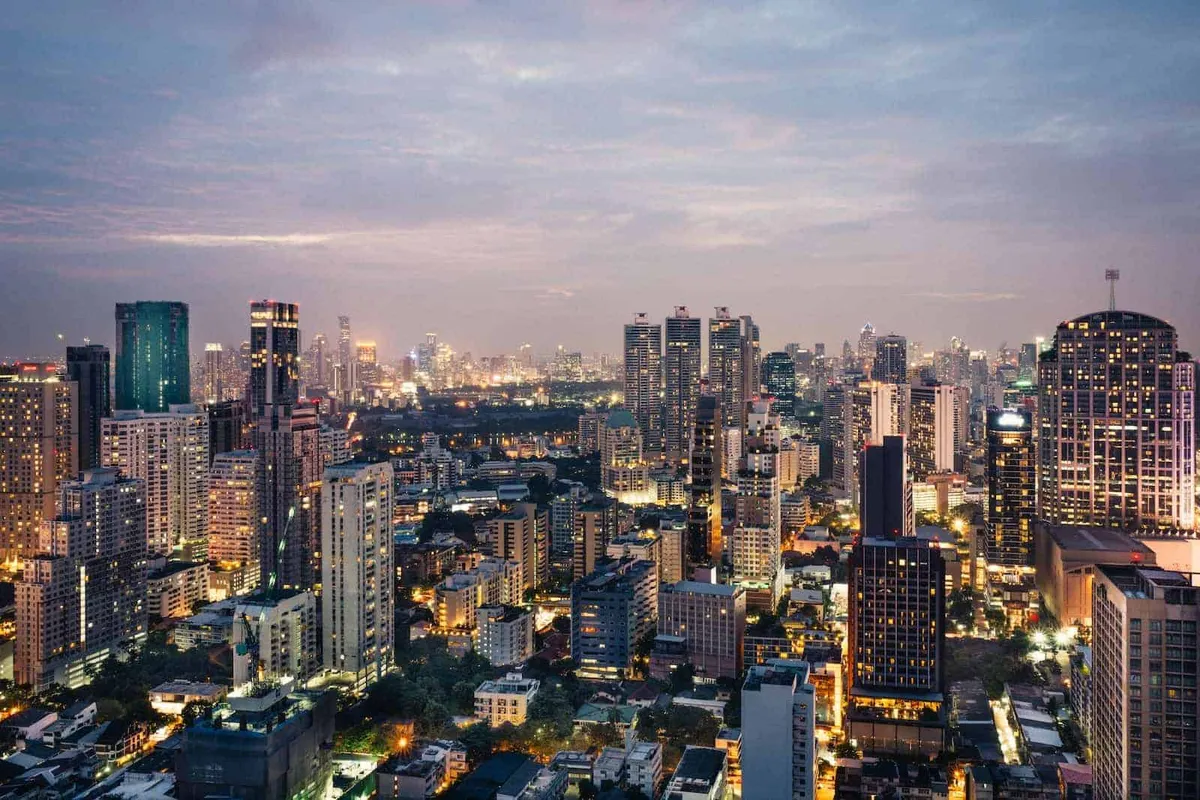
The city essentially splits along the river, and this itinerary is grouped by that split rather than by attraction “type” so you’re not crossing town twice for the same neighbourhood. West of the Chao Phraya, Rattanakosin and Thonburi feel like a different century: canal-side wooden houses, temple spires poking above the tree line, monks collecting alms at dawn. That’s Day 1 and the canal tour on Day 3’s morning. East of the river, modern Bangkok stacks glass towers along the Skytrain line, with rooftop bars at 60 floors and air-conditioned malls the size of small towns. That’s Day 2’s markets and Chinatown run, plus Day 3’s afternoon shopping. Most visitors only see one side. This itinerary covers both without doubling back.
Weekend-Specific Tips
If your Day 2 lands on a Saturday or Sunday, Chatuchak Weekend Market is worth the early start: it’s genuinely only open Saturday-Sunday, and the 15,000-stall maze near Mo Chit BTS is one of the largest markets in the world. Landing on a weekday instead, skip straight to Jim Thompson House or the Art in Paradise museum, both open daily and both fully air-conditioned. Either swap keeps Day 2’s structure (a market or museum morning, Chinatown afternoon, Yaowarat street food at night) intact regardless of which day you land on.
Beating the Heat and Rain
Bangkok’s heat peaks between 11am and 3pm most of the year, which is why every day here front-loads outdoor sightseeing into the morning. If a downpour hits during rainy season (June-October), the showers are usually short and heavy rather than all-day: duck into Jim Thompson House, a mall food court, or Talat Noi’s covered alleyways and wait it out rather than pushing on. The temples on Day 1 have limited shade, so an early 8:15am start matters more in April-May’s hot season than at any other time of year.
What Most People Get Wrong
They try to see too much. Bangkok is a city for absorbing, not ticking off. Leave gaps in this itinerary for the unexpected: the street food stall that stops you in your tracks, the temple you didn’t plan to visit, the conversation with a local that changes your perspective.