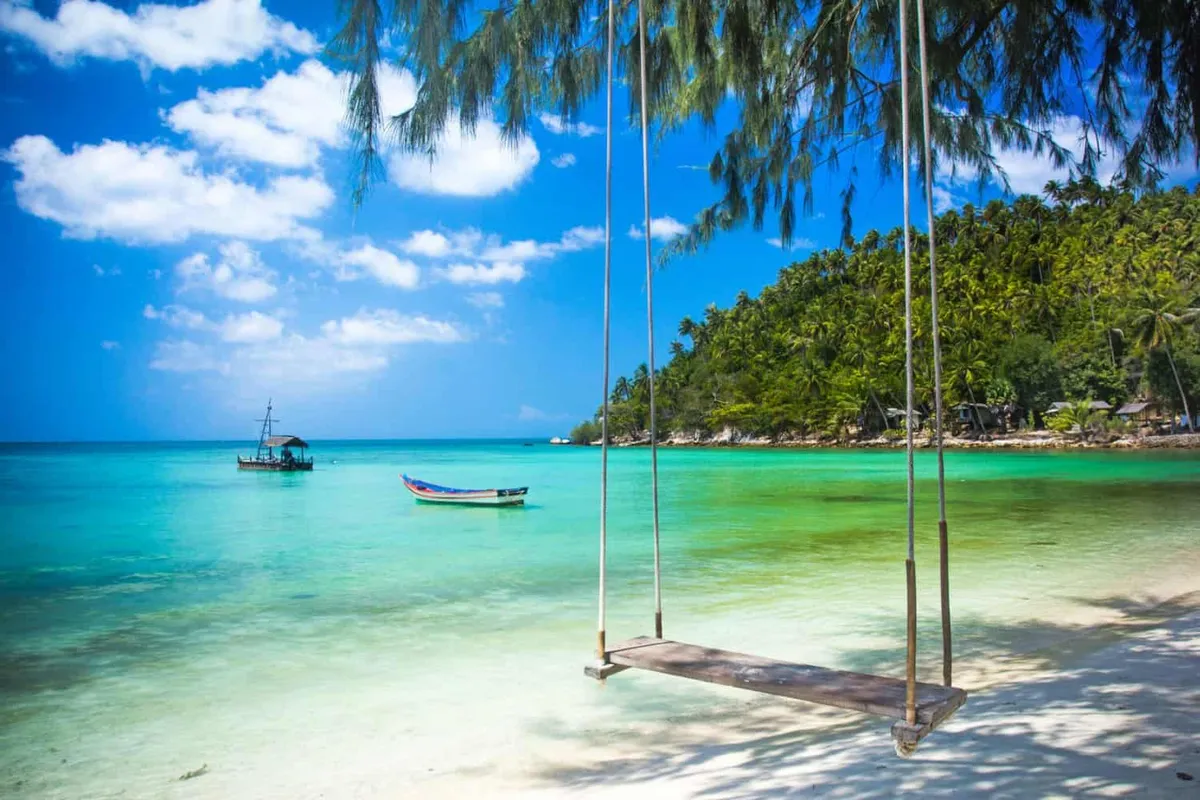









Thailand can be a practical remote-work base when the location matches your working hours, budget and tolerance for seasonal disruption. Bangkok has the strongest transport and professional network, Chiang Mai is easier on monthly costs, and Phuket provides beach access without giving up an international airport and major hospitals.
Quick answer
Choose Bangkok for meetings, flights and healthcare; Chiang Mai for a lower-cost routine and a large remote-work community; or Phuket for beach access with urban services. Koh Phangan and Koh Lanta work better for slower stays where ferry dependence and fewer backup options are acceptable.
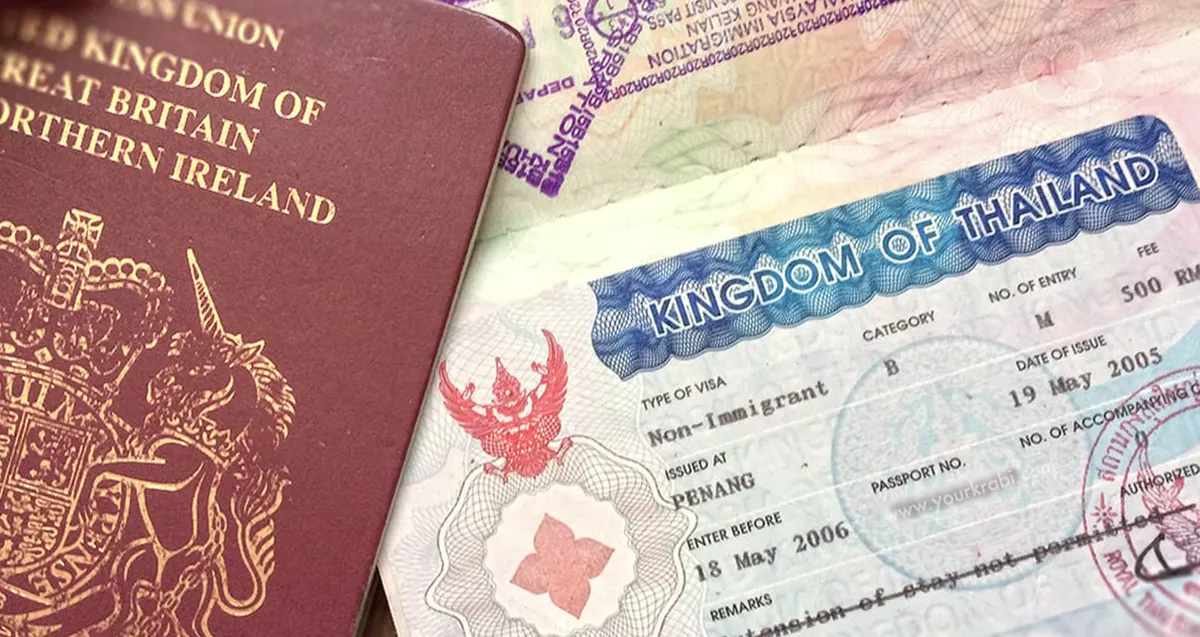
For immigration, the Destination Thailand Visa (DTV) is the route specifically designed for workcation applicants such as remote workers, digital nomads and freelancers. Requirements vary by the embassy or e-Visa office handling the application, so use that office’s current checklist rather than a generic visa blog.
| Best for | Base | Main advantage | Main tradeoff |
|---|---|---|---|
| Flights and professional network | Bangkok | Transport, hospitals, meetings and coworking choice | Higher rent and traffic |
| Value and routine | Chiang Mai | Apartments, cafes and an established remote-work scene | Smoke season can disrupt late-winter plans |
| Beach with major services | Phuket | Airport, healthcare, gyms and varied accommodation | Higher costs and long cross-island trips |
| Island community | Koh Phangan | Coworking and social scene around the west coast | Weather and ferry dependence |
| Quiet seasonal stay | Koh Lanta | Slower pace and a known coworking community | Many businesses reduce hours in low season |
How we picked these remote-work bases
Compare internet and workspace choice, monthly accommodation, transport, healthcare access, seasonality and the ease of maintaining a normal working week. A cheap room is poor value if calls fail, smoke keeps you indoors or every airport journey requires several transfers.
How to choose your base
Pick Bangkok when work connections and transport matter most. Choose Chiang Mai for a lower-cost routine, but check air quality before booking from February into April. Phuket is the most practical beach option for people who still need an airport and major hospitals. Choose an island only after checking ferry reliability, power backup, mobile coverage and the route to urgent medical care.
Bangkok: transport, meetings and healthcare
Bangkok suits remote workers who travel often, meet clients or need specialist healthcare. Coworking spaces cover central business districts and residential areas, while BTS and MRT lines reduce the need to rely on taxis for every trip.
The tradeoffs are rent, traffic and noise. Choose a neighbourhood around the journeys you make every week, not a tourist attraction you may visit once. A room near a rail station can be more useful than a larger apartment that adds two taxi rides to each working day.
Chiang Mai: value and routine
Chiang Mai has a long-established remote-work community, with coworking and cafes concentrated around Nimman, the Old City and Santitham. Monthly accommodation is usually easier to find than on the islands, and the compact centre makes a regular work-and-gym routine manageable.
Air quality is the main planning risk. Agricultural burning and regional smoke can produce unhealthy conditions during the late dry season, although timing and severity vary each year. Check live and historical air-quality data before signing a lease that runs through February, March or April.
Phuket: beach access with city services
Rawai and Chalong have gyms, longer-stay accommodation and coworking options. Bang Tao has newer residential developments and dining, while Phuket Town gives better access to government offices and the island’s central road network.
Phuket is large enough that choosing the wrong area creates a daily transport problem. Rawai to the airport or Bang Tao can take much longer than the map suggests in traffic. Base yourself near the workspace, gym or school you will use most often, then treat other beaches as occasional trips.
Koh Phangan and Koh Lanta: slower island stays
Koh Phangan has coworking and longer-stay communities around its west coast. It suits people who can tolerate ferry dependence and who do not need Bangkok-level healthcare or frequent flights.
Koh Lanta is quieter and strongly seasonal. KoHub currently operates during the busier November-to-April period and closes in the low season, so verify dates before choosing accommodation around it. On either island, confirm fixed-line internet, backup power and mobile reception at the exact property rather than relying on an area-wide claim.
Workspace and connectivity
Ask a monthly rental or coworking space for a recent speed test from the desk you will use. Download speed alone is not enough for calls; upload speed, latency, power cuts and router congestion also matter.
Keep a second connection for important meetings. A Thai SIM or eSIM can cover short fixed-line outages, but signal varies by building and beach. Test the network before committing to a long stay.
Check the chair, desk height, call policy and air conditioning as carefully as the internet. Cafes can work for email, but a coworking day pass or private call room is usually more dependable for confidential or scheduled meetings.
Accommodation for a working month
Monthly apartments and serviced residences are easier to compare when you ask for the complete cost. Check the deposit, electricity and water rates, cleaning, internet, minimum term and notice period. On islands, ask how the property handles power or water interruptions.
Do not pay a large deposit solely from social-media messages. Use a written agreement, confirm who owns or manages the property and inspect the room by video or in person. Hotel and serviced-apartment rates can be higher, but shorter cancellation terms may be worth it for the first week while you learn the area.
Visa options for remote workers
Destination Thailand Visa (DTV)
The DTV is a five-year multiple-entry visa. The Royal Thai Embassy in London currently lists up to 180 days per entry and requires financial evidence of at least 500,000 THB or its local-currency equivalent, plus evidence of remote employment, freelance work or a professional portfolio for workcation applicants.
From 31 August 2026, many missions — including London — require proof you are a national or permanent resident of that mission’s territory and a police / criminal-record clearance certificate issued within six months of submission. Fees and other document wording still depend on the office handling the application. Apply through the official Thai e-Visa route or the responsible embassy and follow its checklist; see our DTV guide for the fuller picture. Do not assume that approval for someone in another country proves what your office will accept.
Thailand Privilege and other long-stay routes
Thailand Privilege is a paid residence programme, not work permission. The official operator currently lists the five-year Bronze membership at 650,000 THB as a limited offer and Gold at 900,000 THB. Current authorised-agent information says Bronze applications run until 30 September 2026; verify the deadline and terms directly before paying.
Education, family, retirement and employment visas serve different purposes and have their own conditions. A tourist entry is not a substitute for a work-appropriate route. Get qualified advice before taking Thai clients, working for a Thai business or assuming a long-stay visa also grants employment rights.
See Thailand entry requirements for the current arrival checklist (including the 15 September 2026 exemption change to 30 / 15 days, TDAC, and TM30), and Thailand DTV visa for DTV detail. Always use official immigration, e-Visa and embassy sources for your application.
Tax and insurance
Visa status and tax residence are separate questions. Thailand’s Revenue Department treats a person present for 180 days or more in a calendar year as tax resident. Thai-source income and foreign-source income remitted to Thailand can be taxable under different rules, with treaty relief depending on the country and circumstances.
Keep records of travel dates, contracts, income, transfers and foreign tax paid. Speak to a qualified Thai tax adviser if you approach the residence threshold or run a business; social-media summaries are not enough for an individual filing position.
Medical cover should match the length and nature of the stay. Check outpatient care, hospital admission, evacuation, motorbike exclusions, pre-existing conditions and whether cover continues when you sign up after leaving home. SafetyWing’s Nomad Insurance is one option for remote workers, but compare its current policy wording with other insurers before buying.
Building a routine and community
Nomads.com provides location channels and a meetup directory, while Meetup carries city-specific groups. Check recent activity before travelling for a listed event. In Bangkok, The Hive publishes community events at its current branches; coworking spaces in Chiang Mai and Phuket also run talks and social sessions.
Treat networking as a supplement to a workable daily setup. Confirm your legal route, accommodation, desk, backup connection, insurance and tax position first; the social side is much easier once the working week is stable.