


Khao Yai National Park
อุทยานแห่งชาติเขาใหญ่
Khao Yai became Thailand’s first national park on 18 September 1962 and is now part of the Dong Phayayen-Khao Yai Forest Complex, a UNESCO World Heritage Site since 2005. It covers over 2,000 sq km of rainforest and grassland straddling Nakhon Ratchasima, Nakhon Nayok, Prachinburi and Saraburi provinces, roughly two hours from Bangkok — close enough for a day trip, large enough to hold real populations of wild elephants, gibbons and hornbills.
Wildlife is the reason most people come. Khao Yai holds one of the country’s largest wild elephant populations, and encounters happen often enough that rangers and other visitors will often know where a herd’s been seen that morning — usually around dusk near Nong Pak Chi, where a wildlife observation tower overlooks a waterhole that draws elephants, gaur and deer. White-handed gibbons call through the canopy most mornings, and great hornbills are common enough along the main road that a slow drive at dawn is a legitimate way to spot one.
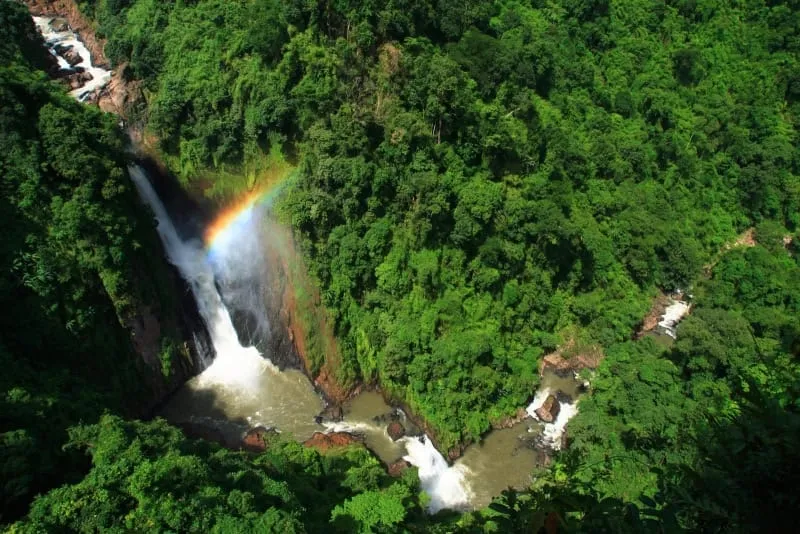
Watch out: Wild elephants cross park roads regularly, and Namtok Heo Narok carries real history behind the caution signs — eight elephants died there in 1992 and six more in 2019, both times after a calf fell during a river crossing and the herd went in after it. Keep well back from any elephant on foot, and don’t approach the upper river above the falls during heavy rain.
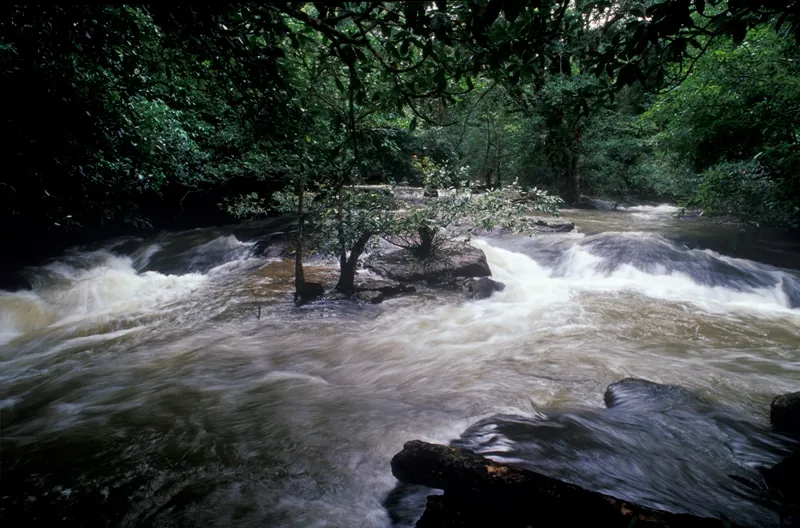
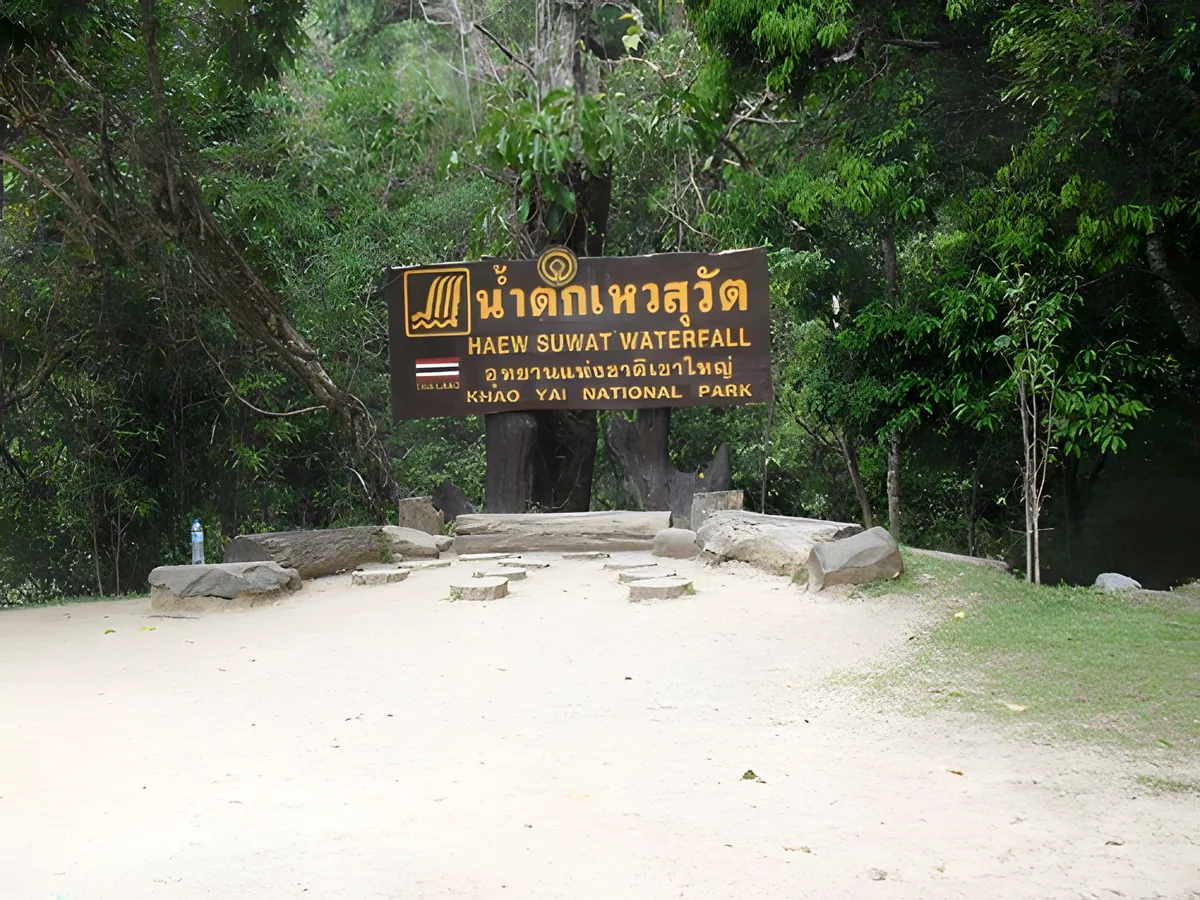
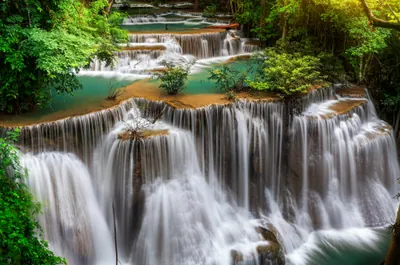
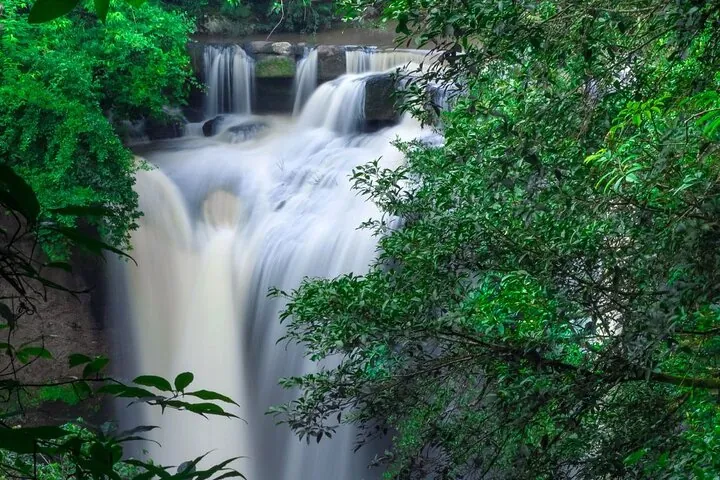
Waterfalls anchor most day visits. Namtok Haew Suwat drops about 20 metres into a circular pool and is an easy walk from the nearest car park — it’s the waterfall Leonardo DiCaprio’s character jumps from in The Beach, but swimming and cliff jumping are banned here year-round; the current is stronger than it looks and has caused injuries. Namtok Heo Narok, a three-tiered drop of around 150 metres, needs a longer walk but is the more dramatic sight, especially with a strong flow after rain. Between the two, Pha Kluai Mai’s smaller falls and orchid-covered cliff face make a quieter stop with fewer crowds.
Insider Tip: Book the night drive through the visitor centre rather than a private operator — it’s cheaper, uses park-trained guides, and spotlights the nocturnal wildlife (civets, flying squirrels, sometimes a slow loris) that day visitors never see.
Gates open 06:00-18:00 daily; entry is 400 THB for foreign adults (200 THB children), 40 THB for Thai adults (20 THB children), plus a 30 THB vehicle fee for cars, paid at either the Pak Chong or Prachinburi entrance. The park has a visitor centre, restaurant, convenience store, and both camping sites and bungalow accommodation if you want to stay inside rather than base yourself in Pak Chong town.
November to February is the easiest season — cool nights, clear air, and the grassland viewpoints at their best for spotting deer and gaur at dusk. Come during the rainy season (roughly June-October) and you’ll trade some visibility for the waterfalls running at full force, plus leeches on the wetter trails; long socks and closed shoes are worth packing either way. Weekends and Thai public holidays bring heavier traffic on the roads between viewpoints, so a weekday visit — or an early start ahead of the 8 AM rush of day-trip vans from Bangkok — makes a real difference to how much wildlife you actually see.
- Entry fee: 400 THB (foreign adult) / 40 THB (Thai adult); half for children
- Hours: Daily 06:00-18:00
- Established: 18 September 1962 — Thailand’s first national park
- UNESCO status: Part of the Dong Phayayen-Khao Yai Forest Complex, inscribed 2005
- Wildlife: Wild elephants, white-handed gibbons, great hornbills, gaur
Full area guide at Khao Yai.
Location & Directions
Pak Chong, Nakhon Ratchasima
Khao Yai, Thailand
Show your taxi or Grab driver
อุทยานแห่งชาติเขาใหญ่
Frequently Asked Questions
How much does it cost to enter Khao Yai National Park?
Will I actually see wild elephants?
What's the best waterfall to visit?
How far is Khao Yai from Bangkok?
Is Khao Yai worth it if I've already done other Thai national parks?
Spotted something out of date or incorrect? Let us know
Tours visiting Khao Yai National Park

Stay Near Khao Yai National Park
Live prices for places closest to Khao Yai National Park — tap a pin to compare.